Umetnici
84 umetnika u 6 perioda istorije umetnosti.
Antička umetnost
oko 3000. p.n.e. – 400. n.e.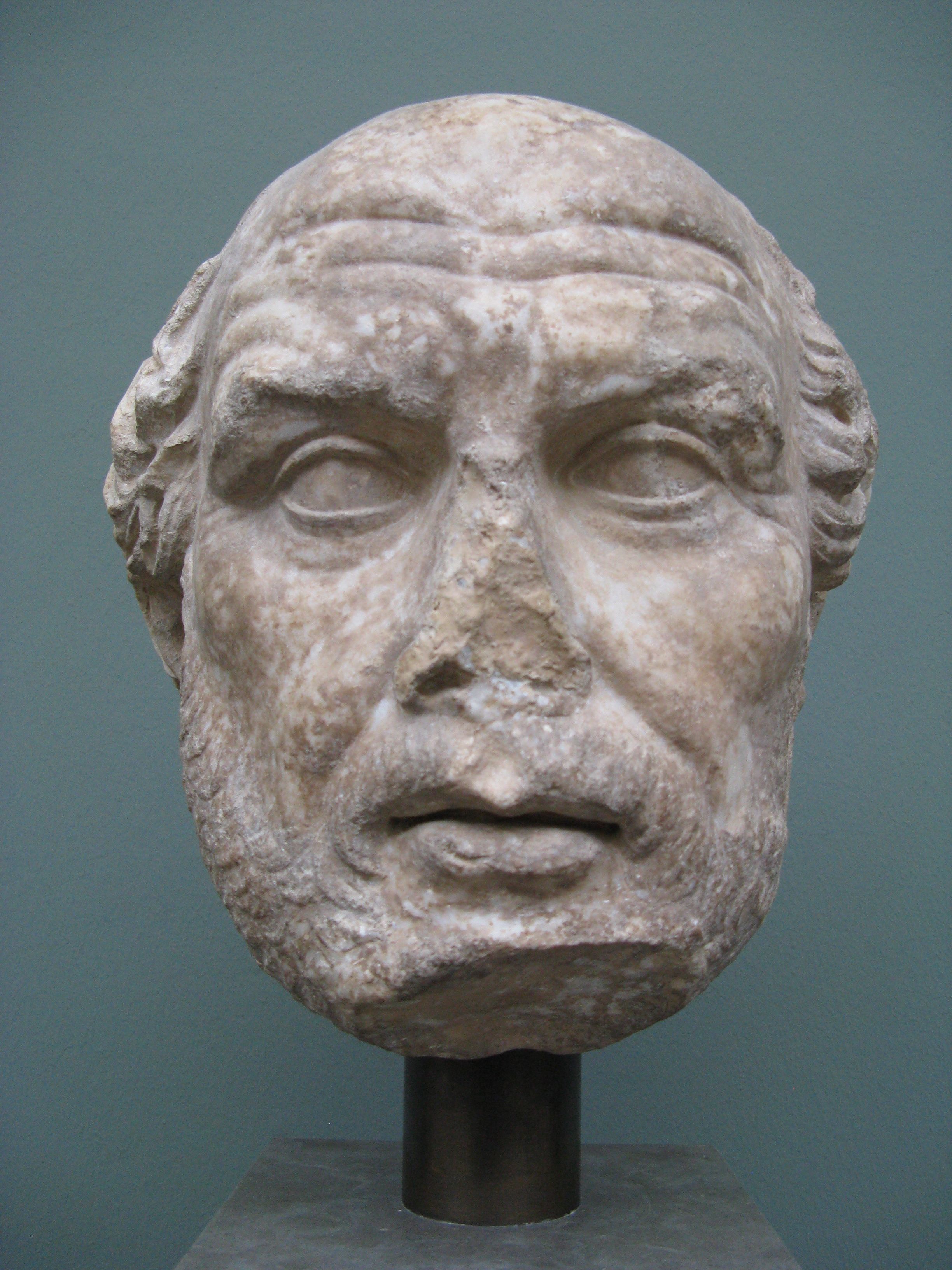
Phidias
Grk · c. 480 BC–c. 430 BC
Najveći vajar klasične Grčke, čije su monumentalne hrizelefantinske statue i rukovođenje skulpturama Partenona definisali vizuelne ideale antičkog sveta.
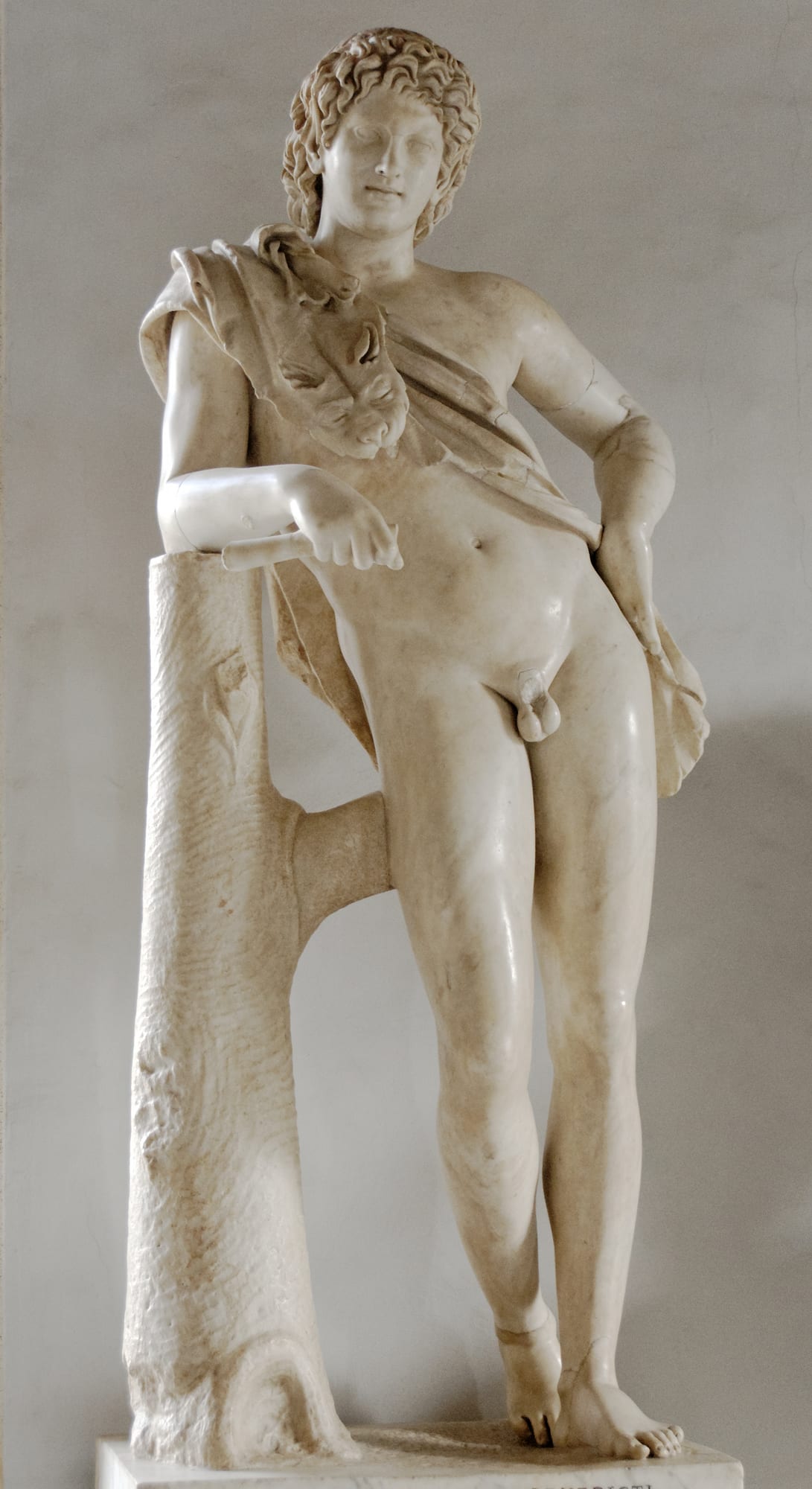
Praxiteles
Grk · c. 400 BC–c. 330 BC
Atinski vajar koji je revolucionisao grčku umetnost uvođenjem mekšeg, senzualnijeg pristupa ljudskoj figuri, stvarajući prvi monumentalni ženski akt u zapadnoj umetnosti.
Srednjovekovna umetnost
oko 400. – 1400.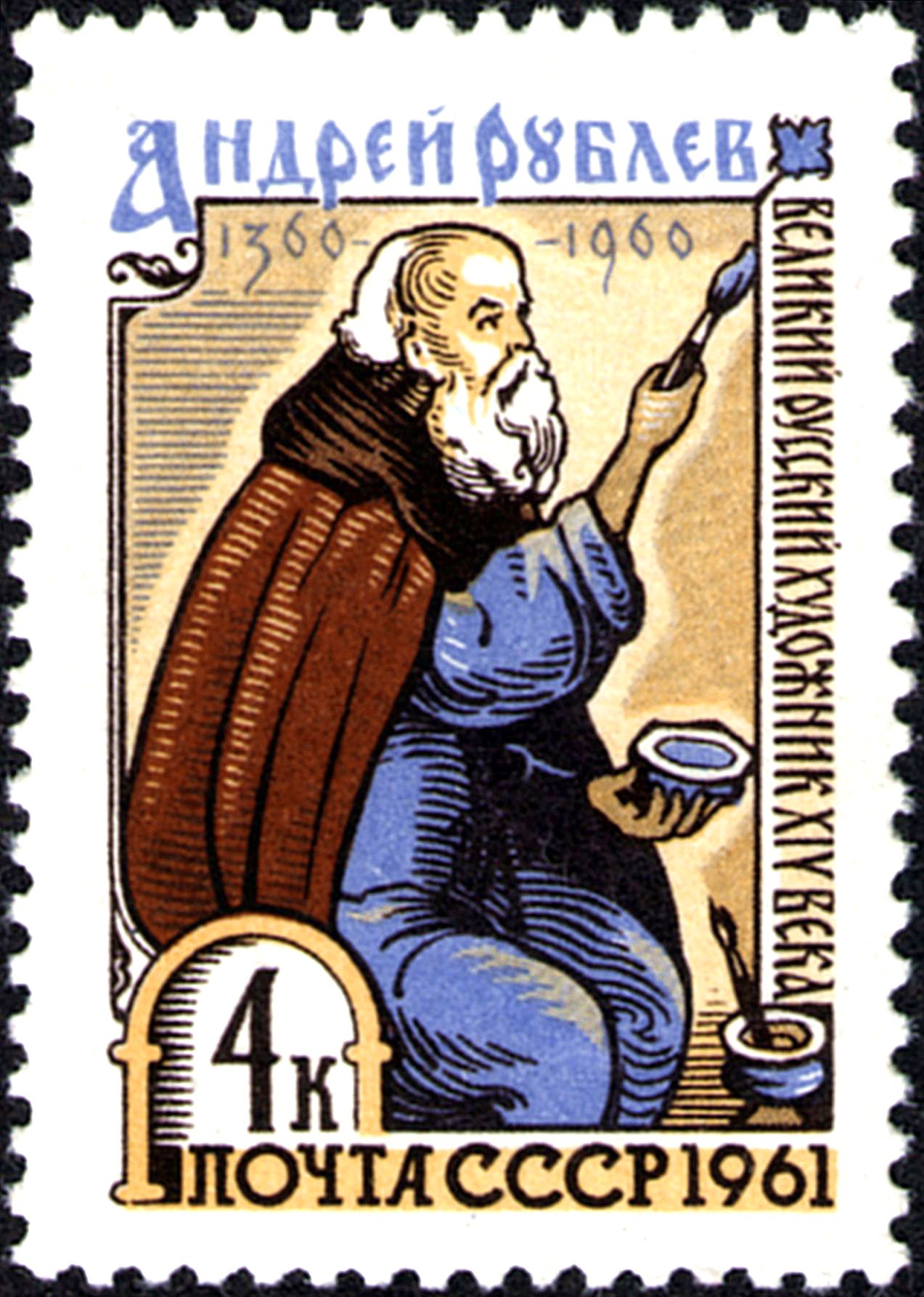
Andrei Rublev
Rus · c. 1360–c. 1430
Najveći ruski ikonopisac, čija luminozna ikona Trojice predstavlja vrhunac srednjovekovne pravoslavne umetnosti i duhovnosti.
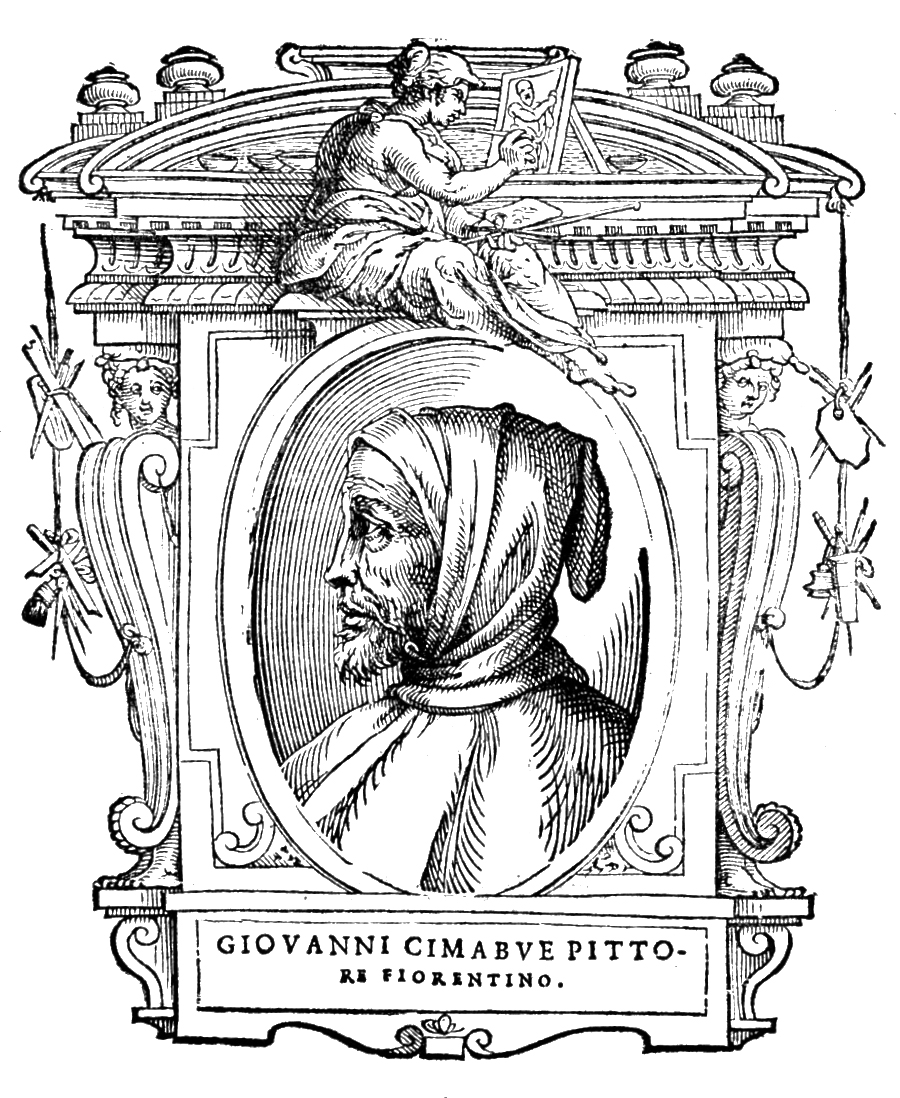
Cimabue
Italijan · c. 1240–c. 1302
Poslednji veliki slikar italijanske tradicije pod vizantijskim uticajem, čije su inovacije u naturalizmu utrale put Đotu i renesansi.
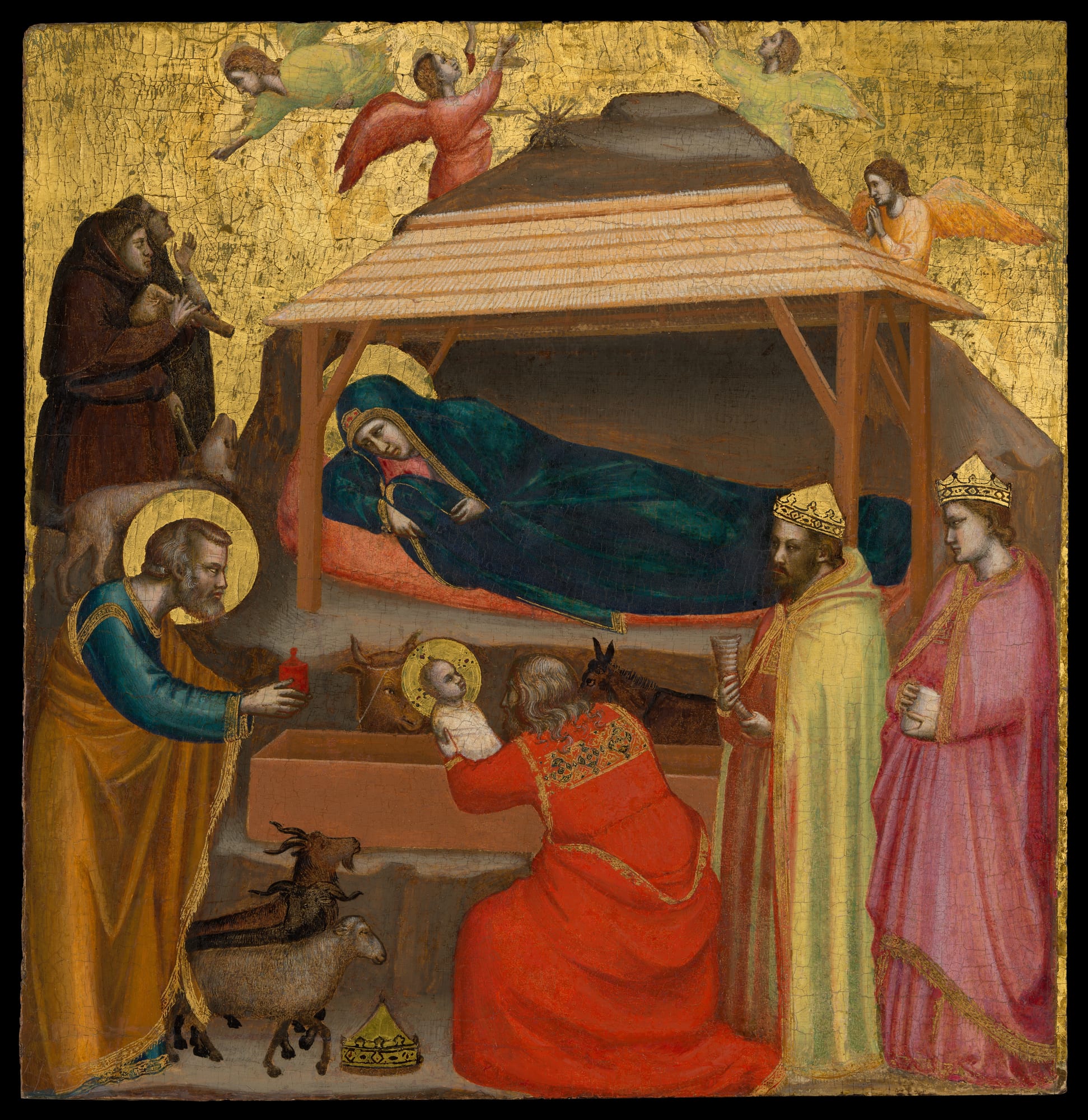
Giotto di Bondone
Italijan · c.1267–1337
Revolucionarni firentinski slikar koji je napustio ravnu vizantijsku konvenciju da bi stvorio figure naturalističke težine, emocije i prostorne dubine, stekavši priznanje kao otac zapadnog slikarstva.
Renesansa
oko 1400. – 1600.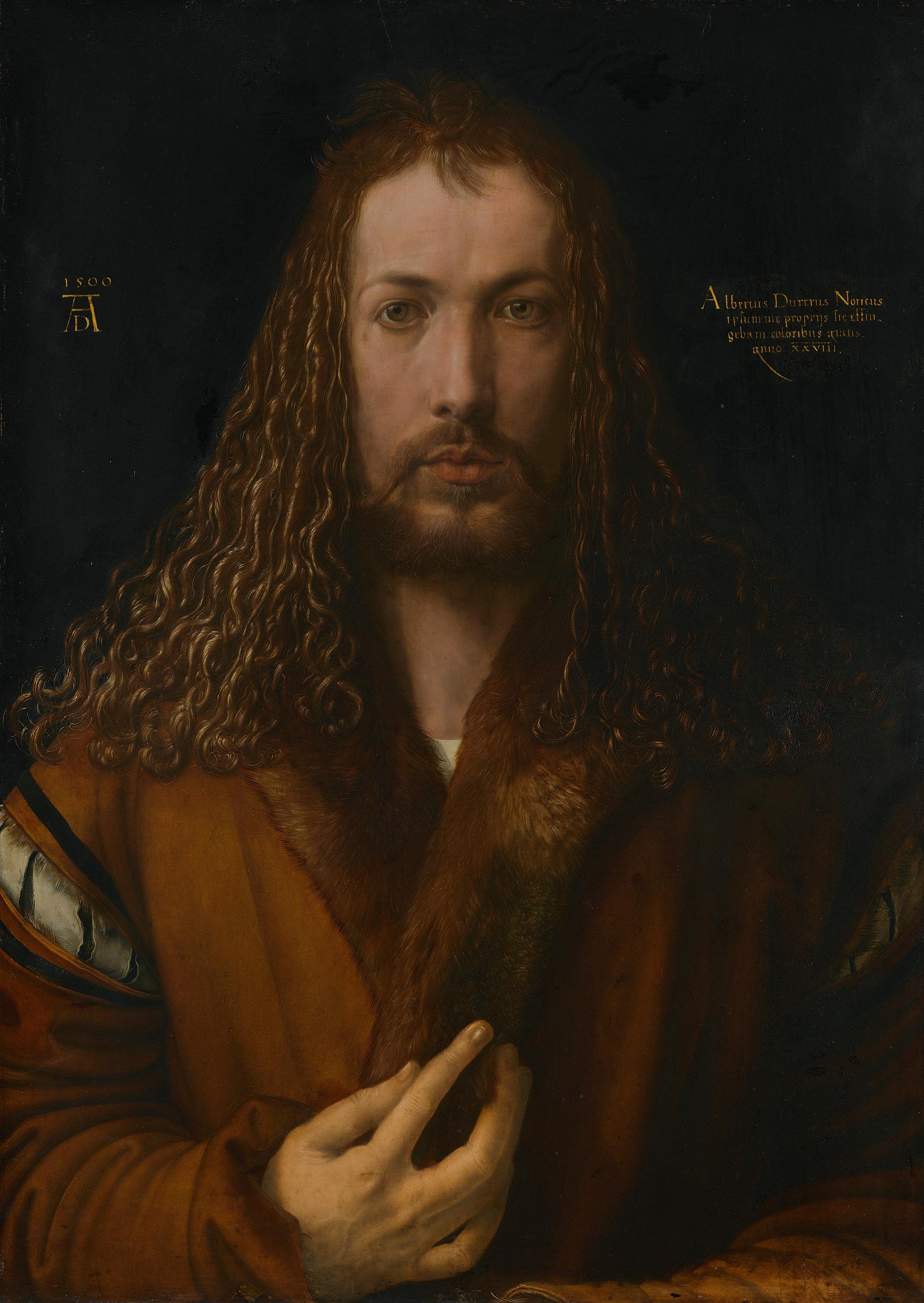
Albrecht Dürer
Nemac · 1471–1528
Vrhunski umetnik severne renesanse, čije je majstorstvo u grafici, slikarstvu i teorijskom pisanju premostilo italijansku i severnoevropsku tradiciju.
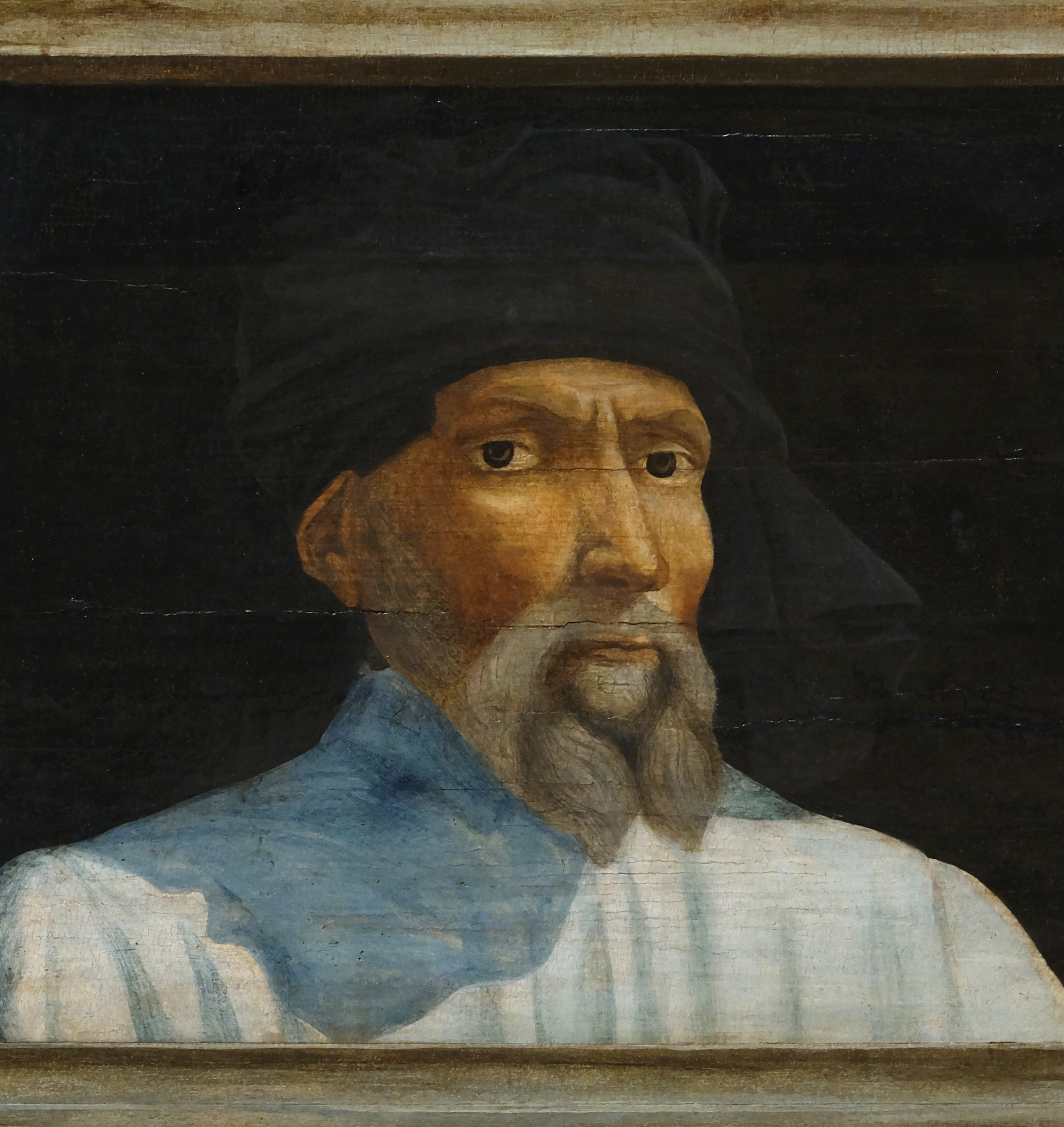
Donatello
Italijan · c. 1386–1466
Osnivač moderne skulpture, čiji su revolucionarni naturalizam i psihološki intenzitet definisali umetničke ideale rane renesanse.
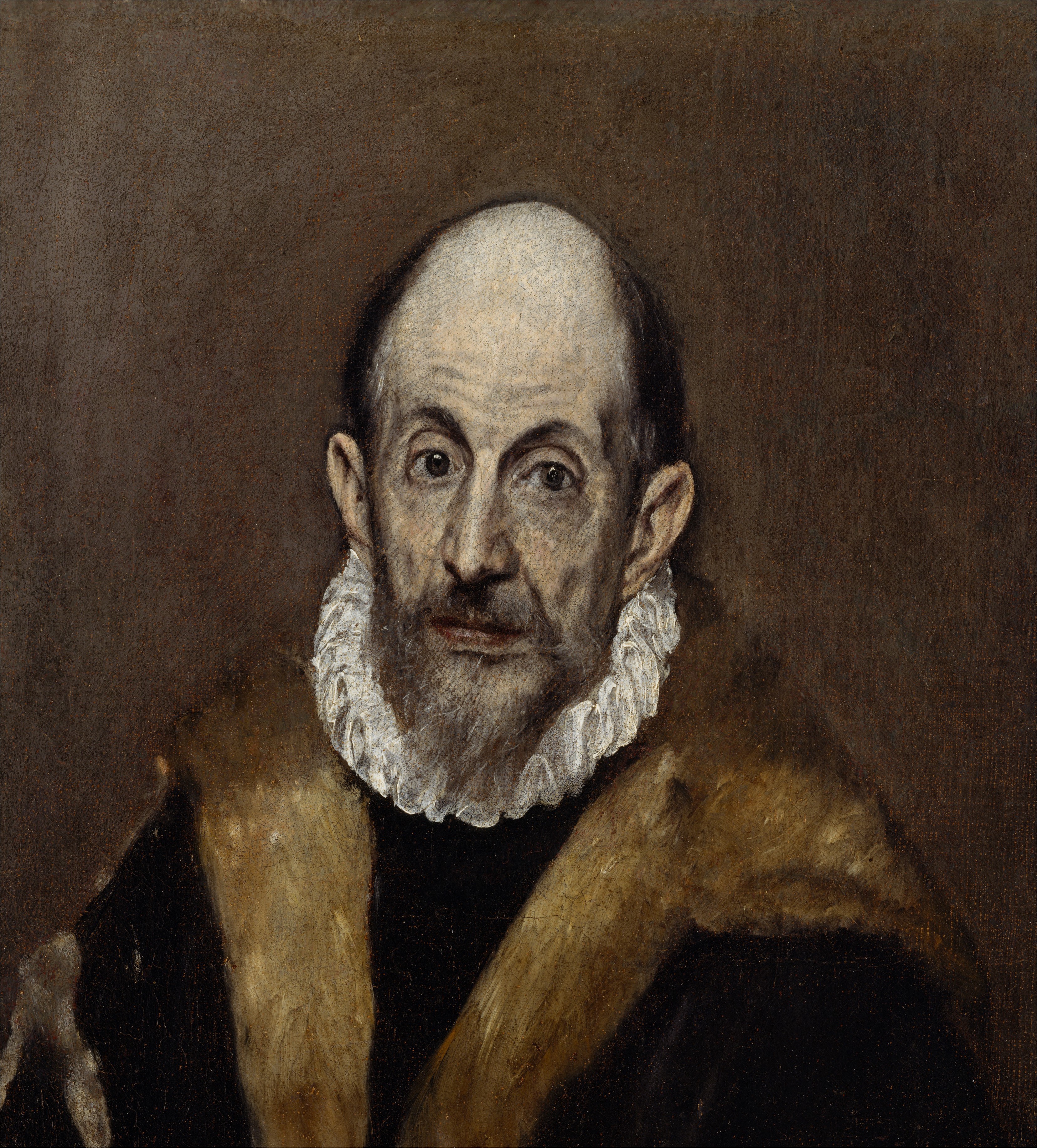
El Greco
Grk-Španac · 1541–1614
Vizionar rođen na Kritu koji je iskovao izuzetno lični stil izduženih figura, električne boje i mističnog žara u Španiji protivreformacije.
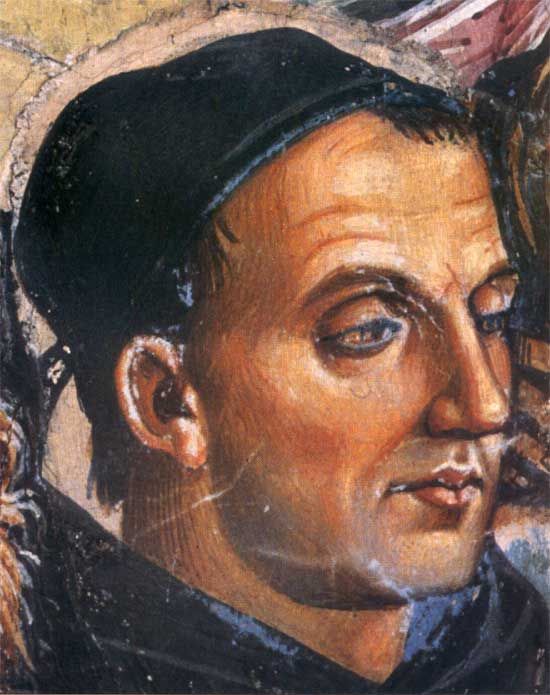
Fra Angelico
Italijan · c. 1395–1455
Dominikanski fratar čije su svetleće freske i oltarske slike spojile pobožnu duhovnost sa novim renesansnim ovladavanjem perspektivom, svetlošću i bojom.
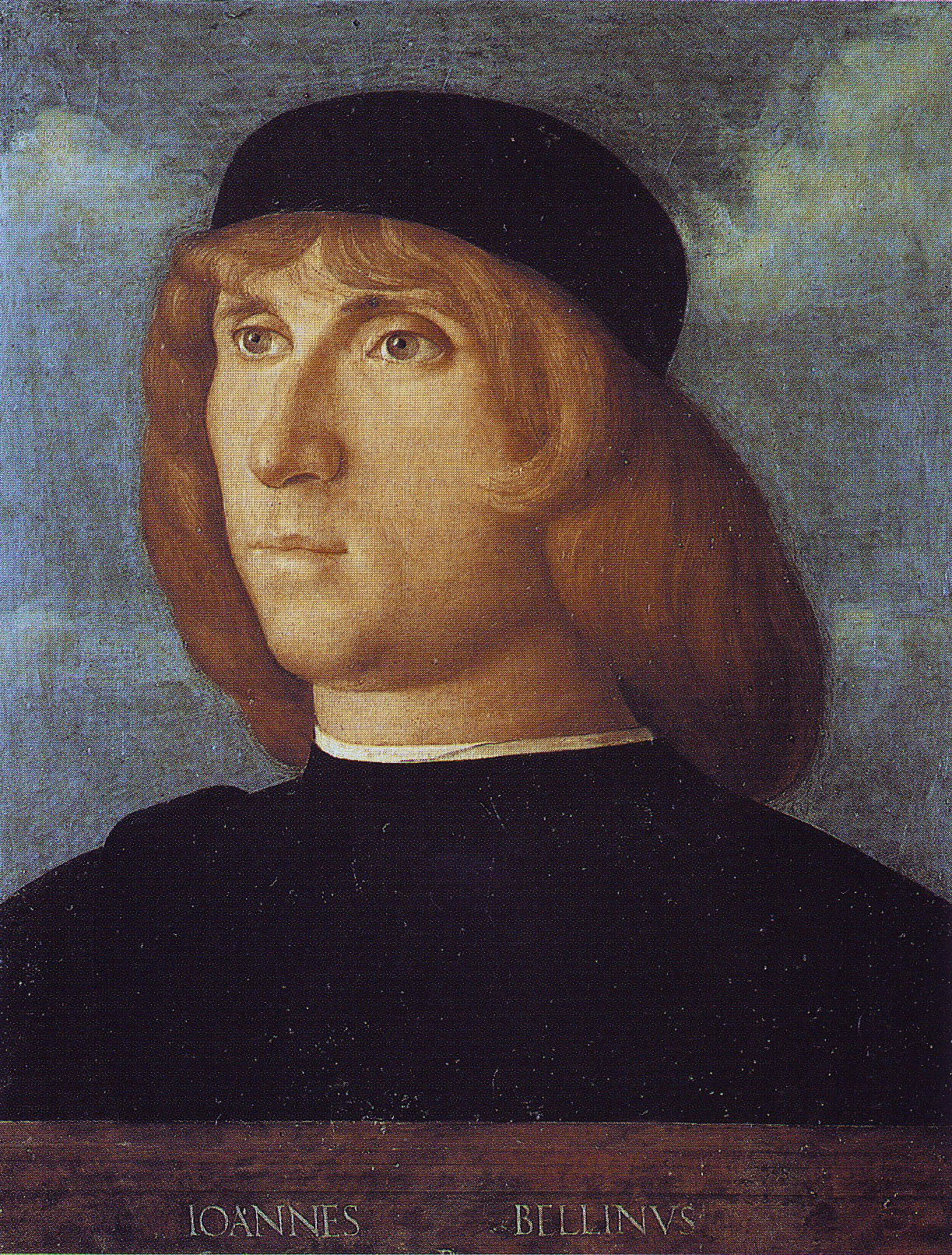
Giovanni Bellini
Italijan · c. 1430–1516
Osnivački majstor venecijanske renesanse, čija je pionirska upotreba uljanih boja i svetleće boje transformisala italijansku umetnost.
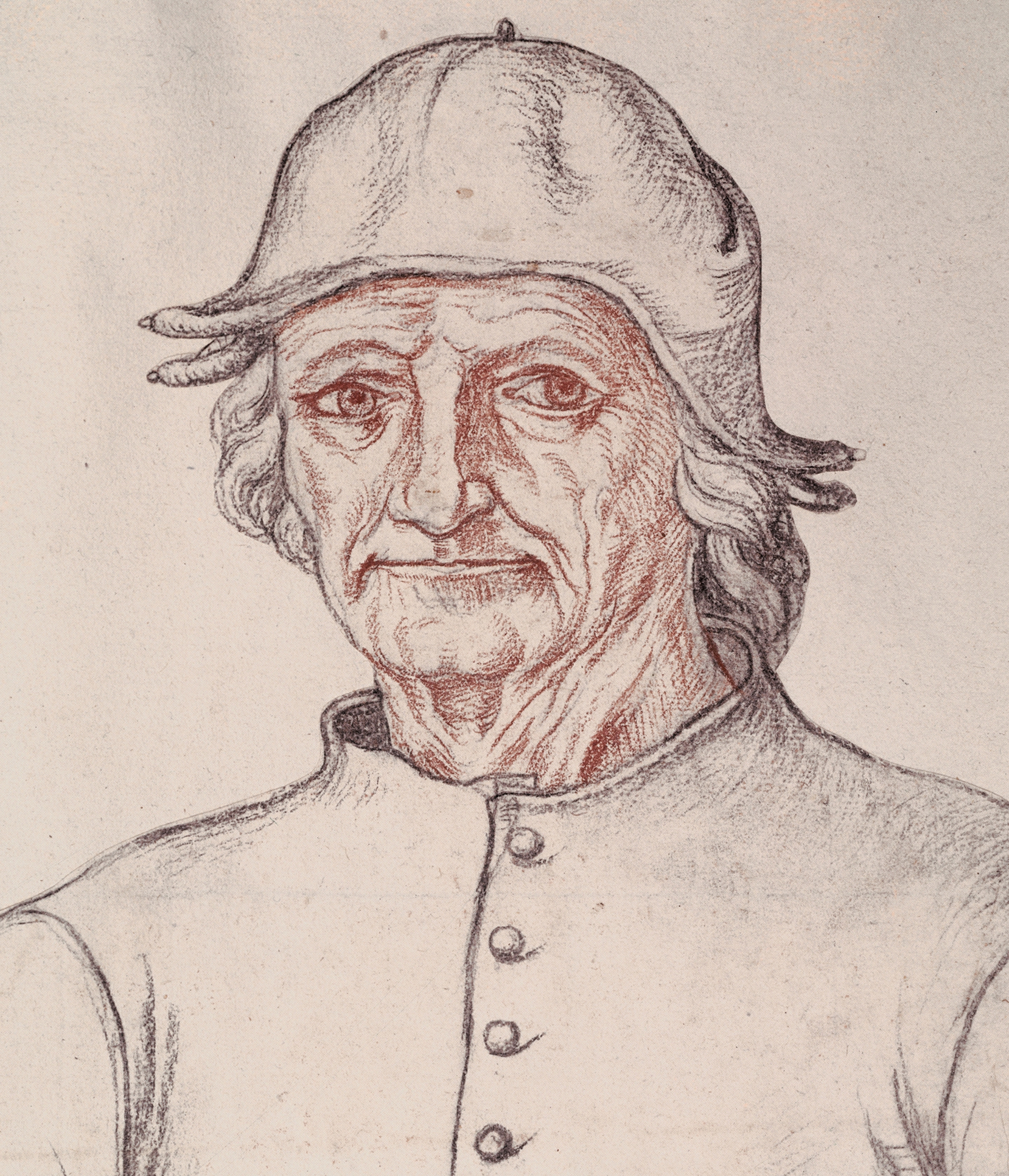
Hieronymus Bosch
Holanđanin · c. 1450–1516
Vizionarski holandski slikar čije su fantastične slike pakla, iskušenja i ljudske ludosti među najenigmatičnijim i najuznemirujućim u zapadnoj umetnosti.
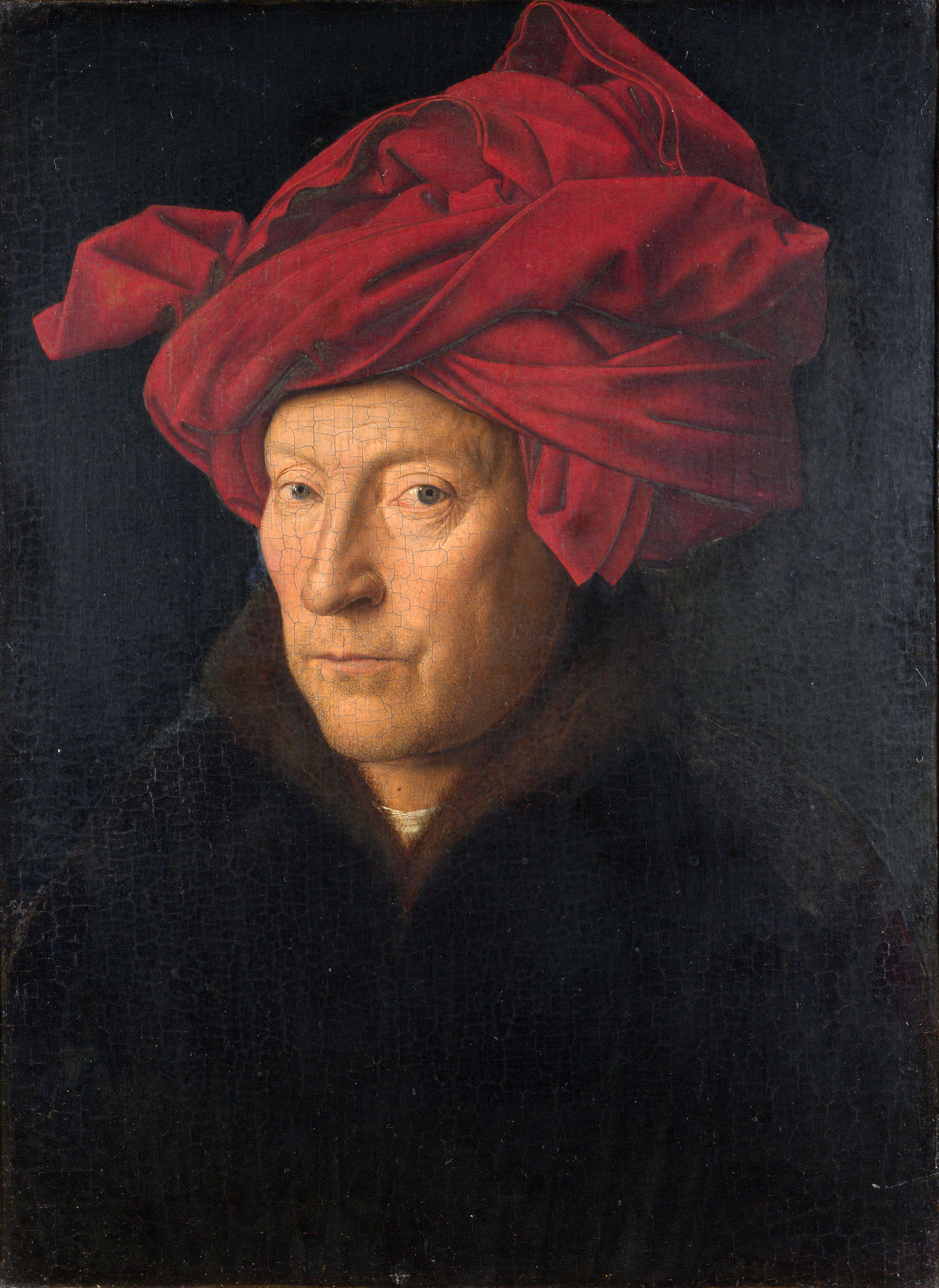
Jan van Eyck
Flamanac · c. 1390–1441
Flamanski majstor koji je usavršio tehniku uljnog slikarstva, postižući neviđenu luminoznost i mikroskopski realizam koji je zadivio renesansni svet.
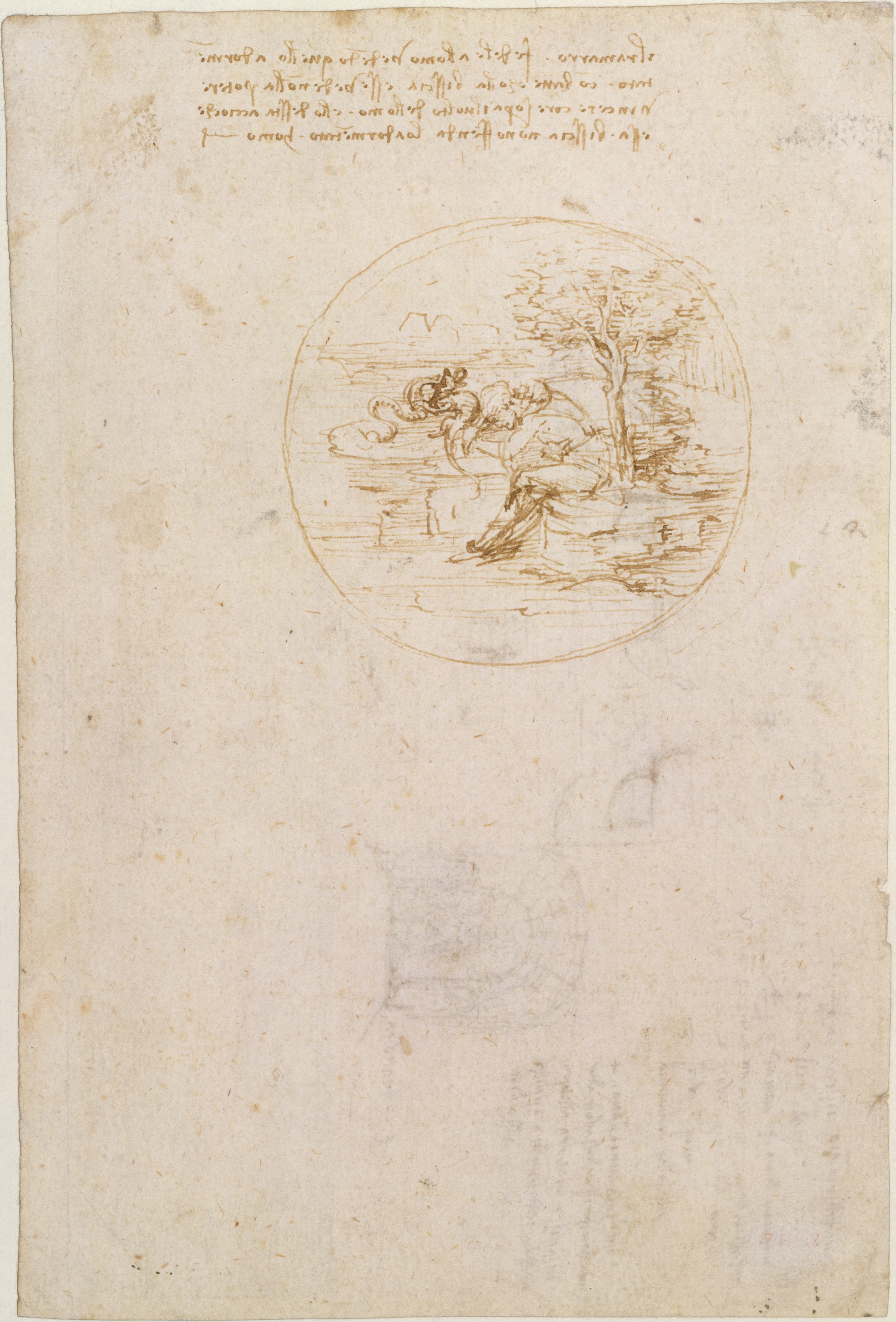
Leonardo da Vinci
Italijan · 1452–1519
Arhetipski renesansni genije — slikar, vajar, arhitekta, inženjer, naučnik i vizionar.
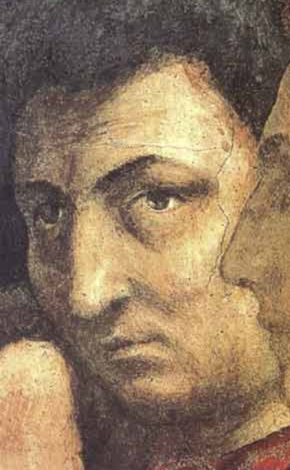
Masaccio
Italijan · 1401–1428
Revolucionarni mladi slikar koji je uveo sistematsku perspektivu, volumetričnu formu i jedinstveno osvetljenje u zapadnu umetnost, umrevši sa samo dvadeset šest godina.
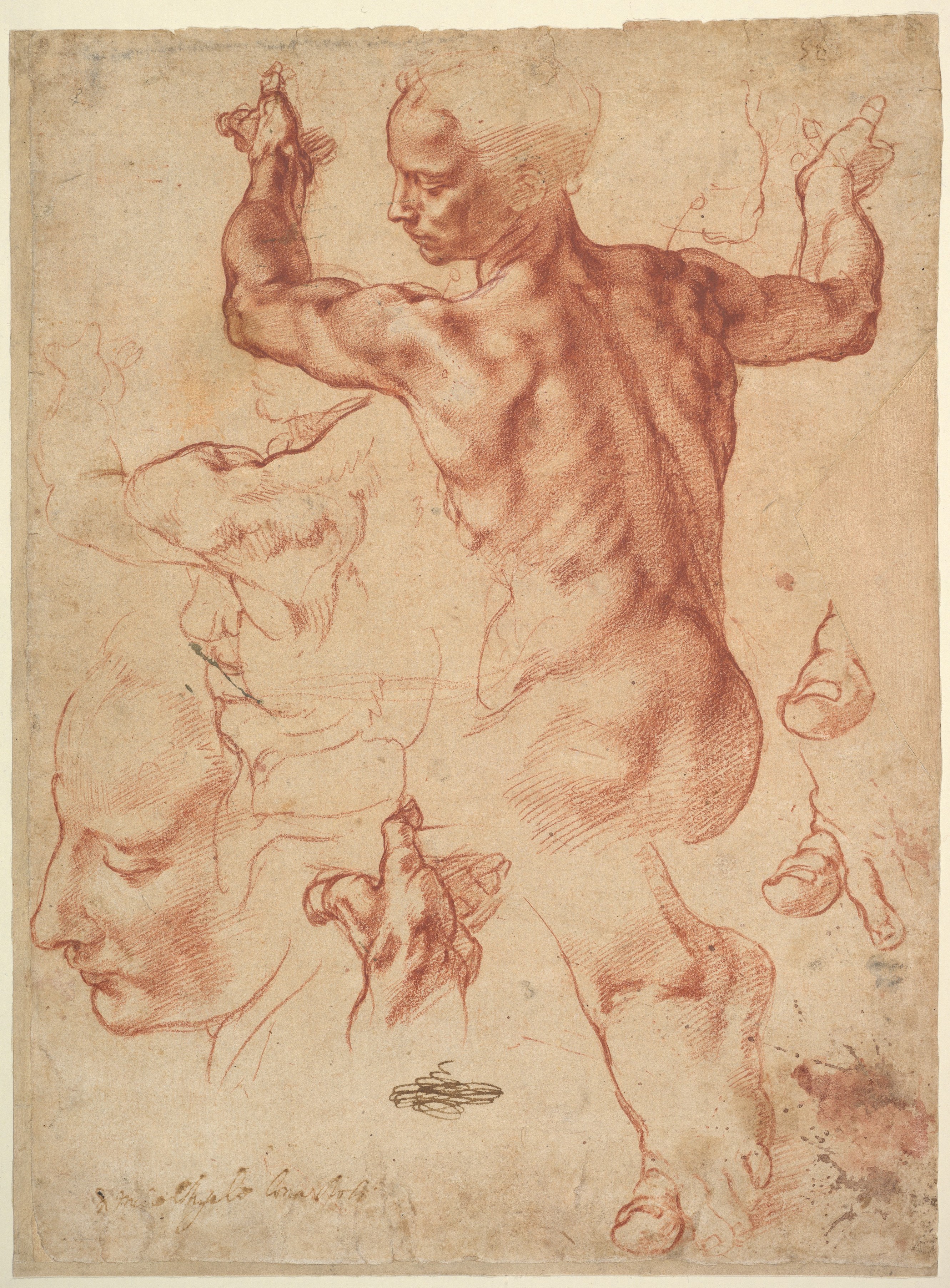
Michelangelo Buonarroti
Italijan · 1475–1564
Kolosalna figura renesanse čije savršenstvo u skulpturi, slikarstvu i arhitekturi ostaje neprevaziđeno.
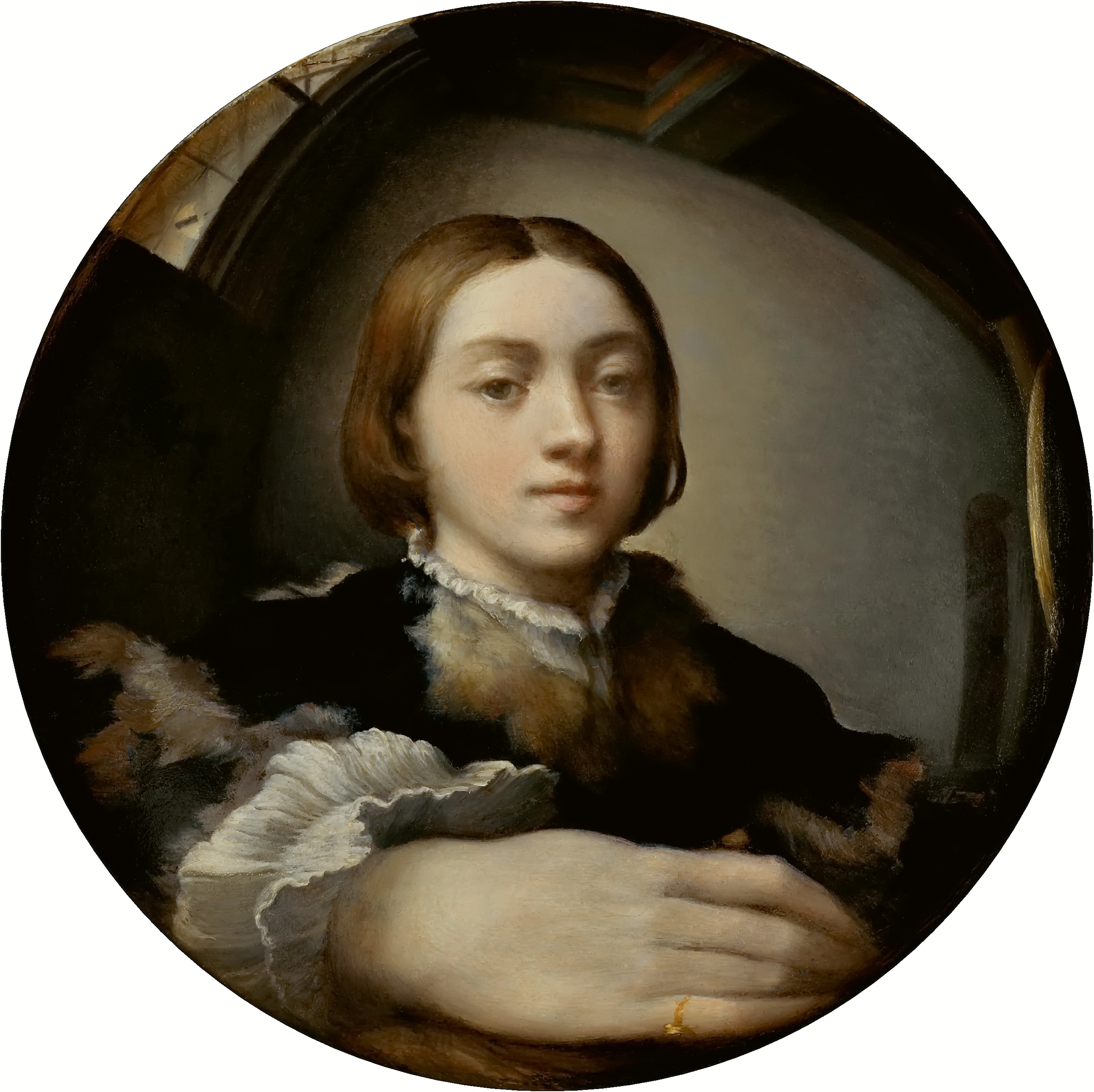
Parmigianino
Italijan · 1503–1540
Kvintesencijalni maniristički slikar, čije su elegantne distorzije i profinjena gracioznost oličenje sofisticirane, intelektualizovane umetnosti šesnaestovekovne Italije.
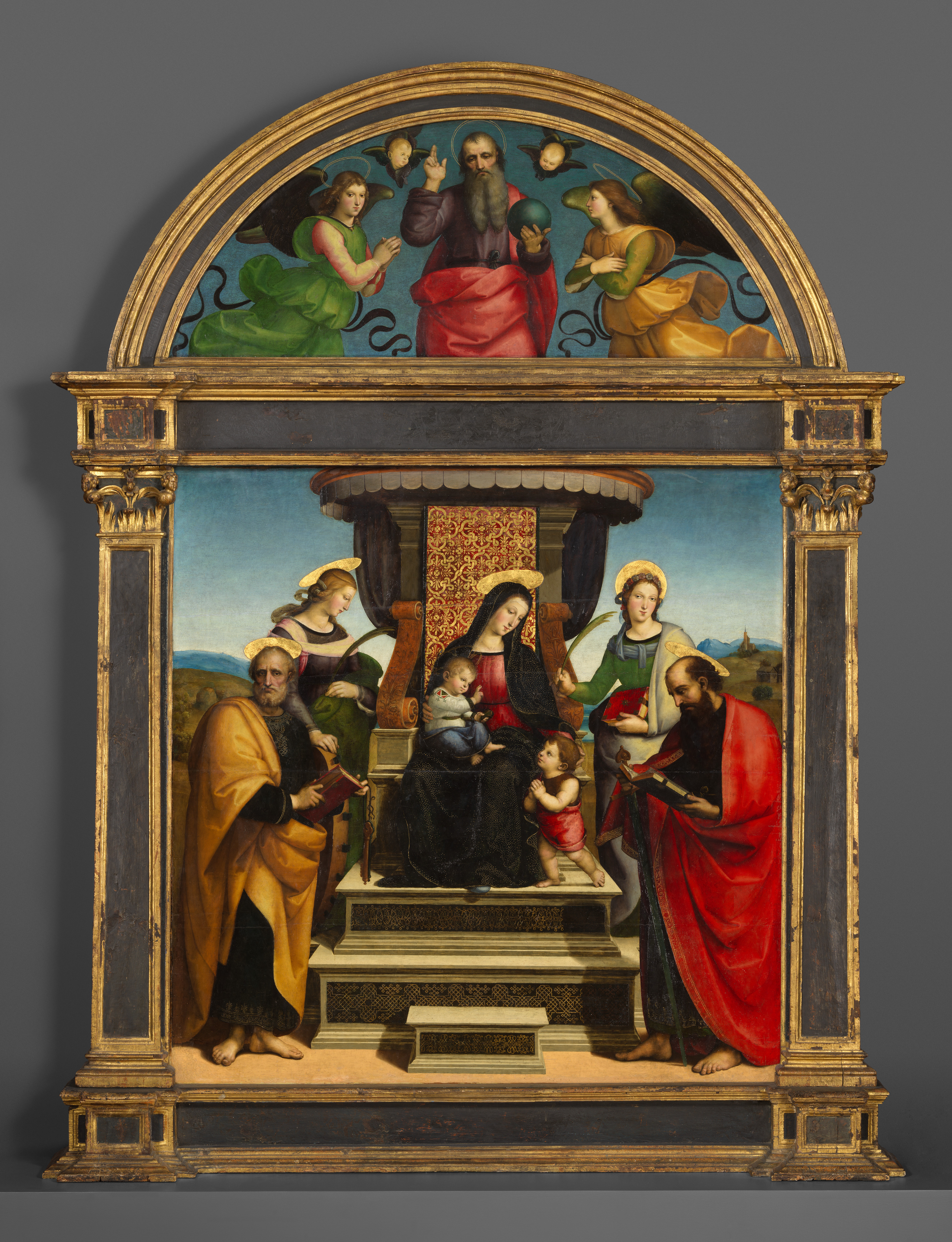
Raphael (Raffaello Sanzio da Urbino)
Italijan · 1483–1520
Vrhovni sintetičar visoke renesanse čije su harmonične kompozicije i graciozne figure postavile standard za zapadno slikarstvo tokom vekova.
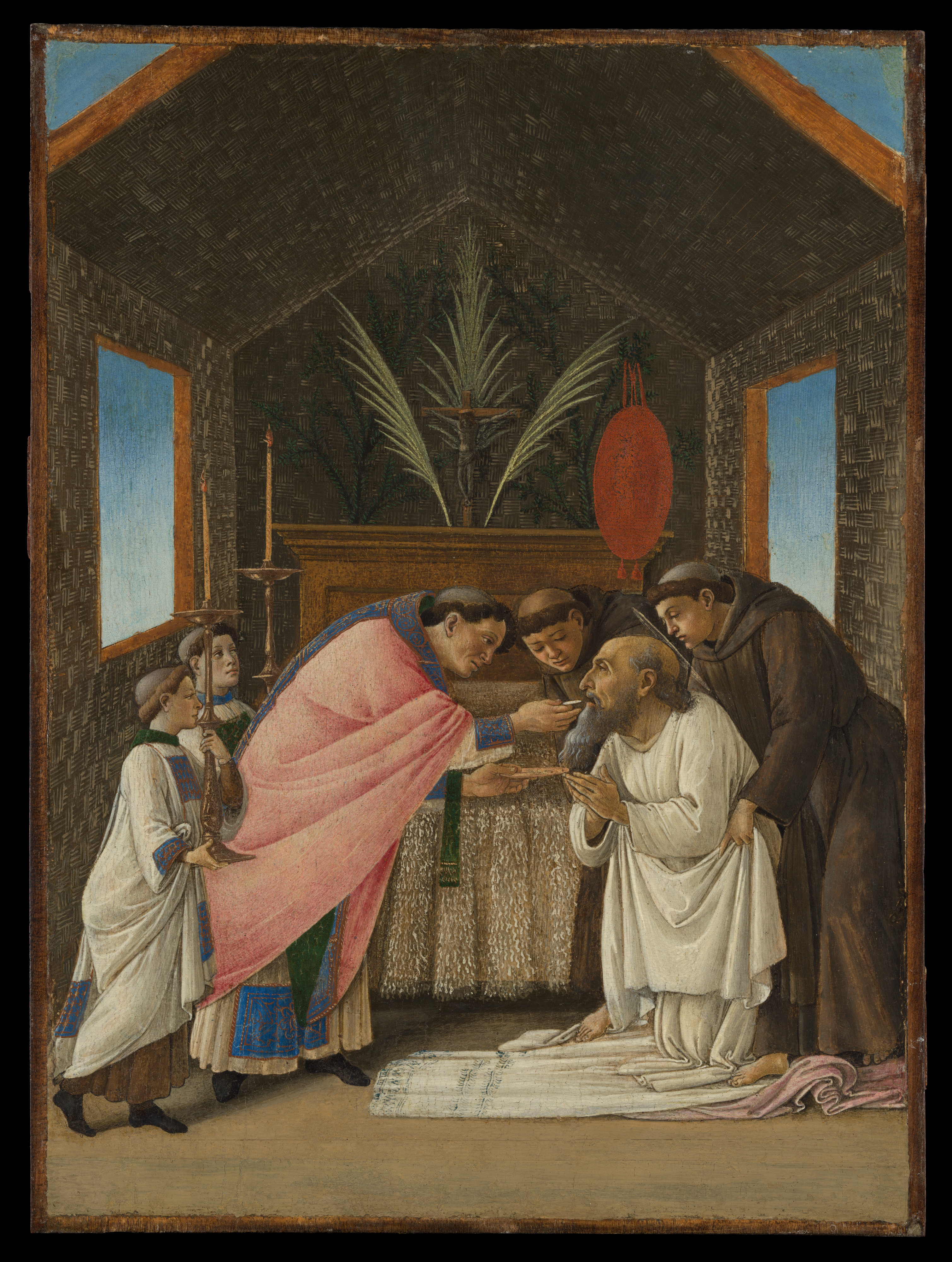
Sandro Botticelli
Italijan · 1445–1510
Firentinski majstor čije su graciozne, lirske slike mitoloških i religioznih tema definisale lepotu rane renesanse.
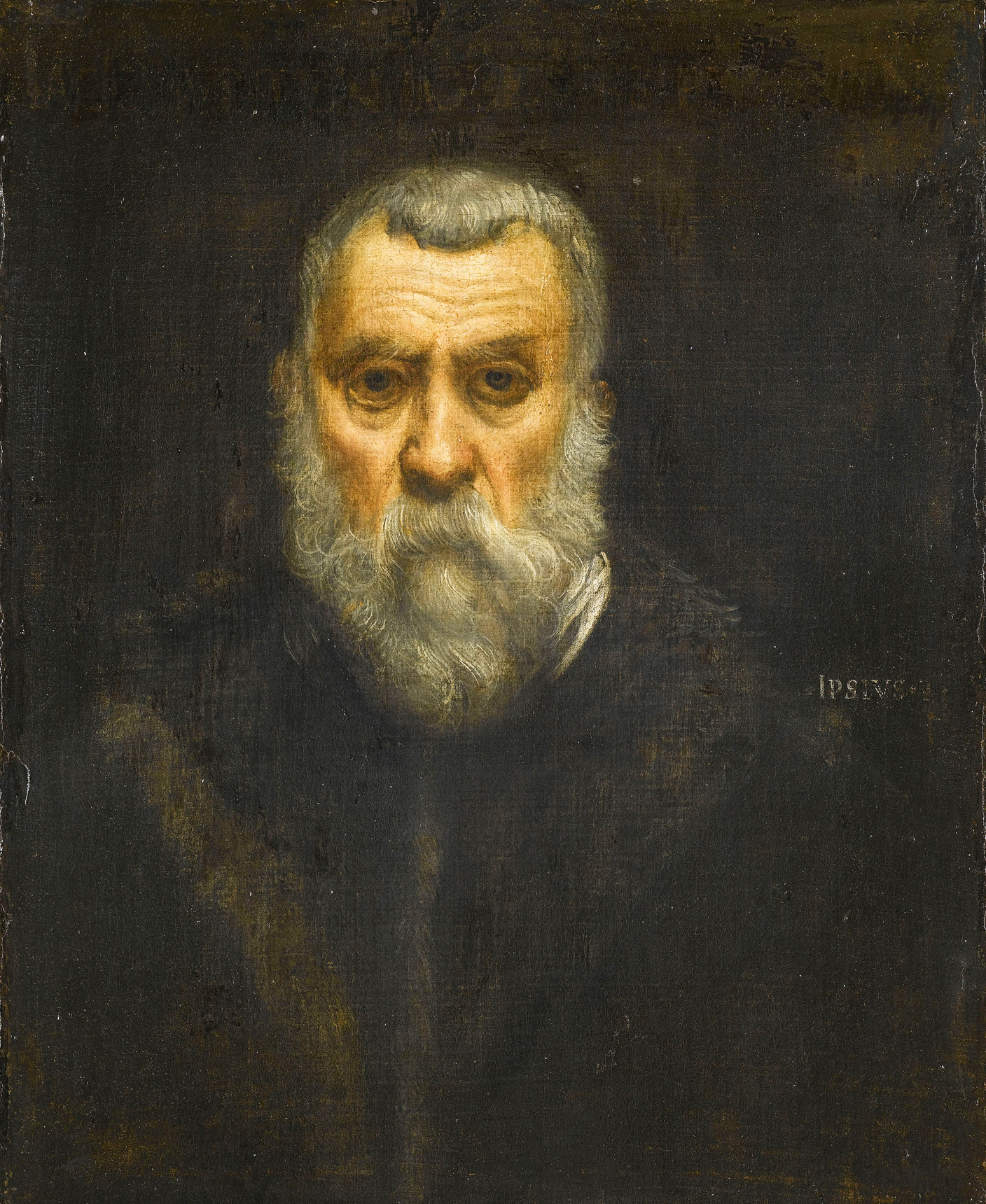
Tintoretto
Italijan · 1518–1594
Najdramatičniji slikar venecijanske renesanse, čije su eksplozivne kompozicije, smele perspektive i teatralno osvetljenje gurnuli slikarstvo ka baroku.
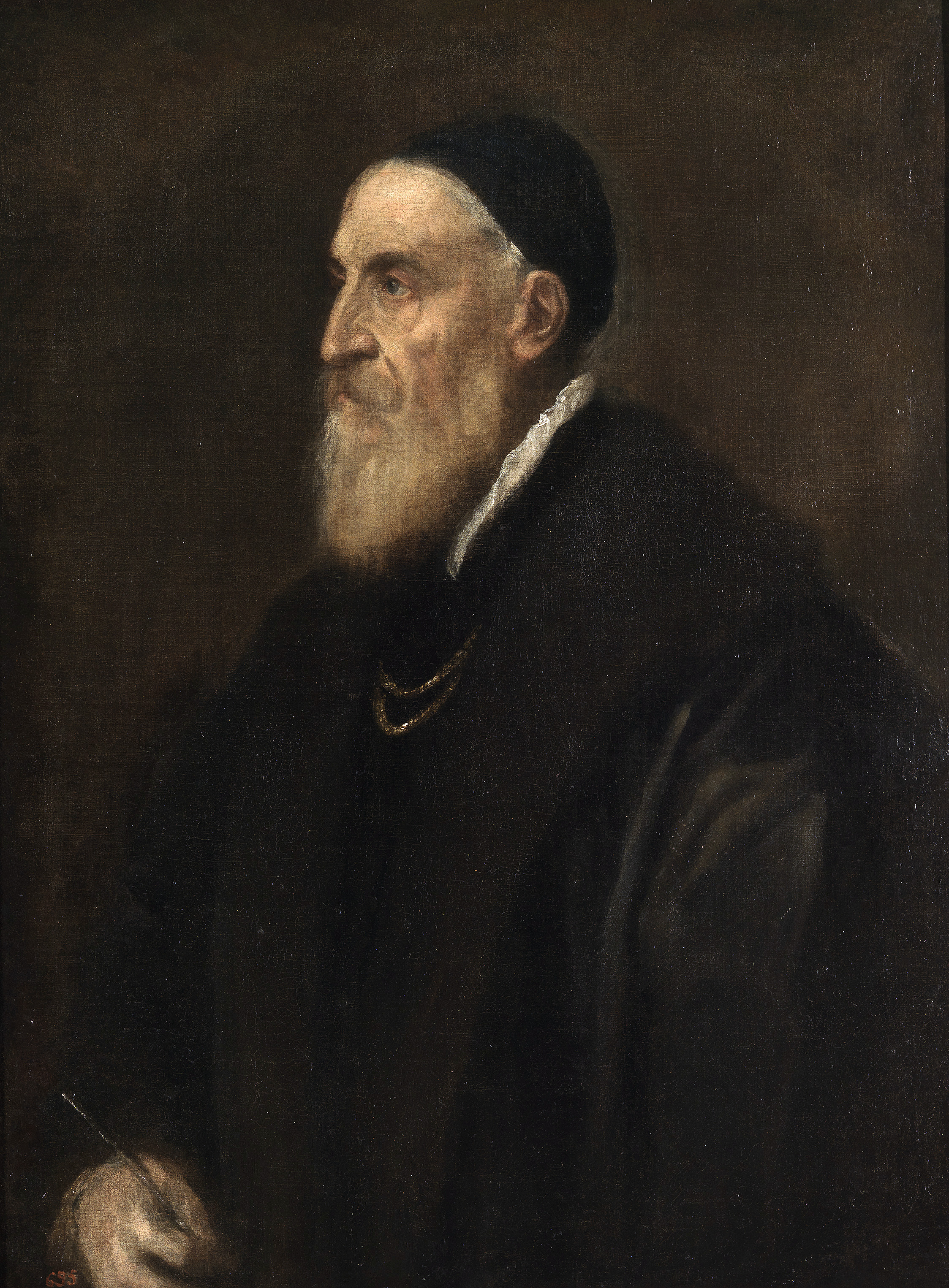
Titian
Italijan · c. 1488–1576
Vrhovni kolorista venecijanske renesanse, čija je revolucionarna slikarska tehnika uticala na vekove evropske umetnosti od Rubensa do impresionista.
Barok i rokoko
oko 1600. – 1780.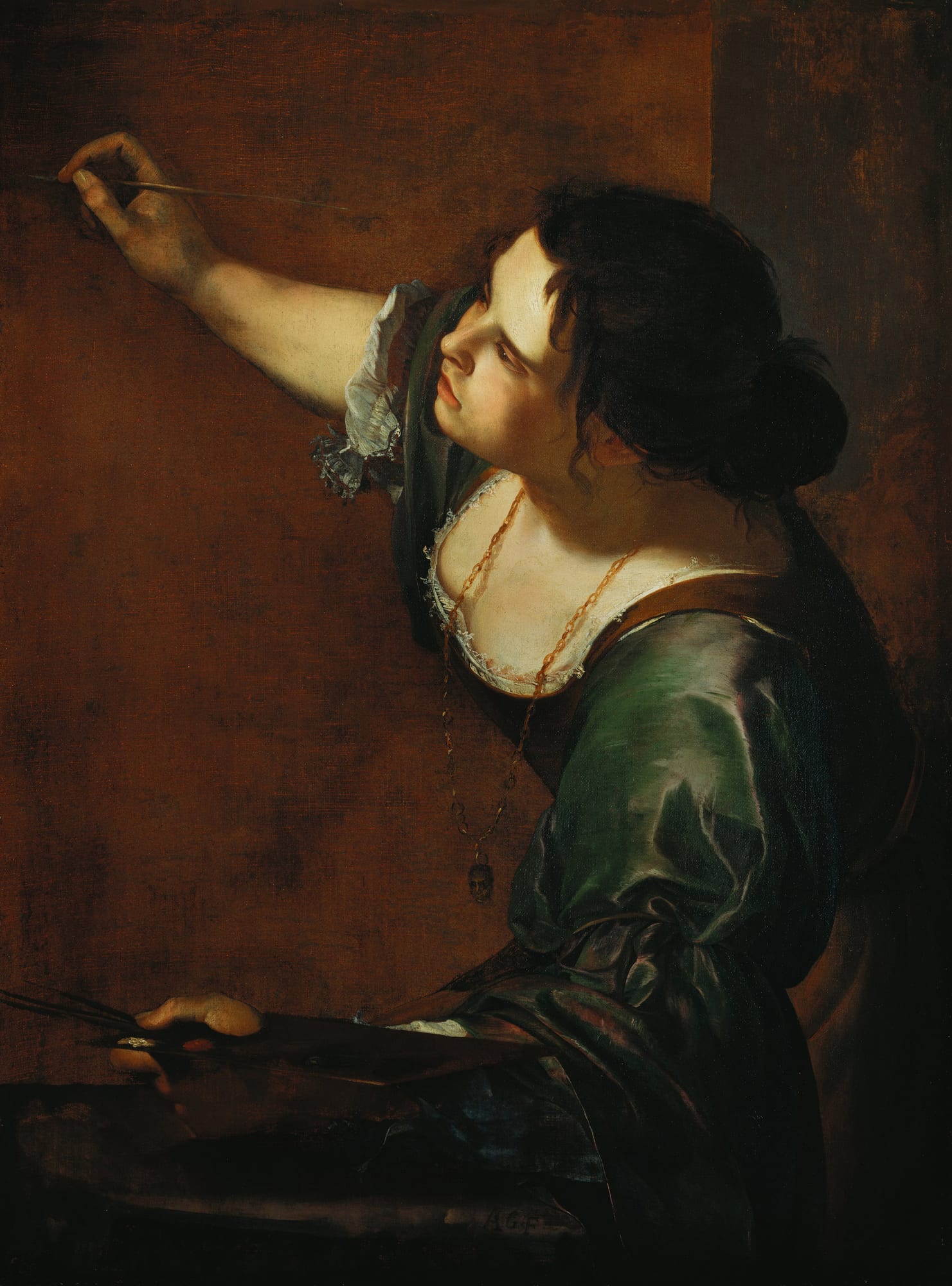
Artemisia Gentileschi
Italijan · 1593–c. 1656
Najznačajnija slikarka epohe baroka, čiji su visceralni prikazi biblijskih heroina izazvali muški pogled sa neviđenom snagom i delatnošću.
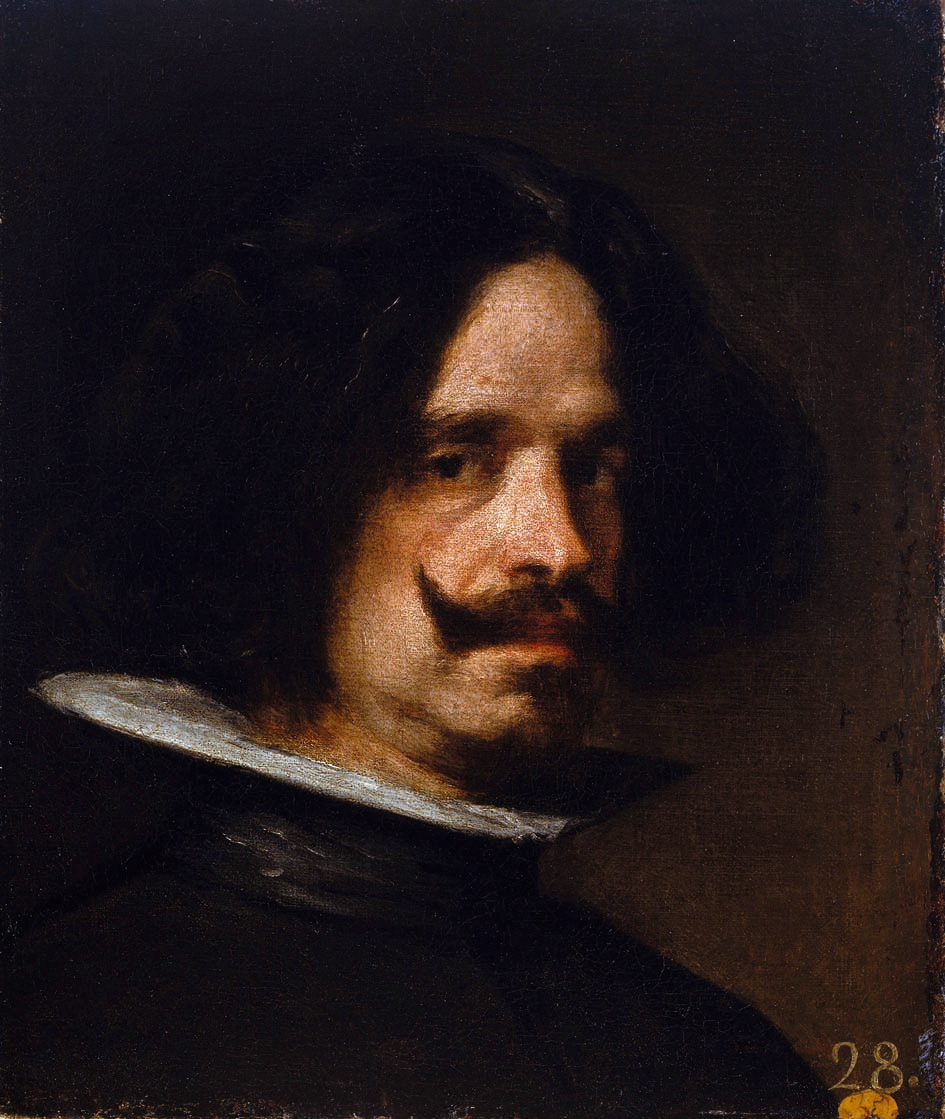
Diego Velázquez
Španac · 1599–1660
Majstor slikarstva Španskog zlatnog doba, čiji su neviđeni naturalizam i kompozicioni genije učinili Las Meninas najanaliziranijom slikom u zapadnoj umetnosti.
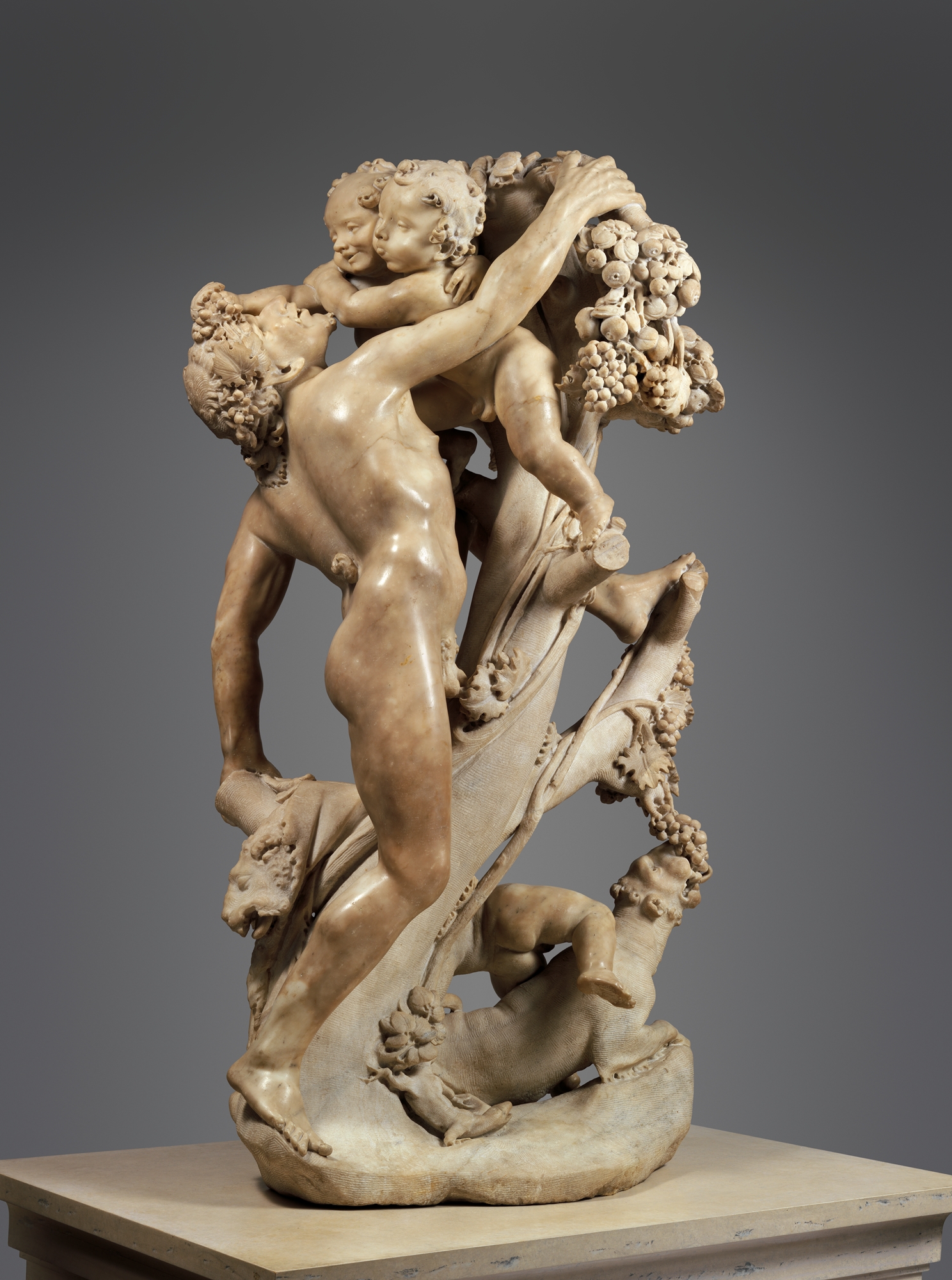
Gian Lorenzo Bernini
Italijan · 1598–1680
Vrhunski umetnik rimskog baroka čije su skulpture, arhitektura i teatralni ansambli transformisali Rim u pozornicu za sjaj katoličke protivreformacije.
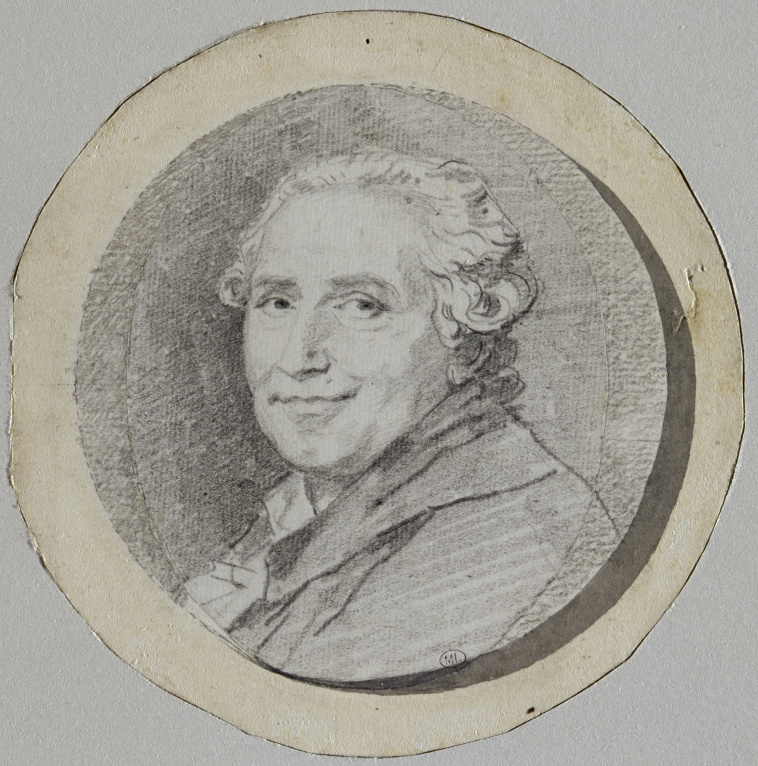
Jean-Honoré Fragonard
Francuz · 1732–1806
Poslednji veliki majstor rokoka, čiji su razigrani potezi četkom i scene ljubavi i zadovoljstva otelotvorili duh predrevolucionarne Francuske.
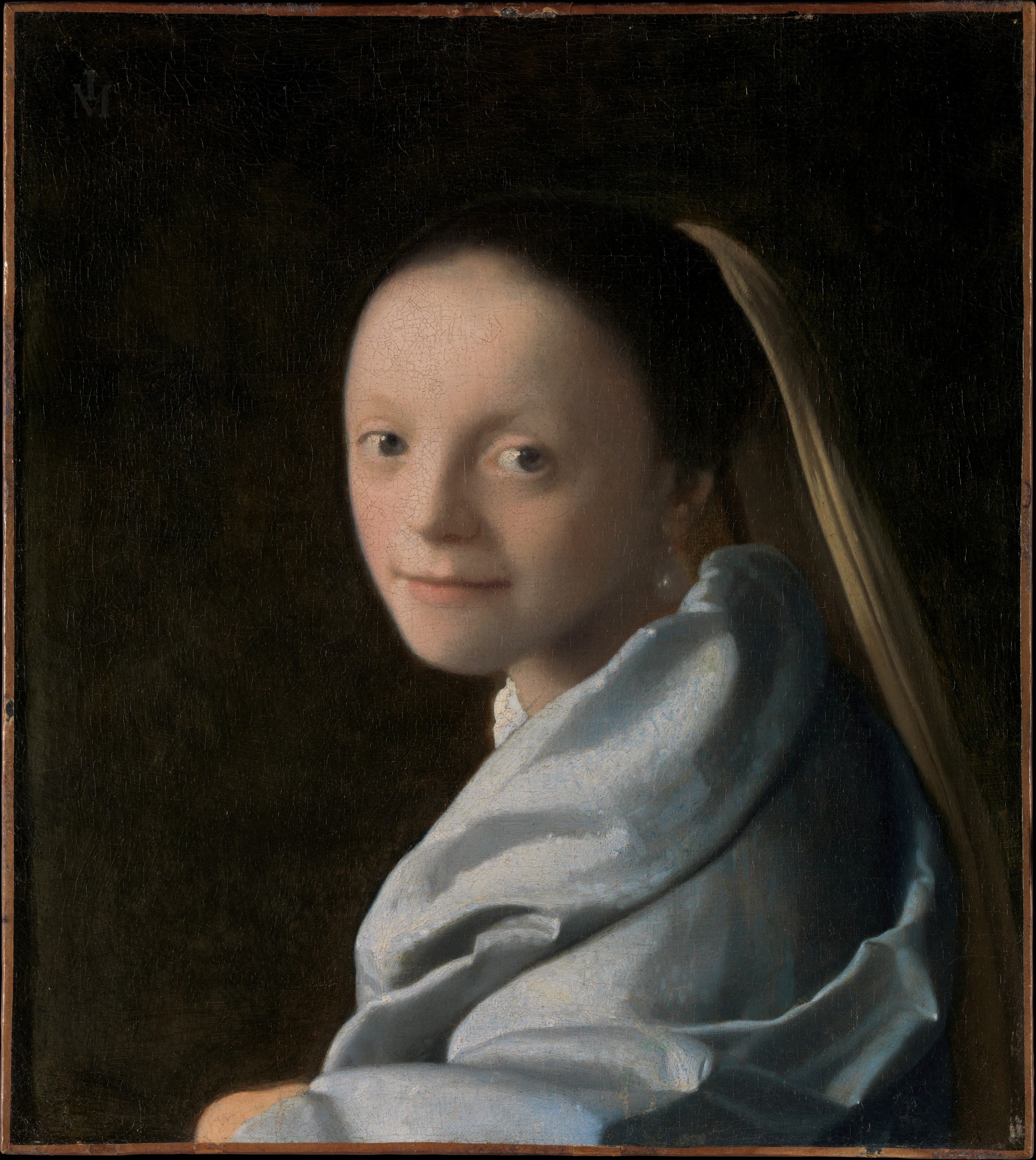
Johannes Vermeer
Holanđanin · 1632–1675
Majstor svetlosti i tišine, Vermer je stvarao luminozne domaće scene tako tihog savršenstva da deluju kao da zaustavljaju vreme.
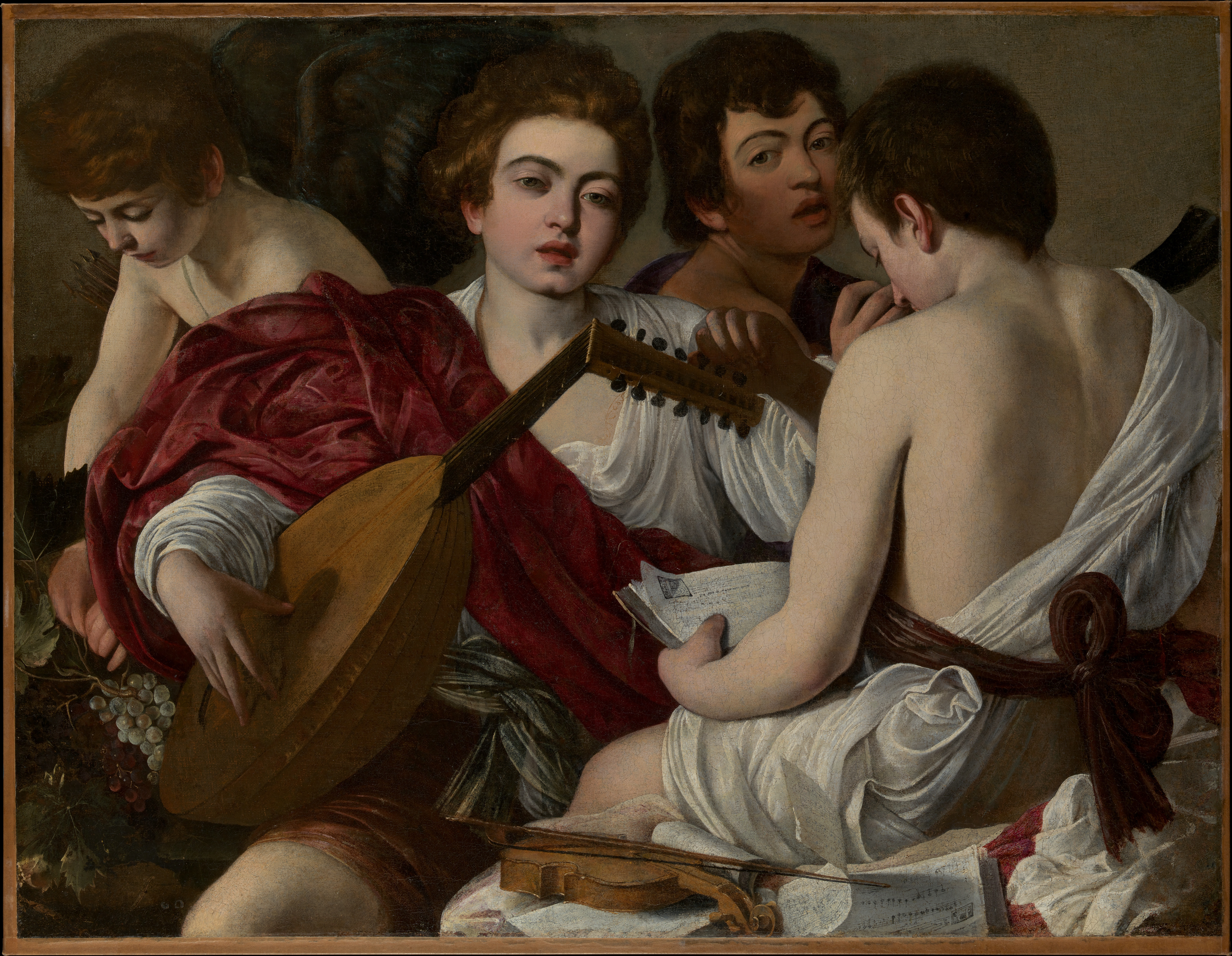
Michelangelo Merisi da Caravaggio
Italijan · 1571–1610
Revolucionar i begunac — Caravaggiova dramatična upotreba svetla i tame promenila je tok evropskog slikarstva.
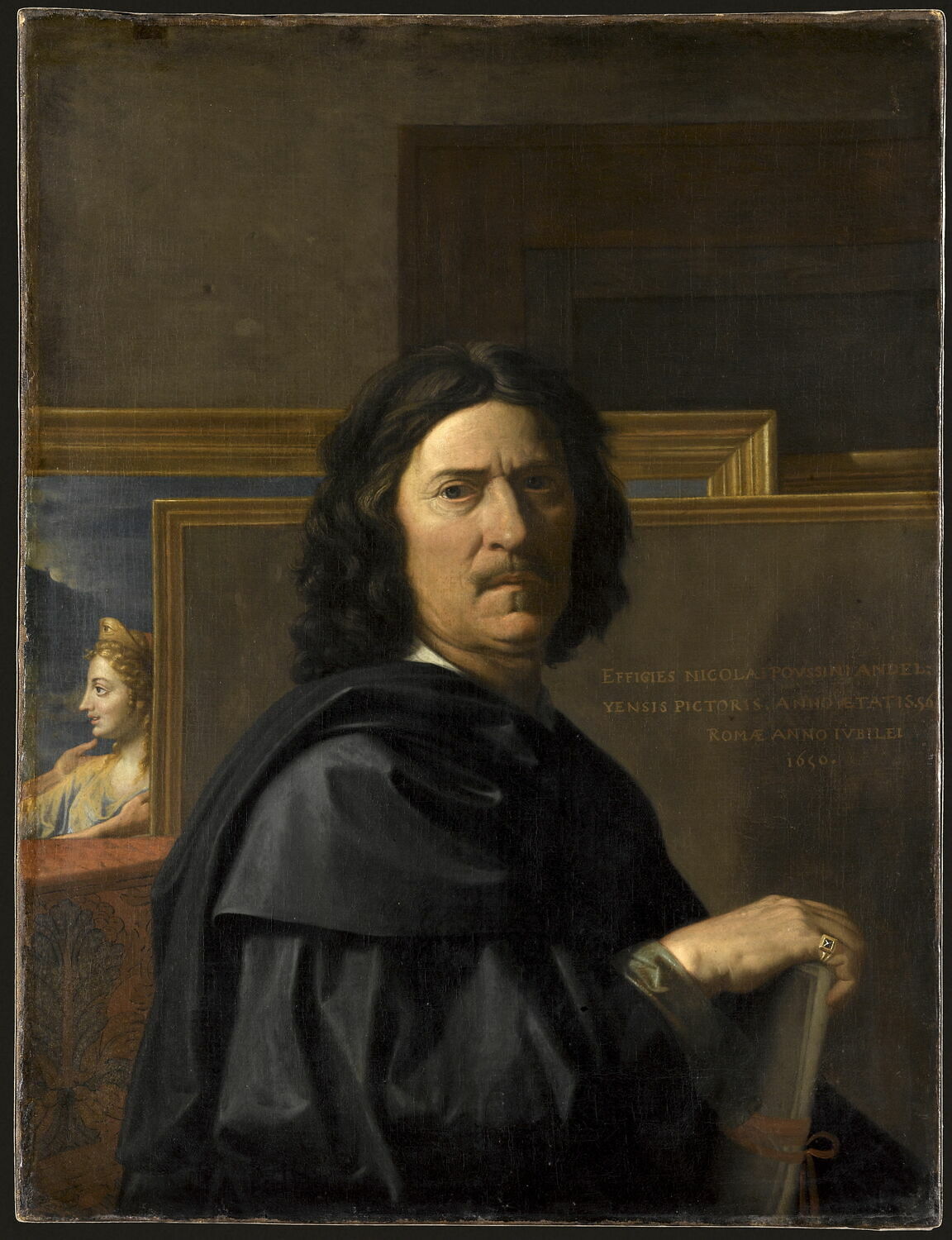
Nicolas Poussin
Francuz · 1594–1665
Intelektualni majstor francuskog klasičnog slikarstva, čije su rigorozno komponovane mitološke i biblijske scene uspostavile racionalne ideale francuske umetnosti.
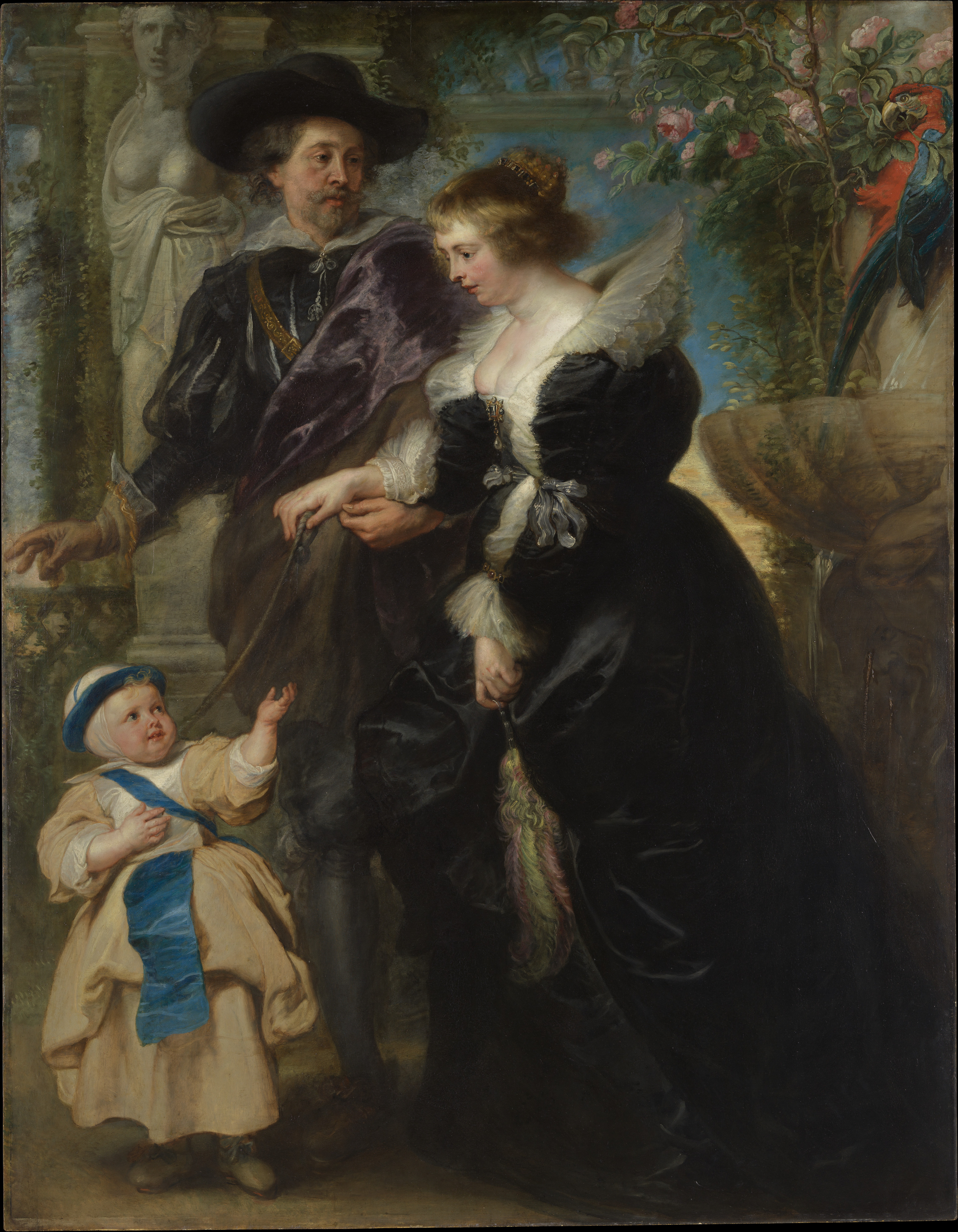
Peter Paul Rubens
Flamanac · 1577–1640
Flamanski barokni majstor čija su monumentalna platna dinamičnog mesa, eksplozivnog pokreta i živahnih boja učinila da bude najtraženiji slikar u Evropi i pouzdani diplomata španske krune.
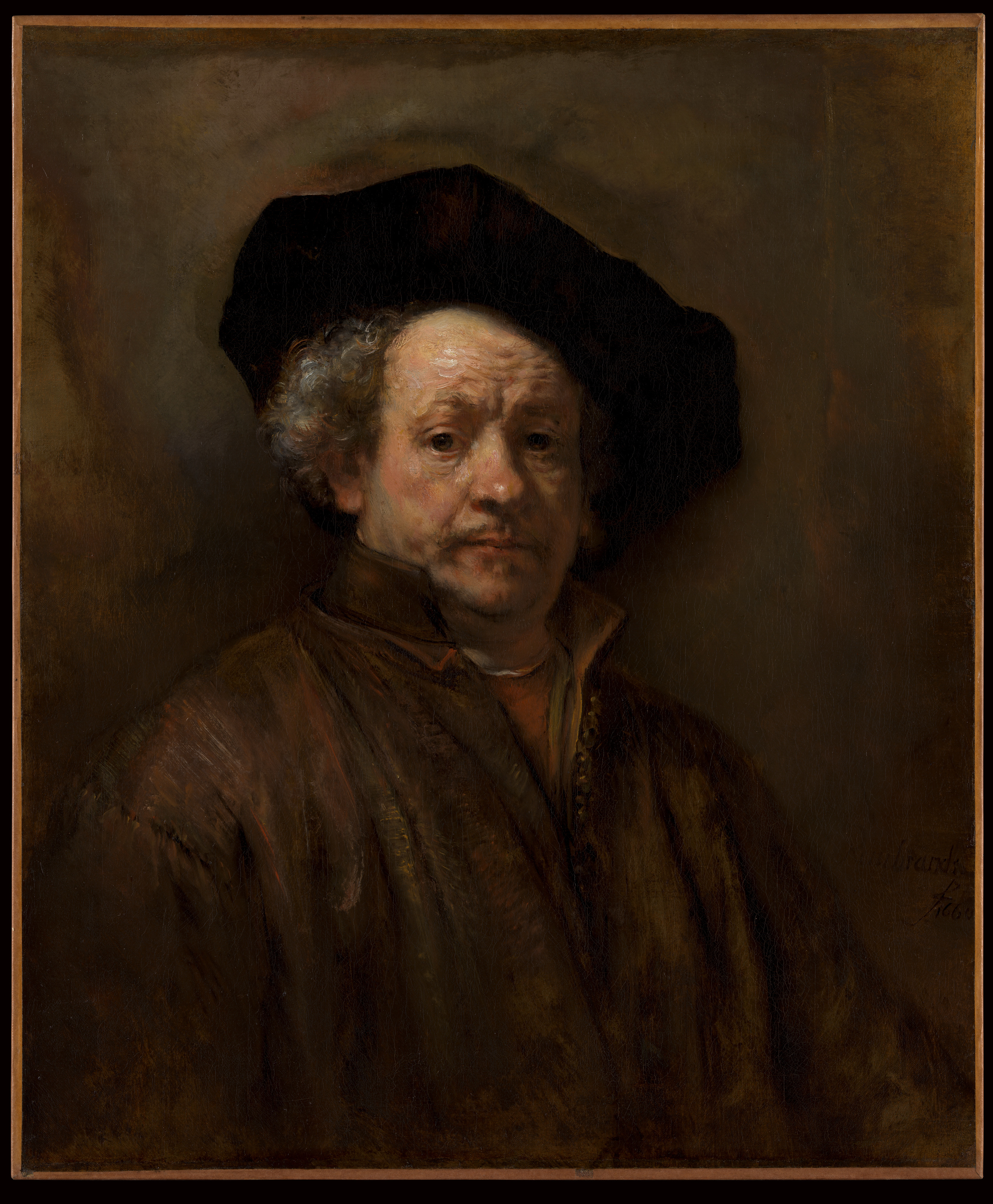
Rembrandt van Rijn
Holanđanin · 1606–1669
Najveći holandski majstor, poznat po portretima izuzetne psihološke dubine i inovativnoj upotrebi svetlosti.
Moderna umetnost
oko 1780. – 1945.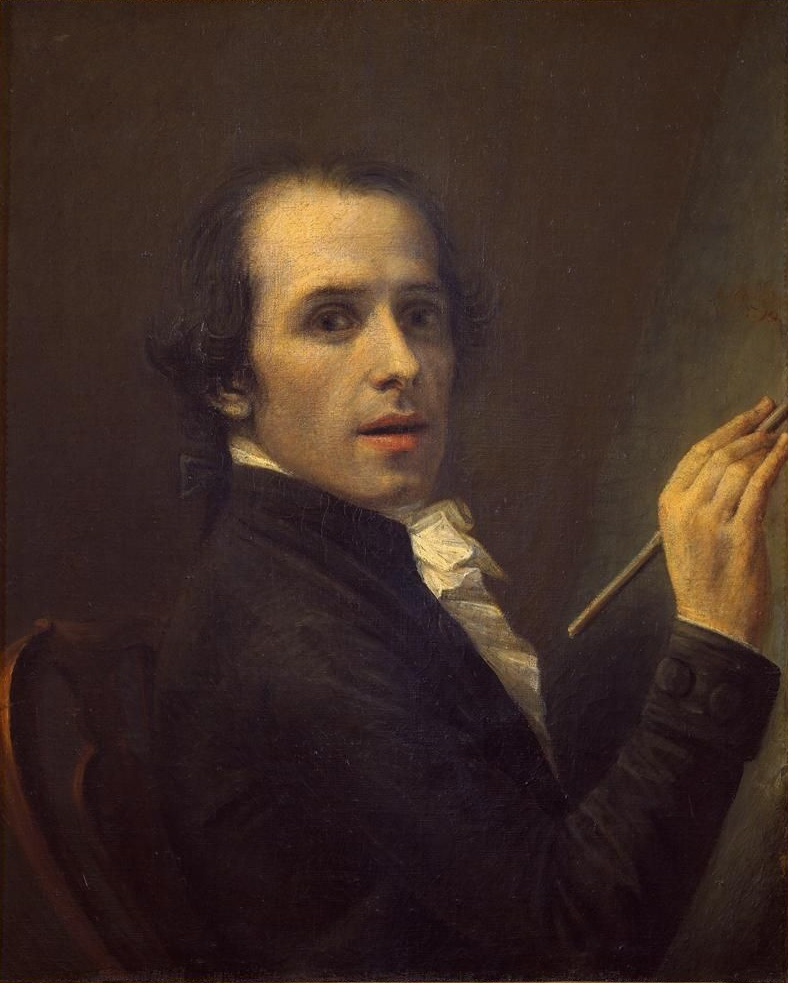
Antonio Canova
Italijan · 1757–1822
Najveći neoklasični vajar, čije su idealizovane mermerne figure dostigle čulno savršenstvo koje se moglo meriti sa remek-delima antičke Grčke.
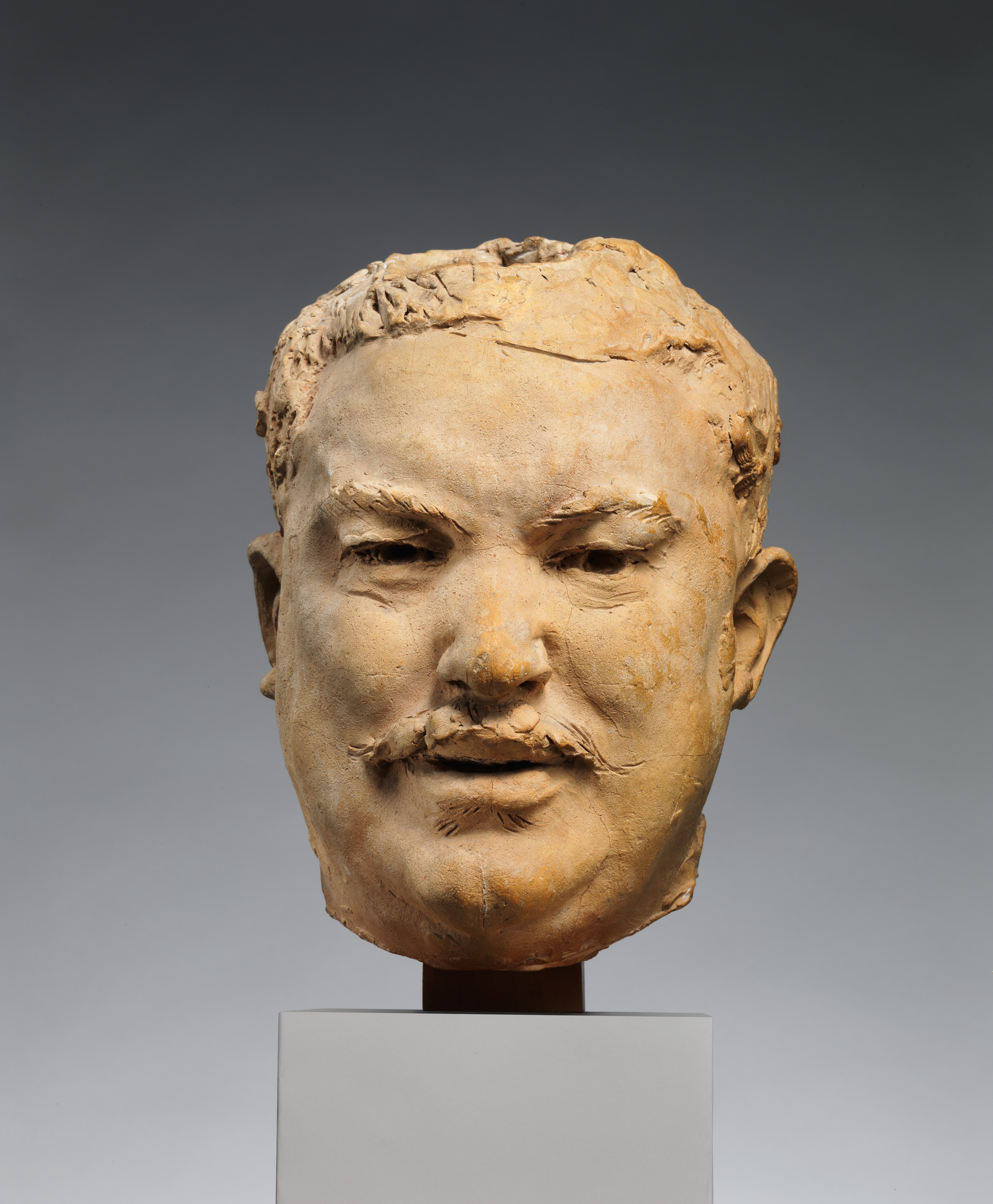
Auguste Rodin
Francuz · 1840–1917
Otac moderne skulpture koji je razbio akademske konvencije emocionalno nabijenim, grube teksture figurama koje su premostile tradiciju devetnaestog veka i ekspresionizam dvadesetog.
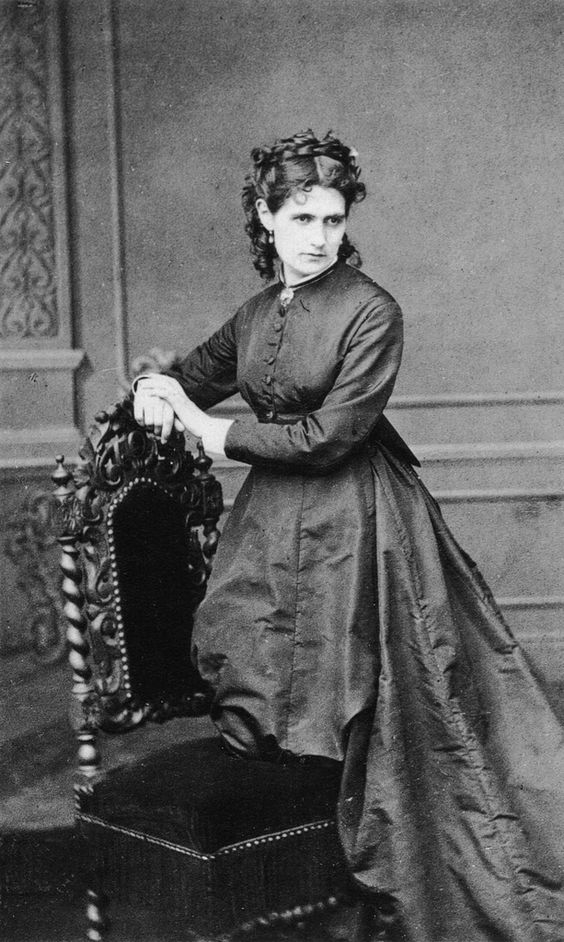
Berthe Morisot
Francuskinja · 1841–1895
Osnivačica impresionističkog pokreta čije su luminozne, slobodnim potezima naslikane slike domaćeg života i ženskog iskustva donele intimnost i psihološku dubinu grupi.
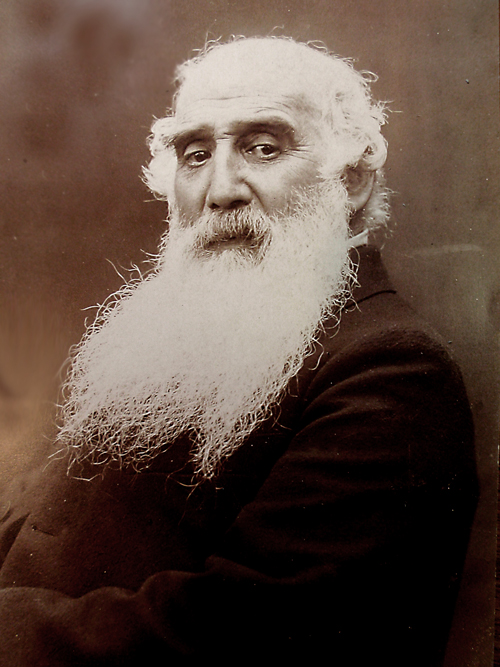
Camille Pissarro
Francuz · 1830–1903
Starešina impresionizma, čije su velikodušno mentorstvo, politička ubedenja i nepokolebljiva posvećenost slikanju iz prirode učvrstile čitav pokret.
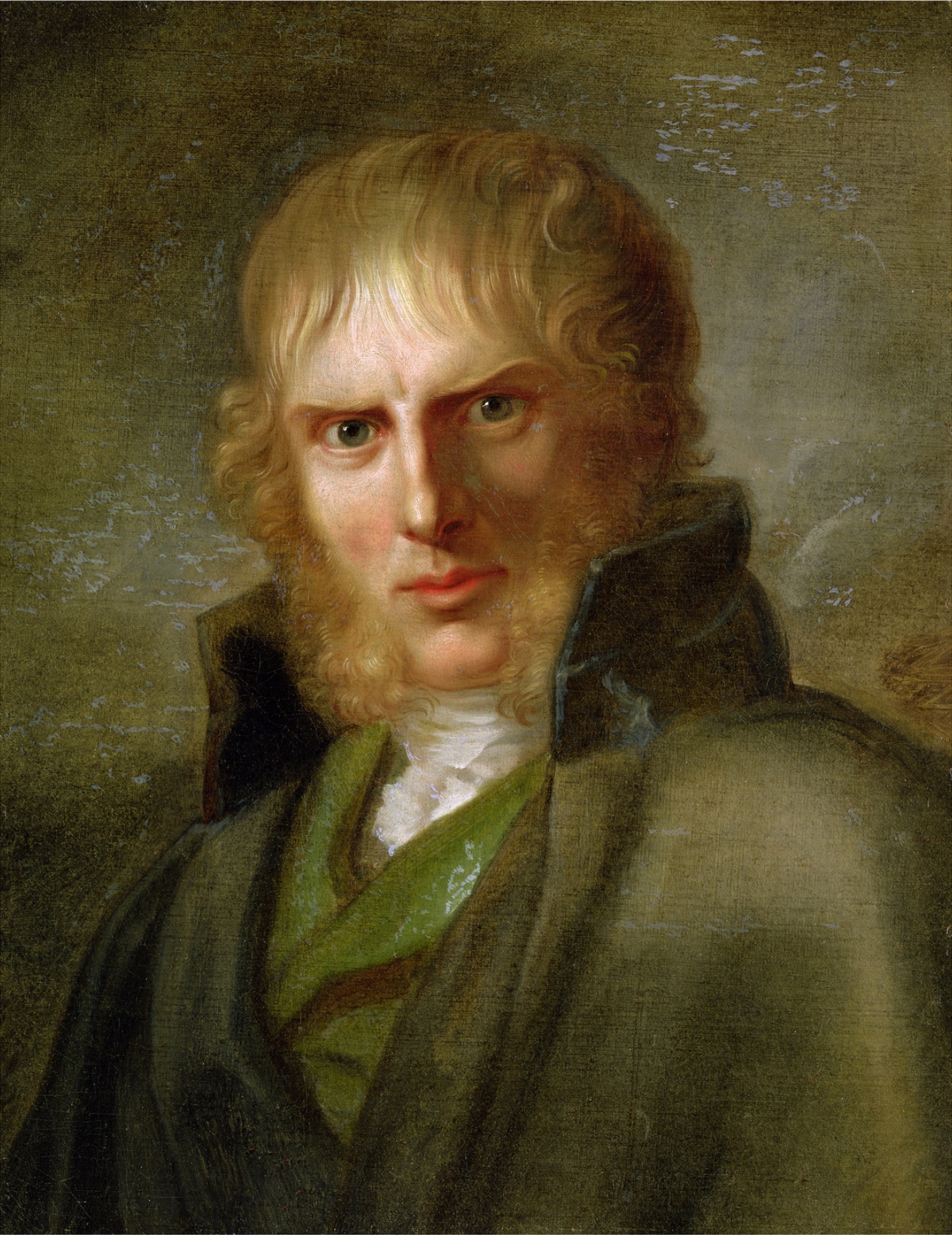
Caspar David Friedrich
Nemac · 1774–1840
Vrhunski nemački romantičarski pejzažista, čije su usamljene figure pred ogromnim, sublimnim prirodnim vidicima dale vizuelni oblik duhovnim čežnjama jedne epohe.
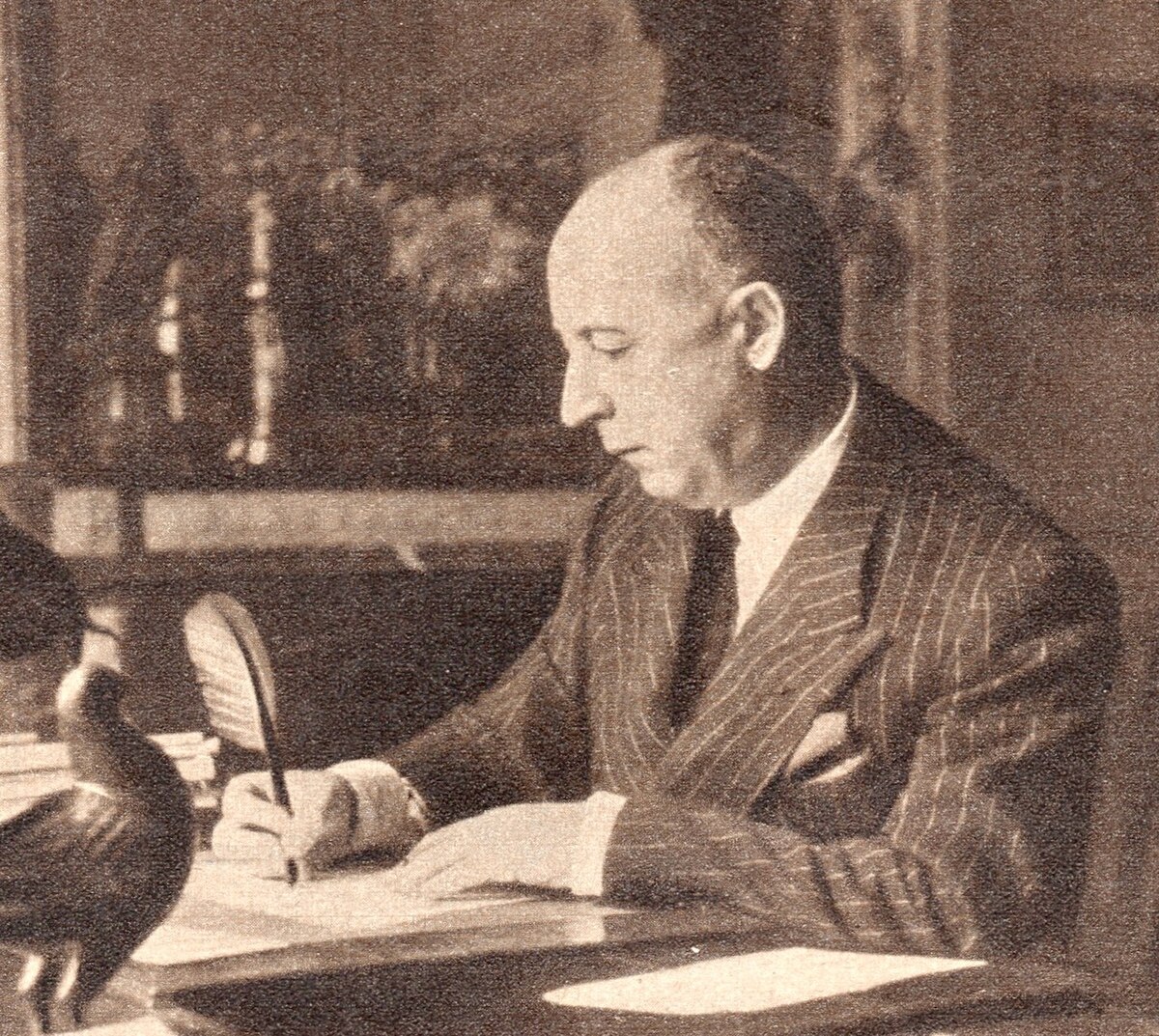
Christian Dior
Francuz · 1905–1957
Kolekcija 'New Look' Christiana Diora iz 1947. samostalno je preusmerila zapadnu modu nakon Drugog svetskog rata, zamenjujući ratnu skromnost hiperfemininom siluetom suženih strukova i širokih suknji koja je slavila posleratni optimizam i vratila Pariz na poziciju svetske modne prestonice.
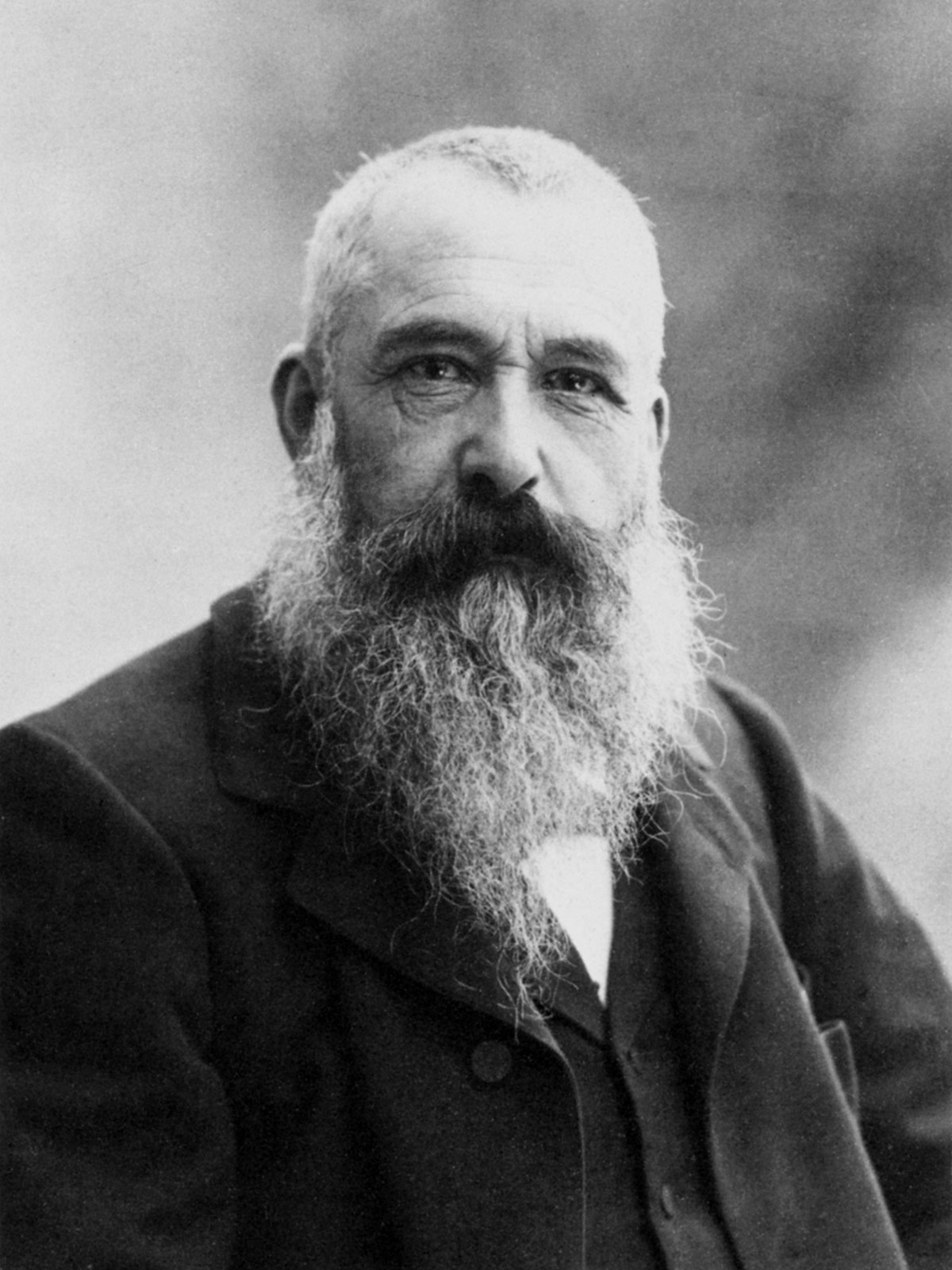
Claude Monet
Francuz · 1840–1926
Osnivač i najdosledniji praktičar impresionizma, posvećen hvatanju stalno promenljivih efekata svetlosti.
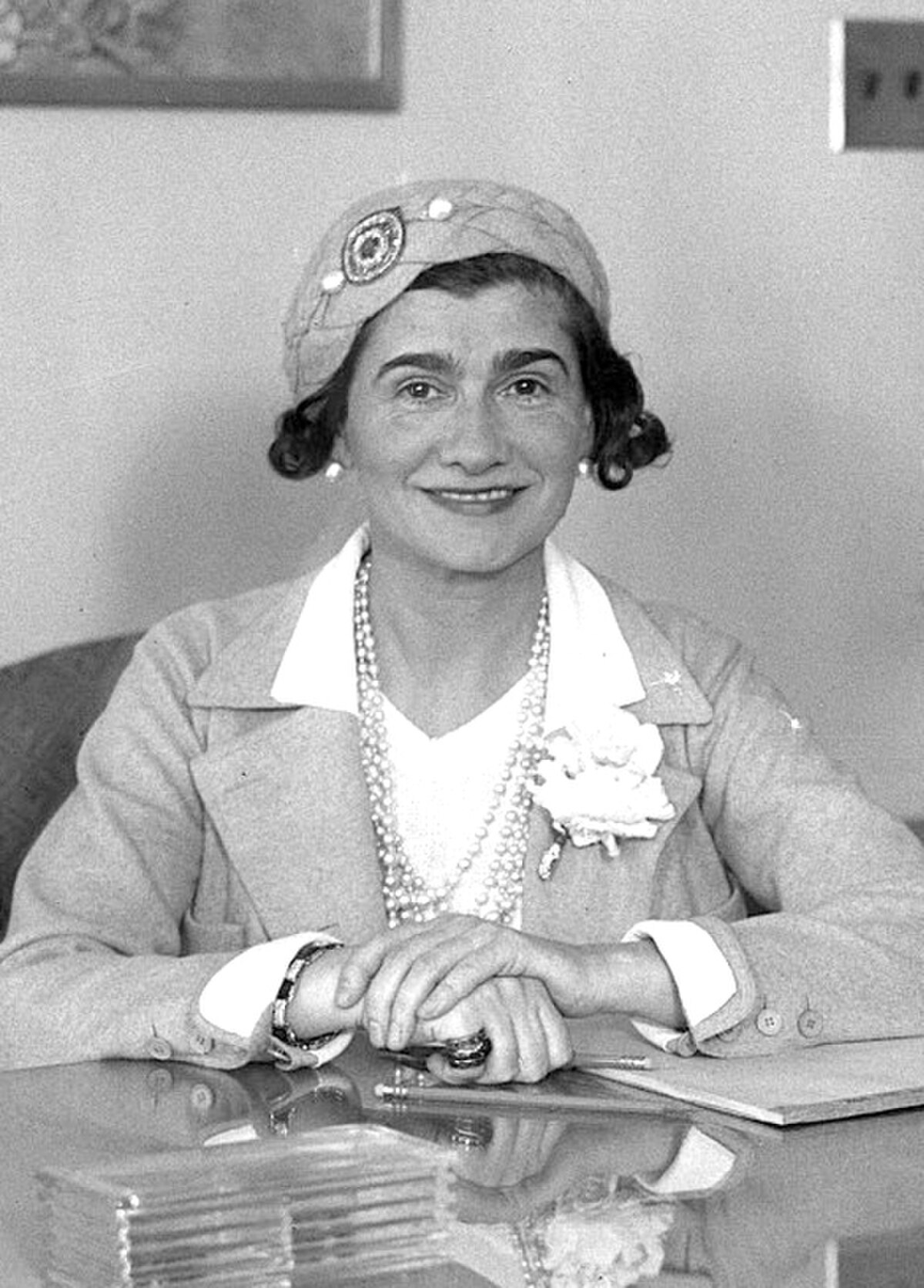
Coco Chanel
Francuskinja · 1883–1971
Gabrielle 'Coco' Chanel je revolucionisala modu dvadesetog veka oslobodivši žene korseta, uvevši džersi sportsku odeću i uspostavivši princip da je jednostavnost vrhunac sofisticiranosti. Njena mala crna haljina, Chanel kostim i Chanel No. 5 ostaju definišuće ikone modernog dizajna.
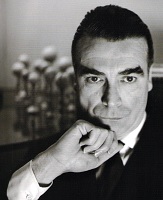
Cristóbal Balenciaga
Španac · 1895–1972
Cristóbal Balenciaga je smatran vrhunskim tehničarem visoke mode — genijem konstrukcije koga je Christian Dior nazvao 'učiteljem svih nas'. Njegove arhitektonske siluete, krojene i konstruisane u potpunosti sopstvenim rukama bez krojačkih igala, revolucionisale su umetnost mode i dale tkanini sopstveni skulpturalni život.
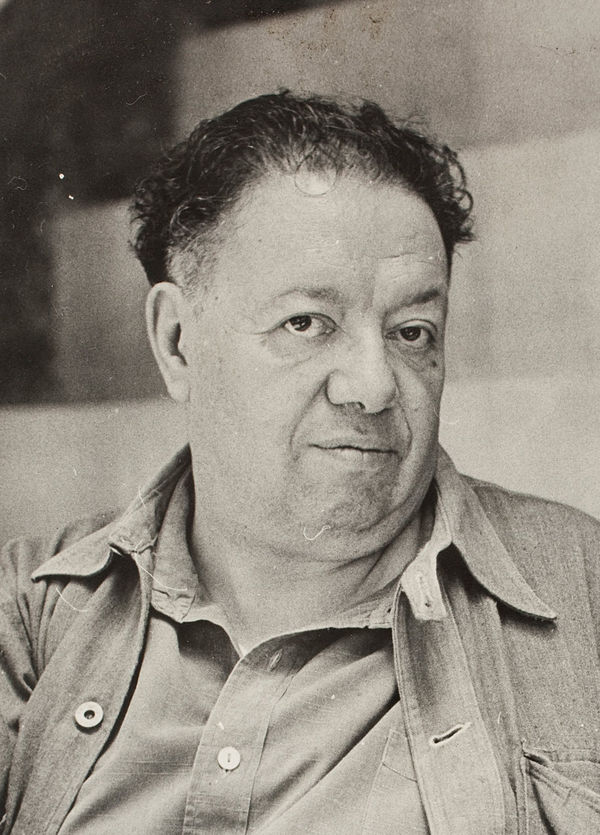
Diego Rivera
Meksikanac · 1886–1957
Dominantna figura meksičkog muralizma, čije su monumentalne javne slike slavile domorodačku kulturu, borbe radnika i revolucionarnu politiku.
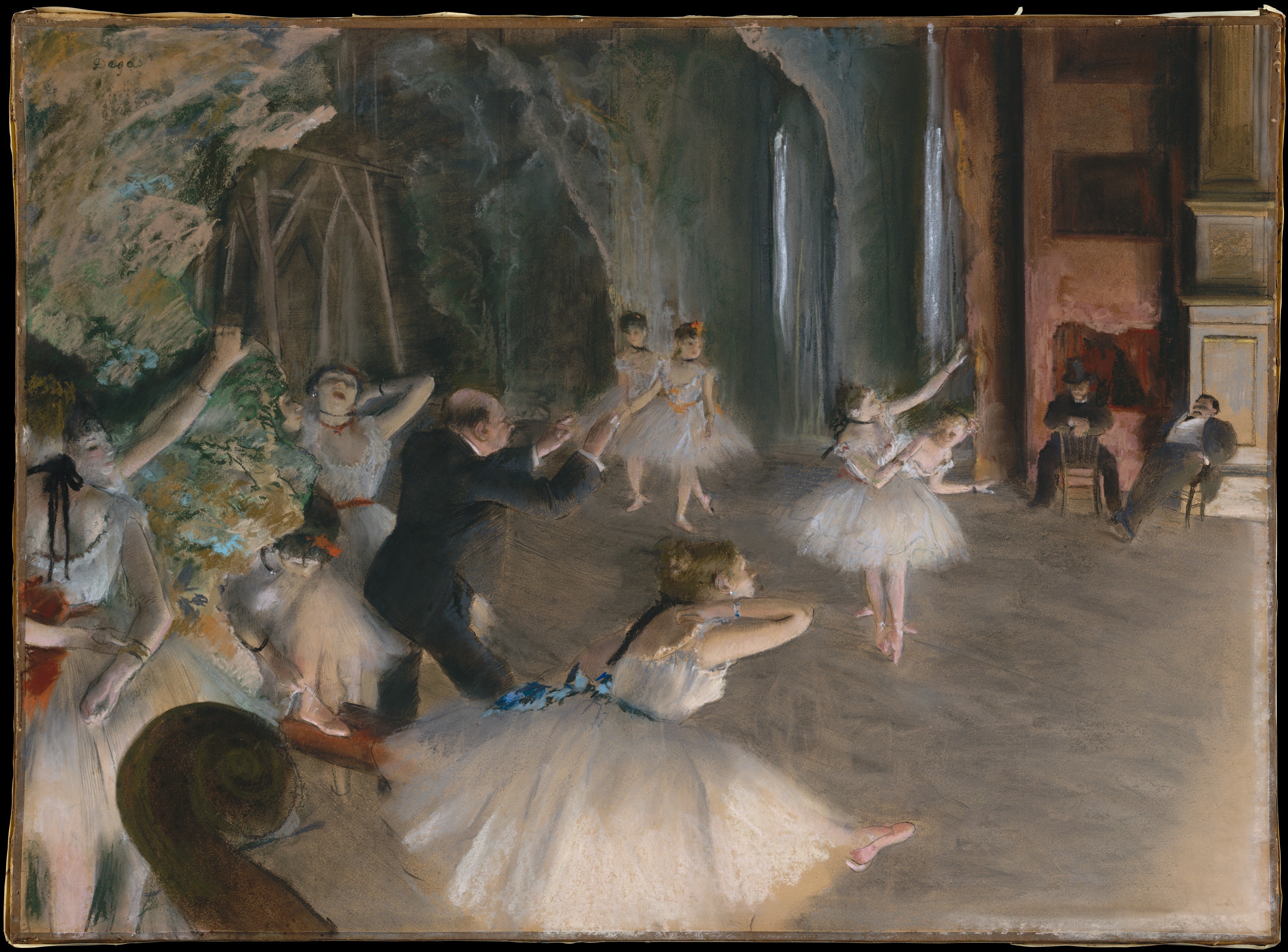
Edgar Degas
Francuz · 1834–1917
Majstor crteža koji je hvatao moderni pariski život kroz radikalno izrezane kompozicije, najpoznatiji po intimnim prikazima baletskih igračica i sveta pozornice.
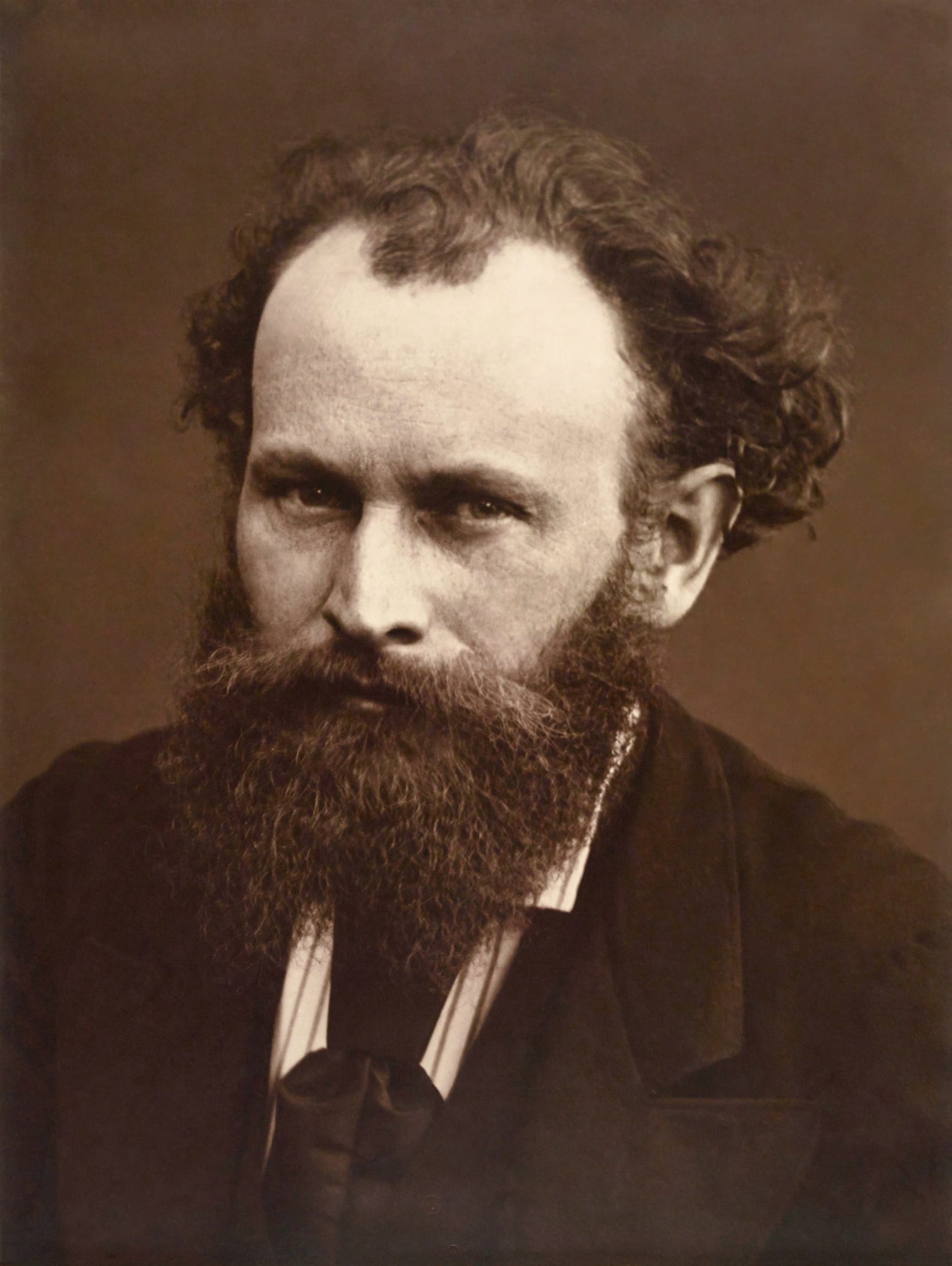
Édouard Manet
Francuz · 1832–1883
Ključna figura između realizma i impresionizma, čije su smele kompozicije i ravna, direktna slikarska tehnika skandalizovale umetnički establišment i pokrenule modernu umetnost.
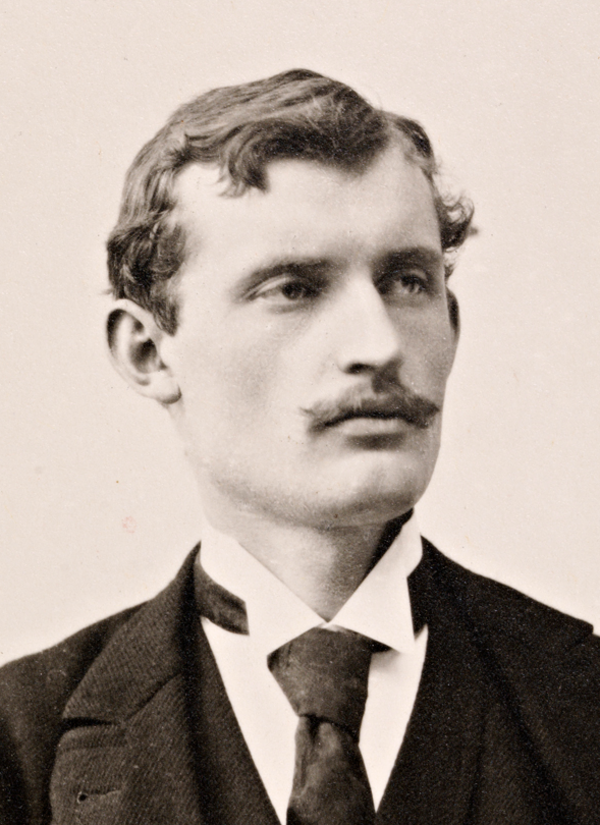
Edvard Munch
Norvežanin · 1863–1944
Norveški slikar čije su bolne, psihološki nabijene slike anksioznosti, smrti i žudnje učinile jednom od osnivačkih figura ekspresionizma.
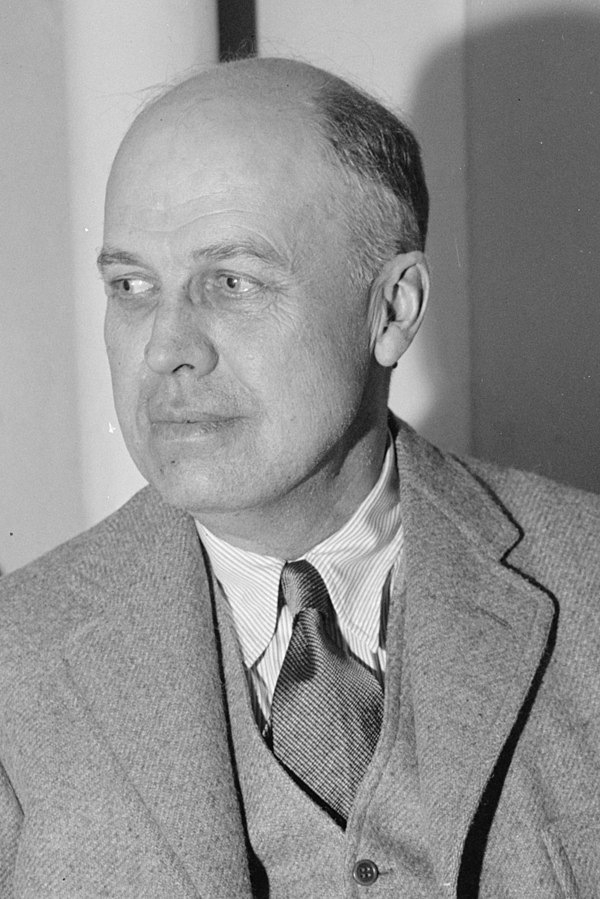
Edward Hopper
Amerikanac · 1882–1967
Slikar američke samoće, čije su stroge, filmske kompozicije praznih restorana, usamljenih benzinskih pumpi i osunčanih soba definisale vizuelnu poeziju moderne urbane otuđenosti.
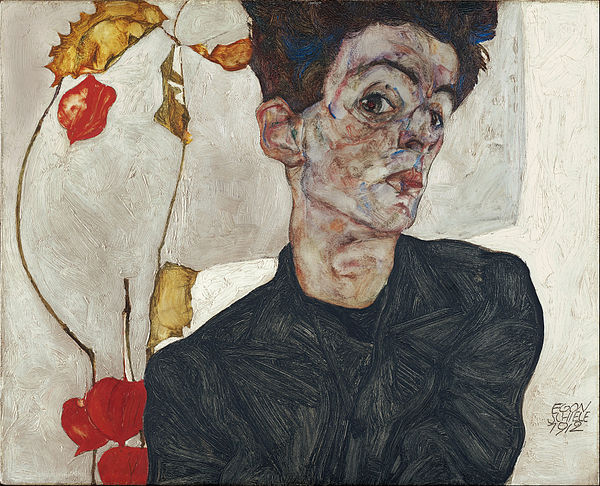
Egon Schiele
Austrijanac · 1890–1918
Austrijsko ekspresionističko čudo od deteta čiji su sirovi, iskrivljeni crteži figura i beskompromisni autoportreti pomerili granice telesnog predstavljanja.
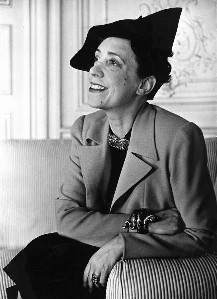
Elsa Schiaparelli
Italijanka · 1890–1973
Elsa Skjapareli je unela nadrealizam u modu sa smelošću koja nikada nije bila dostignuta, sarađujući sa Dalijem i Koktoom da bi stvorila odevne predmete koji su istovremeno bili upotrebljivi objekti i konceptualna umetnost. Njena Lobster haljina, Shoe šešir i Skeleton haljina ostaju među najikoničnijim objektima u istoriji odevanja.
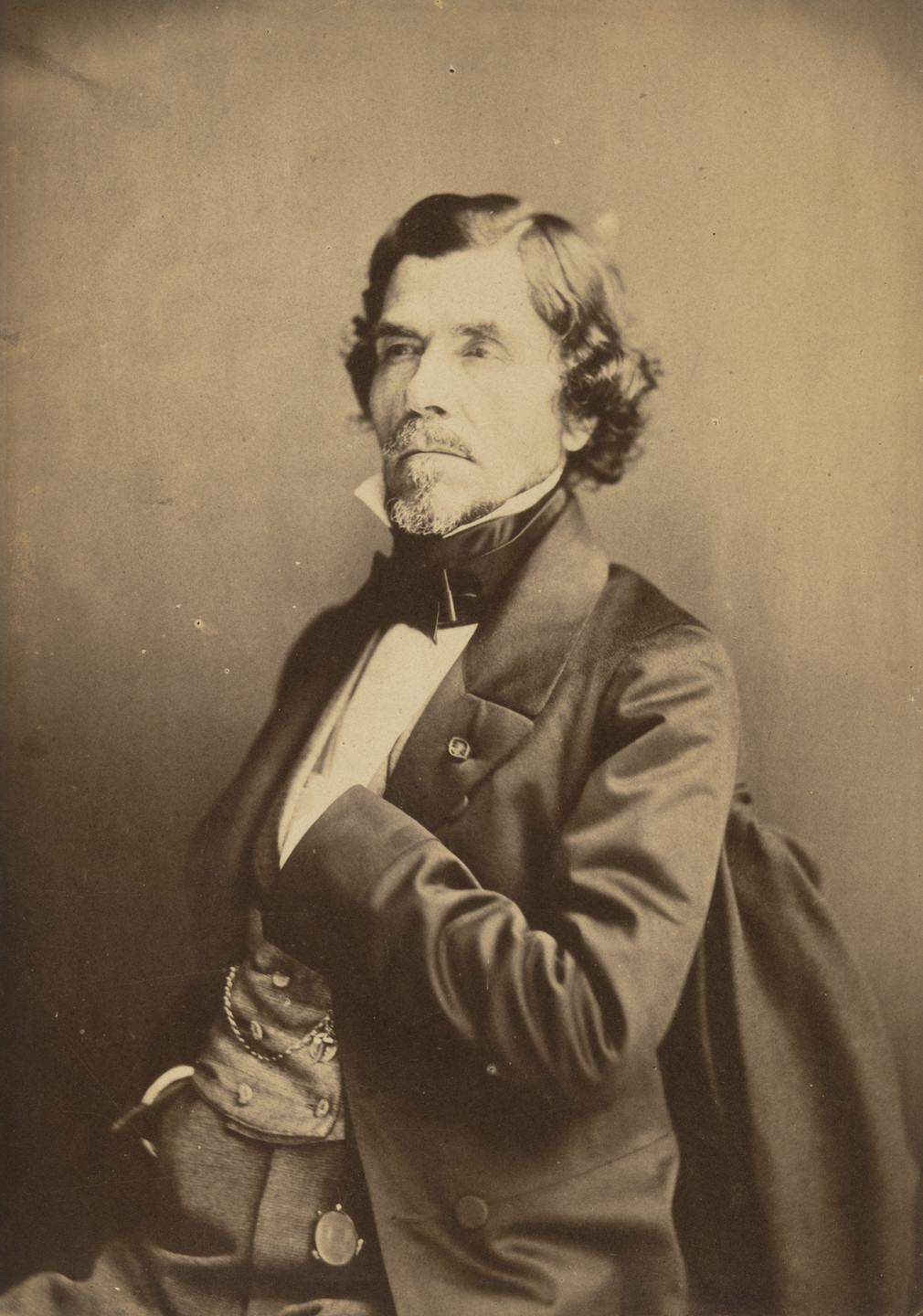
Eugène Delacroix
Francuz · 1798–1863
Vođa francuskog romantičarskog pokreta, čija je strastvena boja, dinamične kompozicije i egzotični motivi izazvala klasicistički establišment.
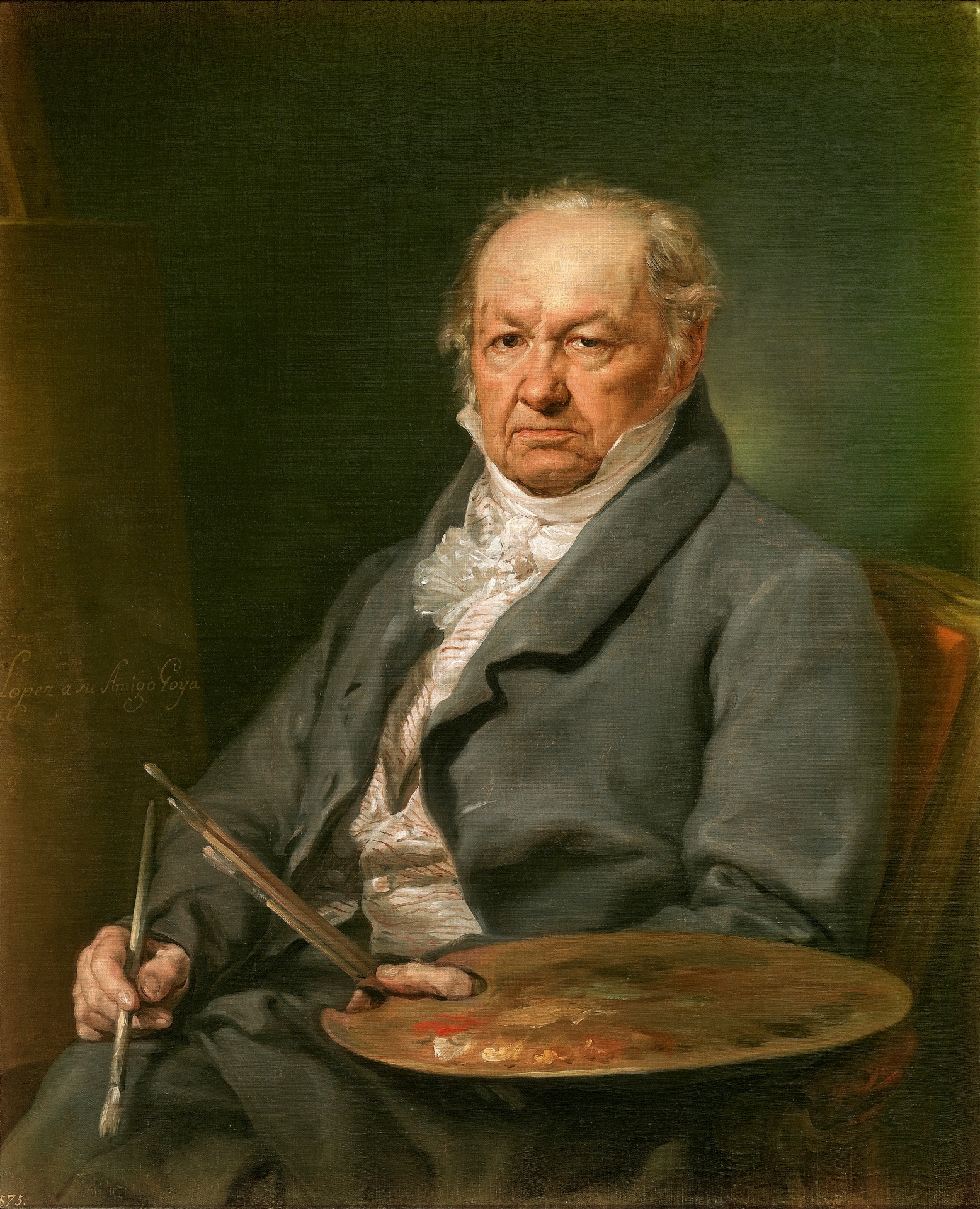
Francisco Goya
Španac · 1746–1828
Poslednji stari majstor i prvi moderni umetnik, čiji su beskompromisni prikazi rata, ludila i ljudske okrutnosti premostili prosvetiteljstvo i romantizam.
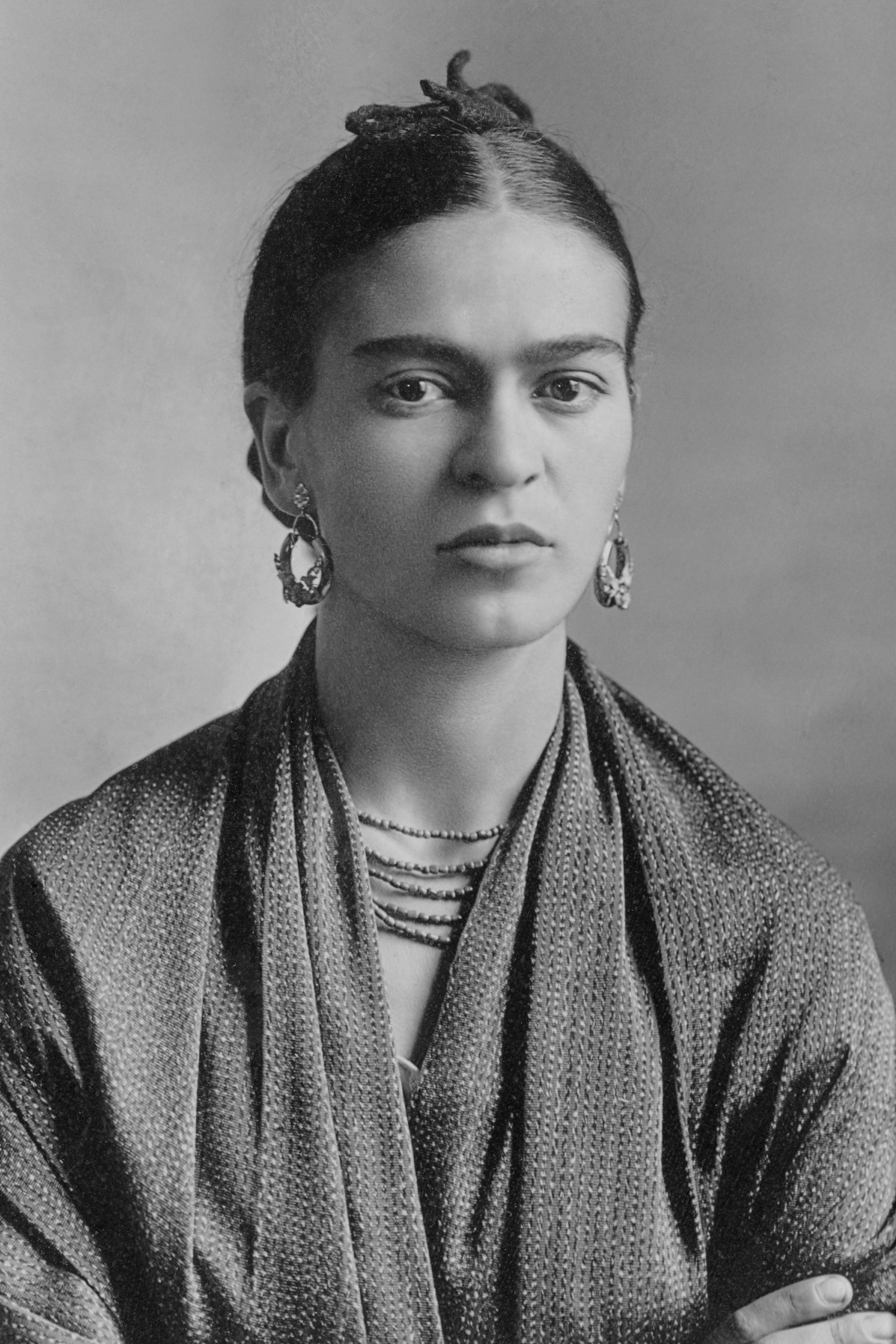
Frida Kahlo
Meksikanka · 1907–1954
Meksička slikarka čiji su bolno lični autoportreti pretvorili fizičku patnju, kulturni identitet i žensko iskustvo u univerzalne simbole otpornosti i prkosa.
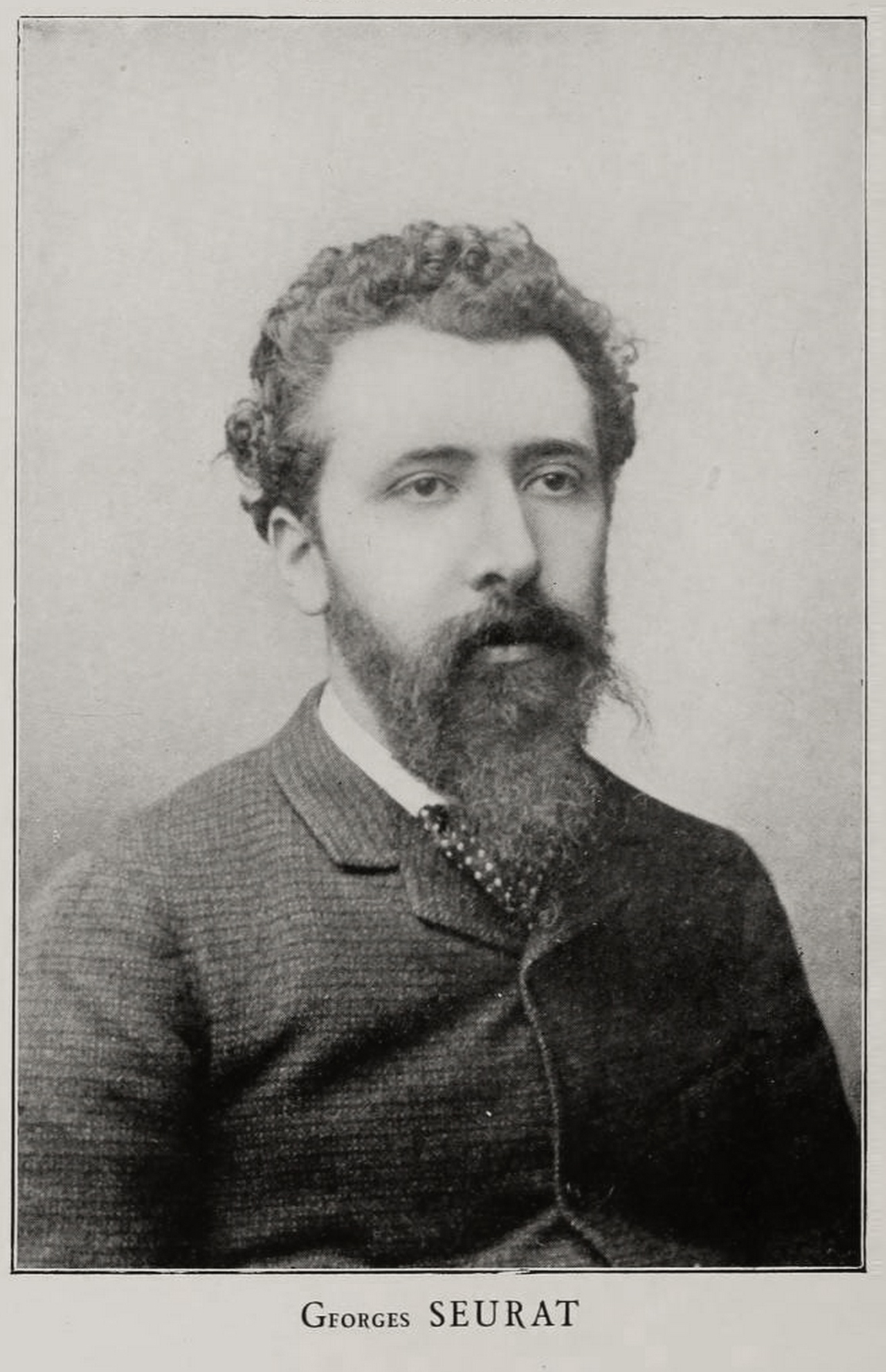
Georges Seurat
Francuz · 1859–1891
Izumitelj pointilizma, čiji je naučni pristup boji i kompoziciji transformisao prolazno impresionističko opažanje u monumentalni, večni red.
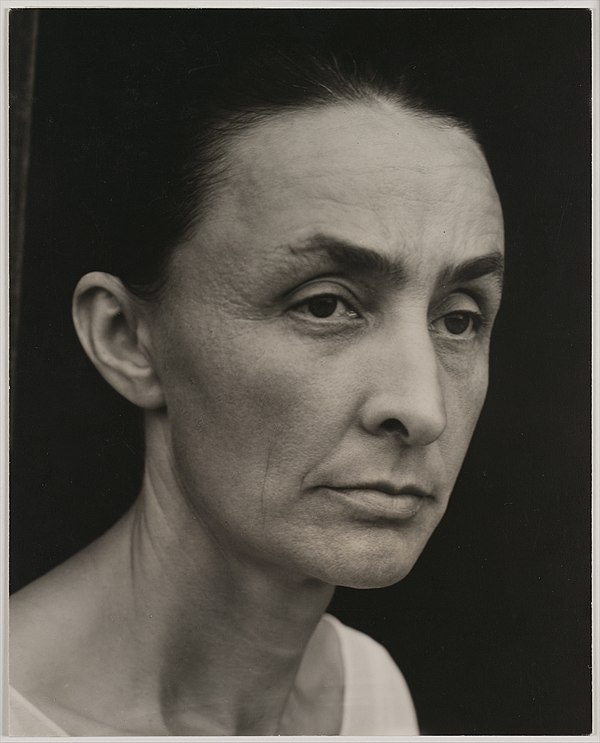
Georgia O'Keeffe
Amerikanka · 1887–1986
Majka američkog modernizma, čije su monumentalne slike cveća i surovi jugozapadni pejzaži iskovali jedinstvenu američku umetničku viziju.
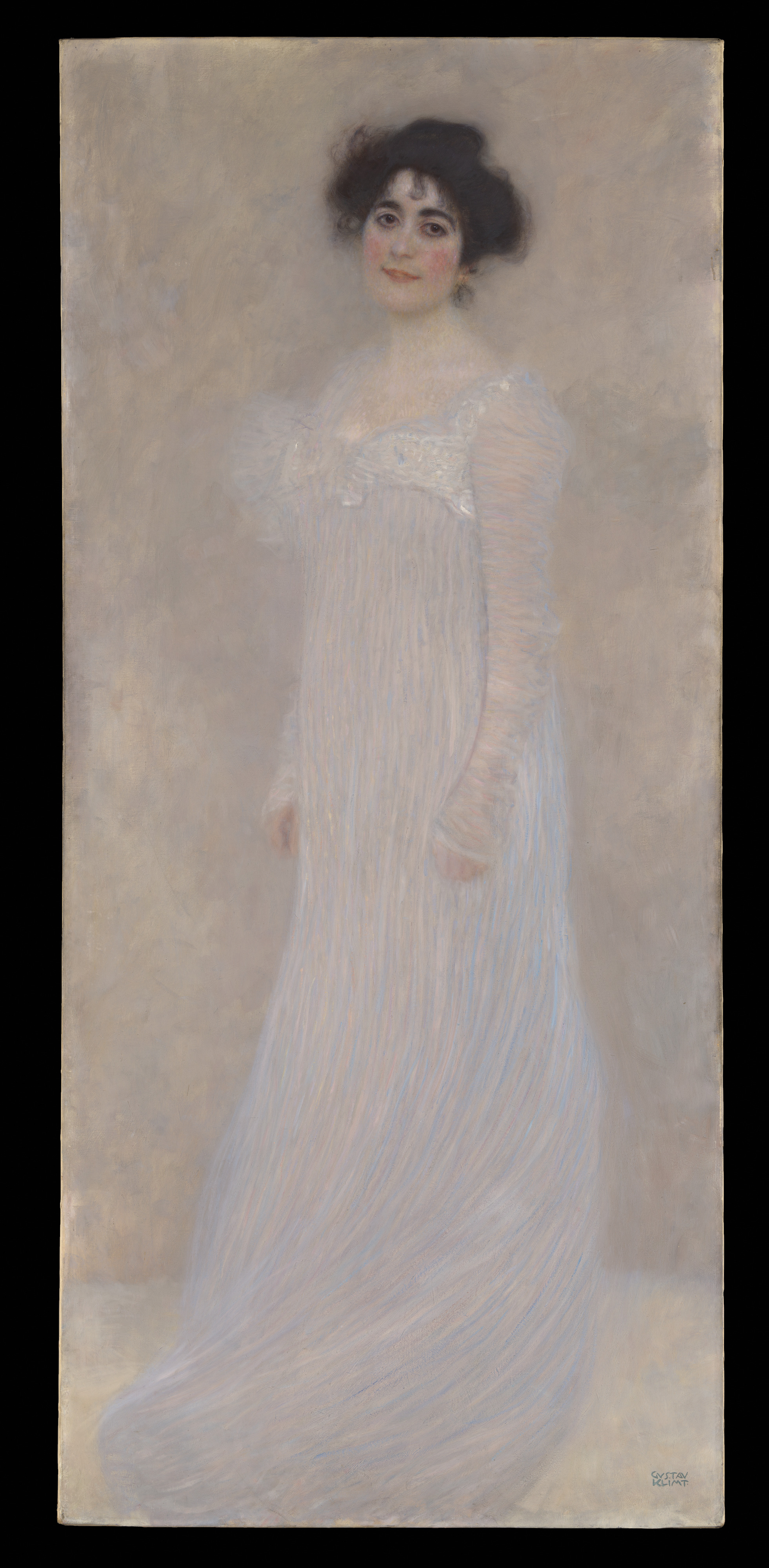
Gustav Klimt
Austrijanac · 1862–1918
Osnivač Bečke secesije čije su zlatne, ornamentom prekrivene slike spojile vizantijski sjaj sa erotizmom kraja veka, stvarajući neke od najikoničnijih slika moderne ere.
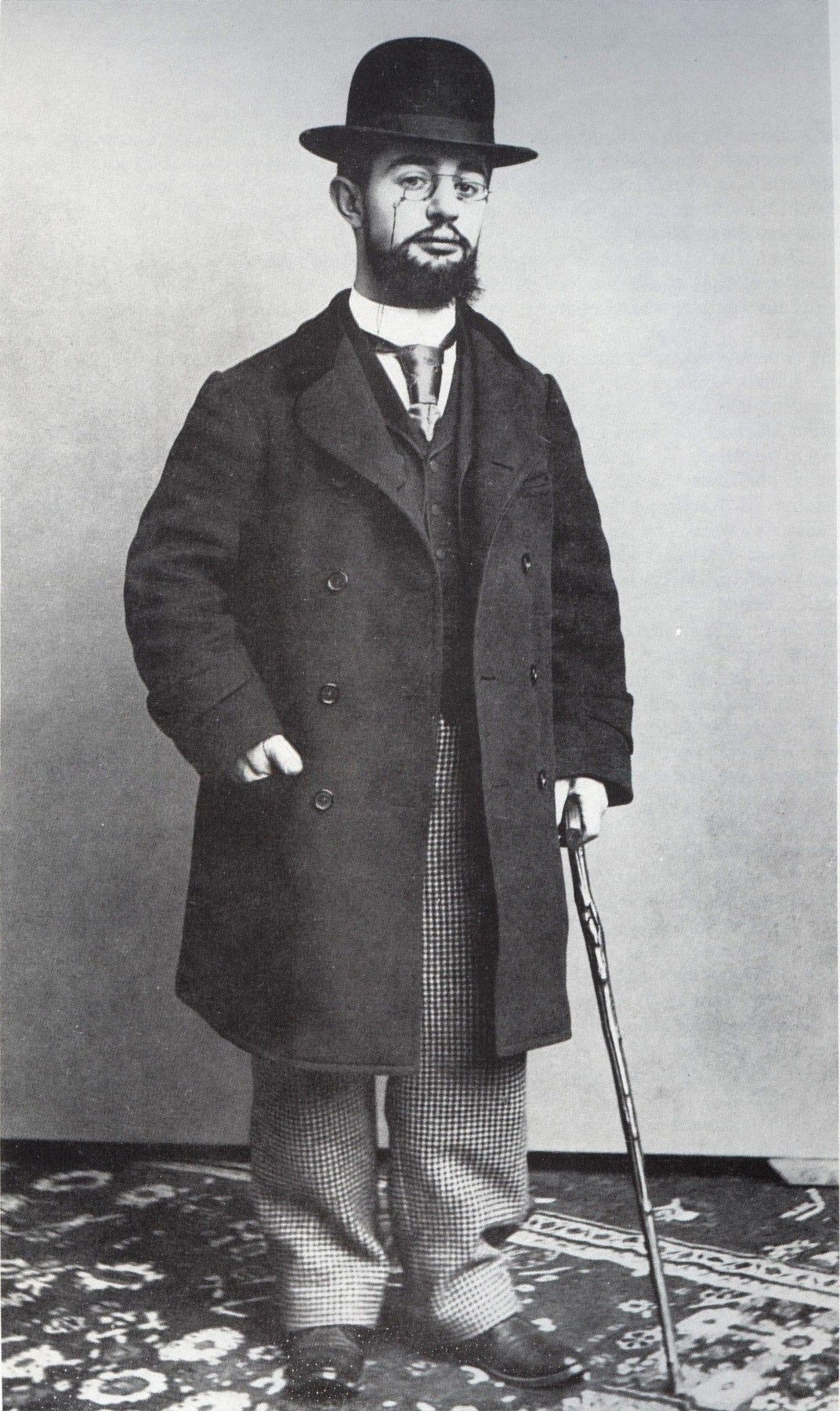
Henri de Toulouse-Lautrec
Francuz · 1864–1901
Aristokratski slikar noćnog života Monmartra čiji su smeli litografski posteri i pronicljivi portreti plesačica, izvođača i prostitutki definisali Pariz na kraju veka.
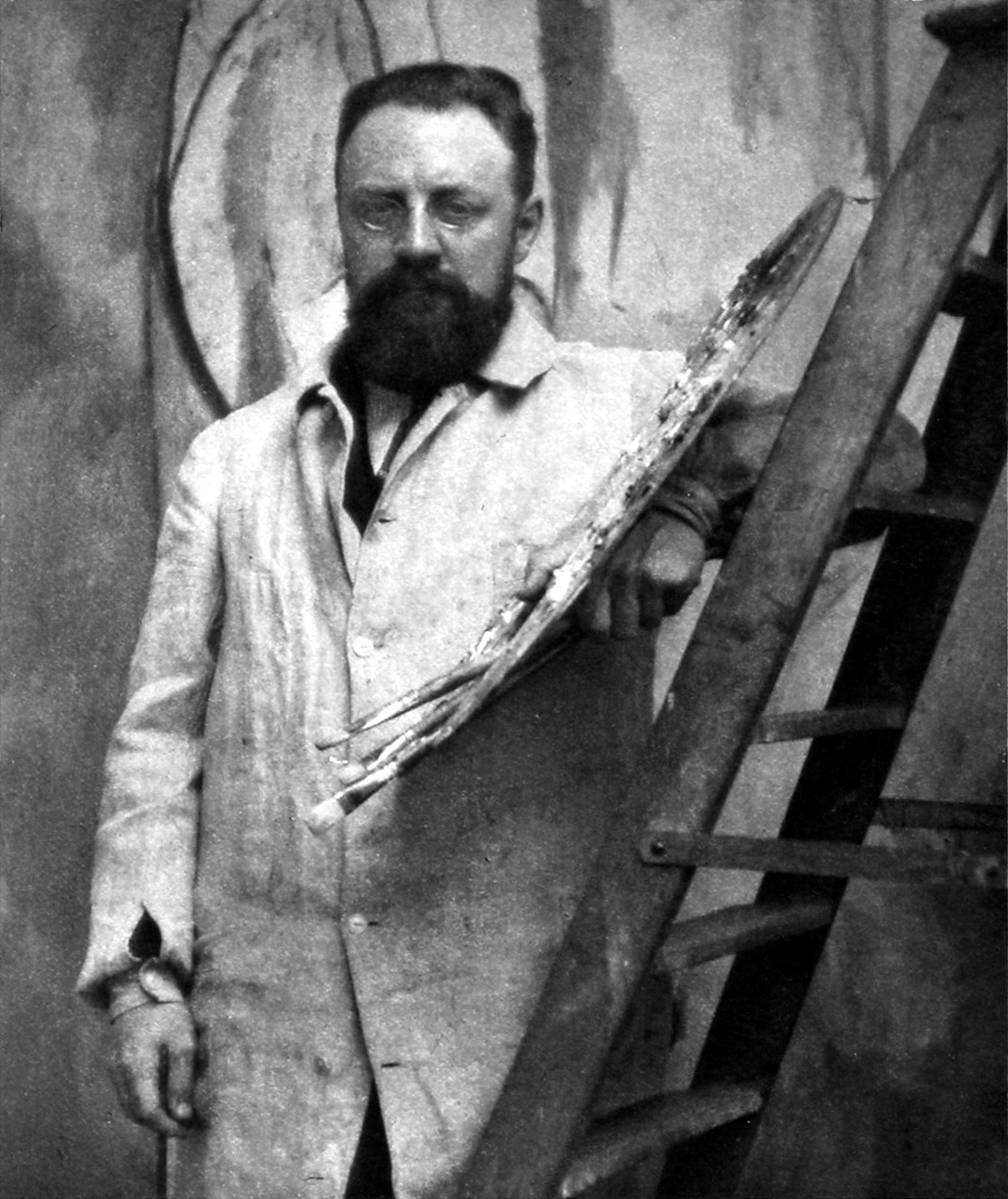
Henri Matisse
Francuz · 1869–1954
Revolucionarni vođa fovista i jedan od najvećih kolorista dvadesetog veka, čija je celoživotna potraga za dekorativnom harmonijom proizvela neke od najradosnijih slika moderne umetnosti.
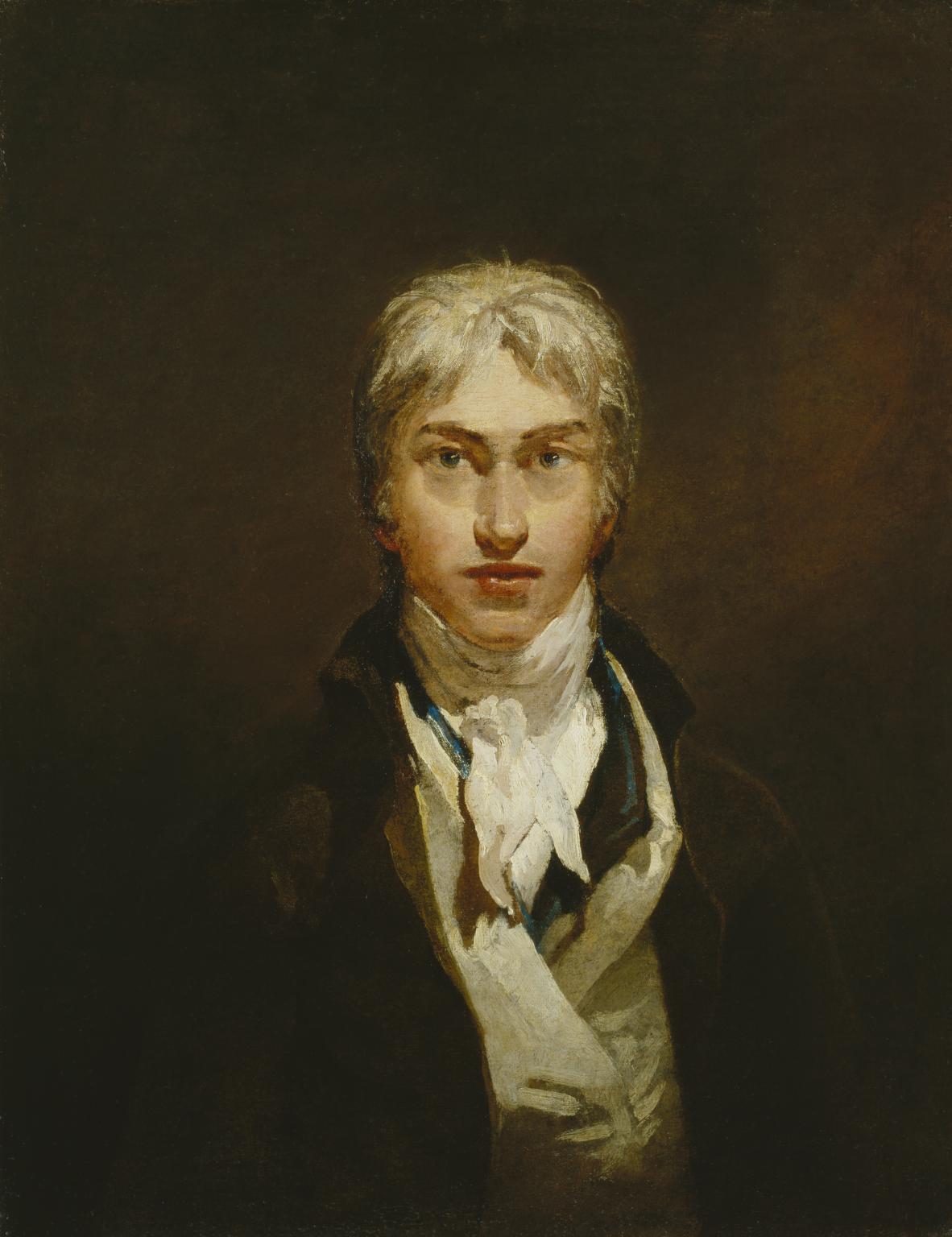
J.M.W. Turner
Britanac · 1775–1851
Revolucionarni britanski slikar čija su sve apstraktnija istraživanja svetlosti, boje i atmosfere anticipirala impresionizam i modernu apstrakciju.
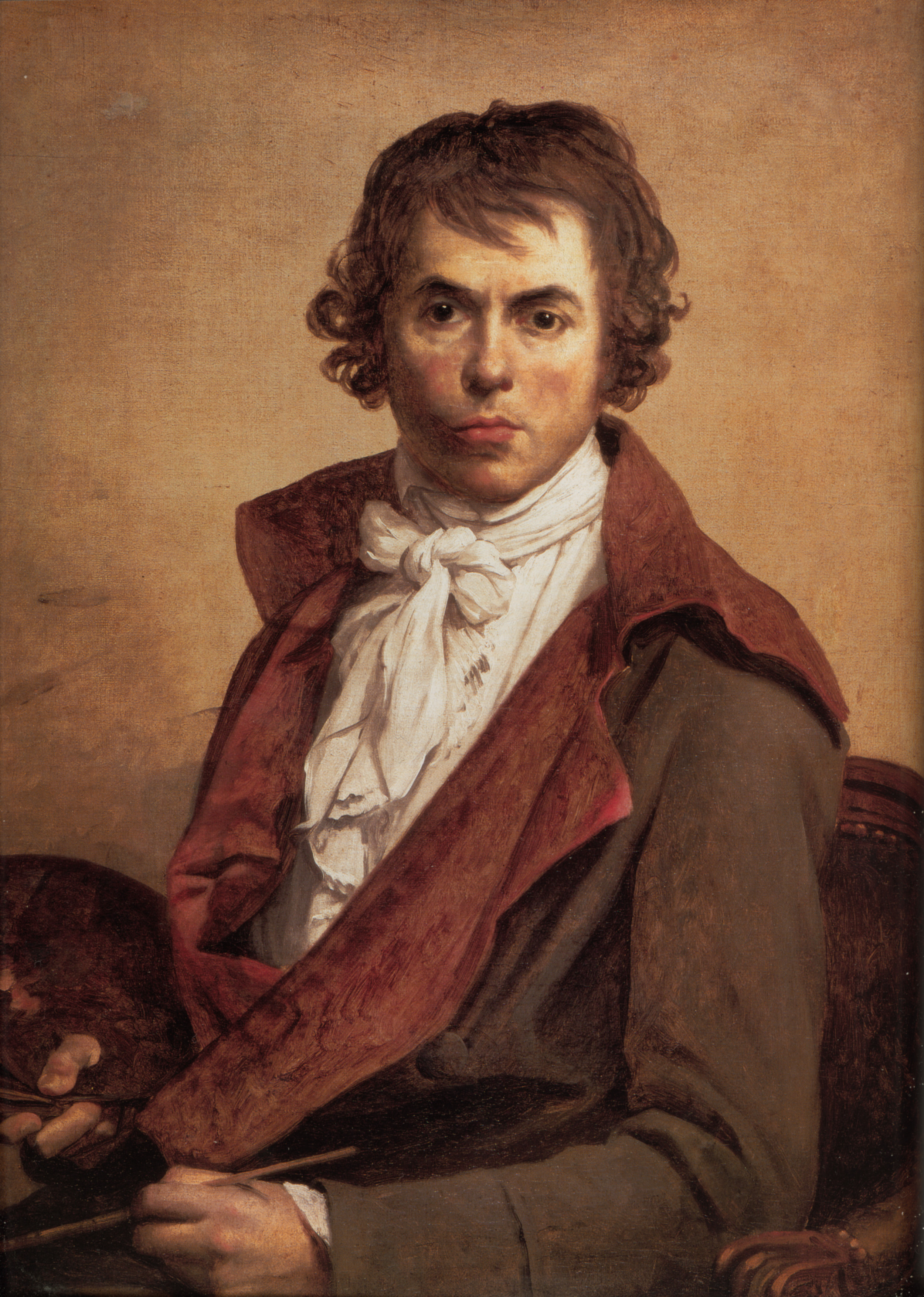
Jacques-Louis David
Francuz · 1748–1825
Dominantni slikar Francuske revolucije i napoleonske ere, čiji je strogi neoklasicistički stil pretvorio umetnost u sredstvo političke ideologije.
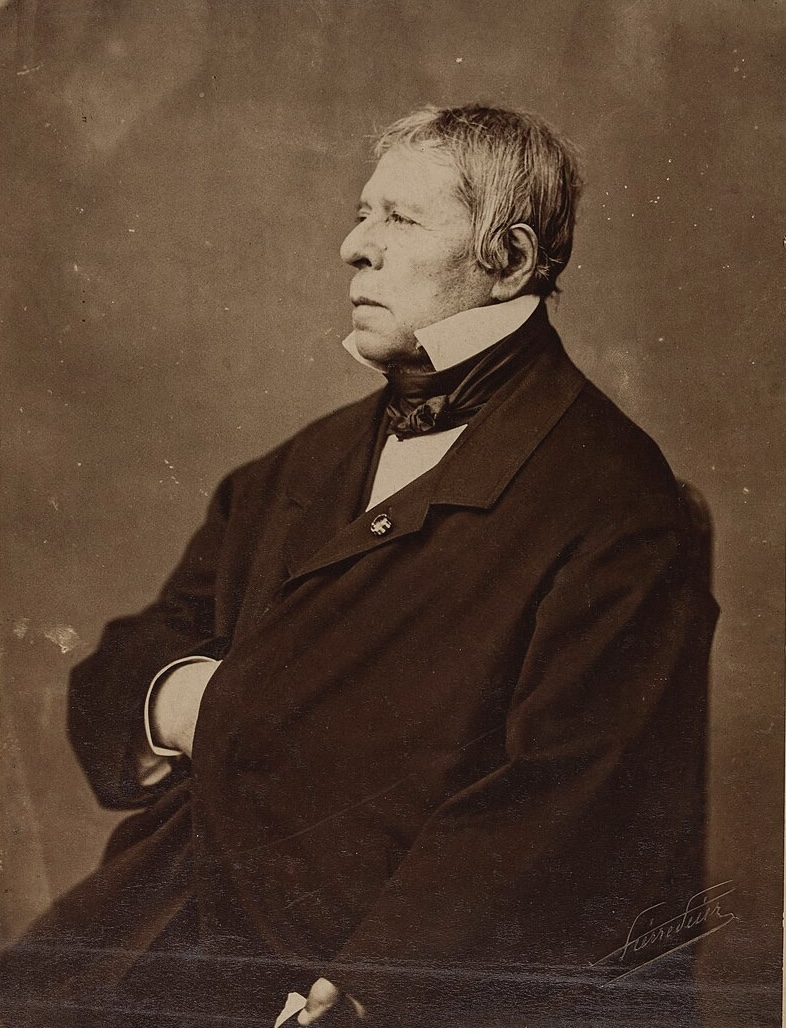
Jean-Auguste-Dominique Ingres
Francuz · 1780–1867
Vrhovni crtač Francuske devetnaestog veka, čija je vijugava linija i senzualna idealizacija premostila neoklasicizam i modernu umetnost.
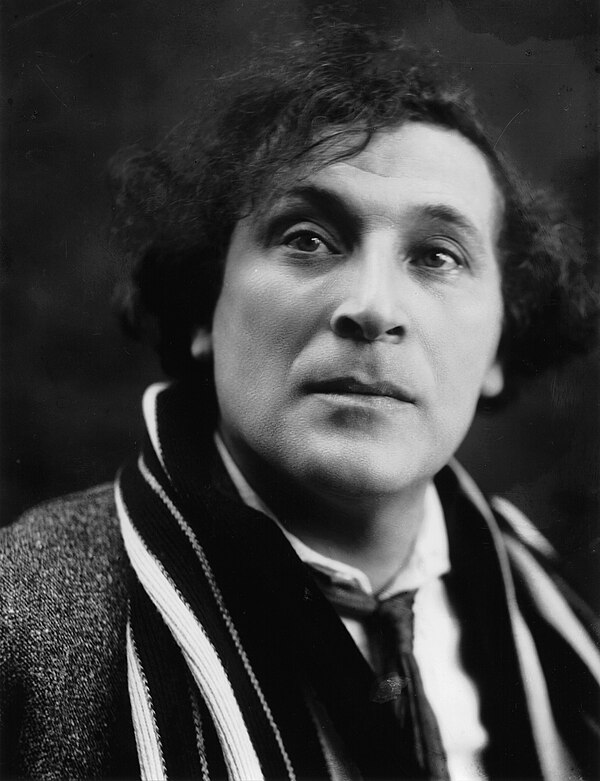
Marc Chagall
Rus-Francuz · 1887–1985
Rusko-francuski slikar čije su sanjive, gravitaciji prkoseće scene života u štetlu, ljubavnika i biblijskih tema stvorile jedinstveni poetski vizuelni univerzum.
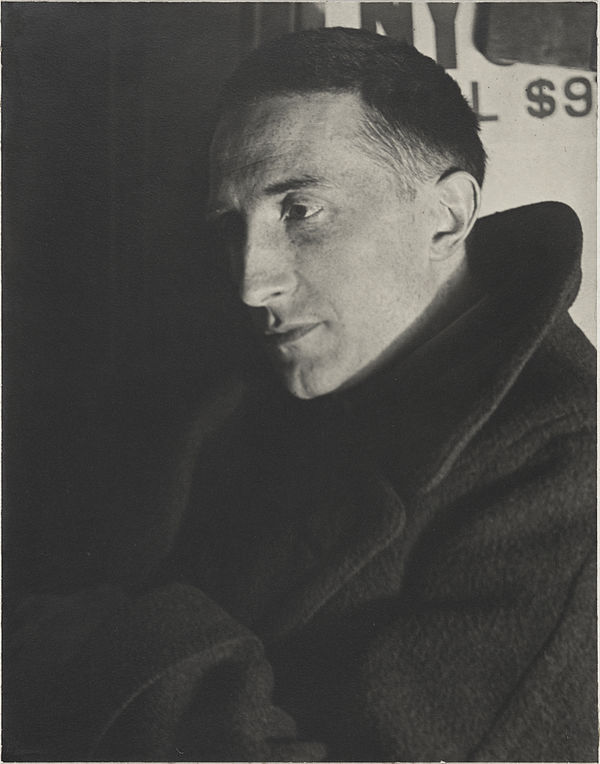
Marcel Duchamp
Francuz-Amerikanac · 1887–1968
Intelektualno najradikalniji umetnik dvadesetog veka, čiji su redimejdovi i konceptualne provokacije redefinisali šta umetnost može biti.
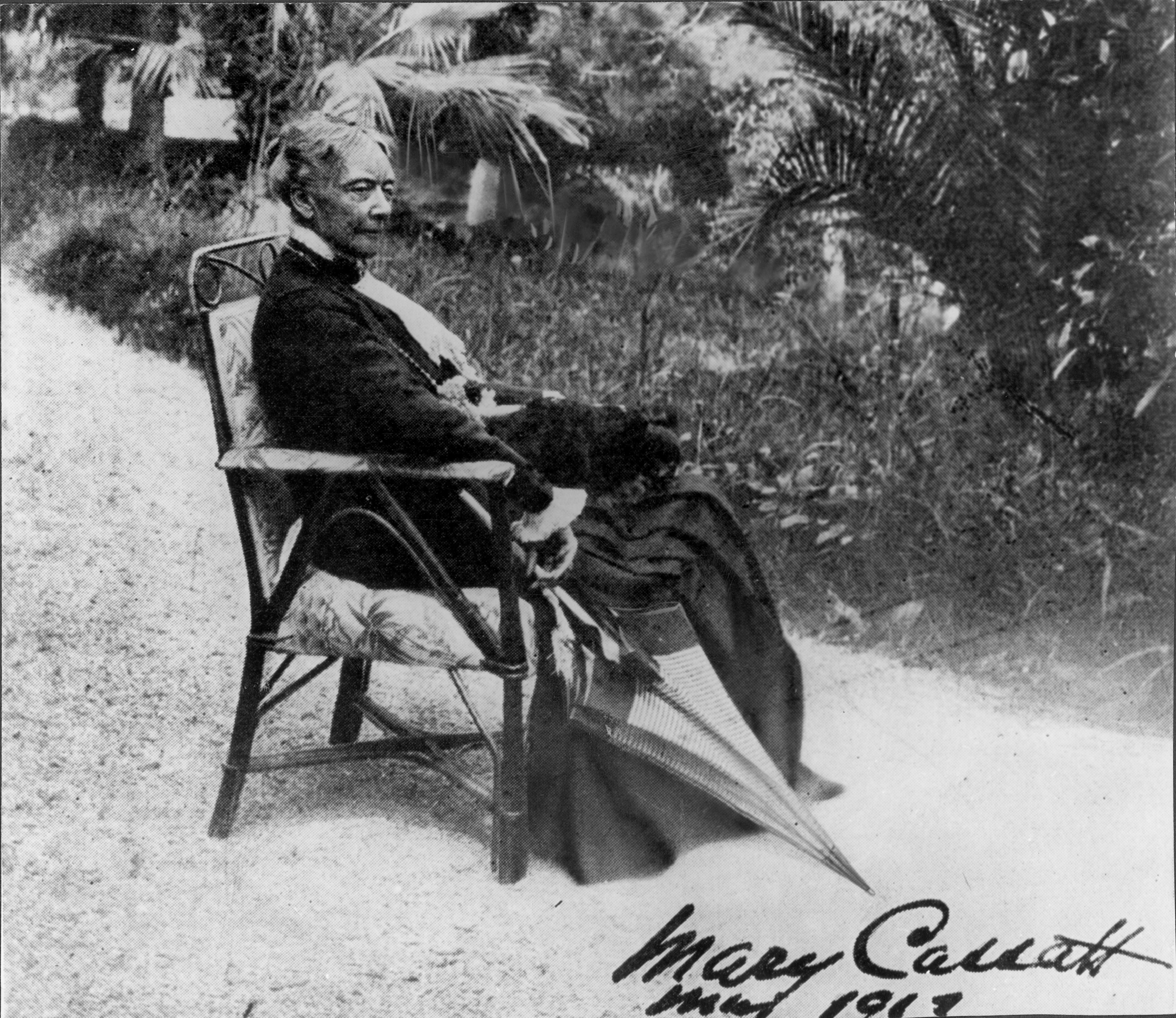
Mary Cassatt
Amerikanka · 1844–1926
Američka slikarka koja je postala vodeća figura francuskog impresionizma, poznata po psihološki prodornim prikazima majki i dece.
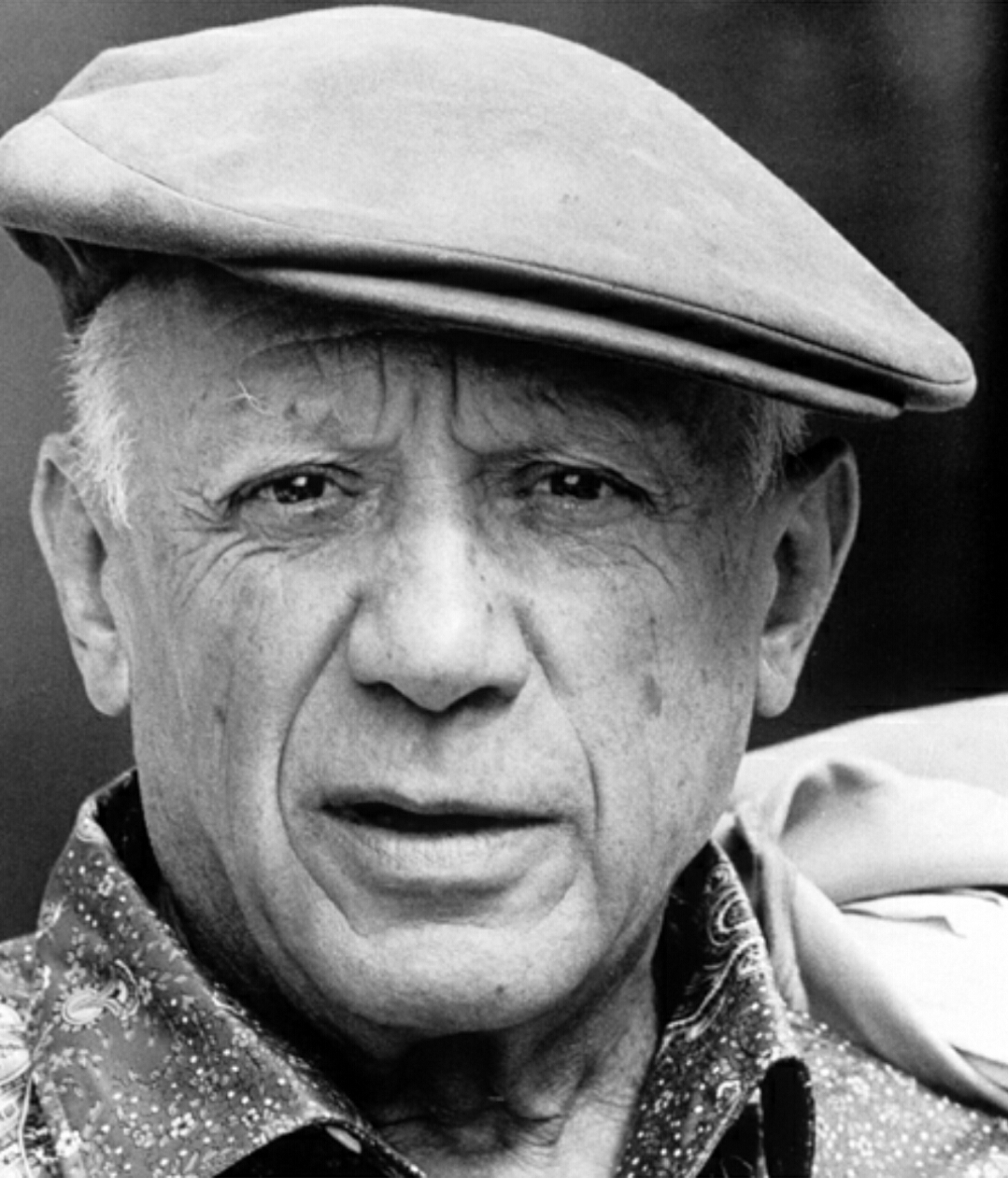
Pablo Picasso
Španac · 1881–1973
Možda najuticajniji umetnik 20. veka, Pikaso je bio suosnivač kubizma i neprestano je iznova pronalazio svoj stil.
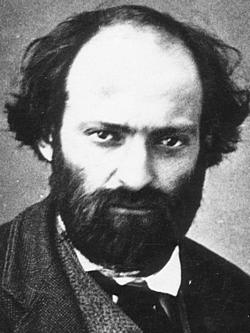
Paul Cézanne
Francuz · 1839–1906
Otac moderne umetnosti, čiji je strukturalni pristup boji i formi premostio impresionizam i kubizam, zaslužujući titulu 'slikar svih slikara'.
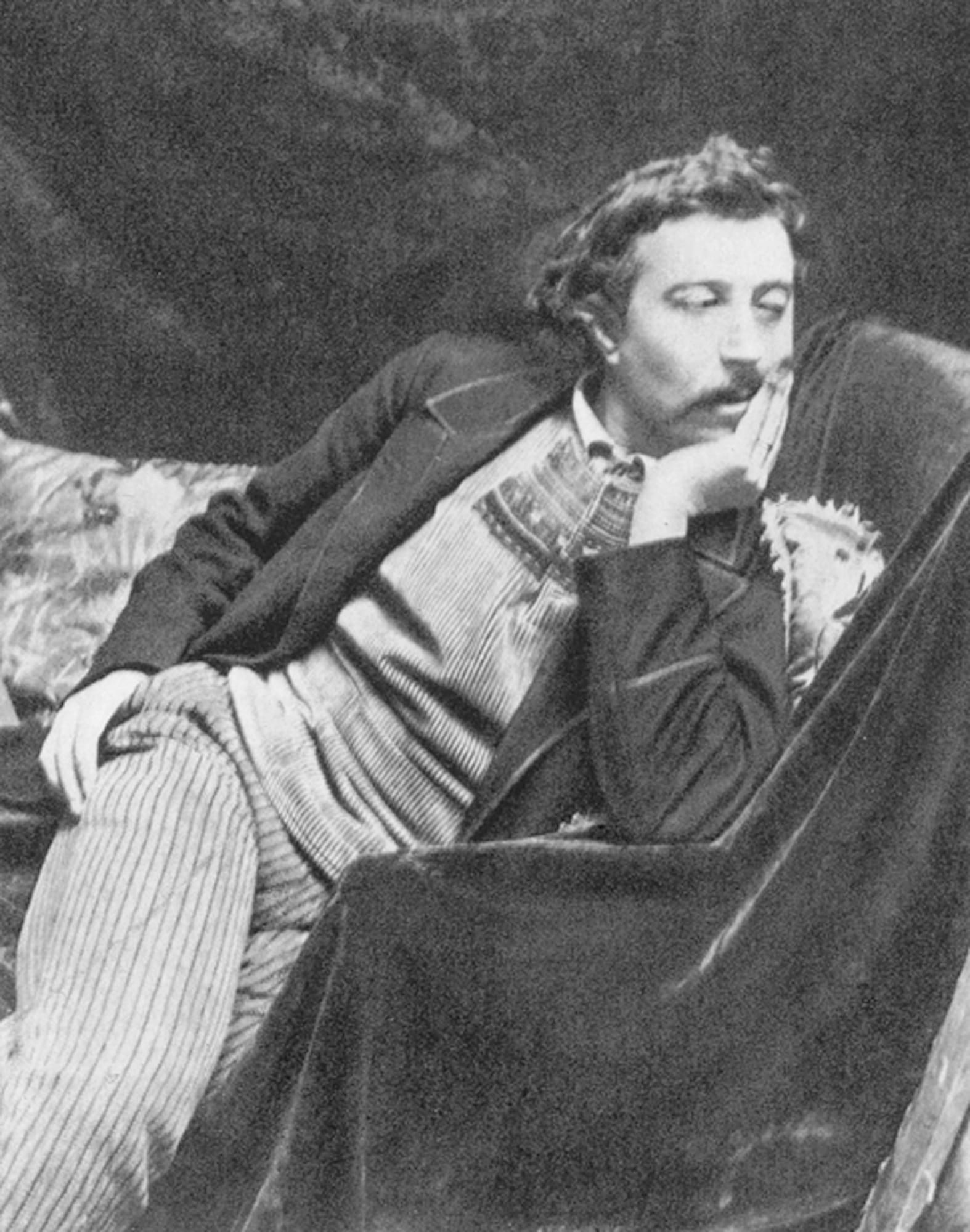
Paul Gauguin
Francuz · 1848–1903
Nemirni postimpresionista koji je napustio evropsku civilizaciju zarad Tahitija, stvarajući smelo obojene, simbolički nabijene slike koje su uticale na fovizam i ekspresionizam.
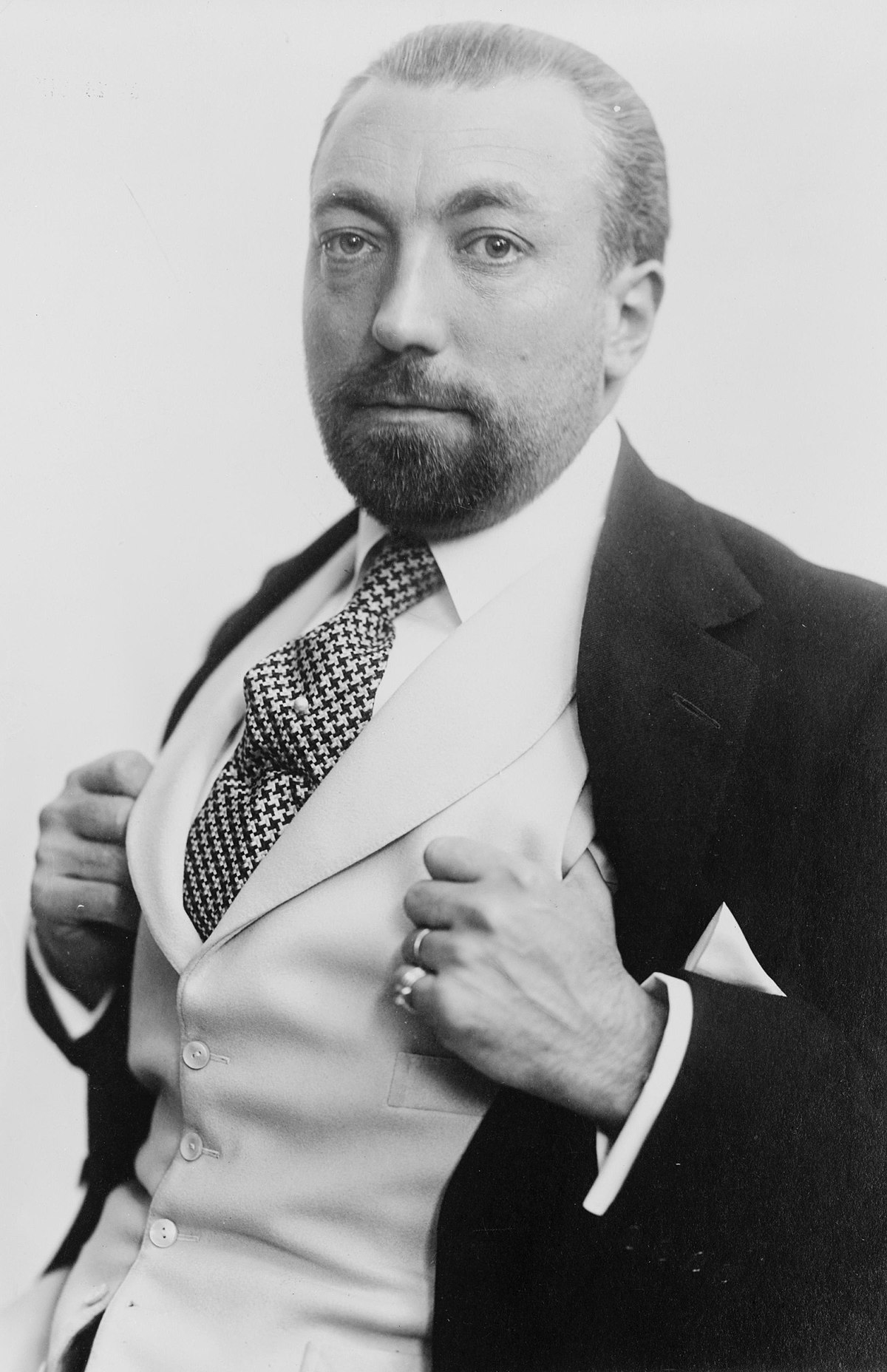
Paul Poiret
Francuz · 1879–1944
Pol Poare bio je prvi veliki moderni dizajner — čovek koji je ukinuo korset 1906. godine i zamenio ga orijentalističkom fantazijom laganih, lepršavih odevnih predmeta inspirisanih Japanom, Persijom i starim Egiptom. Izmislio je koncept totalnog dizajna životnog stila i dizajnersku modnu reviju, oblikujući šablon koji će Šanel i Dior naslediti.
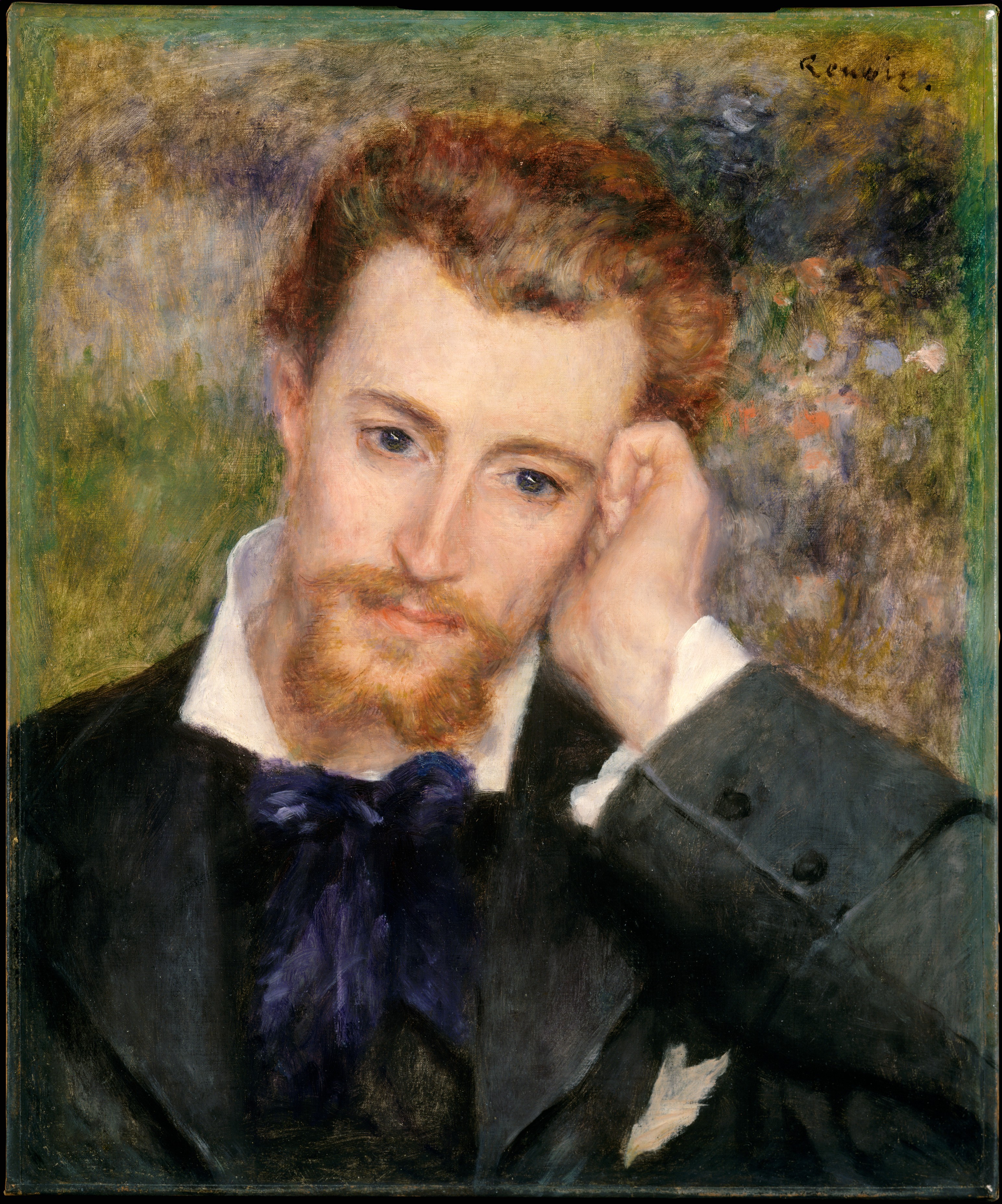
Pierre-Auguste Renoir
Francuz · 1841–1919
Impresionistički slikar radosti i senzualnosti čiji su blistavi prikazi dokolice, lepote i uživanja u modernom životu učinili da bude jedan od najomiljenijih umetnika u istoriji.
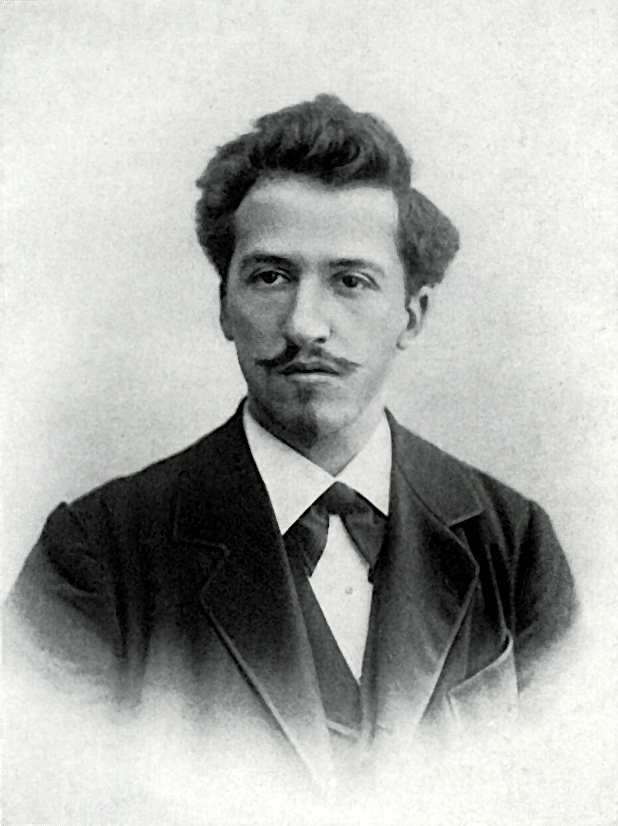
Piet Mondrian
Holanđanin · 1872–1944
Holandski pionir geometrijske apstrakcije čije su slike sa mrežama primarnih boja i crnih linija postale ikone moderne umetnosti i dizajna.
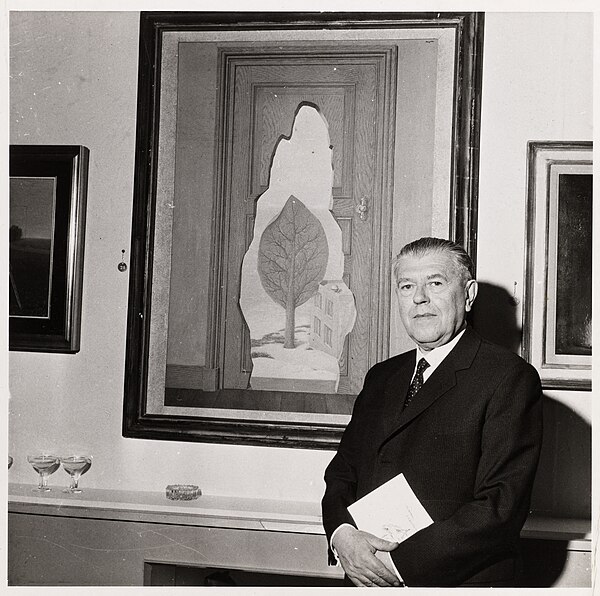
René Magritte
Belgijanac · 1898–1967
Majstor filozofskog nadrealizma, čiji su odmerni, pedantno naslikani vizuelni paradoksi doveli u pitanje odnos između slika, reči i stvarnosti.
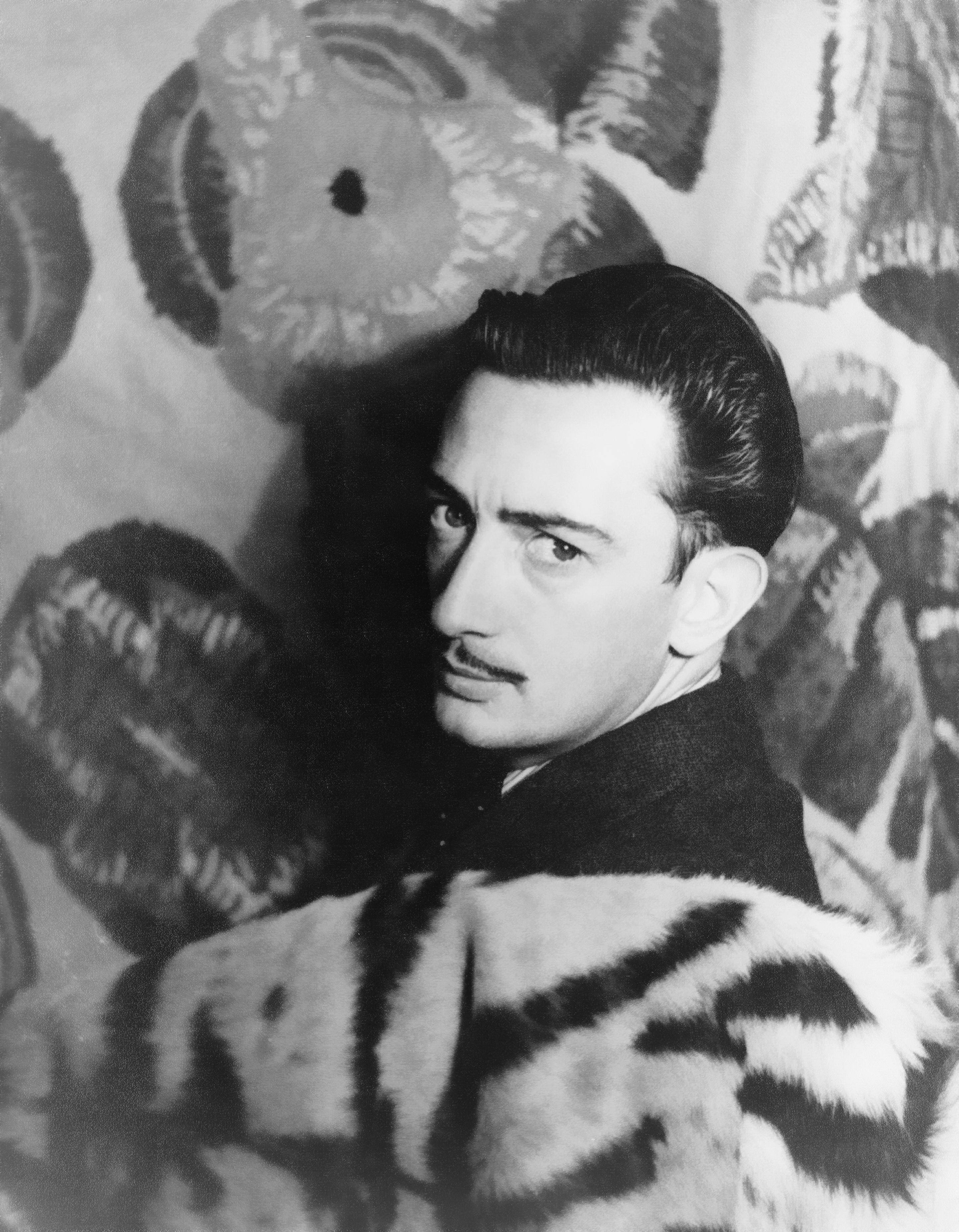
Salvador Dali
Španac · 1904–1989
Ekstravagantan nadrealitički majstor čiji su halucinatorni snoliki pejzaži, paranoično-kritički metod i neumorna samopromocija učinili jednim od najprepoznatljivijih i najkontroverznijih umetnika dvadesetog veka.
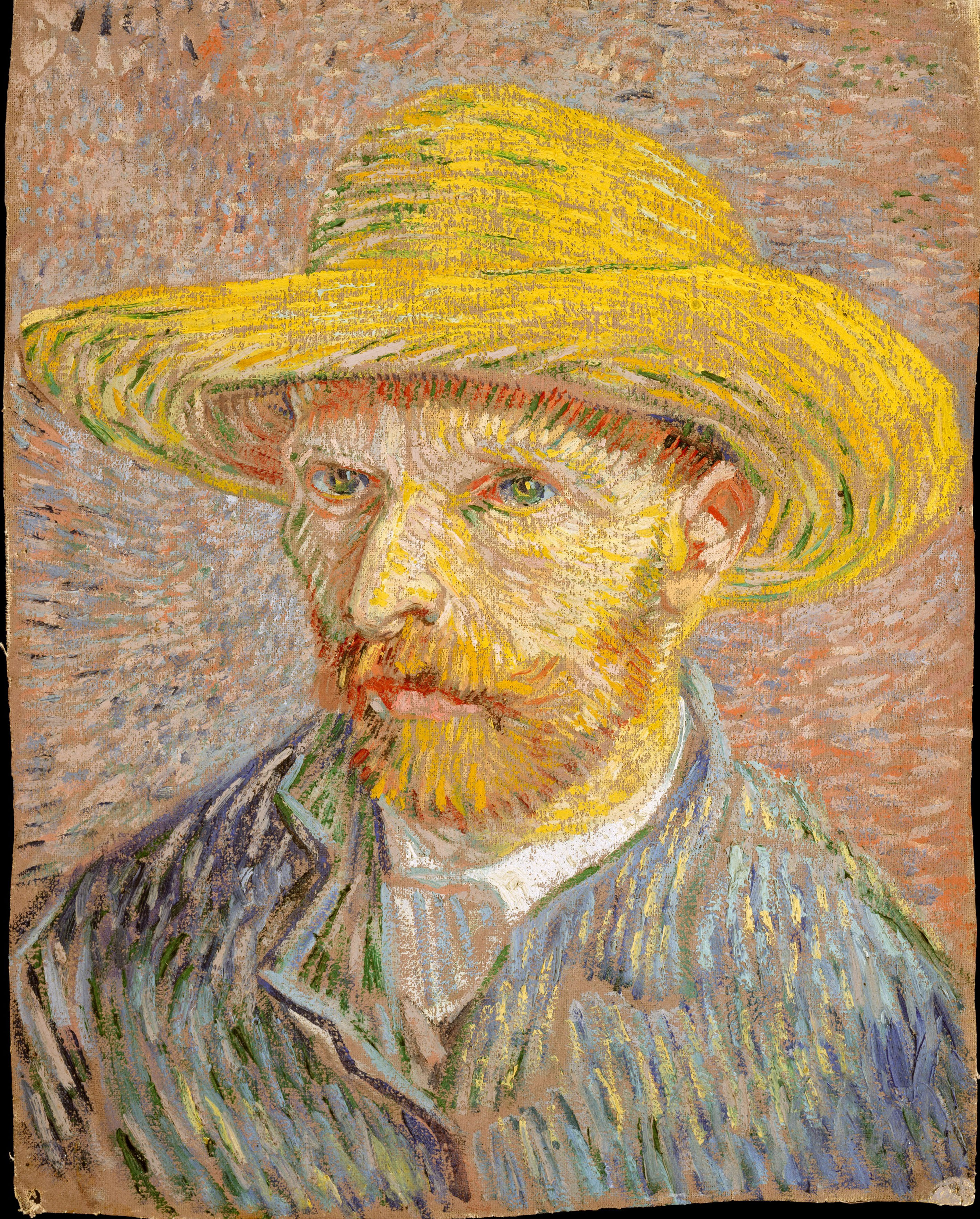
Vincent van Gogh
Holanđanin · 1853–1890
Mučeni genije čije su živopisne, emocionalno nabijene slike transformisale umetnost, mada je za života prodao samo jednu sliku.
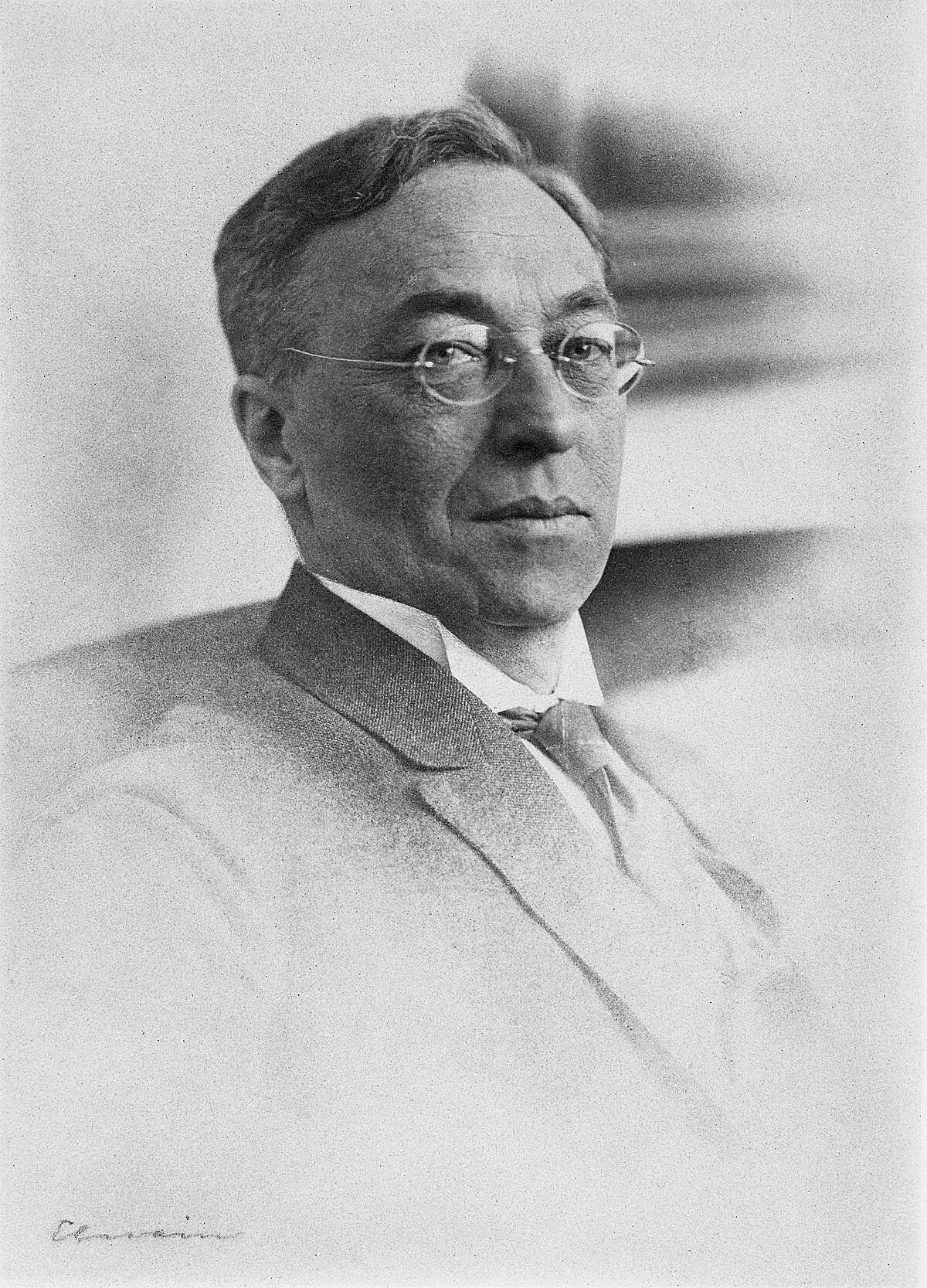
Wassily Kandinsky
Rus · 1866–1944
Pionir čiste apstraktne umetnosti koji je verovao da slikarstvo može da izazove emocije jednako neposredno kao muzika, transformišući tok umetnosti dvadesetog veka kako svojim platnima tako i teorijskim spisima.
Savremena umetnost
1945. – danas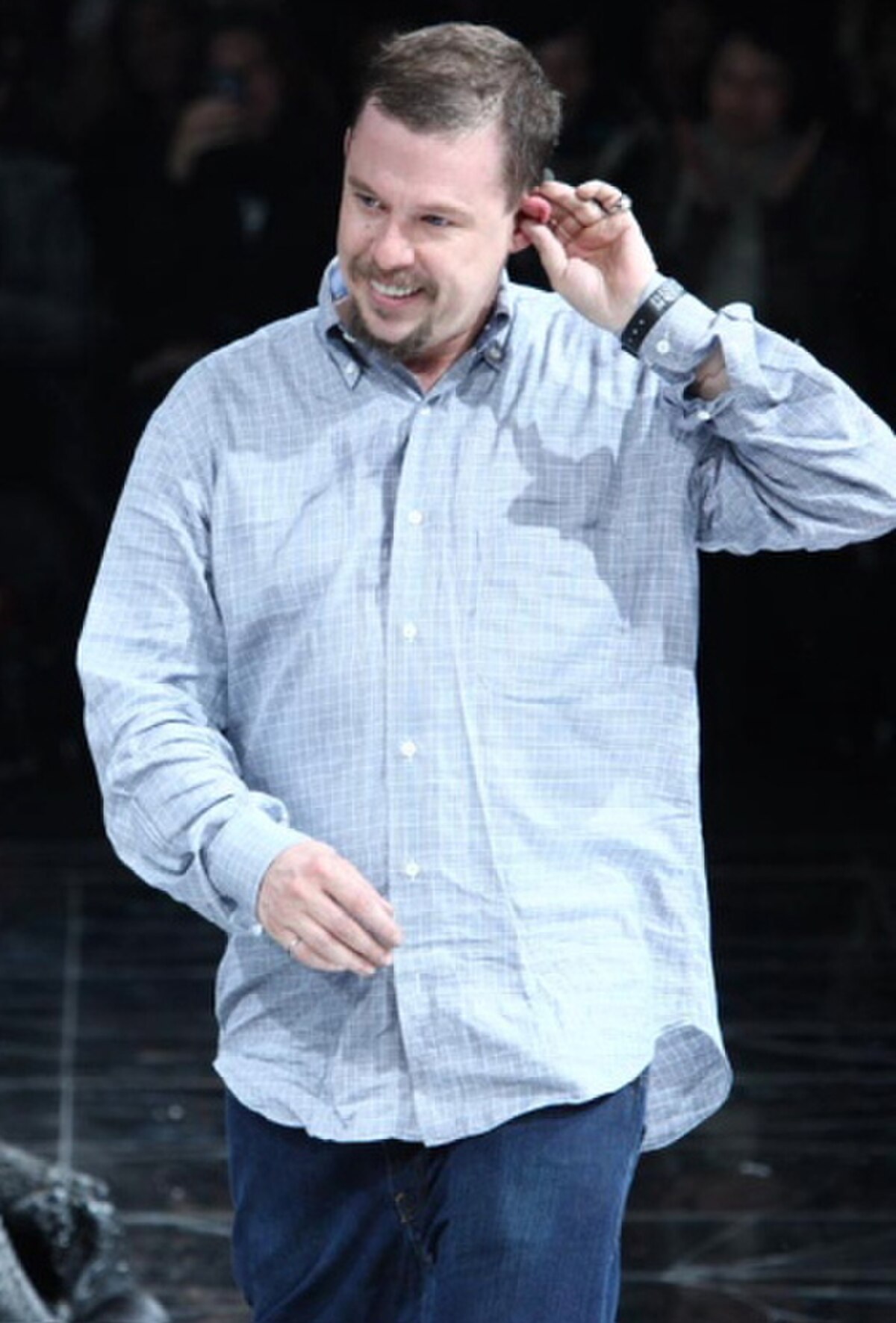
Alexander McQueen
Britanac · 1969–2010
Alexander McQueen bio je teatralno najvizionarniji dizajner svoje generacije, koji je modnu reviju transformisao u totalno umetničko delo, istovremeno pomerajući granice krojenja, konstrukcije i mračnog romantizma. Njegove kolekcije su istraživale traumu, identitet i divlju lepotu prirode s neprevaziđenim intenzitetom.
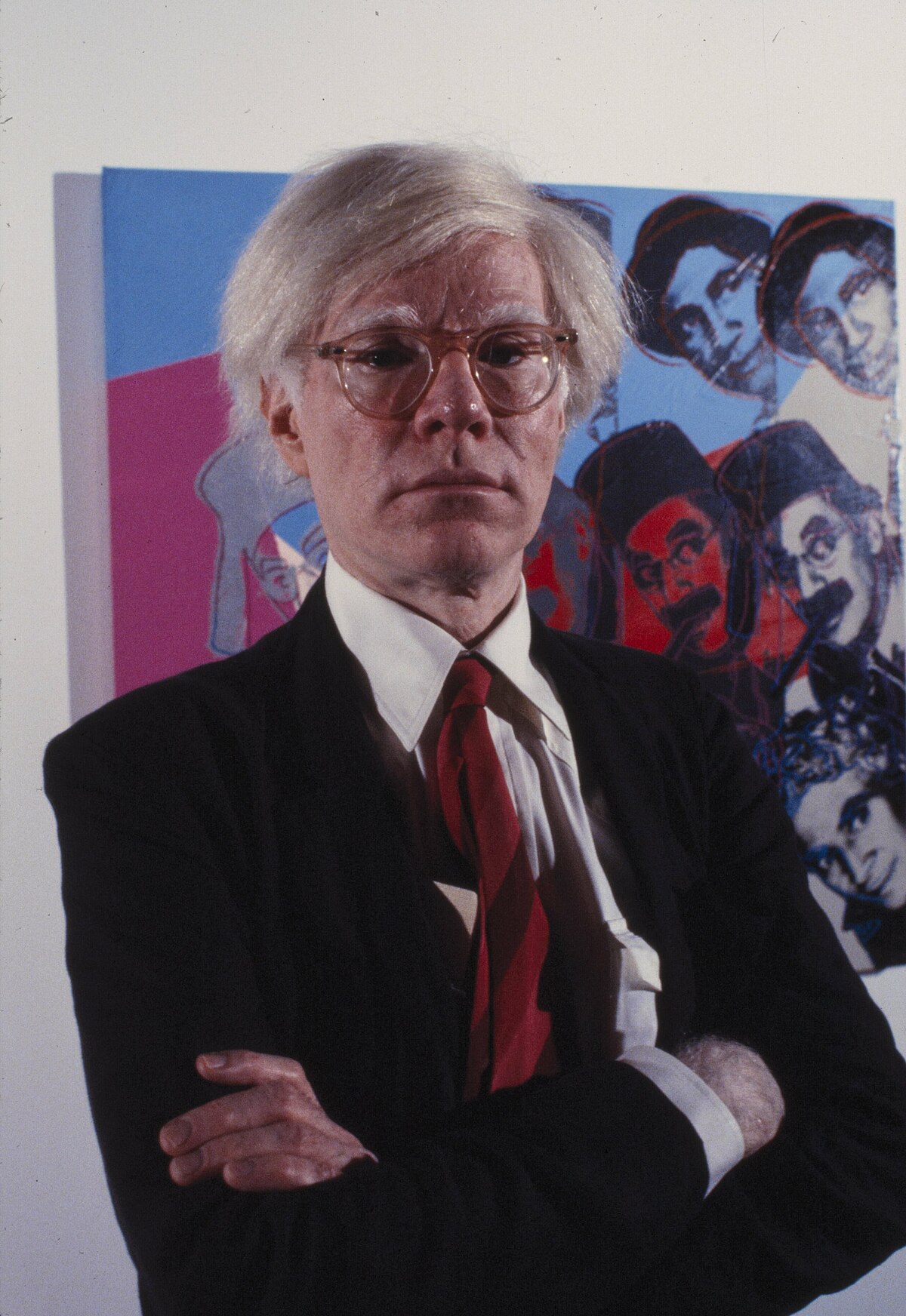
Andy Warhol
Amerikanac · 1928–1987
Papa pop arta koji je zamaglio granice između umetnosti, komercijale i kulture slavnih.
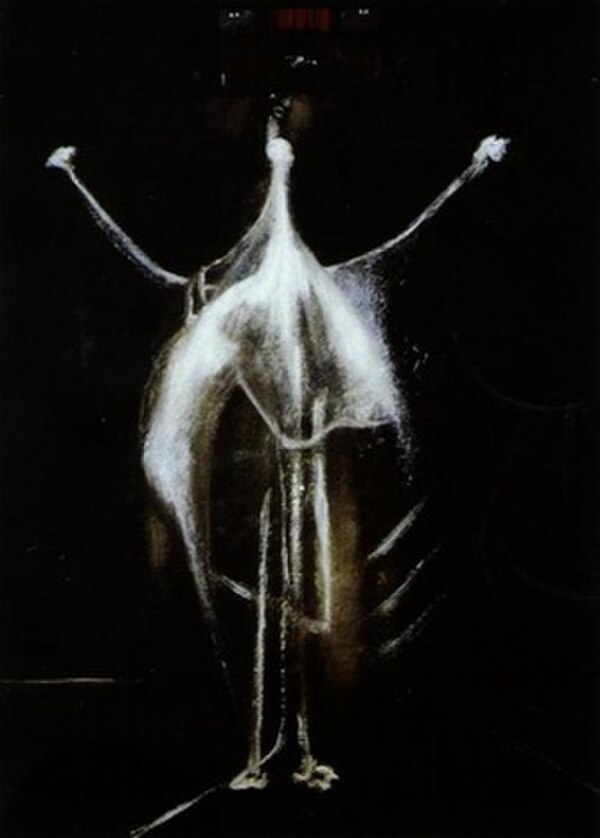
Francis Bacon
Britanac · 1909–1992
Irsko-britanski slikar čiji su vrišteći pape, iskrivljena tela i sirovi prikazi ljudske patnje učinili najuznemirujućim figurativnim slikarom dvadesetog veka.
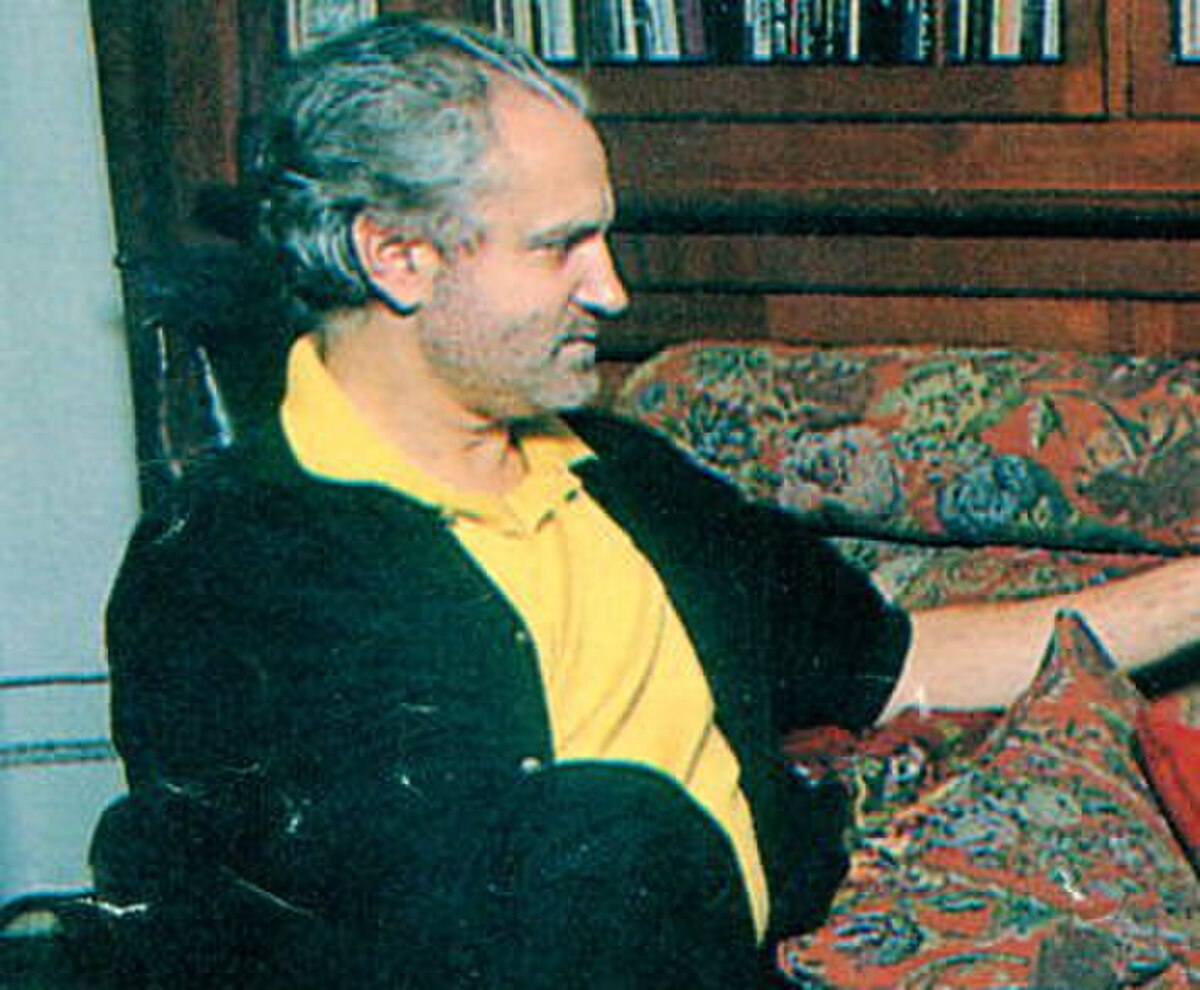
Gianni Versace
Italijan · 1946–1997
Đani Versaće je bio visoki sveštenik glamura — dizajner koji je slavio eksces, seksualnost i klasično veličanstvo sa operskim intenzitetom koji je učinio njegove modne revije definišućim spektaklom mode 1990-ih. Njegova haljina sa zihernadlama koju je nosila Elizabet Harli i njegove oroton haljine od metalnog lanca stvorile su obrazac za maksimalizam crvenog tepiha.
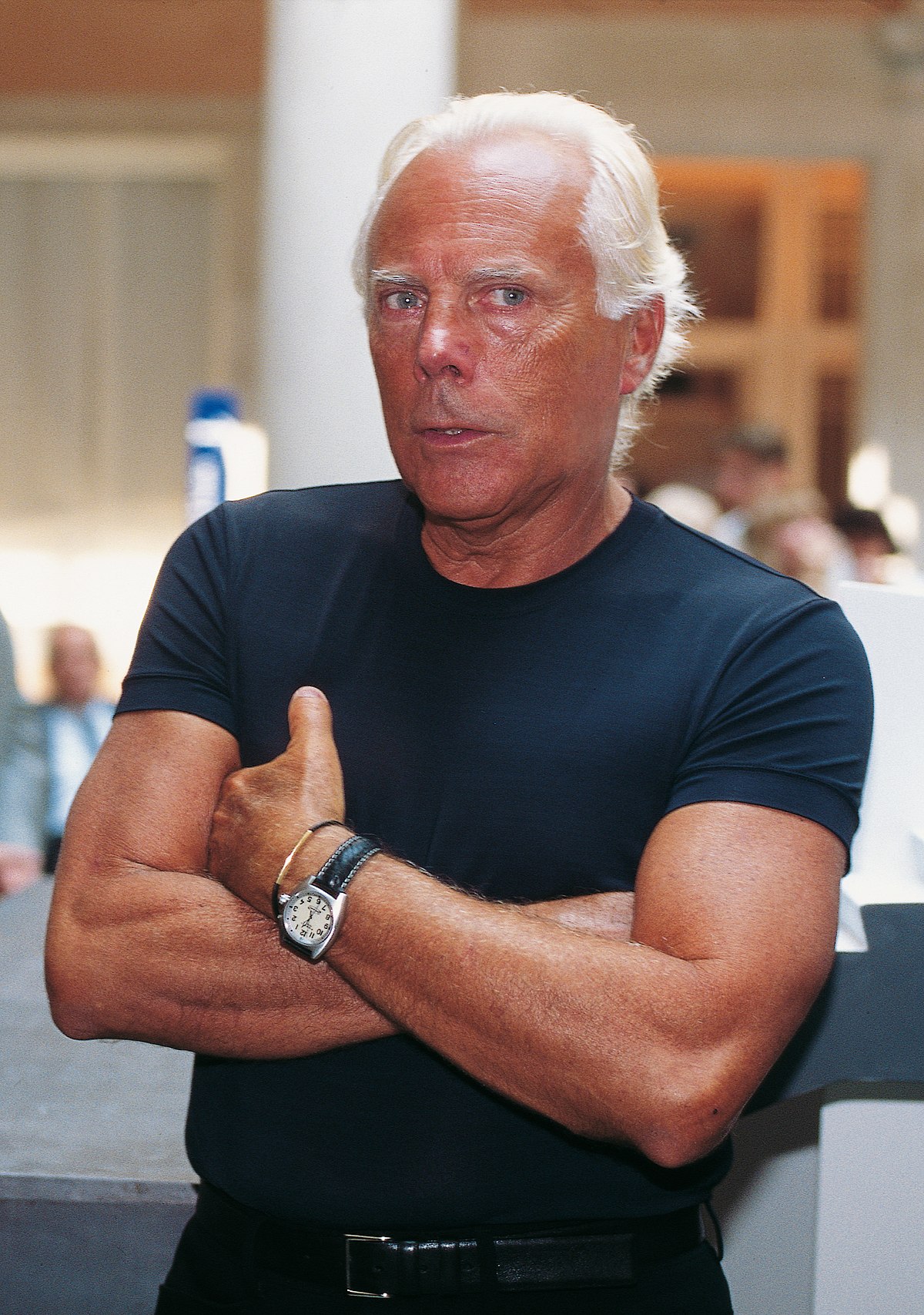
Giorgio Armani
Italijan · 1934–danas
Đorđo Armani je demontirao krutu arhitekturu tradicionalnog krojenog sakoa i rekonstruisao ga u fluidnoj vuni i lanu, stvarajući definišuću profesionalnu uniformu 1980-ih i 1990-ih. Njegovi nestrukturirani, nepodstavljeni odela u prigušenim zemljanim tonovima uspostavili su nov jezik muškog i ženskog poslovnog oblačenja zasnovanog na opuštenoj preciznosti.
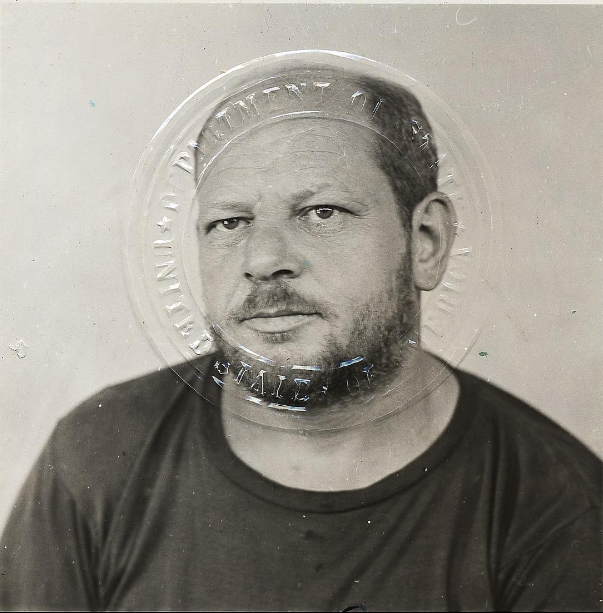
Jackson Pollock
Amerikanac · 1912–1956
Mučeni pionir drip slikarstva čija je radikalna tehnika izlivanja i bacanja boje na nenapeto platno redefinisala čin slikanja i uspostavila Njujork kao centar sveta umetnosti.
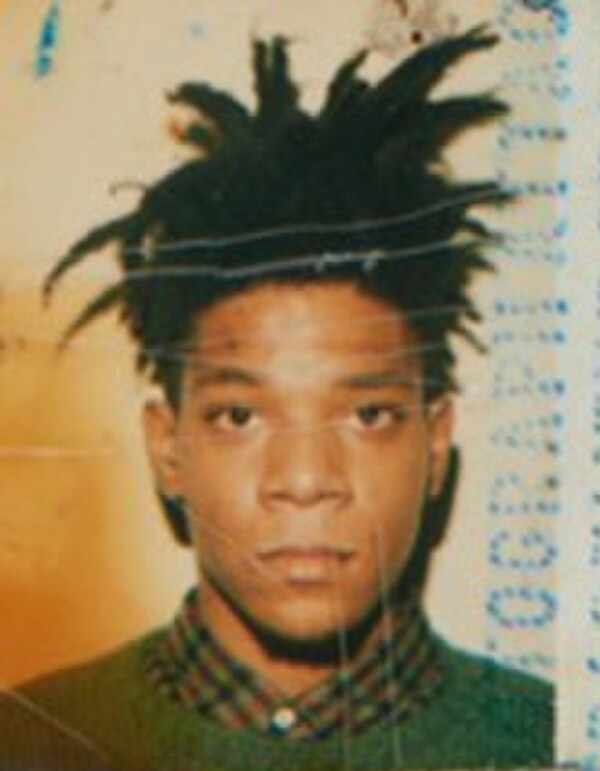
Jean-Michel Basquiat
Amerikanac · 1960–1988
Samouki čudo od deteta koji je iz njujorške grafiti kulture eksplodirao na umetničku scenu, stvarajući sirove, gusto slojevite slike koje se suočavaju sa rasom, moći i smrtnošću.
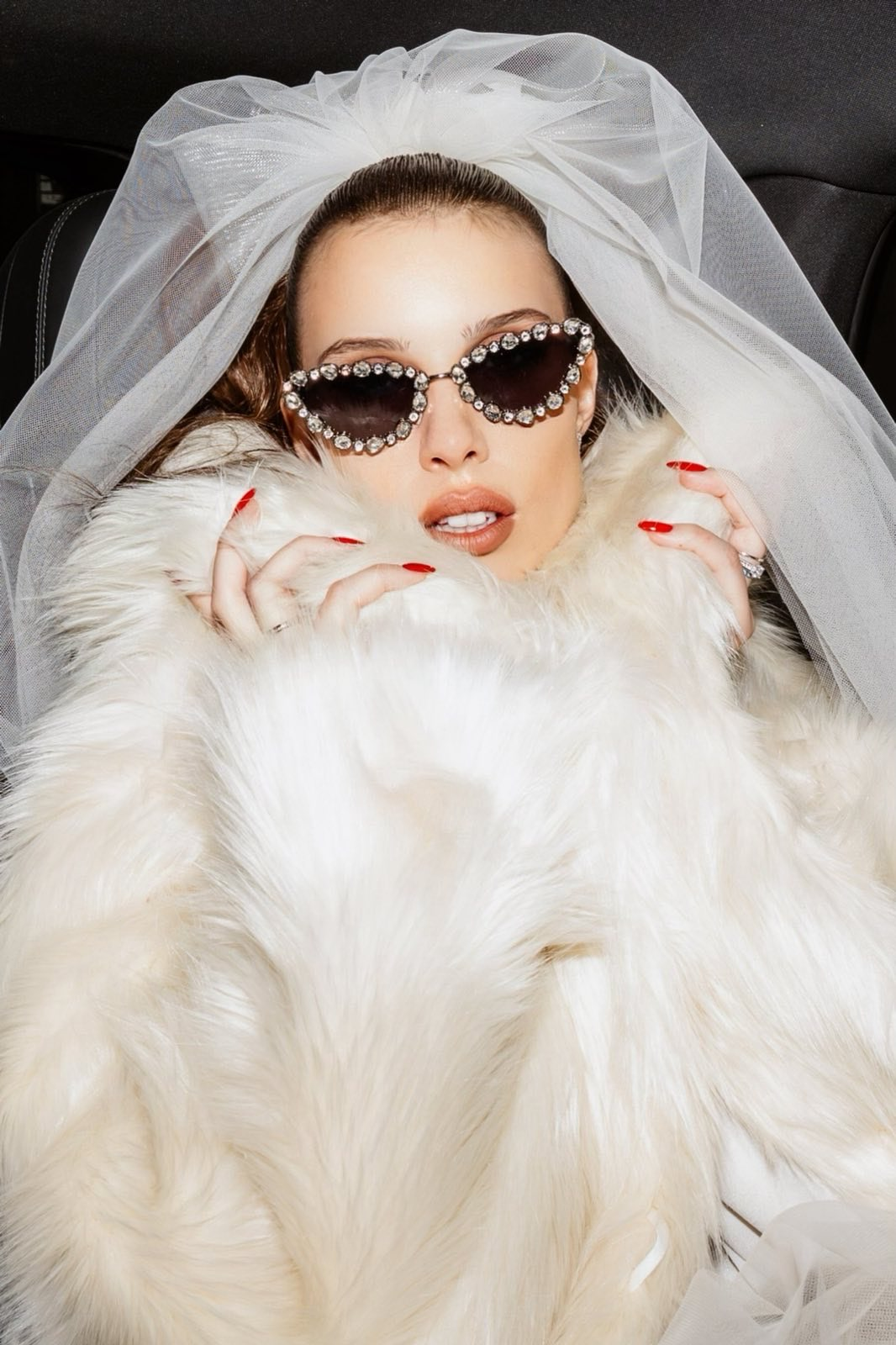
Jelena Karović Vučenović
Srpkinja · 1991–danas
Srpska modna dizajnerka čiji haute couture brend H.C.11 i održivi brend HeartCore zajedno oblikuju kreativnu viziju u kojoj se majstorska konstrukcija susreće sa nosivom pobunom.
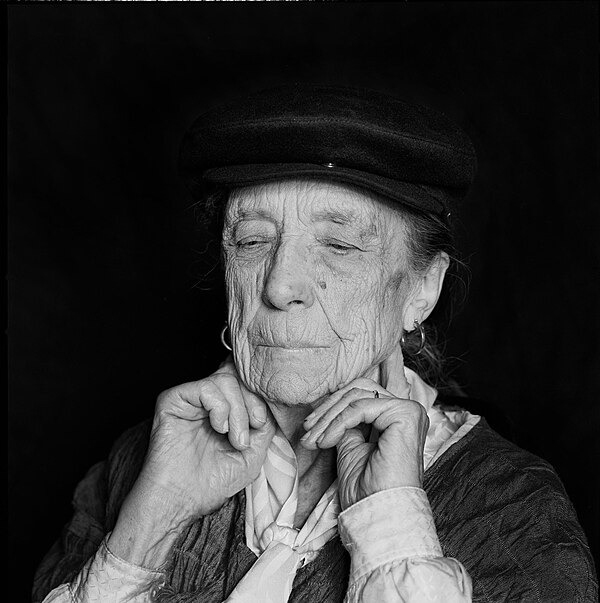
Louise Bourgeois
Francuskinja-Amerikanka · 1911–2010
Francusko-američka vajarka čiji su monumentalni pauci, instalacije-ćelije i psihološki nabijeni radovi istraživali sećanje, seksualnost i porodičnu traumu tokom sedam decenija.
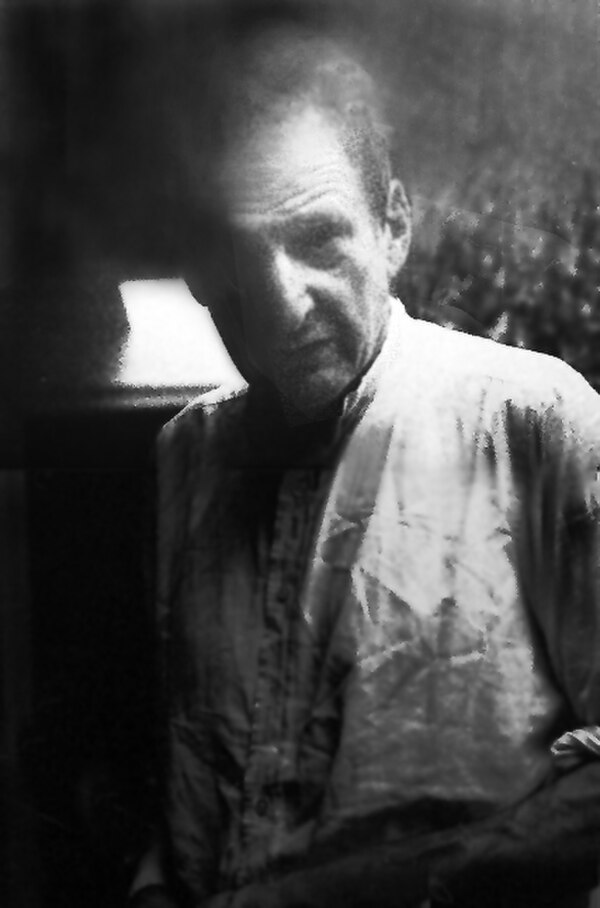
Lucian Freud
Britanac · 1922–2011
Beskompromisni britanski portretista čiji su debelo naslikani aktovi i psihološki intenzivni portreti učinili ljudsko telo mestom sirove, fizičke istine.
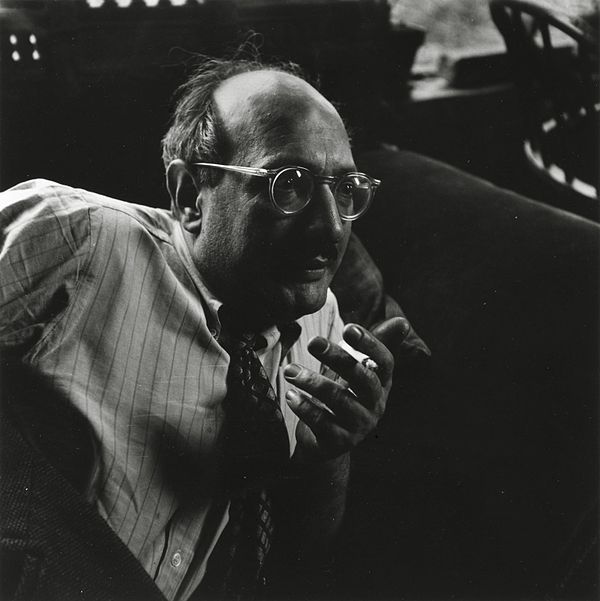
Mark Rothko
Amerikanac · 1903–1970
Apstraktni ekspresionista čija su luminozna, lebdeća polja boje nastojala da izraze najosnovnije ljudske emocije — tragediju, ekstazu i propast.
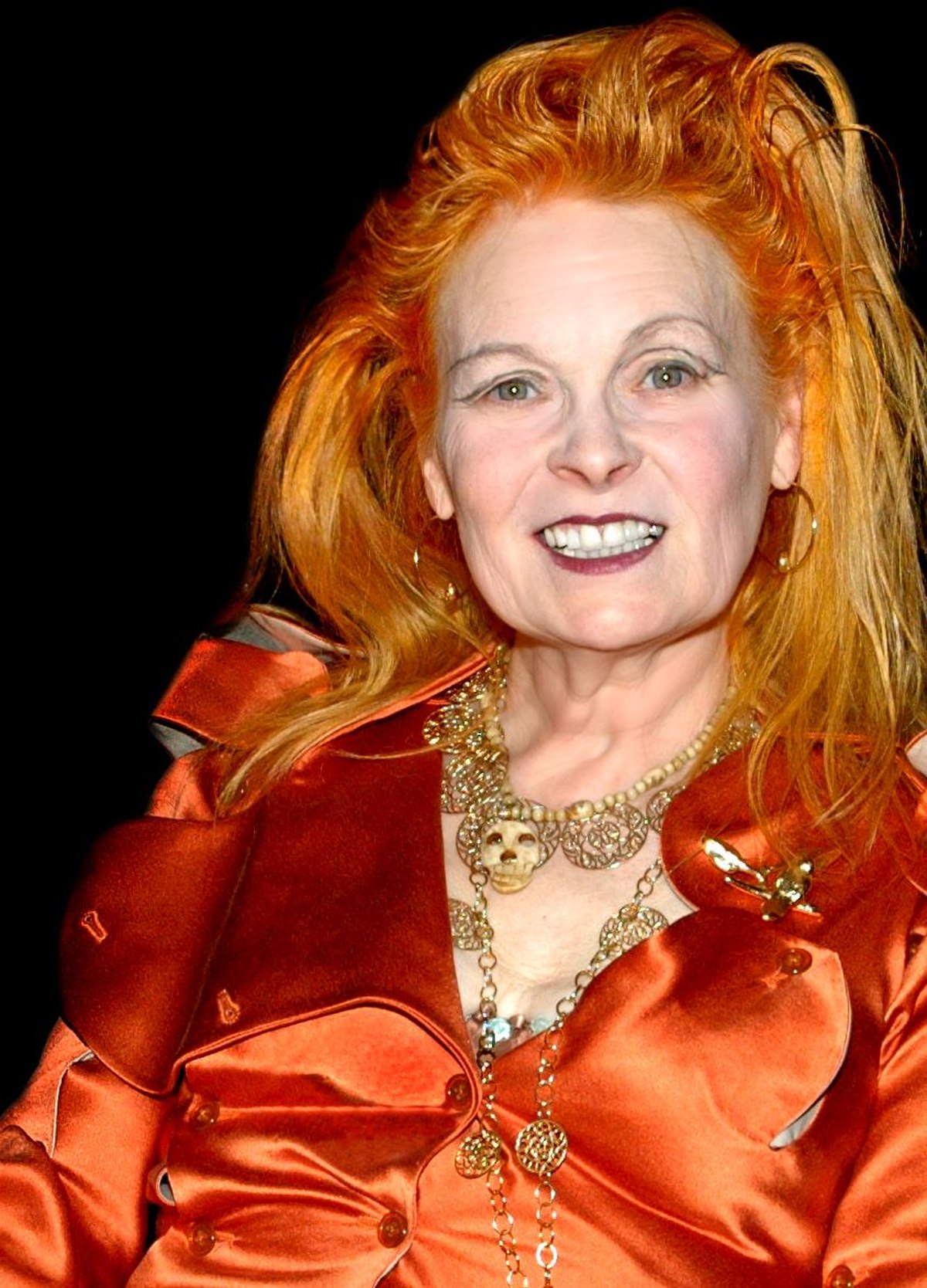
Vivienne Westwood
Britanka · 1941–2022
Vivijen Vestvud je izmislila pank modu i postala najsubverzivnija britanska modna kreatorka, spajajući istorijsko krojenje sa političkom provokacijom. Njena karijera obuhvata pet decenija namerne disrupcije, preispitujući odnos mode prema moći, seksualnosti i ekološkoj odgovornosti.
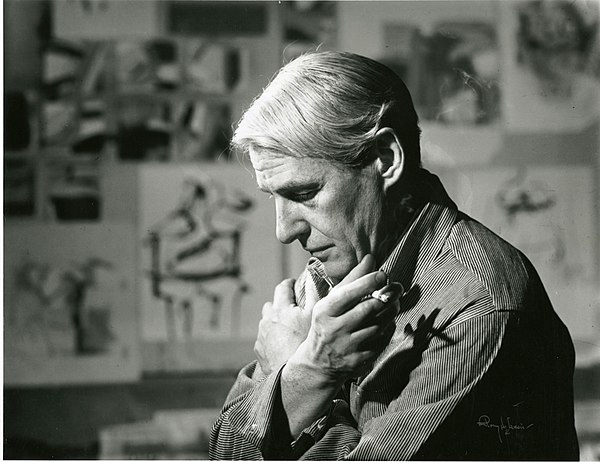
Willem de Kooning
Holandsko-američki · 1904–1997
Holandski majstor apstraktnog ekspresionizma čije su žestoke slike žena i apstraktnih pejzaža redefinisale gestualno slikarstvo.
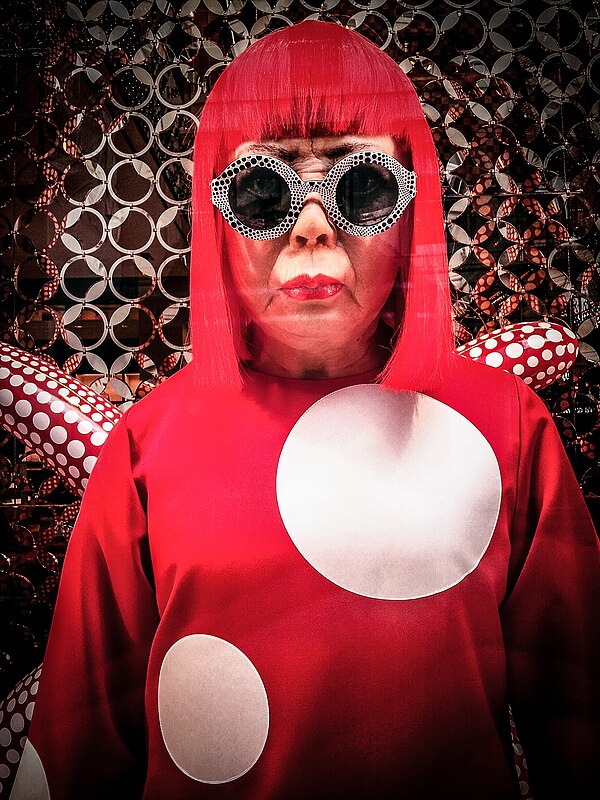
Yayoi Kusama
Japanka · 1929–danas
Vizionarska japanska umetnica čije su opsesivne tačkice, sobe beskonačnosti i imerzivne instalacije učinile da bude jedna od najpopularnijih živih umetnica na svetu.
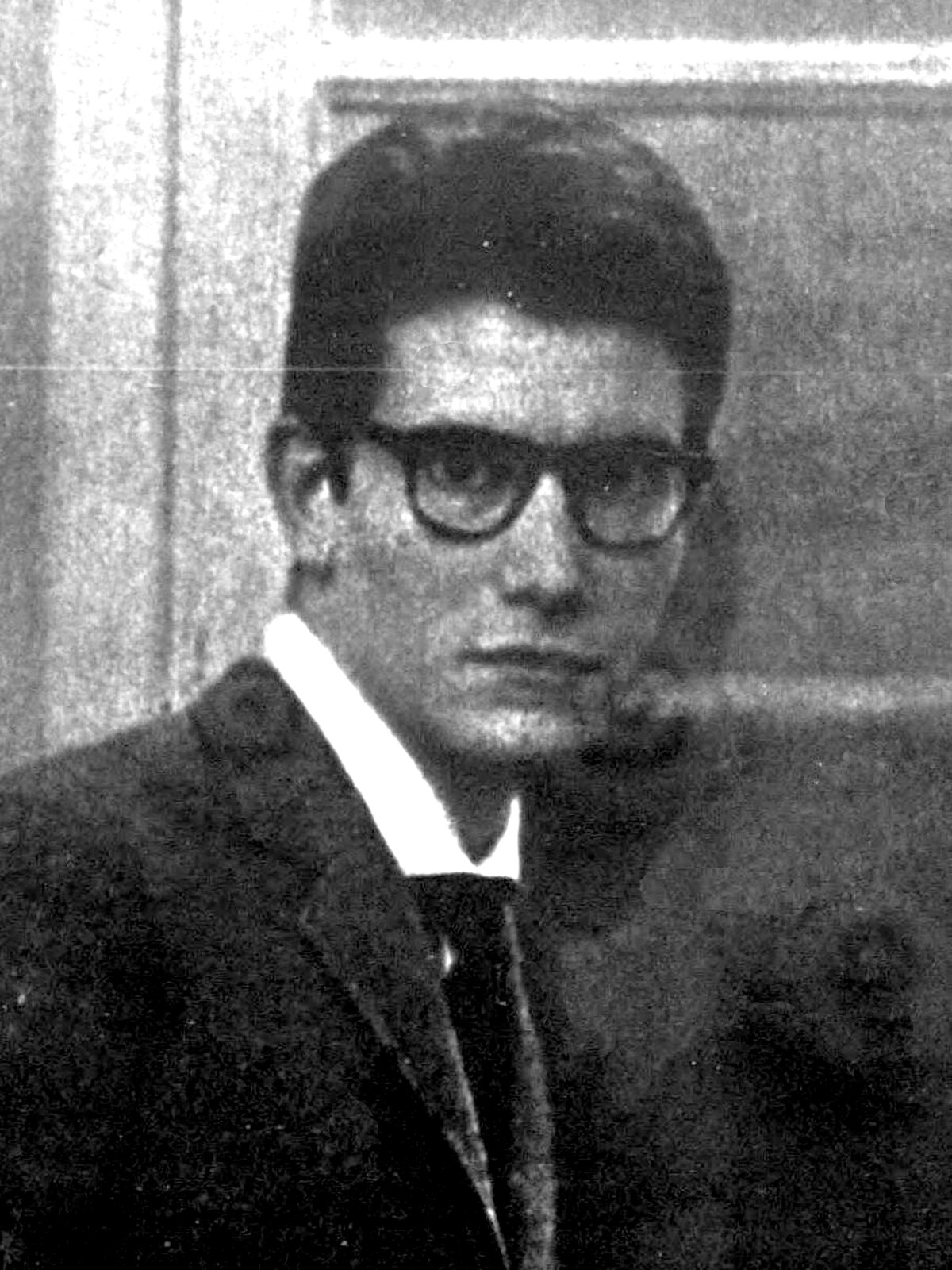
Yves Saint Laurent
Francusko-alžirski · 1936–2008
Iv Sen Loran je demokratizovao visoku modu i transformisao je u sredstvo društvenog oslobođenja. Njegovo smoking odelo Le Smoking za žene i Mondrijan haljina spadaju među kulturno najznačajnije odevne predmete 20. veka, otelotvorujući moć mode da dovede u pitanje rodne i klasne granice.