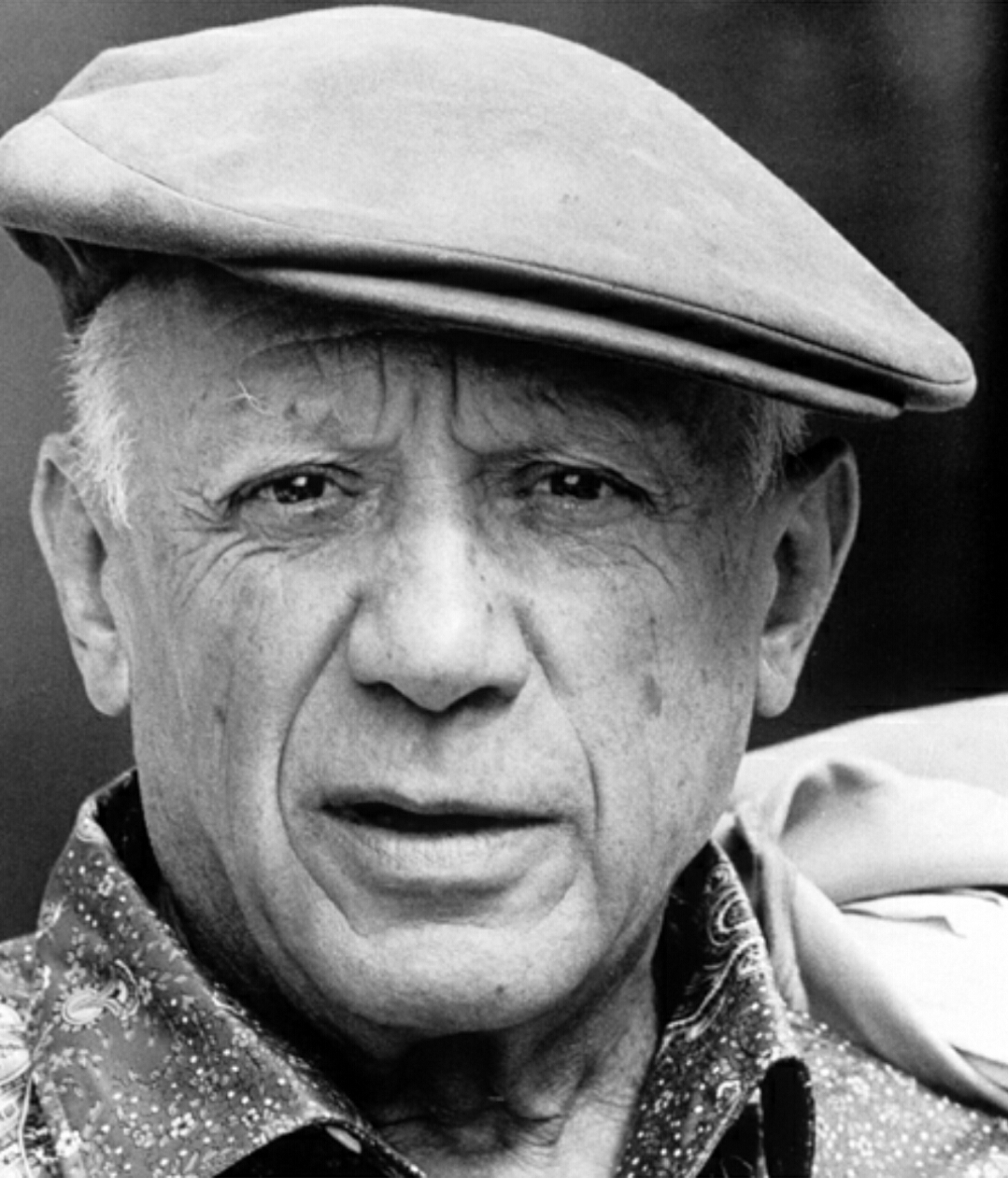
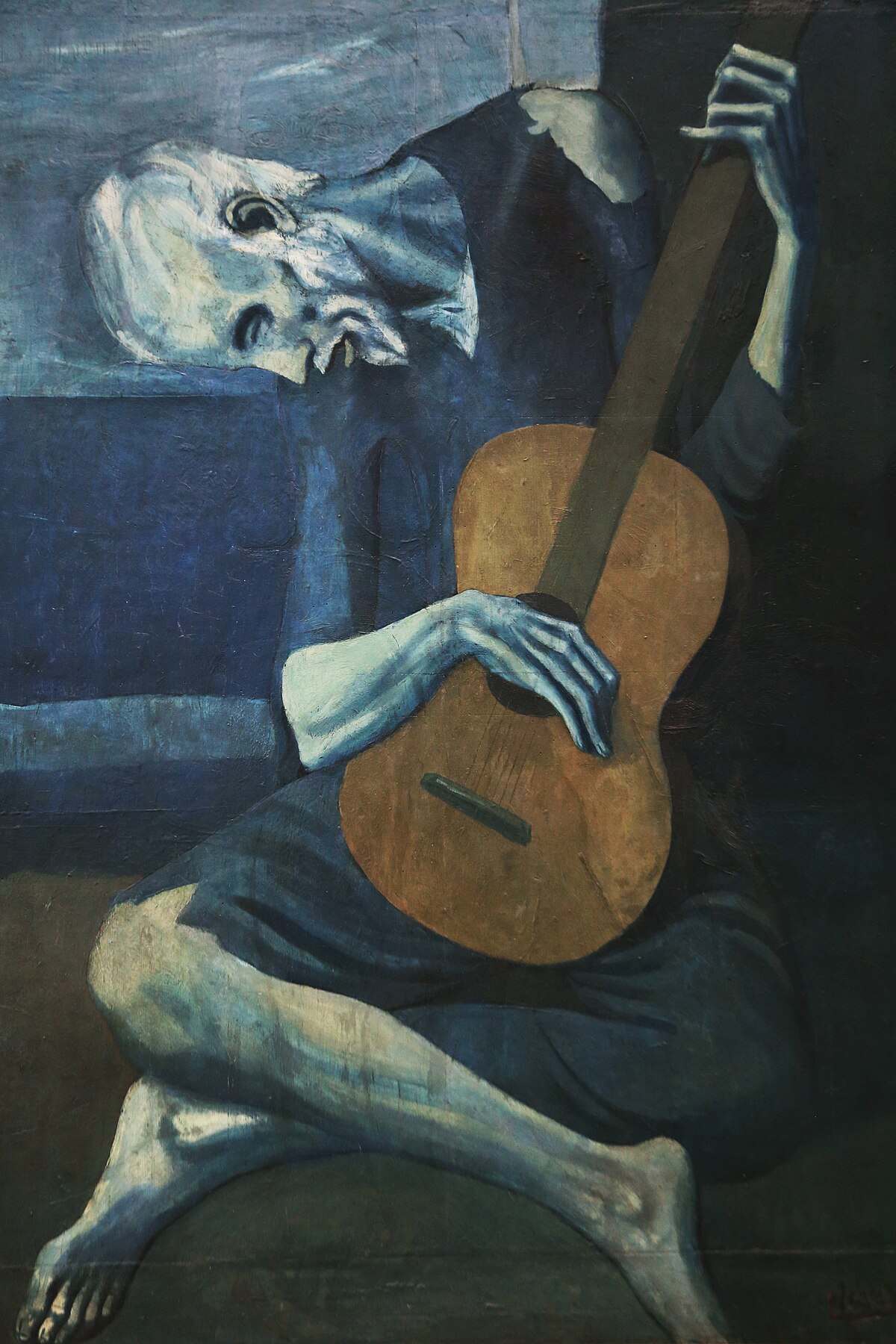
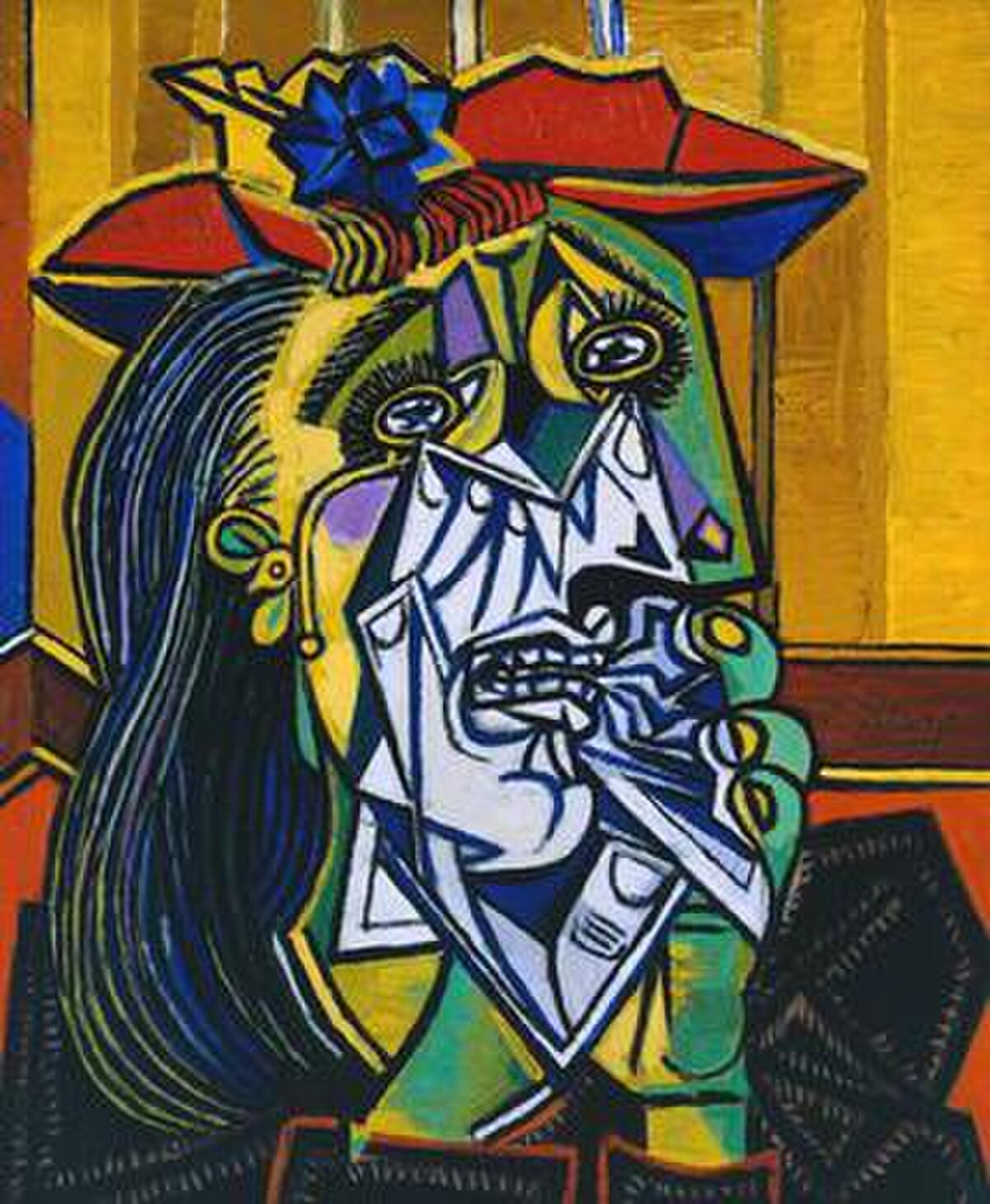
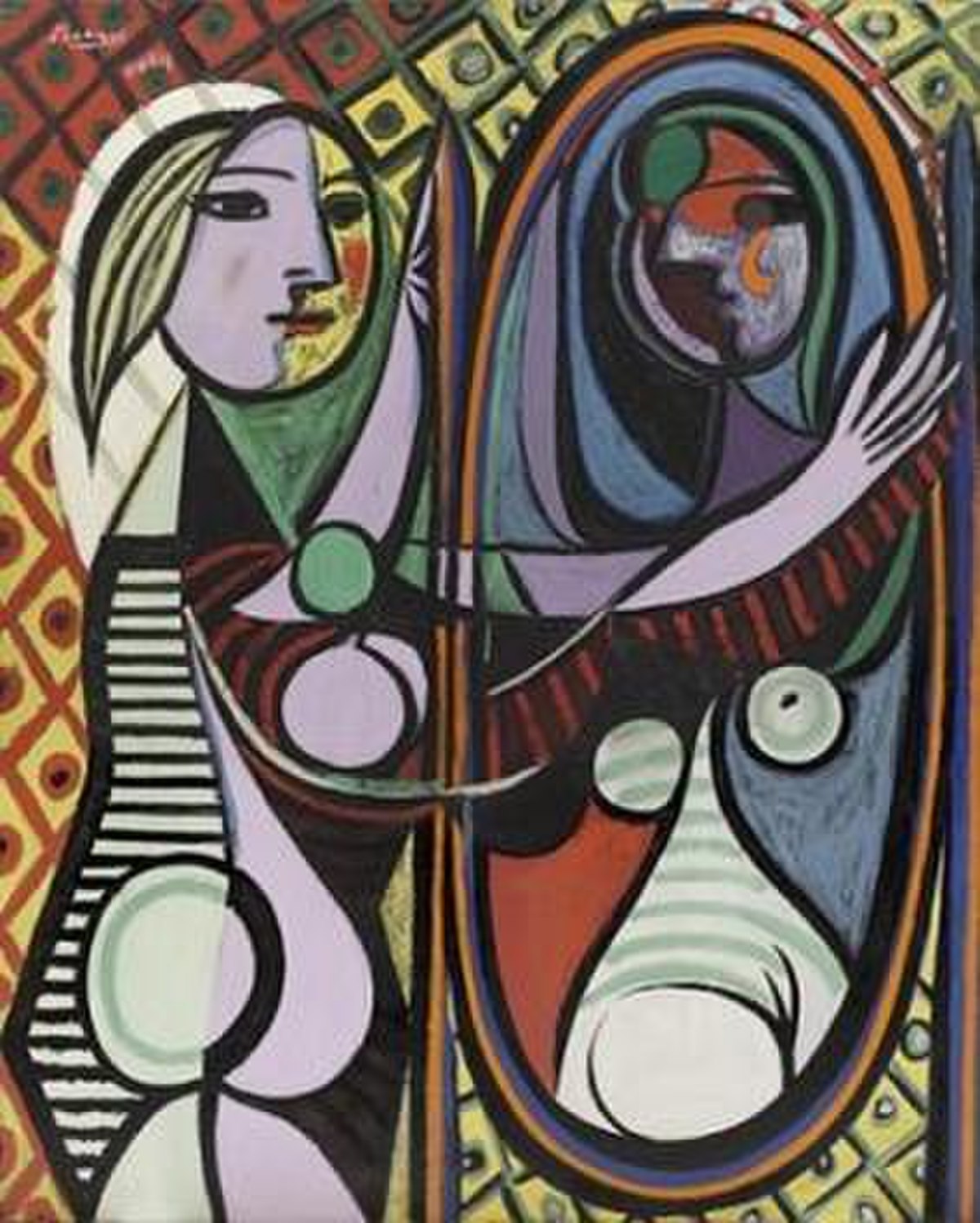
Pablo Pikaso je pokazao izuzetan talenat gotovo od trenutka kada je mogao da drži olovku. Rođen u Malagi, u Španiji, 1881. godine, već kao tinejdžer je stvarao akademske crteže visokog kvaliteta, a prvu izložbu je imao sa šesnaest godina. Nakon što se nastanio u Parizu — neospornoj prestonici avangarde — prolazio je kroz niz stilskih faza zapanjujućom brzinom. Njegov Plavi period (1901–1904) dao je jezive, melanholične slike prosjaka, slepih ljudi i odbačenih, prikazanih u hladnim nijansama plave, uključujući ikoničnog The Old Guitarist. Ružičasti period koji je usledio doneo je toplije tonove i cirkuske izvođače, ali Pikaso je već bio nemiran, tražeći nešto radikalnije.
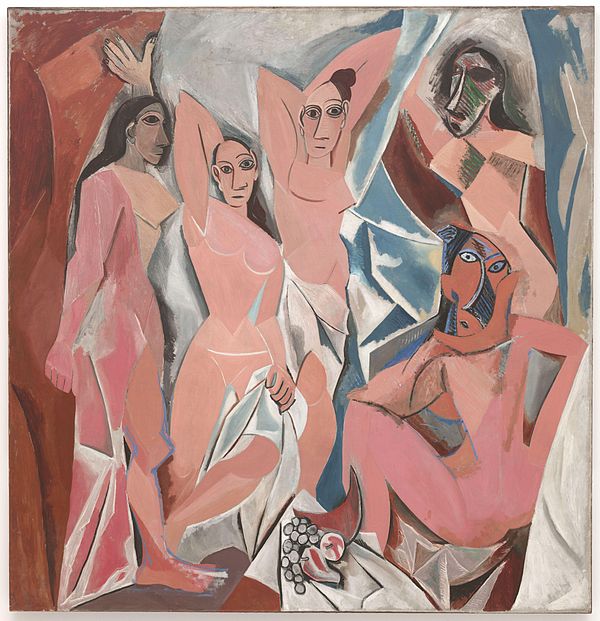
Taj proboj došao je 1907. godine sa delom Les Demoiselles d’Avignon, šokantnim, fragmentiranim prikazom pet nagih žena čija su lica i tela razbijena u uglaste, maskama nalik ravni inspirisane afričkom skulpturom i iberijskom umetnošću. Slika je užasnula čak i njegove prijatelje, ali je otvorila vrata kubizmu — revolucionarnom pokretu koji je Pikaso razvijao zajedno sa Žoržom Brakom narednih godina. Zajedno su razbili tradicionalnu perspektivu, prikazujući objekte iz više uglova istovremeno i sažimajući trodimenzionalni prostor u ravne, prepletene geometrije. To je bilo najradikalnije preispitivanje slikarskog prostora od renesanse, a njegovi talasi preobrazili su praktično svaki umetnički medijum dvadesetog veka.
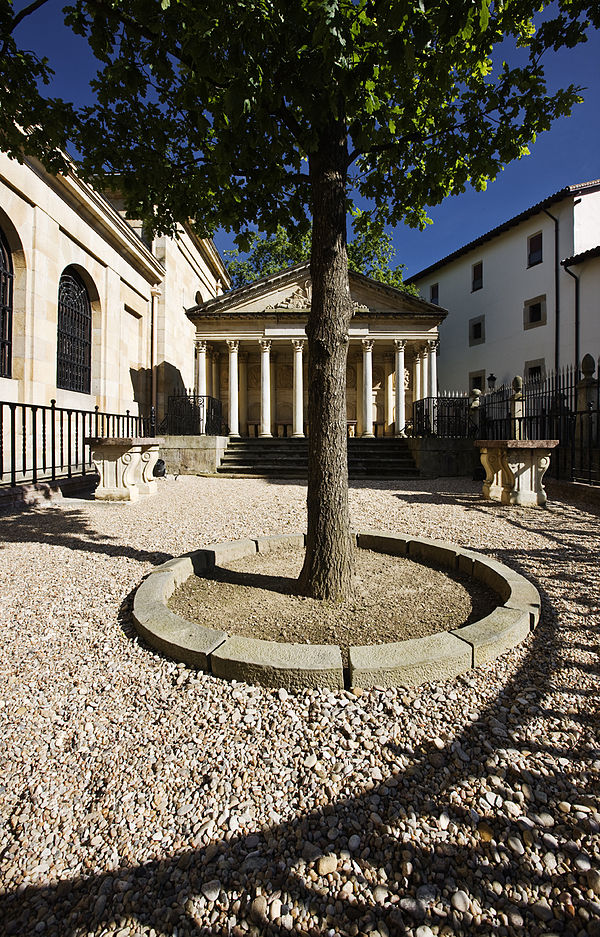
Pikaso nikada nije prestao da se razvija. Prolazio je kroz neoklasicizam, nadrealizam i nebrojene lične idiome, stvarajući slike, skulpture, keramiku, grafike i scenografije u zapanjujućem obimu — procenjuje se oko pedeset hiljada dela tokom karijere. Njegov mural Guernica iz 1937. godine, monumentalni odgovor na nacističko bombardovanje baskijskog grada tokom Španskog građanskog rata, postao je najsnažnija antiratna slika veka: grčevita, monohromatska noćna mora vrištećih konja, raskomadanih tela i jedne gole sijalice. Pikaso je umro 1973. godine u devedeset prvoj godini, dominirali je modernom umetnošću gotovo sedam decenija i dokazavši da umetnički genije može biti isto toliko stvar neprekidnog pronalaženja koliko i jednog jedinog stila.