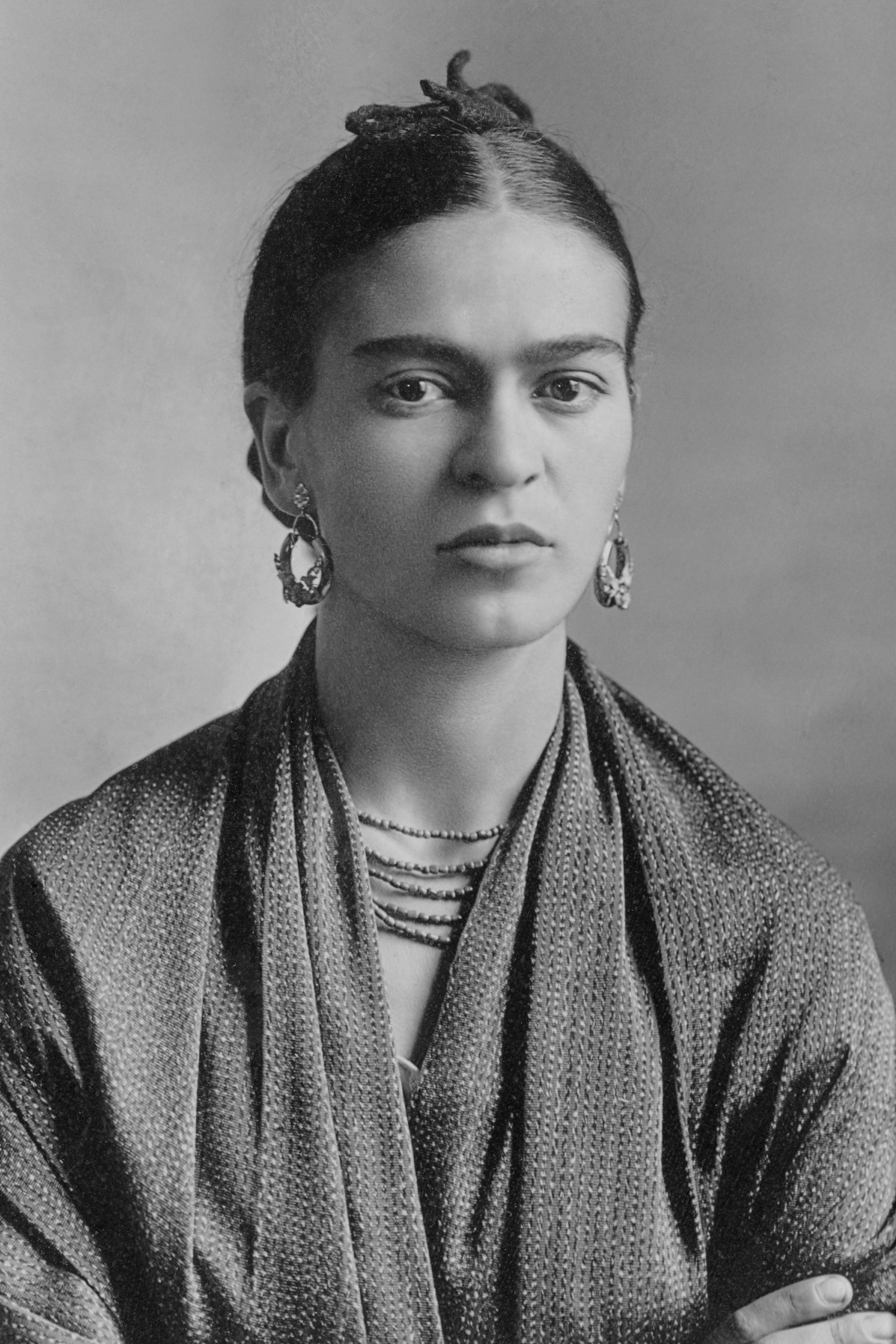
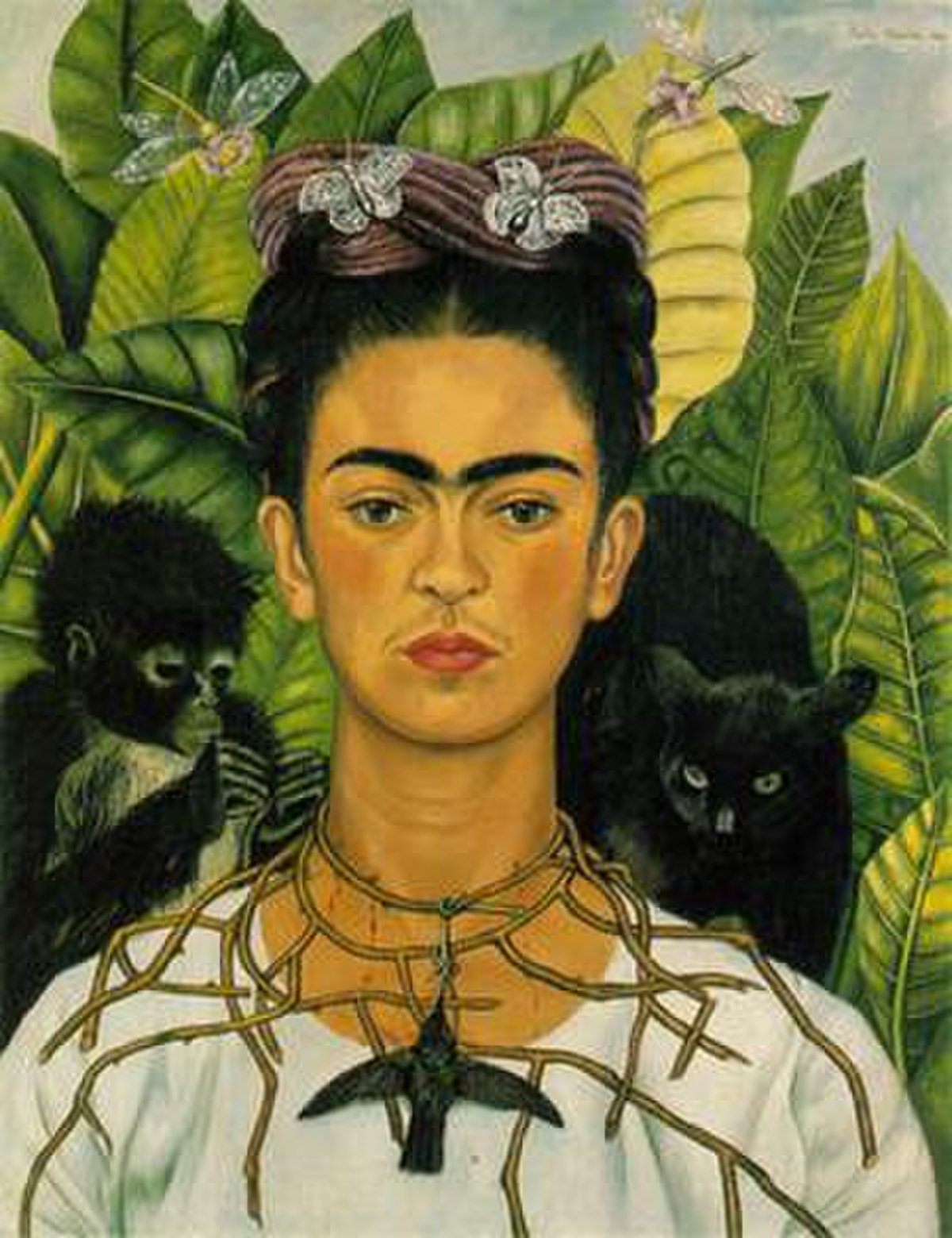
Magdalena Karmen Frida Kalo i Kalderon rođena je 6. jula 1907. godine u Kojokanu, u Meksiko Sitiju, u živopisno plavoj kući — La Kasa Asul — koja će uokviriti njen život i kao mesto rođenja i kao samrtnička postelja. Njen otac, Giljermo Kalo, bio je nemačko-mađarski jevrejski fotograf; njena majka, Matilde Kalderon, bila je španskog i indigenog meksičkog porekla. Frida je dobila dečju paralizu sa šest godina, što je ostavilo njenu desnu nogu tanjom od leve, a 17. septembra 1925. dogodio se događaj koji će definisati njeno postojanje: autobus kojim se vozila sudario se sa tramvajem, i gvozdena šipka probila joj je karlicu, slomivši kičmeni stub, ključnu kost, rebra i desnu nogu. Tokom meseci imobilizacije u gipsanom korsetu, njeni roditelji su postavili štafelaj iznad njenog kreveta i montirali ogledalo na baldahin iznad, i Kalo je počela da slika — pre svega sebe, jer, kako je kasnije rekla, „Ja sam subjekt koji najbolje poznajem.” Tokom karijere naslikala je približno dvesta slika, pedeset pet od njih autoportreta.
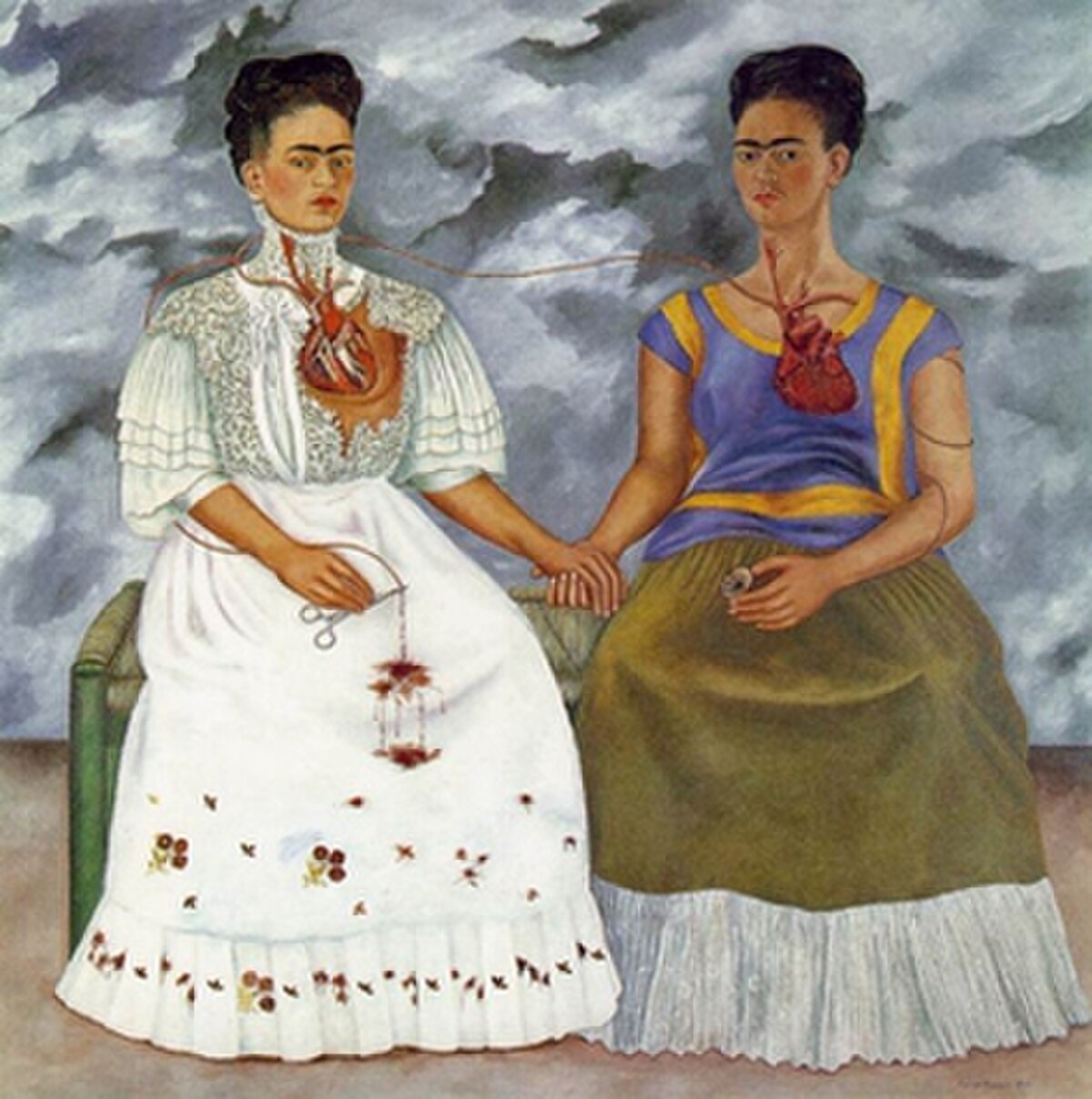
Kalina umetnost crpela je iz meksičkih narodnih tradicija — retablos (zavetnnih slika), eks-vota, prekolumbovske mitologije i živopisne palete narodnih zanata — da bi stvorila vizuelni jezik koji je bio istovremeno duboko lični i kulturno ukorenjen. „The Two Fridas” (1939), jedno od njenih najvećih platana, prikazuje dvostruki autoportret u kojem evropska Frida u beloj viktorijanskoj haljini i meksička Frida u tehuana kostimu sede jedna pored druge, njihova ogoljena srca povezana jednom venom, naslikana tokom njenog bolnog razvoda od muraliste Dijega Rivere. „The Broken Column” (1944) prikazuje njen torzo rasečen da bi otkrio raspadajući jonski stub umesto kičme, njenu kožu prošaranu ekserima, suze koje klize niz bezizražajno lice — beskompromisna vizualizacija hroničnog bola. Andre Breton, u poseti Meksiku 1938. godine, proglasio je njeno delo nadrealističkim i pomogao u organizovanju njene prve samostalne izložbe u Njujorku, ali Kalo je odbacila tu etiketu: „Mislili su da sam nadrealista, ali nisam bila. Nikada nisam slikala snove. Slikala sam svoju stvarnost.”
Njen brak sa Dijegom Riverom — venčali su se 1929, razveli 1939. i ponovo venčali 1940. — bio je burna unija dva velika umetnička ega, obeležena međusobnim neverstvima, strasnim pomirenjima i istinskom kreativnom simbiozom. Kalo je bila vatrena komunistkinja koja je ugostila Lava Trockog tokom njegovog meksičkog egzila i čije su kasnije slike sve više uključivale političke slike. Tokom 1940-ih i ranih 1950-ih, kako joj se zdravlje pogoršavalo i pretrpela je više od trideset operacija, njene slike su postajale tamnije i sirovije, a ipak je nastavila da se pojavljuje u javnosti odevena u tehuana haljine, prekolumbovski nakit i složene cvetne pletenice u kosi — izvodeći meksički identitet kao i političku izjavu i lični oklop. Desna noga joj je amputirana ispod kolena 1953. godine, i umrla je 13. jula 1954. u četrdeset sedmoj godini; zvanični uzrok bila je plućna embolija, mada neki biografi sumnjaju na samoubistvo. Decenijama nakon smrti Kalo je bila u senci Rivere, ali od 1970-ih feministički umetnički pokret ju je povratiao kao moćan simbol ženske kreativne autonomije, i od tada je postala verovatno najpoznatija slikarka u istoriji — njeno lice, njene spojene obrve, njeno cveće i njen beskompromisni pogled prepoznati širom sveta.