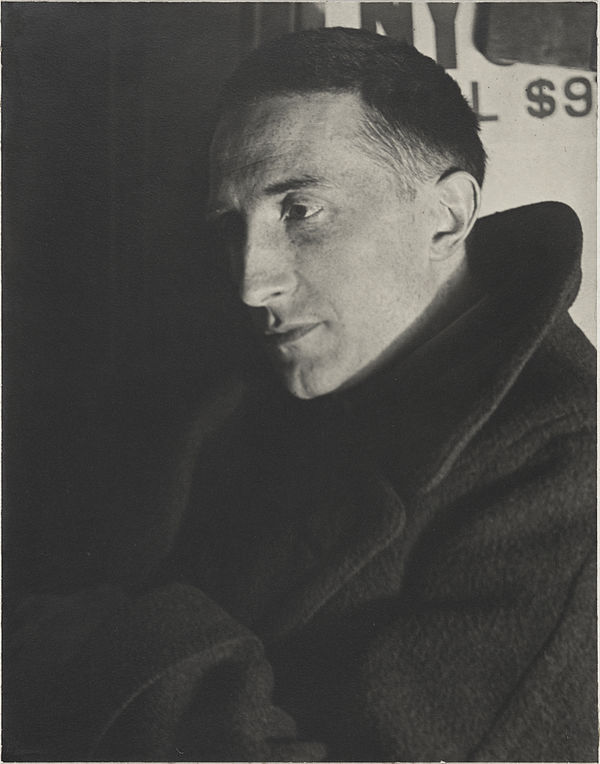
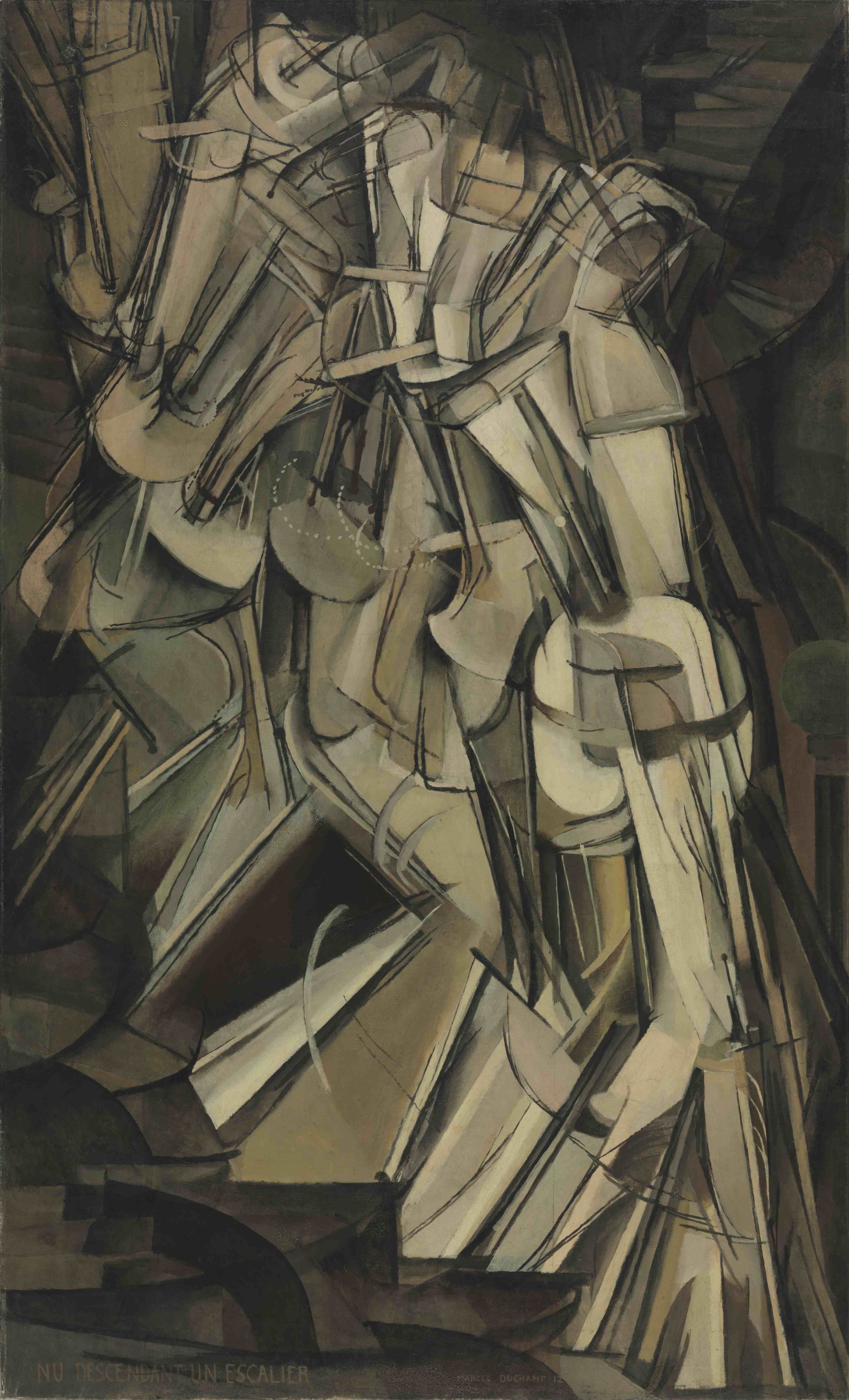
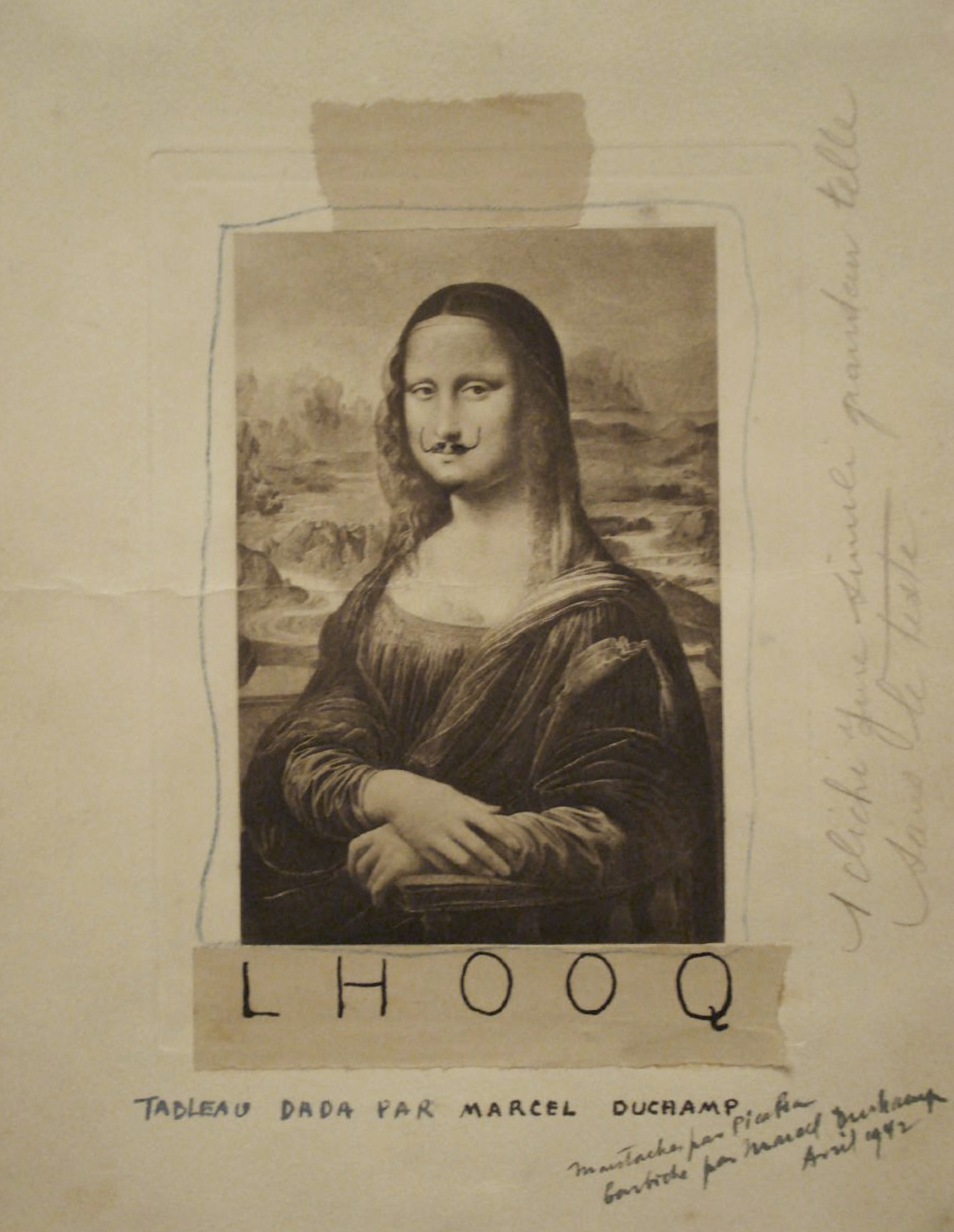
Anri-Rober-Marsel Dišan rođen je 1887. godine u Blenvil-Krevonu, Normandija, u porodici umetnika (njegova braća bili su slikar Žak Vijon i vajar Rejmon Dišan-Vijon). Počeo je kao slikar, a njegov Nude Descending a Staircase, No. 2 (1912) — kubističko-futuristička slika figure u sekvencijalnom pokretu — izazvala je senzaciju na Armori šouu u Njujorku 1913. godine. Ali Dišan je brzo postao nemiran od onoga što je nazvao „retinalnom” umetnošću — umetnošću koja je samo ugodna oku — i krenuo je u niz gestova koji će dovesti u pitanje samu definiciju umetnosti.
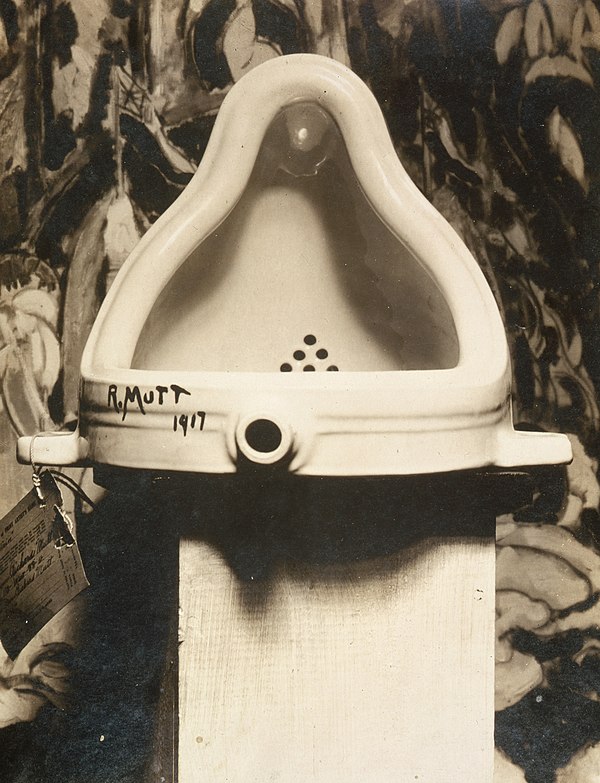
Godine 1917. predao je masovno proizveden porcelanski pisoar, potpisan „R. Mutt”, na izložbu Društva nezavisnih umetnika u Njujorku. Fountain, kako ga je nazvao, bio je odbijen, ali pitanja koja je postavio — Može li obični predmet postati umetnost kroz umetnički izbor? Da li umetnost počiva u predmetu ili u ideji? — dominiraju estetskom debatom od tada. Njegovi „redimejdovi” (stalak za flaše, lopata za sneg, vešalica za kapute) proglasili su da je umetnički intelektualni čin odabira važniji od zanatstva ili veštine.
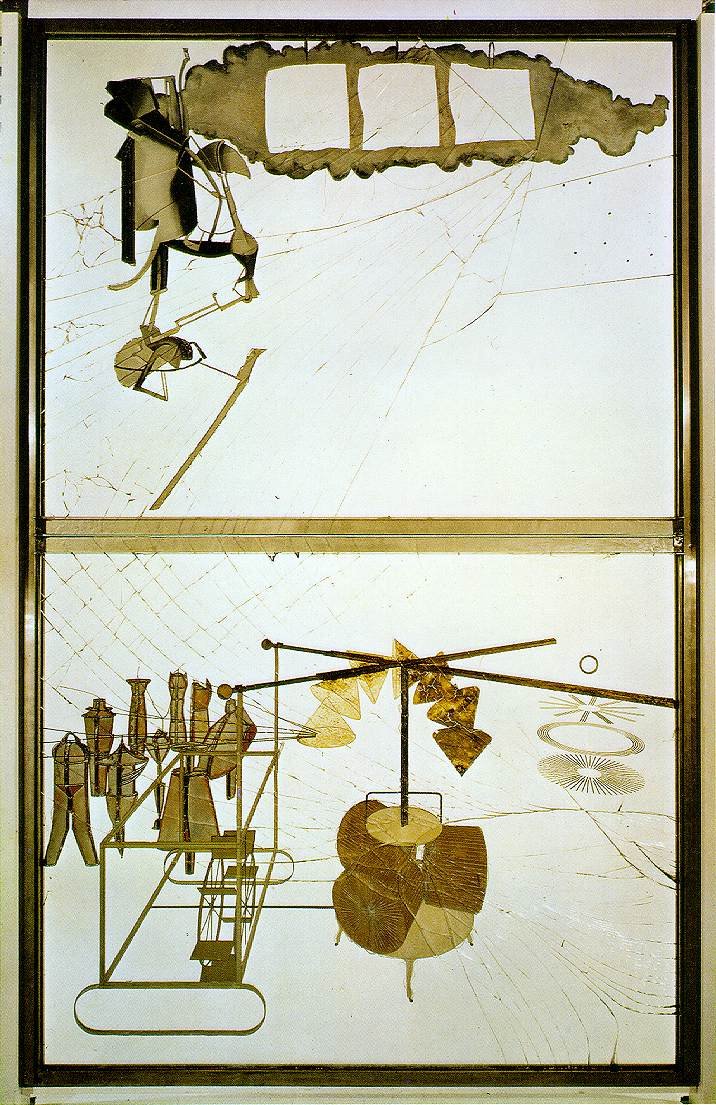
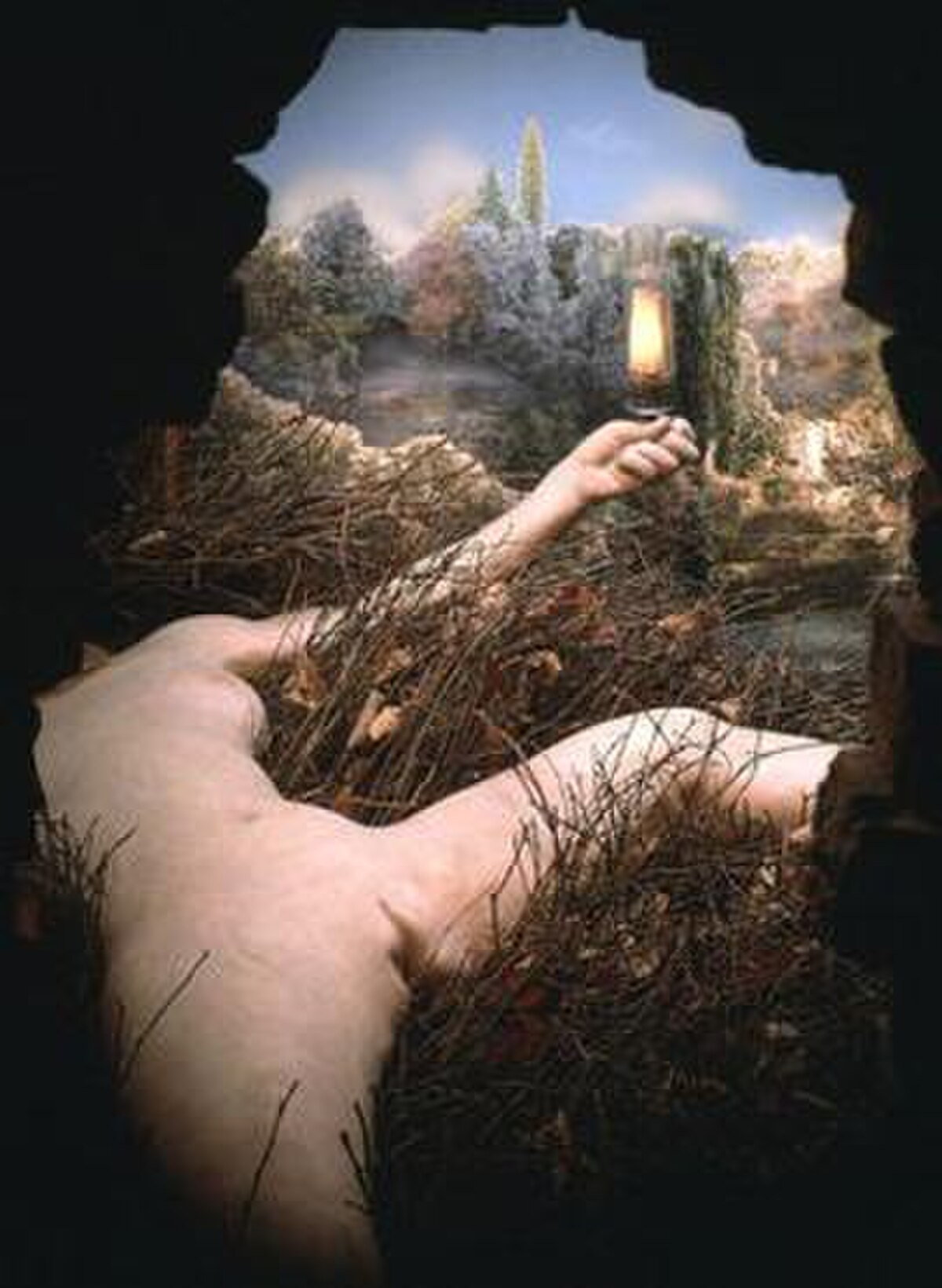
Dišan je proveo osam godina stvarajući The Bride Stripped Bare by Her Bachelors, Even (Veliko staklo, 1915-1923), kriptično, mehanomorfno delo na staklu, a zatim je u velikoj meri napustio umetnost zarad šaha — mada je tajno radio na Étant donnés, misterioznoj instalaciji otkivenoj tek nakon njegove smrti 1968. godine. Njegov uticaj na konceptualnu umetnost, pop art, Fluksus i praktično svaki avangardni pokret kasnog dvadesetog veka je nemjerljiv.