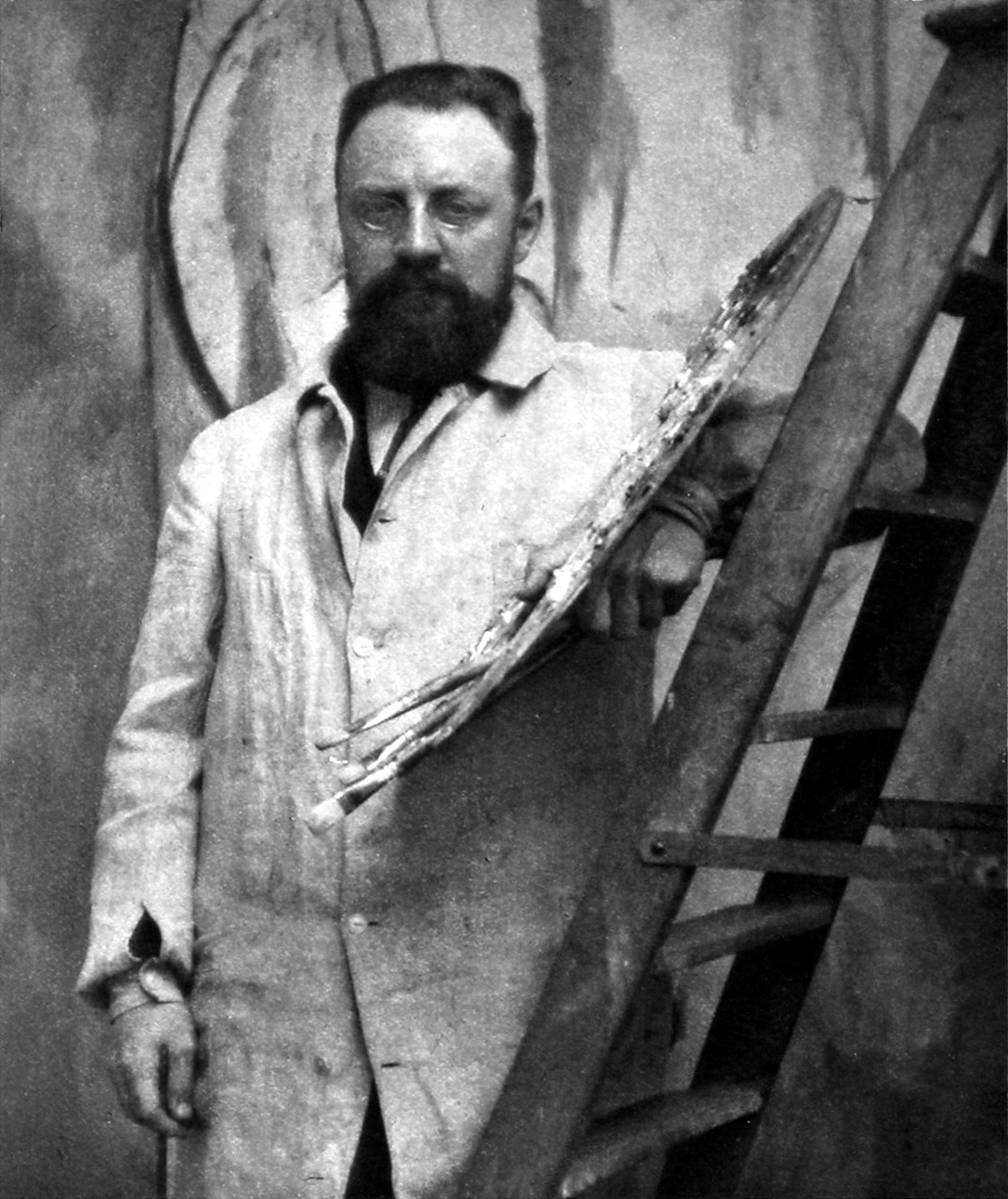
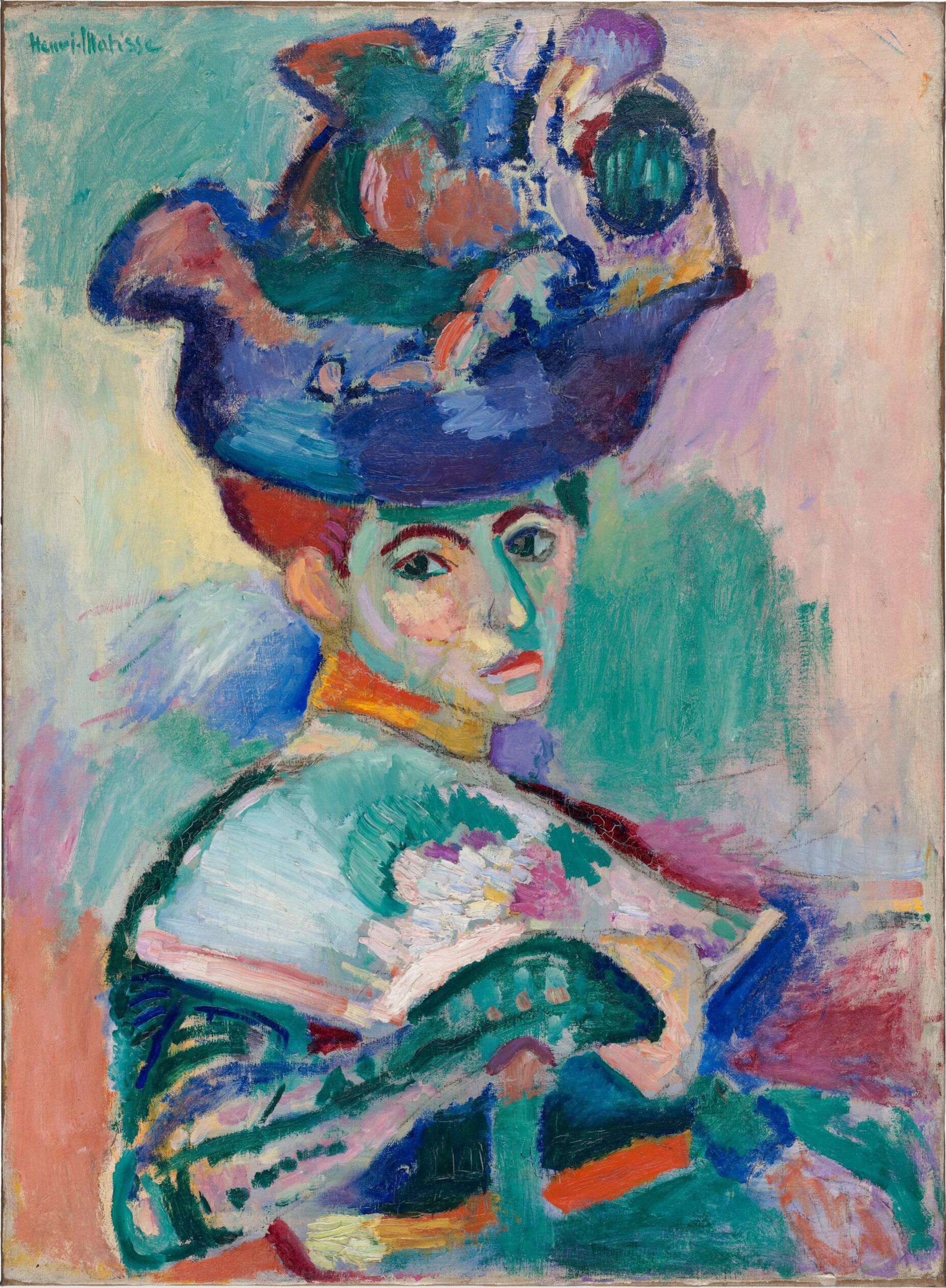
Anri Matis je rođen 1869. godine u Le Kato-Kambreziju u severnoj Francuskoj i kasno je došao do slikarstva, napustivši pravničku karijeru nakon što je otkrio umetnost tokom oporavka od bolesti. Studirao je kod Gistava Moroa, upijao impresionizam i postimpresionizam, a 1905. godine predvodio je eksplozivni debi fovista („divljih zveri”) na Jesenjem salonu, gde su slike bez presedana u hromatskom intenzitetu — čiste, nemodulisane boje oslobođene svake opisne funkcije — šokirale i oduševile umetnički svet.
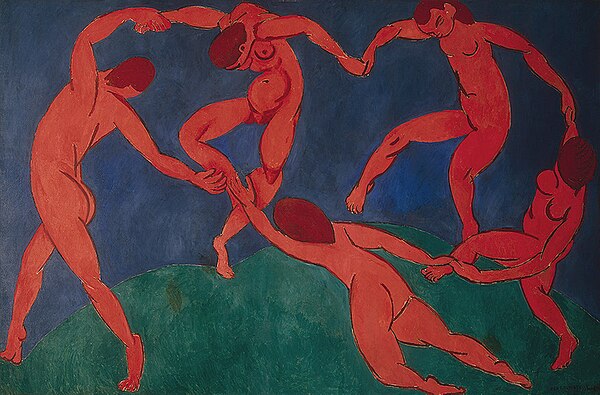
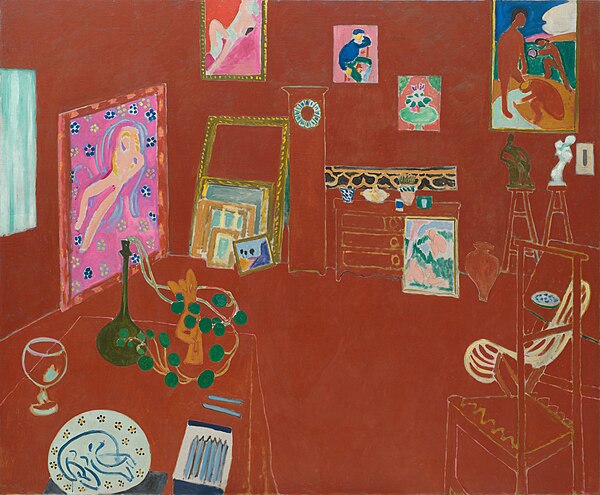
The Joy of Life (1905–1906) i The Dance (1910) uspostavili su Matisove celoživotne preokupacije: arabesku ljudskog tela, izražajnu moć čiste boje i stvaranje dekorativne harmonije koja može, kako je rekao, biti „poput dobre fotelje” — umetnost ravnoteže, spokojstva i zadovoljstva. The Red Studio (1911) napravio je dalji radikalni korak, rastapajući zidove i nameštaj njegovog ateljea u jedno polje zasićene crvene, anticipirajući slikarstvo obojenog polja za pola veka.
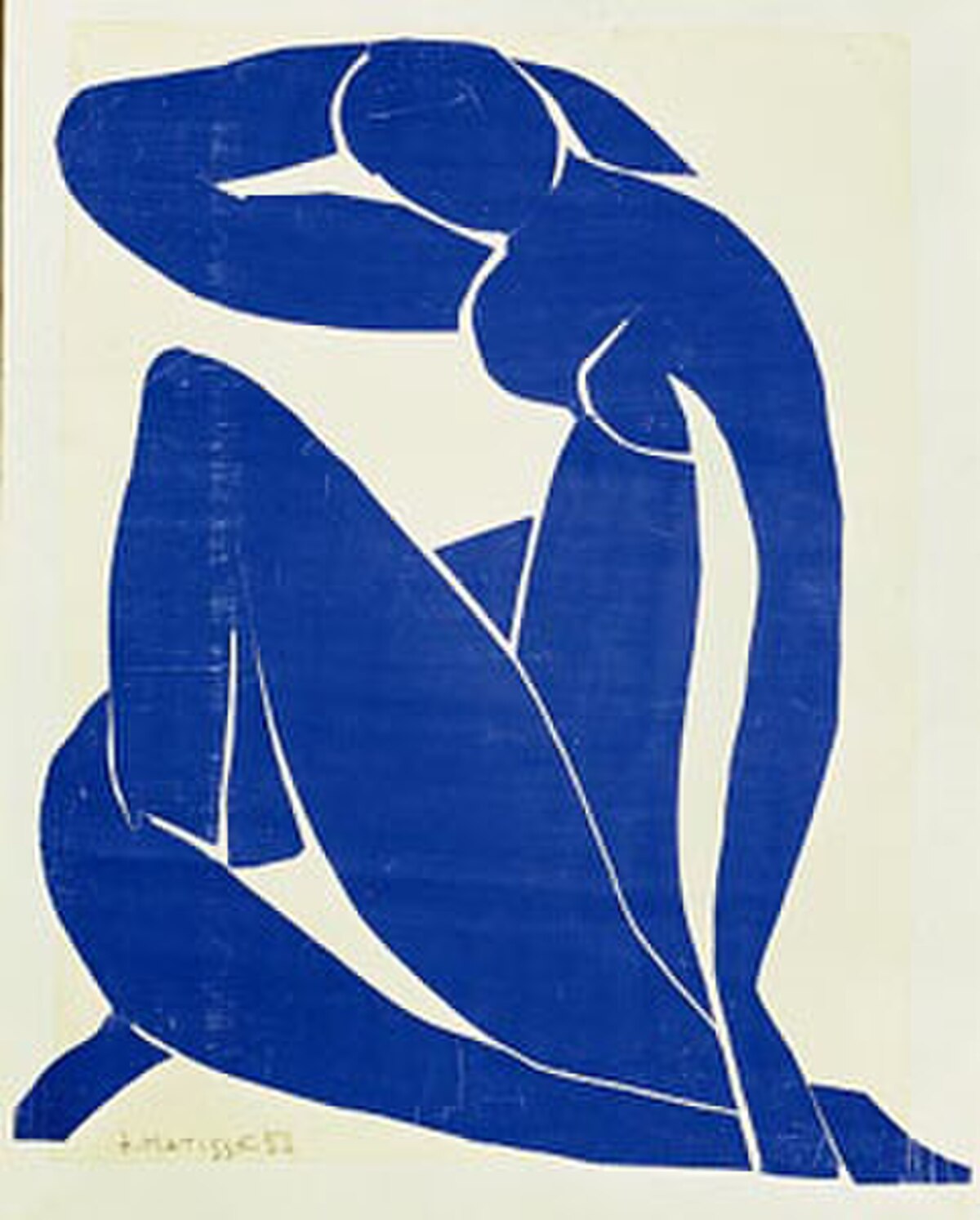
U poslednjim decenijama, vezan za invalidska kolica, Matis je izmislio novi medij: isečke od papira, u kojima je „slikao makazama”, sečući oblike iz obojenog papira i aranžirajući ih u kompozicije zapanjujuće vitalnosti. Blue Nude II i dekoracije za Kapelu Rozarija u Vansu predstavljaju kulminaciju karijere posvećene onome što je Matis nazvao „umetnošću čistote i spokojstva” — i one se ubrajaju među vrhunska dostignuća umetnosti dvadesetog veka.