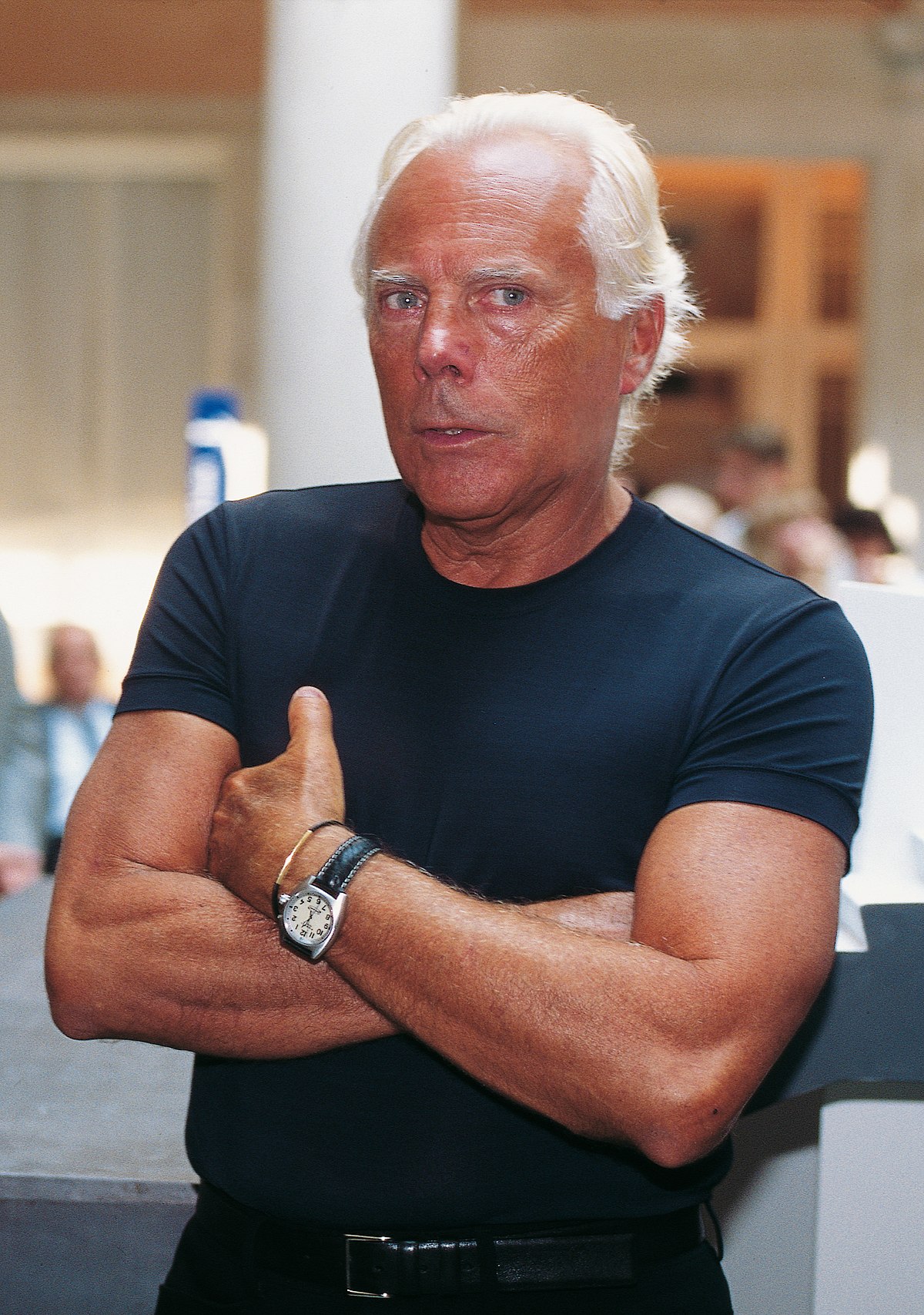

Đorđo Armani nije izmislio novu siluetu — usavršio je postojeću dok nije postala nešto sasvim novo. Rođen u Pjačenci 1934. godine, kratko je studirao medicinu pre nego što je počeo da radi kao kupac muške odeće u robnoj kući La Rinašente, gde je razvio enciklopedijsko znanje o tkaninama, konstrukciji i onome što obični ljudi zaista žele da nose. Pridružio se modnoj kući Nina Čerutija 1964. kao dizajner, a lansirao sopstveni brend 1975. sa radikalnim predlogom: šta ako sako nema strukturu?
Dekonstruisani sako
Tradicionalni krojeni sako tog doba bio je građen kao oklop — s podstavom, podstavljenim ramenima, postavljen svilom — drugi skelet nošen preko prvog. Armani je uklonio podstavljenost, tešku podstavu, krutu strukturu i zamenio ih prelepo krojanim panelima od fluidne vune, lana i kašmira koji su se kretali sa telom umesto da ga ograničavaju. Rezultat je bio sako koji je izgledao nenametljivo ali je bio tehnički izuzetno zahtevan — preciznost prerušena u lakoću.
Ovo nije bila dekonstrukcija u intelektualnom smislu koju će antverpski dizajneri kasnije praktikovati; bila je to funkcionalna simplifikacija vođena istinskim razumevanjem kako ljudi žive i kreću se. Armanijev nestrukturirani sako postao je najuticajniji pojedinačni odevni predmet u muškoj modi od Savile Row dvodelnog odela, a njegovi principi — meka ramena, minimalna podstava, lagan pad — sada informišu praktično svako muško odelo na svakom cenovnom nivou.
American Gigolo i globalni proboj
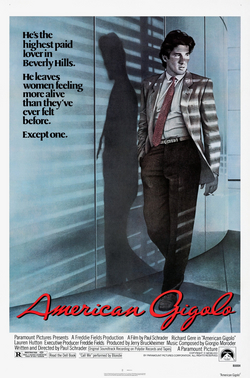
Njegov momenat globalnog proboja došao je sa filmom American Gigolo (1980), u kojem je obukao Ričarda Gira u Armani odela koja su postavila estetski obrazac za deceniju: nestrukturirani blejzeri, pantalone sa faltama, zemljani tonovi i taupe, proučena lakoća čoveka koji tačno zna kako da se obuče. Film je bio plasiranje modnog proizvoda pre nego što je koncept uopšte postojao — Girova garderoba je bila isto toliko lik koliko i sam Gir, a efekat na mušku modu bio je trenutni i globalni.
Grejž (sivo-bež) paleta koju je Armani zagovarao — te suptilne gradacije peska, taupea, kamena, gljive i magle — postala je vizuelni jezik profesionalne sofisticiranosti tokom 1980-ih i 1990-ih. Bila je suprotnost Versaćeovom zasićenom maksimalizmu, i rivalstvo dva dizajnera definisalo je italijansku modu dve decenije.
Poslovno oblačenje za žene
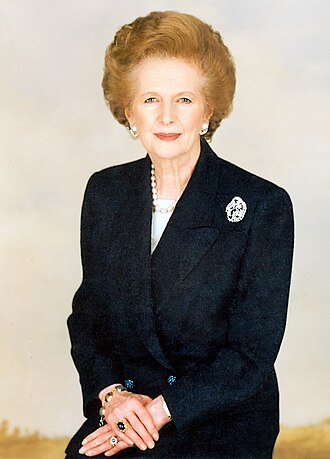
Armanijev ženski poslovni kostim bio je jednako revolucionaran. Prilagođavajući svoju mekoramenu, nestrukturiranu estetiku muške mode za žene — stvarajući sakoe koji su bili autoritativni bez agresivnosti, profesionalni bez maskulinosti — on je suštinski dizajnirao radnu garderobu za generaciju žena koje su ulazile u korporativni život 1980-ih. Njegovi ženski kostimi govorili su: kompetentnost, samopouzdanje, nema potrebe da se bilo šta dokazuje. Postali su uniforma Vol Strita, Vašingtona i svake sobe za sastanke između.
Za razliku od agresivnih, oštroramenih poslovnih kostima drugih dizajnera, Armanijeva verzija je bila namerno neupadljiva. Moć nije dolazila od prenaglašenih ramena ili agresivnih krojeva već od kvaliteta tkanine, suptilnosti boje i savršenstva kroja — tihi autoritet umesto glasnog isticanja.
Carstvo Armani
Armani je demokratizovao svoj brend kroz difuzione linije Emporio Armani i Armani Exchange tokom 1980-ih, čineći svoju estetiku dostupnom na više cenovnih nivoa — strategija koju je svaka velika luksuzna kuća naknadno kopirala. Takođe se proširio na Armani Casa (nameštaj i dizajn enterijera), Armani Hotels (Milano, Dubai) i čak Armani Dolci (čokolade), stvarajući možda najsveobuhvatniji lajfstajl brend u istoriji mode.
Njegov poslovni model bio je karakterističan: za razliku od većine dizajnera, Armani je zadržao potpuno vlasništvo nad svojom kompanijom, odbijajući da proda luksuznim konglomeratima poput LVMH-a ili Keringa. Ova nezavisnost mu je omogućila da održi doslednost vizije — i otpor ka praćenju trendova — što je samo po sebi postalo oblik luksuza.
Dominacija na crvenom tepihu
Njegov rad na crvenom tepihu — oblačenje praktično svake velike holivudske zvezde za dodelu Oskara, Zlatne globuse i Met Galu decenijama — pretvorio je sezonu nagrada u godišnju reklamu za njegovu viziju elegantne uzdržanosti. Džodi Foster, Kejt Blanšet, Leonardo DiKaprio, Džordž Kluni — lista Armanijevih poklonika čita se kao imenik neupadljivog holivudskog glamura.
Nasleđe
Sada u devedesetim godinama i još uvek aktivno dizajnira, Armani predstavlja model mode koji nestaje: nezavisni dizajner-vlasnik koji ne odgovara nikome, koji ceni doslednost iznad disrupcije i koji veruje da svrha odeće nije da šokira već da se nositeljka oseća — i izgleda — kao najbolja verzija sebe. U eri konstantnog reinventiranja i viralnih momenata, njegova postojana, nepokolebljiva elegancija postala je sopstveni oblik radikalizma.