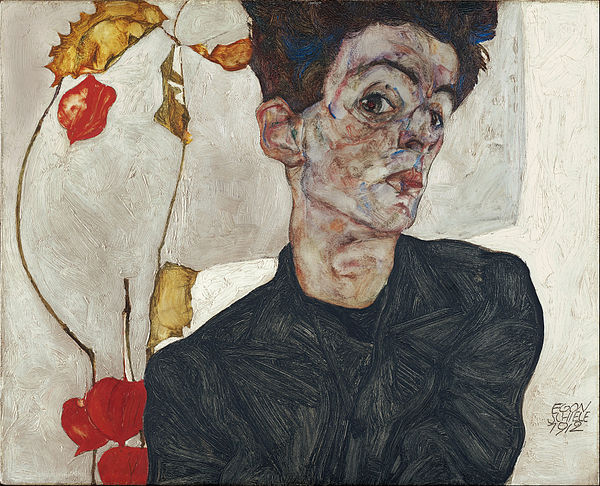
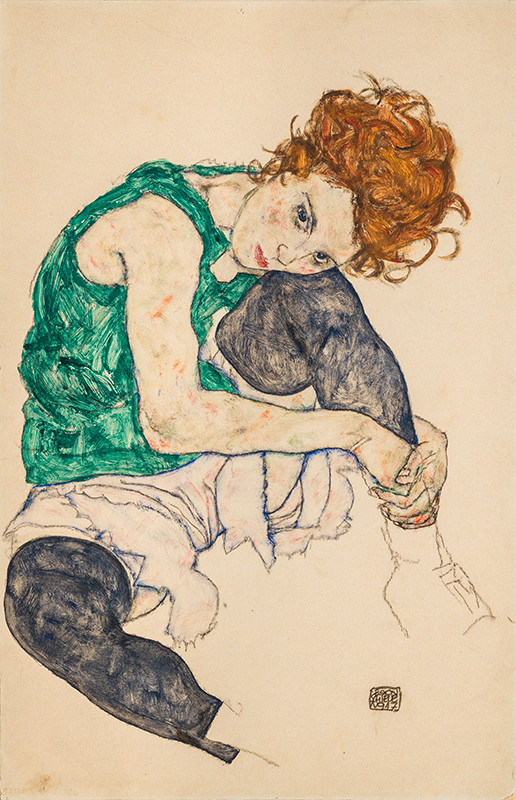
Egon Šile je rođen 1890. godine u Tulnu na Dunavu, malom gradu blizu Beča, i za jedva deceniju karijere stvorio je neka od najsnažnijih figurativnih umetničkih dela dvadesetog veka. Kao izuzetno rani talenat, upisao je Bečku akademiju likovnih umetnosti sa šesnaest godina, gde je brzo potpao pod uticaj Gustava Klimta, koji je prepoznao njegov genije i postao mu mentor. Ali dok je Klimtova erotika bila dekorativna i zlatna, Šileova je bila sirova, uglasta i konfrontacijska.
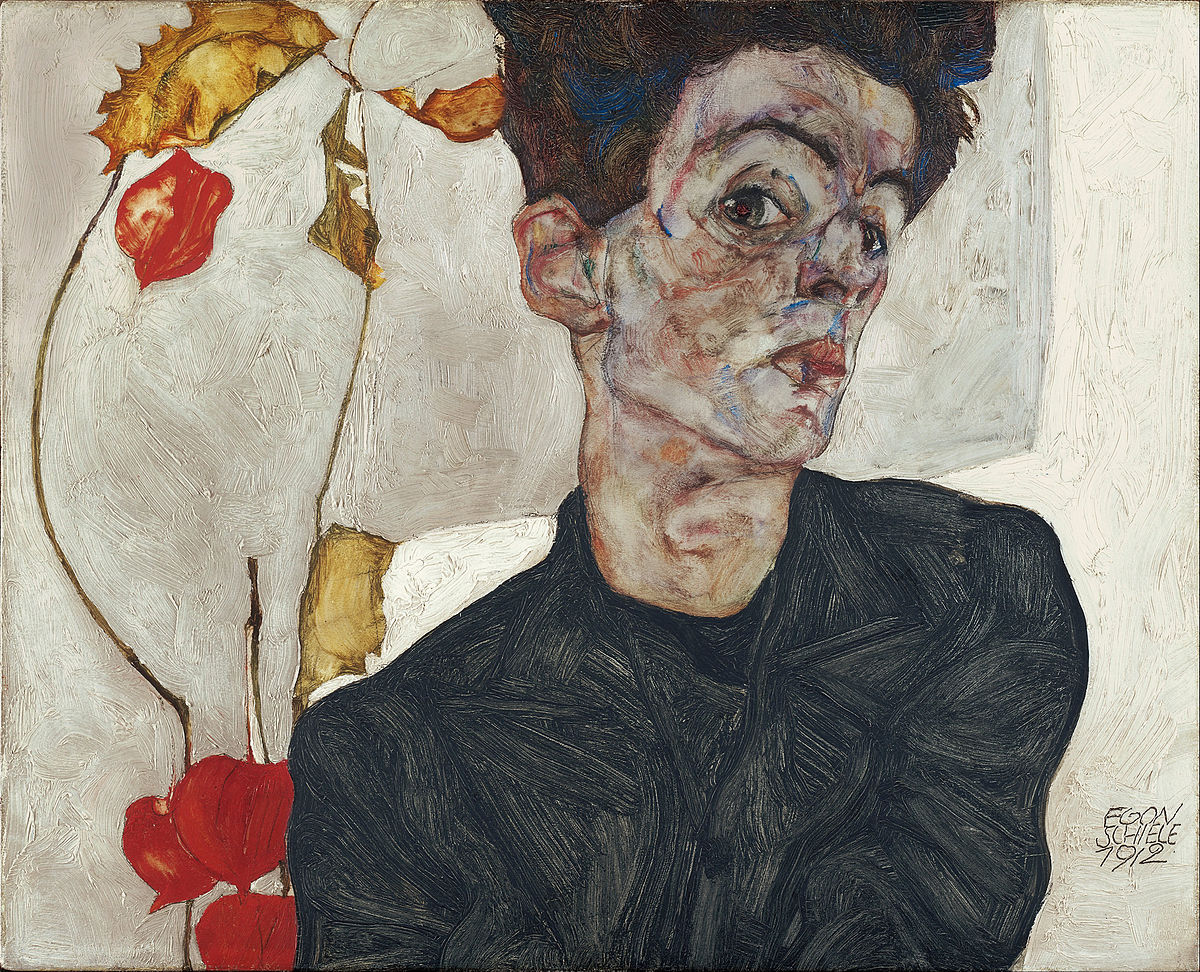
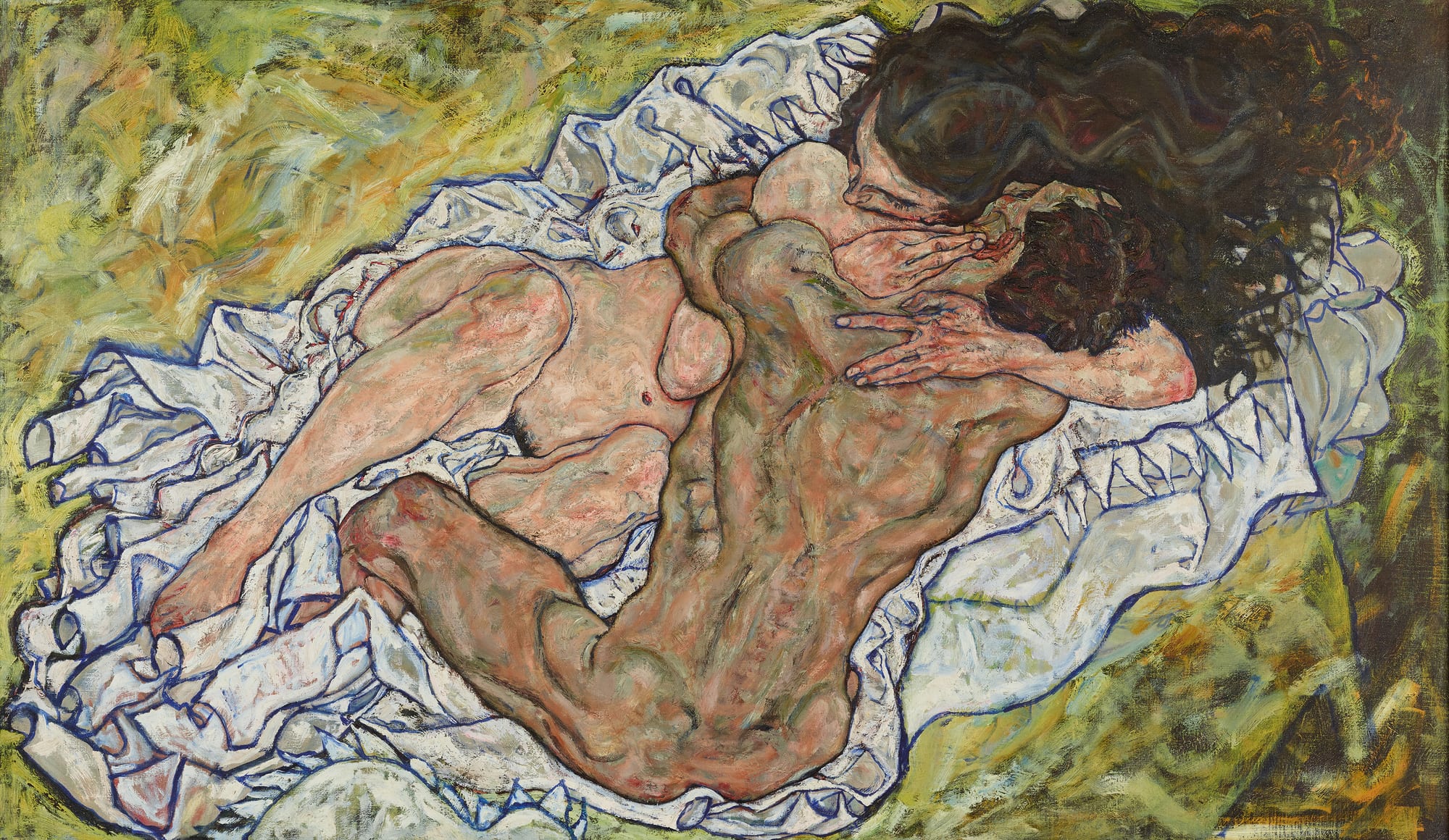
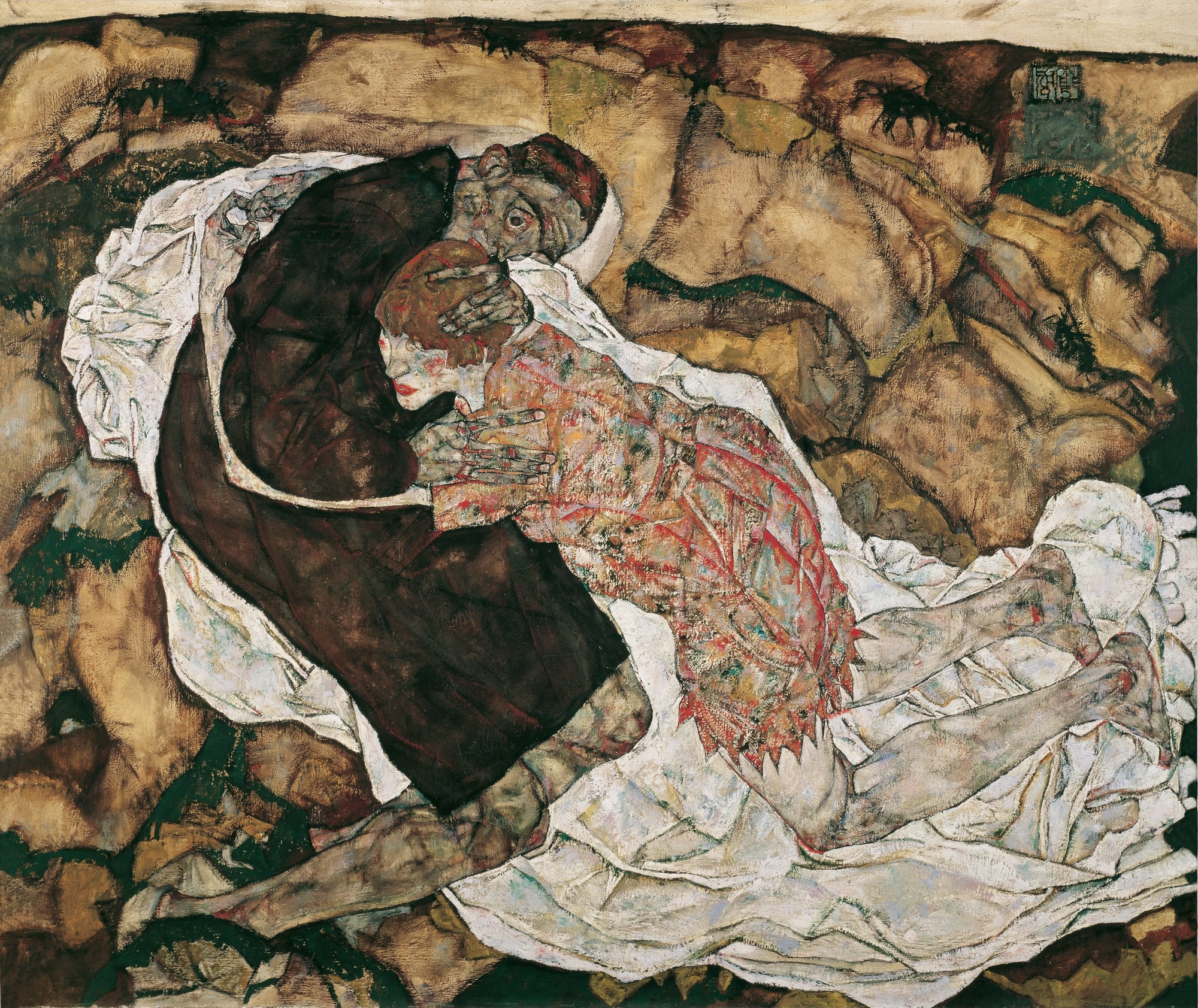
Šileove figure — često on sam, prikazan u iskrivljenim, seksualno eksplicitnim pozama — naslikane su žilavom, agresivnom linijom koja kao da guli kožu s tela, otkrivajući nerv i kost. Njegovi autoportreti su nemilosrdni činovi psihološkog razgolićavanja: telo iskrivljeno, oči uperte, ruke koje grabe prazan prostor. Death and the Maiden (1915) i The Embrace (1917) prikazuju ljubavnike upletene u zagrljaje koji su istovremeno nežni i bolni, eros i tanatos neodvojivi. Nakratko je zatvoren 1912. godine zbog optužbi vezanih za izlaganje erotskih crteža — sudija je spalio jedno od njegovih dela u sudnici.
Šile je umro u pandemiji španskog gripa 1918. godine, tri dana nakon svoje trudne supruge Edit, u dvadeset osmoj godini života. Njegov uticaj na figurativni ekspresionizam — od Kokoške preko Bejkona do Lusijana Frojda i Dženi Sevil — bio je ogroman, a njegovi mučeni autoportreti ostaju među najnezaboravnijim slikama unutrašnjeg života.