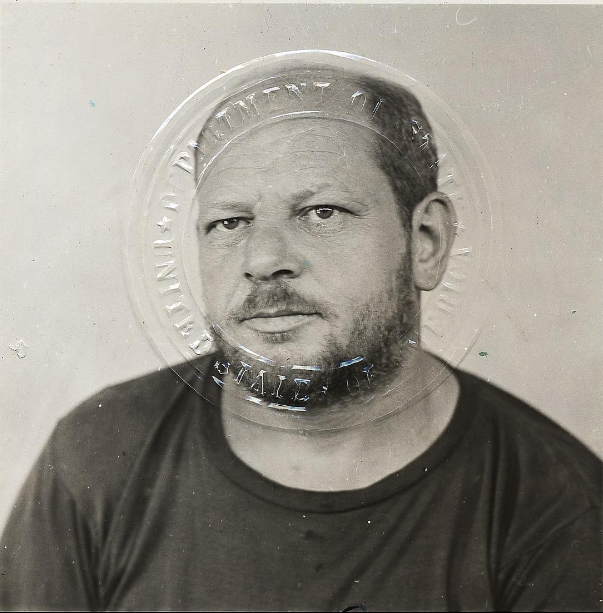
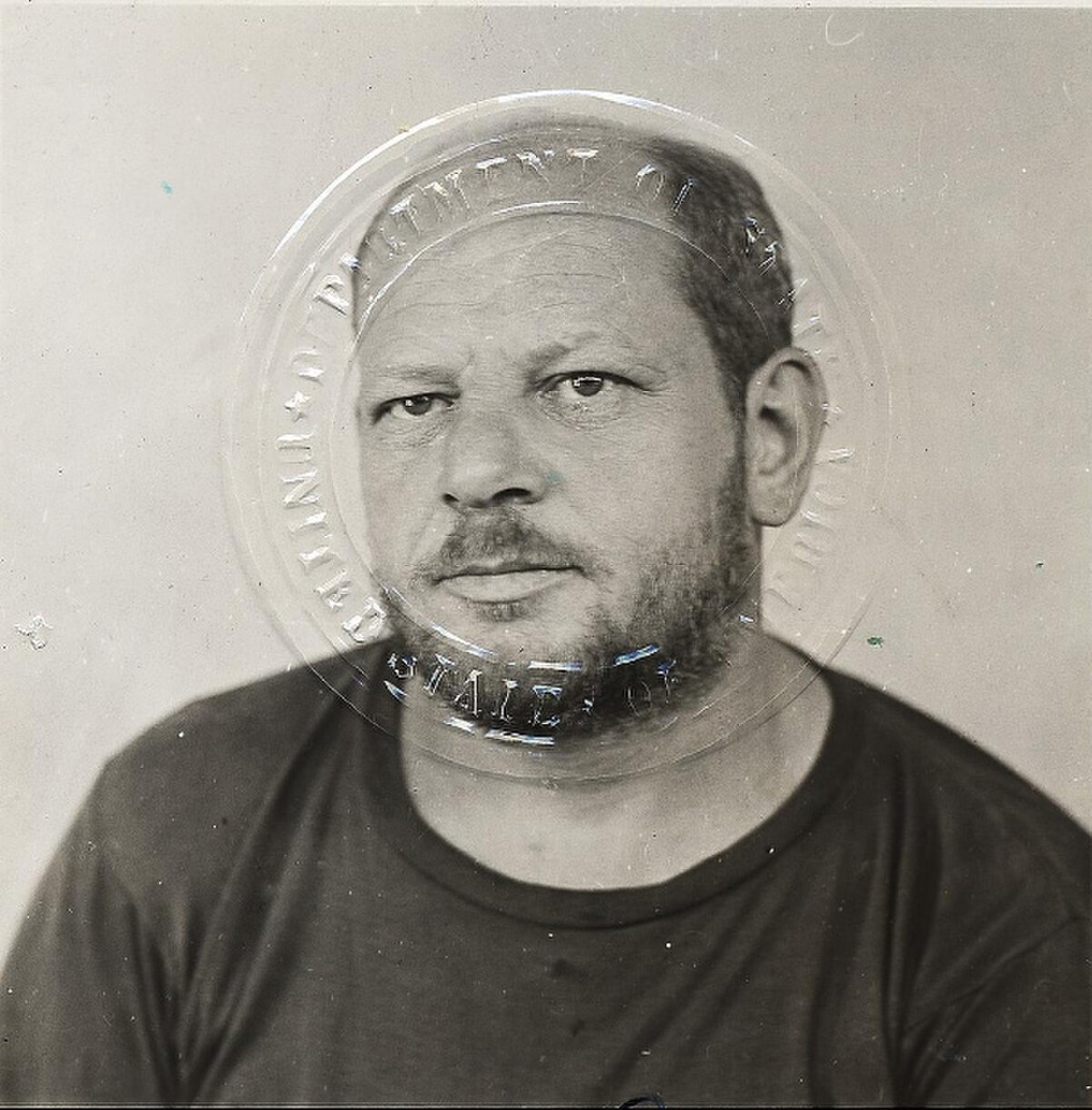
Pol Džekson Polok rođen je 28. januara 1912. godine u Kodiju, Vajoming, kao najmlađi od pet braće u porodici koja se često selila širom američkog Zapada — Arizona, Kalifornija, pa opet nazad — dok je njegov otac pokušavao razne neuspešne poljoprivredne i geodetske poduhvate. Ovaj nemirni, prostrani pejzaž kasnije će odjeknuti u ekspanzivnoj veličini Polokovih zrelih slika. Pratio je svog starijeg brata Čarlsa u Njujork 1930. godine i studirao na Ligi studenata umetnosti pod Tomasom Hart Bentonom, regionalistom muralistom čije su ritmične, kovitlajuće kompozicije uticale na Poloka više nego što se često priznaje. Tokom tridesetih i ranih četrdesetih godina, Polok je apsorbovao vrtoglav raspon uticaja: meksički muralizam (posmatrao je Davida Alfara Sikeirosa kako eksperimentiše sa industrijskim bojama i tehnikama izlivanja), Pikasovu „Gerniku”, jungovsku psihoanalizu (započeo je terapiju za alkoholizam i depresiju 1939. godine) i indijansko slikarstvo peskom. Njegova rana platna, poput „The She-Wolf” (1943), bila su gusta, totemska i još delimično figurativna, ali su već vibrirala nemirnom energijom koja se opirala granicama reprezentacije.
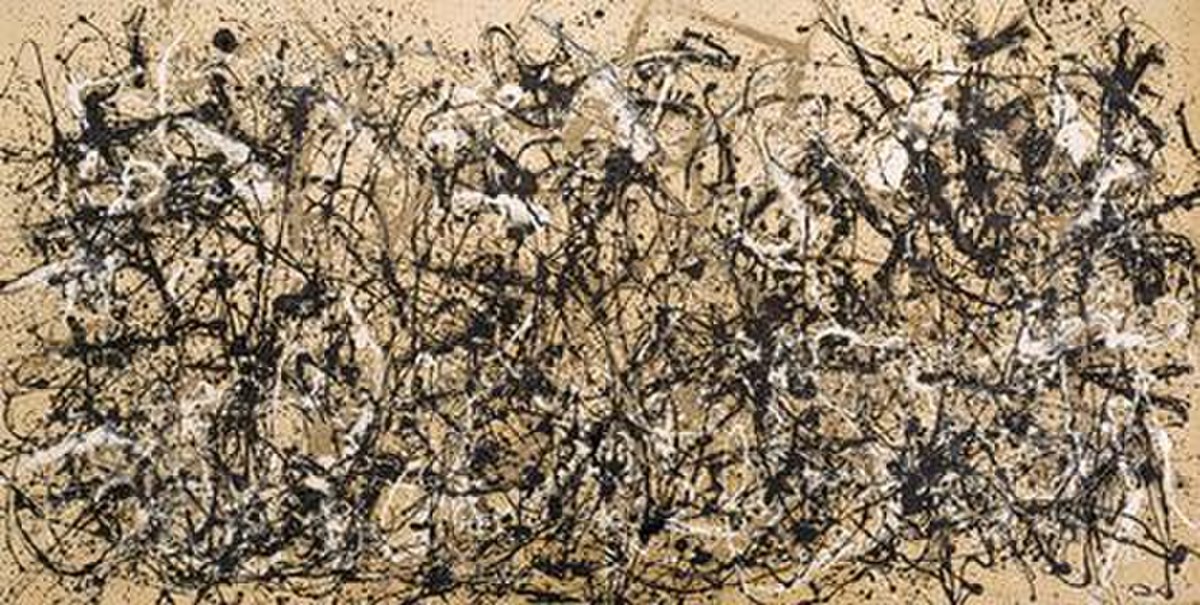
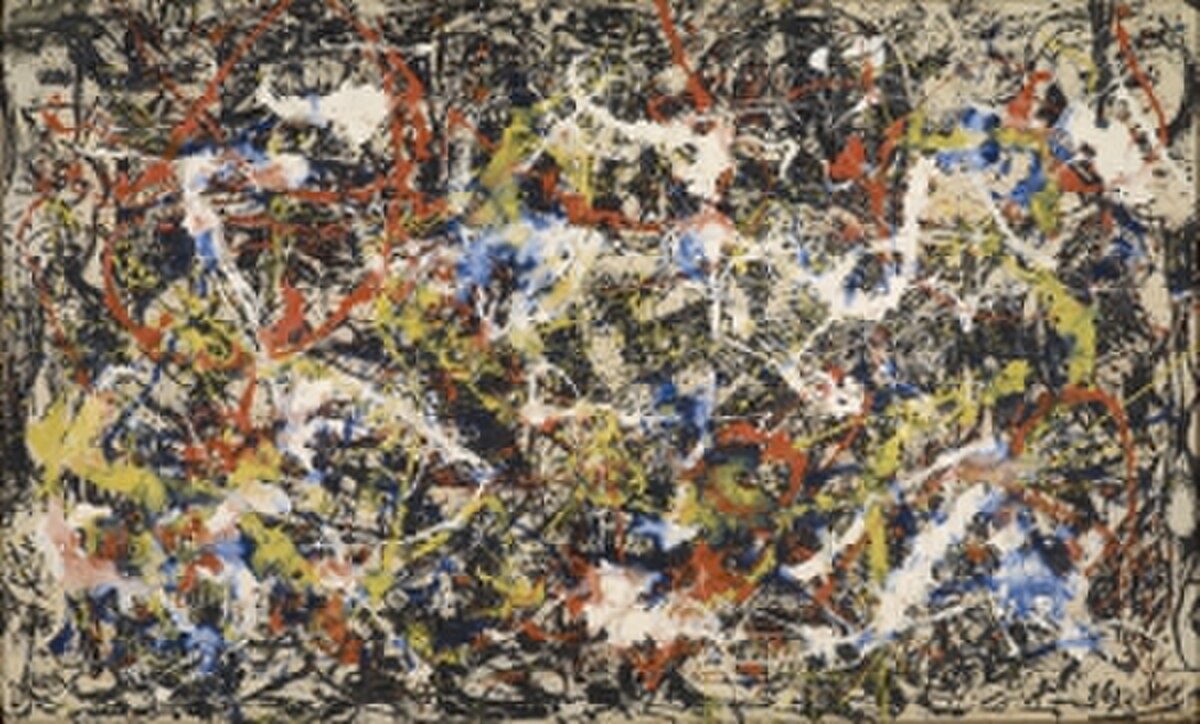
Proboj je došao 1947. godine kada je Polok počeo da polaže nenapeto platno na pod svog ateljea u štali u Springsu na Long Ajlendu — imanju koje je delio sa svojom suprugom, slikarkom Li Krasner, koja je prepoznala i zastupala njegov talenat od njihovog susreta 1942. godine. Napustivši štafelaj, četku i konvencionalnu kompoziciju, izlivao je, kapao i bacao kućnu boju, emajl i aluminijumsku boju sa štapova, gletarica i otvrdnulih četki, krećući se oko i preko platna u nečemu nalik koreografisanom plesu. Rezultujuće „drip slike” — „Number 1A, 1948”, „Autumn Rhythm (Number 30)” (1950), „Lavender Mist” (1950) — bile su ogromne mreže isprepletenih linija i pramenova boja bez fokusne tačke, bez hijerarhije i bez iluzije dubine, a ipak su posedovale ritmičku koherentnost i vizuelnu energiju koja je bila nedvosmisleno namerna. Kritičar Klement Grinberg, Polokov najuticajniji zagovornik, tvrdio je da ova dela ispunjavaju modernistički imperativ ravnosti, dok je Harold Rozenberg skovao termin „akcionog slikarstva” da opiše umetnost u kojoj platno postaje „arena za delovanje”.
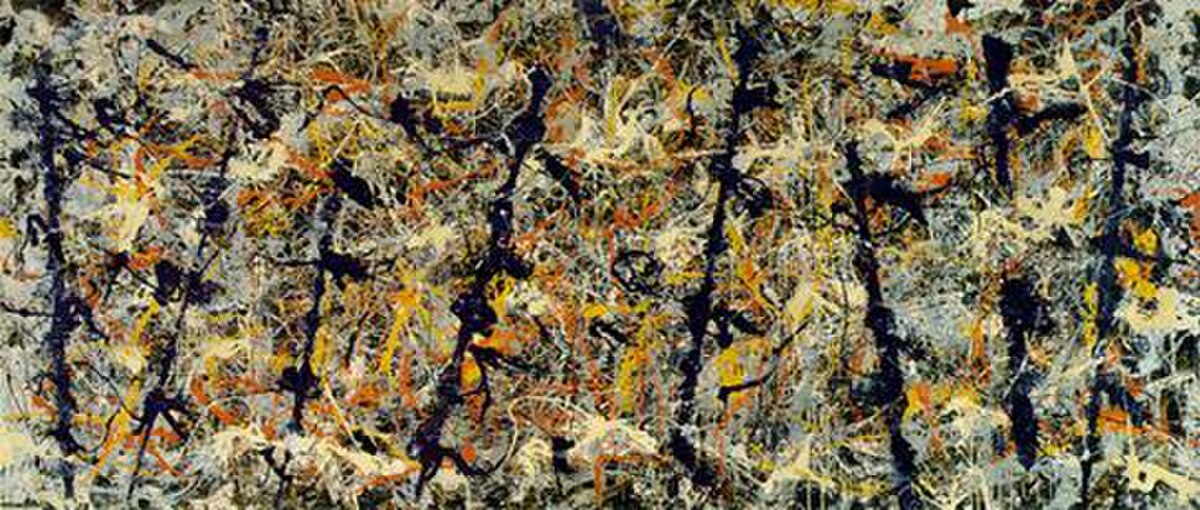
U avgustu 1949. časopis Life objavio je članak sa pitanjem „Da li je on najveći živi slikar u Sjedinjenim Državama?” — zajedno sa fotografijama Arnolda Njumana na kojima Polok čuči, cigareta visi, nad platnom poprskanism bojom. Članak ga je učinio prvom američkom umetničkom slavnom ličnošću posleratne ere, ali slava je bila otrovani dar. Polok, koji je bio trezan tokom svojih najproduktivnijih godina (1948–1950), vratio se teškom piću, i do 1951. godine uglavnom je napustio drip tehniku, stvarajući tamnije, figurativnije radove u crnom emajlu koji su zbunjivali njegove obožavaoce. Postojana podrška Li Krasner — i emocionalna i praktična, upravljanje njegovom karijerom dok je žrtvovala vidljivost sopstvenog izuzetnog rada — održavala ga je na površini, ali se njihov brak urušavao pod teretom njegovog alkoholizma i neverstva. „Blue Poles” (1952), monumentalno platno koje je Australijska nacionalna galerija kupila 1973. za tada zapanjujući iznos od 1,3 miliona dolara, bilo je među poslednjim značajnim delima njegovog drip perioda. Dana 11. avgusta 1956, vozeći pijan na seoskom putu blizu svog doma u Springsu, Polok se automobilom zabio u drvo, ubivši sebe i jednog od dvoje putnika. Imao je četrdeset četiri godine. Njegovo nasleđe je nemerljivo: dokazao je da američka umetnost može da vodi umesto da prati Evropu, pokazao da fizički čin slikanja sam po sebi može biti predmet dela, i otvorio vrata performans umetnosti, instalacijama i svakom narednom pokretu koji je privilegovao proces nad proizvodom.