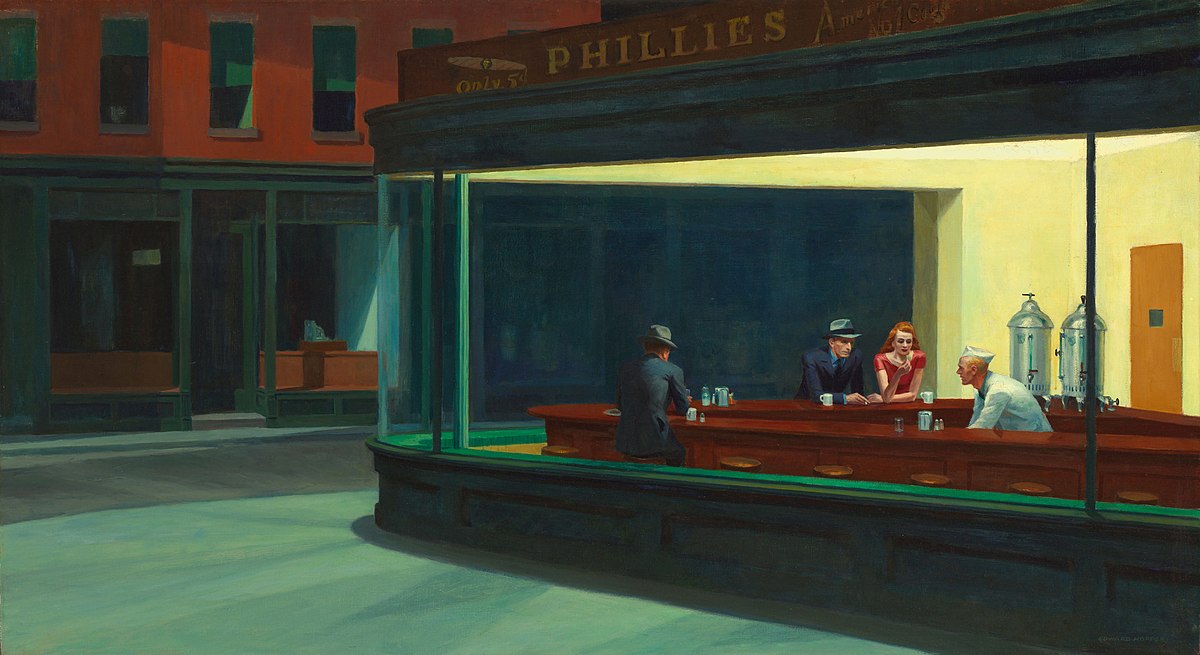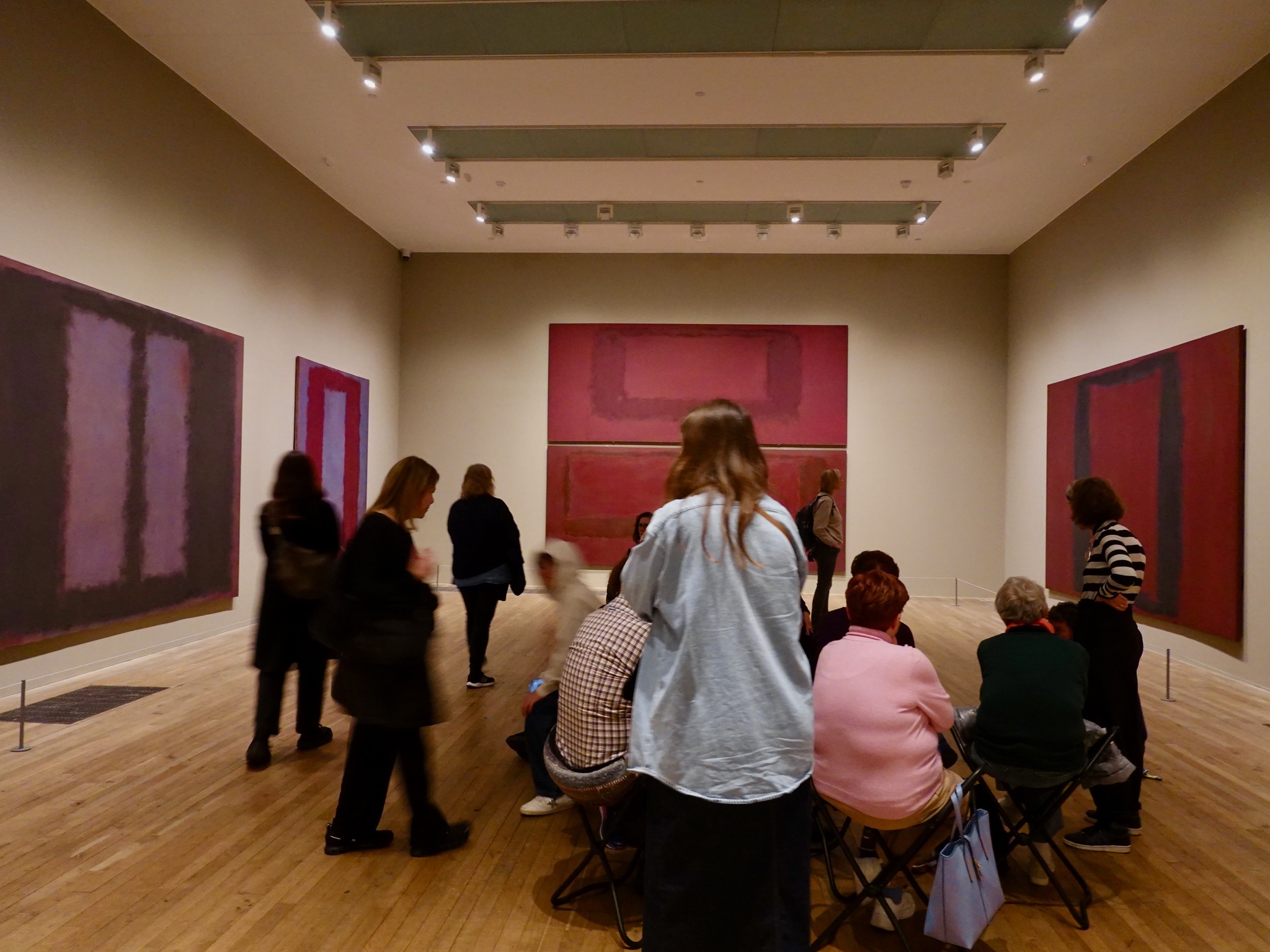
Period koji je usledio nakon Drugog svetskog rata bio je svedok najradikalnije i najpostojanije transformacije u istoriji umetničke prakse. Razaranja sukoba, geopolitička pregrupisavanja Hladnog rata, uspon masovnih medija, pokreti za građanska prava i feminizam, dekolonizacija, digitalna revolucija i ubrzavajuće sile globalizacije — sve je to zajedno preoblikovalo ne samo izgled umetnosti, već njenu samu definiciju. Težište umetničkog sveta odlučno se pomerilo iz Pariza u Njujork kasnih četrdesetih, a odatle se rasulo širom planete, postajući s vremenom istinski međunarodni razgovor. Ono što je nekada bila relativno stabilna kategorija — slikarstvo i skulptura izloženi u galerijama i muzejima — eksplodiralo je u otvoreno polje koje obuhvata performans, instalaciju, video, lend art, tekst, kod i forme koje se opiru svakoj kategorizaciji. Savremena umetnost nije jedan stil, već stanje: stanje radikalnog pluralizma, u kojem nijedan medij, nijedan materijal i nijedna ideja nisu unapred isključeni.
Apstraktni ekspresionizam i Njujorška škola
Pojava apstraktnog ekspresionizma u godinama neposredno nakon 1945. predstavljala je tektonski pomak u geografiji i ambiciji zapadne umetnosti. Po prvi put, najznačajniji avangardni pokret bio je centriran ne u Parizu već u Njujorku, gde je labava konfederacija slikara — od kojih su mnogi odrasli tokom Velike depresije i radili na muralskim projektima Uprave za radni napredak (WPA) — iskovala novi slikarski jezik bez presedana po razmeri i emocionalnom intenzitetu. Ovi umetnici, često grupisani pod krovnim terminom Njujorška škola, nisu delili jedan stil, ali ih je ujedinjavalo uverenje da slikarstvo može služiti kao sredstvo dubokog egzistencijalnog izraza, i da apstrakcija, oslobođena obaveze da prikazuje vidljivi svet, može komunicirati univerzalne istine o ljudskom stanju. Intelektualna klima koja ih je hranila crpla je iz nadrealističkog automatizma, Jungovih arhetipova, egzistencijalističke filozofije i primera evropskih modernista poput Pikasa, Miroa i Kandinskog, od kojih su se mnogi i sami sklonili u Njujork tokom rata.
Džekson Polok postao je najikoničnija i najmitologizovanija figura pokreta. Počevši oko 1947., Polok je razvio svoju revolucionarnu drip tehniku, postavljajući ogromna nenapeta platna na pod svog ateljea na Long Ajlendu i izlivajući, kapajući i bacajući komercijalnu kućnu boju sa štapova i otvrdlih četki ritmičnim pokretima čitavog tela. Dela poput Broj 1A, 1948. i Jesenji ritam (Broj 30) ukinula su tradicionalnu razliku između figure i pozadine, stvarajući guste, sveprisutne mreže boje koje kao da se prostiru izvan ivica platna u beskonačnost. Kritičar Harold Rozenberg skovao je termin „akciono slikarstvo” da opiše ovaj pristup, tvrdeći da je platno postalo „arena u kojoj se dela”, a ne površina na kojoj se reprodukuje slika. Polokov proces — dokumentovan čuvenim fotografijama i filmovima Hansa Namuta — postao je neodvojiv od njegove umetnosti, inaugurišući moderni kult umetnika-kao-performera koji bi odzvanjao narednim decenijama.
„Kad sam u svom slikarstvu, nisam svestan šta radim. Tek posle svojevrsnog perioda upoznavanja vidim čime sam se bavio.” — Džekson Polok
Vilem de Kuning, Polokov veliki rival i pandan, sledeo je drugačiji, ali jednako radikalan put. Umesto da potpuno napusti figuraciju, de Kuning je održavao žestok, dvosmislen dijalog između apstrakcije i ljudskog tela, najeksplozivnije u svojoj seriji Žena s početka pedesetih, u kojoj čudovišne, ceraste ženske figure eruptiraju iz seckajućih, uzburkanh polja pigmenta. Njegovo rukovanje bojom — viskozno, agresivno, beskrajno prerađivano — otelotvoravalo je egzistencijalističku borbu koju su apstraktni ekspresionisti videli kao centralnu za kreativni čin. U međuvremenu, Mark Rotko i Barnet Njumen predstavljali su kontemplativni, metafizički pol pokreta, kasnije označen kao slikarstvo obojenog polja od strane kritičara Klementa Grinberga. Rotkova zrela platna, poput Br. 61 (Rđa i plava), sastoje se od dva ili tri meko luminozna pravougaona polja boje koja lebde na obojenom osnovu, kalibrirana da izazovu u posmatraču stanje duboke emocionalne i duhovne apsorpcije. Njumenova monumentalna platna, prekinuta uskim vertikalnim trakama koje je nazvao „zipovi” — kao u Vir Heroicus Sublimis — težila su stanju uzvišenog, nudeći posmatraču iskustvo bezgraničnog hromatskog prostora.
Grinbergova kritika bila je ključna u oblikovanju recepcije i nasleđa apstraktnog ekspresionizma. Njegova teorija „formalizma” zastupala je stav da je sudbina svake umetničke forme da se prečišćava istražujući svojstva jedinstvena za svoj medij — u slučaju slikarstva, ravnost i razgraničenje ravnosti. Ovaj teleološki narativ uzdigao je apstraktni ekspresionizam kao logičnu kulminaciju modernističke trajektorije koja se proteže unazad kroz kubizam i impresionizam. Ipak, pokret je služio i ideološku funkciju tokom Hladnog rata: američke državne agencije, uključujući CIA, tajno su promovisale apstraktni ekspresionizam u inostranstvu kao dokaz kreativne slobode moguće u liberalnoj kapitalističkoj demokratiji, nasuprot krutom socijalističkom realizmu koji je nametao Sovjetski Savez. Isprepletenost estetskog radikalizma i geopolitičke strategije ostaje jedno od najdiskutovanijih poglavlja posleratne kulturne istorije. Međutim, do kasnih pedesetih, heroička retorika apstraktnog ekspresionizma počela je da se pretvara u ortodoksiju, a mlađa generacija umetnika spremala se da svrgne njegove premise sa divljom ireveencijom.
Neodadaizam i povratak predmeta
Prvi održani izazov dominaciji apstraktnog ekspresionizma došao je od grupe umetnika čija su dela ponovo uvela materijalni otpad svakodnevnog života u domen visoke umetnosti, oživljavajući i proširujući ikonoklastički duh izvornog Dada pokreta iz 1910-ih i 1920-ih. Termin neodadaizam, mada nisu svi umetnici koje je opisivao rado prihvatali, hvatao je suštinski gest: odbacivanje uzvišenih pretenzija apstraktnih ekspresionista na transcendenciju u korist neurednog, demokratskog prihvatanja običnog sveta. Dok su Polok i Rotko nastojali da očiste svoja platna od svake spoljašnje reference, neodadaisti su radosno dočekali buku, nered i banalnost posleratne američke potrošačke kulture nazad u okvir — i time postavili temelje za pop art, minimalizam, Fluksus i veći deo konceptualne umetnosti koja je usledila.
Robert Raušenberg bio je ključna figura u ovom prelazu. Njegove „kombinacije” — hibridna dela koja su spajala slikarstvo sa skulpturom, uključujući nađene predmete poput guma, prepariranih životinja, Koka-Kola boca, novinskih isečaka i tkanine u bogato oslikane površine — srušile su kategorijsku razliku između umetnosti i života koju je modernistička estetika brižljivo održavala. Monogram (1955—1959), sa prepariranom angorskom kozom opasanom automobilskom gumom koja stoji na oslikanoj platformi, ostaje jedan od najzapanjujućih predmeta umetnosti dvadesetog veka. Raušenbergov Izbrisani crtež De Kuninga (1953.), u kojem je minuciozno obrisao De Kuningov crtež i izložio sablasni ostatak kao sopstveno delo, bio je istovremeno čin počasti i oceubistva — simbolično raščišćavanje terena za nove mogućnosti. Njegov metod bio je aditivan, inkluzivan, omnivoran: čuvena je njegova izjava da želi da deluje „u procjepu između umetnosti i života”.
„Slikarstvo se odnosi i na umetnost i na život. Ni jedno ni drugo ne može se stvoriti. Pokušavam da delujem u procjepu između ta dva.” — Robert Raušenberg
Džasper Džons, bliski saradnik Raušenberga, sledeo je komplementarnu, ali cerebralniju strategiju. Počevši sa svojim prelomnim delom Zastava (1954—1955), Džons je birao subjekte toliko poznate da su postali praktično nevidljivi — zastave, mete, mape, cifre, abecede — i prikazivao ih minucioznom, čulnom enkaustik tehnikom koja je naterala posmatrača da ove banalne embleme vidi kao po prvi put. Pitanje koje su njegove slike postavljale bilo je varljivo jednostavno, ali filozofski duboko: da li je Zastava slika zastave ili je zastava? Biranjem subjekata koji su već bili ravni i dvodimenzionalni, Džons je kolabrirao razliku između reprezentacije i predmeta, anticipirajući probleme i pop arta i konceptualne umetnosti. Njegov Meta sa četiri lica i skulpturalna Oslikana bronza (dva livena pivska kalupa) proširili su ovo istraživanje u tri dimenzije, izazivajući posmatrače da preispitaju granice između viđenja i znanja.
Eksperimentalni kompozitor Džon Kejdž izvršio je ogroman uticaj i na Raušenberga i na Džonsa, kao i na širu kulturnu sredinu iz koje je neodadaizam iznikao. Kejdžova čuvena kompozicija 4’33” (1952.), u kojoj izvođač sedi za klavirom četiri minuta i trideset tri sekunde ne svirajući nijednu notu, redefinisala je muziku kao ambijentalane zvukove okoline i publike — čin radikalne receptivnosti koji je paralelno pratio Raušenbergovu otvorenost prema materijalnom svetu. Kejdžovo prihvatanje operacija slučaja, njegovo proučavanje zen budizma i saradnje sa koreografom Mersom Kaningamom negovali su interdisciplinarni duh koji je rušio barijere između muzike, plesa, vizuelne umetnosti i pozorišta. Legendarni događaj u Blek Mauntin koledžu 1952. — često citiran kao prvi „hepening” — okupio je Kejdža, Raušenberga, Kaningama i pesnika Čarlsa Olsona u neskriptovanom multimedijskom performansu koji je nagovestio decenije intermedijskog eksperimentisanja. Neodadaizam, u svom odbijanju čistote i radosnom kontaminiranju kategorija, uspostavio je fundamentalne termine za mnogo toga što je usledilo u savremenoj umetnosti.
Pop art: Visoko i nisko se sudaraju
Ako je neodadaizam odškrinuo vrata između umetnosti i potrošačke kulture, pop art ih je izbio iz šarki. Nastajući istovremeno u Britaniji i Sjedinjenim Državama kasnih pedesetih i ranih šezdesetih, pop art je crpeo svoju ikonografiju, tehnike i senzibilitet direktno iz sveta masovnih medija — reklama, stripova, holivudskog filma, supermarketskog pakovanja, tabloidnih novina i televizije. Bio je istovremeno slavlje izobilja i hladan, ironičan komentar na društvo sve više zasićeno fabrikovanim slikama. Pokret je skandalizovao umetnički establišment, koji ga je smatrao kapitulacijom pred vulgarnošću, ali se pokazao kao jedan od najznačajnijih umetničkih razvoja dvadesetog veka, fundamentalno menjajući odnos između visoke kulture i popularne kulture i anticipirajući slikama preplavljeni pejzaž digitalnog doba.
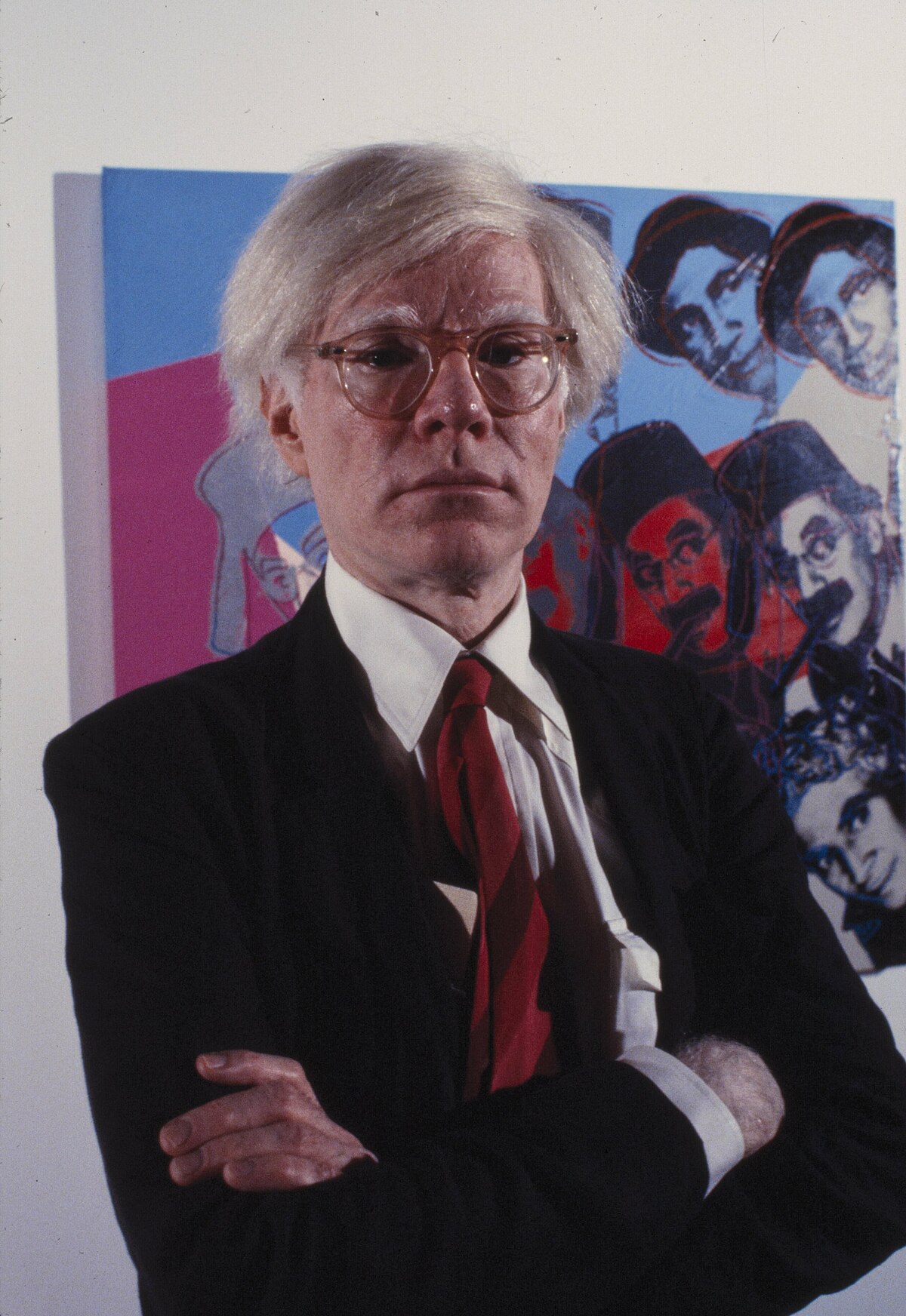
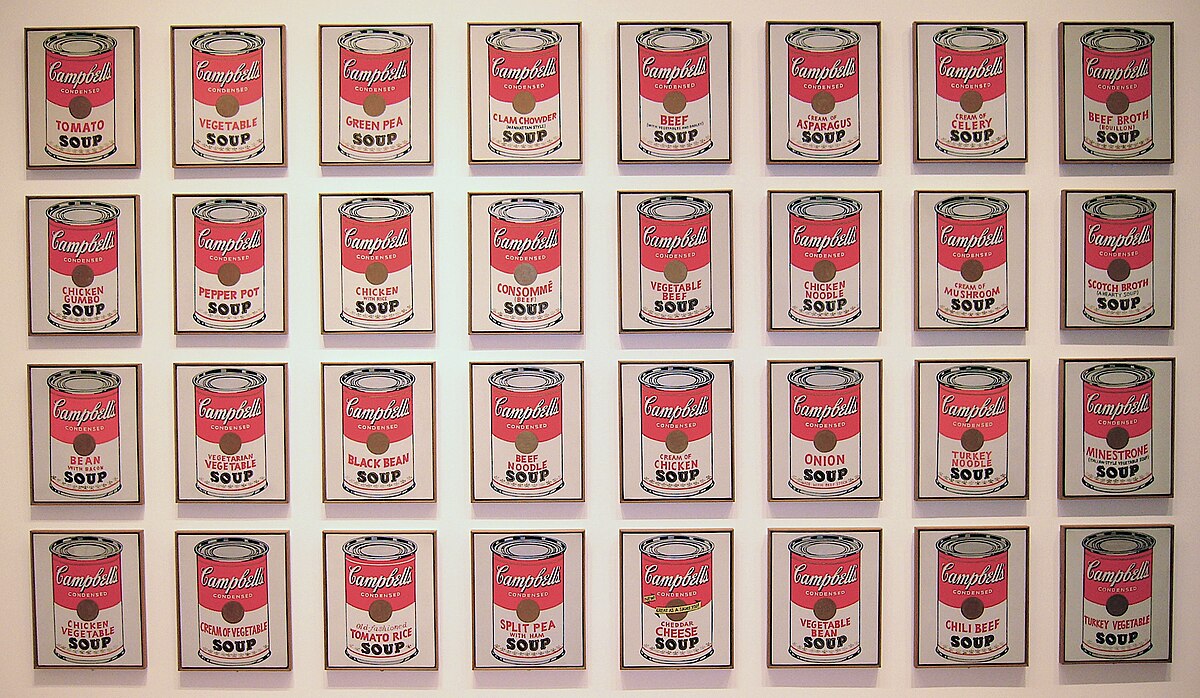
Endi Vorhol stoji kao vrhovni primer logike pop arta i njegovih protivrečnosti. Nekadašnji komercijalni ilustrator, Vorhol je prihvatio ikonografiju i metode masovne proizvodnje sa potpunošću koja je onemogućavala da se utvrdi gde se završava ironija i gde počinje iskrenost. Njegove sito-štampe Konzervi Kembel supe (1962.), Diptih Merilin (1962.), Elvis I i II i serija Smrt i katastrofa transformisale su ikone američke potrošnje i slavljenosti u predmete estetske kontemplacije, istovremeno ih isušujući od emocionalnog intenziteta koji je apstraktni ekspresionizam zahtevao od umetnosti. Vorholova Fabrika, njegov menhetenski studio, postala je legendrano mesto umetničke produkcije i društvenog performansa, gde su pomoćnici proizvodili sito-štampe, filmove i muziku pod Vorholovim nadzornim pogledom. Njegova izjava da želi da bude „mašina”, negovanje belog, bezafektnog persona i brisanje granice između umetničkog stvaranja i komercijalne manufakture predstavljali su dubok izazov romantičarskim pojmovima umetničkog genija i originalnosti.
„U budućnosti, svako će biti svetski poznat petnaest minuta.” — Endi Vorhol
Roj Lihtenštajn razvio je jednako prepoznatljiv pop vokabular prisvajajući panele iz romantičnih i ratnih stripova, uvećavajući ih do monumentalnih razmera i minuciozno reprodukujući — rukom — Bendej tačke komercijalne štampe. Dela poput Bam! (1963.) i Devojka koja se utapa (1963.) bila su istovremeno parodije sentimentalnosti masovne kulture i virtuozne demonstracije slikovne strukture, evocirajući formalnu strogost Mondrijana i Ležea čak i dok su se bavila jezikom pulp fikcije. Klas Oldenburg preveo je pop senzibilitet u tri dimenzije, stvarajući predimenzionisane meke skulpture svakodnevnih predmeta — pisaćih mašina, hamburgera, štipaljki za veš, korneta za sladoled — izrađene od vinila, platna i kapoka. Njegov Hamburger na podu (1962.) i kasniji monumentalni javni spomenici, poput Štipaljke za veš (1976.) u Filadelfiji, defamilijarizovali su svakodnevno apsurdnim pomeranjima razmere i materijala, unoseći humor i telesni afekat u diskurs skulpture.
U Britaniji, Ričard Hamilton anticipirao je mnoge teme pop arta u svom malom, ali proročanskom kolažu Šta je to što današnje domove čini tako drugačijim, tako privlačnim? (1956.), napravljenom za izložbu Ovo je sutra u Vajtčepel galeriji u Londonu. Hamiltonov kolaž, gust od slika isečenih iz američkih časopisa — mišićavac, pin-ap, televizor, konzerva šunke, Ford logo — mapirao je pejzaž posleratne potrošačke želje sa sociološkom preciznošću koja je razlikovala britanski pop od njegovog američkog pandana. Nezavisna grupa, čiji je Hamilton bio ključni član zajedno sa kritičarem Lorensom Alovejem (kome se često pripisuje kovanje termina „pop art”), Eduardom Paolocijem i arhitektonskim teoretičarima Alison i Piterom Smitsonom, pristupala je masovnoj kulturi sa intelektualnom radoznalošću utemeljenom u semiotici i teoriji informacija. Bilo da je bio slavljenički ili kritički, pop art je naterao umetnički svet da se suoči sa neizbežnom istinom: u dobu masovnih medija, tradicionalne hijerarhije koje razdvajaju likovnu umetnost od komercijalne ikonografije, muzej od tržnice, postale su neodržive.
Minimalizam: Manje je više
Minimalizam se pojavio ranih do sredinom šezdesetih kao radikalna redukcija umetnosti na njene najosnovnije materijalne i prostorne uslove. Reagujući protiv subjektivnog emotivizma apstraktnog ekspresionizma i referencijalnih slika pop arta, minimalisti su nastojali da stvore predmete koji su naglašeno, nedvosmisleno ono što jesu — ni reprezentacije nečeg drugog ni sredstva ličnog izražavanja, već doslovne prisutnosti u stvarnom prostoru na koje nailaze stvarna tela. Sam termin bio je donekle osporiavan; nekoliko umetnika povezanih sa pokretom ga je odbacilo, a kritičarka Barbara Rouz predložila je alternativnu etiketu „ABC umetnost” da nagovesti njegov ogoljeni, elementarni karakter. Ipak, kakav god bio naziv, minimalizam je predstavljao odlučan raskid sa vekovima zapadne umetničke tradicije, dovodeći u pitanje fundamentalne pretpostavke o kompoziciji, zanatstvu, iluziji i odnosu između umetničkog predmeta i posmatrača.
Donald Džad bio je možda najrečitiji teoretičar pokreta, kao i jedan od njegovih najfinijih praktičara. U svom prelomnom eseju iz 1965. „Specifični predmeti”, Džad je tvrdio da su najzanimljivija nova dela „ni slikarstvo ni skulptura”, već nešto sasvim drugo — trodimenzionalni predmeti koji zauzimaju stvarni prostor bez pribegavanja iluzionističkim konvencijama bilo kog medija. Njegova prepoznatljiva dela — naslagane kutije od galvaniziranog gvožđa ili obojenog pleksiglasa konzolno okačene na galerijske zidove u matematički pravilnim progresijama — otelotvoravala su ove principe sa strogom elegancijom. Džadovi predmeti su industrijskim putem fabrikovani, prema preciznim specifikacijama, elimišući trag umetnikove ruke koji je bio centralan za mistiku apstraktnog ekspresionizma. Den Flavin vodio je paralelno istraživanje koristeći još neočekivaniji medij: fluorescentne svetlosne cevi. Dela poput Spomenik 1 za V. Tatljina (1964.) i njegovih ikoničnih ugaonih instalacija prožimala su galerijske prostore obojenim svetlom, transformišući arhitektonski kontejner u sam rad i rastvarajući granicu između predmeta i okruženja.
„Oblik, zapremina, boja, površina jesu nešto samo po sebi. Ne treba da budu skriveni kao deo prilično drugačije celine.” — Donald Džad
Karl Andre doveo je minimalističku logiku na pod, stvarajući dela poput Ekvivalent VIII (1966.) — 120 vatrostalnih cigala raspoređenih u niski pravougaonik — i 144 magnezijumska kvadrata (1969.), sastavljen od metalnih ploča položenih ravno na pod galerije po kojima su posetioci mogli da hodaju. Andreove podne skulpture radikalno su redefinisale odnos posmatrača prema delu: umesto da stoji pred kompozicijom okačenom na zid ili postavljenom na postament, posmatrač se kretao kroz delo i preko njega, doživljavajući ga telesno, proprioceptivno, kinestetski. Robert Moris doprineo je i značajnim skulpturalnim radovima — jednostavnim geometrijskim formama od šperploče i fiberglasa — i ključnim teorijskim esejima, naročito „Beleškama o skulpturi” (1966.), u kojima je u prvi plan stavio ulogu fenomenološkog susreta posmatrača sa predmetom u stvarnom prostoru i vremenu. Moris se oslanjao na filozofiju Morisa Merlo-Pontija da bi argumentovao da značenje u minimalističkoj umetnosti ne počiva u samom predmetu, već u dinamičnom, otelotvorenom odnosu između predmeta, prostora i subjekta koji opaža.
Prihvatanje serijalne forme od strane minimalista — ponavljanje, matematička progresija, modularne jedinice — usklađivalo je njihov rad sa širim savremenim razvojima u muzici (Stiv Rajh, Filip Glas, Teri Rajli), plesu (Ivon Rajner, Džadson Dens Tietar) i književnoj teoriji (strukturalizam). Ipak, minimalizam je izazvao i žestok otpor. Kritičar Majkl Frid, u svom uticajnom eseju iz 1967. „Umetnost i predmetnost”, napao je minimalizam (koji je nazvao „literalizmom”) zbog onoga što je video kao njegovu „teatralnost” — zavisnost od prisustva posmatrača i vremenskog iskustva, za koju je Frid tvrdio da kompromituje samodovoljnu, trenutnu estetsku apsorpciju koju je cenio u modernističkom slikarstvu i skulpturi. Fridova kritika, paradoksalno, pomogla je da se rasvetli upravo ono što je bilo radikalno u minimalizmu: insistiranje da umetnost nije autonomni estetski predmet, već situacija, skup odnosa koji se odvijaju u vremenu i prostoru između dela, posmatrača i okruženja. Ovaj uvid pokazao se kao fundamentalan za umetnost instalacije, praksu specifičnu za lokaciju i veći deo konceptualnog i postkonceptualnog rada koji je usledio.
Konceptualna umetnost: Ideja kao umetnost
Konceptualna umetnost gurnula je implikacije minimalističke kritike do njihovog logičnog ekstrema: ako umetnost ne mora da liči na tradicionalno slikarstvo ili skulpturu, ako ne mora da bude izrađena umetnikovom sopstvenom rukom, ako njeno značenje počiva u susretu, a ne u predmetu, onda je možda fizički predmet uopšte nepotreban. Ono što je važno jeste ideja. Ova propozicija, koja je dobila svoju najpuniju artikulaciju kasnih šezdesetih i ranih sedamdesetih, predstavljala je jedan od najradikalnijih izazova umetničkoj konvenciji u čitavoj istoriji zapadne umetnosti. Umetnička kritičarka i kustoskinja Lusi Lipard uhvatila je duh trenutka u svojoj prelomnoj knjizi „Šest godina: Dematerijalizacija umetničkog predmeta od 1966. do 1972.” (1973.), koja je dokumentovala vrtoglaavu proliferaciju dela koja su imala formu pisanih propozicija, fotografija, mapa, pravnih ugovora, poštanske korespondencije, novinskih oglasa i efemernih akcija — svega osim konvencionalnih umetničkih predmeta.
Sol Levit pružio je najuticajniji teorijski iskaz pokreta u svojim „Pasusima o konceptualnoj umetnosti” (1967.), u kojima je izjavio da „ideja postaje mašina koja pravi umetnost”. Levitova sopstvena praksa otelotvoravala je ovaj princip: njegovi zidni crteži, izvedeni prema pisanim instrukcijama od strane asistenata ili muzejskog osoblja, razdvajali su koncepciju dela od njegove fizičke izvedbe. Instrukcije — na primer, „Linije ne duge, ne prave, koje se ukrštaju i dodiruju, crtane nasumično, koristeći četiri boje, ravnomerno raspoređene sa maksimalnom gustinom, pokrivajući čitavu površinu zida” — bile su umetničko delo; crteži na zidu bili su instancijacije, promenljive sa svakom instalacijom. Ova radikalna podela rada postavila je fundamentalna pitanja o autorstvu, originalnosti i statusu umetničkog predmeta koja nastavljaju da odzvanjaju u savremenoj praksi.
„U konceptualnoj umetnosti, ideja ili koncept je najvažniji aspekt dela… Ideja postaje mašina koja pravi umetnost.” — Sol Levit
Džozef Kosut sledeo je filozofski rigorozniju verziju konceptualne umetnosti, utemeljenu u analitičkoj filozofiji i lingvističkoj teoriji. Njegovo delo Jedna i tri stolice (1965.) — koje je suprotstavljalo fizičku sklopivu stolicu, fotografiju iste stolice u prirodnoj veličini i uvećanu rečničku definiciju reči „stolica” — ispitivalo je odnos između predmeta, slika i jezika sa jasnoćom koja je evocirala istraživanja Ludviga Vitgenštajna. Kosutov esej „Umetnost posle filozofije” (1969.) argumentovao je da je funkcija umetnosti u suštini tautološka: umetnost je definicija umetnosti, a uloga umetnika je da istražuje prirodu i granice samog koncepta „umetnosti”. Britanski kolektiv Art & Language, osnovan 1968. od strane Terija Atkinsona, Dejvida Bejnbridža, Majkla Boldvina i Harolda Hurela, vodio je slična istraživanja kroz guste teorijske tekstove, indekse i konverzacijske okvire, proizvodeći rad koji je zahtevao od posmatrača da se angažuje intelektualno, a ne estetski.
Dematerijalizacija umetničkog predmeta u konceptualnoj umetnosti imala je duboke implikacije za tržište umetnosti, muzej i društvenu ulogu umetnika. Ako se umetnost može sastojati od otipkanog sertifikata, telefonskog razgovora ili seta instrukcija, kako se može kupiti, prodati, kolekcionarisati ili izlagati na tradicionalne načine? Neki konceptualni umetnici, poput Ijana Vilsona i Roberta Berija, gurnuli su ovu logiku do njene krajnje tačke, stvarajući dela koja su se sastojala isključivo od izgovorenih reči ili nevidljivih fenomena (inertni gasovi pušteni u atmosferu). Performans je postao prirodni nastavak konceptualne prakse: ako je umetničko delo ideja ostvarena u vremenu, onda telo i radnje umetnika mogu služiti kao primarni medij. Joko Onoin Komad za sečenje (1964.), u kojem su članovi publike bili pozvani da joj makazama sekli odeću, i konfrontacione predstave Vita Akonćija s početka sedamdesetih demonstrirali su kako efemerni, otelotvoreni čin može nositi punu težinu umetničkog značenja. Konceptualna umetnost nije ukinula predmet — zapravo, mnogi njeni praktičari proizvodili su vizuelno ubedljiva dela — ali je nepovratno proširila polje onoga što se može smatrati umetnošću, uspostavljajući primat ideje nad formom koji ostaje definišuća karakteristika savremene prakse.
Lend art i procesna umetnost
Kasnih šezdesetih i ranih sedamdesetih, izvestan broj umetnika napustio je galerijski i muzejski sistem u potpunosti, upuštajući se u pustinje, jezera, polja i planinske padine da bi stvarali dela monumentalne razmere koja se direktno bave samom zemljom. Lend art — poznat i kao Ert art ili Zemaljska dela — predstavljao je radikalno odbacivanje robnog statusa umetnosti i institucionalnog zatvaranja. Ova dela nisu mogla da se kupe, prodaju, okače na zid ili lako reprodukuju; postojala su na udaljenim lokacijama, podložna silama vremena, erozije i geološkog vremena. Zahtevala su od posmatrača da preduzmu hodočašća, da doživljavaju umetnost ne kao diskretan predmet u beloj kocki, već kao imerzivni susret sa pejzažom, trajanjem i elementarnim procesima prirode.
Spiralna obala Roberta Smitsona (1970.) najikoničnije je delo lend arta: petsto metara duga zavojnica od crnog bazalta, krečnjaka, blata i kristala soli koja se proteže u Veliko slano jezero u Juti. Delo se bavi idejama entropije, dubokog geološkog vremena i dijalektike između sajta i nonsajta — konceptualnog okvira koji je Smitson razvio da opiše odnos između spoljašnje lokacije i njene reprezentacije u galeriji kroz mape, fotografije i premeštene materijale. Spiralna obala povremeno nestaje pod rastućim vodama jezera i ponovo se pojavljuje, njene površine inkrustrirane kristalima soli, izvodeći same procese geološke transformacije koji su fascinirali Smitsona. Dvostruki negativ Majkla Hajzera (1969—1970.), dva ogromna useka u stenu Mormon Mese u Nevadi, koji su pomerili 240.000 tona stene, operisali su na slično uzvišenoj razmeri, definišući skulpturalnu formu kroz odsustvo i iskopavanje, a ne dodavanje.
„Umetničko delo postavljeno u galeriju gubi svoju naelektrisanost i postaje prenosivi predmet ili površina odsečena od spoljašnjeg sveta.” — Robert Smitson
Polje munja Voltera De Marije (1977.), koje se sastoji od četiristo nerđajućih čeličnih šipki raspoređenih u preciznu mrežu na milju visoke pustinje u Novom Meksiku, stvorilo je okvir unutar kojeg su prirodni fenomeni — munje, sunčeva svetlost, senke, vetar — postali primarno estetsko iskustvo. Od posetilaca se zahtevalo da provedu čitavu noć na udaljenom lokaciji, doživljavajući delo kroz spori protok vremena i nepredvidivu dramu vremena. Kristo i Žan-Klod sledili su drugačiji model intervencije u okruženju, umotavajući zgrade, mostove, obale i ostrva u tkaninu i stvarajući privremene strukture izuzetnog vizuelnog uticaja. Okružena ostrva (1983.), koja su opasala jedanaest ostrva u zalivu Biskejn u Majamiju sa 6,5 miliona kvadratnih stopa plutajućeg ružičastog polipropilenskog platna, i Kapije (2005.), koje su instalirali 7.503 šafranski obojenih tekstilnih panela duž dvadeset tri milje staza u njujorškom Central parku, bila su kolaborativni poduhvati zapanjujuće logističke složenosti, finansirana isključivo od strane umetnika kroz prodaju pripremnih crteža i maketa.
Srodna lend artu, ali različitog naglaska, procesna umetnost stavljala je u prvi plan fizičko ponašanje materijala — izlivanje, rasipanje, slaganje, drapiranje — i tragove koje ostavljaju umetničke radnje. Radovi od filca Roberta Morisa, pljuskovi rastopljenog olova Ričarda Sere, skulpture od lateksa i fiberglasa Eve Hese i izliveni podovi od poliuretana Linde Benglis — svi su naglašavali kontingentne, temporalne i materijalne dimenzije umetničkog stvaranja. Ovi umetnici su odbacili minimalistički ideal industrijske fabrikacije i geometrijske preciznosti u korist entropije, gravitacije i organske forme. Hese je naročito stvarala dela potresne ranjivosti — Kontingentno (1969.), Odmah posle (1969.) — u kojima su prozirni listovi fiberglasa i lateksa visili i ugibali se pod sopstvenom težinom, otelotvoravajući poetiku krhkosti i prolaznosti koja je stajala u dirljivom kontrastu sa agresivnom trajnošću kojoj teži mnoga monumentalna skulptura. Lend art i procesna umetnost zajedno su demonstrirali da umetnost može postojati bilo gde, u bilo kom materijalu, u bilo kojoj razmeri, i da njen susret sa silama vremena i prirode nije nedostatak koji treba prevazići, već izvor značenja koji treba prihvatiti.
Performans, telo i identitet
Korišćenje samog tela umetnika kao primarnog medija umetničkog izraza — kao površine, instrumenta, mesta ranjivosti i lokusa identiteta — predstavlja jedan od najznačajnijih razvoja u savremenoj umetnosti. Performans art, koji se pojavio kao prepoznata praksa kasnih šezdesetih i sedamdesetih, crpeo je iz ranijih presedana u futurističkim i dadaističkim provokacijama, hepeninzima, Fluksus događajima i koreografskim eksperimentima Džadson Dens Tieatra, ali je stekao novu hitnost i konceptualnu strogost u kontekstu feminističkog pokreta, seksualne revolucije, Vijetnamskog rata i širih kulturnih previranja tog perioda. Performans je insistirao na nesvodljivosti proživljenog iskustva: za razliku od slike ili skulpture, performans nije mogao biti u potpunosti zabeležen, komodifikovan ili odvojen od stvarnog vremena i prostora u kojem se odvijao.
Marina Abramović postala je najistaknutija praktičarka performansa izdržljivosti, izlažući svoje telo ekstremnom fizičkom i psihičkom stresu u delima koja su testirala granice ljudskog bola, iscrpljenosti i ranjivosti. U Ritmu 0 (1974.), Abramović je stajala pasivno šest sati pored stola na kojem su bila sedamdeset dva predmeta — uključujući ružu, med, pero, makaze, skalpel i napunjen pištolj — i pozvala članove publike da ih koriste na njenom telu na bilo koji način. Eskalacija agresije publike otkrila je uznemirujuće istine o moći, pristanku i tankoj membrani koja razdvaja civilizovanost od nasilja. U delu Umetnica je prisutna (2010.), izvođenom tokom tri meseca u Muzeju moderne umetnosti, Abramović je sedela nepomično za stolom dok su joj posetioci naizmenično sedali nasuprot u tihoj, obostranoj kontemplaciji — čin radikalne prisutnosti koji je mnoge učesnike doveo do suza. Rani performansi Vita Akonćija, poput Komada praćenja (1969.), u kojem je pratio nasumično izabrane strance ulicama Njujorka sve dok ne bi ušli u privatni prostor, i Semeništa (1972.), zamagljivali su granice između javnog i privatnog, umetnosti i nadzora, intimnosti i upada.
„Telo je najiskreniji medij. Ono ne može da laže. Kad koristite telo, koristite sve — svoju ranjivost, svoju smrtnost, svoju prisutnost u vremenu.” — Marina Abramović
Fotografski rad Sindi Šerman, mada tehnički nije performans art u živom, trajnom smislu, koristio je sopstveno telo umetnice kao sirovinu za kontinuirano istraživanje konstrukcije ženskog identiteta kroz vizuelnu kulturu. Njena serija Neimenovane filmske scene (1977—1980.), šezdeset devet crno-belih fotografija na kojima je Šerman pozirala kao različiti fiktivni ženski likovi preuzeti iz vizuelnog vokabulara holivudskih B-filmova, film noara, evropskog art filma i modne fotografije, demonstrirala je da ženstvenost nije prirodna suština, već repertoar kulturno konstruisanih uloga i slika. Naredni ciklusi radova Šermanove — krupni planovi u boji sredinom osamdesetih, istorijski portreti, groteskne bajkovite i horor slike — nastavili su da istražuju nestabilnost identiteta sa rastućom formalnom ambicijom i psihološkim intenzitetom. Njen rad bio je fundamentalan za postmoderne teorije reprezentacije i za naredne generacije umetnika angažovanih pitanjima roda, rase i selfhoda.
Širi pokret feminističke umetnosti, koji je dobio institucionalni zamah osnivanjem Programa feminističke umetnosti od strane Džudi Čikago i Mirijam Šapiro na Kalifornijskom institutu umetnosti 1971. i otvaranjem instalacije Kuća žena naredne godine, fundamentalno je osporavao patrijarhalne strukture umetničkog sveta i proširio raspon tema, materijala i metoda koji se smatraju legitimnim u umetničkoj praksi. Večera Džudi Čikago (1974—1979.), monumentalna instalacija koja se sastoji od trougaonog stola postavljenog sa razrađenim keramičkim tanjirima u čast trideset devet žena iz istorije i mita, bila je istovremeno veha feminističke umetnosti i munja za kontroverzu. Umetnice poput Ane Mendijete, čija je serija Silueta utisnula obris njenog tela u zemlju, pesak i vatru u pejzažima Ajove i Kube, i Ejdrijan Pajper, čiji su konfrontacioni performansi i konceptualna dela adresirali preseke rase i roda, proširile su politiku tela u sfere etničke pripadnosti, dijaspore i politike identiteta. Do osamdesetih i devedesetih, umetnici uključujući Dejvida Vojnarovica, Feliksa Gonzales-Toresa i kolektiv Gran Fjuri doveli su ranjivost tela u centar umetničkog diskursa kroz svoje odgovore na krizu AIDS-a, stvarajući dela žestokog političkog hitnosti i nežne memorijalne lepote. Telo u savremenoj umetnosti nikada nije puko formalni element; ono je uvek mesto gde se lično iskustvo i politička istorija susreću.
Neoekspresionizam i osamdesete
Kasne sedamdesete i osamdesete bile su svedok dramatičnog i kontroverznog ponovnog oživljavanja figurativnog slikarstva, snažnog gestualnog poteza četkice i subjektivnog emocionalnog izražavanja — tendencija koje su prethodne decenije minimalizma i konceptualne umetnosti naizgled učinile zastarelim. Neoekspresionizam, kako je ovaj međunarodni fenomen postao poznat, crpeo je iz nasleđa nemačkog ekspresionizma s početka dvadesetog veka, apstraktnog ekspresionizma i art bruta da bi proizveo velikoformatna, agresivno slikana platna koja su se bavila mitom, istorijom, seksulnošću i sirovim autobiografskim osećanjem. Pokret je istovremeno slavljn kao vitalno ponovno potvrđivanje trajne moći slikarstva i osujivan kao reakcionaran ustupak pred tržišnim silama i nostalgičnim fantazijama o umetničkom heroizmu.
Žan-Mišel Baskija ostaje najuzbudljivija i kulturno najznačajnija figura koja je izašla iz neoekspresionističkog trenutka. Samouki umetnik haitskog i portorikanskog porekla koji je najpre privukao pažnju kao jedna polovina grafiti dua SAMO u Njujorku kasnih sedamdesetih, Baskija je prešao sa ulica u galerije zapanjujućom brzinom, proizvodeći opus koji je spajao grafite, tekst, anatomske dijagrame, afričke i karipske kulturne reference, ikonografiju džeza i bibopa i umetnostnoistorijske aluzije u gusto slojevite kompozicije besnične energije i intelektualne složenosti. Slike poput Bez naslova (Lobanja) (1981.), Holivudski Afrikanci (1983.) i Jahanje sa smrću (1988.) suočavale su se sa isključivanjima i brisanjima crnog identiteta unutar zapadne istorije umetnosti i američke kulture sa direktnošću i formalnom inventivnošću koja ih je izdvajala od nostalgičnijih produkcija mnogih njegovih savremenika. Baskijina tragično rana smrt 1988. u dvadeset sedmoj godini učvrstila je njegov status figure mitskih razmera, a njegov uticaj na naredne generacije umetnika samo se pojačavao.
„Ne razmišljam o umetnosti dok radim. Pokušavam da razmišljam o životu.” — Žan-Mišel Baskija
Džulijan Šnabel postao je jedna od najvidljivijih i najkontroverznijih figura umetničkog sveta osamdesetih, poznat po svojim „slikama sa tanjirima” — monumentalnim platnima na koja su lepljeni razbijeni komadi posuđa pre nego što su preslikavani, stvarajući grube, reljefne površine agresivne materijalnosti. U Nemačkoj, Anzelm Kifer je proizvodio ogromne, teško inkrustrirane slike i skulpturalne instalacije koje su se suočavale sa traumama nemačke istorije — Holokaustom, mitologijom Vagnera i Nibelunga, devastacijom pejzaža — sa ozbiljnošću i ambicijom koja je razlikovala njegov rad od tržišno vođenih ekscesa američke scene. Kiferova upotreba nekonvencionalnih materijala — slame, olova, pepela, sušenog cveća, fotografske ikonografije — i njegovo prizivanje istorijskog pamćenja dali su njegovom radu težinu i ozbiljnost koja je obezbedila trajnu kritičku reputaciju. Druge značajne figure neoekspresionističkog trenutka uključivale su italijanske slikare Transavangarde — Sandra Kiju, Frančeska Klementea, Enca Kukija — šampionirane od kritičara Akilea Bonita Olive, i nemačke slikare Georga Bazelica, A.R. Penka i Jerga Imendorfa.
Osamdesete su takođe bile definisane neviđenim bumom na tržištu umetnosti, potpomognutim bogatstvom sa Vol strita, agresivnom galerijskom promocijom i kulturom slavnih koja je uzdizala umetnike na status rok zvezda. Ist Vilidž scena u Njujorku, centrirana oko galerija poput Fan galerije i Grejsi Menšn, pružala je alternativni, kontrakulturni kontekst za umetnike poput Baskije, Kita Heringa i Kenija Šarfa, spajajući umetnost, grafite, klupsku kulturu i uličnu modu u vibrantni potkulturni ekosistem. Ipak, entuzijazam decenije bio je zasjenjen pustošenjem epidemije AIDS-a, krizom kreka i rastućom ekonomskom nejednakošću. Tržišni krah 1987. i naknadna recesija proboli su spekulativni mehur, i do ranih devedesetih nova generacija umetnika — radeći sa fotografijom, videom, instalacijom i tekstom — odlučno se okrenula od heroičkog individualizma neoekspresionizma ka kritički obojenim, društveno angažovanim i institucionalno samosvesnim modovima prakse. Osamdesete ostaju osporavana decenija u istoriji umetnosti: period autentičnog kreativnog dostignuća i kulturne energije, ali i period u kojem su sile komodifikacije i spektakla vršile neviđen i uznemirujuć uticaj na umetničku produkciju i recepciju.
Globalizacija i pluralizam
Poslednje decenije dvadesetog veka i prve godine dvadeset prvog karakteriše dramatično proširenje geografskih, kulturnih i konceptualnih horizonata umetničkog sveta. Nekada dominantan narativ zapadnog modernizma — linearna progresija od Pariza do Njujorka, od impresionizma do apstrakcije do minimalizma — ustupio je mesto daleko složenijoj, policentričnoj i osporavanoj mapi umetničke produkcije i recepcije. Globalizacija, umnožavanje međunarodnih bijenala i sajmova umetnosti, uspon postkolonijalne teorije i rastuća vidljivost umetnika iz Afrike, Azije, Latinske Amerike i Bliskog istoka transformisali su savremenu umetnost u istinski međunarodni diskurs, čak i dok pitanja pristupa, moći, reprezentacije i kulturnog prisvajanja ostaju hitno nerešena.
Bijenale je postalo definišući institucionalni format globalne savremene umetnosti. Venecijanskom bijenalu, osnovanom 1895., pridružila su se u posleratnim decenijama bijenale u Sao Paulu, Dokumenta u Kaselu (održavana svakih pet godina od 1955.), a u novije vreme i mnoštvo bijenala u Gvangdžuu, Istanbulu, Šardži, Havani, Dakaru, Johanesburgu i desetinama drugih gradova. Ove velikoformatne, kustoški vođene izložbe služile su kao ključne platforme za predstavljanje nezapadnih umetnika međunarodnoj publici i za pokretanje kritičkih razgovora o politici kulturne razmene. Kustos Okvui Envezor, čija je prelomna Dokumenta 11 (2002.) bila organizovana oko niza međunarodnih „platforma” koje su adresirale demokratiju, pravdu i nasleđa kolonijalizma, odigrao je ključnu ulogu u redefinisanju bijenala kao prostora intelektualnog i političkog angažmana, a ne pukog estetskog prikaza. Ipak, bijenalni sistem je i kritikovan zbog podsticanja homogenizovanog „međunarodnog stila”, služenja interesima kulturnog turizma i urbanog brendiranja i reprodukovanja, u suptilnijim formama, samih hijerarhija koje tvrdi da razmontira.
„Pojam da se umetnost proizvodi u centru i prima na periferiji više nije održiv. Umetnost se stvara svuda i ulazi u razgovor odsvuda.” — Okvui Envezor
Aj Vejvej, kineski umetnik i aktivista, oličava složenu isprepletenost umetnosti, politike i globalnih medija koja karakteriše savremenu praksu. Njegova dela — od Semenki suncokreta (2010.), instalacije od sto miliona ručno izrađenih porcelanskih semenki koje su prekrivale pod Turbinskog hola Tejt Moderna, do Sećanje (2009.), fasadne instalacije od devet hiljada dečijih rančeva u spomen na školsku decu poginulu u zemljotresu u Sičuanu 2008. usled koruptivnih građevinskih praksi — bave se ljudskim pravima, vladinim cenzurom i silama globalizacije sa direktnošću i razmerom koja ga je učinila jednim od najvidljivijih umetnika na svetu. Kara Voker, američka umetnica afričkog porekla, stvorila je neka od najprovokativnijih i najuznemirujućih dela savremene umetnosti kroz svoje velikoformatne instalacije silueta, poput Suptilnosti (2014.), monumentalne sfinge presvučene šećerom instalirane u nekadašnjoj fabrici šećera Domino u Bruklinu. Rad Vokerove suočava se sa istorijom ropstva, rasnog nasilja i seksualne eksploatacije sa nesalomljivom direktnošću koja odbija utehe iskupiteljskog narativa.
El Anatsui, ganski vajar sa bazom u Nigeriji, stekao je međunarodno priznanje za svoje monumentalne zidne skulpture sačinjene od hiljada spljoštenih čepova za boce i aluminijumskih fragmenata, prošivenih bakarnom žicom u treperavu, talasastu tapiseriju izuzetne lepote. Dela poput Gravitacija i milost i U svetu, ali ne znam svet evociraju istoriju trgovine između Afrike i Evrope — boce od kojih potiču čepovi same su artefakti kolonijalne razmene — istovremeno crpeći iz zapadnoafričkih tekstilnih tradicija i estetike reciklaže i improvizacije. Anatsuijev rad otelotvorava viziju savremene umetnosti utemeljene u specifičnim kulturnim tradicijama, a koja snažno govori o univerzalnim temama potrošnje, razmene i transformacije. Među ostalim umetnicima čiji je rad proširio horizonte umetničkog sveta su Doris Salcedo (Kolumbija), čije potresne instalacije adresiraju političko nasilje i kolektivno pamćenje; Vilijam Kentridž (Južna Afrika), čiji animirani crteži ugljenom istražuju aparthejd i njegove posledice; Jajoi Kusama (Japan), čije imerzivne sobe beskonačnosti i opsesivne slike sa tačkama fasciniraju publiku širom sveta; i Vangeči Mutu (Kenija), čiji multimedijalni radovi ispituju rasno i rodno kodirano telo. Svet savremene umetnosti više nije zapadni monolog, već globalni polilog — raspravlski, nejednak, beskrajno generativan.
Umetnost u digitalnom dobu
Digitalna revolucija transformisala je ne samo način na koji se umetnost stvara, distribuira i doživljava, već i sam ontološki status umetničkog predmeta u dvadeset prvom veku. Novomedijska umetnost, prostran termin koji obuhvata video, digitalnu instalaciju, softversku umetnost, virtuelnu realnost, proširenu realnost i umreženu praksu, prešla je sa margina umetničkog sveta ka nečemu što se približava njegovom centru, iako mnogi njeni praktičari nastavljaju da deluju izvan tradicionalnih galerijskih i muzejskih struktura. Pitanja koja digitalna umetnost pokreće — o autorstvu, originalnosti, reproduktivnosti i granici između virtualnog i fizičkog — nisu potpuno nova; ona odjekuju problemima koje je Valter Benjamin artikulisao u svom eseju iz 1936. „Umetničko delo u dobu mehaničke reprodukcije.” Ali brzina, razmera i sveprisutnost digitalnih tehnologija dali su tim pitanjima neviđenu hitnost.
Internet art (ili net.art) pojavio se sredinom devedesetih kao distinktivna umetnička praksa koja je koristila World Wide Web ne samo kao platformu za distribuciju, već kao svoj primarni medij. Rani praktičari poput Olije Lijaline, Jodi (Joan Hemskerk i Dirk Pesmans) i Vuka Ćosića stvarali su dela koja su eksploatisala estetska i strukturalna svojstva HTML-a, pregledača, hiperlinkova i poruka o greškama, tretirajući internet kao materijal koji treba vajati, a ne kao providni prozor ka sadržaju. Duh net.arta bio je demokratski, antiinstitucionalni i igriv — rad je mogao iskusiti svako sa internet konekcijom, zaobilazeći gatekeeping funkcije galerija i kustosa. Kako je internet evoluirao od relativno otvorenog, decentralizovanog prostora devedesetih ka okruženju dominiranom platformama i komercijalno posredovanom prostoru desethiljaditih i dvadesetih, digitalna umetnička praksa evoluirala je sa njim, angažujući se sa društvenim mrežama, nadzornim kapitalizmom, algoritamskom kulturom i politikom podataka.
„Internet je promenio umetnost ne time što je obezbedio novi alat, već time što je preoblikovao čitav ekosistem u kojem se umetnost stvara, vidi, deli i vrednuje.” — Boris Grojs
Pojava NFT-ova (nezamenljivih tokena) i vlasništva zasnovnog na blokčejnu 2020—2021. generisala je ogromno uzbuđenje i kontroverzu. Prodaja dela Svakodnevice: Prvih 5000 dana umetnika Bipla (Majk Vinkelman) na Kristijevom za 69,3 miliona dolara u martu 2021. dovela je digitalnu umetnost u fokus globalne javnosti i naizgled je razrešila, kroz kriptografsku tehnologiju, problem koji je dugo proganjao digitalnu praksu: lakoća kojom se digitalni fajlovi mogu kopirati i distribuirati otežavala je uspostavljanje retkosti i provenijencije od kojih zavisi tradicionalno tržište umetnosti. NFT-ovi su ponudili mehanizam za autentifikaciju i monetizaciju digitalnih dela, i talas umetnika, kolekcionara i špekulanata ulio se u prostor. Ipak, NFT bum je pokrenuo i uznemirujuća pitanja o ekološkoj održivosti (energetska potrošnja blokčejnova zasnovanih na dokazu rada), špekulativnom ekscesu i svođenju umetnosti na finansijski instrument. Do sredine dvadesetih, inicijalna groznica se stišala i počeo je da se oblikuje nijansiraniji razgovor o ulozi blokčejn tehnologije u umetničkoj praksi.
Ubrzani razvoj veštačke inteligencije i mašinskog učenja uveo je ono što se može pokazati kao najdublji izazov dosad tradicionalnim koncepcijama umetničke kreativnosti i autorstva. Umetnost generisana veštačkom inteligencijom, proizvođena sistemima poput generativnih protivničkih mreža (GAN), difuzionih modela i velikih jezičkih modela, može generisati slike, tekstove, muziku i video zapanjujuće sofisticiranosti, postavljajući pitanje da li je kreativnost jedinstveno ljudski kapacitet ili računarski proces koji se može replicirati i automatizovati. Prodaja Portreta Edmona de Belamija, generisanog od strane francuskog kolektiva Obvius koristeći GAN, na Kristijevom 2018. za 432.500 dolara bila je rani signal angažmana umetničkog sveta sa ovim tehnologijama, ali je eksplozija javno dostupnih AI generatora slika ranih dvadesetih transformisala pejzaž daleko dramatičnije. Umetnici poput Refika Anadola, čije velikoformatne skulpture podataka i imerzivne instalacije koriste mašinsko učenje za obradu ogromnih skupova podataka u hipnotičke vizuelne sredine, demonstrirali su da veštačka inteligencija može služiti kao moćan kreativni alat, a ne zamena za ljudsku imaginaciju. Ipak, etička pitanja — o podacima za obuku na kojima se AI modeli zasnivaju (često prikupljani bez pristanka radnih umetnika), o pomreranju radne snage, o značenju originalnosti u dobu algoritamskog generisanja — ostaju duboko osporavana. Savremena umetnost oduvek je bila definisana svojom sposobnošću da apsorbuje, ispituje i transformiše tehnologije i kulturne uslove svog trenutka. U digitalnom dobu, ta sposobnost se testira kao nikada ranije, a ishod ostaje radikalno otvoren. Ono što je izvesno je da će se definicija umetnosti nastaviti širiti, mutirati i opirati granicama koje pokušavamo da joj nametnemo.