

Peter Paul Rubens rođen je 28. juna 1577. u Zigenu, Vestfalija, gde je njegov otac Jan Rubens, kalvinistički advokat iz Antverpena, pobegao da izbegne verski progon. Nakon Janove smrti 1587, Rubensova majka vratila je porodicu u Antverpen i odgajila svoju decu kao katolike — vera koja će duboko oblikovati Rubensovu umetnost i karijeru. Mladi Peter Paul školovao se kod nekoliko lokalnih slikara, najistaknutije Ota van Vena, romaniste koji mu je usadio divljenje prema italijanskom klasicizmu. Godine 1600. Rubens je otputovao u Italiju, gde je proveo osam formativnih godina proučavajući dela Ticijana, Tintoreta, Veronezea, Karavaða i braće Karači, upijajući njihovo majstorstvo boje, drame i monumentalne kompozicije. Služio je kao dvorski slikar Vinčenca I Gonzage, vojvode od Mantove, i preduzeo diplomatsku misiju u Španiju 1603, stekavši političke veštine koje će mu kasnije koristiti kao pouzdanom izaslaniku između zaraćenih evropskih sila.
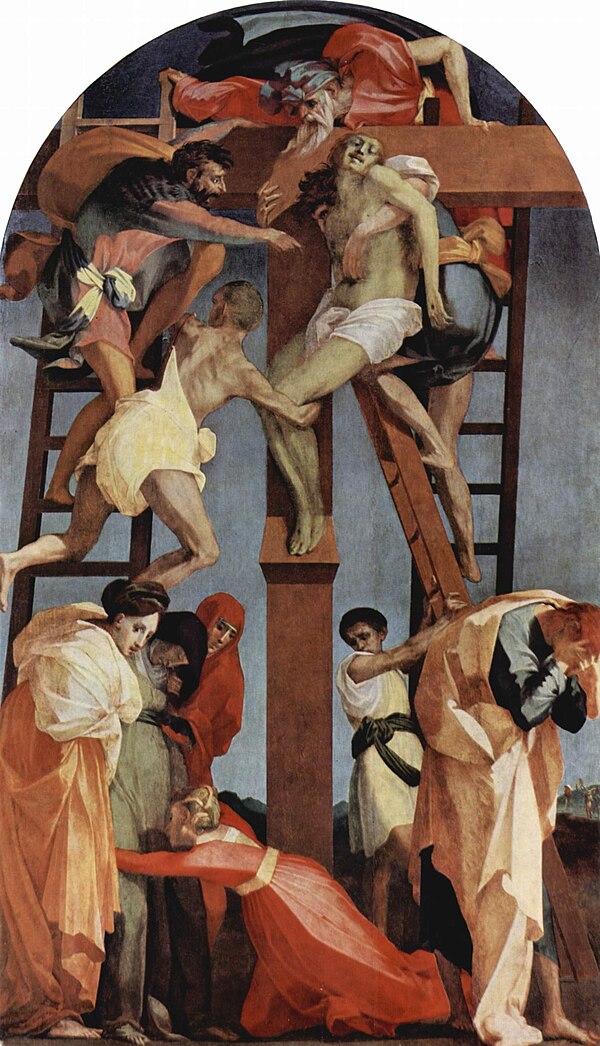
Vrativši se u Antverpen 1608, Rubens je brzo uspostavio ono što je postalo najproduktivnija i najslavljenija slikarska radionica u evropskoj istoriji. Radeći iz namenski izgrađenog italijanskog ateljea prikačenog za svoju veliku kuću na Vaperu, zaposlio je tim specijalizovanih asistenata — uključujući mladog Antonisa van Dajka i slikara životinja Fransa Snajdersa — da izvršavaju bujicu narudžbina koje su pristizale od crkava, dvorova i aristokrata širom kontinenta. Njegov „Descent from the Cross” (1612–1614) za Antverpensku katedralu je remek-delo kontrareformacijske patetike, njegova kaskada isprepletenih tela kanališe Karavaðov kijaroskuro kroz Rubensov sopstveni luminozniji i mišićniji idiom. Monumentalni „Marie de’ Medici Cycle” (1622–1625), dvadeset četiri ogromna platna koja slave život francuske kraljice majke, danas ispunjava čitavu galeriju u Luvru i demonstrira Rubensovu nenadmašenu sposobnost da transformiše političku propagandu u visoku umetnost kroz alegoriju, mitološku aluziju i čisti slikarski zanos.
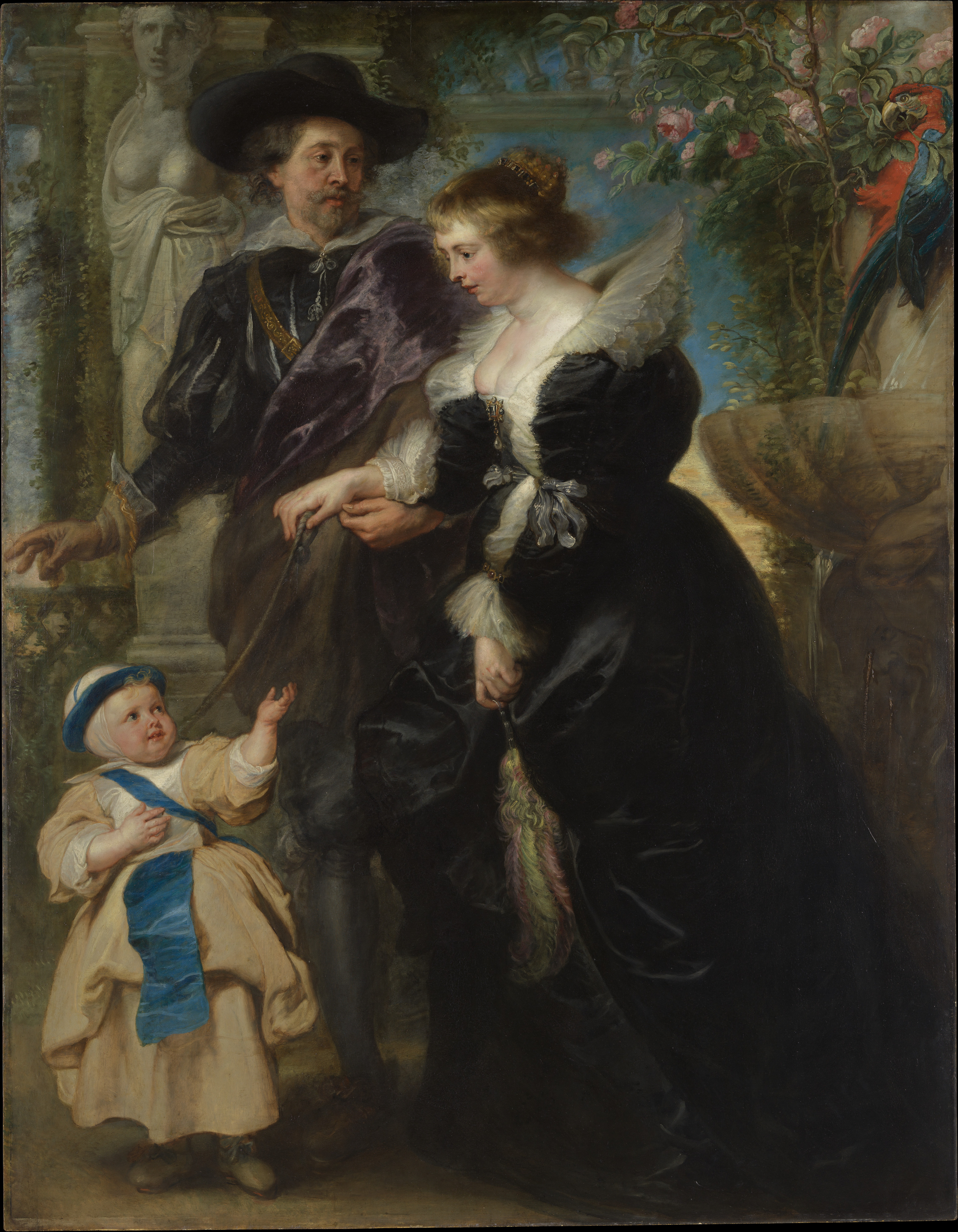
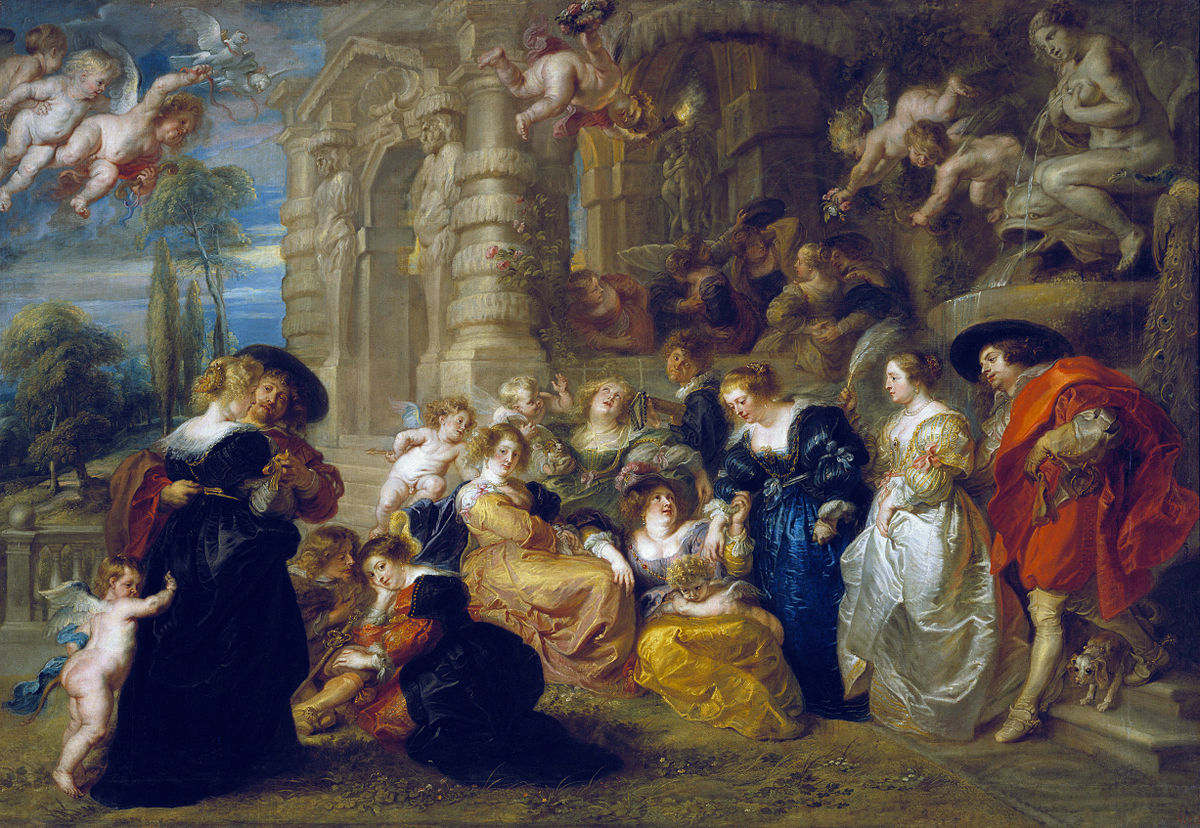
Rubens je bio jednako vešt kao diplomata: između 1627. i 1630. vodio je osetljive mirovne pregovore između Španije i Engleske, za šta ga je Filip IV Španski proglasio vitezom, a Čarls I Engleski ga je i proglasio vitezom i naručio mu slike za plafon Banketne dvorane u Vajtholu. Njegov privatni život obeležila su dva duboko proživljena braka: najpre sa Izabelom Brant, koja je umrla 1626, a zatim, 1630, sa šesnaestogodišnjom Helenom Furman, čija je raskošna lepota postala model za Veneru, Mariju Magdalenu i bezbroj drugih figura u njegovom kasnom radu. „The Garden of Love” (oko 1633), slavlje ljubavnog uživanja smešteno u italijanskom vrtu, odiše toplinom tog drugog braka. Rubensove kasne slike — slobodnije, luminoznije, ličnije ekspresivne — uključuju pejzaže flamanskog sela koji se mogu meriti sa svim što su Konstejbl ili Gejnzbaro stvorili. Umro je 30. maja 1640. od srčane insuficijencije verovatno komplikovane gihtom, ostavivši za sobom imovinu od preko 1.400 slika i nasleđe koje je uticalo na Vatoa, Delakroa, Renoara i gotovo svakog slikara koji je pokušao da uhvati vitalnost i dramu ljudskog tela u pokretu.