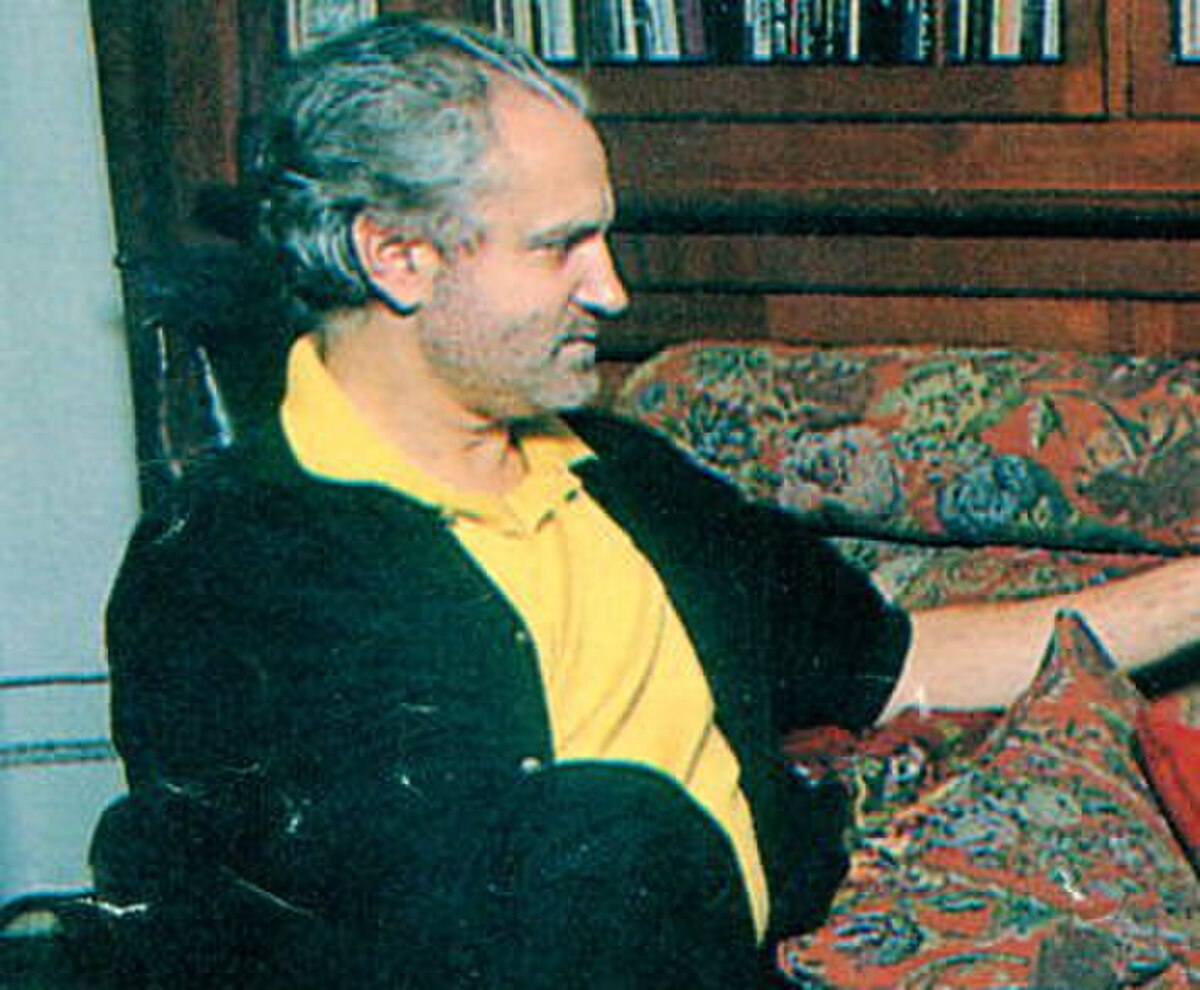
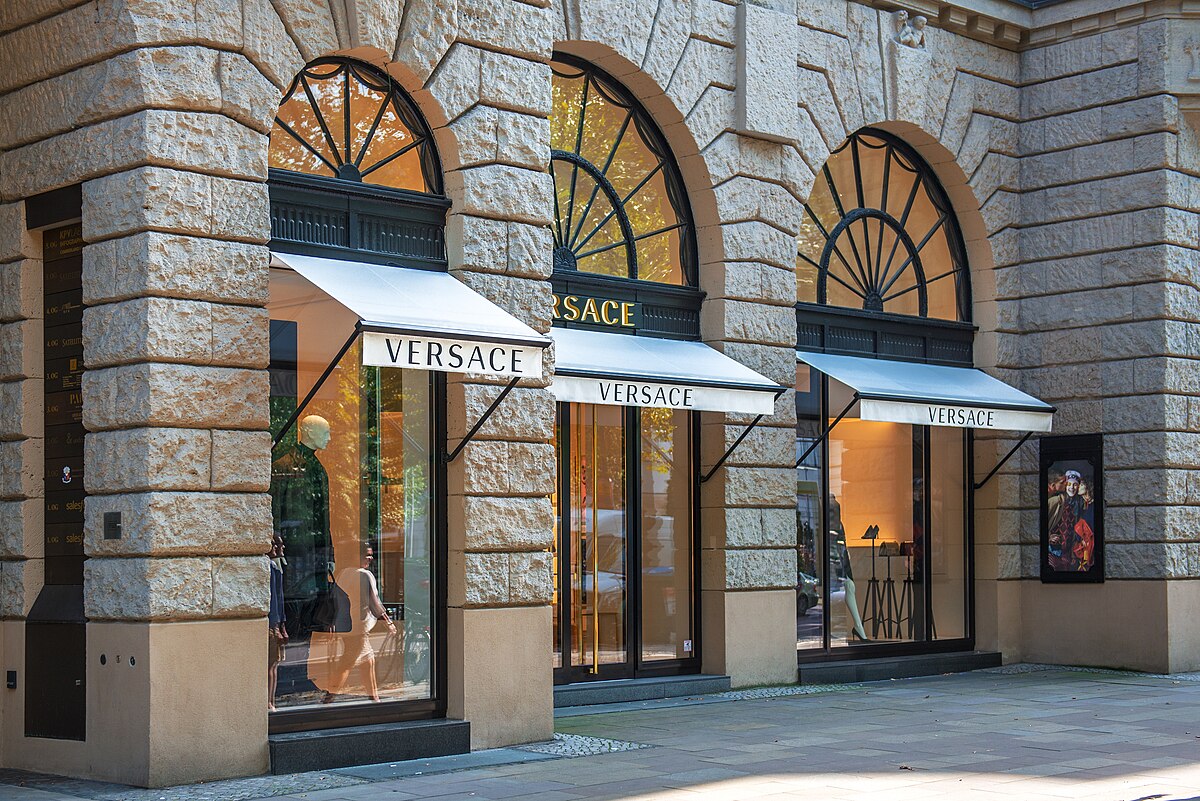

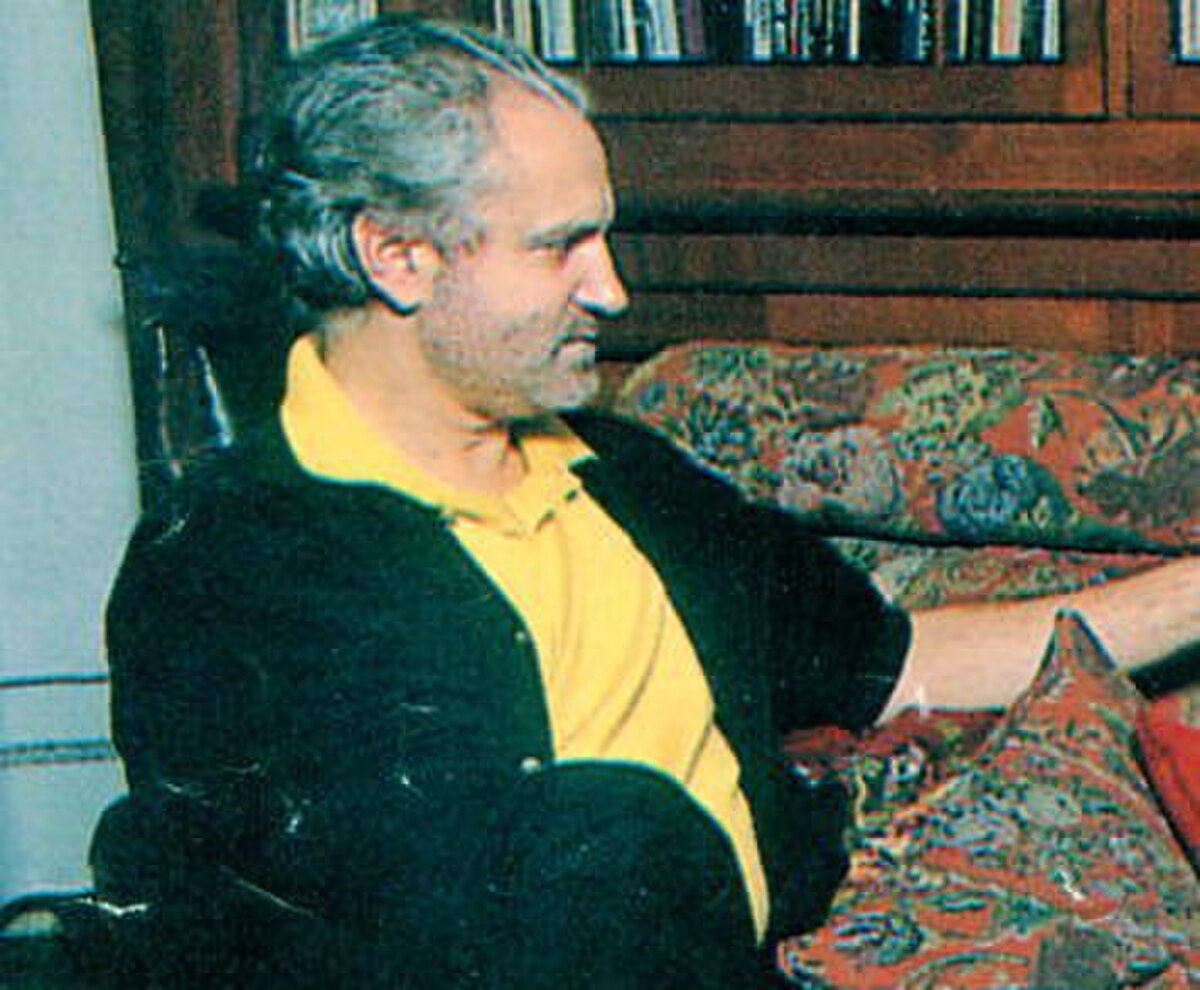

Đani Versaće je razumeo da moda može biti operska — da odeća može slaviti telo sa istom nesputanom ekstravagancijom koju je Verdi ulivao u svoje arije. Rođen u Ređo Kalabriji 1946. godine, sin krojačice, upijao je majčin zanat pre nego što se preselio u Milano 1972. Lansirao je sopstvenu kuću 1978. i za manje od deceniju etablirao se kao avatar italijanskog maksimalizma — neophodan protivteg Armanijevoj uzdržanosti.
Meduza i klasični eksces
Dok je Armani šaputao, Versaće je vikao. Njegov prepoznatljiv rečnik bio je nepogrešiv: motiv glave Meduze pozajmljen iz antičke grčke ikonografije i transformisan u zlatni logo koji se pojavljivao na dugmadima, kopčama, tanjirima i štampama. Versaćeov izbor Meduze bio je namerni — mitološka figura koja je pretvarala posmatrače u kamen bila je njegova metafora za parališuću moć lepote. Njegove vizantijske i barokne štampane svile u zasićenim tonovima dragog kamenja direktno su crpele iz mozaika koje je video u crkvama južne Italije, prevodeći sakralnu ikonografiju u sekularni glamur.
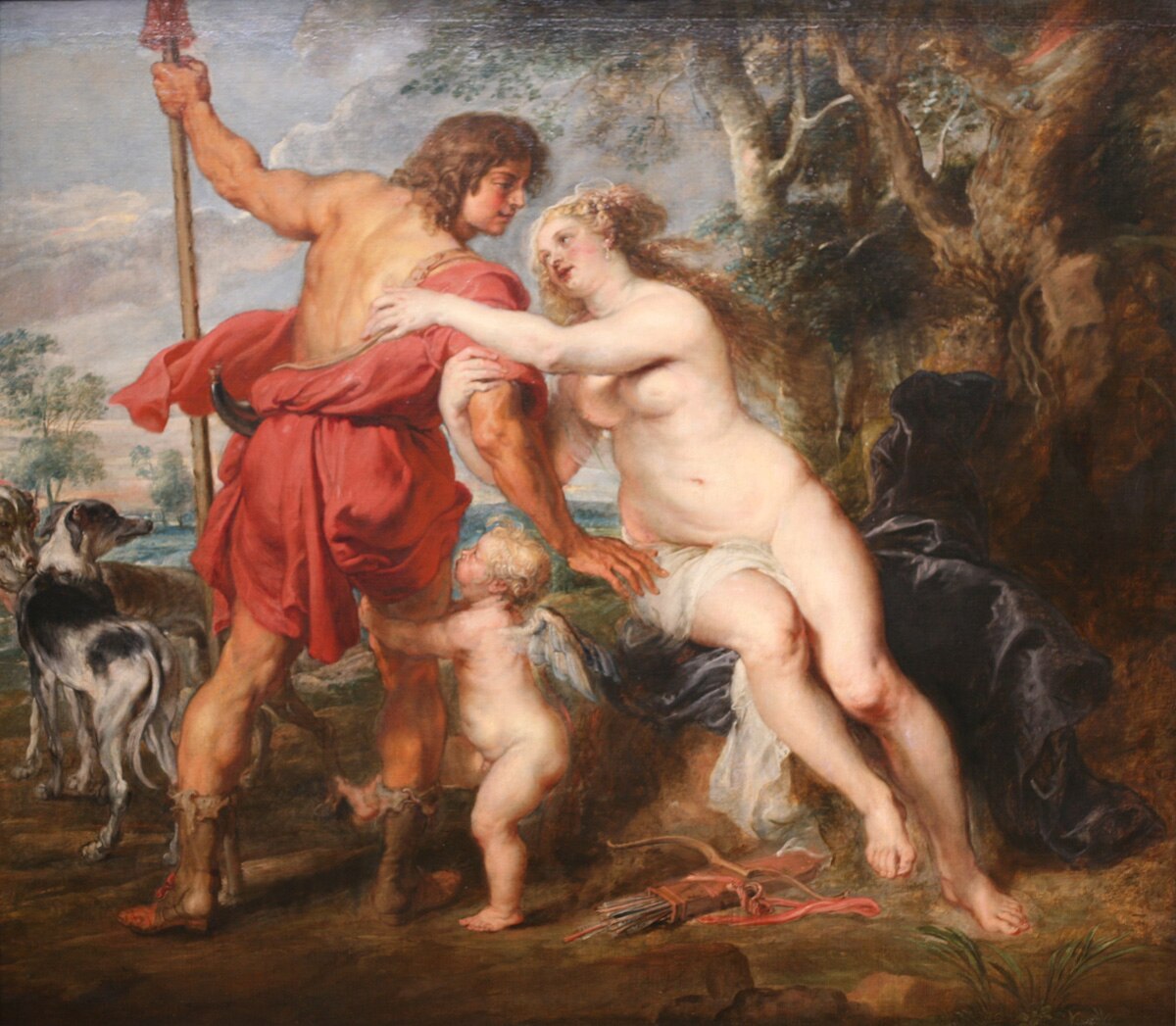
Njegova fascinacija klasičnom antikom — grčki ključ bordure, rimsko drapiranje, renesansna raskoš — davala je njegovom radu intelektualni temelj koji su kritičari često previđali iza sjaja. Nije bio samo dekorativan; vodio je istinski dijalog sa mediteranskom vizuelnom kulturom koja seže milenijumima unazad.
Oroton: Izum metalne mode
Oroton — metalna mreža njegovog sopstvenog izuma, sastavljena od sićušnih povezanih metalnih diskova — bio je možda njegov najznačajniji tehnički doprinos modi. Oblikovan u haljine koje prate telo i svetlucaju poput druge kože, oroton je transformisao nositeljku u živu skulpturu svetlosti i pokreta. Tkanina (ili anti-tkanina — zapravo je bila nosiva metalna obrada) bila je izuzetno teška za rad: teška, nemilosrdna i sposobna da proizvede efekte koje nijedan tekstil nije mogao da dostigne. Postala je Versaćeov zaštitni materijal, sinonim za glamur crvenog tepiha i kulturu slavnih.
Fabrika supermodela
Versaće je razumeo supermodel pre nego što je iko drugi shvatio taj koncept. Njegovo prijateljstvo sa Lindom Evangelistom, Naomi Kembel, Sindi Kroford, Kristi Terlington i Klaudijom Šifer — sve ih je oblačio, fotografisao i učinio globalno poznatim — stvorilo je kompleks slavnih i mode koji i dalje dominira industrijom. Kada su sinhronizovale usne na Džordža Majkla Freedom na njegovoj reviji 1991. godine, moda je definitivno ušla u pop kulturu.
Bio je prvi dizajner koji je plaćao modelima enormne honorare, razumejući da slava modela pojačava poželjnost odeće. Ovaj simbiotski odnos — dizajner stvara slavnu osobu, slavna osoba prodaje dizajnera — postao je obrazac za celokupnu luksuznu industriju.
Haljina sa zihernadlama
Haljina sa zihernadlama koju je Elizabet Harli nosila na premijeri filma Četiri venčanja i sahrana 1994. — crna Versaće haljina držana zajedno velikim zlatnim zihernadlama duž bočnih šavova, otkrivajući kožu od kuka do ramena — postala je jedna od najreproduciranijih modnih slika decenije. Harli je u to vreme bila relativno nepoznata; haljina ju je preko noći učinila globalnom slavnom osobom. Bio je to čin čiste provokacije isporučen kroz glamur crvenog tepiha, i demonstrirao je Versaćeov genije za kreiranje odevnih predmeta koji su istovremeno modni objekti i medijski događaji.
Koža, bondage i erotsko
Versaćeova spremnost da uključi elemente bondagea i fetiša u mejnstrim modu — kožne pojaseve, metalne zakovice, izložene rajsfešluse, namerno provokativne krojeve — bila je i komercijalno briljantna i kulturno značajna. Uzimao je subkulturne kodove i stavljao ih na supermodele, normalizujući vokabular želje koji je prethodno bio ograničen na andergraund scene. Njegov rad sa fotografom Ričardom Avedonom i kasnije Stivenom Majzelom proizveo je modne fotografije bez presedana u seksualnoj otvorenosti.
Ubistvo i nasleđe
Versaće je ubijen ispred svoje vile u Majami Biču 15. jula 1997. godine, u pedesetoj godini, od strane serijskog ubice Endrua Kunanana. Modni svet je žaleo javno i ekstravagantno — kao što bi on i želeo. Njegova sestra Donatela preuzela je kreativnu direkciju kuće i održala je njegovu viziju beskompromisnog glamura, nedavno oživljavajući njegove arhivske štampe i siluete sa savremenom energijom.
Njegovo nasleđe je celokupna kultura mode slavnih. Pre Versaćea, dizajneri su oblačili dame iz društva; posle Versaćea, oblačili su pop zvezde, glumce i sportiste. Crveni tepih, prvi red, reklamiranje od strane slavnih, ukrštanje mode i muzike — svi ovi kulturni fenomeni duguju svoje postojanje Đani Versaćeovom fundamentalnom uvidu da su moda i slava aspekti istog spektakla.