Pad Rima i novi vizuelni poredak
Pljačkanje Rima od strane Vizigota 410. godine naše ere i konačno svrgavanje poslednjeg zapadnog cara, Romula Augustula, 476. godine nije toliko ugasilo klasičnu civilizaciju koliko rasulo njene žeravice po kontinentu u prevratanju. Kasnoantički svet već je više od jednog veka prolazio kroz tihu revoluciju vizuelne kulture: samouverni naturalizam augustovske i Trajanske skulpture, sa svojom anatomskom preciznošću i prostornim iluzionizmom, ustupao je mesto stilu obeleženom frontalnošću, hijerarhijskom proporcijom i simboličkom apstrakcijom. Slavljeni Kolos Konstantina (oko 312—315), sa svojim ogromnim, ukopanim očima i kruto simetričnim crtama, objavio je u monumentalnoj formi da klasični ideal mimezisa — vernog oponašanja prirode — ustupa mesto novom skupu prioriteta. Umetnost više nije bila zadužena da slavi lepotu ljudskog tela ili opipljivog sveta; njoj je povereno da učini vidljivim nevidljive istine duha.
Ova transformacija nije bila, kako bi renesansni humanisti i kasniji prosvetiteljski kritičari tvrdili, opadanje ili gubitak veštine. Bila je to fundamentalna preorijentacija svrhe. Hrišćanski pogled na svet koji je došao da dominira kasnim Rimskim carstvom smatrao je da je materijalni svet pali, prolazan i potencijalno varljiv — veo preko večnih realnosti Boga, spasenja i prokletstva. Ako je svrha umetnosti da usmeri dušu ka nebu, onda je zavodljivi iluzionizam klasičnog slikarstva i skulpture mogao biti ne samo irelevantan već i duhovno opasan. Svesno spljoštavanje prostora, uvećavanje očiju radi sugerisanja duhovnog vida, korišćenje zlatnih pozadina da evociraju vanvremensko, onostrano carstvo — sve to nisu bili nedostaci tehnike, već trijumfi teološke namere. Kako je istoricar umetnosti Ernst Kicinger pokazao, kasnoantički i ranosrednjovekovni umetnici donosili su svesne odluke da podrede fizički izgled duhovnom značenju.
„Istorija srednjovekovne umetnosti nije istorija opadanja i oporavka klasične forme; to je istorija stvaranja nove forme adekvatne novom sadržaju.” — Mejer Šapiro
Novi vizuelni poredak koji je izronio iz ruševina Rima bio je izuzetno raznolik. Na istočnom Mediteranu, preživelo Vizantijsko carstvo sačuvalo je i transformisalo klasične tradicije u sofisticiranu dvorsku i crkvenu umetnost. Na Zapadu, susret rimske, hrišćanske i germanske vizuelne tradicije proizveo je hibridne forme zapanjujuće vitalnosti — od ornamenata prepleta hibernosaksonskih rukopisa do arhitektonske veličanstvenosti karolinških crkava. Širom islamskog sveta, koji se do osmog veka prostirao od Španije do Srednje Azije, potpuno drugačija estetska filozofija proizvodila je umetnost zadirajuće geometrijske složenosti i kaligrafske elegancije. Ono što je ujedinjavalo ove disparatne tradicije bilo je zajedničko uverenje da najviša svrha umetnosti nije da preslikava vidljivi svet, već da ukaže ka božanskom.
Milenijum između otprilike 400. i 1400. godine naše ere često se naziva Srednji vek, termin koji su skovali kasniji naučnici koji su videli ovo ogromno razdoblje kao puki prekid između klasične antike i njenog renesansnog oživljavanja. Ovo uokviravanje je duboko pogrešno. Srednjovekovni period proizveo je neka od najambicioznijih, tehnički najzahtevnijih i najdublje dirljivih umetničkih dela u ljudskoj istoriji — od treperavih mozaika Ravene do uznesenih svodova katedrale u Šartru, od draguljima sličnih stranica Knjige iz Kelsa do Đotovih revolucionarnih fresaka u Padovi. Proučavati srednjovekovnu umetnost znači susresti civilizaciju koja je kanalisala svoje najviše intelektualne i materijalne resurse u stvaranje sakralne lepote, i čineći to iskovala vizuelne jezike koji nastavljaju da oblikuju naš svet.
Ranohrišćanska umetnost
Najranija hrišćanska umetnost nastala je ne u veličanstvenim javnim spomenicima, već u senkama — doslovno pod zemljom, u katakombama Rima. Ove podzemne mreže grobnica, usečene u meki tuf izvan gradskih zidina, služile su kao komunalna groblja za rastuću hrišćansku zajednicu od drugog do četvrtog veka. Njihovi oslikani zidovi čine najstarije sačuvano telo hrišćanske vizuelne umetnosti i otkrivaju zajednicu uključenu u fascinantan proces ikonografske invencije. Bez uspostavljene tradicije sakralne ikonografije, ranohrišćanski umetnici slobodno su pozajmljivali iz klasičnog repertoara, preusmravajući poznate motive sa novim teološkim značenjima. Figura Orfeja koji očarava životinje svojom lirom postala je simbol Hrista koji sakuplja vernike; klasična figura orantkinje — osobe koja stoji podignuth ruku u molitvi — usvojena je kao slika duše u raju; a skromna figura mladog čoveka koji na ramenima nosi ovna, preuzeta iz grko-rimske pastoralne ikonografije, transformisana je u Dobrog pastira, jednu od najranijih i najtrajnijih reprezentacija Hrista.
Slike u katakombama skromne su po tehnici — brzo izvedene freske na grubom malteru — ali su teološki bogate. Scene iz Hebrejske Biblije preovlađuju u najranijim primerima: Jona i kit, Danilo u lavljoj jami, tri mladića u užarenoj peći i Nojeva barka. Ove slike nisu birane kao jednostavne narativne ilustracije, već kao tipološke prefiguracije hrišćanskog spasenja — priče o božanskom spasavanju koje su anticipirale konačno spasenje duše kroz Hristovu žrtvu. Hi-Ro monogram, formiran od prva dva grčka slova reči „Hristos”, pojavljivao se kao kompaktan simbol vere, često upisan unutar kruga ili venca da sugeriše pobedu i večnost. Do trećeg veka, eksplicitno hristološke scene — krštenje Hristovo, umnožavanje hlebova, vaskrsenje Lazarevo — počele su da se pojavljuju uz stariji tipološki repertoar, signalizirajući rastuće samopouzdanje zajednice koja se kretala od progona ka zvaničnom priznanju.
„Najraniji hrišćani nisu izmislili novu umetnost; govorili su novim jezikom sa starim vokabularom.” — Andre Grabar
Transformacija hrišćanske umetnosti iz tajne, katakomabske prakse u monumentalnu, carski sponzorisanu delatnost došla je sa Milanskim ediktom 313. godine naše ere, kada je car Konstantin legalizovao hrišćanstvo širom Rimskog carstva. Gotovo preko noći, vera je zahtevala zgrade dovoljno velike da prime čitave urbane kongregacije za kolektivno bogosluženje. Rešenje je bila bazilika, tip građevine pozajmljen ne iz paganske hramske arhitekture — koja je bila dizajnirana da ugosti kultnu statuu, a ne kongregaciju — već iz rimske civilne hale, velikog pravougaonog prostora podeljenog redovima stubova na centralni brod flankirani nižim bočnim brodovima, i zaključen polukružnom apsidom. Velike konstantinske bazilike — Stara bazilika Svetog Petra u Rimu (oko 320—327), Crkva Svetog groba u Jerusalimu i Lateranska bazilika — uspostavile su arhitektonski šablon koji bi dominirao zapadnom crkvenom gradnjom hiljadu godina. Njihovi dugi aksijalni planovi stvarali su snažnu prostornu naraciju, privlačeći pogled vernika — i telo — od ulaza ka oltaru i apsidi, gde su blistavi mozaici prikazivali Hrista u slavi.
Ranohrišćanski sarkofazi predstavljaju još jedno ključno poglavlje u razvoju hrišćanske vizuelne kulture. Imućni obraćenici naručivali su razrađene mermerne kovčege ukrašene gusto ispunjenim figuralnim reljefima, i ovi sarkofazi otkrivaju brzu evoluciju hrišćanske ikonografije u četvrtom veku. Slavljeni Sarkofag Junija Basa (359. naše ere), otkriven ispod Stare bazilike Svetog Petra, prikazuje biblijske scene u klasičnom arhitektonskom okviru stubova i zabata, njegove figure isklesane sa rezidualnim klasicizmom koji svedoči o trajnom prestižu grko-rimske skulptorske tradicije. Hristos se ovde pojavljuje kao mladolika, bezbrda figura — više Apolon nego bradati patrijarh kasnijeg kanona — ustoličen iznad personifikacije neba. Koegzistencija klasične forme i hrišćanskog sadržaja u delima poput ovog podseća nas da prelaz sa paganske na hrišćansku umetnost nije bio nagao prekid, već postepen, složen proces prevođenja i transformacije, koji se protezao duboko u peti i šesti vek.
Vizantijsko blistanje
Nijedna građevina u istoriji arhitekture ne otelotvorava ambicije čitave civilizacije potpunije od Aja Sofije — Crkve Svete mudrosti — podignute u Konstantinopolju između 532. i 537. pod pokroviteljstvom cara Justinijana I. Dizajnirana od strane matematičara-arhitekata Antemija iz Trala i Isidora iz Mileta, Aja Sofija postigla je ono što se smatralo strukturalno nemogućim: suspenziju ogromne kupole, prečnika približno 31 metar, iznad širokog pravougaonog prostora, oslonjelne ne na masivni doboš rimskog Panteona, već na revolucionarni sistem pandantiva — zakrivljenih trouglastih segmenata zidanja koji su prenosili težinu kupole na četiri ogromna pilona. Efekat je, kako je savremeni istoričar Prokopije izvestio, bio da kupola izgleda „ne kao da počiva na čvrstom zidanju, već kao da prekriva prostor svojom zlatnom kupolom obešenom sa neba”. Svetlost je prodirala kroz četrdeset prozora koji okružuju podnožje kupole, rastvarajući granicu između strukture i prostora, između materijalnog i božanskog.
„Činilo se kao da je sam svod nebeski pokrenut iznad crkve.” — Prokopije, O građevinama (oko 560. naše ere)
Enterier Aja Sofije uspostavio je estetske principe koji bi upravljali vizantijskom umetnošću gotovo čitav milenijum: dematerijalizaciju čvrstih površina kroz primenu mozaika, korišćenje zlata za stvaranje treperave, onostrane luminoznosti i orkestraciju svetlosti kao teološkog medija. Vizantijski mozaici građeni su od hiljada malih kockica zvanih tesere, napravljenih od obojenog stakla, kamena i — najprepoznatljivije — zlatnog listića sendvičovanog između slojeva stakla. Ove zlatne tesere postavljane su pod blago variirajućim uglovima tako da su hvatale i reflektovale svetlost u konstantno promenljivim obrascima, stvarajući površine koje su se činile kao da sjaje iznutra, a ne da prosto reflektuju spoljašnju iluminaciju. Efekat je bio nameran i duboko teološki: svetlost je, u vizantijskoj hrišćanskoj misli izvedenoj iz neoplatonske filozofije, shvatana kao vidljiva manifestacija božanske milosti, a mozaicima obloženi enterijer vizantijske crkve bio je dizajniran da funkcioniše kao slika samog neba.
Ikona — oslikani panel koji prikazuje Hrista, Bogorodicu ili sveca — postala je najintimnija i teološki najnabijenija forma vizantijske umetnosti. Za razliku od zapadnih devocionalnih slika, koje su generalno shvatane kao pomoćna sredstva za pamćenje i pobožnost, vizantijske ikone smatrane su učesnicama u svetoj stvarnosti koju prikazuju. Teološka doktrina ikone, razvijana tokom vekova intenzivne debate, smatrala je da poštovanje upućeno oslikanoj slici prolazi kroz sliku do svete osobe koja je predstavljena — suptilna ali kritična razlika od obožavanja same slike, koje bi predstavljalo idolatriju. Ova doktrina žestoko je osporavana tokom Ikonoklastičke kontroverze (oko 726—843), kada je niz vizantijskih careva, pod uticajem islamskih zabrana figuralnog prikazivanja i unutrašnjih teoloških struja, naredio uništavanje ikona širom carstva. Crkve su lišene svojih figuralnih mozaika; ikonopisna dela su spaljena; monasi koji su branili poštovanje ikona bili su progonjeni, proganjani, a u nekim slučajevima i mučeni. Konačni trijumf ikonodula — branilaca slika — na Drugom nikejskom saboru (787.) i definitivno 843. (slavljeno kao Trijumf pravoslavlja) uspostavio je teološku legitimnost sakralnih slika u istočnohrišćanskoj tradiciji i obezbedio opstanak i dalji razvoj jedne od velikih umetničkih tradicija sveta.
Justinijanovo pokroviteljstvo protezalo se daleko izvan Aja Sofije. Izuzetni mozaički programi u Crkvi San Vitale u Raveni (završena oko 547.) uključuju slavljene carske panele koji prikazuju Justinijana i njegovu caricu Teodoru sa svitama. Ovi mozaici su remek-dela vizantijskog hijeratskog stila: figure stoje u krutoj frontalnosti, stopalima koja lebde iznad tla umesto da počivaju na njemu, licima idealizovanim u maskolike simetrije, telima skrivenim ispod teških, draguljem inkrustiranih draperija dvorskog ceremonijala. Justinijan drži zlatnu patenu, Teodora zlatni putir — njihovi darovi crkvi povezuju carsku vlast sa liturgijskom funkcijom. Nema pejzaža, nema arhitektonskog okruženja, nema atmosferske perspektive — samo beskonačna zlatna pozadina večnosti. Ovo nisu portreti u bilo kom zapadnom smislu; to su ikone carske svetosti, slike dizajnirane da potvrde carevu ulogu kao Božjeg namesnika na zemlji i da sruše razliku između nebeskog i zemaljskog dvora.
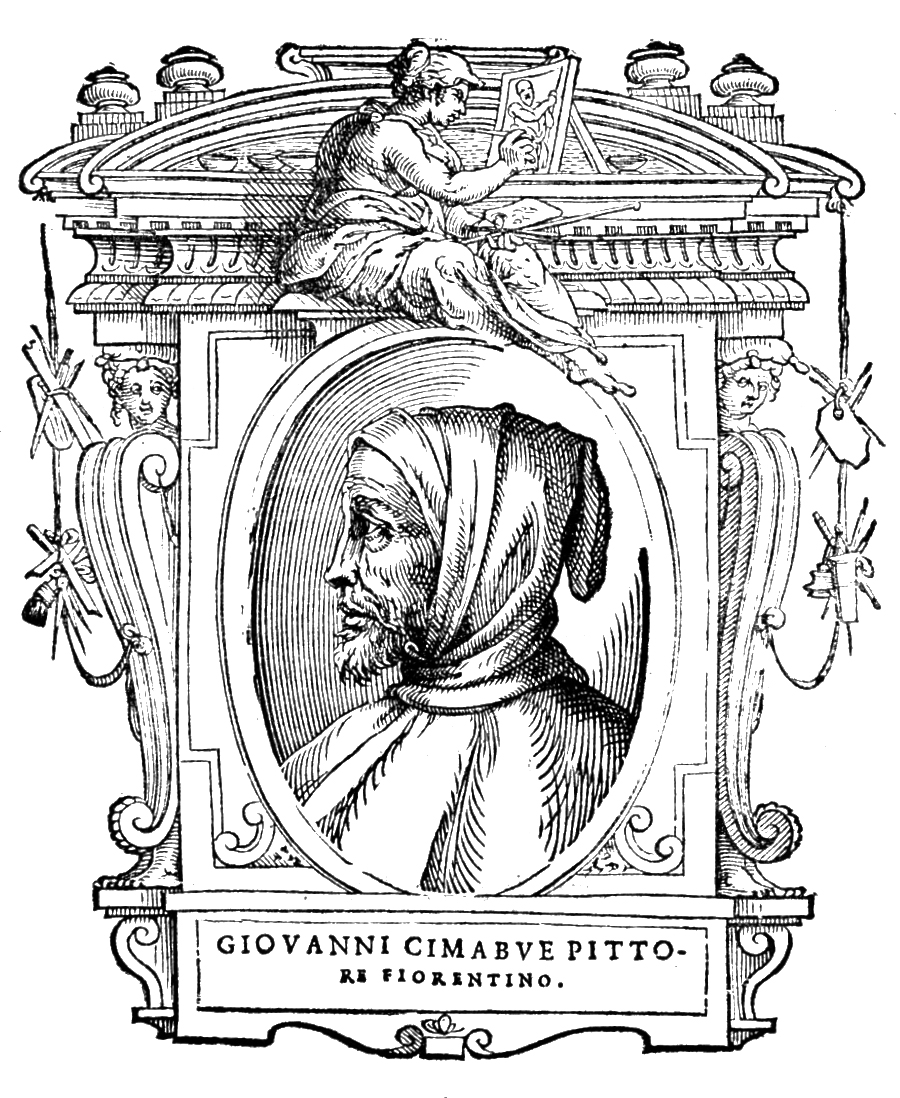
Vizantijska umetnost prolazila je kroz periodične preporode — najistaknutije Makedonsku renesansu desetog i jedanaestog veka i Paleološku renesansu trinaestog i četrnaestog veka — tokom kojih su se umetnici vraćali klasičnim modelima sa obnovljenim interesovanjem za naturalizam, pokret i emocionalni izraz. Mozaici i freske Crkve Hora (Karije džamija) u Konstantinopolju, datirani iz ranog četrnaestog veka, pokazuju savitljivost figure, složenost prostorne konstrukcije i intenzitet emocionalnog izraza koji paralelno prate — i možda su direktno uticali na — savremene razvoje u italijanskom slikarstvu. Vizantijska umetnost nikada nije bila statična, nepromenljiva tradicija kakvu su zapadni istoričari umetnosti nekada pretpostavljali; bila je živa tradicija sposobna za dubok unutrašnji razvoj, a njen uticaj širio se ka spolja širom srednjovekovnog sveta, oblikujući umetnost Rusije, Balkana, južne Italije i, kroz figure poput Đotovog verovatnog učitelja Čimabue, same izvore italijanske renesanse.
Umetnost islamskog sveta
U sedmom veku, pojava islama rodila je jednu od najobuhvatnijih i vizuelno najprepoznatljivijih umetničkih tradicija u ljudskoj istoriji. Protežući se konačno od Iberijskog poluostrva do Jugoistočne Azije, islamska umetnost razvila je estetske principe fundamentalno drugačije od onih hrišćanskog Zapada ili vizantijskog Istoka, ali ništa manje sofisticirane, ništa manje duhovno ambiciozne i ništa manje tehnički savršene. U njenom temelju ležao je složen i često pogrešno shvaćen odnos prema figuralnoj reprezentaciji. Sam Kur’an ne sadrži eksplicitnu zabranu prikazivanja živih bića; relevantne zabrane potiču prvenstveno iz hadisa — sakupljenih izreka i tradicija Poslanika Muhameda — koji upozoravaju protiv stvaranja slika koje bi mogle da se takmiče sa Božjom stvaralačkom moći ili da vode u idolatriju. U praksi, zabrana je primenjivana sa znatnom varijacijom: figuralna ikonografija bila je strogo isključena iz džamija i kur’anskih rukopisa, ali je cvetala u svetovnim kontekstima, naročito u persijskom, mogulskom i osmanskom miniaturnom slikarstvu, koje je proizvelo neku od najizvrsnije figurativne umetnosti srednjovekovnog i ranonovovrkovnog perioda.
Isključenje figuralne ikonografije iz sakralnih konteksta nije osiromašilo islamsku religijsku umetnost — oslobodilo ju je. Oslobođeni obaveze da prikazuju ljudsku formu, islamski umetnici kanalisali su svoje kreativne energije u tri velika domena nefiguralnog izraza: kaligrafiju, geometrijski obrazac i arabesku. Kaligrafija je zauzimala najviši status među islamskim umetnostima, jer je bila medij kroz koji je reč Božja — Kur’an — postajala vidljiva. Velika kaligrafska pisma — kufsko, sa svojom uglovitom veličanstvenošću, i kasnija kurzivna pisma poput nasih, sulus i nastalik — razvijana su sa strogošću i profinjenošću koja je uzdigla pisanje na nivo čiste vizuelne umetnosti. Natpisi iz Kur’ana, izvedeni u zlatu i lapis lazuliju na pergamentu ili urezani u kamen i štuko na zidovima džamija, služili su istovremeno kao dekoracija, pobožnost i deklaracija vere.
„Umetnost kaligrafije je geometrija duše izražena kroz telo.” — Euklid, kako je preneto u islamskoj estetskoj tradiciji
Geometrijski obrazac čini drugi veliki stub islamske vizuelne kulture. Islamski umetnici i matematičari — te dve uloge bile su često neodvojive — razvili su sisteme uzajamno uklopljenih geometrijskih oblika izuzetne složenosti, zasnovanih na podeli i rotaciji krugova, kvadrata, pettougaonika i šestougaonika. Ovi obrasci, koji se mogu beskonačno prostirati u bilo kom pravcu bez prekida, shvatani su kao vizuelne metafore za beskonačnu prirodu Božjeg stvaranja — beskrajno raznovrsni, a ipak ujedinjeni temeljnim matematičkim redom. Najsloženiji primeri, pronađeni u kermaičkim oblogama Alhambre u Granadi (četrnaesti vek) i svetilištima Isfahana i Samarkanda, anticipiraju za vekove matematičke koncepte simetrijskih grupa i teselacija koje na Zapadu ne bi bile formalno artikulisane do devetnaestog i dvadesetog veka. Arabeska — sinuozni, razgranati biljni ornament koji proliferiše po površinama u ritmičnim, samoregenerišućim obrascima — dodala je organsku kontratačku kristalnoj preciznosti geometrijskog dizajna, a interakcija između ta dva postala je jedno od definišućih obeležja islamske dekorativne umetnosti.
Džamijska arhitektura razvila je sopstveni prepoznatljivi vokabular formi. Najranije džamije, modelovane prema Poslanikovoj kući u Medini, bile su relativno jednostavne strukture organizovane oko centralnog dvorišta (sahn) sa natkrivenom molitvenom salom (haram) orijentisanom ka Meki. Vremenom su regionalne varijacije proizvele bogatu raznolikost arhitektonskih tipova: hipostilna džamija, sa šumom stubova koji podupiru ravan krov (na primer Velika džamija u Kordobi, započeta 784.); džamija sa četiri ivana u Iranu i Srednjoj Aziji, sa monumentalnim lučnim portalima koji se otvaraju na centralno dvorište; i kupolaste carske džamije osmanske tradicije, kulminirujući Sinanovom Selimija džamijom u Jedrenu (1568—1574), koja se takmičila sa Aja Sofijom u prostornoj ambiciji. Zajedničke svima bile su mihrab — niša koja označava pravac Meke — minber ili propovednička katedra i minaret, kula sa koje se oglašava poziv na molitvu. Dekoracija ovih prostora, postignuta rezbarenim štukom, glaziranom keramičkom pločicom (zelidž) i intarzijskim drvetom (mašrabija), transformisala je arhitektonske površine u treperave polja obrazaca i boja koja su rastvarala materijalnost zida i evocirala rajske vrtove opisane u Kur’anu.
Palata Alhambra u Granadi, izgrađena prevashodno pod nasridskom dinastijom u trinaestom i četrnaestom veku, predstavlja vrhunsku sintezu islamskih arhitektonskih i dekorativnih umetnosti u zapadnom islamskom svetu. Njena uzajamno povezana dvorišta — Dvorište lavova sa slavljenom fontanom koju nosi dvanaest mermernih lavova, Dvorište mirta sa odražavajućim bazenom — demonstriraju vladanje prostornom sekvencom, vodom, svetlošću i ornamentom kome malo šta ravno postoji u bilo kojoj arhitektonskoj tradiciji. Mukarnas svodovi Dvorane Abenseraha, sačinjeni od hiljada malih, fasetiranih ćelija koje fragmentiraju i umnožavaju svetlost poput geometrijskog kaleidoskopa, rastvaraju plafon u viziju nebeskog svoda, postižući kroz apstraktni ornament istu transcendenciju koju su vizantijski arhitekti ostvarivali mozaikom i zlatom. Alhambra stoji kao rečito svedočanstvo o izuzetnim visinama umetničkog dostignuća islamske civilizacije i kao podsetnik da je srednjovekovni svet obuhvatao daleko više od hrišćanskog Zapada.
Insularna i karolinška umetnost
Među najzapanjujućijim dostignućima ranosrednjovekovne umetnosti nalaze se iluminirani rukopisi nastali u manastirima Britanskih ostrva i Irske tokom sedmog i osmog veka, dela takve zamršene lepote i tehničke virtuoznosti da kao da pripadaju drugačijem redu stvaranja od grubog sveta koji ih je proizveo. Insularna umetnost — termin koji naučnici koriste za umetničku tradiciju zajedničku Irskoj, Škotskoj i nortumbrijanskoj Engleskoj — predstavlja jedinstvenu fuziju keltskih, germanskih i mediteranskih hrišćanskih elemenata, iskovanu u manastirskim skriptorijumima koji su služili kao intelektualne i umetničke centrale ranosrednjovekovnog Severa. Knjiga iz Kelsa (oko 800.), verovatno nastala u manastiru na ostrvu Iona pre nego što je preneta u Kels u Irskoj da bi se izbegla vikinška pustošenja, vrhunsko je remek-delo ove tradicije: njenih 680 stranica veluma sadrži četiri jevanđelja na latinskom, praćena gotovo halucinatornom rasipnošću ornamenta — spirala, prepleta, zoomorfnih oblika i ljudskih figura utkanih u kompozicije vrtoglave složenosti. Jedno jedino dekorirano početno slovo može sadržati stotine isprepletenih formi, svaka izvedena preciznošću za koju je moderna analiza pokazala da je zahtevala četke debljine jedne dlake.
Nešto ranija Linidisfarenška jevanđelja (oko 715—720), stvorena u manastiru na Lindisfarnu uz obalu Nortumbrije, pokazuju uporedivu majstoriju. Njihove slavne stranice ćilima — celostraničine kompozicije čistog ornamenta, tako nazvane zbog sličnosti sa tkanim tekstilima — konstruisane su od mreža prepleta toliko pravilnih i toliko gusto tkanih da su poređene sa kompjuterski generisanim dizajnima. Oblici ptica i životinja provučeni kroz ove preplete crpeni su iz ornamentike životinjskog stila germanske metalurgije, naročito tehnika kluazone emajla i filigrana pronađenih u blagima poput brodske sahrane iz Saton Hua (oko 625.). Ipak, ove paganske dekorativne tradicije potpuno su apsorbovane u hrišćanski okvir: stranice ćilima služe kao vizuelne meditacije, čiji beskrajni, petljajući obrasci sugerišu beskonačnu prirodu božanske istine, dok portreti jevanđelista koji prethode svakom jevanđelju crpe iz mediteranskih modela prenošenih putem kasnoantičkih rukopisa. Sinteza je besprekorna i duboko originalna.
„Knjiga iz Kelsa delo je anđela, ne ljudi.” — Džerald iz Velsa, Topographia Hibernica (oko 1185.)
Krunisanje Karla Velikog za cara Svetog rimskog carstva od strane pape Lava III na Božić 800. godine inaugurisalo je svesni program kulturne obnove koji istoričari nazivaju Karolinška renesansa. Karl Veliki i njegovi savetnici — naročito engleski naučnik Alkuin iz Jorka — nastojali su da ožive učenost, pismenost i umetničke standarde kasnog Rimskog carstva, a proizvodnja luksuznih iluminiranih rukopisa bila je centralna u ovom projektu. Skriptorijumi priključeni karolinškom dvoru i velikim manastirima poput Tura, Remsa i Ahena proizvodili su jevanđelja, psaltire i liturgijske tekstove izuzetne profinjenosti. Ada jevanđelja (oko 800.), nazvana po ženi za koju se veruje da je sestra Karla Velikog, primjer su karolinškog dvorskog stila u njegovom najimperijalnijerm obliku: njihovi portreti jevanđelista uramljeni su arhitektonskim bordlirama klasičnih stubova i lukova, figure prikazane sa čvrstinom i trodimenzionalnošću koja svesno priziva kasnoantičke modele. Karolinški minuskul, razvijen pod Alkuinovim rukovodstvom u Turu, postao je standardno knjižno pismo zapadne Evrope i direktni je predak malih slova koja se koriste u modernoj tipografiji.
Karolinška arhitektura bila je podjednako ambiciozna. Palatinska kapela Karla Velikog u Ahenu (posvećena 805.), dizajnirana od strane Odoa iz Meca, bila je direktno modelovana prema crkvi San Vitale iz šestog veka u Raveni — građevini koju je Karl Veliki dobro poznavao i iz koje je navodno uzeo stubove i mermere da opremi sopstvenu kapelu. Osmostrami plan, dvospratna arkada i raskošna upotreba mozaika i mermera — sve je to objavljivalo pretenziju Karla Velikog da je legitimni naslednik rimskih careva i vizantijskih vasilevsa. Ipak Palatinska kapela nije puka kopija; njene teže proporcije, naglašeniji vertikalni zamah i integracija u veći palacki kompleks daju joj izrazito severni karakter. Karolinška obnova — renovatio, kako su je savremenici nazivali — nikada nije bila jednostavno oponašanje antike; bila je kreativna reinterpretacija, selektivno prisvajanje klasičnih i ranohrišćanskih formi u službi nove političke i duhovne vizije. Kada se Karolinško carstvo fragmentiralo posle smrti Karla Velikog, umetničke tradicije koje je negovalo nastavile su da se razvijaju u otonskom periodu (deseti do jedanaestog veka), proizvodeći dela intenzivne duhovne moći poput Geroovog krstai (oko 970.), jedne od najranijih monumentalnih skulptura razapetog Hrista u zapadnoj umetnosti.
Romanika: Doba hodočašća
Jedanaesti i dvanaesti vek bili su svedoci izuzetnog zamaha građevinske delatnosti širom zapadne Evrope, potpomognutog ekonomskim oporavkom, rastom stanovništva, reformom Crkve i žarom Krstaških ratova i velikih hodočašća. Arhitektonski stil koji je nastao — retroaktivno nazvan romanika od strane naučnika devetnaestog veka zbog oslanjanja na polukružni luk i druge rimske strukturalne elemente — bio je prvi istinski panjevropski stil od antike, pojavljujući se sa regionalnim varijacijama od Španije do Skandinavije, od Sicilije do Škotske. Romaničke crkve građene su da traju: njihove definišuće odlike — debeli zidovi, masivni piloni, polukružni lukovi i bačvasti svodovi ili krstasti svodovi od kamena — davali su im izgled tvrđavske trajnosti koji je bio i strukturalno neophodan i simbolički prikladan. Bile su to građevine dizajnirane da zaštite vernike, da ugčeste dragocene relikvije i da stoje kao bedemi hrišćanske civilizacije protiv neizvesnog sveta.
Kultura hodočašća oblikovala je romaničku arhitekturu na duboke načine. Veliki hodočasnički putevi koji su presecali Evropu — vodeći ka Santjago de Komposteli u Španiji, Rimu, Jerusalimu i desetinama manjih svetilišta — generisali su mrežu crkava specifično dizajniranih da prime velike gomile putujućih vernika. Takozvani plan hodočasničke crkve, koji ilustruju Sen-Sernen u Tuluzu (započet oko 1080.) i sama Santjago de Kompostela (započeta 1075.), sadržao je krstoliki raspored sa širokim bočnim brodovima, prostranim transeptom, ambulatorijem — stazom koja se savija oko apside — i malim radijalno raspoređenim kapelama gde su relikvije mogle da se izlože i poštuju bez ometanja toka hodočasnika. Ovo je bila arhitektura kao upravljanje masom, ali i arhitektura kao duhovno putovanje: dugi brod, ritmična procesija lukova i kulminaciona vizija oltara i apside stvarali su prostorno iskustvo koje je preslikavalo fizički i duhovni prolaz hodočasnika ka svetom.
„Ko ne ide na hodočašće, malo čini, a ko ne poštuje svece, još manje.” — Vodič za hodočasnike u Santjago de Kompostelu (oko 1140.)
Upravo u portaclnoj skulpturi — klesanoj dekoraciji oko glavnih ulaza u romaničke crkve — period je postigao svoj najprepoznatljiviji i najsnažniji umetnički izraz. Timpanon, polukružno polje iznad vrata, postao je ono što su naučnici nazvali „teološki bilbord”: monumentalna slika, vidljiva svima koji su prilazili crkvi, koja je prenosila suštinske doktrine vere sa preovlađujućom vizuelnom silom. Timpanon Katedrale u Otenu (oko 1130.), klesan od strane vajara Žilbertusa (jednog od retkih srednjovekovnih umetnika koji je potpisao svoje delo), prikazuje Strašni sud sa zastrašujućom živošću: Hristos sedi ustoličen u mandorli u centru, spokojno predsedavajući razdvajanjem spasenih od prokletih, dok demoni čupaju duše grešnika i ogroman par ruku se spušta sa neba da istragne sićušnu figuru sa vage pravde. U Vezleju, timpanon narteksa (oko 1120—1132) prikazuje Misiju apostola, sa ogromnim, izduženim Hristom koji emituje zrake Svetog Duha ka apostolima, koji će nositi veru monstruoznim i egzotičnim narodima prikazanim duž nadvratnira. U Moasaku (oko 1115—1130), apokaliptična vizija Hrista u slavi, okruženog simbolima četiri jevanđeliste i dvadeset četiri starešine Apokalipse, postiže hijeratsku veličanstvenost koja se takmiči sa najfinijim vizantijskim mozaicima.
Romanička skulptura često se opisuje kao „antiklasična” — i zaista, njene izdužene proporcije, nepoštovanje anatomske tačnosti i podređivanje ljudske figure arhitektonskom uokviravanju i kompozicionom ritmu radikalno odstupaju od grko-rimskih normi. Ali ovo odstupanje bilo je svrsishodno. Distorzije romaničke skulpture — ogromne ruke Hrista u Otenu, vrtložne draperije koje kao da poseduju život nezavisan od tela koja pokrivaju, komprimovane i iskrivljene poze figura stisnutih u ograničenja kapitela i lučnih otvora — služe ekspresivnim i didaktičkim ciljevima. One prenose duhovna stanja — ekstazu, užas, božansku vlast — sa intenzitetom koji bi naturalističko prikazivanje moglo da oslabi. Svet romaničkog vajara bio je svet hitne moralne drame, u kojem je sudbina duše visila o koncu, a umetnost je kalibrirana da tu hitnost prenese svakom posmatraču koji prođe kroz crkvena vrata. Veliki romanički portali ostaju među emocionalno najsnažnijim delima monumentalne skulpture ikada stvorenim.
Gotička arhitektura i svetlost
Gotička revolucija nije počela sa velikim teoretskim manifestom, već sa građevinskim projektom: renoviranjem kraljevske opatijske crkve Sen-Deni, severno od Pariza, preduzetom između 1137. i 1144. pod rukovodstvom njenog ambicioznog opata, Sižea. Poverenik dva francuska kralja i jedan od najmoćnijih crkvenjaka svog doba, Siže je takođe bio duboko obrazovan teolog sa posebnom privrženošću spisima pripisanim Pseudo-Dionisiju Areopagitu, mističkom teologu iz petog veka koji je identifikovao Boga sa svetlošću i argumentovao da kontemplacija materijalne lepote — naročito luminozne lepote — može uzdići dušu ka božanskom. Sižeova renovacija Sen-Denija prevela je ovu teologiju svetlosti u arhitektonsku formu. Kombinujući šiljasti luk (koji je raspodeljivao strukturalna opterećenja efikasnije od polukružnog luka), rebrasti svod (koji je koncentrislao težinu svoda na vitke pilone umesto na debele zidove) i velike površine vitraža, Siže je stvorio hor koji je, činilo se, rastvorio granicu između čvrstog zidanja i obojene svetlosti. „Čitavo svetilište”, pisao je Siže, „prožeto je čudesnom i neprekidnom svetlošću koja ulazi kroz najsvetije prozore.”
„Tup um se uzdiže ka istini kroz ono što je materijalno. I, ugledavši ovu svetlost, vaskrsnut je iz svog ranijeg potonuća.” — Opat Siže, De Administratione (oko 1145.)
Strukturalni principi pionirski razvijeni u Sen-Deniju rapidno su razvijani i usavršavani od strane niza majstora graditelja koji su radili u Il-de-Fransu i okolnim regionima, proizvodeći velike francuske katedrale koje ostaju vrhunski spomenici gotičkog stila. Leteći potporanj — spoljašnji lučni oslonac koji je prenosio bočni potisak svoda daleko od gornjih zidova — bio je ključna inovacija koja je učinila ove građevine mogućim. Eksternalizoujući sistem strukturalne potpore, leteći potporanj oslobodio je zidove broda od njihove nosive funkcije, dozvolivši da budu otvoreni ogromnim prozorima. Rezultat je bila revolucija u odnosu između strukture i omotača: dok su romaničke crkve bile definisane masivnom čvrstinom svojih zidova, gotičke katedrale bile su definisane luminoznom transparentnošću svog stakla. U Katedrali u Šartru (ponovo izgrađenoj posle požara 1194., uglavnom dovršenoj do 1220.), brod se uzdiže do 37 metara, njegovi zidovi gotovo potpuno rastvoreni u vitraže — uključujući tri velika rozeta čije radijalne kompozicije draguljastog stakla funkcionišu kao kosmički dijagrami, slike božanskog reda koji zrači napolje od Hrista ili Bogorodice u centru.
Vitraži nisu bili samo dekorativni; bili su primarni slikovni medij gotičke katedrale, služeći istu didaktičku funkciju koju su mozaici služili u vizantijskim crkvama i portalna skulptura u romaničkim. Veliki prozori Šartra sadrže približno 2.000 kvadratnih metara srednjovekovnog stakla koji prikazuje biblijske naracije, živote svetaca, teološke alegorije i scene savremenog života — uključujući prikaze zanatija i cehova koji su poklonili prozore. Tehnologija vitraža — obojeno staklo isečeno u oblike, spojeno trakama olova (kamama) i postavljeno u gvozdene armature — proizvodila je efekat koji se ne može porediti ni sa jednim drugim umetničkim medijem: slike nisu viđene reflektovanom svetlošću, kako se vide slike, već propuštenom svetlošću, sijajući intenzitetom i zasićenošću boje koja je, činilo se, izvire iz samih figura. Za srednjovekovne posmatrače prožete pseudo-dionisijevskim izjednačavanjem svetlosti sa božanskom milošću, iskustvo stajanja u brodu Šartra, kupano kaskadama rubinske, safirne i smaragdne svetlosti, nije bilo samo estetsko već sakramentalno — predukus nebeskog Jerusalima opisanog u Otkrovenju Jovanovom, čiji su zidovi bili sazidani od dragog kamenja.
Gotički stil brzo se širio iz svog francuskog srca širom Evrope, prilagođavan u svakom regionu lokalnim tradicijama i materijalima. Engleska gotika razvila je prepoznatljiv naglasak na dužinu i horizontalno slojevitost, vidljive u izuzetnom brodu Katedrale u Solzberiju (započeta 1220.) i lepezastim svodovima kasnijeg Perpendikularnog stila. Nemačka gotika proizvela je uznesenu jednotoranjsku fasadu Frajburške katedrale i prostrane halske crkve (Hallenkirchen) kasnog srednjovekovnog perioda. Italijanska gotika, umerena trajnim uticajem klasične proporcije i preferencijom za fresku nad vitražom, proizvela je građevine poput Firentinske katedrale i Palazzo Publiko u Sijeni koje bi delovale strano nekom francuskom zidaru. Ipak, uprkos svoj regionalnoj raznolikosti, ove građevine delile su fundamentalnu gotičku aspiraciju: stvaranje unutrašnjih prostora koji bi, kroz manipulaciju strukturom, visinom i svetlošću, mogli da funkcionišu kao zemaljska anticipacija nebeskog grada. Gotička katedrala nije bila puka građevina; bila je Gesamtkunstverk — totalno delo umetnosti — integršući arhitekturu, skulpturu, staklo, metalski rad i liturgijski performans u jedinstveno iskustvo sakralnog prostora.
Gotičko slikarstvo i skulptura
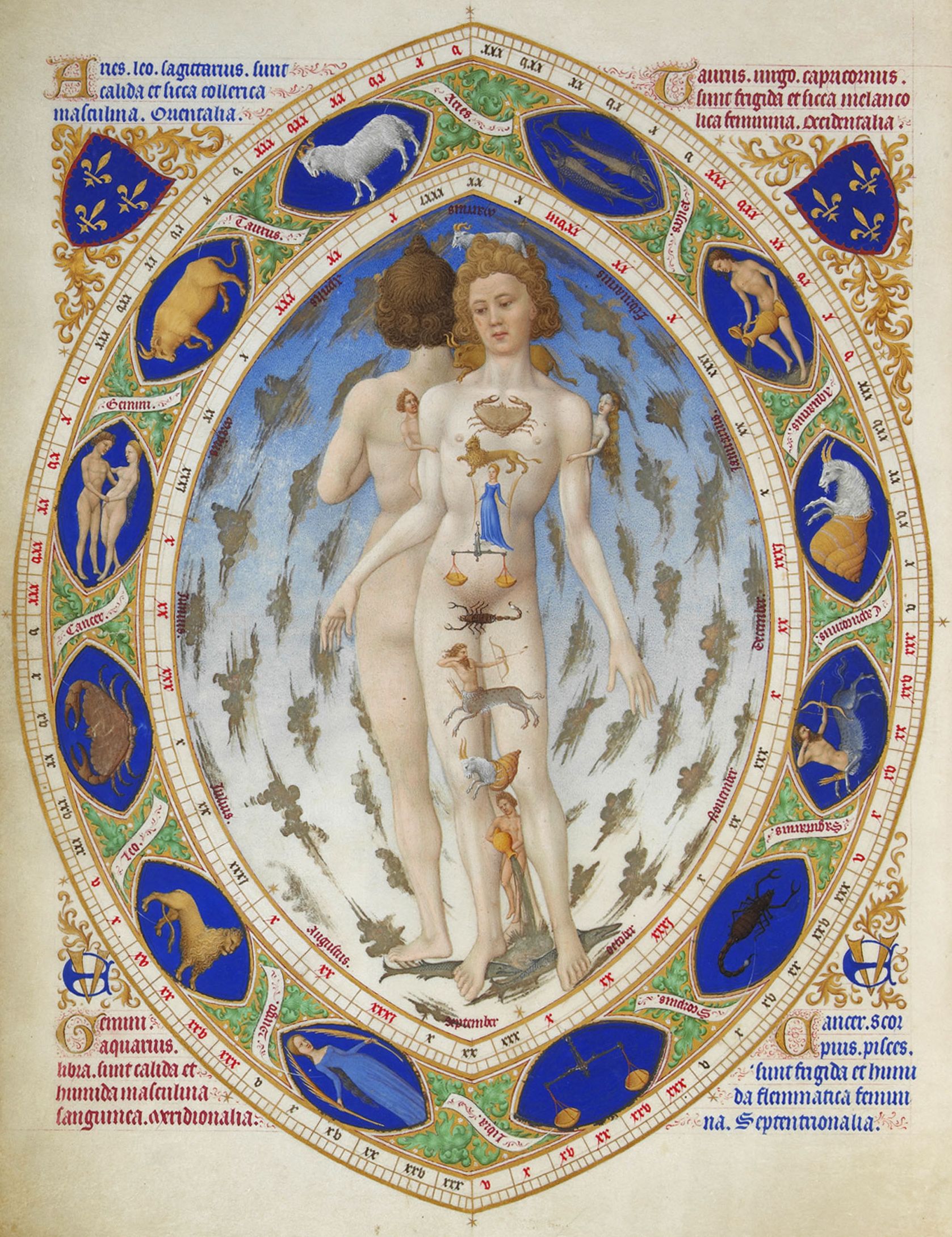
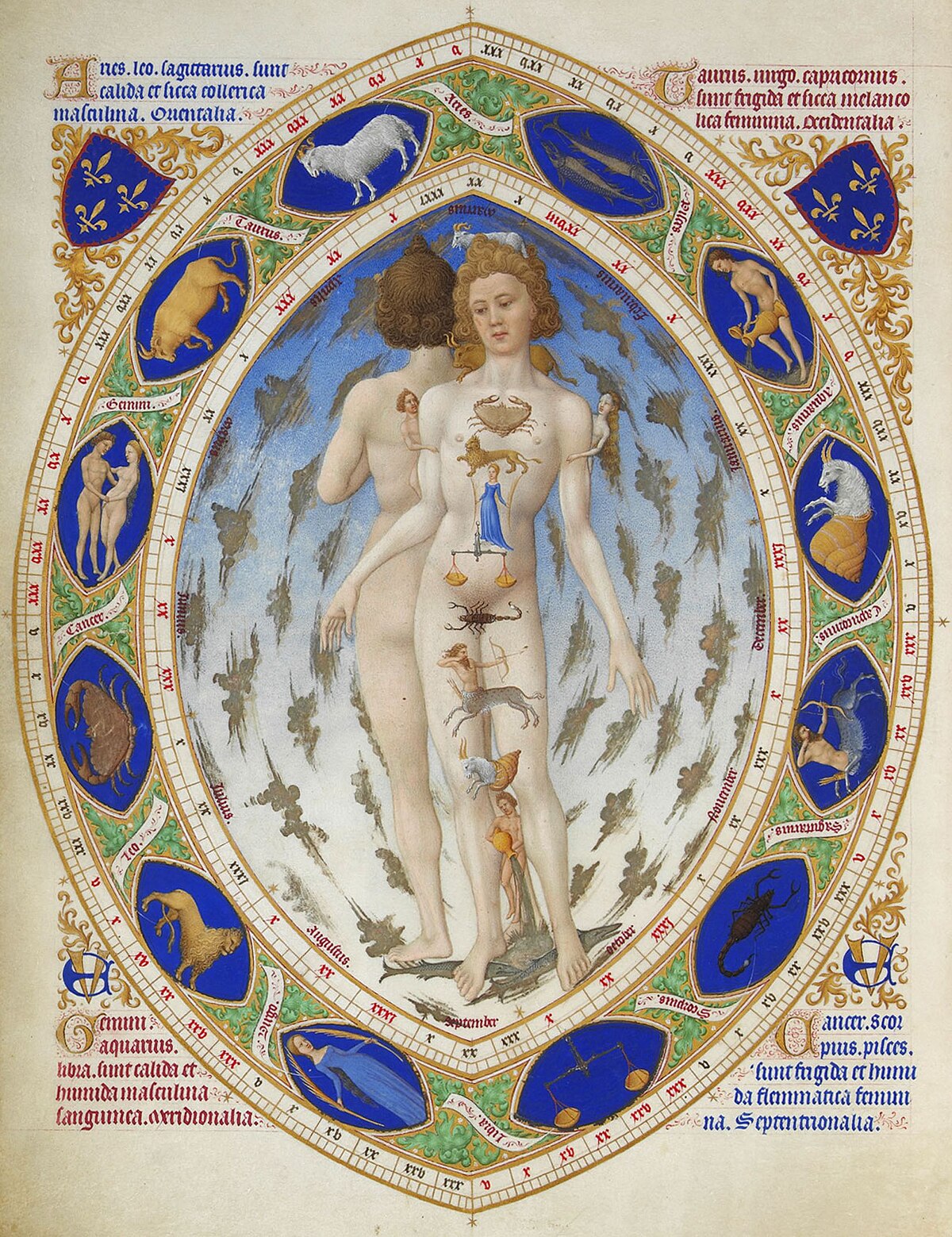
Dok je arhitektura dominirala gotičkim dostignućem, trinaesti i četrnaesti vek takođe su bili svedoci transformativnih razvoja u slikarstvu i skulpturi koji bi postavili temelje za renesansu. Iluminacija rukopisa dostigla je zenit u ovom periodu, jer se proizvodnja luksuznih knjiga proširila izvan manastirskih skriptorijuma na svetovne radionice koje su služile sve pismenijoj aristokratskoj i buržoaskoj klijenteli. Veoma bogate časoslovne molitve vojvode od Berija (oko 1412—1416), iluminirane od strane braće Limburg (Hermana, Pola i Žana) za jednog od najvećih kolekcionara umetnosti tog doba, predstavljaju vrhunac umetnosti: njihove slavljene kalendarske stranice prikazuju poslove i zadovoljstva svakog meseca na pozadini pažljivo posmatranih pejzaža, zamkova i neba, izvedenih sa minijaturističkom preciznošću i slikarskom senzitivnošću za svetlost, atmosferu i prostornu dubinu. Februarska stranica, sa njenim snegom prekrivenim selskim dvorištem i seljacima koji se greju pokraj vatre, postiže kvalitet naturalističkog posmatranja koji ne bi bio moguć — niti poželjan — dva veka ranije.
Gotička skulptura prolazila je kroz jednako dramatičnu evoluciju. Krute, hijeratske figure romaničkih portala ustupile su mesto skulpturama rastuće naturalizma, individualnosti i emocionalne izražajnosti. Jamb figure zapadnog portala Šartra (oko 1145—1155), mada još uvek stubaste i frontalne, pokazuju novi spokoj i klasično dostojanstvo; do vremena skulpturalnih programa Remsa (oko 1211—1290) i Naumburga (oko 1240—1260), gotički vajari postigli su nivo naturalističkog prikazivanja — u tretmanu draperije, izraza lica i telesnog stava — koji se takmičio sa najfinijom rimskom portretnom skulpturom. Slavna grupa Pohoda u Remsu, koja prikazuje susret Bogorodice i Svete Jelisavete, pokazuje figure drapirane u teške, klasično nadahnute odore koje otkrivaju tela ispod, njihova lica oživljena suptilnim izrazima prepoznavanja i radosti. Donatorski portreti u Naumburgu — naročito slavljene figure Ute i Ekeharda — poseduju takvu individualnost i psihološku prisutnost da deluju manje kao idealizovani srednjovekovni tipovi, a više kao specifična, posmatrana ljudska bića.
„Đoto je promenio umetnost slikarstva sa grčkog na latinski i doveo ga do modernog manira; i imao je najsavršeniju umetnost koju je iko ikada imao.” — Čenino Čenini, Il Libro dell’Arte (oko 1390.)
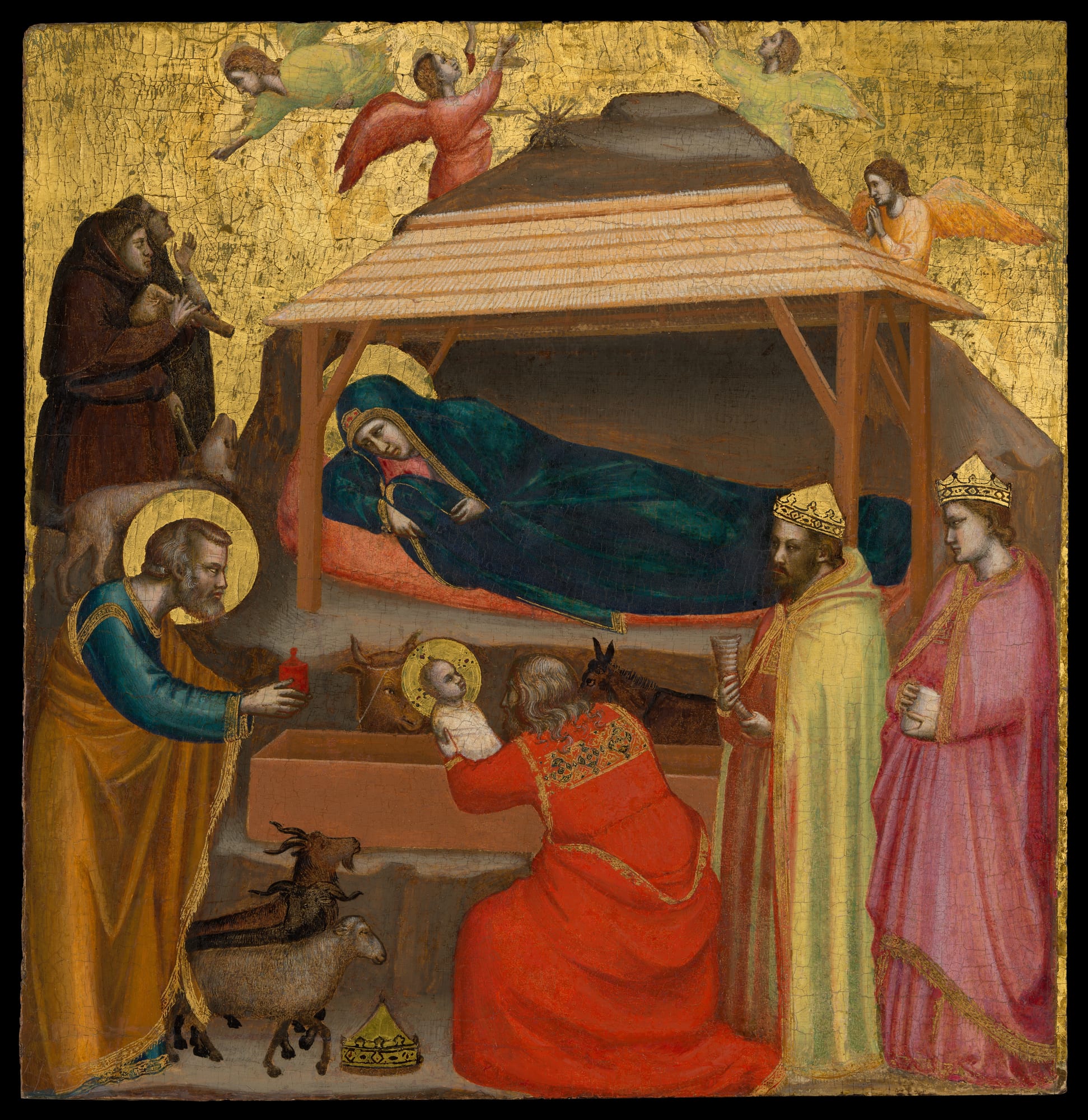
Najrevolucionarniji razvoj u gotičkom slikarstvu bilo je delo Đota di Bondonea (oko 1267—1337), firentinskog slikara čije freske u Arena kapeli (Cappella degli Scrovegni) u Padovi (oko 1305.) označavaju jednu od odlučujućih prekretnita u istoriji zapadne umetnosti. Školovan u italo-vizantijskoj tradiciji — verovatno u radionici Čimabuea, vodećeg firentinskog slikara prethodne generacije — Đoto je odlučno raskinuo sa konvencijama vizantijskog slikarstva. Dok su vizantijske i italo-vizantijske figure postojale u spljoštenom, nematerijalnom prostoru definisanom zlatnim pozadinama, Đotove figure zauzimaju plitku ali uverljivo trodimenzionalnu pozornicu, njihova teška, volumetrična tela modelovana svetlom i senkom (kijaroskuro) i raspoređena u koherentne prostorne odnose. Dok su vizantijska lica bila idealizovana u spokojne, maskolike simetrije, Đotova lica izražavaju raspon ljudskih emocija — tugu, bes, nežnost, kontemplaciju — sa intenzitetom i specifičnošću koji su bili potpuno novi. Oplakivanje nad mrtvim Hristom, sa svojim krugom tugujućih figura sagnutih nad beživotnim telom, anđelima koji se grče od bola na nebu iznad i golim, pustošenim pejzažem koji odjekuje emocionalnom pustoši scene, ostaje jedna od najdublje dirljivih slika u čitavoj umetnosti.
Đotova revolucija nije bila samo tehnička, već konceptualna. Vraćajući ljudsku figuru u uverljiv fizički prostor i investirajući je prepoznatljivom ljudskom emocijom, on je ponovo potvrdio dostojanstvo i realnost materijalnog sveta — sveta koji je milenijum hrišćanske umetnosti uglavnom tretirao kao senku duhovne istine. Njegova umetnost nije napustila sveto; freske Arena kapele su, na kraju krajeva, ciklus života Bogorodice i Hrista, zamišljen unutar potpuno hrišćanskog teološkog okvira. Ali one insistiraju da se sveto susreće u čoveku i kroz čoveka — kroz tugu majke, izdaju prijatelja, saosećanje učitelja. Ovo je bila radikalna preorijentacija, a njene implikacije razrađivane su tokom naredna dva veka od strane umetnika od Masača do Mikelanđela. Đotovi savremenici prepoznali su veličinu njegovog dostignuća: Dante ga je, u Čistilištu, postavio na vrh slikarstva, a Bokačo je izjavio da je „vratio na svetlo umetnost koja je vekovima bila sahranjena pod greškama onih koji su slikali više da obraduju oči neznalica nego da zadovolje intelekt mudrih”. Slikarstvo na dasci — slikanje na drvenim tablama pripremljenim sa gesom i često koristeći temperu (pigmente pomešane sa žumancem) — pojavilo se uz fresku kao značajan medij u ovom periodu, a Đotov uticaj može se pratiti kroz čitav naknadni razvoj italijanskog i evropskog slikarstva.
Pokroviteljstvo, cehovi i srednjovekovna radionica
Savremeni posmatrači, navikli da misle o umetnosti kao izrazu individualnog genija, često se bore da razumeju radikalno drugačije uslove pod kojima je srednjovekovna umetnost nastajala. Koncept umetnika kao autonomnog kreativnog pojedinca, slobodnog da sledi ličnu viziju i inspiraciju, izum je renesanse i postrenesanse; u srednjovekovnom svetu, tvorac slika, građevina i liturgijskih predmeta shvatan je kao zanatlija — vešt radnik koji je delovao unutar kolektivnog okvira obuke, tradicije i institucionalnog nadzora. Ogromna većina srednjovekovnih umetnika za nas su anonimni, njihova imena nezabeležena ni u jednom sačuvanom dokumentu. Ova anonimnost nije bila slučajna; odražavala je kulturu u kojoj je slava dela bila usmerena ka Bogu, a ne ka njegovom ljudskom tvorcu, i u kojoj je umetnička produkcija shvatana kao komunalna, a ne individualna delatnost.
Institucionalni okvir unutar kojeg je nastajala većina srednjovekovne umetnosti bio je ceh — profesionalno udruženje koje je regulisalo obuku, kontrolisalo kvalitet, određivalo cene i čuvalo ekonomske interese svojih članova. U velikim gradovima kasnog srednjovekovnog perioda — Firenci, Brižu, Parizu, Londonu — slikari, vajari, zlatari i drugi zanatlije bili su organizovani u cehove koji su funkcionisali i kao sindikati i kao regulatorna tela. Mladi aspirant stupao je u ceh kao šegrt, obično oko dvanaeste godine, i provodio nekoliko godina učeći tehničke osnove zanata u radionici majstora — mlevajući pigmente, pripremajući drvene table, mešajući malter i postepeno napredujući ka veštijim zadacima. Po završetku šegrtovanja, mladi zanatlija postajao je kalfa, sa pravom da radi za platu u bilo kojoj majstorovoj radionici; tek nakon izrade kvalifikacionog dela (remek-delo u izvornom, doslovnom smislu termina) i plaćanja propisanih naknada mogao je dostići rang majstora i otvoriti sopstvenu radionicu.
„Niko ne sme praktikovati zanat slikarstva u Firenci ukoliko nije upisan u ceh lekara i apotekara.” — Statuti firentinskog ceha, četrnaesti vek
Srednjovekovna radionica (ili botega, u italijanskoj upotrebi) bila je osnovna jedinica umetničke produkcije. Majstorova radionica bila je istovremeno atelje, škola, preduzeće i često domaćinstvo. Velike narudžbine — oltarsku sliku, ciklus fresaka, skulpturalni program — bile su kolaborativni poduhvati koji su uključivali majstora i više asistenata, od kojih je svaki doprinosio prema svom nivou veštine. Majstor je dizajnirao kompoziciju, slikao najvažnije figure (naročito lica i ruke) i nadgledao celokupno izvođenje; stariji asistenti slikali su sporedne figure i draperije; mlađi asistenti pripremali su materijale i ispunjavali pozadine. Rezultujuće delo shvatano je kao proizvod radionice, a ne bilo čije pojedinačne ruke, i koncept individualnog autorstva koji savremena istorija umetnosti uzima zdravo za gotovo bio je uglavnom irelevantan. Ovaj kolaborativni model proizvodio je dela izuzetne doslednosti i kvaliteta — mozaički programi vizantijskih crkava, skulpturalni portali gotičkih katedrala i ciklusi fresaka italijanskih crkava svi su bili radioničke produkcije, a njihova koherencija svedoči o efikasnosti sistema.
Pokroviteljstvo — naručivanje i finansiranje umetničkih dela — bilo je pretežno crkveno i aristokratsko u ranijim srednjovekovnim vekovima, postajući sve više buržoasko i građansko u kasnijem periodu. Crkva je bila dominantan patron tokom čitavog Srednjeg veka: pape, biskupi, opati i manastirske zajednice naručivali su ogromnu većinu arhitekture, slikarstva, skulpture i dekorativnih umetnosti koji čine srednjovekovno umetničko nasleđe. Kraljevsko i aristokratsko pokroviteljstvo takođe je bilo značajno, naročito za svetovne predmete poput nakita, tapiserija i iluminiranih rukopisa. Do četrnaestog veka, imućni trgovci, bankari i gradske uprave pojavili su se kao značajni pokrovitelji — razvoj koji ilustruje narudžbina porodice Skrovenji za Đotove freske u Arena kapeli, koje su delimično funkcionisale kao čin iskupljenja za porodično bogatstvo, stečeno kroz greh lihvarstva. Odnos između pokrovitelja i umetnika obično je bio uređen detaljnim pisanim ugovorom koji je precizirao temu, materijale (uključujući količinu i kvalitet zlatnog listića i skupih pigmenata poput ultramarina, napravljenog od mllevenog lapis lazulija), dimenzije, rok završetka i cenu. Ovi ugovori podsećaju nas da je srednjovekovna umetnost, uprkos svom duhovnom stremljenju, bila i komercijalna transakcija, ugrađena u ekonomske realnosti svog vremena.
Sumrak srednjeg veka
Četrnaesti vek, koji je započeo samouvšrenim dostignućima Đota i majstora graditelja velikih katedrala, završio se u katastrofi. Crna smrt — pandemija bubonske kuge koja je prošla Evropom između 1347. i 1351., ubivši procenjenu trećinu do polovinu stanovništva kontinenta — razorila je demografske, ekonomske i psihološke temelje srednjovekovne civilizacije. Njen uticaj na umetnost bio je dubok i višestruk. U neposrednoj posledici kuge, umetnička produkcija naglo je opala jer su radionice desetkovane, pokroviteljstvo se srušilo i čitave zajednice bile uništene. Kada se produkcija nastavila, umetnost koja je izronila često je nosila tragove traume. Slike smrti — danse makabr (ples smrti), memento mori, Trijumf smrti — proliferirale su u evropskoj umetnosti, odražavajući društvo nanovo i hitno preokupirano smrtnošću. Monumentalna freska Trijumfa smrti u Kamposantu u Pizi (oko 1336—1341, mada ponekad datirana nakon kuge) prikazuje smrt kao zastrašujuću krilatu figuru koja se obrušava na grupu elegantno odevenih mladića, dok leševi u raznim fazama raspadanja prekrivaju prednji plan — vizija univerzalne smrtnosti koja bi odjeknula sa razarajućom snagom u kugom pustošenom svetu.
Postmoračke decenije takođe su bile svedoci složenog i ponekad protivrečnog umetničkog odgovora. Neki naučnici, naročito Milard Mis u svojoj uticajnoj studiji Slikarstvo u Firenci i Sijeni posle Crne smrti (1951.), argumentovali su da je kuga isprovocirala konzervativnu reakciju u italijanskom slikarstvu — povlačenje od Đotovog naturalizma ka starijim, hijeratskijim i otvorjenije devocionalnim modovima reprezentacije, dok je traumatizovano društvo tražilo utehu u tradicionalnoj pobožnosti. Mada je Misova teza značajno revidirana i nijansirana naknadnom naučnom literaturom, šire zapažanje da je kuga poremetila glatku trajektoriju umetničkog razvoja ostaje važeće. Generacija slikara koji su sledili Đota — umetnici poput Tadea Gadija, Bernarda Dadija i Andree Orkanje — proizvodila je rad koji, mada tehnički izvrstan, često nema inovativnu snagu njihovog prethodnika, kao da je samouvereni humanizam koji je oživljavao Đotovu viziju bio ukroćen preovlađujućim dokazom ljudske krhkosti.
„Zvona nisu zvonila i niko nije plakao ma kakav mu bio gubitak, jer su gotovo svi očekivali smrt. I ljudi su govorili i verovali: ‘Ovo je kraj sveta.’” — Anjolo di Tura, sijenski hroničar, o Crnoj smrti (1348.)
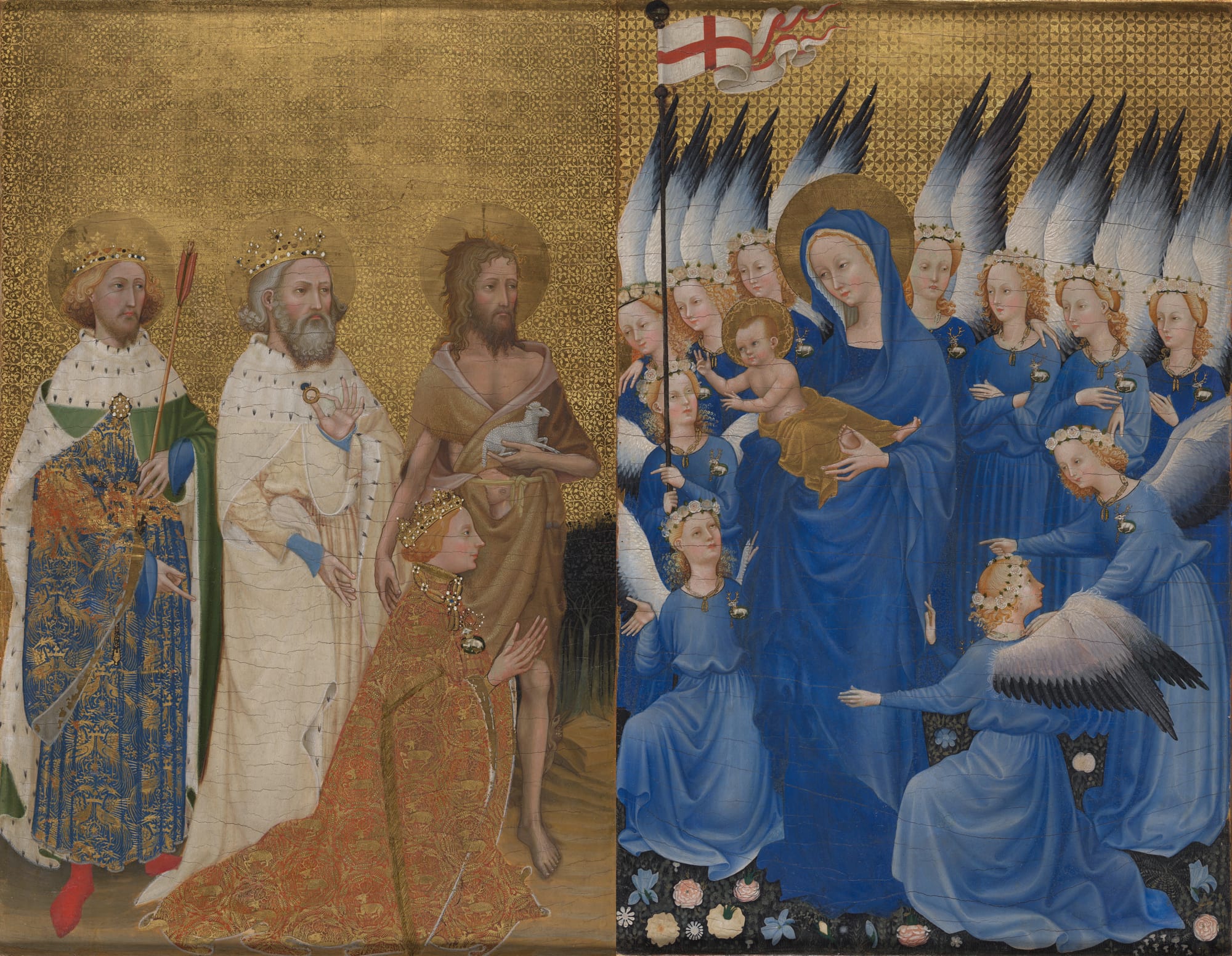
Ipak, kasni četrnaesti i rani petnaesti vek takođe su proizveli umetnost izuzetne profinjenosti i lepote. Internacionalni gotički stil, koji je cvetao širom Evrope od otprilike 1370. do 1430., predstavljao je kosmopolitsku sintezu francuskih, italijanskih i holandskih elemenata, obeleženu sinuoznim, tečnim linijama, draguljastom bojom, minucioznom pažnjom posvećenom površinskom detalju i ukusom za dvorsku eleganciju i aristokratsku raskoš. Sam internacionalizam stila — njegovi praktičari uključivali su umetnike iz Češke, Burgundije, Lombardije i Rajnske oblasti, a njegovi pokrovitelji bili su međusobno povezani dvorovi kasnosrednjovenkovne Evrope — svedočio je o kulturnom jedinstvu evropske elite čak i dok su se političke strukture srednjovekovnog sveta fragmentirale. Veoma bogate časoslovne molitve, ranije razmatrane, vrhunsko su remek-delo Internacionalnog gotičkog stila; ali stil je takođe proizveo izvanredni Viltonski diptih (oko 1395—1399), koji prikazuje engleskog kralja Ričarda II kako ga njegovi zaštitnici sveci predstavljaju Bogorodici s Hristom, figure izvedene sa eteričnom delikatnošću na pozadini obrađenoj zlatom, posutoj Ričardovim ličnim grbom belog jelena.
Internacionalni gotički stil nosio je u sebi klice sopstvenog prevazilaženja. Njegova pažnja posvećena posmatranom detalju — brižljivo prikazivanje biljaka, životinja, tkanina i atmosferskih efekata u delima poput Veoma bogatih časoslovnih molitvi — ukazivala je ka empirijskom naturalizmu koji bi definisao umetnost petnaestog veka. U Holandiji, internacionalna gotička tradicija besprekorno je evoluirala u revolucionarno uljano slikarstvo Jana van Ajka i Roberta Kampena, čije je minuciozno posmatranje vidljivog sveta — igra svetlosti na poliranim površinama, tekstura krzna i somota, dubina pejzaža viđenog kroz otvoreni prozor — predstavljalo revoluciju u viđenju ništa manje značajnu od Đotove. U Italiji, Đotov primer preuzet je i proširen od strane Masača, čije su freske u Branačijevoj kapeli (oko 1424—1427) primenile novotonkrivene principe linearne perspektive da stvore prostore bez presedana po dubini i uverljivosti. Srednjovekovni svet nije završio oštrim prelomom; evoluirao je, postepeno i neravnomerno, u nešto novo. Umetnost kasnog Srednjeg veka — suspendovana između sakralnog i svetovnog, između tradicije i inovacije, između privlačnosti neba i mamljenja vidljivog sveta — otelotvorava ovu transformaciju sa bogatstvom i složenošću koja nagrađuje beskrajno proučavanje. Kako je holandski istoričar Johan Hajzinga argumentovao u svom klasiku Jesen Srednjeg veka (1919.), finalna faza srednjovekovne civilizacije nije bila jednostavan pad, već „prezrelost” — kultura koja je dostigla svoj najpotpuniji izraz i, čineći to, pripremila tlo za novi svet koji bi izrastao iz njenog raspadanja.