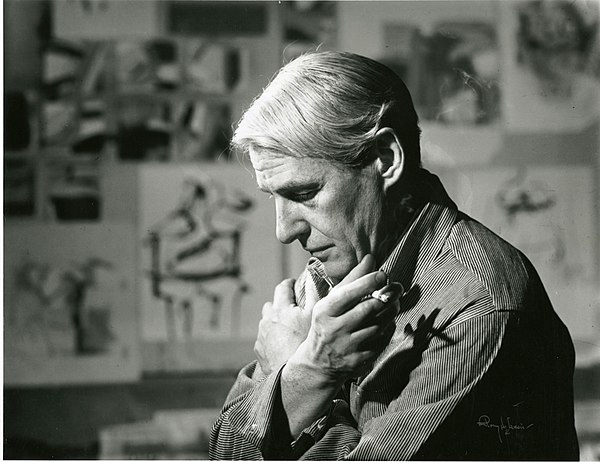
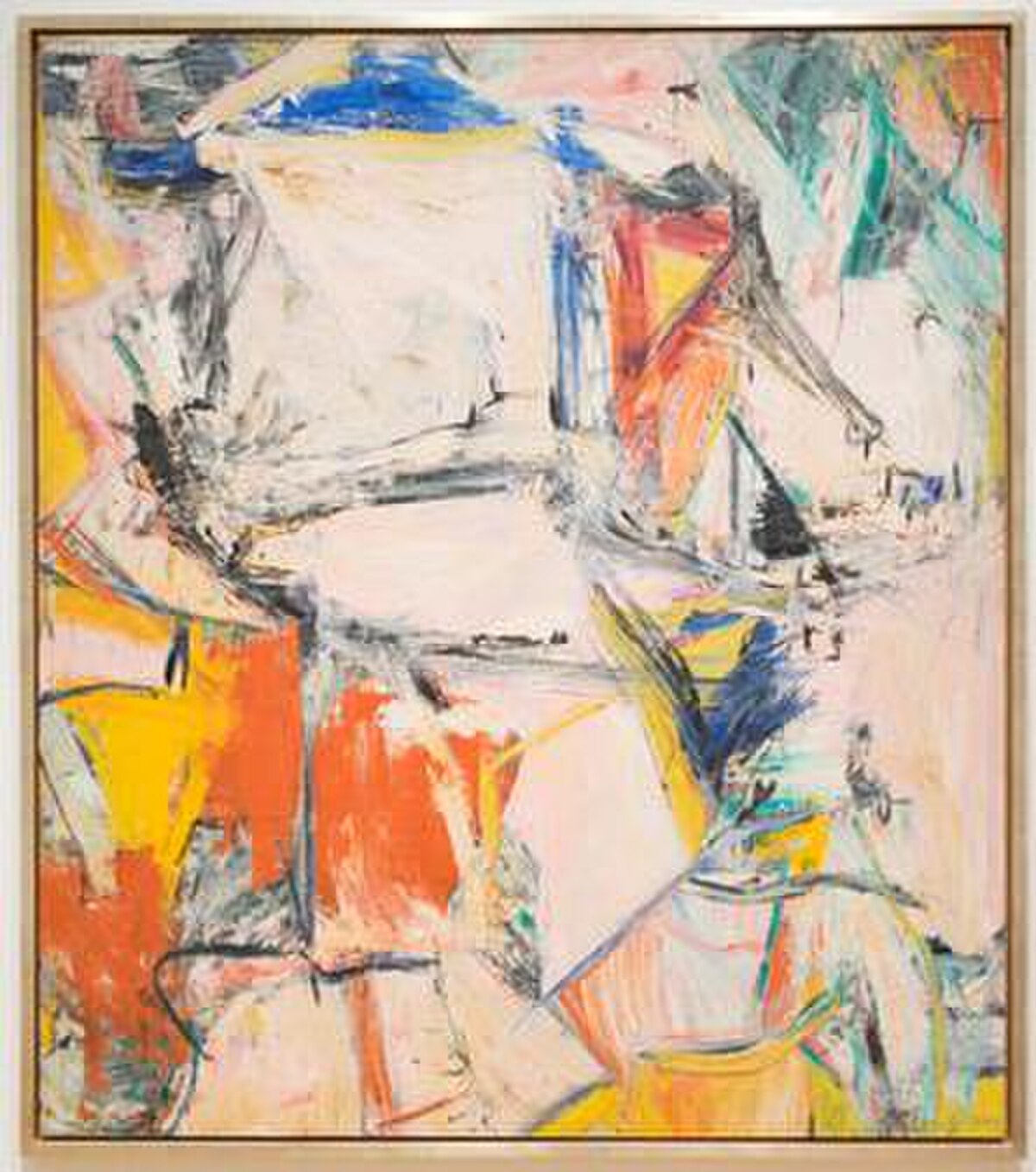
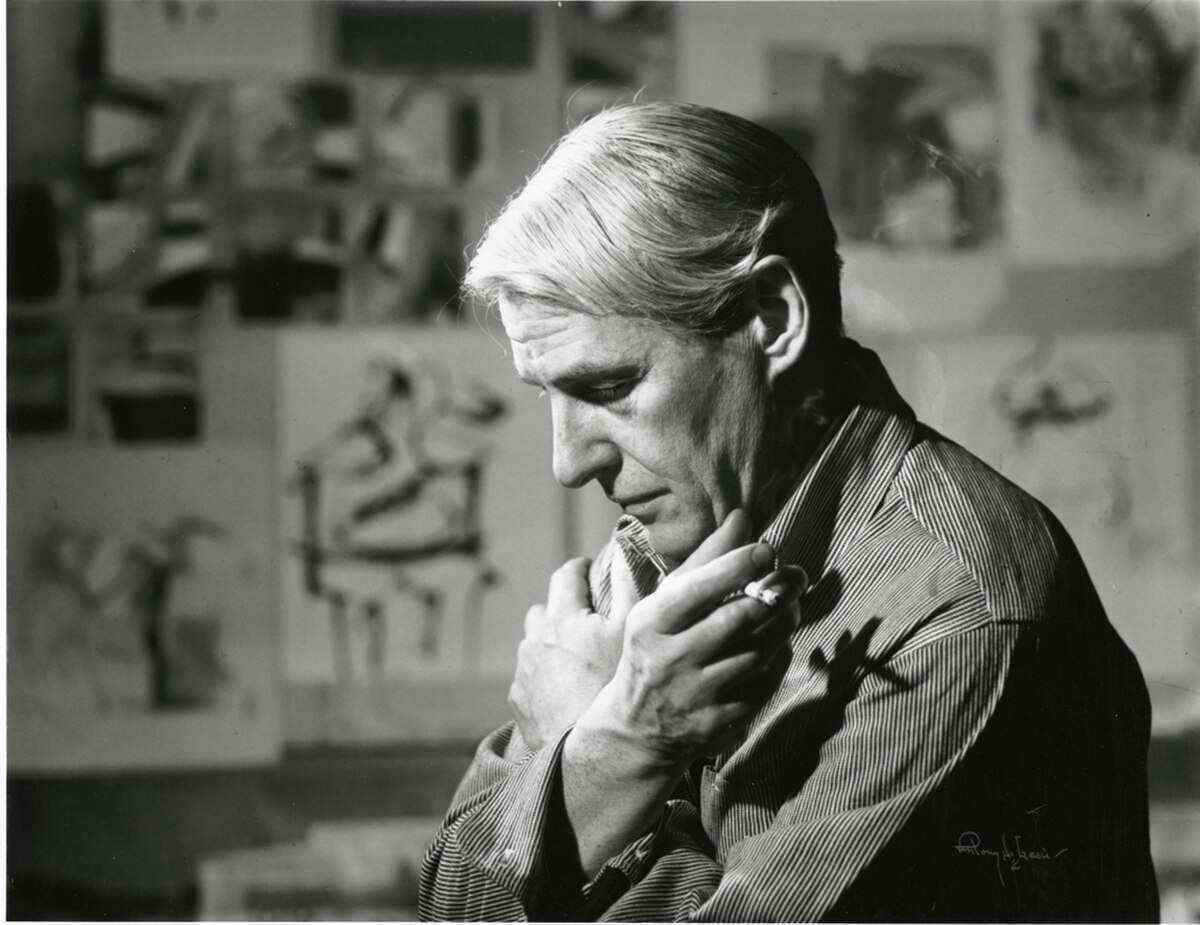
Vilem de Kuning rođen je 1904. u Roterdamu, školovao se na Roterdamskoj akademiji likovnih umetnosti i tehnika, i kao slepac na brodu stigao u Sjedinjene Države 1926, da bi se na kraju nastanio u Njujorku, gde je postao jedna od centralnih figura apstraktnog ekspresionizma. Dok je Polok izlivao, a Rotko lebdeo, De Kuning je napadao platno sekućim, agresivnim potezima četke koji su bili istovremeno nasilni i izuzetno kontrolisani, nemirno se krećući između apstrakcije i figuracije tokom čitave karijere.
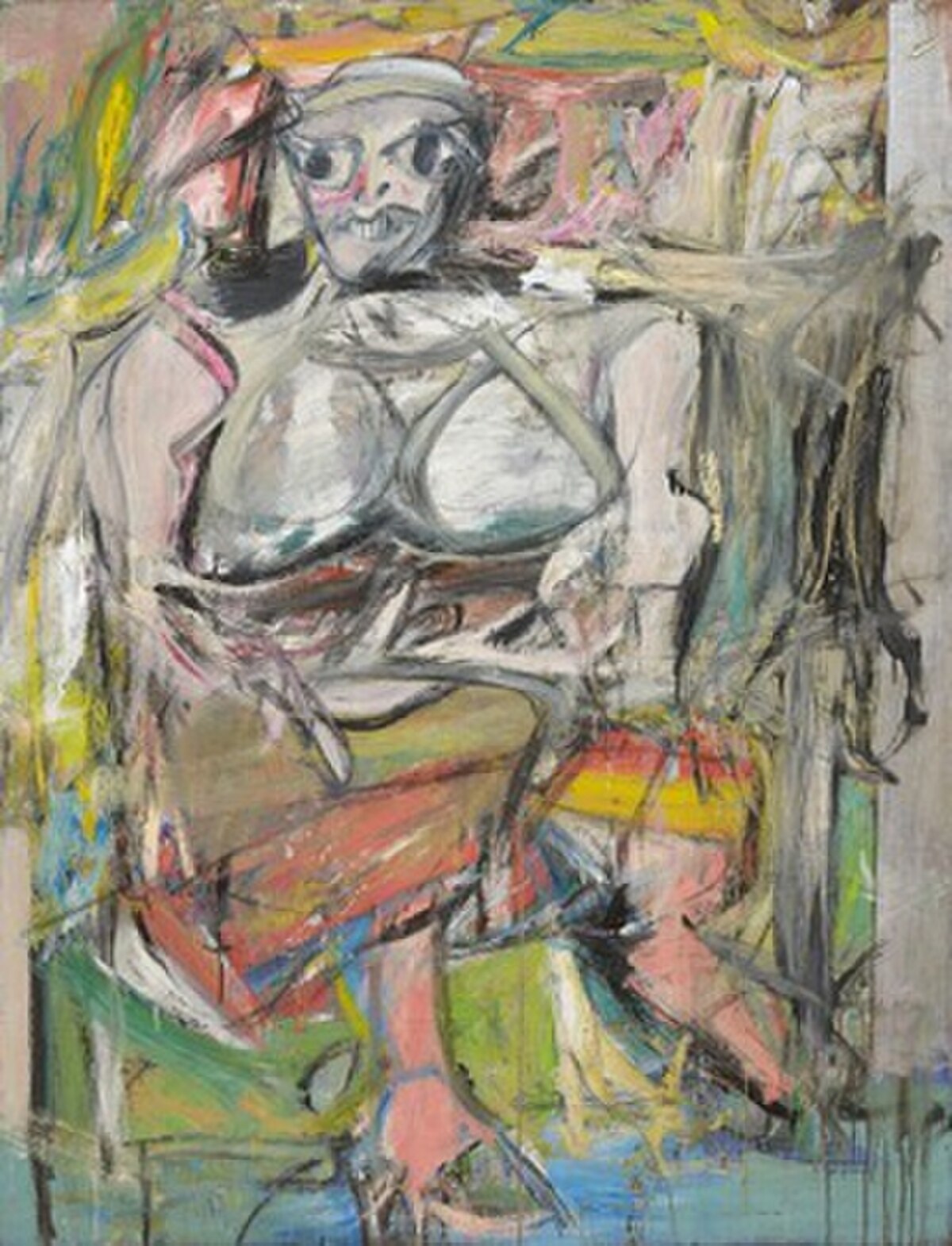
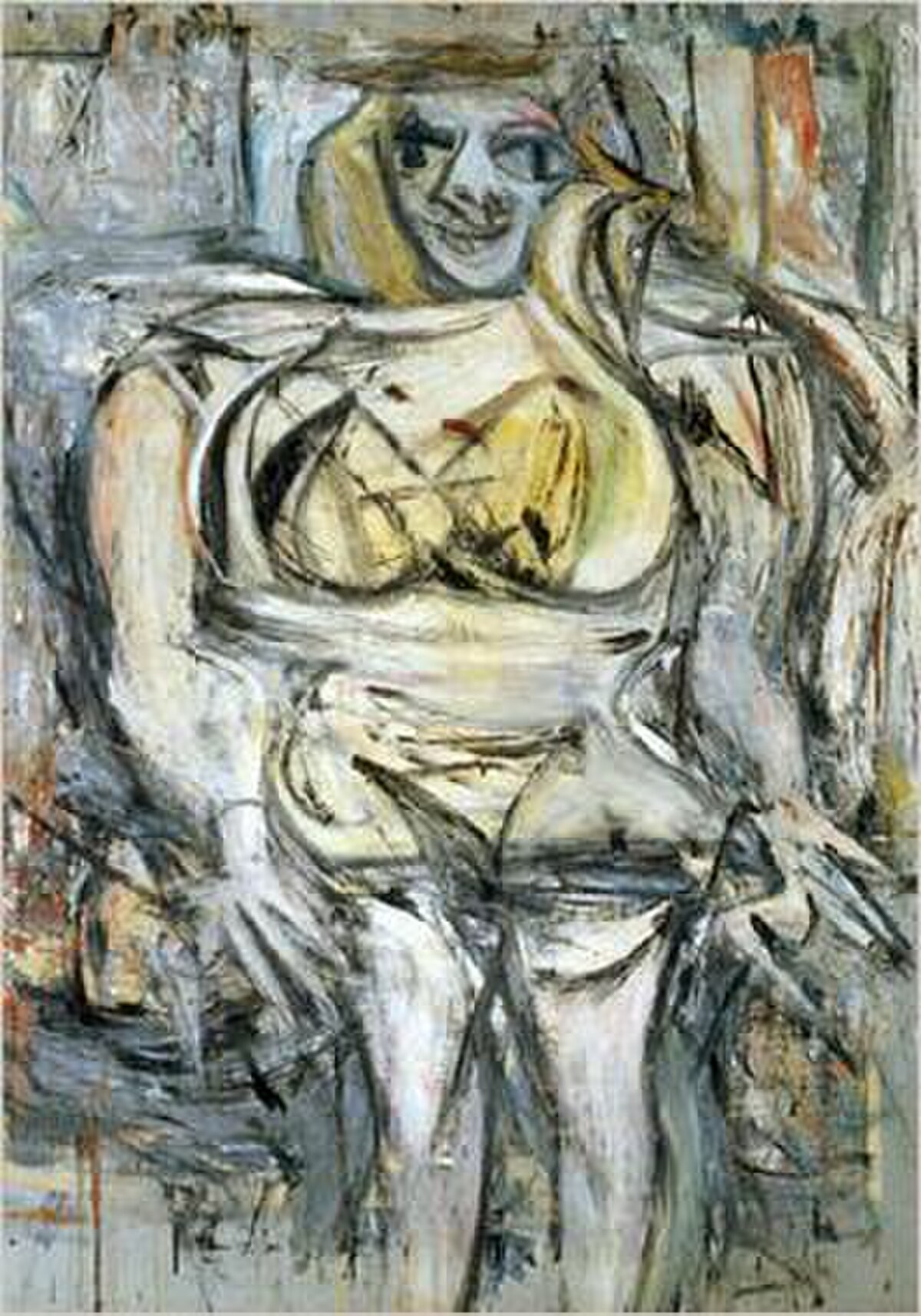
Njegova serija Woman (1950–1953), posebno Woman I, izazvala je kontroverzu unutar kruga apstraktnih ekspresionista: u vreme kada se apstrakcija smatrala neizbežnom sudbinom slikarstva, De Kuning je prkosno ponovo uveo figuru — ali figuru raskomadanu i ponovo sastavljenu sa divljom energijom, koja se ceri kombinacijom erotizma i pretnje. Excavation (1950), nasuprot tome, gusto je slojevita, celovita apstrakcija isprepletenih biomorfnih formi koja se ubraja među najveća dostignuća Njujorške škole.
Kasniji rad De Kuninga — sve luminoznije i fluidnije slike apstraktnih pejzaža inspirisanih Long Ajlendom — pokazao je da je njegova virtuoznost bila neokrnjena čak i kako je stario. Nastavio je da slika do kasnih osamdesetih, do kada je Alchajmerova bolest već zahvatala njegovo pamćenje, a spokojni, ogoljeni radovi tog poslednjeg perioda bili su i slavljeni zbog svoje lepote i osporavani u pogledu autorstva. Umro je 1997. u devedeset drugoj godini, poslednji preživeli iz velike generacije apstraktnih ekspresionista.