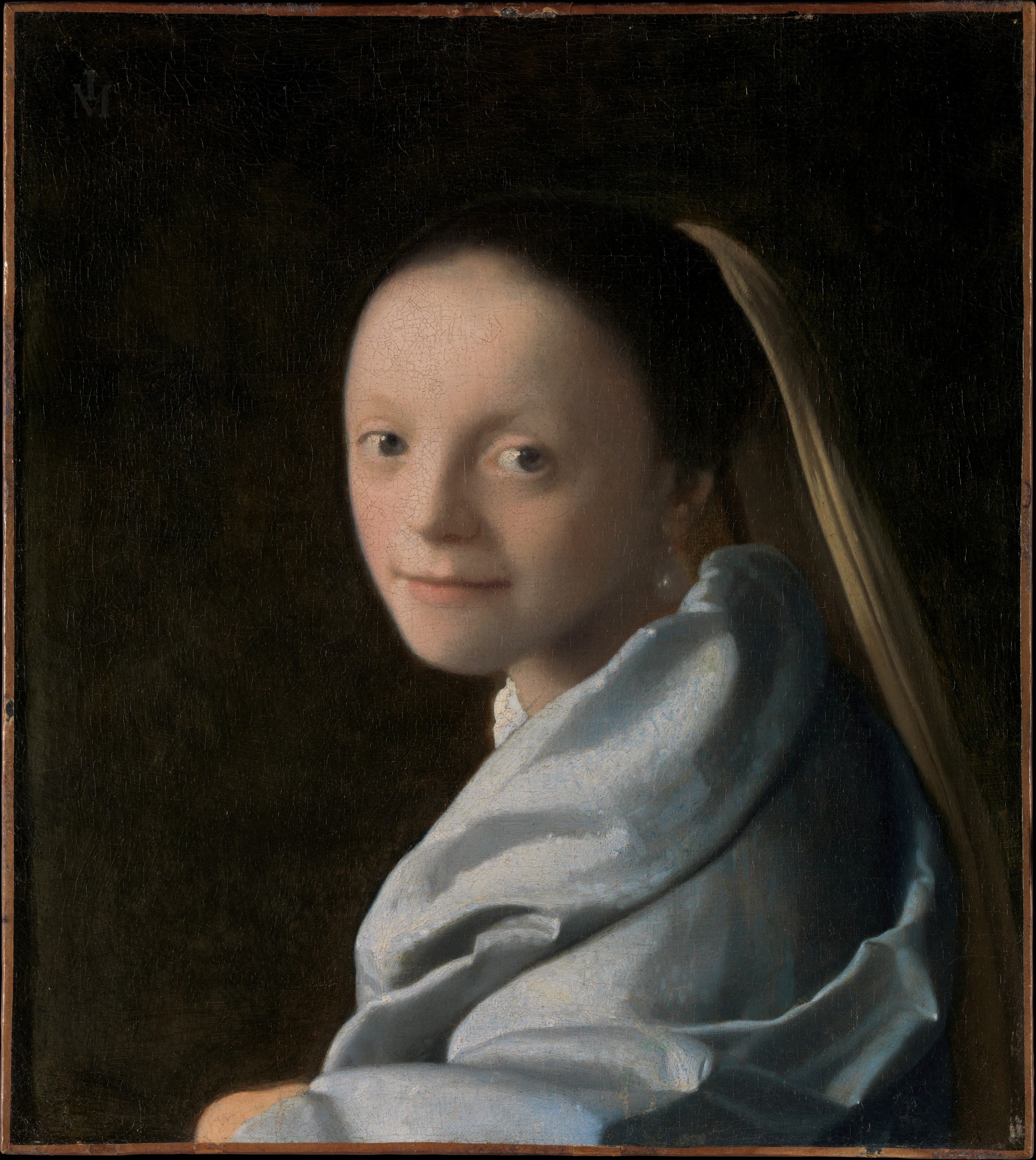
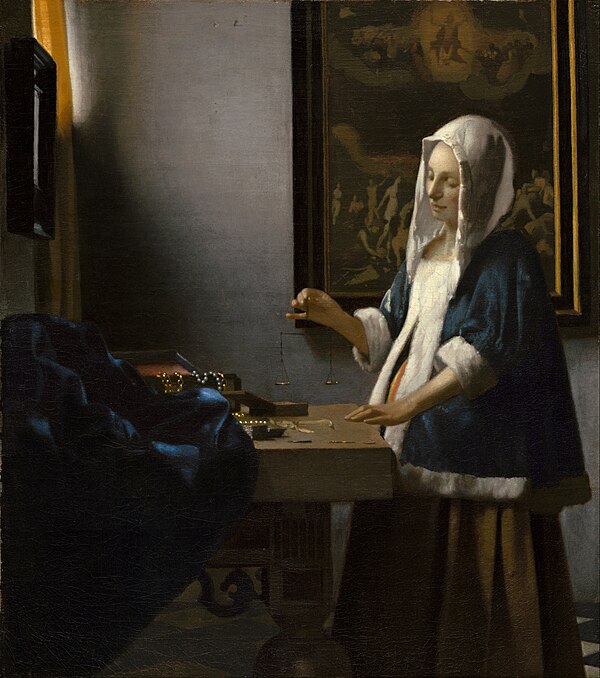
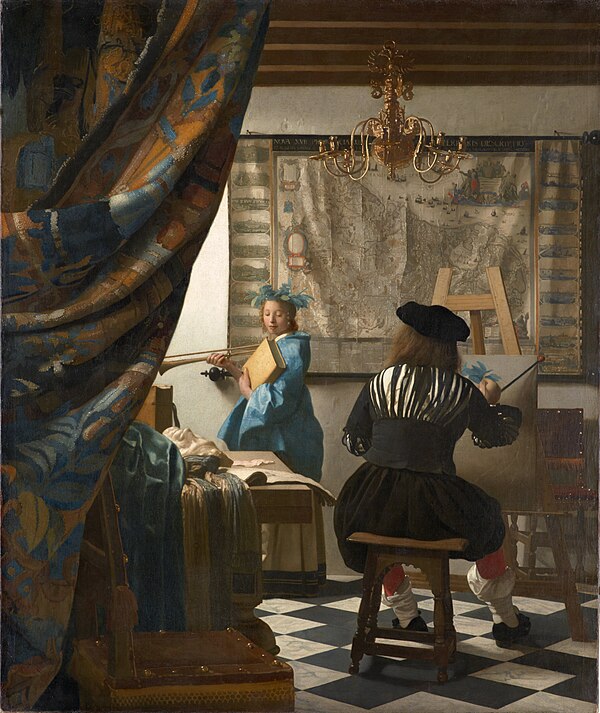
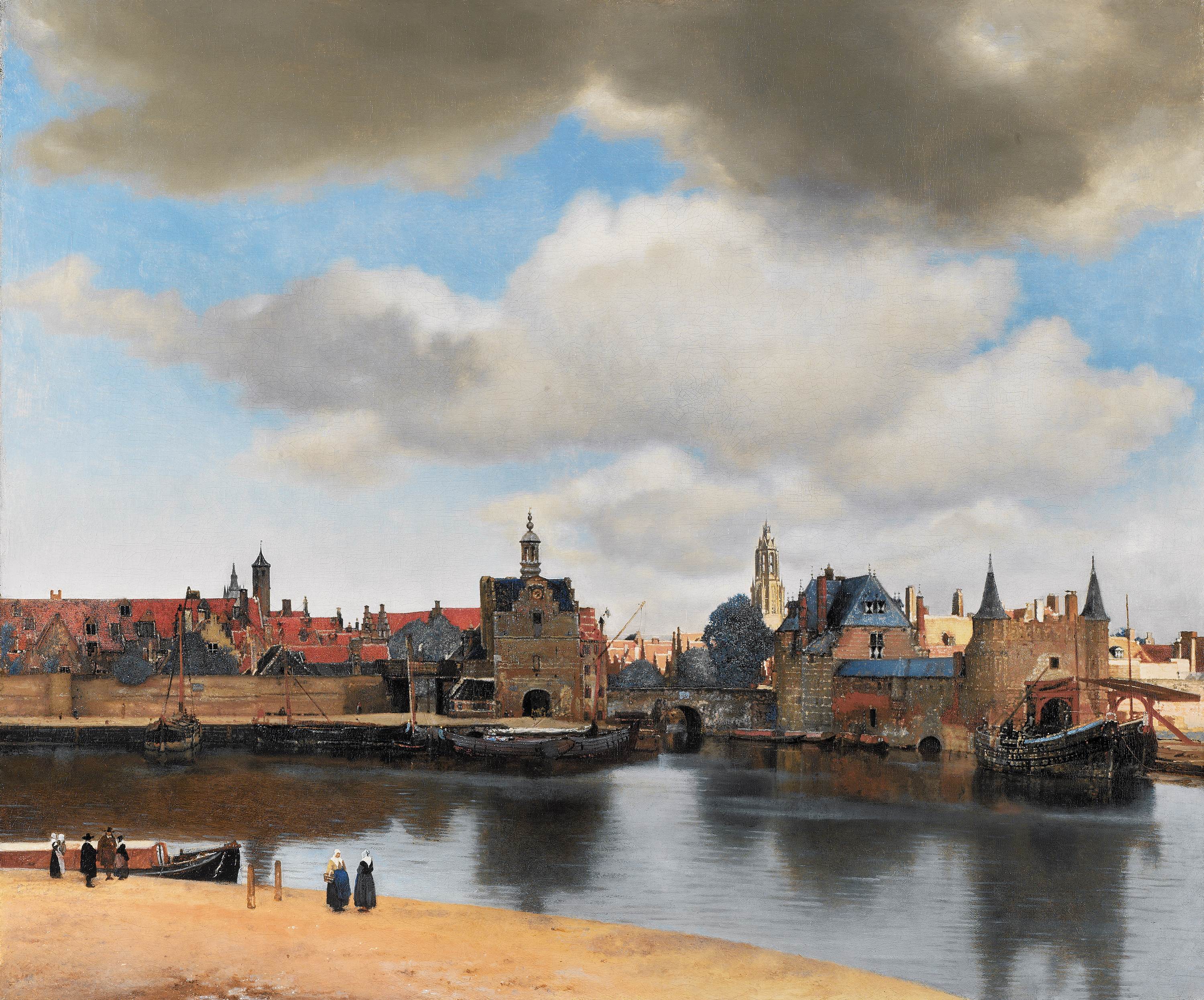
Johannes Vermer proveo je gotovo čitav život u malom holandskom gradu Delftu, gde je stvorio izuzetno mali opus — samo oko trideset pet slika se danas pripisuje njemu. Radeći sa mukotrpnom sporošću, oblikovao je intimne domaće scene žena koje čitaju pisma, sipaju mleko ili sviraju muziku u sobama preplavljenim mekanom, bisernom svetlošću sa prozora levo. Svako platno je svet za sebe, obavijeno tišinom toliko potpunom da posmatrači imaju osećaj da su nabasali na privatni, gotovo sveti trenutak. Njegova pedantna tehnika, uključujući upotrebu skupih pigmenata poput prirodnog ultramarina i ono što mnogi naučnici smatraju pomoću kamere obskure, dala je njegovim površinama luminoznu, gotovo fotografsku jasnoću vekovima pre izuma fotografije.
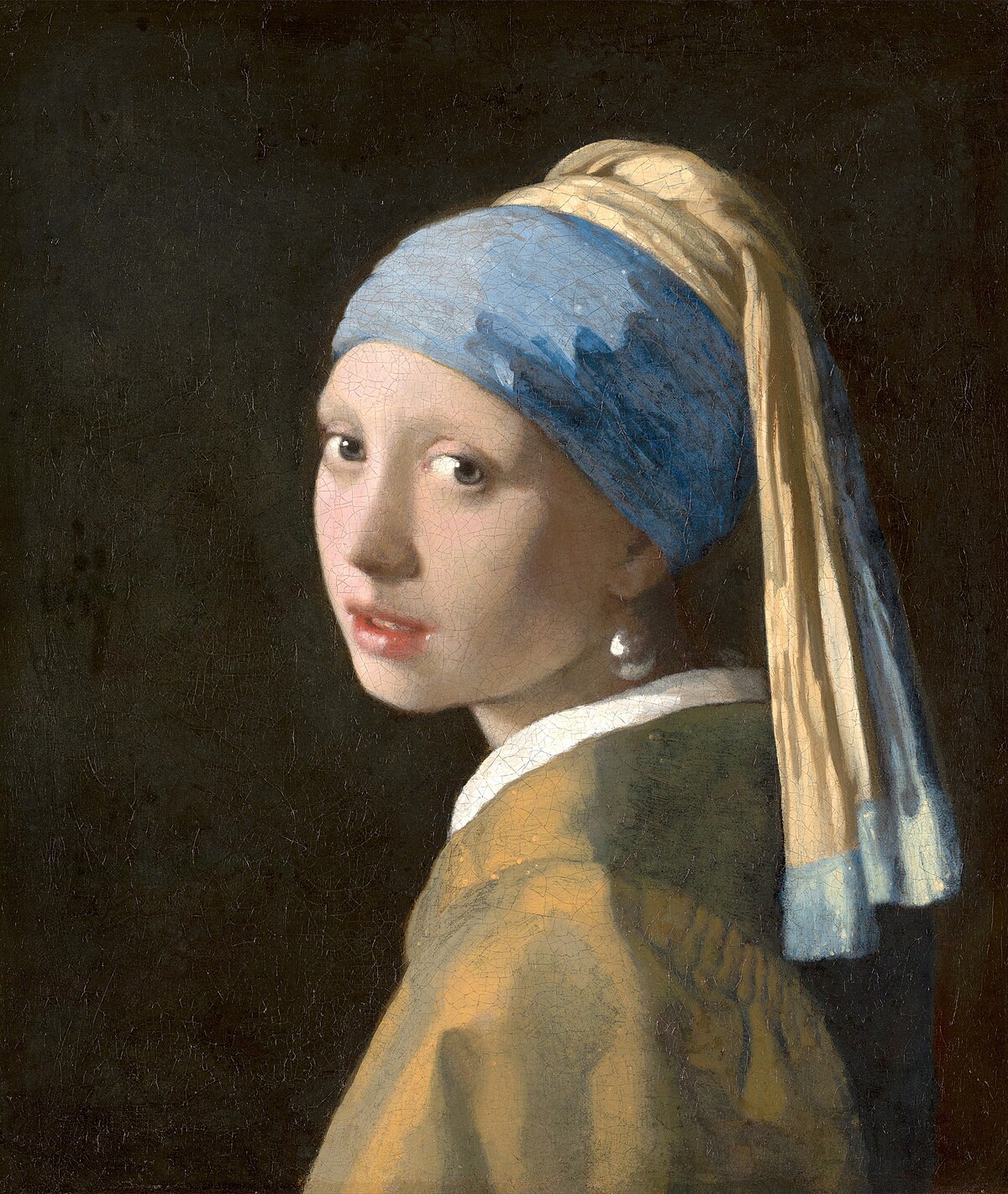
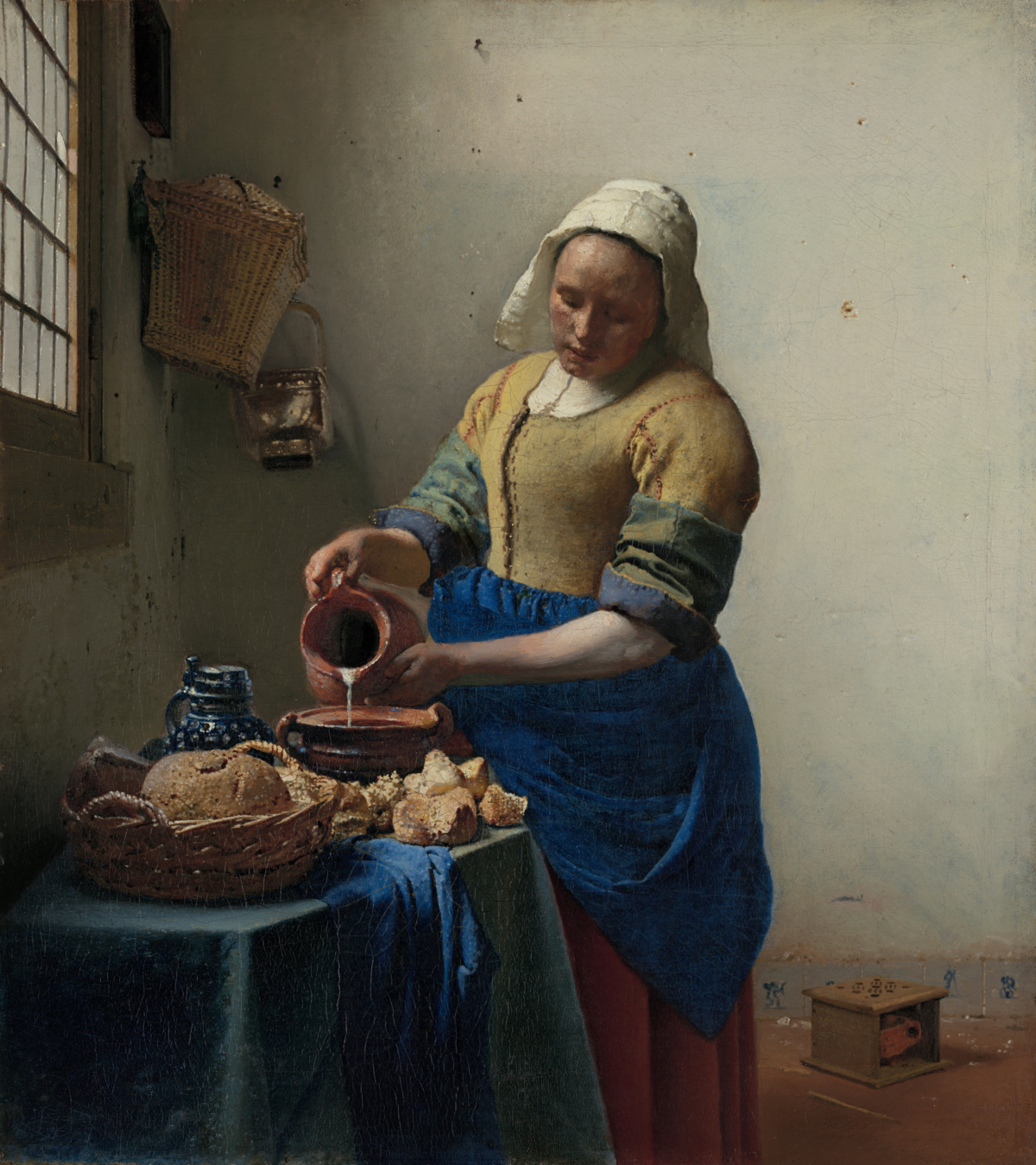
Girl with a Pearl Earring, ponekad nazvana „Mona Liza Severa”, najpoznatije je njegovo delo — studija mlade žene koja se okreće ka posmatraču, usana blago razdvojenih, sa velikom biserom u obliku suze koja hvata svetlost na njenom uhu. Snaga slike leži u njenoj misteriji: ne znamo ništa o devojci, a Vermer ne nudi narativ, samo pogled zapanjujuće neposrednosti i topline. The Milkmaid, nasuprot tome, uzdiže običan čin — kuhinjska sluškinja sipa mleko iz vrča — u nešto monumentalno kroz samu težinu Vermerove pažnje posvećene svetlosti, teksturi i boji.
Vermer je umro 1675. u četrdeset trećoj godini, verovatno u finansijskim teškoćama, i njegovo delo je palo u gotovo potpunu bezimenost. Skoro dva veka je jedva bio fusnota u istoriji umetnosti. Tek kada je francuski kritičar Teofil Tore-Birger ponovo otkrio i zastupao njegove slike šezdesetih godina devetnaestog veka, Vermer je vraćen na zasluženo mesto među najvećim slikarima koji su ikada živeli. Danas su njegova dela među najdragocenijim u muzejima širom sveta, njihov tihi sjaj svedočanstvo izuzetne moći tišine i svetlosti.