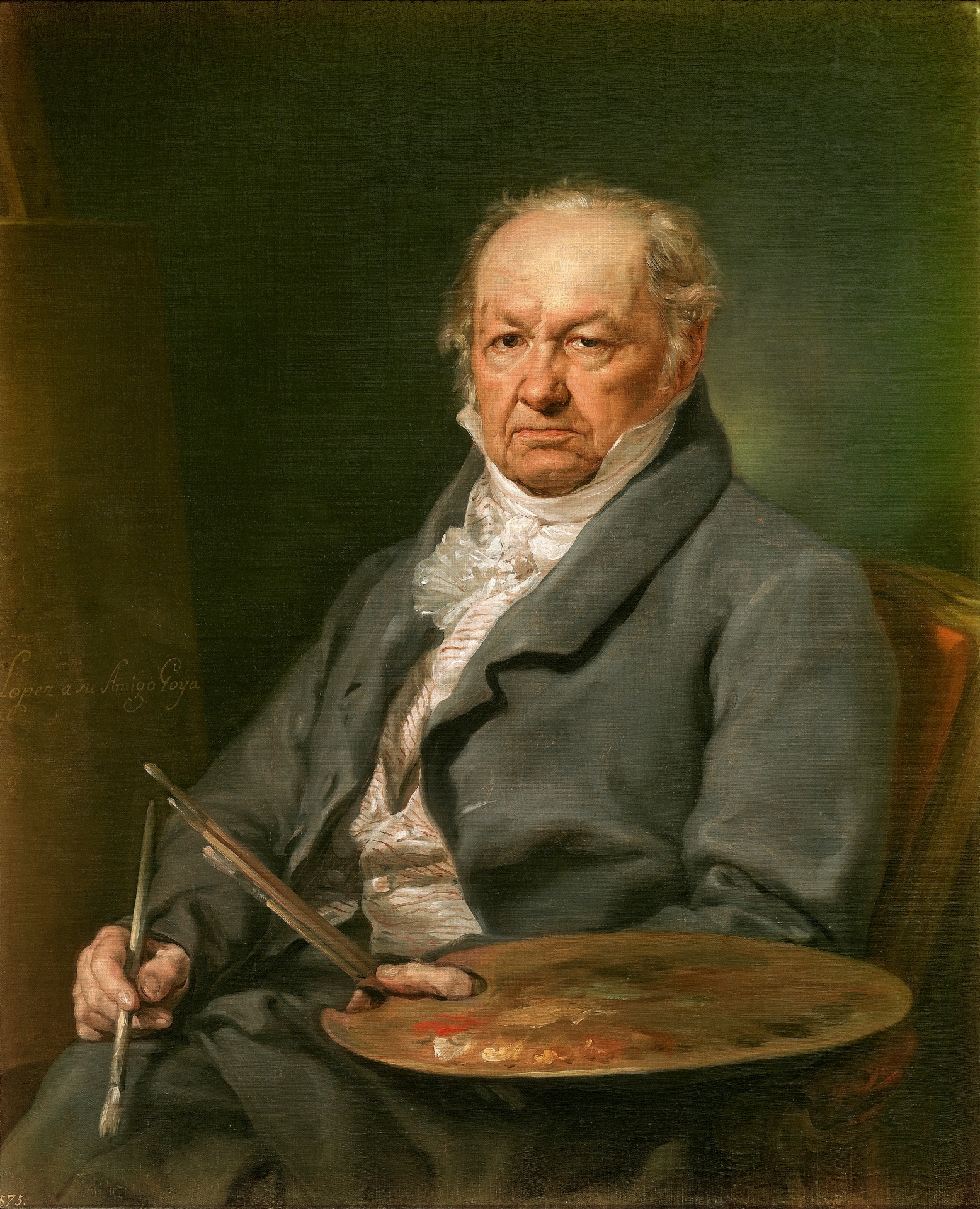
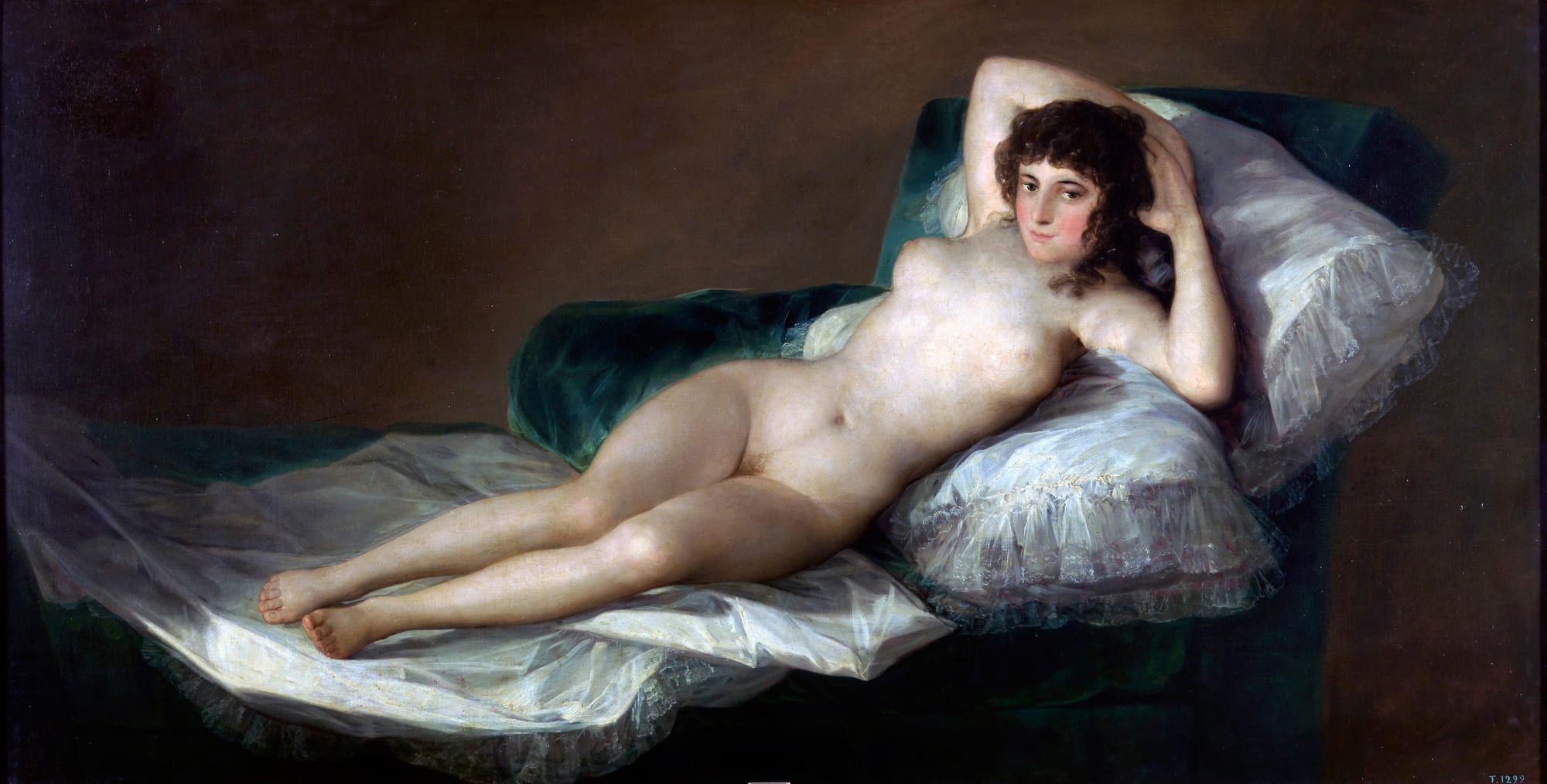
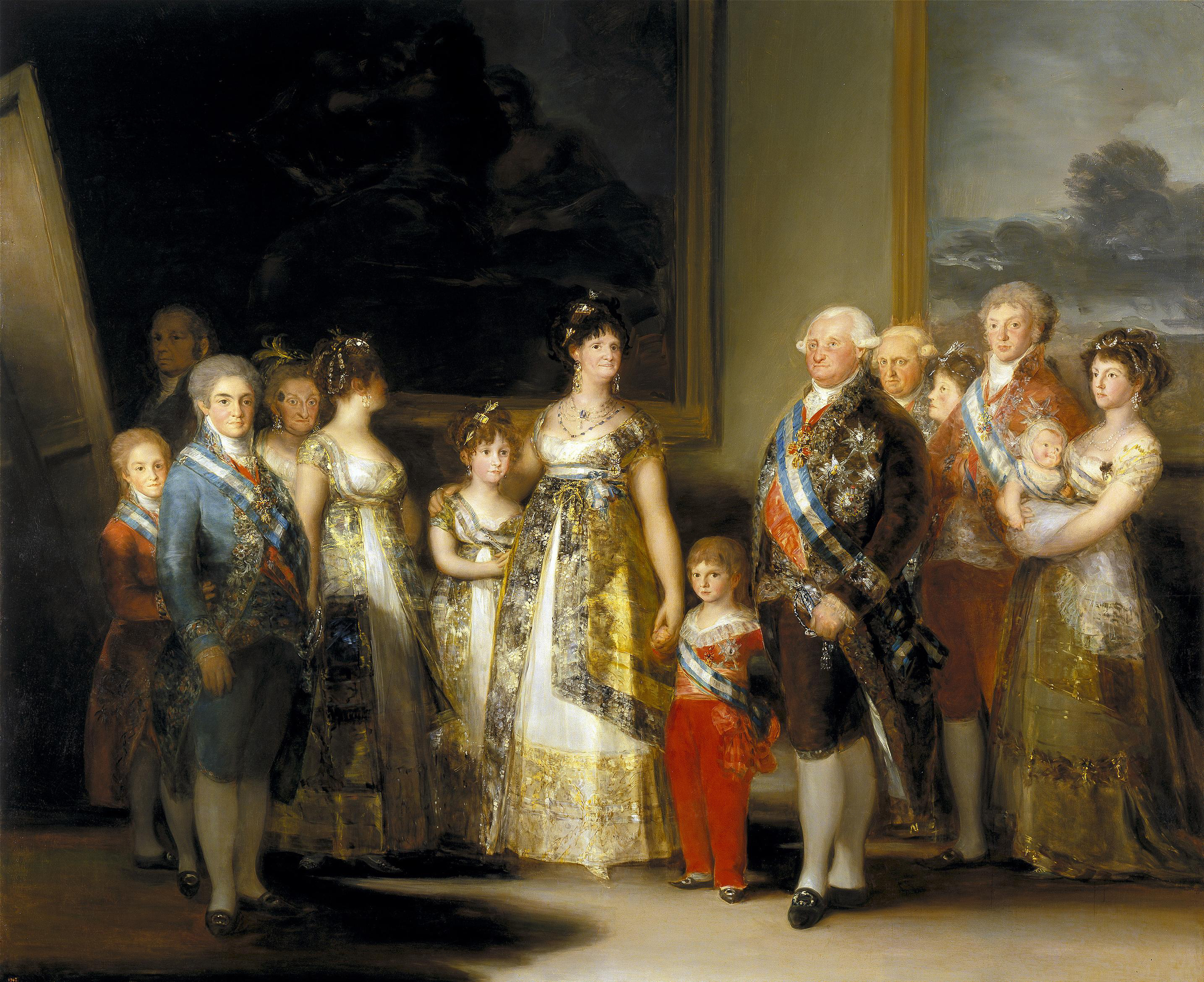
Fransisko Hoze de Goja i Lusijentes rođen je 1746. godine u malom selu u Aragonu i uzdigao se do dvorskog slikara tri uzastopna španska kralja — ali njegov značaj daleko prevazilazi njegovu zvaničnu poziciju. Goja je ključna figura zapadne umetnosti, slikar koji je zatvorio staromajstorsku tradiciju i otvorio vrata modernosti. Njegova karijera obuhvata zapanjujući raspon: od blistavih rokoko kartona za tapiserije i elegantnih aristokratskih portreta do najstrašnijih slika nasilja, ludila i ljudske degradacije ikada naslikanih.
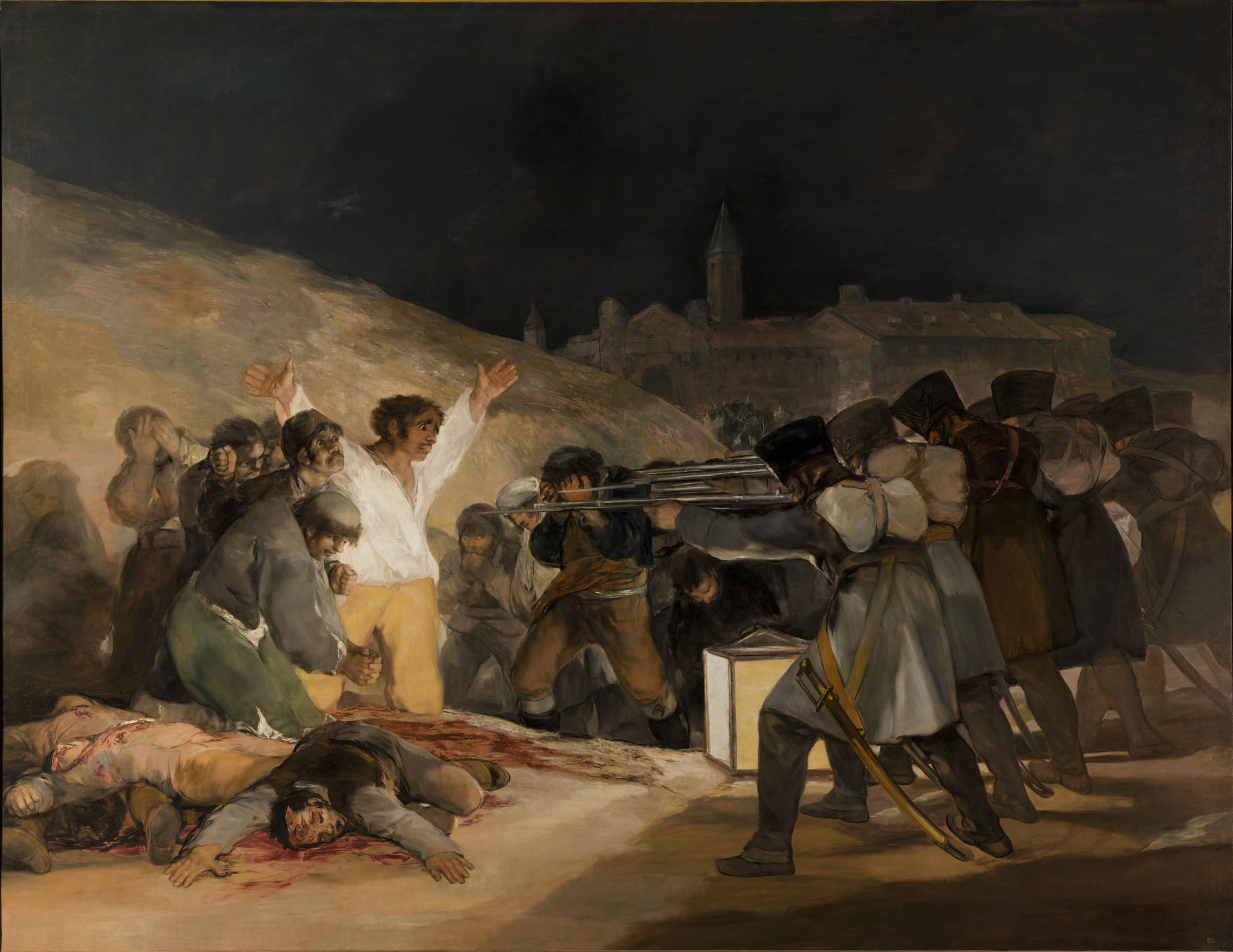
Napoleonova invazija na Španiju 1808. godine razbila je Gojin svet. The Third of May 1808 (1814) prikazuje francuske vojnike kako streljaju španske civile — žrtve osvetljene oštrim fenjerom, streljački vod bezlična mašina smrti. To je prva velika protestna slika, delo koje je inspirisalo Maneovu Egzekuciju Maksimilijana, Pikasovu Gerniku i svakog kasnijeg umetnika koji je pokušao da svedoči o zločinu. Njegova grafička serija Strahote rata dokumentovala je užase sukoba sa brutalnom iskrenošću kakvu nijedan umetnik ranije nije smeo da pokaže.
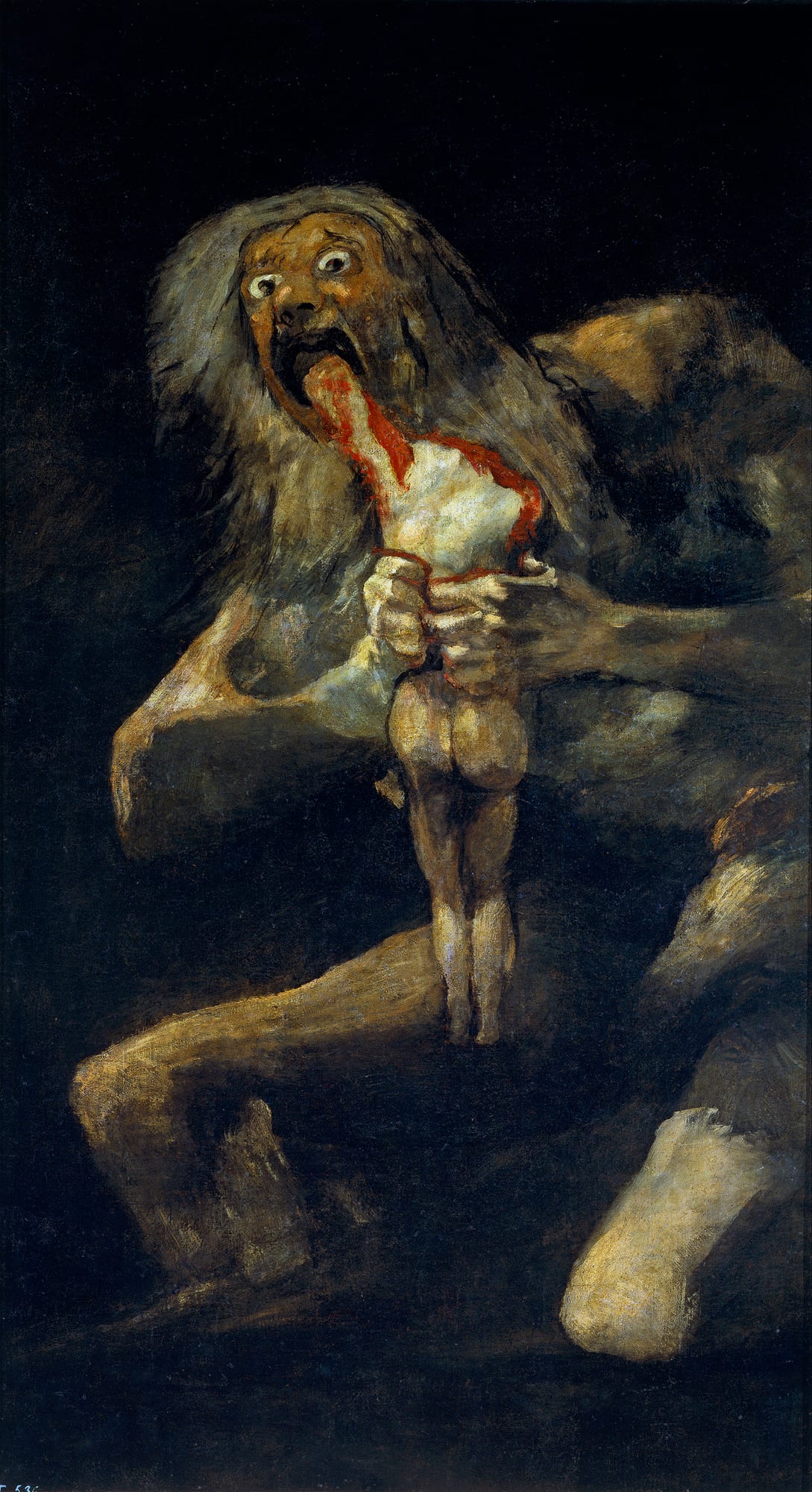
U poslednjim godinama, gluv i sve izolovaniji, Goja je slikao „Crne slike” direktno na zidove svoje kuće — noćne vizije vračanja, ludila i kanibalizma, uključujući zastrašujućeg Saturn Devouring His Son. Ova dela, nikada namenjena za javno prikazivanje, među psihološki najuznemirujućim su slikama u celokupnoj umetnosti, anticipirajući ekspresionizam i nadrealizam za čitav vek.