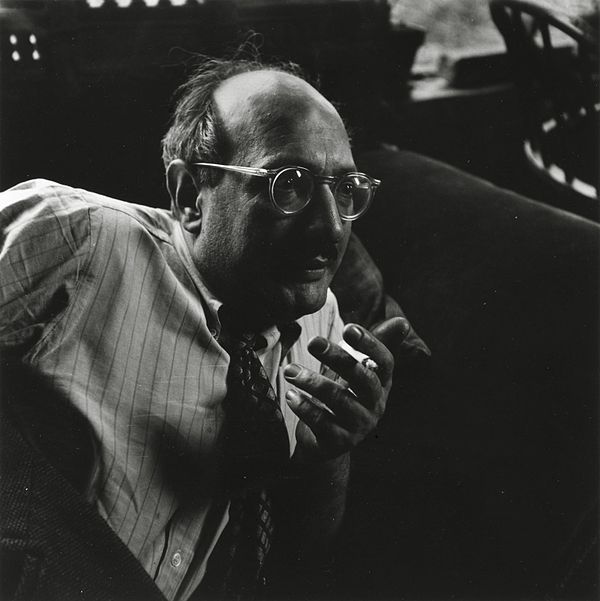
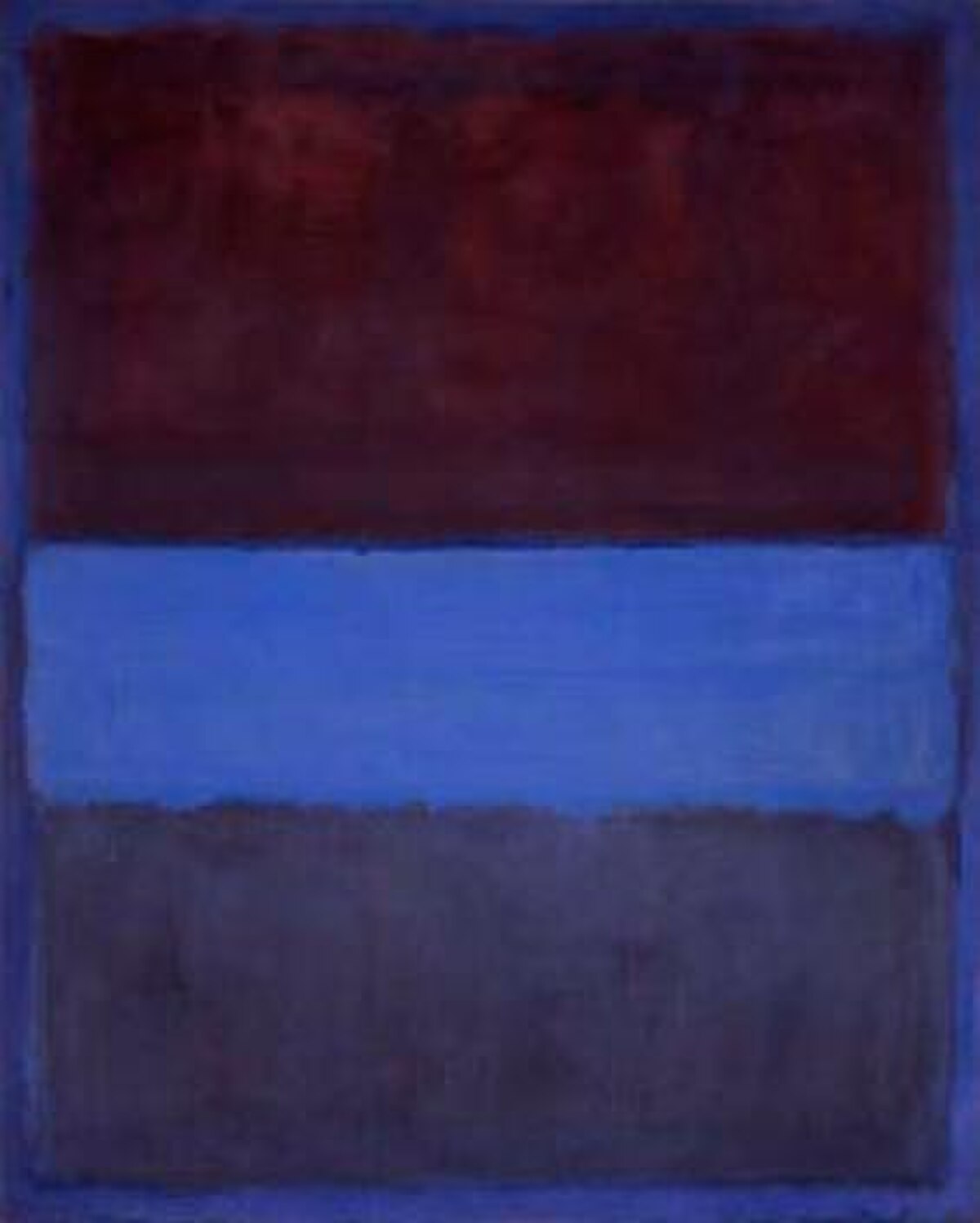
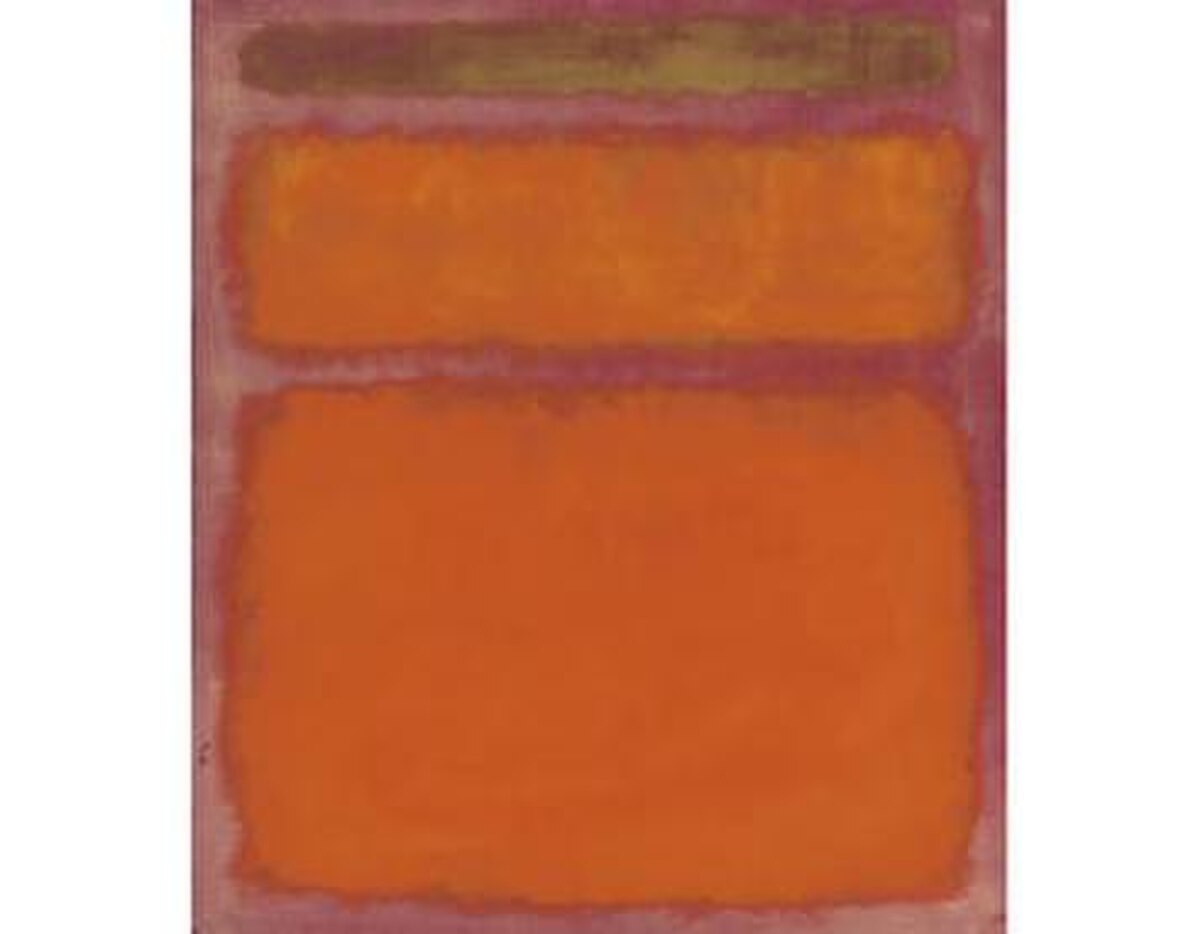
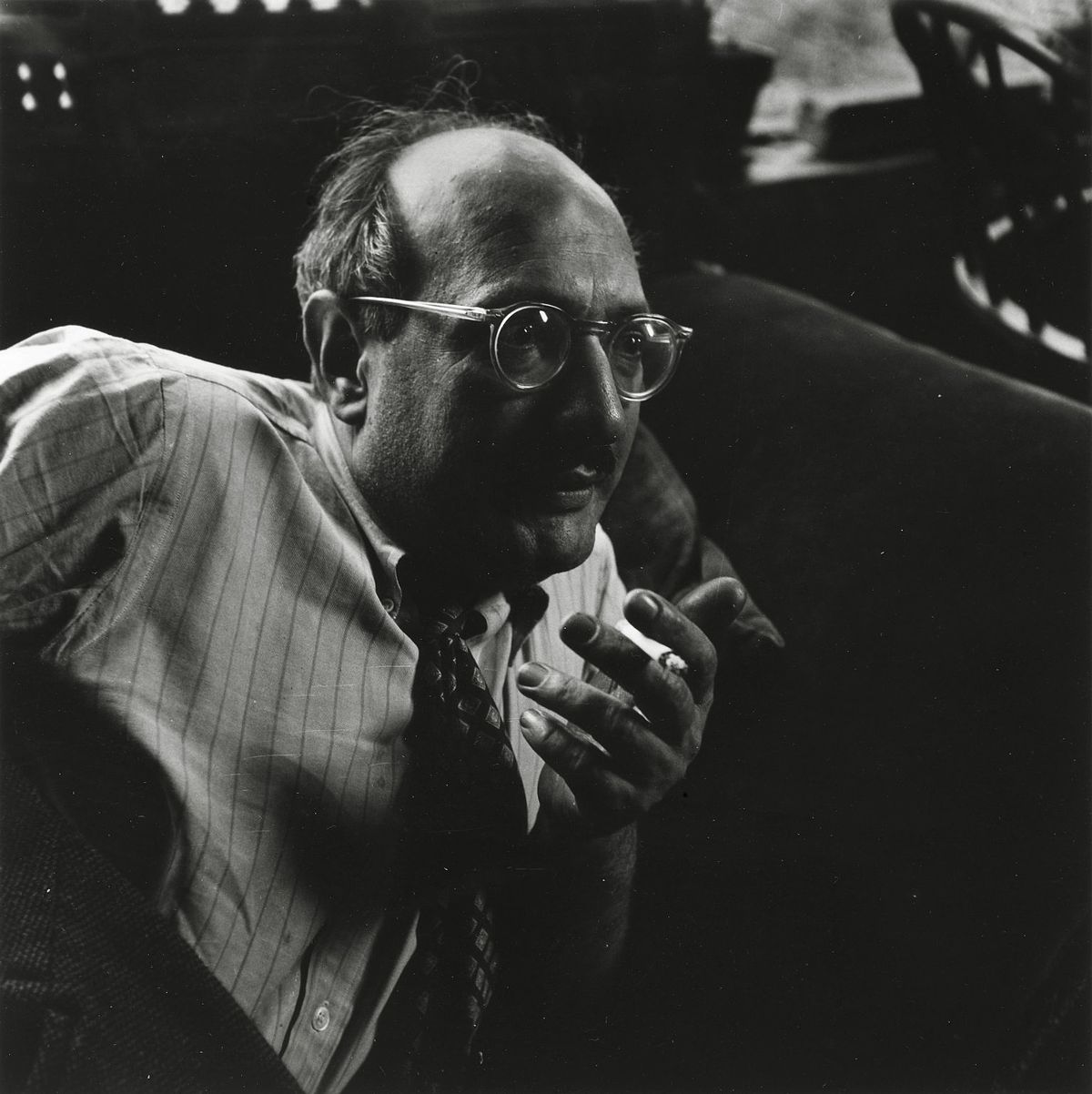
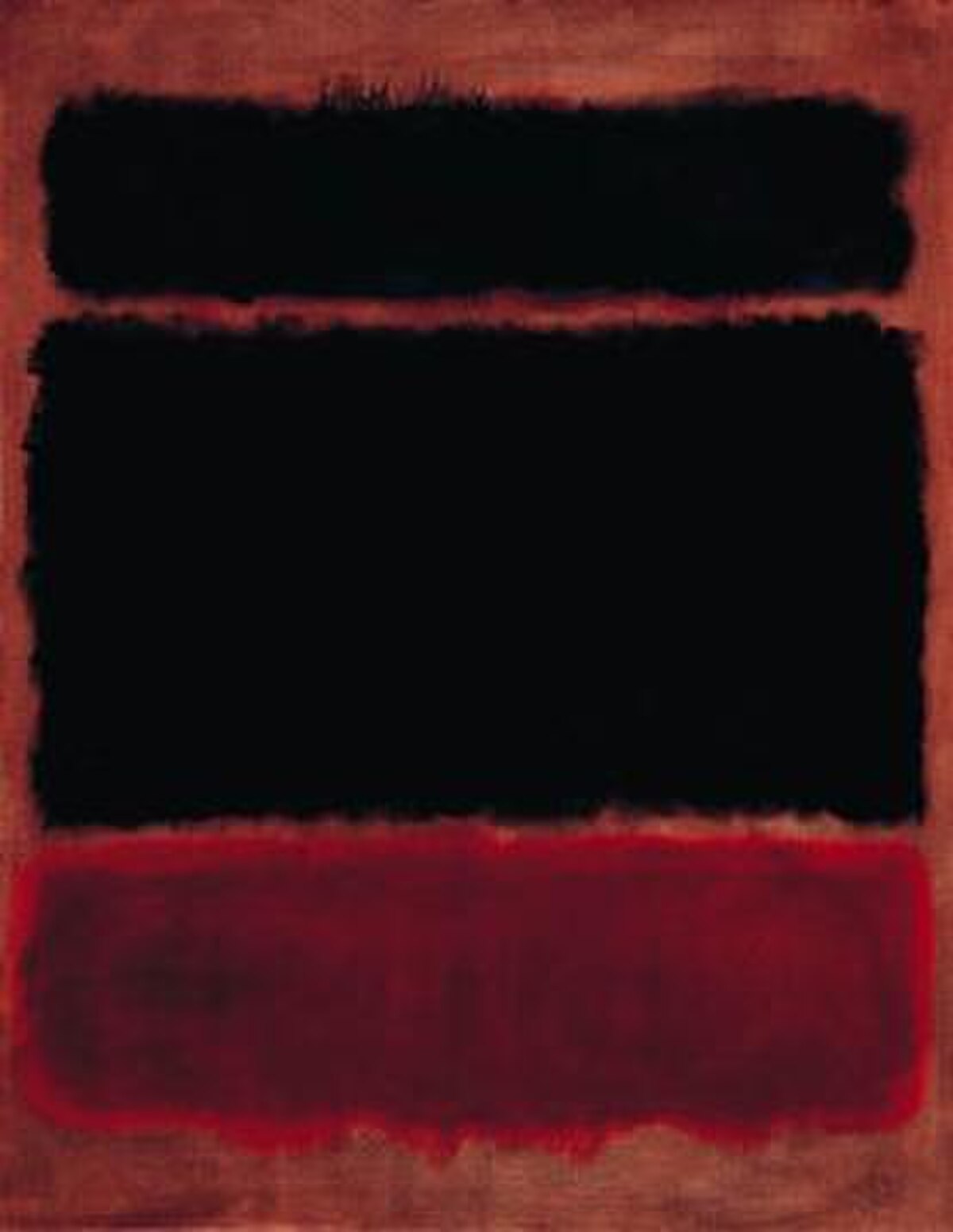
Markus Jakovljevič Rotkovič rođen je 1903. godine u Dvinsku, Letonija (tada deo Ruskog carstva), a sa porodicom je emigrirao u Portland, Oregon, 1913. godine. Nakon kratkog studiranja na Jejlu i rada na figurativnom slikarstvu pod uticajem nadrealizma 1930-ih i 1940-ih, Rotko je krajem 1940-ih došao do formata koji će definisati njegovo zrelo delo: velika platna koja prikazuju dva ili tri pravougaonika mekih ivica u boji kako lebde na obojenoj podlozi, sa zamućenim granicama i luminoznim, živim površinama.
Ove slike — za koje je Rotko insistirao da se ne tiču boje već „osnovnih ljudskih emocija: tragedije, ekstaze, propasti” — spadaju među najdublja i najdirljivija dela dvadesetog veka. Stojeći pred velikim Rotkom — No. 61 (Rust and Blue), Orange, Red, Yellow, Black in Deep Red — obavijeni ste bojom koja kao da pulsira i širi se, stvarajući iskustvo koje mnogi posmatrači opisuju kao duhovno ili transcendentno. Sam Rotko je govorio da ga „ne zanimaju odnosi boja ili formi” već „izražavanje osnovnih ljudskih emocija”, i bio je uznemiren kada su posmatrači reagovali na njegove slike čisto kao na lepe predmete.
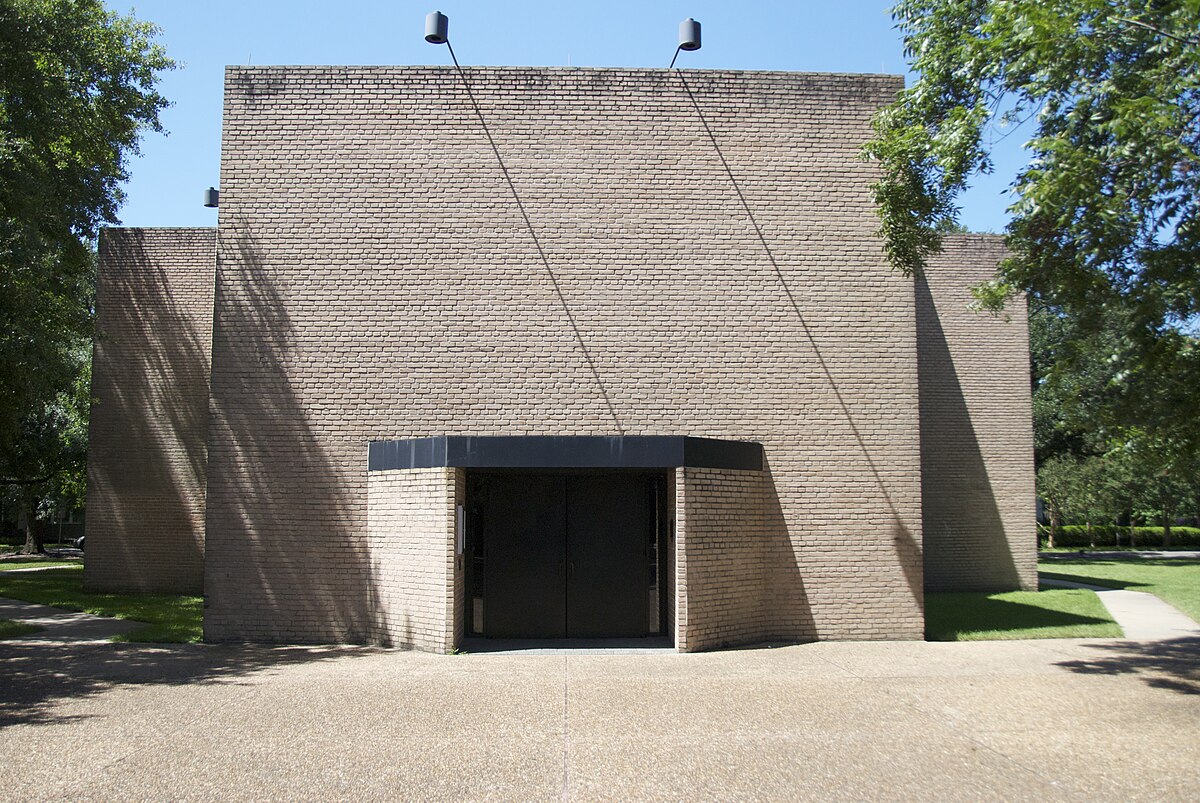
Rotko kapela u Hjustonu, završena 1971. godine, godinu dana nakon njegovog samoubistva, čuva četrnaest njegovih poslednjih slika — ogromna, gotovo crna platna koja predstavljaju krajnju tačku njegovog putovanja ka tišini i tami. Rotko je sebi oduzeo život 1970. godine, sa šezdeset šest godina. Njegova umetnost ostaje svedočanstvo o mogućnosti da apstraktno slikarstvo može segnuti jednako duboko u ljudsko iskustvo kao bilo koja figurativna predstava.