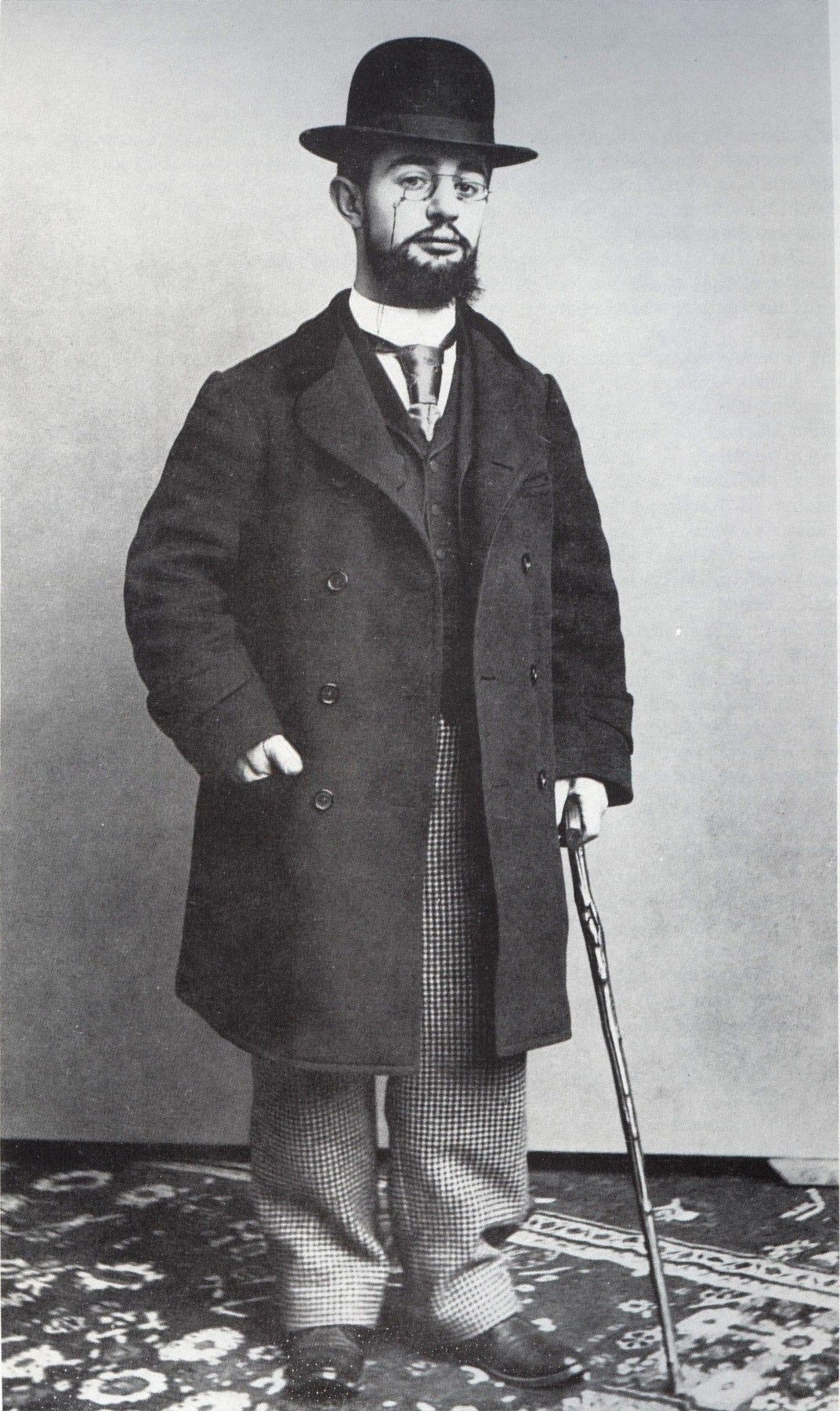
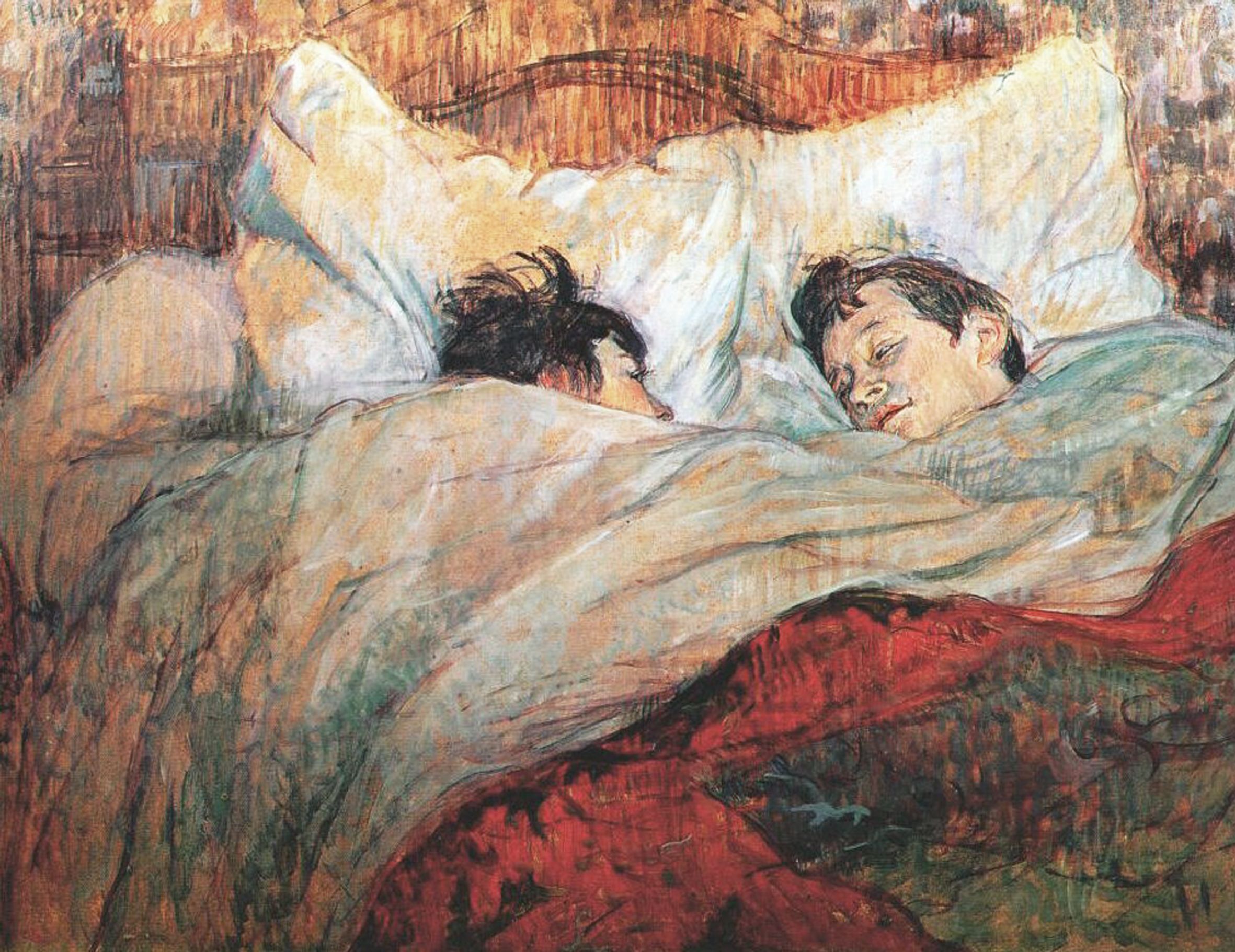
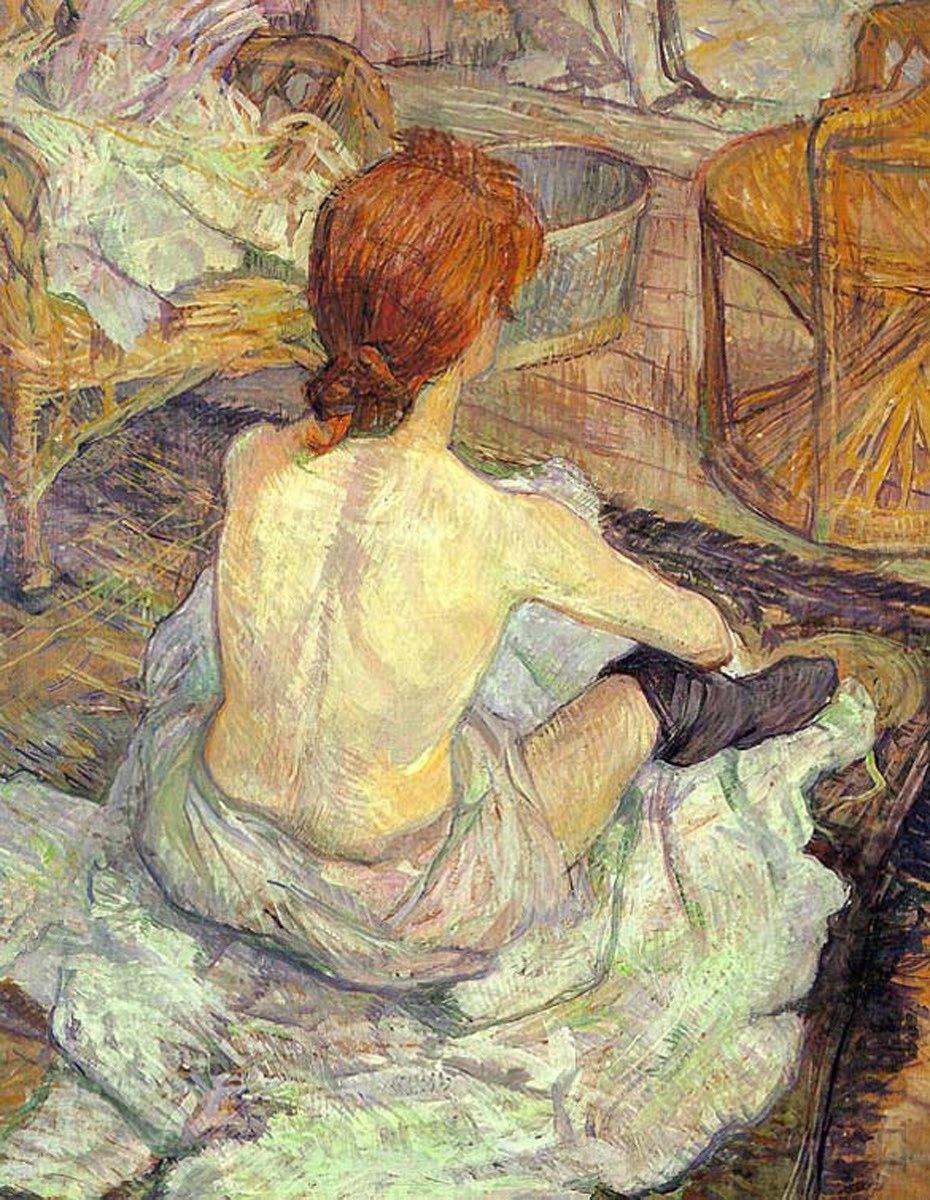
Anri Mari Rejmon de Tuluz-Lotrek-Monfa je rođen 1864. godine u jednoj od najstarijih aristokratskih porodica u Francuskoj, ali dva preloma u detinjstvu — verovatno uzrokovana genetskim poremećajem kostiju — ostavila su mu noge zakržljale, i porastao je do jedva metar i pedeset. Ova fizička otuđenost od sveta u kojem je rođen možda ga je privukla u polusvetu Monmartra, pariskog okruga kabareta, plesnih dvorana, bordela i cirkuskih izvođača koji je postao njegov životni motiv i duhovni dom.
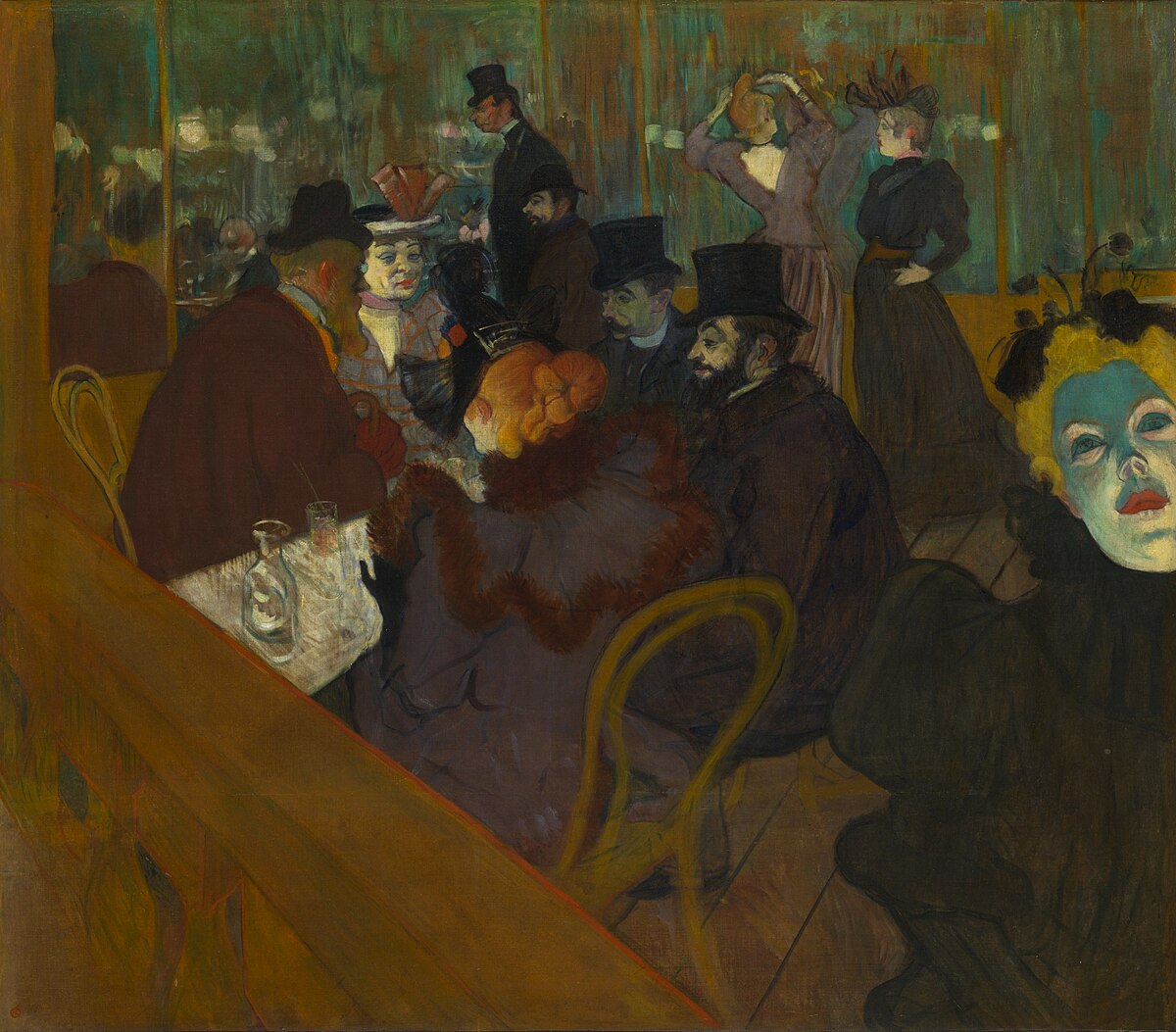
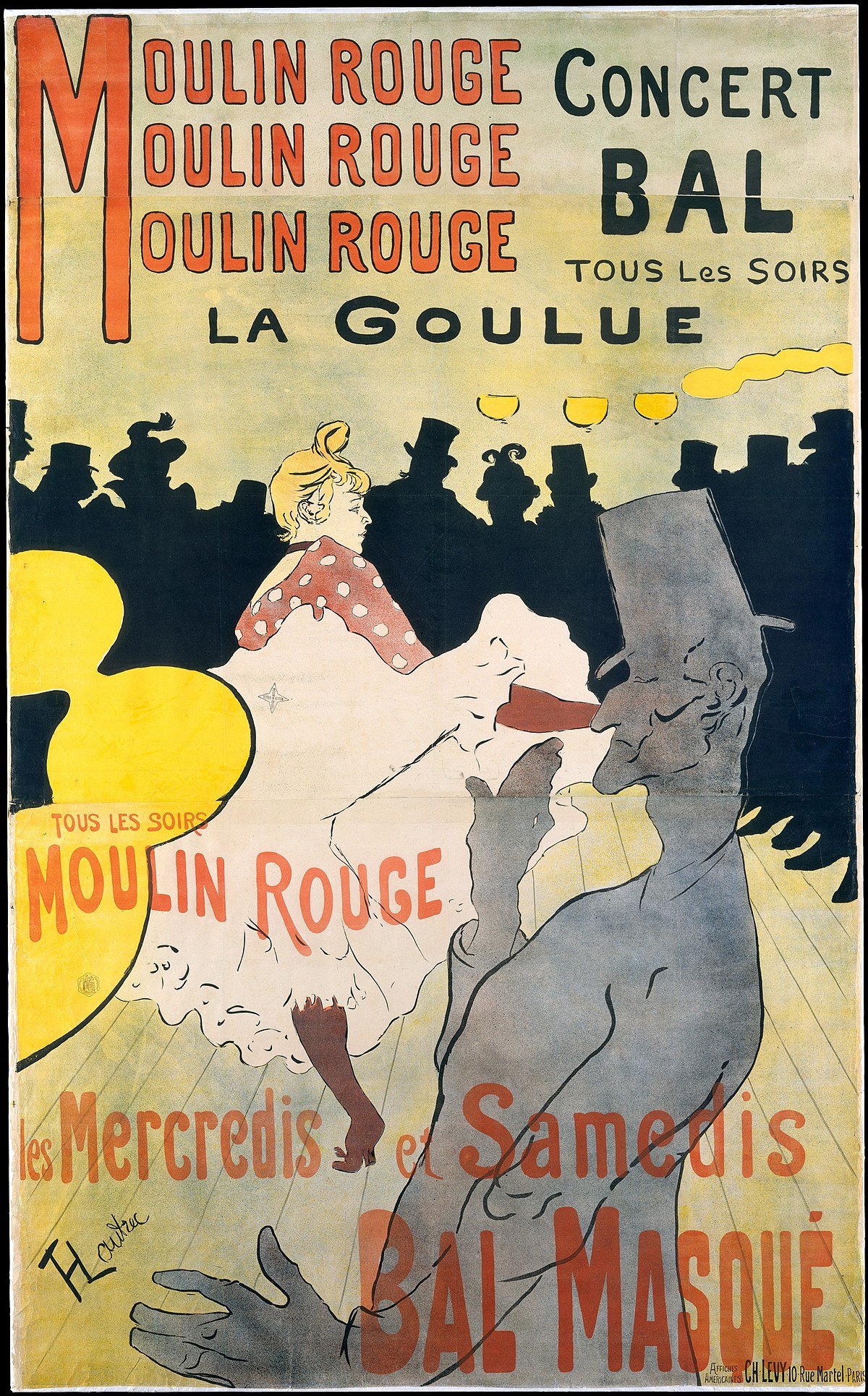
Lotrekova umetnost odlikuje se žestoko preciznom linijom, smelom ravnom bojom pod uticajem japanskih grafika i psihološkom pronicljivošću koja je mogla biti istovremeno saosećajna i nemilosrdna. Njegove slike i litografije Mulen Ruža, kafe-koncerata i javnih kuća hvataju izvođače i stalne goste pariskog noćnog života sa intimnošću koja dolazi od istinskog uranjanja — živeo je među svojim subjektima, neprestano skicirajući. Njegov poster za Mulen Ruž sa plesačicom La Gulu (1891) revolucionisao je grafički dizajn, uspostavljajući umetnički poster kao važan umetnički oblik.
Alkoholizam je uništio Lotrekovo zdravlje do sredine tridesetih godina, i umro je 1901. u trideset šestoj godini. Za jedva petnaest godina zrelog rada stvorio je opus slika, grafika i postera koji pruža definitivni vizuelni zapis Pariza na kraju veka i koji je uticao na grafički dizajn, reklamnu umetnost i ilustraciju celokupnog dvadesetog veka.