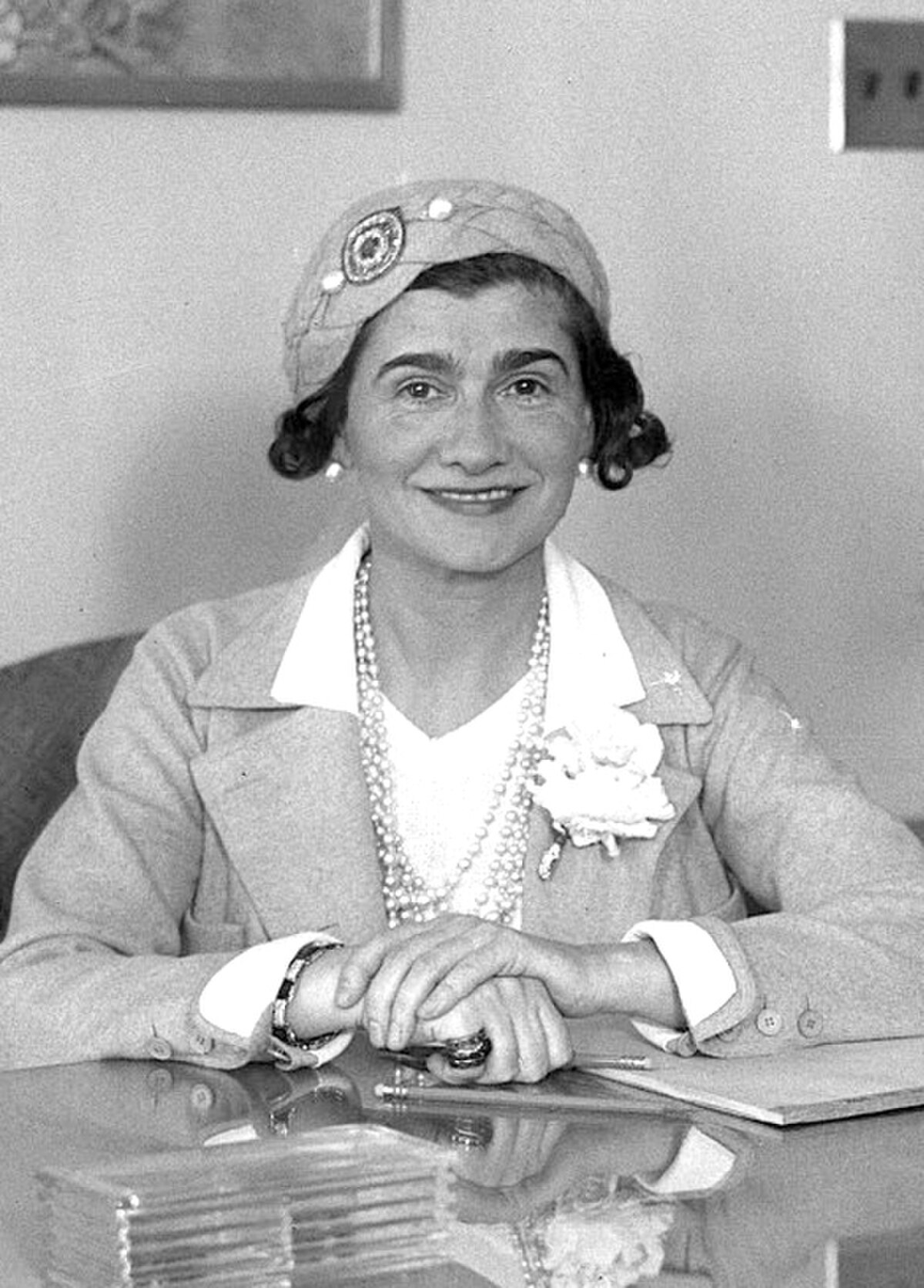


Gabrielle Bonheur Chanel, univerzalno poznata kao Coco Chanel, stoji kao najuticajnija figura u istoriji zapadne mode. Rođena 1883. u Saumuru, Francuska, i odrasla u sirotištu nakon smrti majke, transformisala je lične nedaće i status autsajdera u gorivo za revolucionarnu estetiku koja je preoblikovala način na koji se žene oblače, kreću i razumeju sebe kroz odeću.
Revolucija korseta
Chanelov najradikalniji čin bio je negativan: ukinula je korset u vreme kada su se moderne žene još uvek vezivale u arhitektonski donji veš koji je deformisao kičmu. Crpeći iz tradicija muške i sportske odeće, bila je pionir upotrebe džersi tkanine — prethodno korišćene samo za donji veš i muške potkošulje — za elegantnu žensku garderobu, stvarajući novi vokabular opuštenog, funkcionalnog šika. Njena kolekcija od džersija iz 1916. bila je senzacija, nudeći udobnost bez žrtvovanja sofisticiranosti. Shvatila je nešto duboko: da modernost zahteva novi odnos između tela i onoga što ga pokriva.
Mala crna haljina
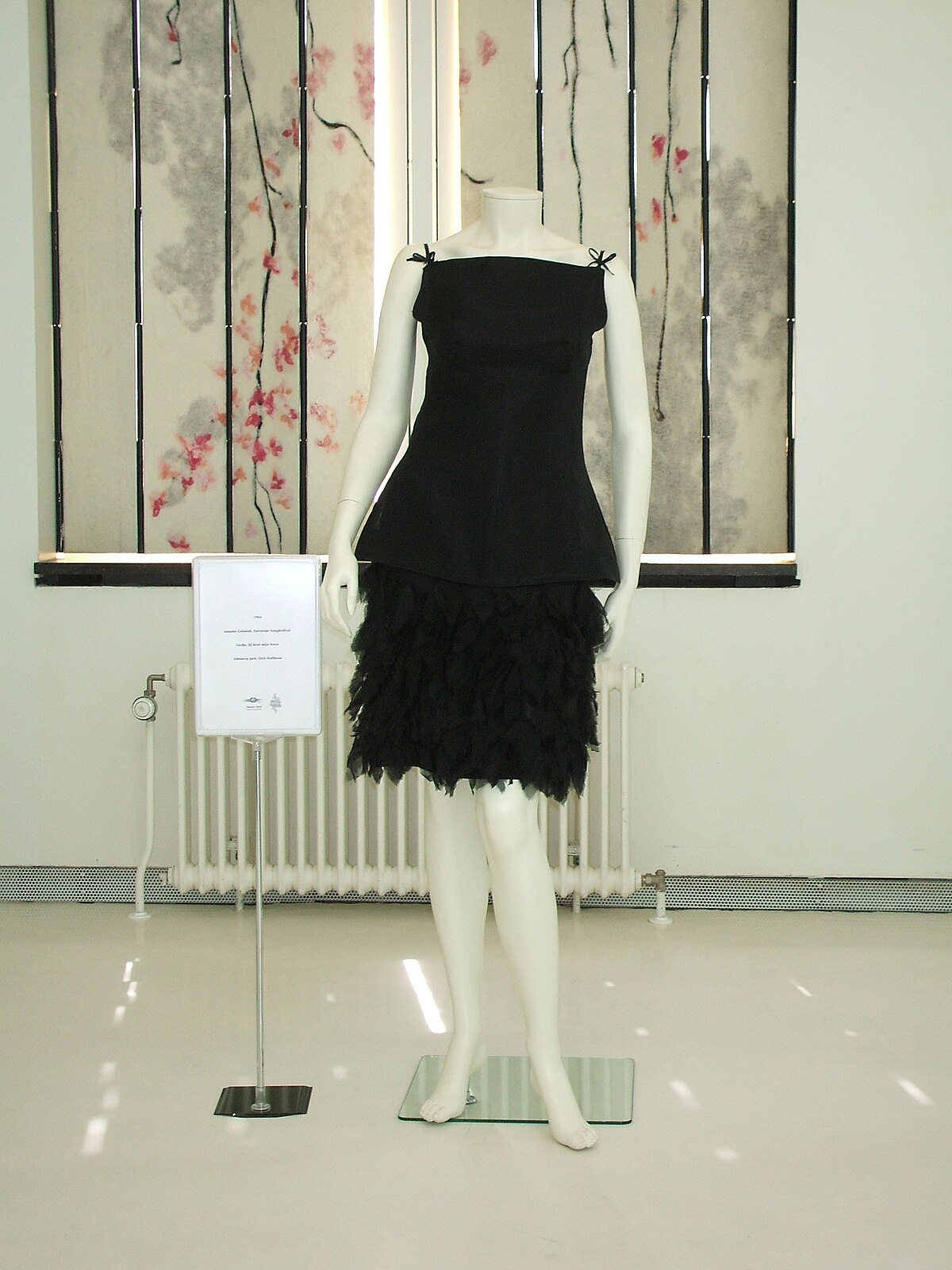
Mala crna haljina, predstavljena u Vogue-u 1926, bila je možda njen najtrajniji doprinos. Vogue ju je nazvao „Chanelov Ford” — dizajn toliko univerzalan, toliko savršeno rešen, da će postati osnovni deo garderobe svake žene. Pre Chanel, crna je bila boja žalosti; ona ju je transformisala u temelj elegancije. Mala crna haljina je demokratizovala modu na način na koji nijedan pojedinačni odevni predmet to ranije nije učinio — bila je istovremeno pristupačna i aspirativna, prikladna za koktel zabavu ili sahranu, i zahtevala je samo niz bisera da bude kompletna.
Chanel kostim
Njen Chanel kostim — jakna bez kragne sa džepovima u kombinaciji sa ravnom suknjom, od bouclé tvida sa svilenom podstavom — postao je definišuća uniforma moderne buržoaske ženstvenosti. Uveden 1920-ih i usavršavan decenijama, ostaje u kontinuiranoj proizvodnji i nosile su ga sve, od princeze Grace do Jacqueline Kennedy pa do savremenih šefova država. Genijalnost kostima bila je strukturalna: njegov rub sa lančanim tegom obezbeđivao je savršen pad, dok je svilena podstava u kontrastu boje sa spoljašnjim tvidom činila čak i sam čin skidanja jakne promišljenim estetskim gestom.
Chanel No. 5 i brend životnog stila
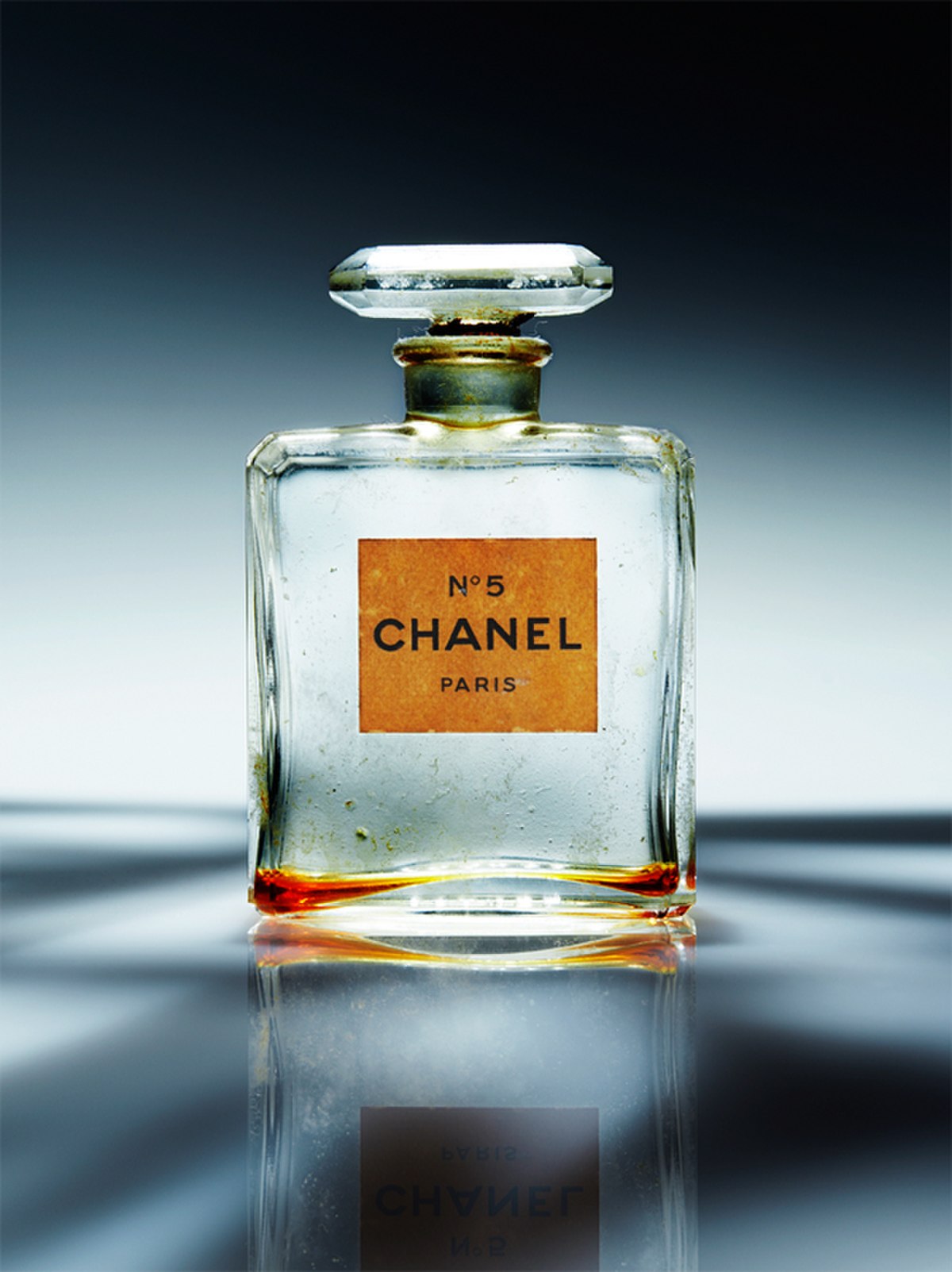
Godine 1921, Chanel je lansirala Chanel No. 5 — prvi parfem koji je nosio dizajnersko ime umesto cvetnog naziva. Kreiran od parfimera Ernesta Beauxa, njegova aldehidna kompozicija bila je namerno apstraktna, miris koji nije mirisao ni na jedan pojedinačan cvet već na sam luksuz. Kada je Marilyn Monroe izjavila da je to jedino što nosi u krevetu, zapečatila je njegov status najslavnijeg parfema u istoriji. Sa No. 5, Chanel je izmislila koncept dizajnerskog brenda životnog stila — ideju da modna kuća može da prodaje ne samo odeću, već totalni estetski identitet.
2.55 i modni nakit
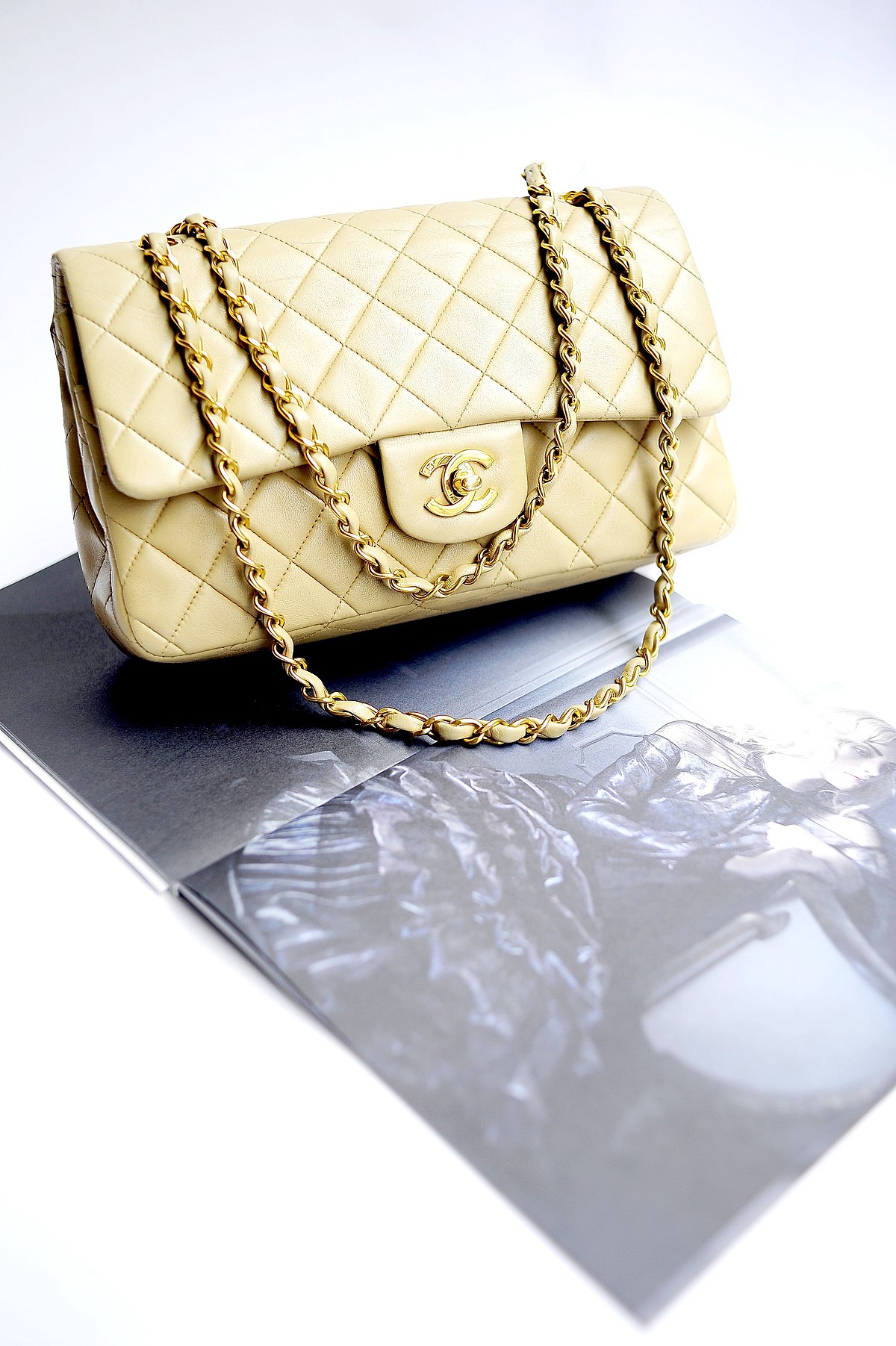
Torbica 2.55 sa steganom kožom, predstavljena u februaru 1955. (otuda ime), oslobodila je ženske ruke zamenjujući pismo-tašnu torbom na lancu za rame. Njena dijamantski stepovana koža, bordo podstava (za koju se kaže da podseća na uniforme sirotišta iz Chanelove mladosti) i praktična unutrašnja odeljenja učinili su je i funkcionalnim predmetom i statusnim simbolom.
Chanel je takođe revolucionisala nošenje modnog nakita — namerno mešajući pravo i lažno dragulje, slojevito nizajući niske lažnih bisera sa zlatnim lancima i izjavljujući da smisao nakita nije da se prikaže bogatstvo, već da se ukrasi. To je bila društvena revolucija prerušena u izbor aksesoaara.
Nasleđe i protivrečnosti
Chanelov privatni život ostaje kontroverzan. Njena ratna saradnja sa nacističkom obaveštajnom službom tokom nemačke okupacije Pariza, njena romantična veza sa nacističkim oficirom Hansom Güntherom von Dincklageom i njen virulentni antisemitizam komplikuju svako slavljenje njenog nasleđa. Nakon Oslobođenja, bila je nakratko uhapšena ali nikada procesuirana, i provela je deceniju u egzilu u Švajcarskoj pre svog trijumfalnog povratka 1954, u sedamdeset prvoj godini.
Taj povratak — vođen užasom pred Diorovim korsetiranim New Look-om, koji je videla kao izdaju svega za šta se borila — dokazao je da njena vizija ženske elegancije nije bila periodski stil, već trajni vokabular. Nastavila je da radi do smrti 1971, u osamdeset sedmoj godini, u svom apartmanu u hotelu Ritz. Kuća Chanel, pod Karlom Lagerfeldom i sada Virginie Viard, nastavlja da reinterpretira njene kodove, ali suštinska Chanel gramatika — džersi, tvid, crna, biseri, jednostavnost — ostaje neizmenjena.