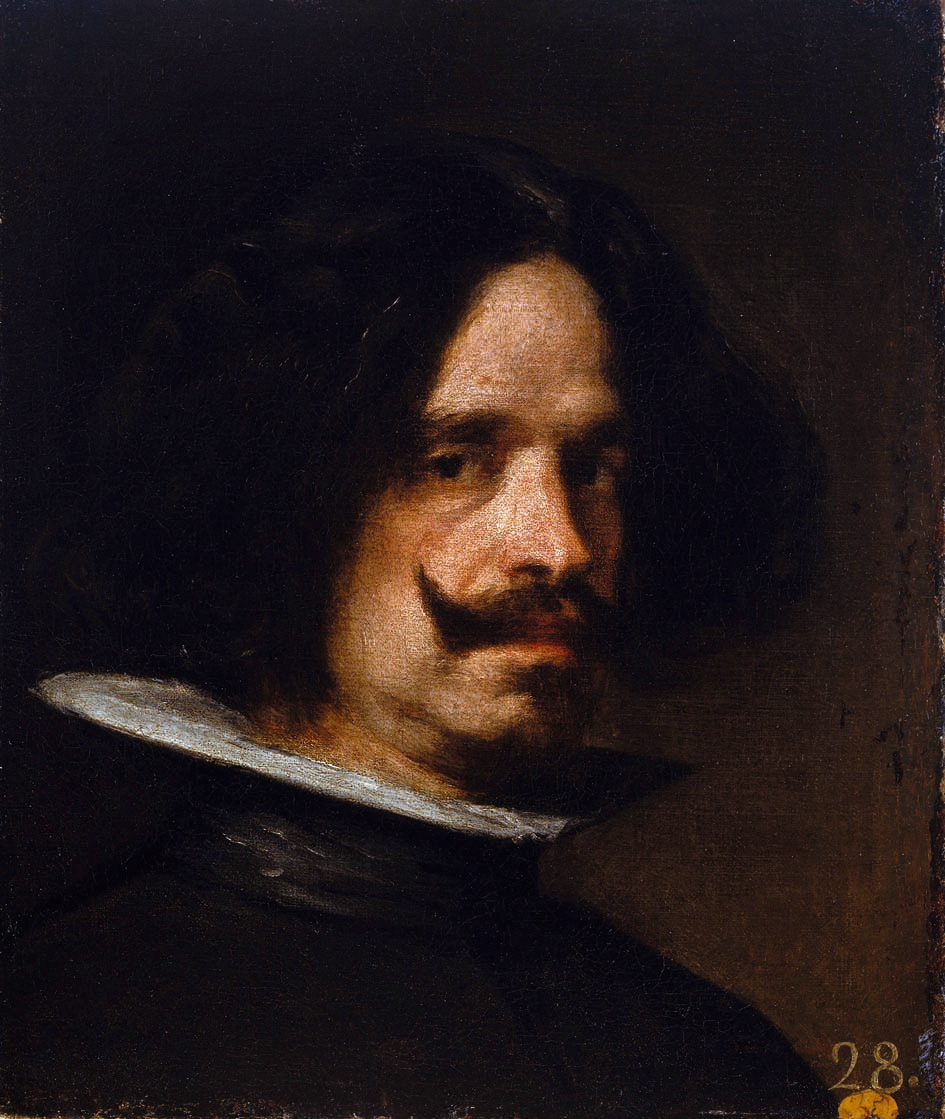
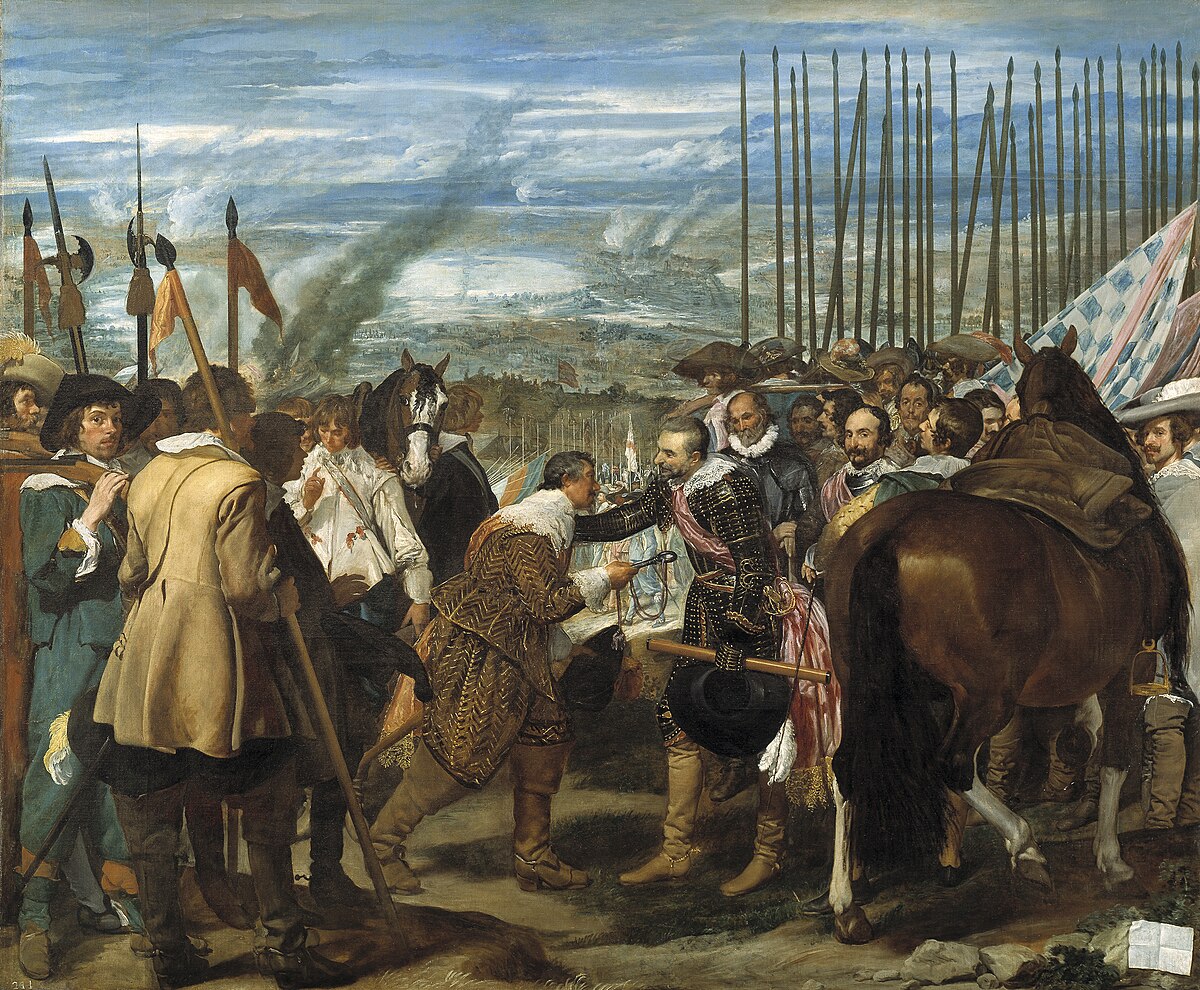
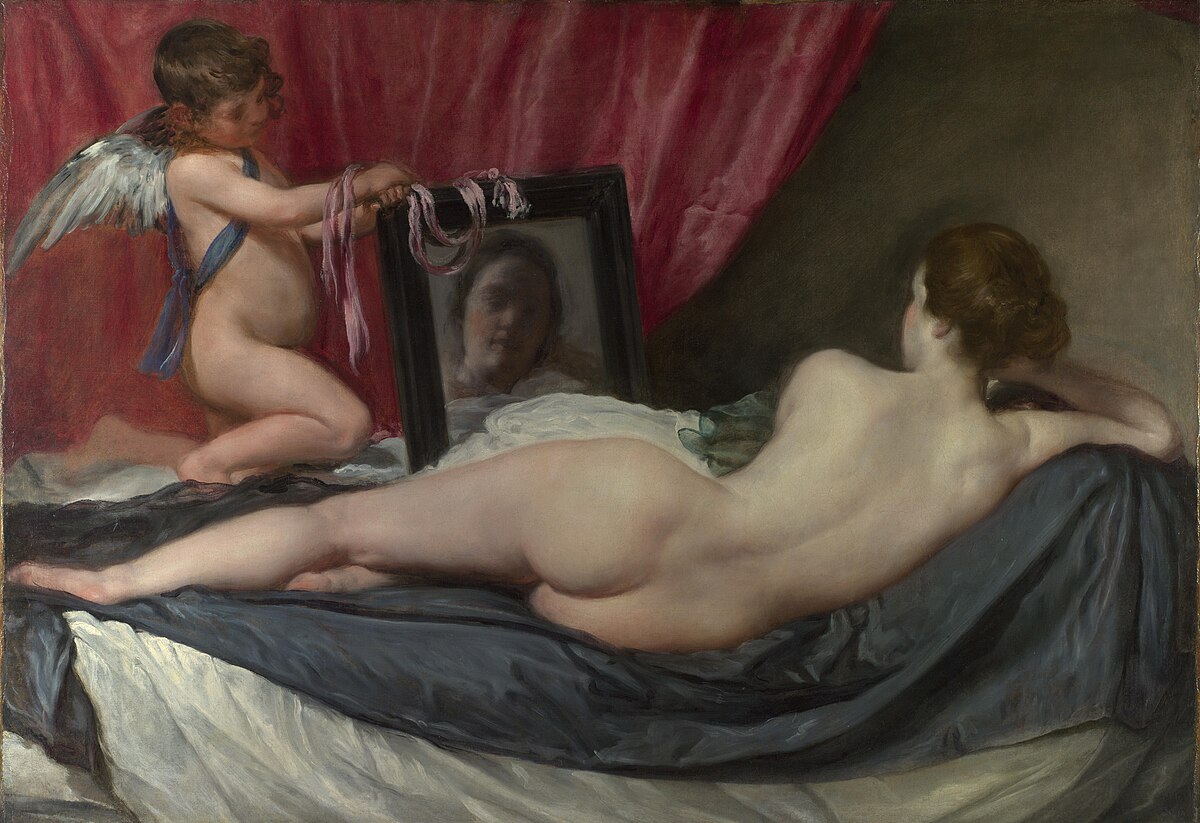
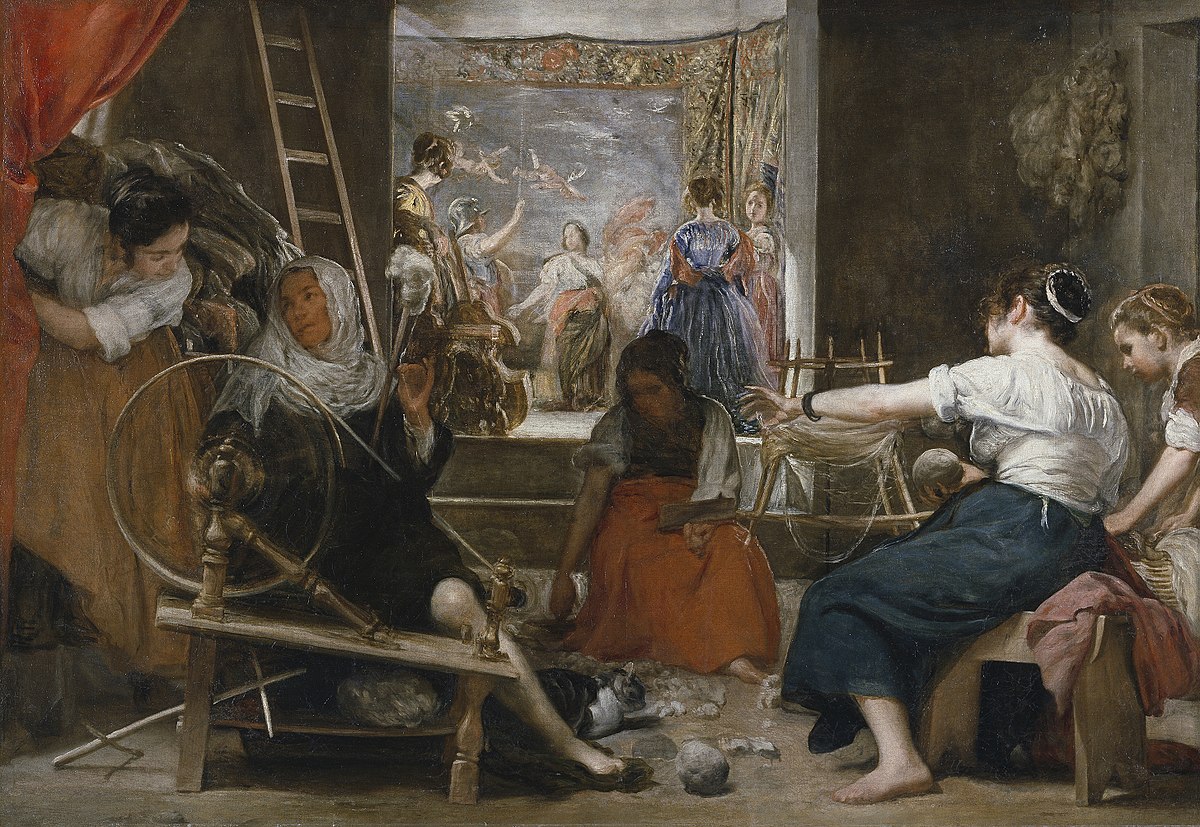
Dijego Rodriges de Silva i Velaskes rođen je u Sevilji 1599. i uzdigao se do pozicije dvorskog slikara kralja Filipa IV od Španije, položaj koji je držao gotovo četiri decenije. Školovan kod Franciska Pačeka (čiju je ćerku oženio), Velaskes je apsorbovao naturalističku revoluciju Karavaða i transformisao je u nešto suptilnije, atmosferičnije i psihološki prodornije. Njegov potez četkom — naizgled bez napora, građen od labavih, razlomljenih poteza koji se stapaju u formu tek na pravoj udaljenosti posmatranja — bio je vekovima ispred svog vremena.
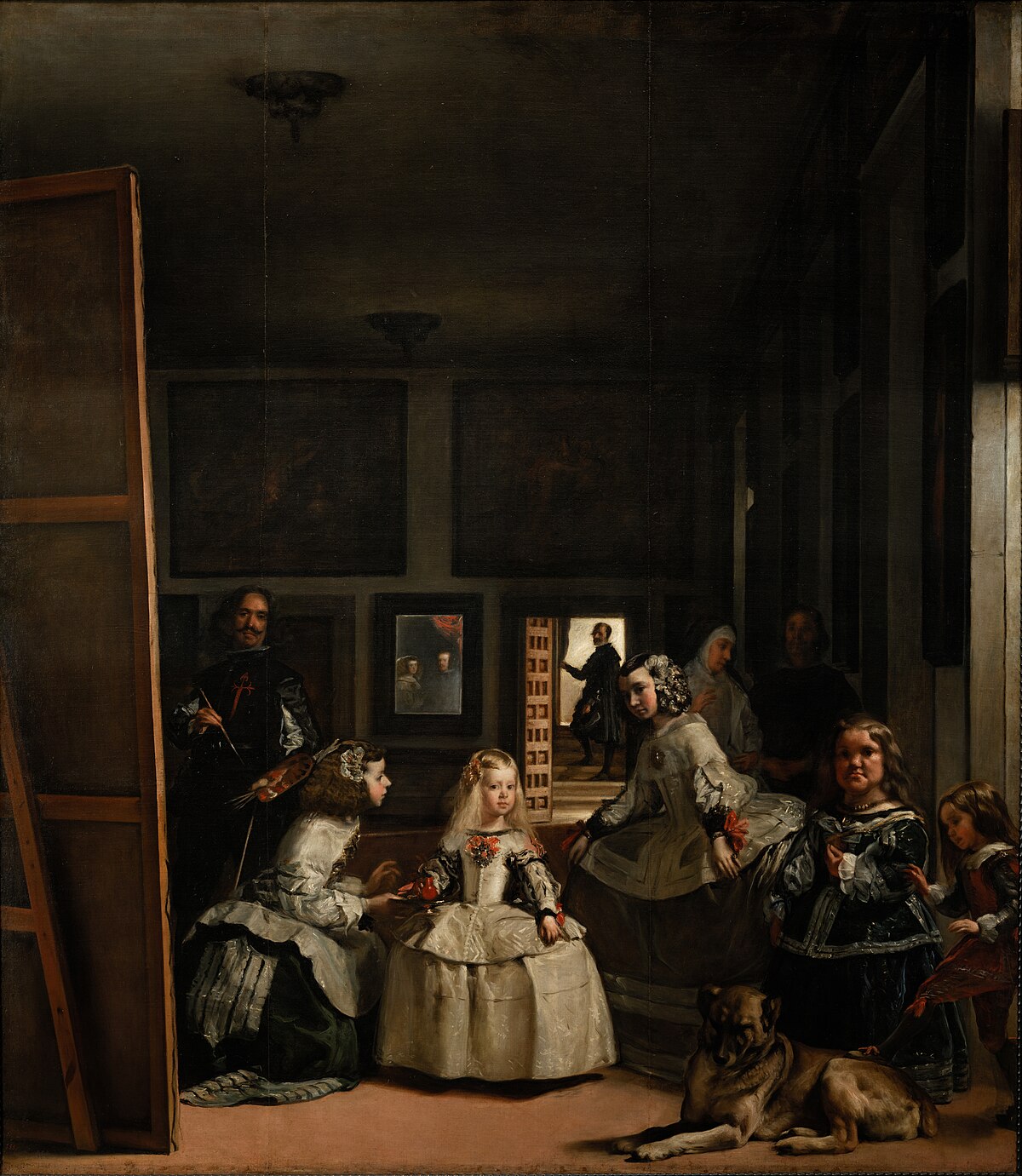
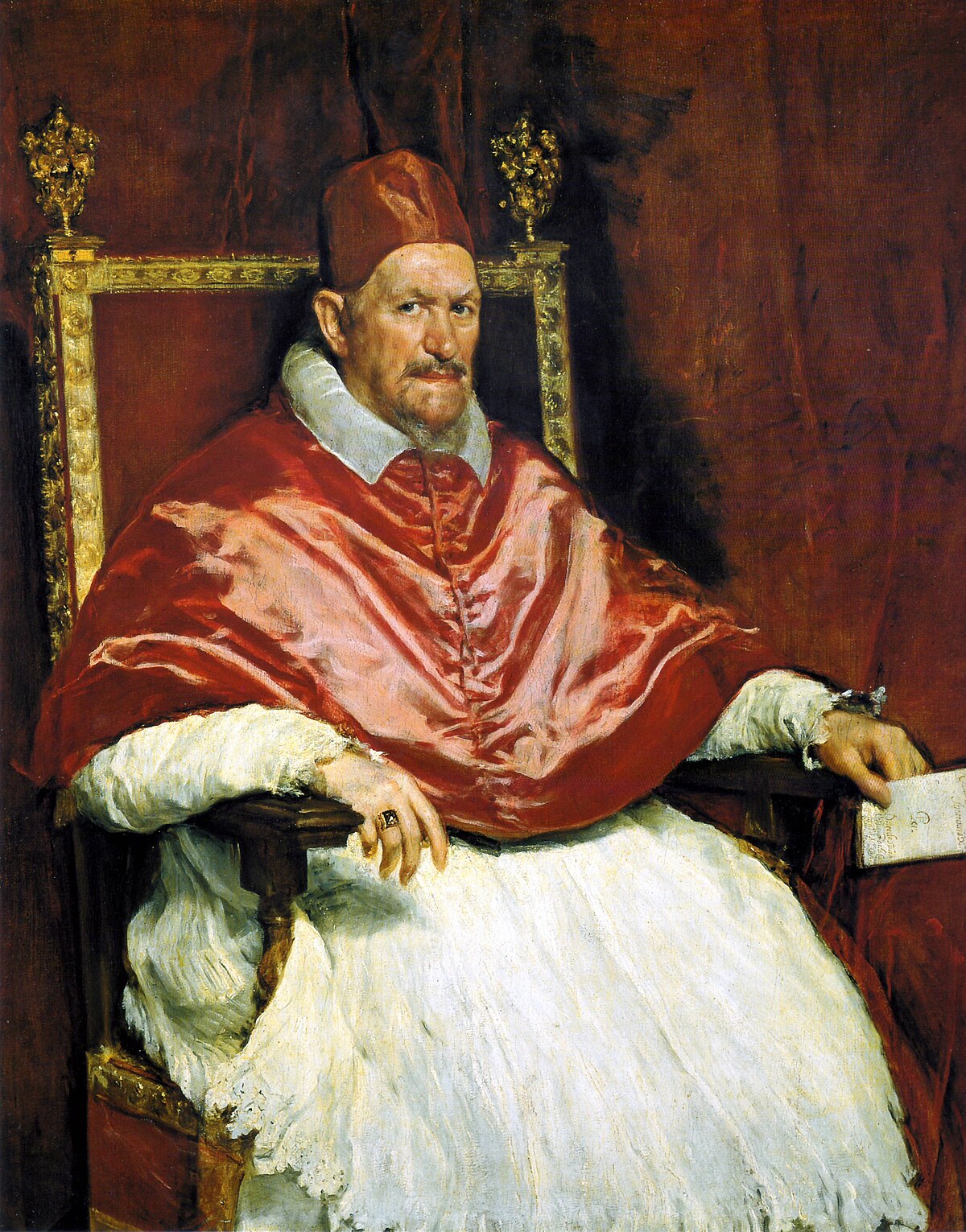
Las Meninas (1656) široko se smatra najsloženijom i intelektualno najizazovnijom slikom u zapadnoj umetnosti. Prikazuje samog Velaskeza kako slika veliko platno, okruženog mladom infantkinjom Margaretom i njenim dvorskim damama, dok se kralj i kraljica ogledaju u ogledalu na zadnjem zidu. Slika je istovremeno grupni portret, meditacija o činu slikanja i zagonetka o percepciji i stvarnosti koja je generisala više naučnih komentara nego gotovo bilo koje drugo delo. Njegov portret Pope Innocent X bio je toliko poražavajuće istinit da je papa navodno uzviknuo: „Previše stvarno!”
Velaskes je uticao na Manea, koji ga je nazvao „slikarem slikara”, i preko Manea na praktično čitavu tradiciju modernog slikarstva. Njegova sposobnost da uhvati atmosferu prostorije — igru svetlosti i vazduha oko svojih figura — anticipirala je impresionizam za dva veka. Screaming pape Frensisa Bejkona, zasnovani na portretu Inoćentija X, svedoče o trajnoj snazi njegove vizije.