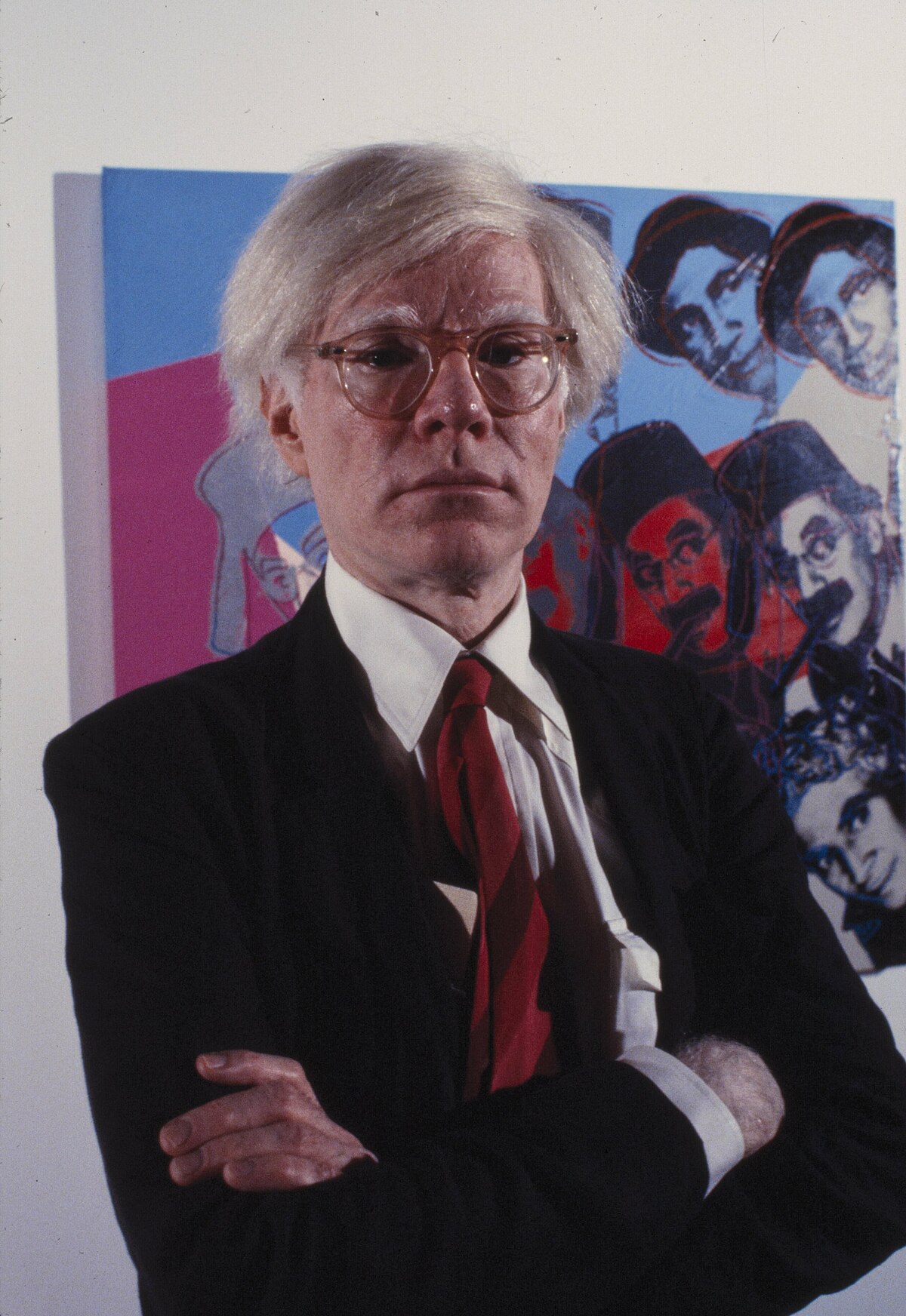
Endi Vorhol započeo je karijeru ne u galeriji već u studiju za komercijalnu umetnost. Rođen kao Endrju Vorhola u Pitsburgu 1928. godine, u radničkoj porodici slovačkih imigranata, preselio se u Njujork nakon studija na Karnegi institutu za tehnologiju i brzo je postao jedan od najuspešnijih komercijalnih ilustratora pedesetih godina, stvarajući duhovite crteže tušem i tehnikom mrljanja za reklame cipela, časopise i omote albuma. Ali Vorhol je želeo da bude likovni umetnik, i početkom šezdesetih napravio je potez koji će redefinisati šta umetnost može biti: počeo je da slika najbanalnijie, najrasprostranjenije slike američke potrošačke kulture — konzerve Kambelove supe, flaše Koka-Kole, novčanice dolara — i da ih, bez trunke ironije, predstavlja kao umetnost.
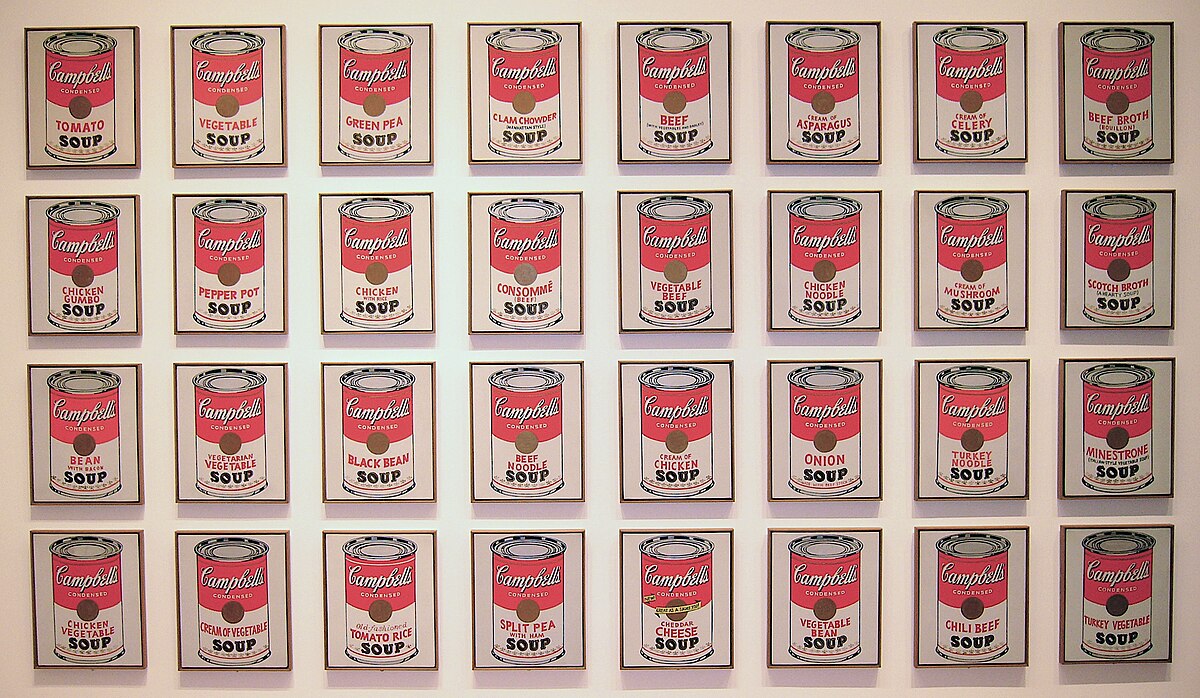
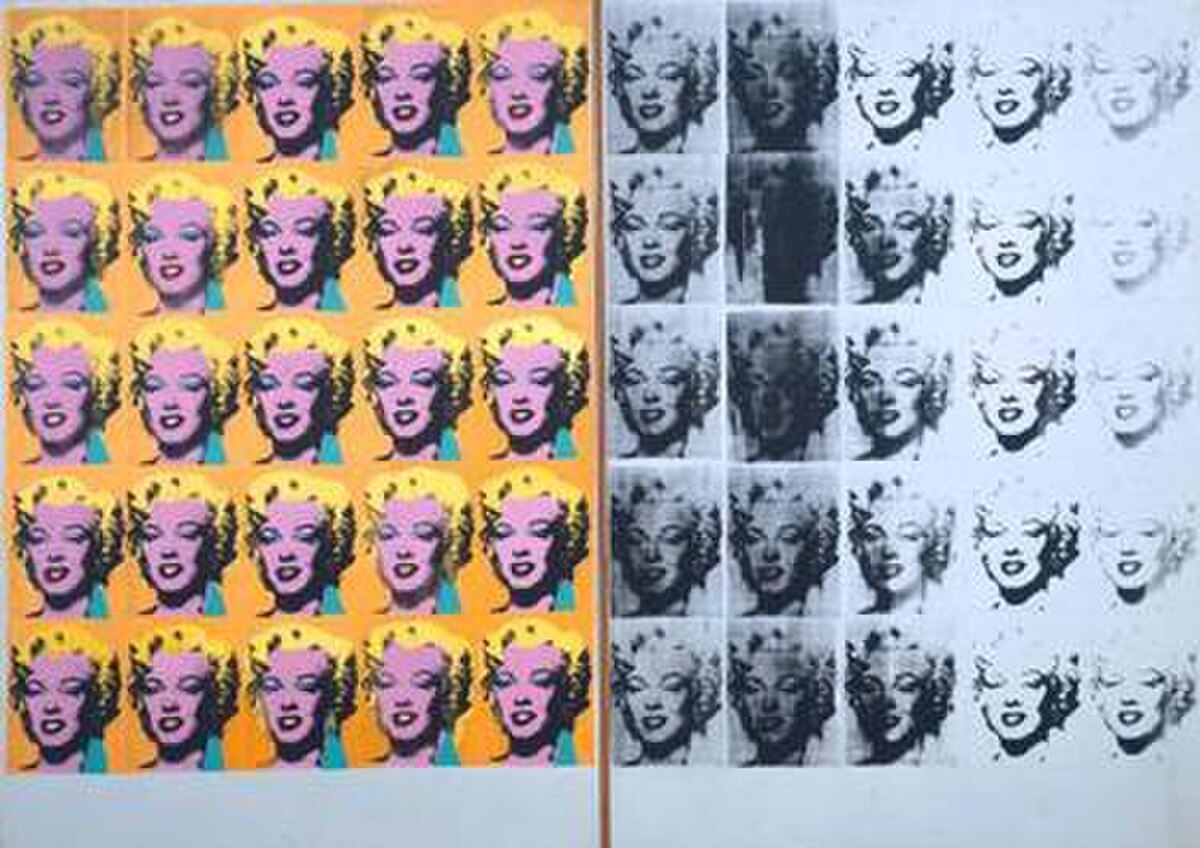
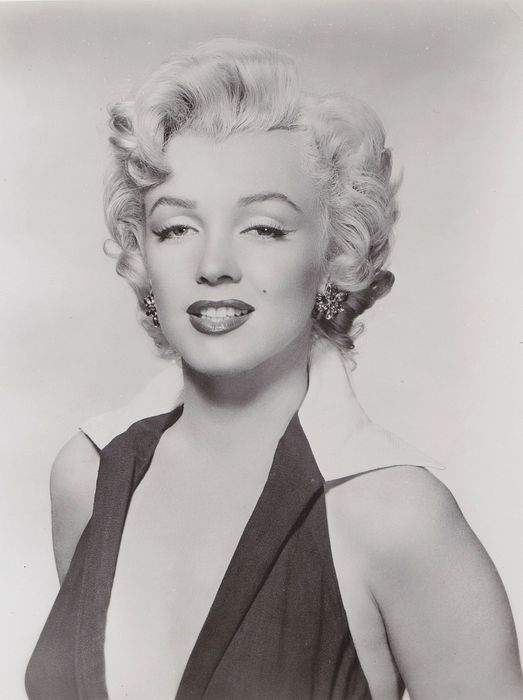
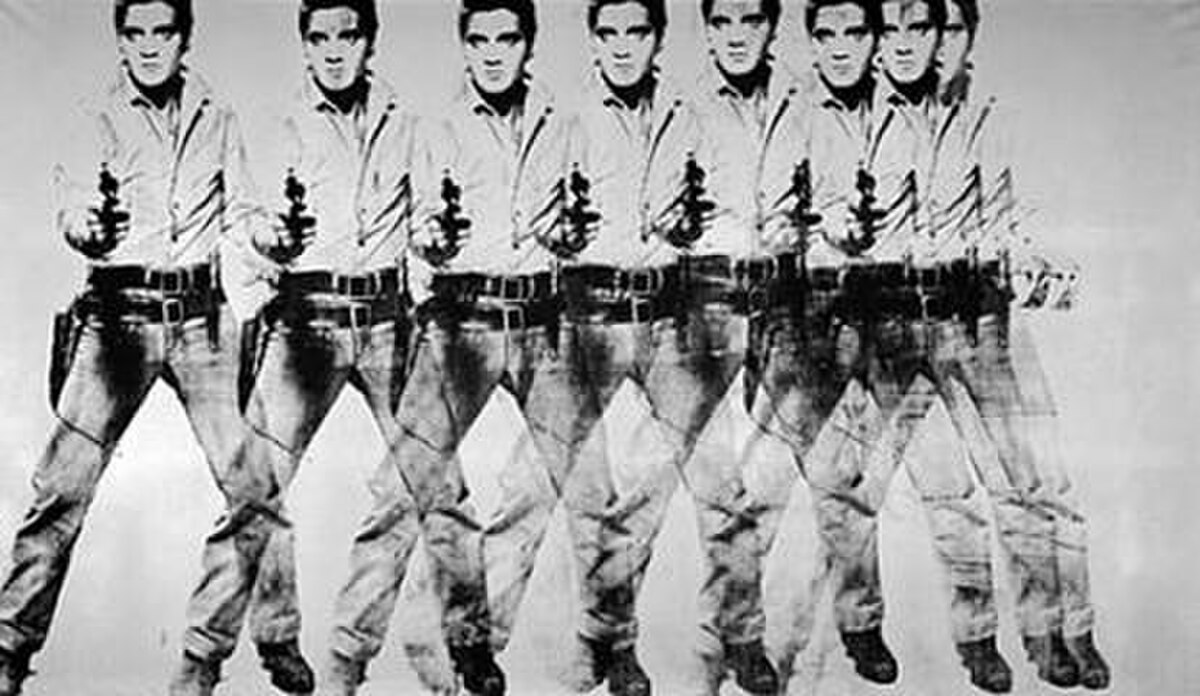
Efekat je bio potrasan. Njegove Campbell’s Soup Cans (1962), mreža od trideset dva gotovo identična platna koja predstavljaju svaki ukus koji je kompanija prodavala, dovele su u pitanje svaku pretpostavku o originalnosti, autorstvu i umetničkoj vrednosti. Njegovi svilotisak portreti Merilin Monro, Elvisa Prislija i Elizabet Tejlor transformisali su fotografije slavnih u kričave, masovno proizvedene ikone, ukidajući distancu između likovne umetnosti i reklamiranja. U svom legendarnom studiju, Fabrici — potkrovlju obloženom srebrnom folijom koje je postalo magnet za umetnike, muzičare, glumce i društvene autsajdere — Vorhol je proizvodio ne samo slike i grafike već i eksperimentalne filmove, rok bend (bio je menadžer The Velvet Undergrounda), časopis i čitavu filozofiju slave. „U budućnosti će svako biti svetski poznat petnaest minuta”, izjavio je, i to predviđanje se pokazalo neobično tačnim.
Vorhol je preživeo pokušaj ubistva 1968. kada ga je radikalna feministkinja Valeri Solanas upucala u Fabrici, i iz tog iskustva je izašao oprezniji ali ništa manje produktivan. Njegove kasnije decenije donele su naručene portrete bogatih, saradnje sa mlađim umetnicima poput Žan-Mišela Baskijata i ogroman opus grafika i slika. Umro je neočekivano 1987. nakon rutinske operacije, u pedeset osmoj godini. Njegovo nasleđe je svuda: u načinu na koji razmišljamo o slavnim ličnostima, brendiranju i odnosu između komercijale i kulture. Više od bilo kog drugog umetnika, Vorhol je anticipirao svet zasićen slikama i opsednut slavom u kojem danas živimo.