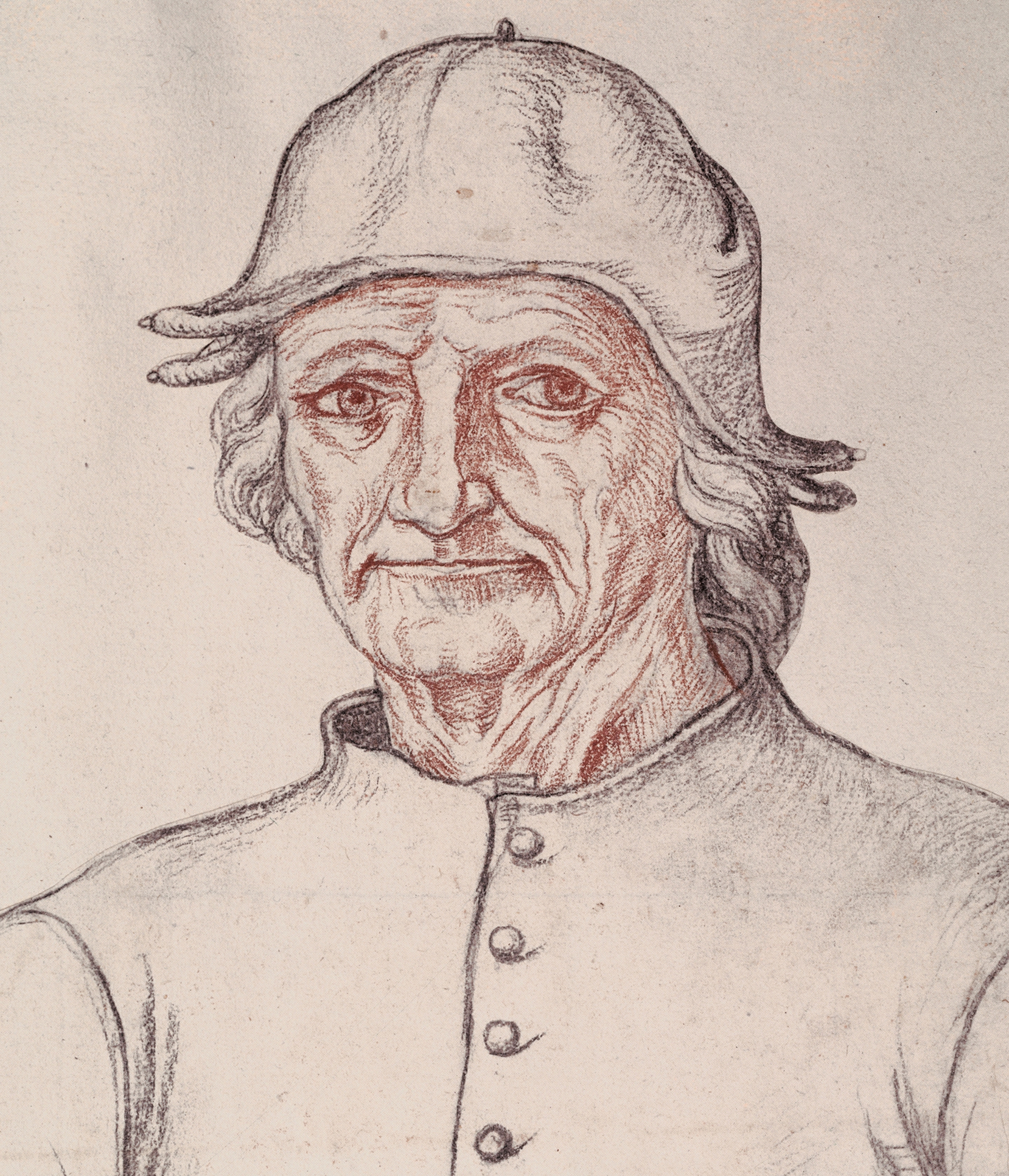
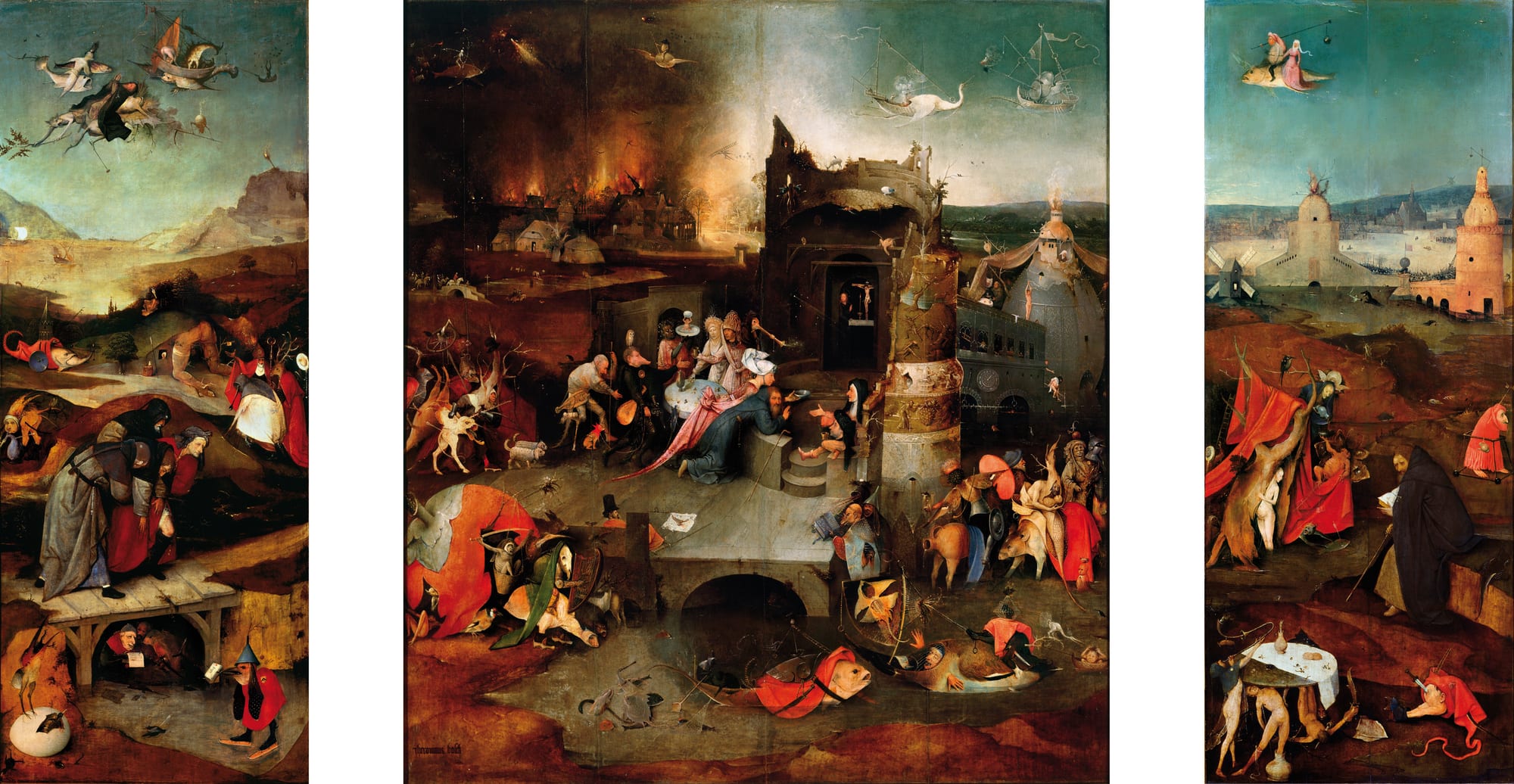
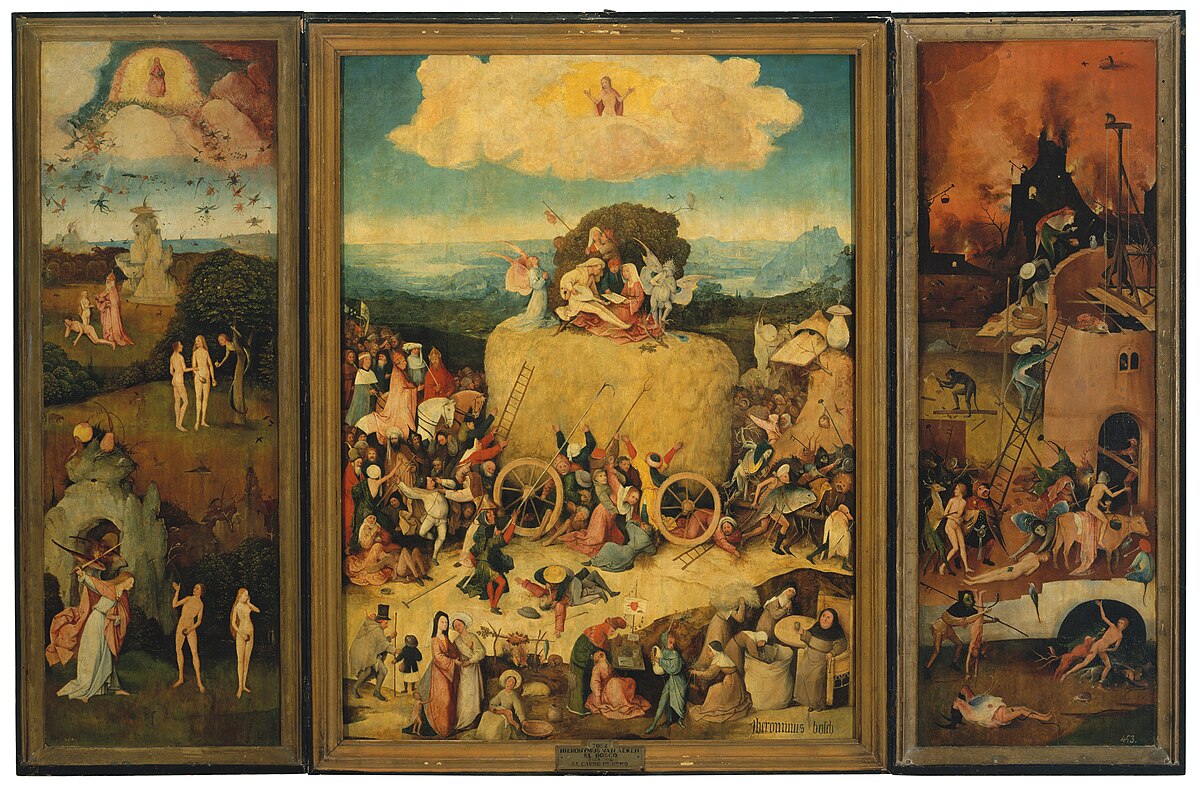
Hijeronimus Boš, rođen kao Jheronimus van Aken oko 1450. u ‘s-Hertogenbošu u vojvodstvu Brabant, bio je slikar kakav nije postojao. Dok su njegovi holandski savremenici težili sve većem naturalizmu, Boš je svoje panele naselio demonima, hibridnim bićima i noćmornim pejzažima izvučenim iz najdubljih dubina srednjovekovne mašte. Njegove slike vrve stotinama sićušnih figura upletenih u činove greha, kazne i nadrealnih metamorfoza, naslikanih preciznom tehnikom minijaturiste i inventivnošću grozničavog sanjara.
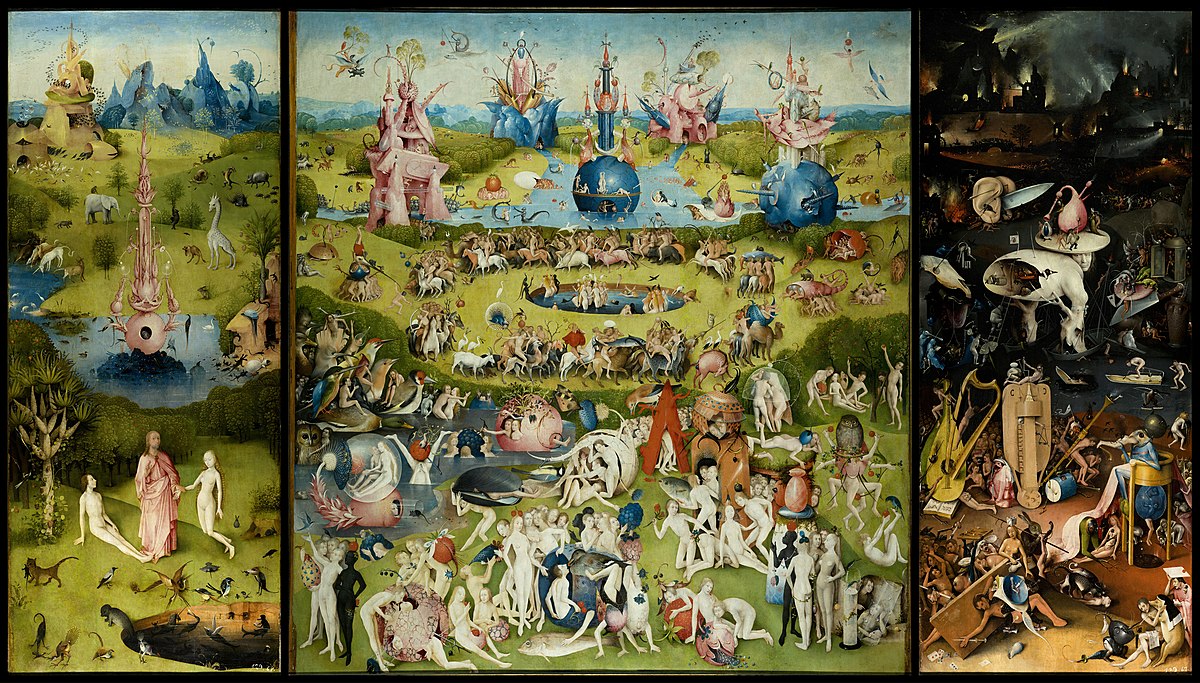
The Garden of Earthly Delights (oko 1490–1510), njegovo najpoznatije delo, je triptih koji se kreće od Edenskog vrta, preko prostranog centralnog panela sa nagim figurama koje se zabavljaju među džinovskim voćem, pticama i kristalnim strukturama, do paklenog pejzaža muzičkih instrumenata pretvorenih u sprave za mučenje. Naučnici debatuju o njegovom značenju već pet vekova — da li je to upozorenje protiv greha, alhemijska alegorija, jeretička utopija? — i nijedna konačna interpretacija nije preovladala. Upravo ta dvosmislenost je deo njegove trajne fascinacije.
Boš je bio cenjen u svoje vreme — Filip II Španski bio je strastveni kolekcionar — a njegov uticaj se može pratiti kroz Brojgela, nadrealiste i savremenu fantastičnu umetnost. Njegovo delo nas podseća da je racionalna, klasična tradicija samo jedna nit evropske umetnosti; uz nju je uvek tekla tamnija, čudnija struja vizionarne mašte.