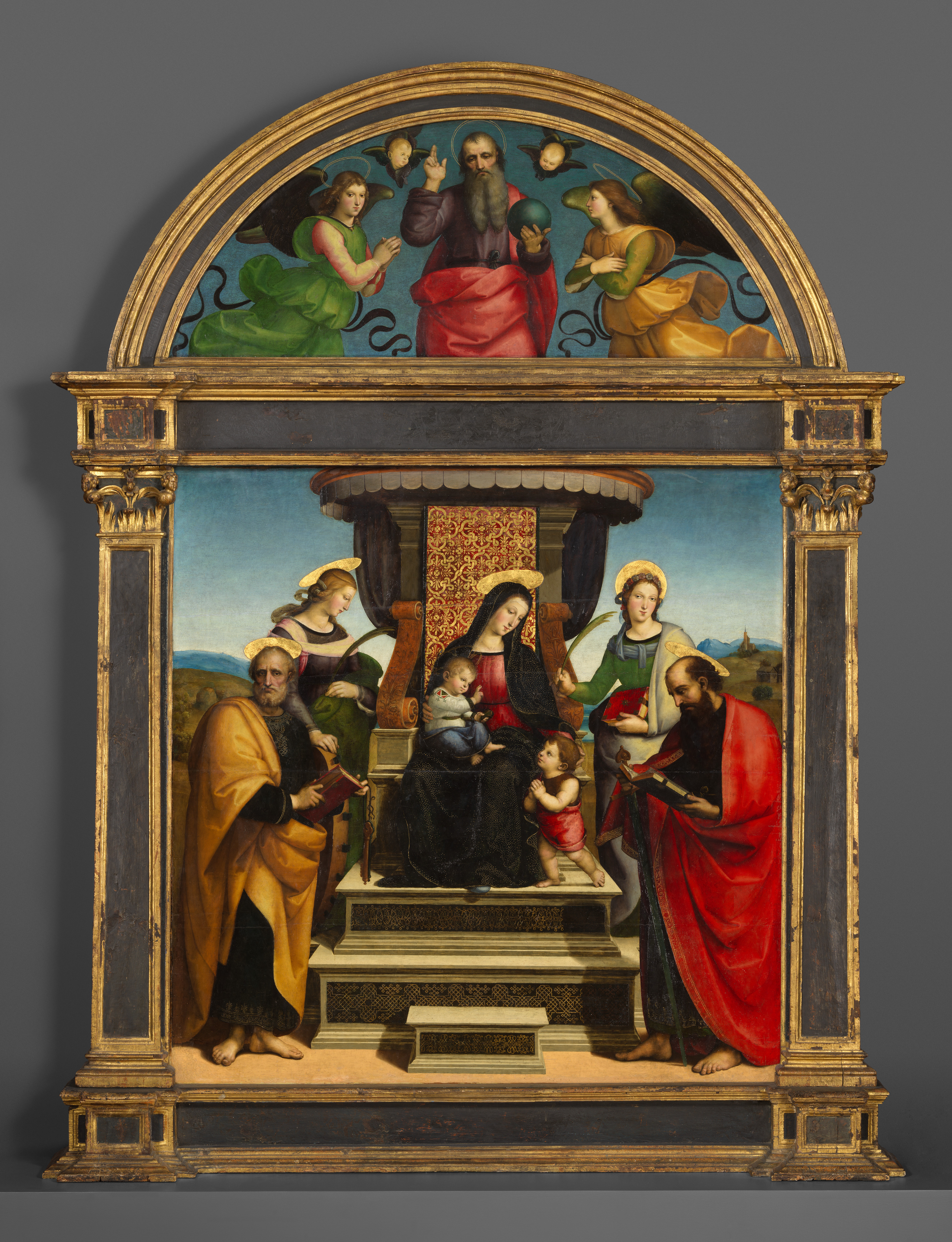

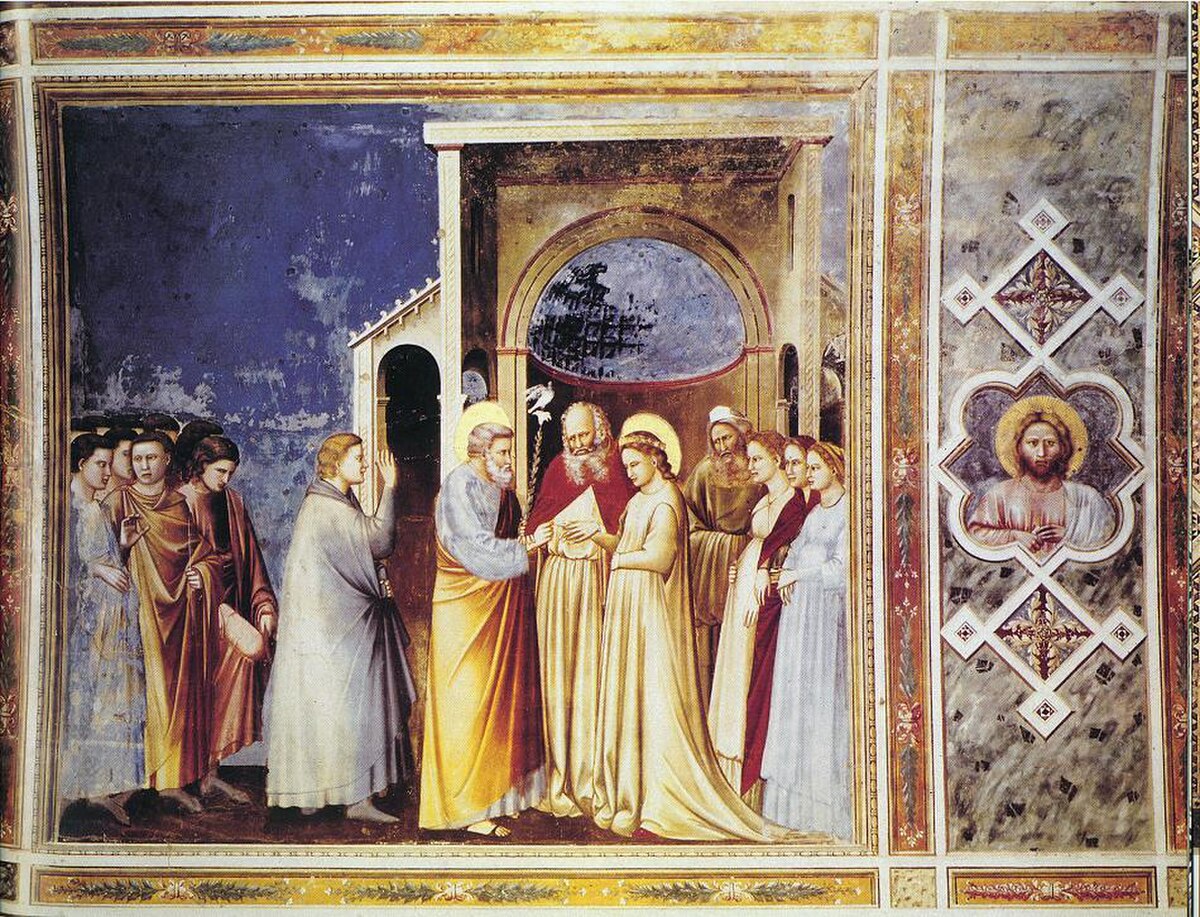
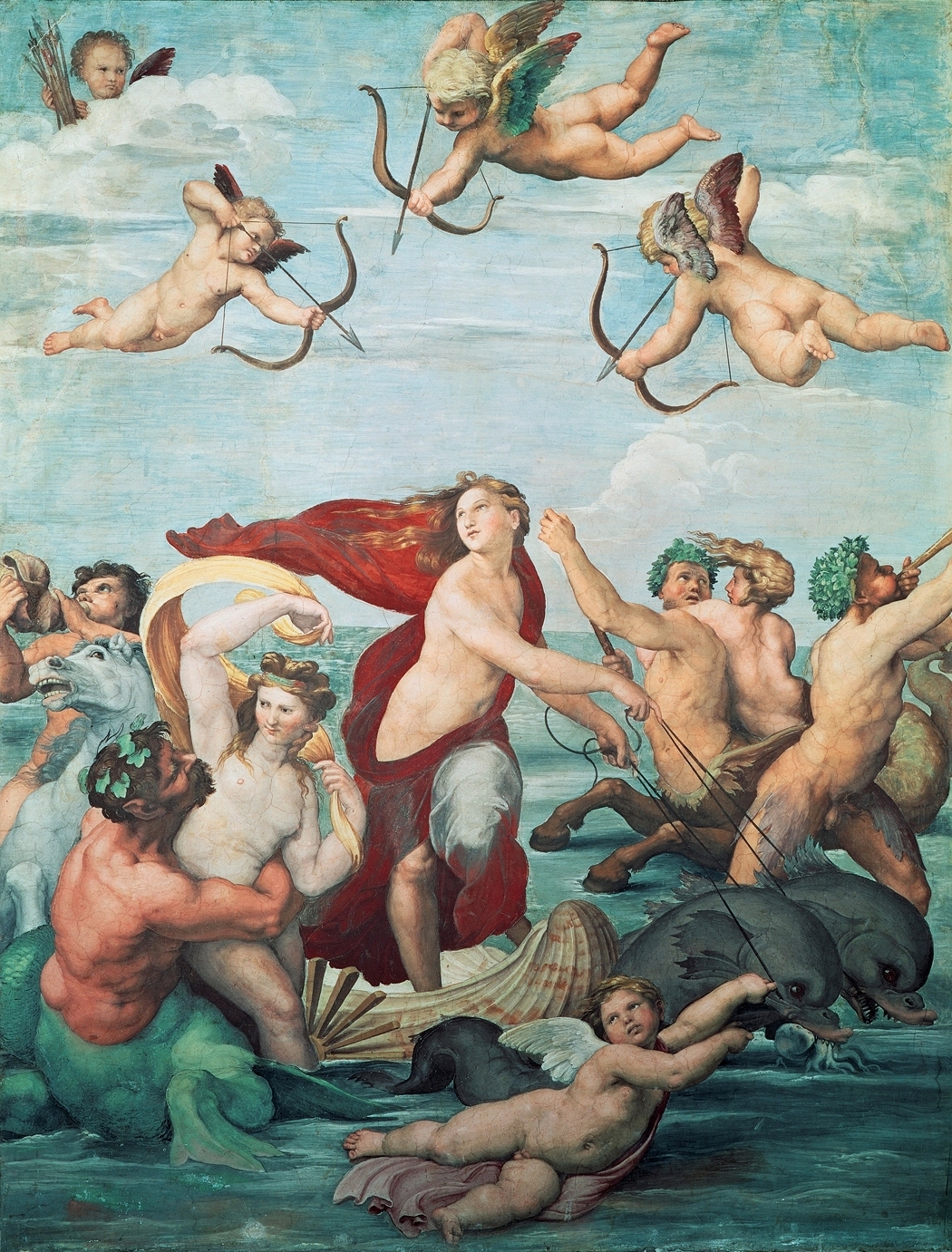
Rafaelo Sancio rođen je 1483. godine u maloj ali kulturno živoj vojvodini Urbino, gde je njegov otac Đovani Santi služio kao dvorski slikar vojvode Federika da Montefeltra. Ovo rano izlaganje jednom od najrafinovanijih dvorova u Italiji usadilo je mladom Rafaelu osetljivost za graciju, proporciju i klasične ideale koji će definisati čitavu njegovu karijeru. Nakon očeve smrti 1494, Rafael je ušao u radionicu Pjetra Peruđina u Peruđi, gde je toliko temeljno apsorbovao majstorov stil — spokojnu simetriju, svetle pejzaže, nežne nagibe glava — da su rana dela poput „The Marriage of the Virgin” (1504) bila praktično nerazlučiva od samog Peruđinovog rada. Pa ipak, čak i u tim šegrtskim godinama, natprirodna veština i želja da uči iz svakog dostupnog izvora označavali su Rafaela kao nešto više od nadarenog imitatora.
Stigavši u Firencu oko 1504. godine, Rafael je zatekao titansko rivalstvo između Leonarda da Vinčija i Mikelanđela Buonarotija, i umesto da bude savladan, sintetizovao je najbolje od oba majstora zapanjujućom brzinom. Od Leonarda je usvojio sfumato modelovanje, piramidalnu kompoziciju i psihološku suptilnost; od Mikelanđela je crpeo monumentalnu konstrukciju figura i mišićnu dinamiku. Ovaj kapacitet za sintezu — uzimanje disparatnih inovacija i stapanje u kompozicije besprekornog sklada — postao je Rafaelov zaštitni genije. Njegove firentinske Madone, uključujući „Madonna of the Goldfinch” (1506) i „Belle Jardiniere” (1507), pokazale su toplinu i naturalizam koji su svetom činili intimno ljudskim. Do 1508. godine, njegova reputacija je dovoljno narasla da ga je papa Julije II pozvao u Rim da ukrasi papske odaje u Vatikanu, narudžbina koja će proizvesti neke od najslavnijih fresaka u zapadnoj umetnosti.
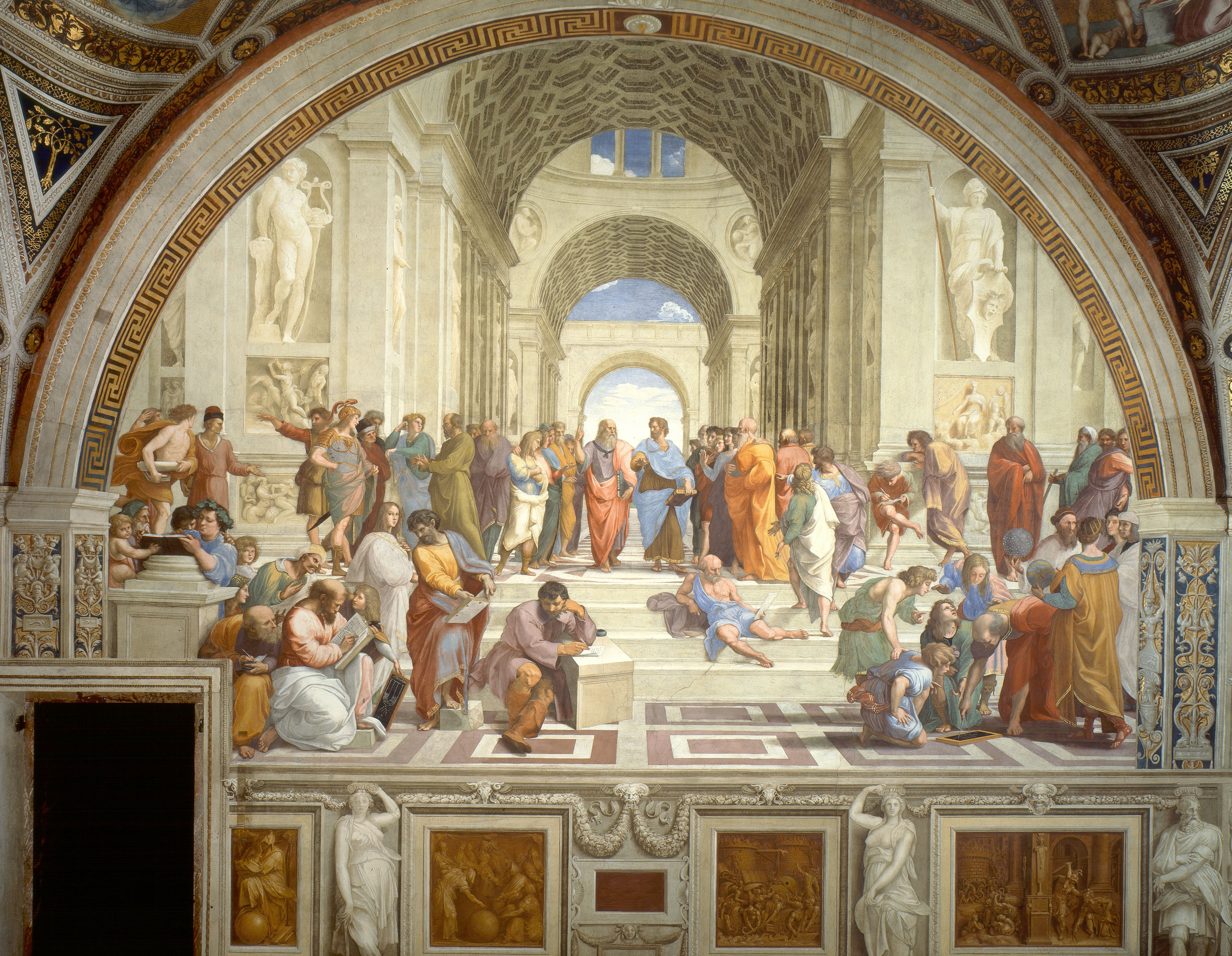
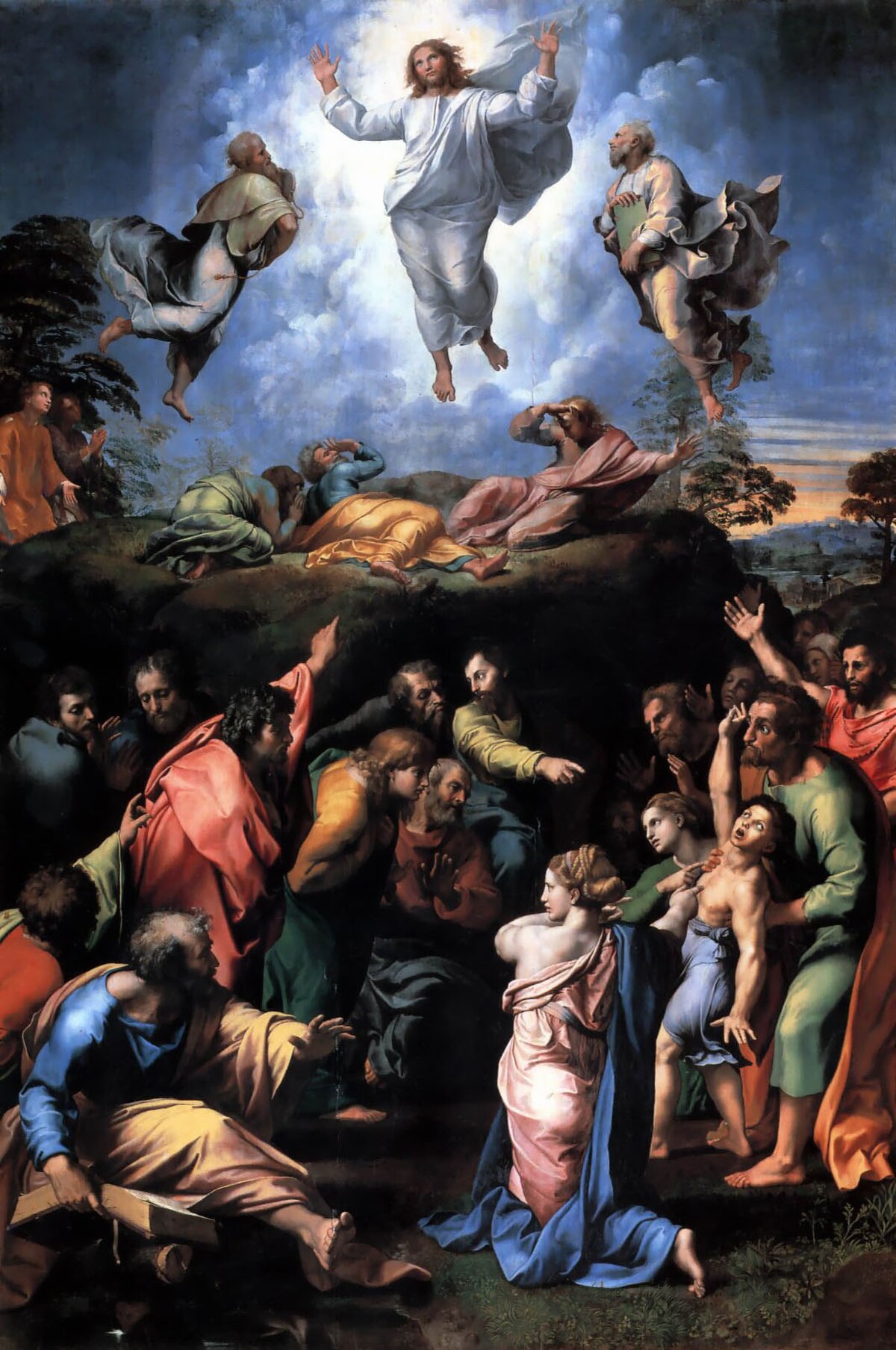
Vatikanske Stance, oslikane između 1509. i 1520. godine, predstavljaju vrhunac Rafaelovog dostignuća. „The School of Athens” u Stanci dela Sinjatura okuplja velike filozofe antike pod vitkom klasičnom arhitekturom, sa Platonom i Aristotelom koji koračaju u centru — delo tako savršeno komponovano da je postalo udžbenička definicija renesansnih ideala. Istovremeno, Rafael je vodio veliku i efikasnu radionicu, stvarao arhitektonske projekte nakon Bramanteove smrti 1514, naslikao „Sistine Madonna” (oko 1512) sa njenim ikoničnim sanjarskim anđelima, i započeo svoje poslednje remek-delo, „The Transfiguration” (1516–1520), delo koje je ambiciozno spojilo dva biblijska narativa u jednu dramatičnu kompoziciju. Njegova smrt na Veliki petak, 6. aprila 1520, u samo trideset sedmoj godini — verovatno od groznice, mada legenda okrivljuje romantičnu preteranost — odjeknula je poput šoka kroz Rim. Nedovršeno „The Transfiguration” bilo je izloženo na njegovoj sahrani, a sahranjen je u Panteonu. Vazari je napisao da se sama priroda plašila da bude pobeđena Rafaelovom umetnošću, i tri veka je njegov primer uravnotežene lepote, klasične jasnoće i spokojnog idealizma bio postavljen iznad svih ostalih kao krajnji uzor za slikare.