
Gustav Klimt rođen je 1862. godine u Baumgartenu, predgrađu Beča, kao sin gravera češkog porekla. Školovao se na Bečkoj školi primenjenih umetnosti od 1876. godine, a tokom 1880-ih on i njegov brat Ernst, zajedno sa kolegom Francom Mačom, formirali su uspešan tim za dekorativno slikarstvo koji je dobijao narudžbine za ukrašavanje pozorišta i javnih zgrada širom Austrougarskog carstva, uključujući Burgteatar i Kunsthistorijski muzej u Beču. Ovi rani radovi bili su vešti, ali konvencionalni, izvedeni u uglačanom akademskom stilu. Sve se promenilo 1890-ih: Ernstova smrt 1892. godine, uticaj simbolizma i Art Nouvoa koji je prodirao iz Pariza i Brisela, i Klimtova sopstvena nemirna ambicija konvergirali su da ga gurnu ka radikalnom raskidu sa tradicijom. Godine 1897. suosnovao je Bečku secesiju, grupu umetnika koji su odbacili konzervativni establišment Künstlerhausa, i dizajnirao je plakat za njihovu prvu izložbu — nagog Tezeja kako ubija Minotaura, provokaciju koja je signalizirala borben stav Secesije.
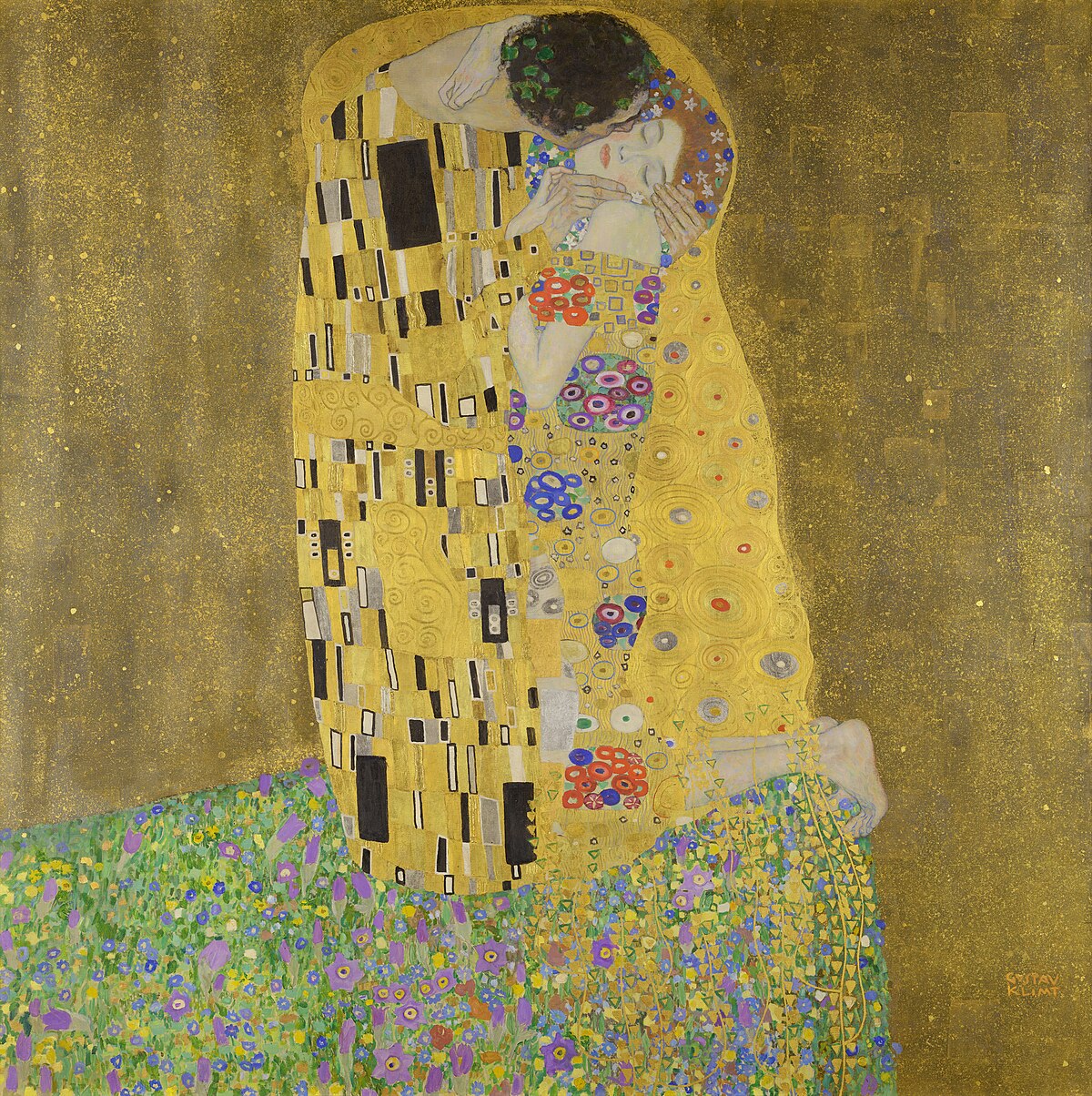
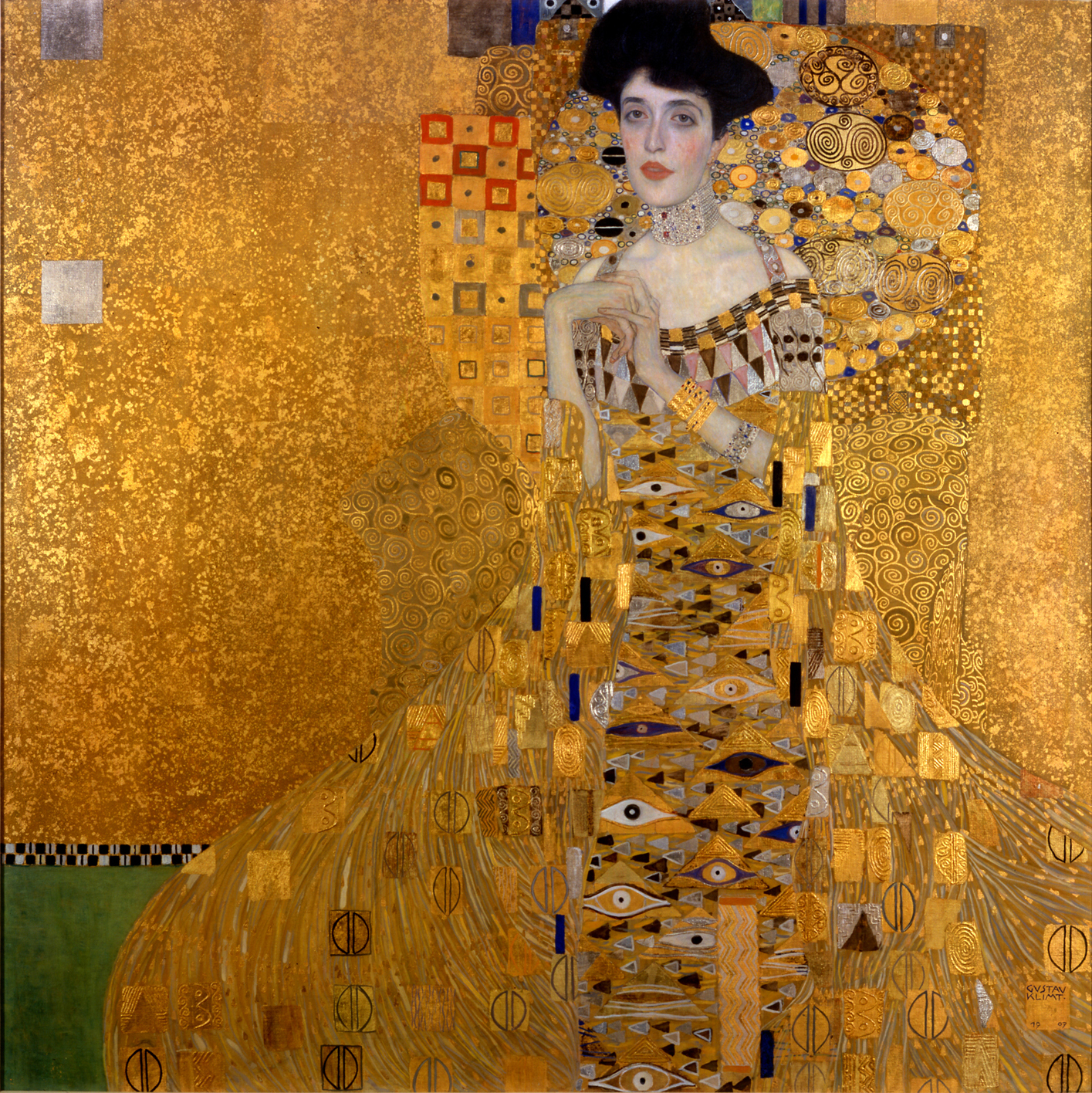
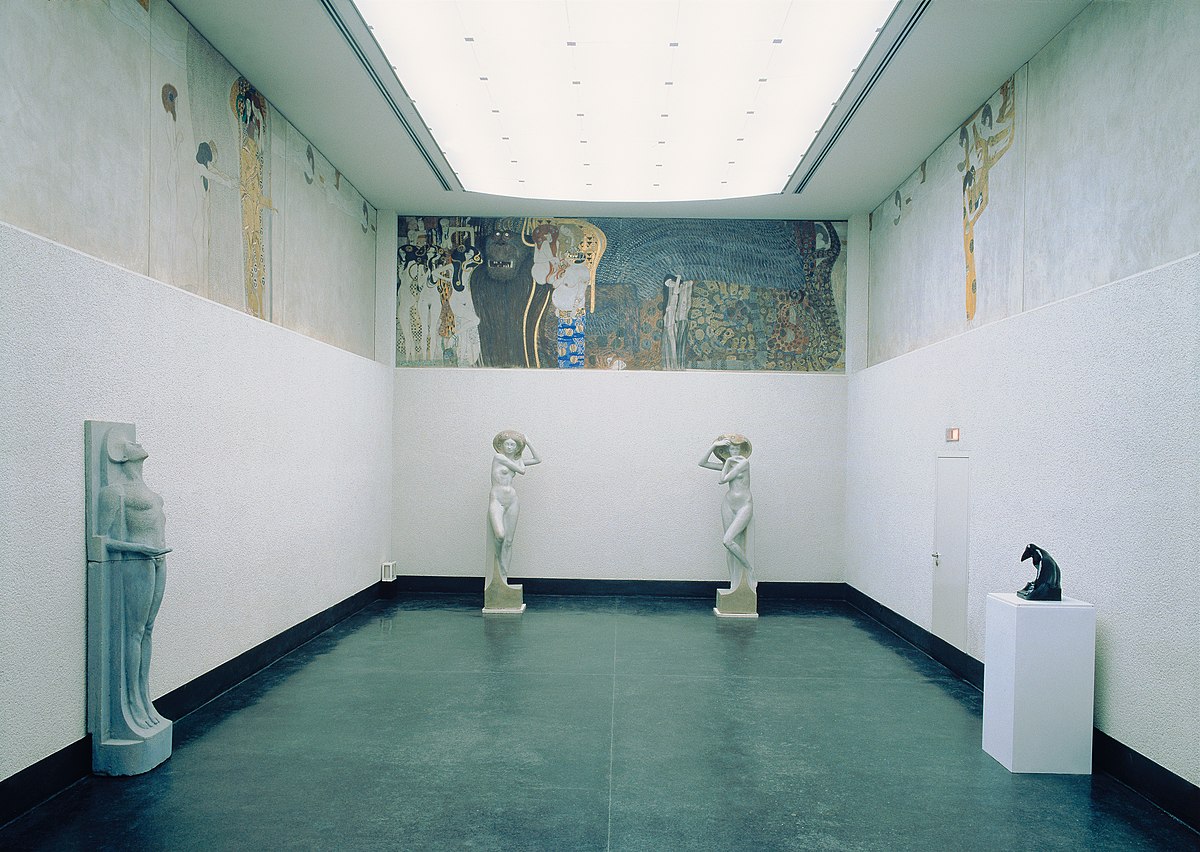
Skandal koji je najjasnije definisao Klimtovu karijeru izbio je oko njegovih tri alegorijske plafonske slike za Veliku salu Bečkog univerziteta, naručene 1894. godine. Kada je „Filozofija” predstavljena 1900. godine, a zatim „Medicina” (1901) i „Jurisprudencija” (1903), kritičari i profesori bili su razjareni pesimističnom, erotičnom i dvosmislenom ikonografijom slika — isprepletana naga tela koja plutaju u kosmičkim prazninama umesto racionalnih trijumfa kakve je univerzitet očekivao. Klimt je na kraju povukao narudžbinu i vratio honorar, a slike su tragično uništene od strane SS snaga u povlačenju 1945. godine. Ipak, kontroverza je oslobodila Klimta da sledi svoju najličniju viziju. Njegova „Zlatna faza”, otprilike od 1903. do 1910. godine, proizvela je dela po kojima je najupamćeniji: „Portrait of Adele Bloch-Bauer I” (1907), prekriven zlatnim listićima i geometrijskim uzorcima inspirisanim vizantijskim mozaicima koje je video u Raveni; „The Kiss” (1907-1908), na kojem dvoje ljubavnika kleče na liticom posutoj cvećem, obavijeni zlatnim kokonom ornamenta; i monumentalni „Beethoven Frieze” (1902), stvoren za četrnaestu izložbu Secesije kao počast kompozitoru.
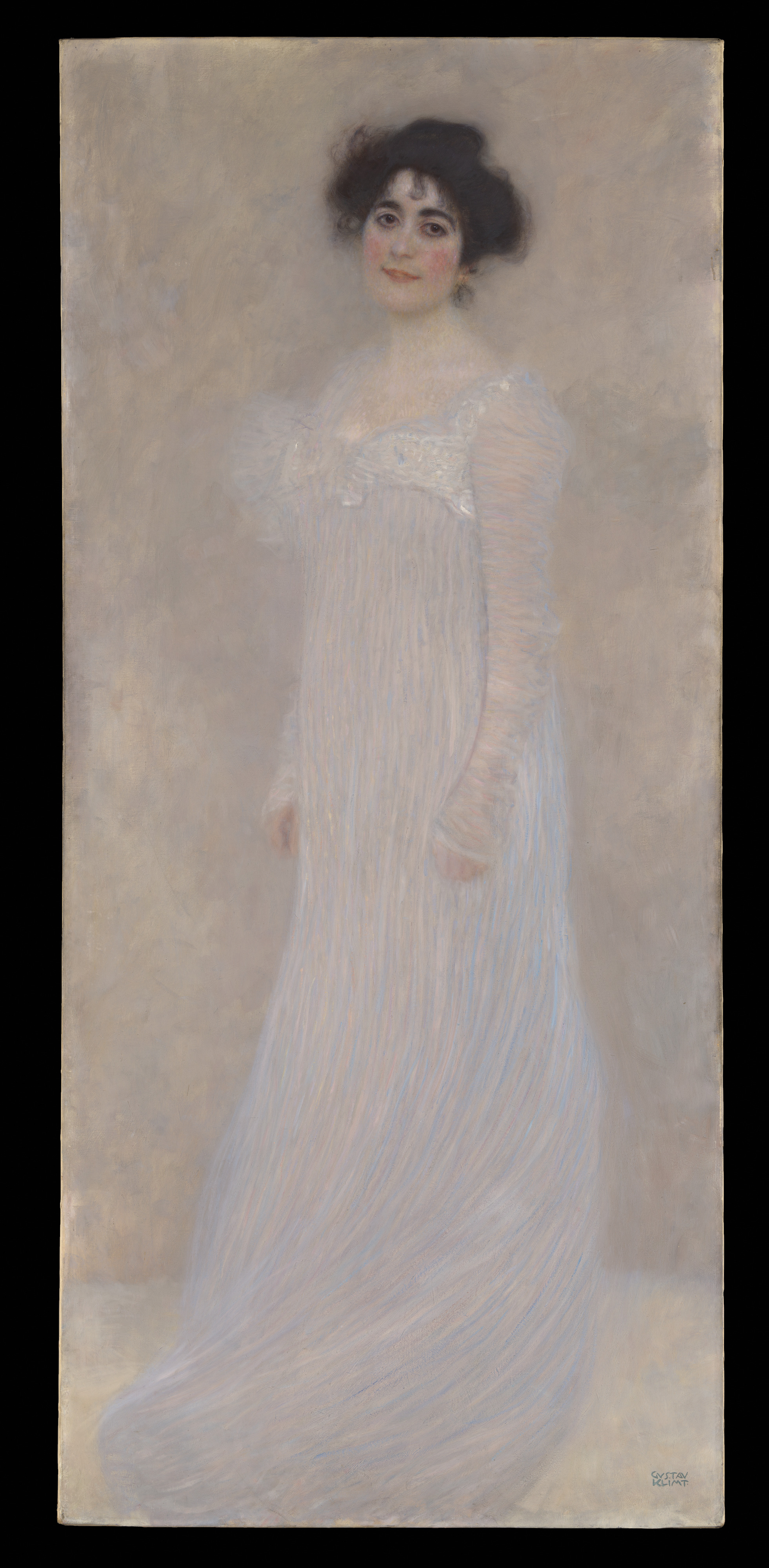
Klimtova umetnost delovala je na preseku dekoracije i dubine, površinske lepote i psihološkog intenziteta. Njegovi portreti bečkih dama iz visokog društva — Adele Bloh-Bauer, Emilije Flege, Frice Ridler — prikazuju svoje subjekte istovremeno kao ikone i kao pojedince, njihova lica renderovana sa naturalističkom osetljivošću dok se njihova tela rastapaju u treperave površine uzoraka crpljenih iz japanske umetnosti, mikenskog zlata, egipatskih motiva i Jugendstil ornamenta. Ispod raskošnih površina ležalo je uporno bavljenje Erosom i Tanatosom — seksualnošću, starenjem i smrću — koje je povezivalo Klimta sa intelektualnim vrenjem Beča na kraju veka, svetom Frojda, Malera i Šniclera. Njegove pejzažne slike, često zanemarene, jednako su izvanredne: kvadratni formati pogleda na Aterzeju prikazani u gotovo pointilističkom mozaiku boja koji anticipira apstrakciju. Klimt je umro od moždanog udara 6. februara 1918. godine, mesecima pre raspada Habzburškog carstva čiji je sumrak njegova umetnost tako veličanstveno krasila. Njegov uticaj se proteže kroz njegove štićenike Egona Šilea i Oskara Kokoščku i dalje u savremenu modu, dizajn i vizuelnu kulturu, gde „The Kiss” ostaje jedna od najreproduciranijih slika na svetu.