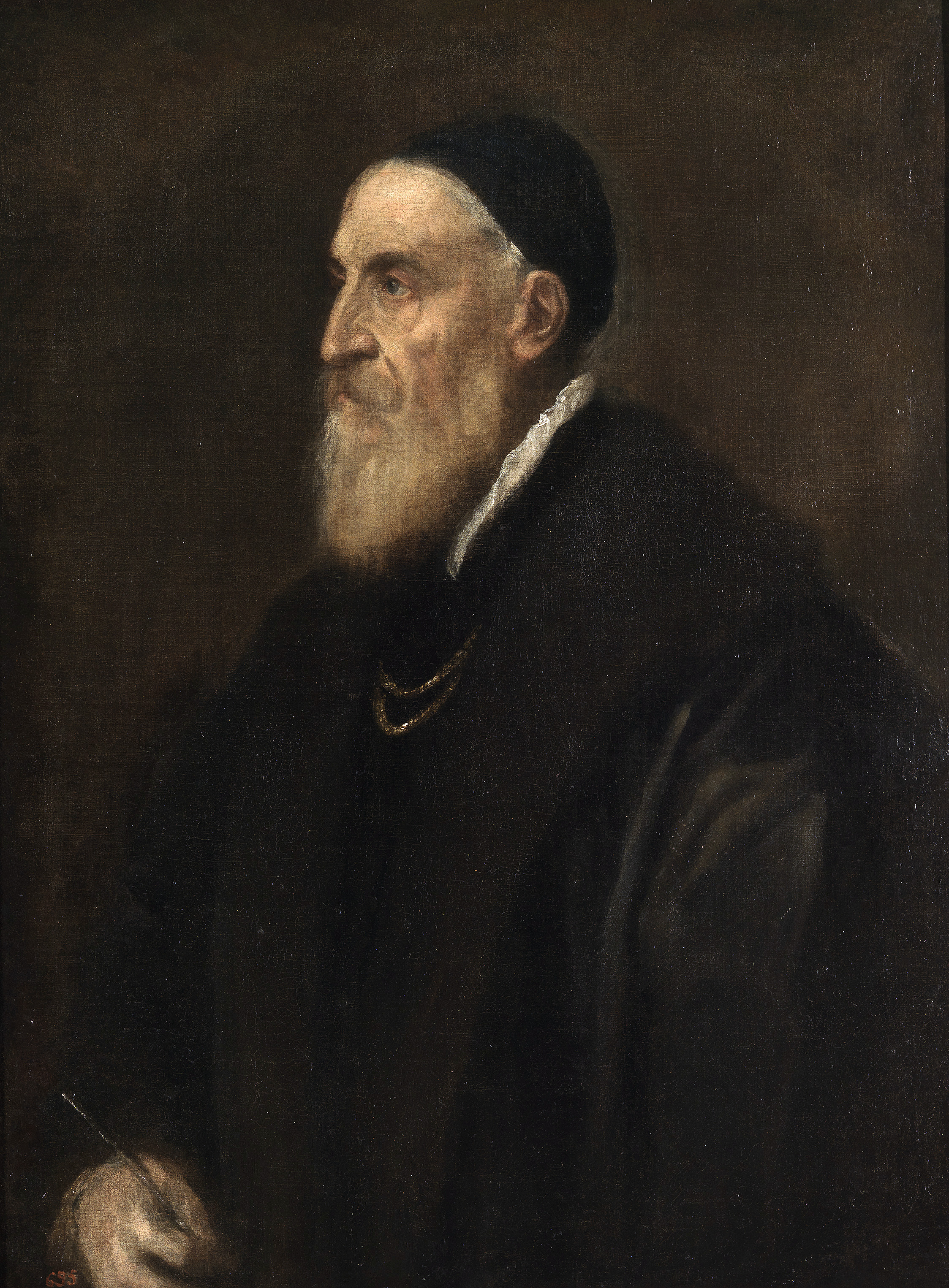
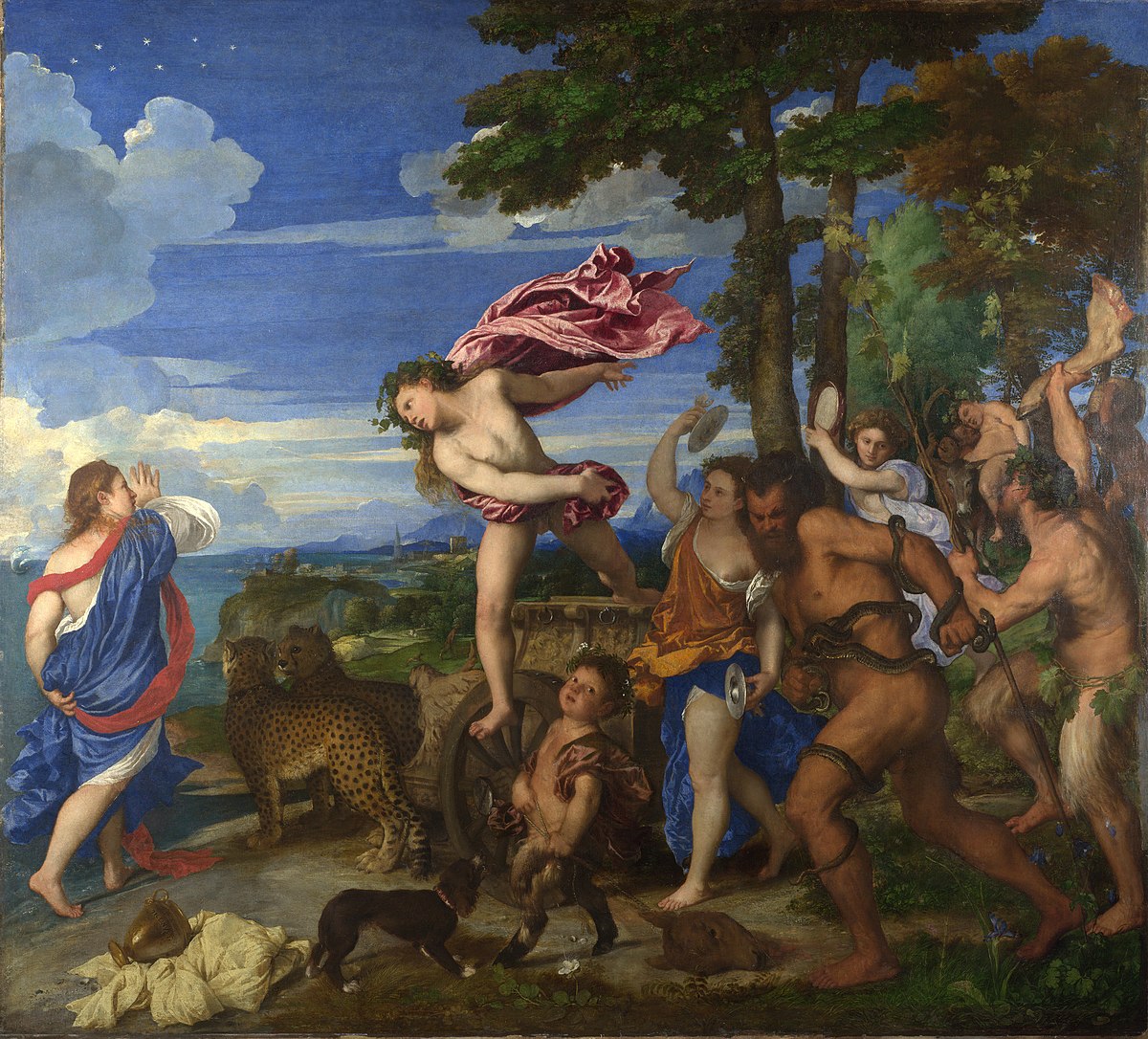
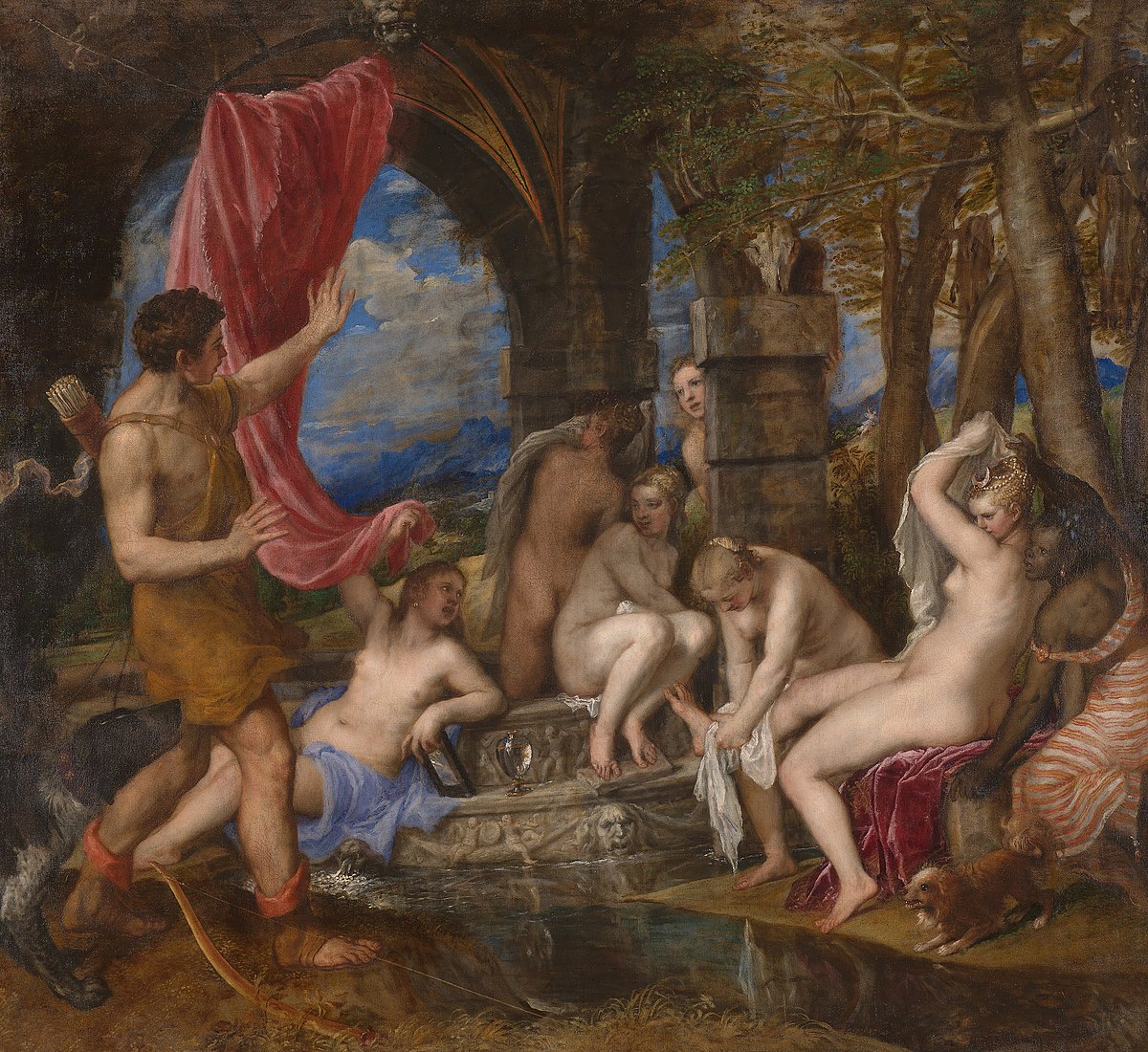
Ticijano Večelio, poznat kao Ticijan, bio je najveći slikar venecijanske škole i jedna od ključnih figura zapadne umetnosti. Rođen u alpskom gradu Pjeve di Kadore oko 1488, školovao se kod Đovanija Belinija i izronio iz senke Đorđonea da bi, do dvadesetih godina šesnaestog veka, postao najtraženiji slikar u Evropi. Carevi, pape i kraljevi nadmetali su se za njegove usluge, a njegova karijera je obuhvatala zapanjujućih sedam decenija, od luminoznih mitologija mladosti do tamnih, ekspresionističkih platana poslednjih godina.
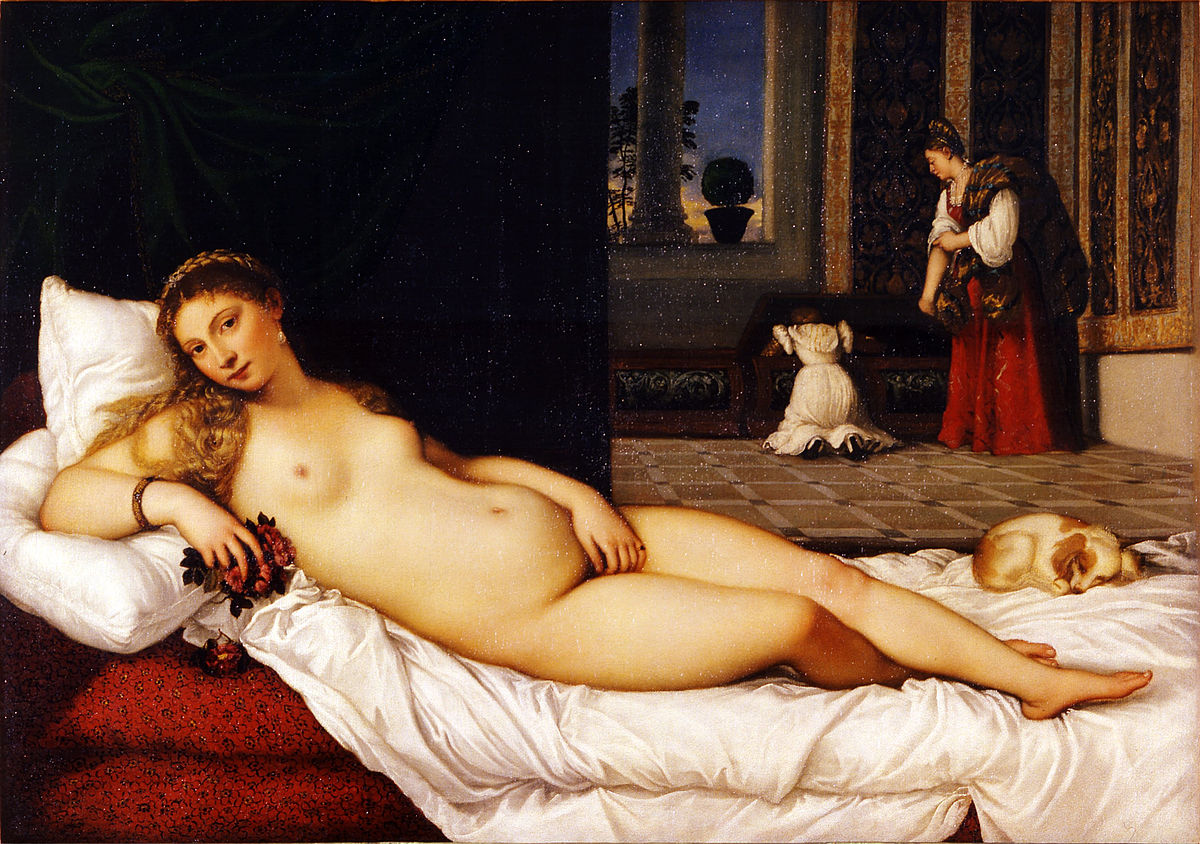
Ticijanov doprinos slikarstvu bio je pre svega primat boje nad linijom. Dok su firentinski umetnici gradili kompozicije na preciznom crtežu, Ticijan je svoje konstruisao direktno četkom, slažući pigment u lazurama i poluprozirnim nanosima koji su stvarali efekte neviđenog bogatstva i živosti. Njegovo delo Assumption of the Virgin (1518) udarilo je Veneciju kao otkrovenje, sa crvenim i zlatnim tonovima koji su blistali sa oltara crkve Frari. Njegovo delo Venus of Urbino (1538) postalo je definitivan ležeći akt, čiji su topli tonovi mesa i otvoreni pogled inspirisali Maneov Olympia tri veka kasnije.
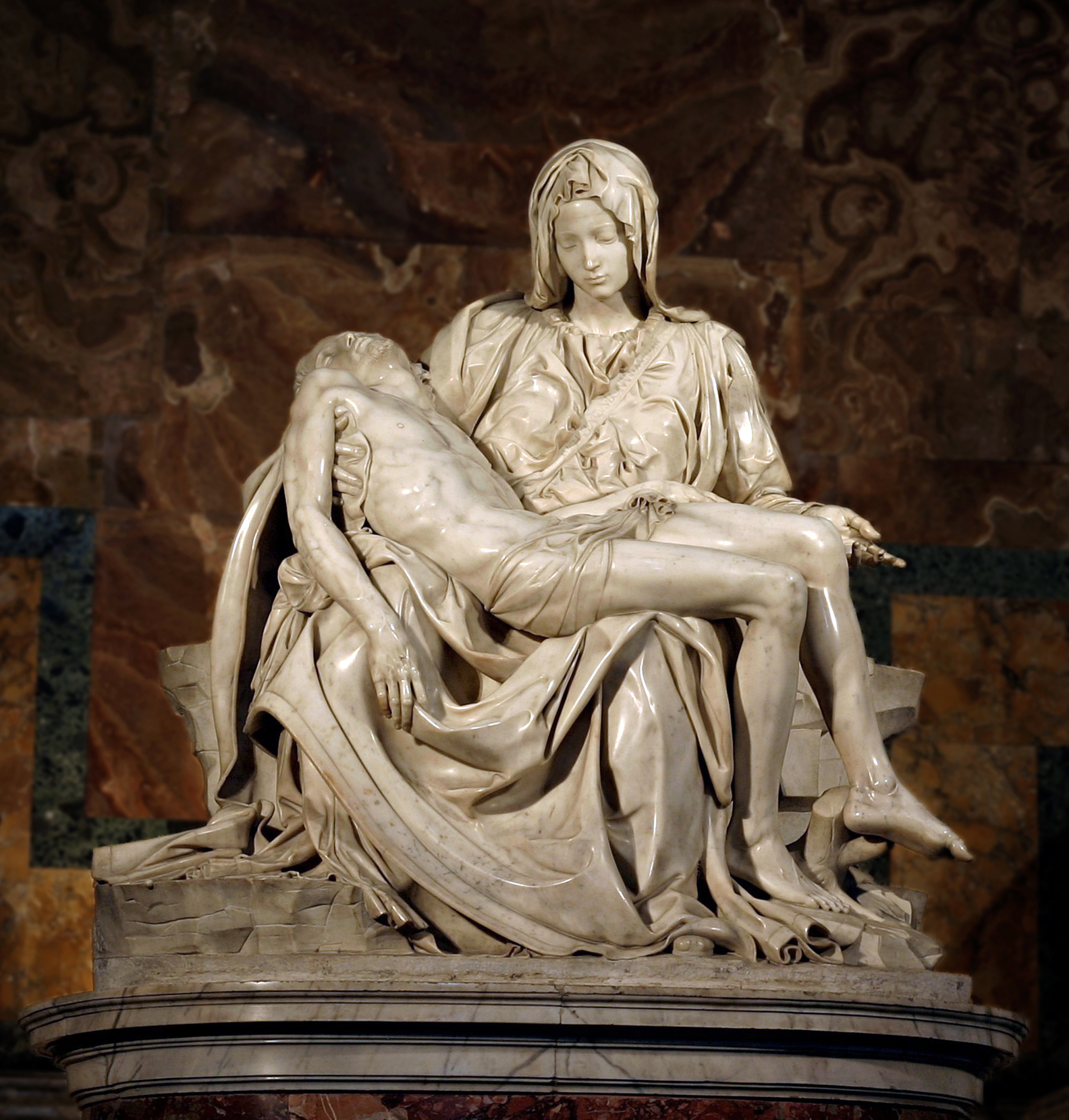
U poslednjim decenijama Ticijan je razvio radikalno slobodnu tehniku — njegov savremenik Vazari opisuje ga kako slika prstima — koja je anticipirala slikarsku slobodu Rembranta i Velaskeza. Njegova kasna Pietà, nedovršena u trenutku smrti od kuge 1576, potresna je meditacija o smrtnosti, čiji se oblici rastapaju u tamu sa modernošću koja i danas zapanjuje.