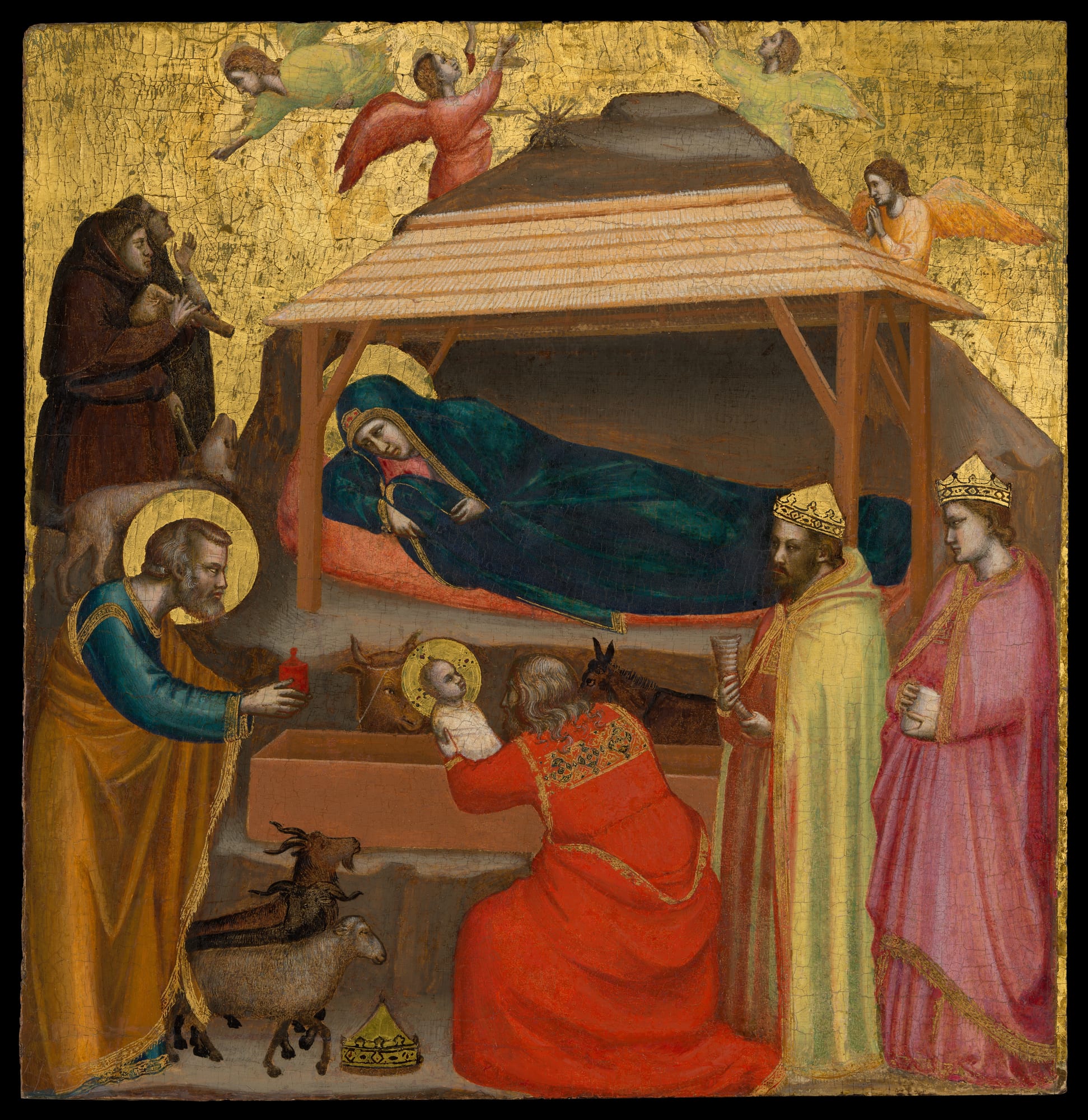
Đoto di Bondone je rođen oko 1267. godine, najverovatnije u selu Kole di Vespinjano u dolini Muđelo severno od Firence, mada su detalji njegovog ranog života obavijeni legendom. Najpoznatija od tih priča, zabeležena od strane Đorđa Vazarija dva veka kasnije, govori o mladom pastiru koji je crtao ovcu na steni sa takvom živopisnom preciznošću da je slikar Čimabue, prolazeći putem, bio zapanjen i uzeo dečaka za svog šegrta. Bilo da je priča istinita ili ne, Đoto se verovatno školovao kod Čimabuea, vodećeg firentinskog slikara kasnog trinaestog veka, koji je i sam počeo da ublažava krutu formalnost vizantijskog stila. Ali Đoto je otišao neizmerno dalje: dok je vizantijska umetnost prikazivala figure kao ravne, hijeratske simbole na zlatnoj pozadini, Đoto je svojim figurama dao trodimenzionalnu masu, smestio ih u uverljiva arhitektonska i pejzažna okruženja i — najrevolucionarnije — obdario ih prepoznatljivim ljudskim emocijama. Dante, njegov savremenik, napisao je u „Čistilištu” da je Đoto zasjenio Čimabuovu slavu, a firentinski hroničar Filipo Vilani pripisao mu je zaslugu za vraćanje slikarstva na njegovo drevno dostojanstvo nakon vekova „grčke” (vizantijske) krutosti.
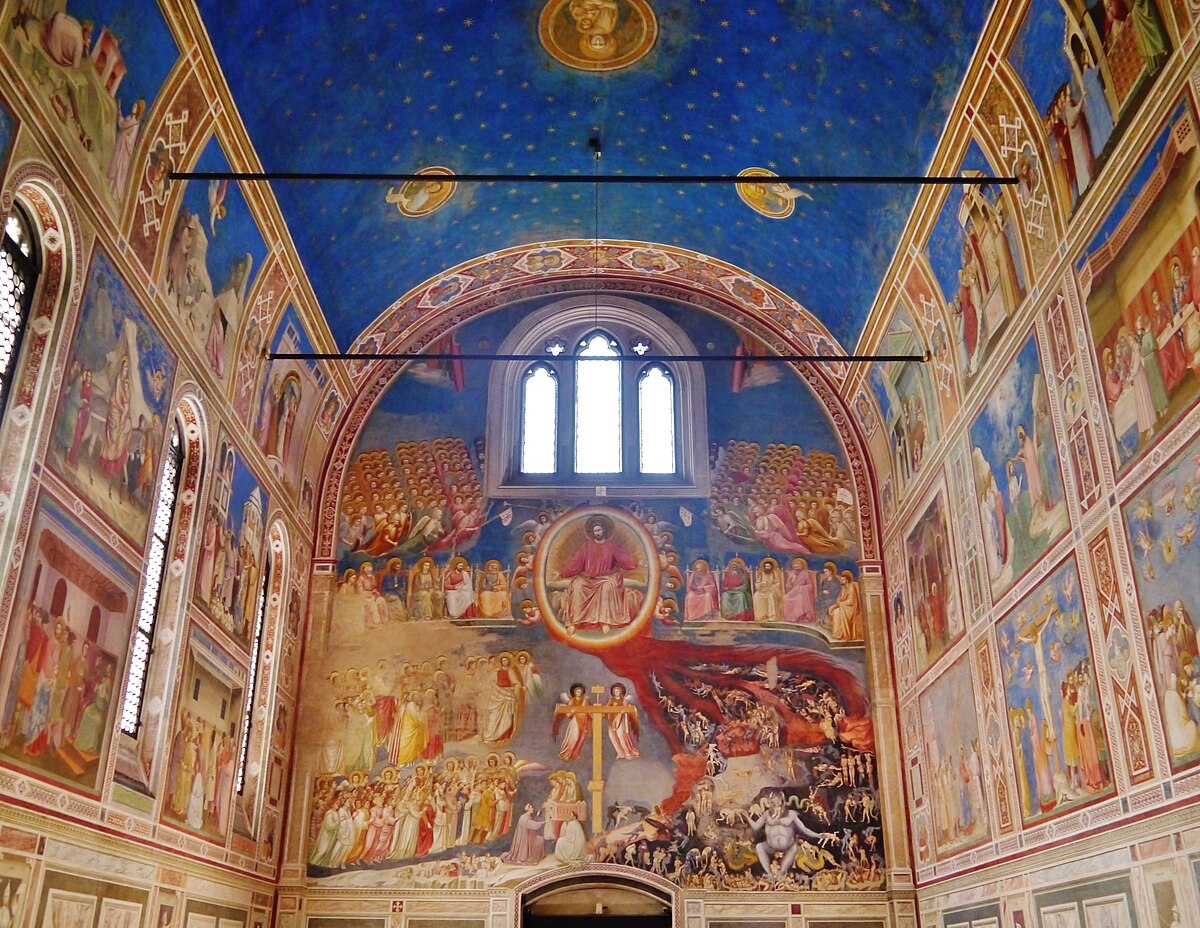
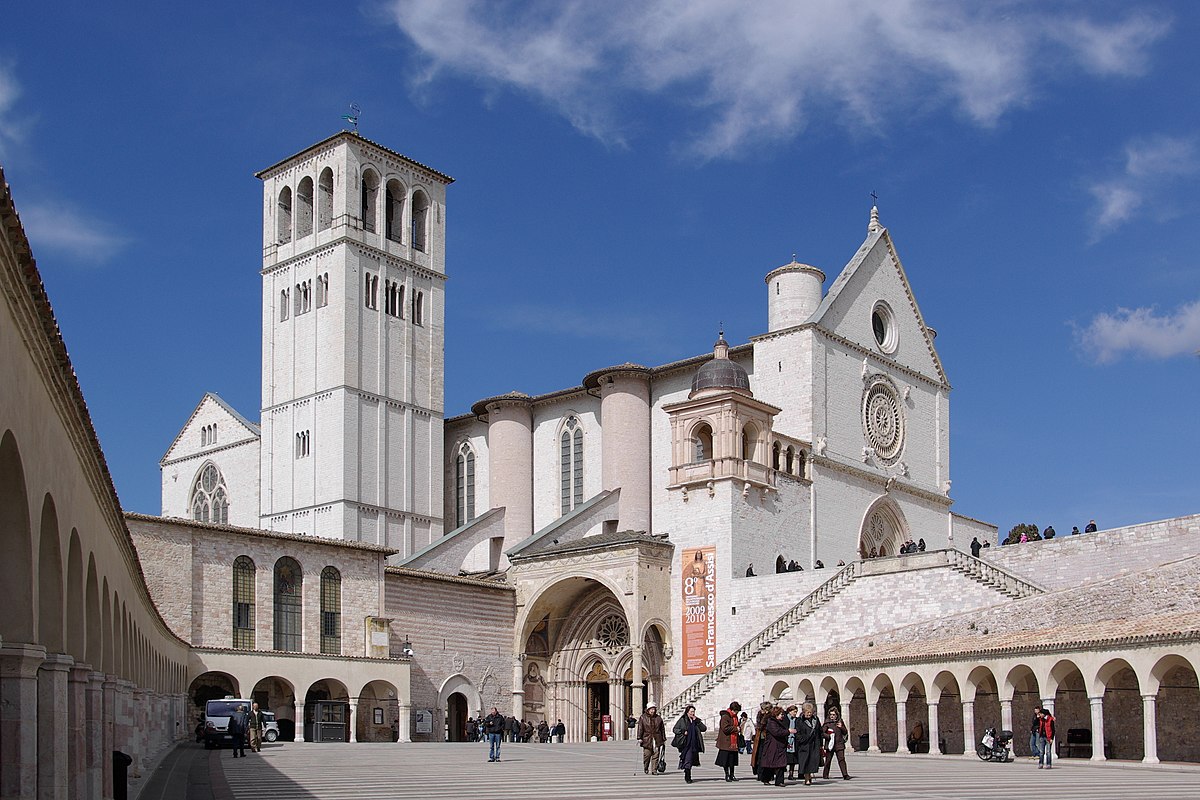
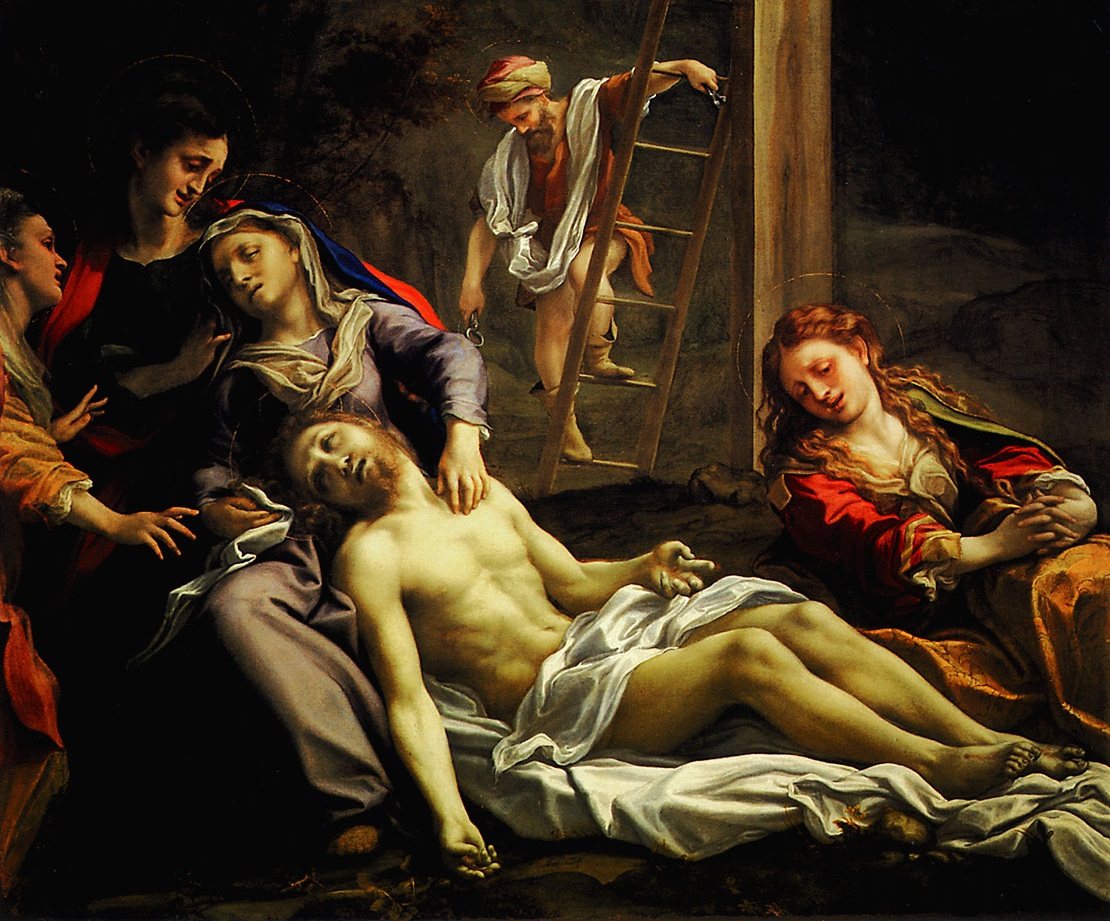
Vrhunsko dostignuće Đotove karijere je ciklus fresaka u kapeli Skovjenji (Arena) u Padovi, završen oko 1305. godine za bogatog bankara Enrika Skovjenjija kao čin pokajanja za očevo lihvarstvo. Preko zidova kapele, Đoto je ispripovedao živote Device Marije i Hrista u nizu od približno četrdeset scena koje su transformisale umetnost slikovnog pripovedanja. U „The Lamentation” tuga je opipljiva: ožalošćene figure se skupljaju oko mrtvog Hrista sa pognutim ramenima, stegnutim rukama i izrazima bola, dok se anđeli grče na nebu iznad — emocionalna direktnost bez presedana u srednjovekovnoj umetnosti. U „Judinoj poljupcu” konfrontacija između Hristovog mirnog pogleda i Judinog obavijajućeg žutog ogrtača stvara psihološku napetost koju slikari neće nadmašiti čitav vek. Figure zauzimaju prostor sa uverljivom težinom, arhitektura poštuje rudimentarnu ali efektivnu perspektivu, i narativ teče od scene do scene sa filmskom jasnoćom. Đotu se takođe često pripisuje, mada debatovano među naučnicima, ciklus života svetog Franje u Gornjoj bazilici u Asiziju, naslikan 1290-ih, koji je doneo sličan naturalizam priči o voljenom svecu.
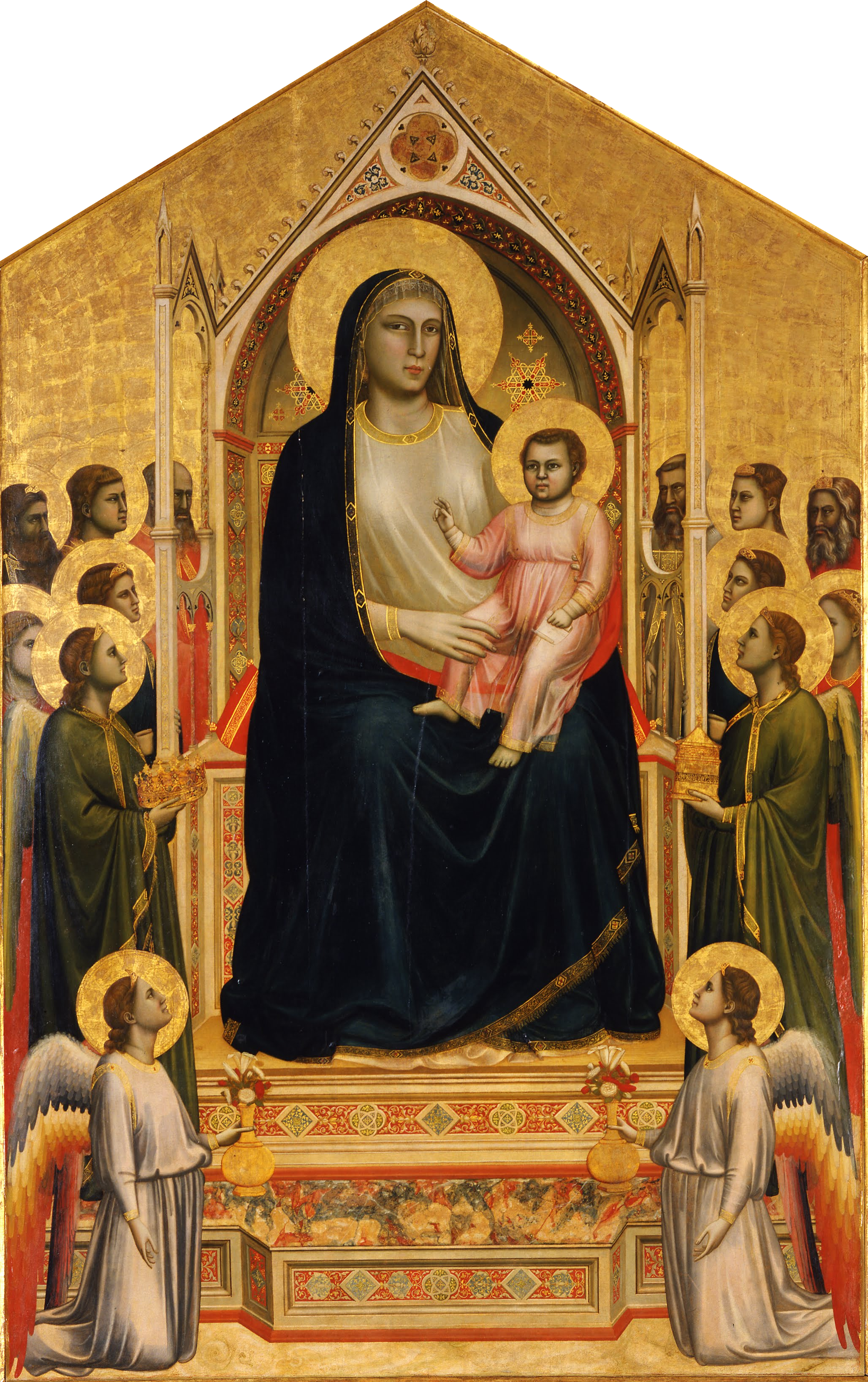
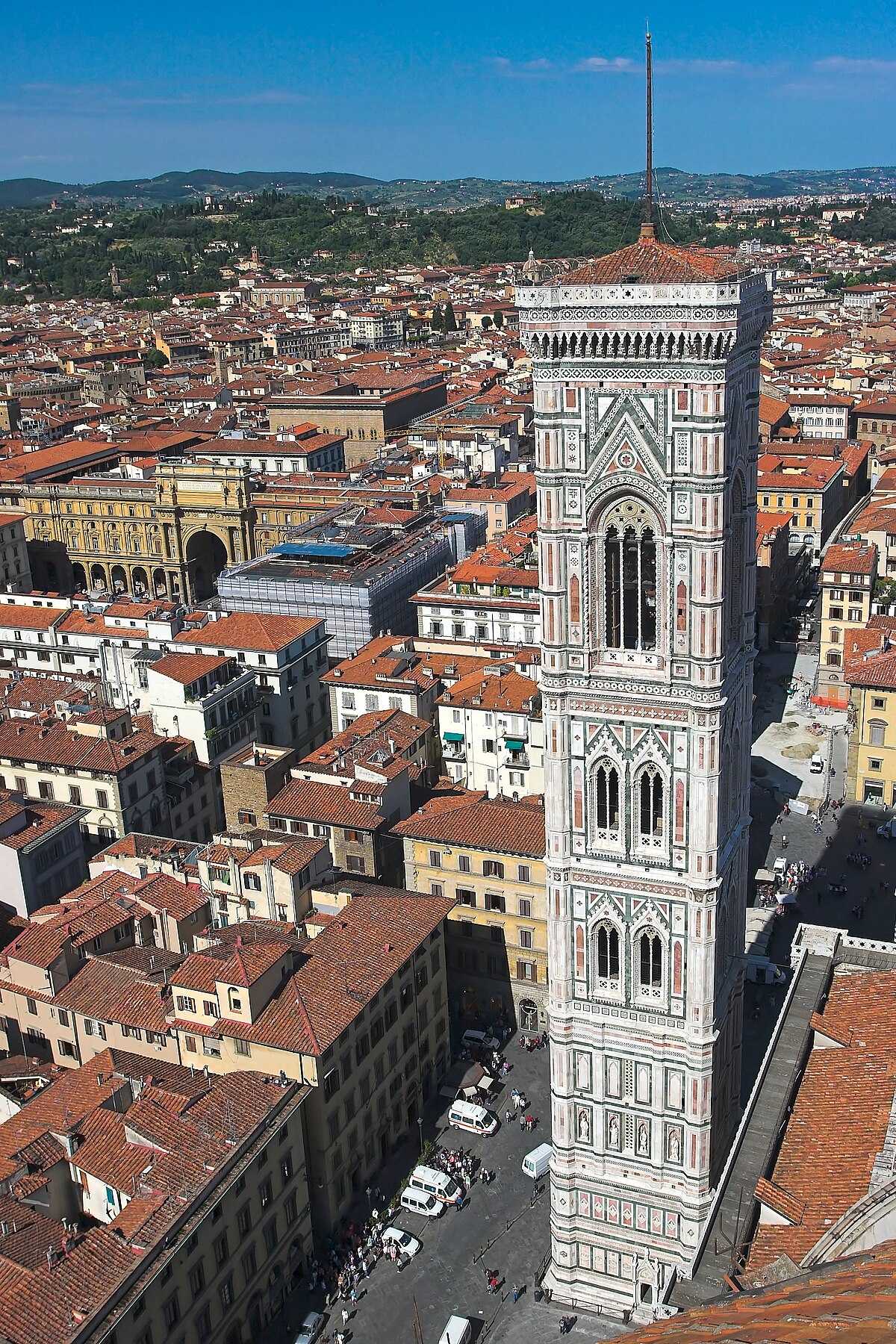
„Ognissanti Madonna” (oko 1310), sada u Uficiju zajedno sa sličnim prikazima Bogorodice na prestolu od Čimabuea i Dučija, pruža najjasniju demonstraciju Đotovog prodora: dok Bogorodice starijih majstora lebde bestežinski na zlatnim prestolima, Đotova Madona sedi sa opipljivom čvrstinom, njeno koleno se probija napred ispod tkanine njene haljine, njen presto se povlači u prostor iza nje. Đotov uticaj bio je ogroman i trenutni. Održavao je veliku radionicu u Firenci, imenovan je za glavnog arhitektu katedrale u Firenci 1334. godine (dizajnirao je zvonik, ili kampanile, koji i danas nosi njegovo ime), i primao je porudžbine od Napulja do Milana. Umro je 8. januara 1337. i sahranjen je u katedrali u Firenci sa javnim počastima. Još jedna legenda — „Đotovo O” — pripoveda da kada je papa Bonifacije VIII poslao svog dvorjanina da zatraži uzorak Đotovog rada, slikar je jednostavno nacrtao savršen krug slobodnom rukom crvenom bojom, podvig samopouzdanog majstorstva koji je ubedio papu u njegov genije. Bilo da je bajka ili činjenica, priča hvata suštinu Đotove revolucije: zamenu elaboriranih vizantijskih formula direktnim, samouverenim posmatranjem prirode i čovečanstva koje će postati temelj celokupne zapadne umetnosti.