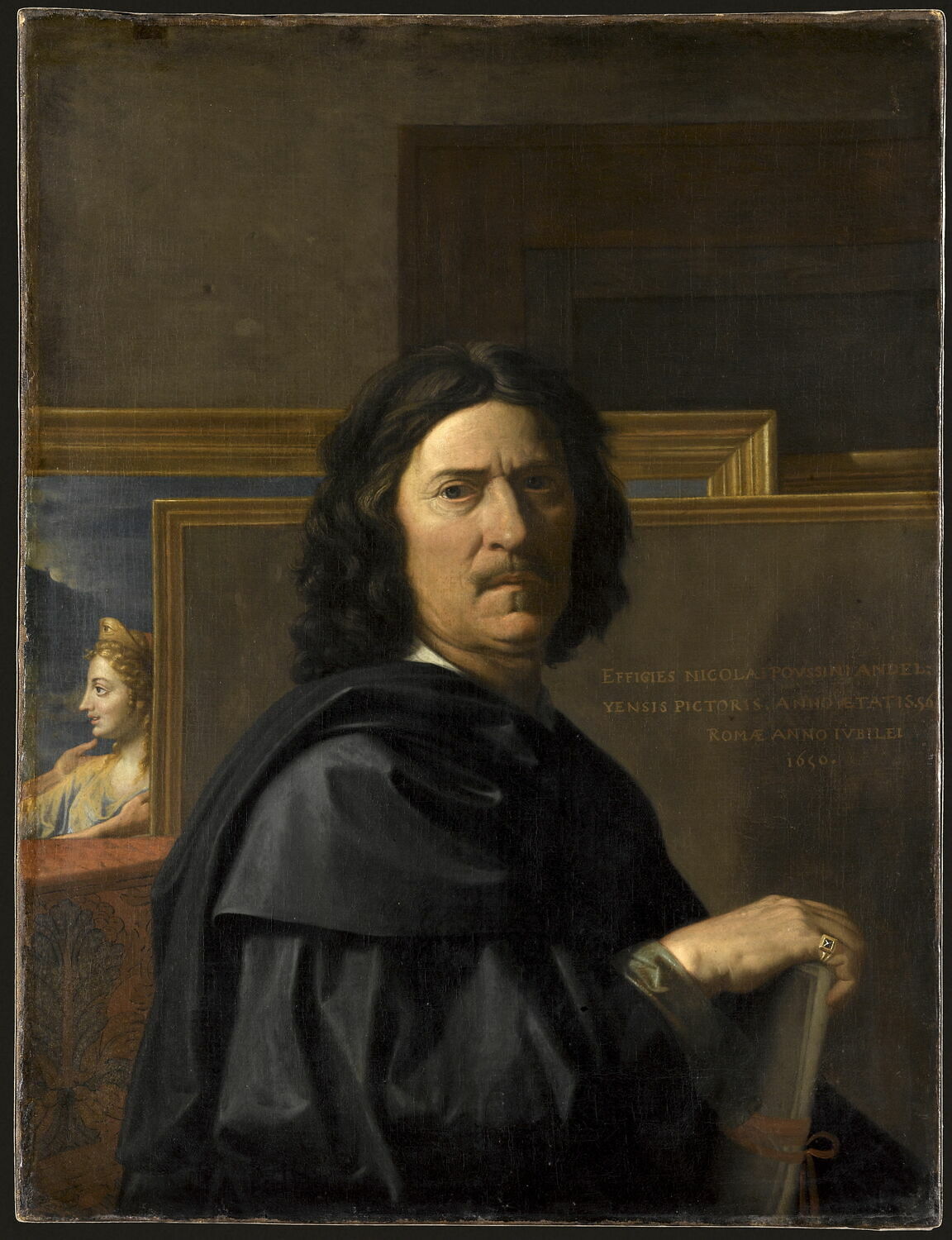
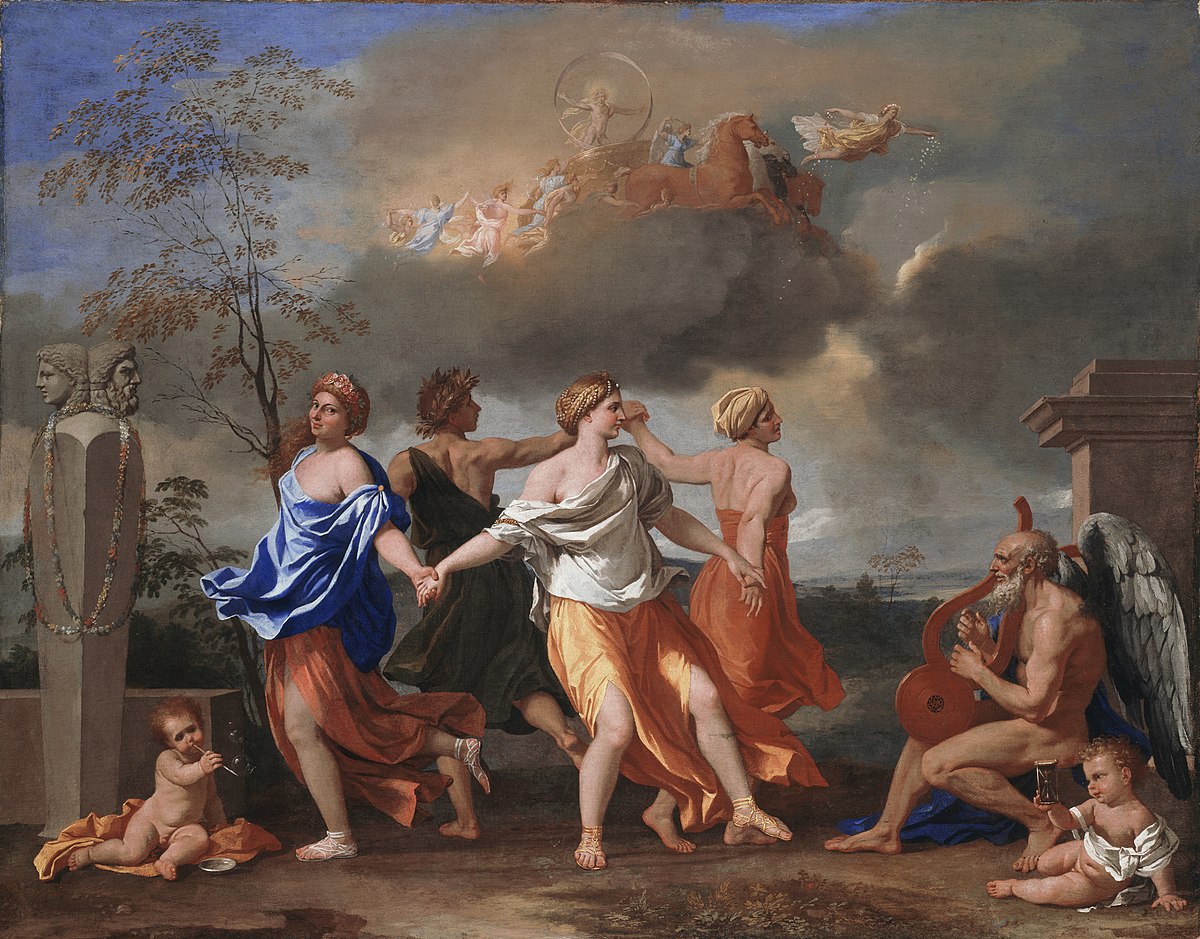
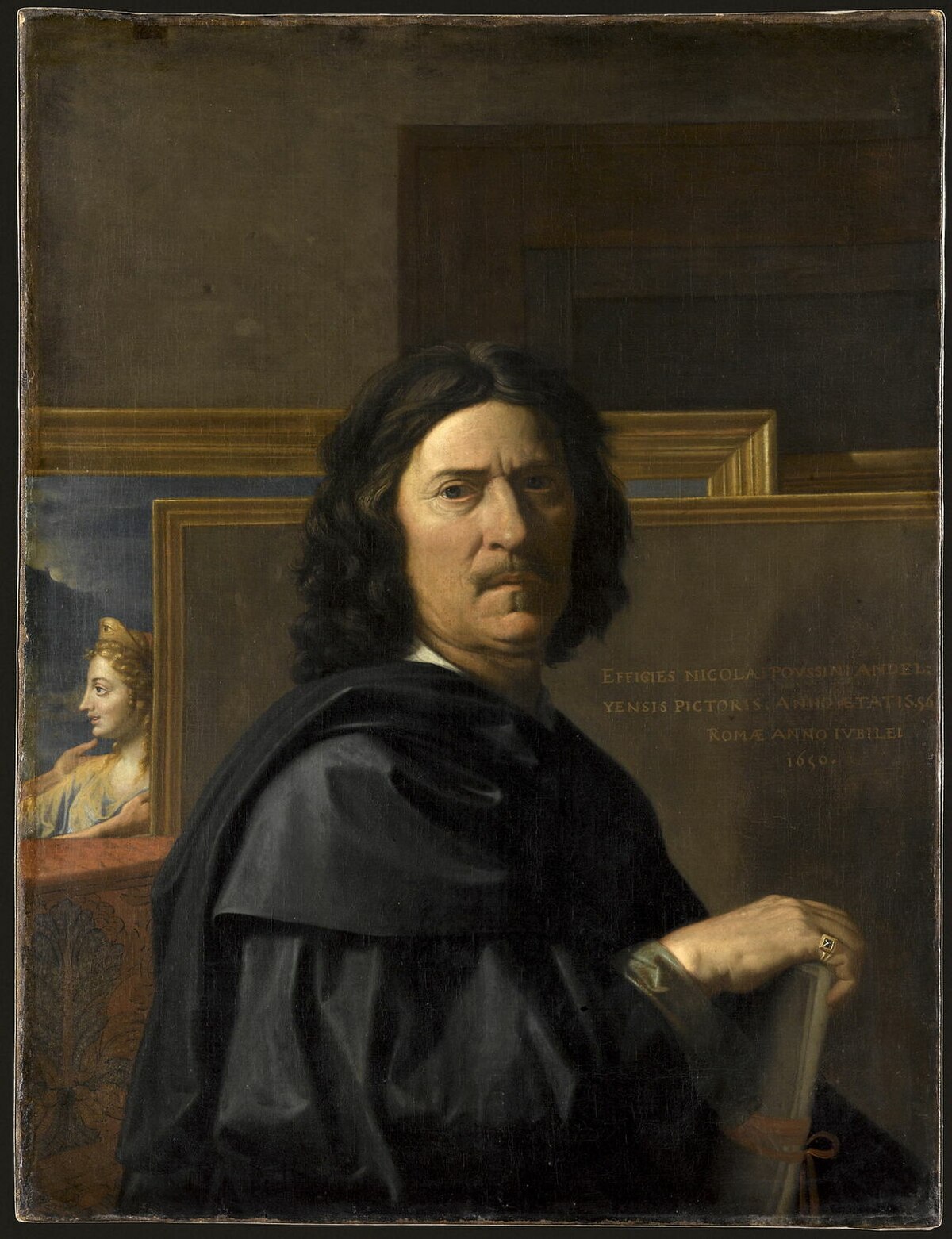
Nikola Pusen, rođen u Normandiji 1594. godine, proveo je veći deo radnog veka u Rimu i postao najvažniji francuski slikar sedamnaestog veka — umetnik koji je uspostavio klasičnu, intelektualnu tradiciju koja će dominirati francuskom umetnošću narednih dvesta godina. Dok su italijanski barokni slikari težili dramatičnom kjaroskuru i emocionalnom intenzitetu, Pusen je razvio hladniji, cerebralniji stil utemeljen na proučavanju antičke skulpture, Rafaela i venecijanskih majstora, naglašavajući jasnoću narativa, uravnoteženu kompoziciju i moralnu ozbiljnost.
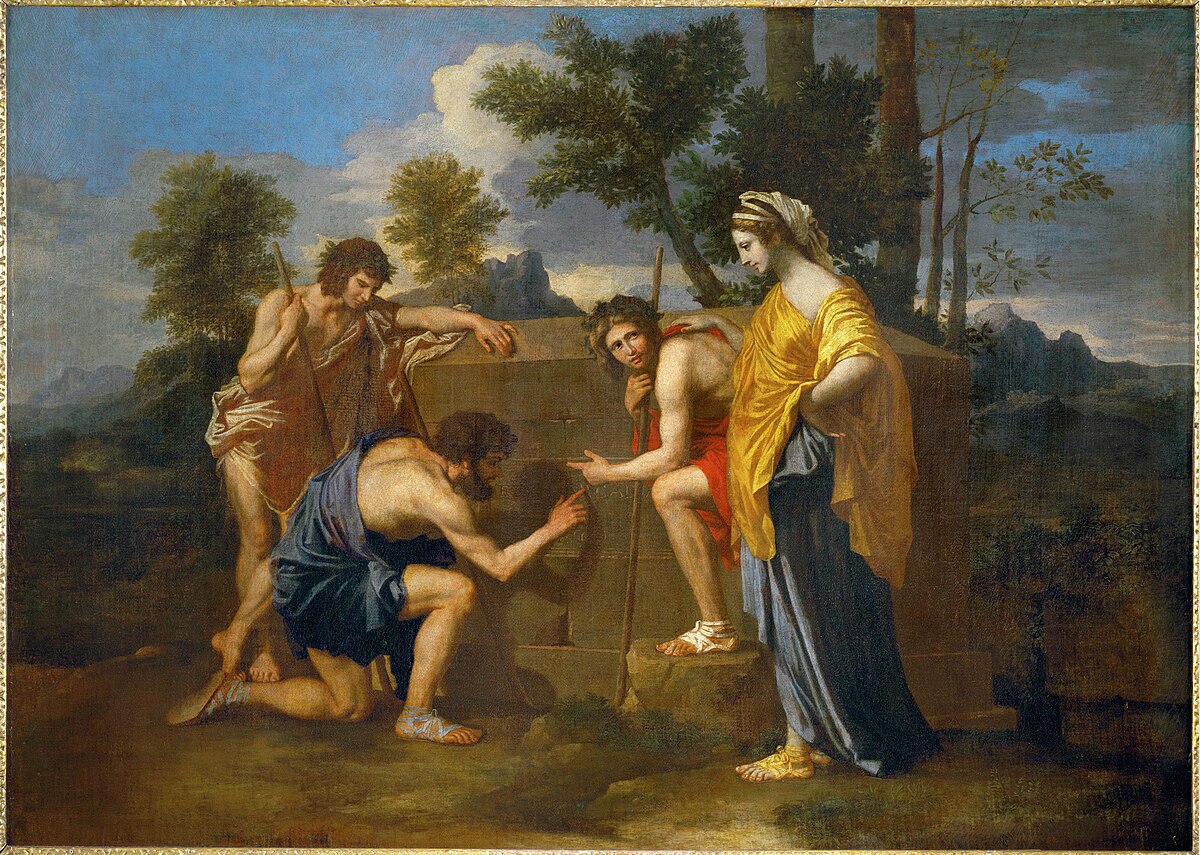
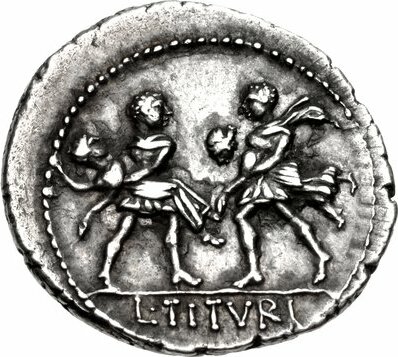
Njegove slike konstruisane su sa preciznošću arhitektonskih crteža. Svaka figura je pozicionirana i osvetljena tako da prenese specifičnu emocionalnu ili narativnu funkciju; svaki element pejzaža pojačava tematski sadržaj slike. Et in Arcadia Ego (oko 1637-1638) prikazuje pastire koji otkrivaju grob u idličnom pejzažu, sa natpisom — „I u Arkadiji sam ja [Smrt]” — koji sažima meditaciju slike o smrtnosti usred lepote. The Rape of the Sabine Women orkestrira desetine figura u kompoziciji kontrolisanog nasilja koja je postala udžbenički primer istorijskog slikarstva.
Pusenov uticaj na francusku umetnost bio je ogroman. Francuska akademija usvojila je njegove principe kao doktrinu, a „pusinistički” naglasak na crtežu, razumu i klasičnim idealima oblikovao je francusko slikarstvo od Le Brena preko Davida do Sezana, koji je izjavio da mu je ambicija da „ponovo uradi Pusena iz prirode.”