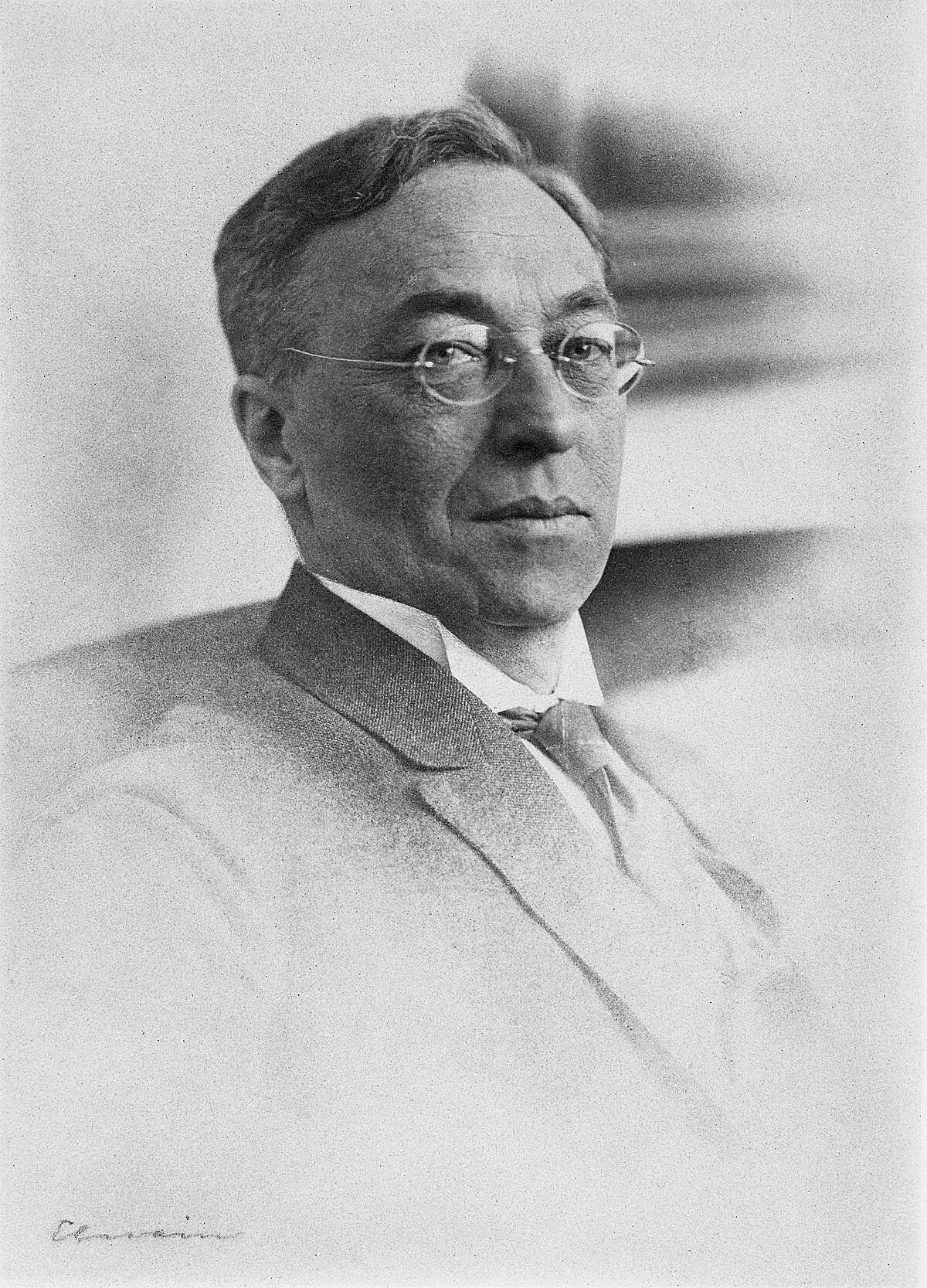
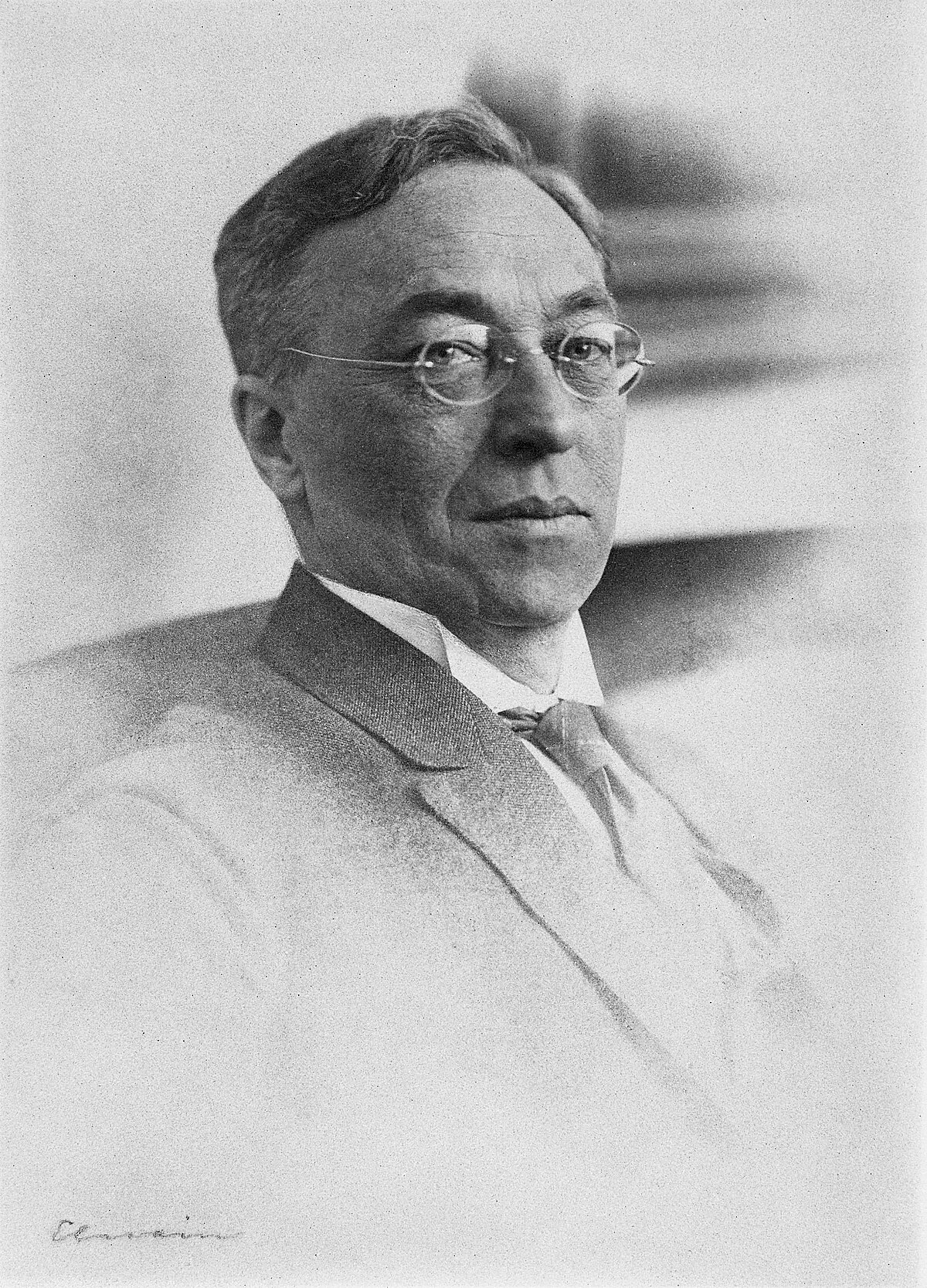
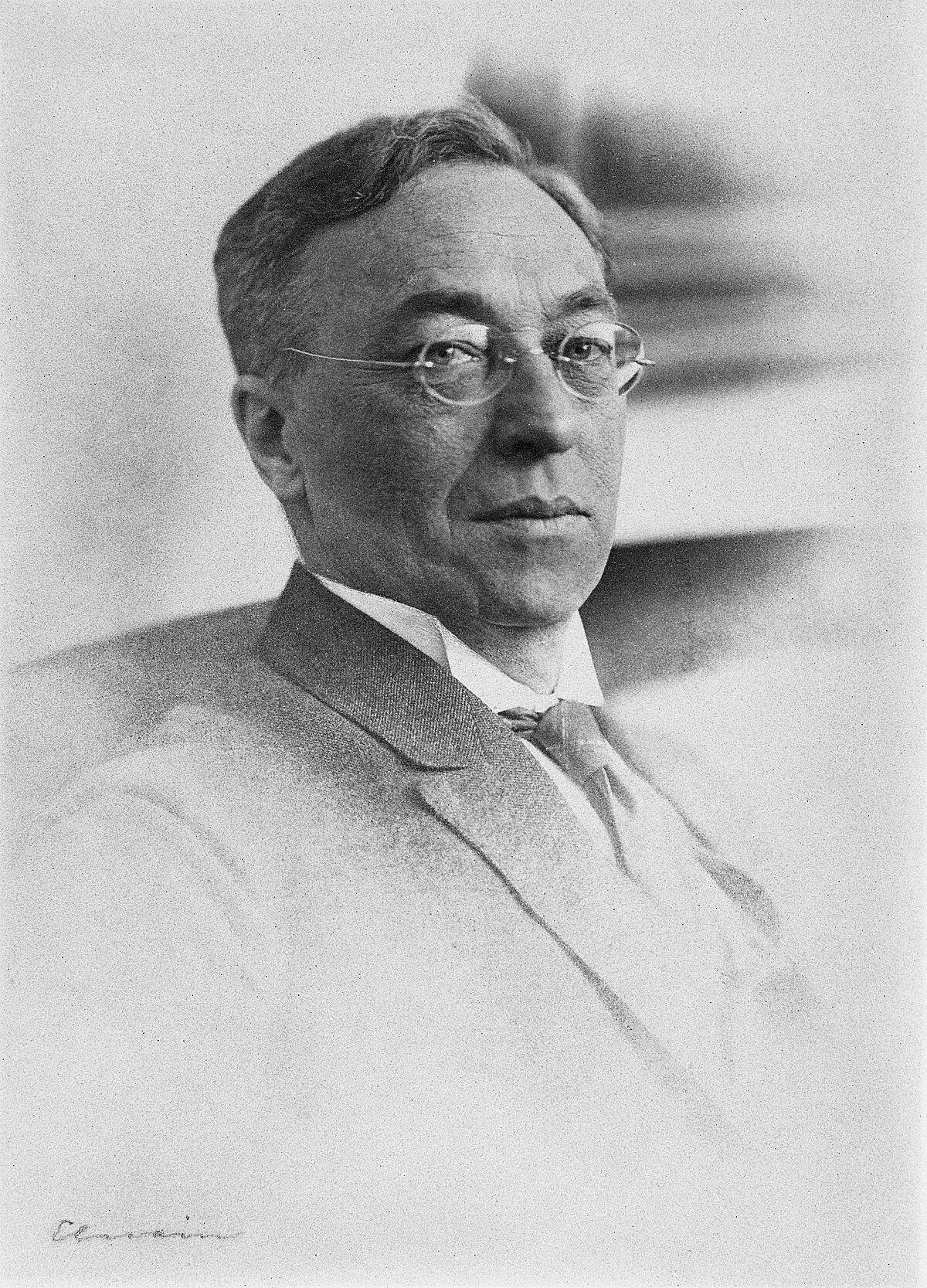
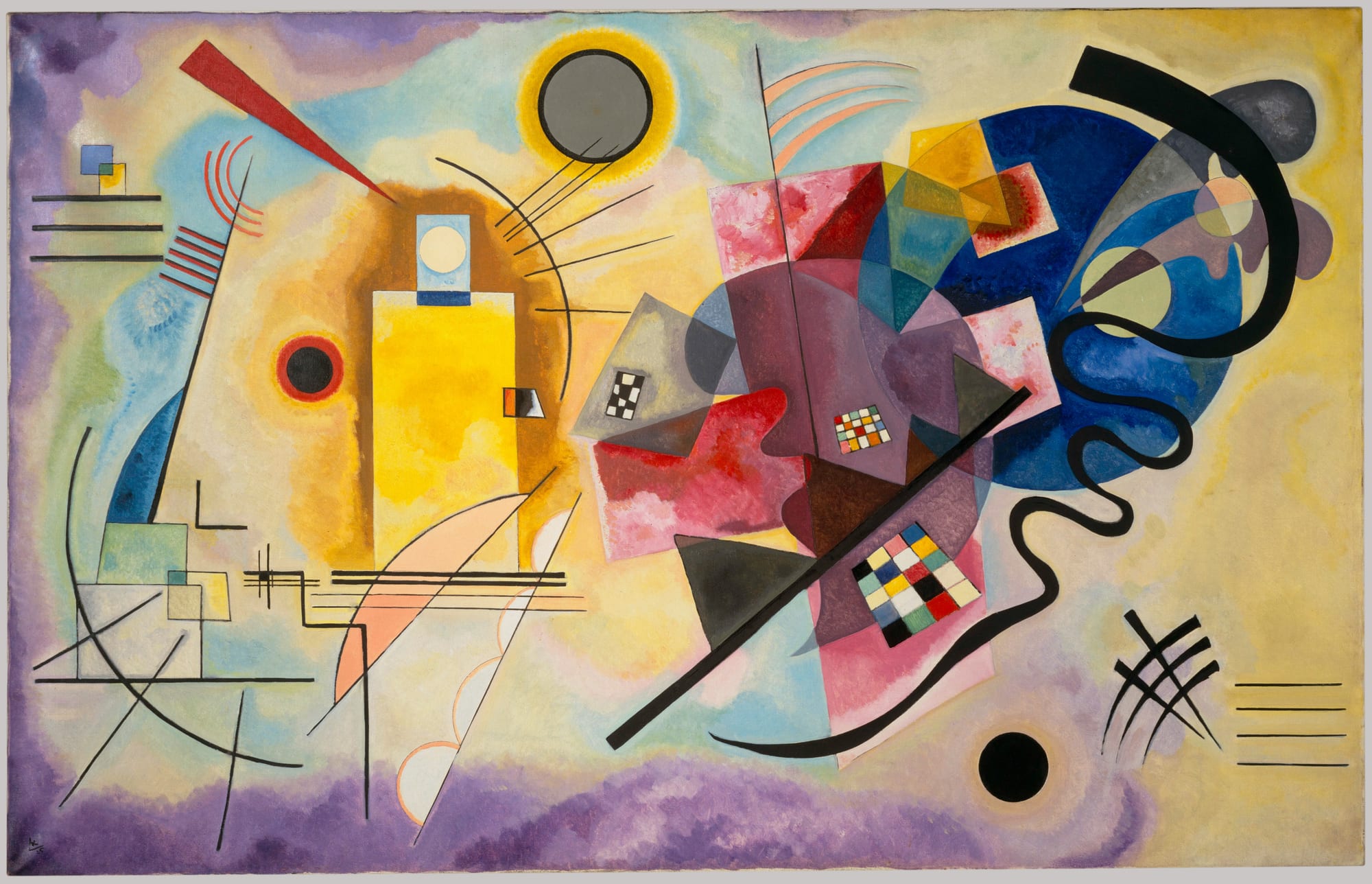
Vasilij Vasiljevič Kandinski rođen je 16. decembra 1866. godine u Moskvi, u kultivisanoj porodici trgovaca čajem. Studirao je pravo i ekonomiju na Moskovskom univerzitetu i 1896. godine mu je ponuđena profesura, ali je sa trideset godina napustio akademsku karijeru da bi studirao slikarstvo u Minhenu — odluka koju su, kako je kasnije pisao, katalizovala dva transformativna iskustva: viđenje jedne od Moneovih slika „Plastova sena”, koja je demonstrirala da se motiv može rastvoriti u čistu boju, i prisustvovanje izvođenju Vagnerove opere „Loengrin”, koja ga je uverila da boje i forme mogu rezonirati poput muzičkih tonova. U Minhenu je studirao kod Antona Ažbea i Franca fon Štuka, upijajući struje Jugendstila i simbolizma dok je obilno putovao po Evropi i Severnoj Africi. Do 1908. godine, slikajući bavarski pejzaž oko Murnaua zajedno sa svojom saputnicom Gabrijelom Minter, Kandinski je gurao svoja platna ka sve većoj apstrakciji, spljoštavajući prostor i intenzifirajući boju dok pejzaži nisu postali gotovo neprepoznatljivi.
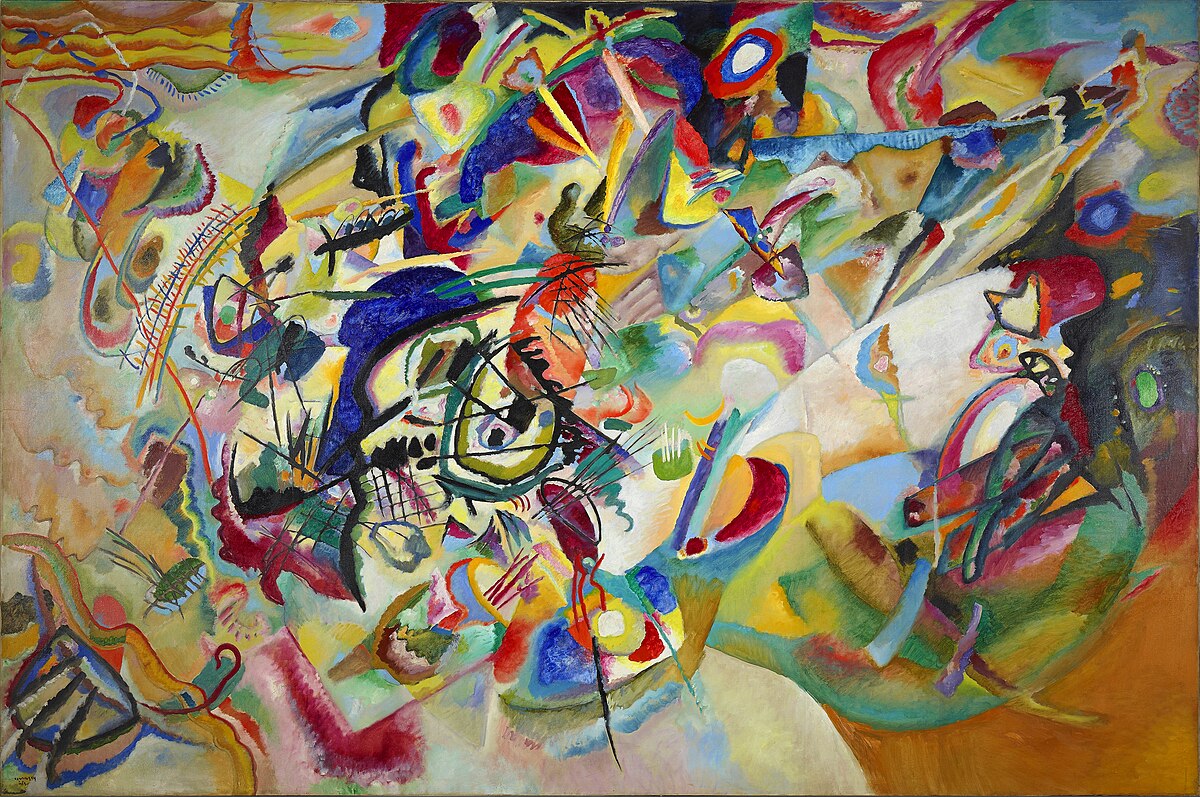
Godine 1910. Kandinski je stvorio ono što mnogi naučnici smatraju prvim čisto apstraktnim akvarelom — vrtlog obojenih formi bez prepoznatljivog motiva — a 1911. godine objavio je „O duhovnom u umetnosti”, jedan od najuticajnijih teorijskih tekstova u istoriji moderne umetnosti. U njemu je tvrdio da umetnost treba da izrazi unutrašnja duhovna stanja umesto da reprodukuje spoljašnji izgled, i da boje i forme poseduju urođena emocionalna svojstva slično muzičkim notama — uverenje koje je verovatno bilo ukorenjeno u njegovoj sinestezijskoj percepciji, koja je uzrokovala da boje doživljava kao zvukove, a zvukove kao boje. Iste godine on i Franc Mark osnovali su Der Blaue Reiter (Plavi jahač), umetnički almanah i izlagačku grupu koja je zagovarala ekspresivnu apstrakciju i okupljala slikare, kompozitore i pisce u viziji umetnosti kao duhovnog otkrovenja. Kandinskog slike iz tog perioda — velike „Kompozicije”, „Improvizacije” i „Impresije” — turbulentne su, lirske kaskade linije i boje koje kao da hvataju kosmičke sile u pokretu.
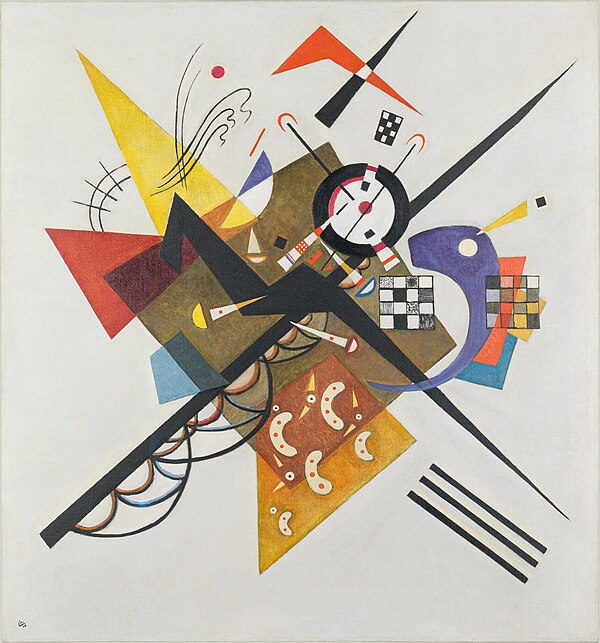
Izbijanje Prvog svetskog rata primoralo je Kandinskog da se vrati u Rusiju, gde je nakratko obavljao kulturne funkcije pod sovjetskom vladavinom pre nego što su ga ideološki sukobi sa konstruktivistima, koji su zahtevali da umetnost služi utilitarnim svrhama, odveli nazad u Nemačku 1921. godine. Pridružio se fakultetu Bauhausa u Vajmaru, a kasnije u Desauu, predajući pionirski kurs o teoriji forme i boje koji je duboko uticao na generacije umetnika i dizajnera. Njegovo sopstveno slikarstvo se dramatično promenilo tokom tih godina: ekspresionistička turbulencija minhenskog perioda ustupila je mesto preciznoj geometrijskoj apstrakciji, sa krugovima, trouglovima i mrežama koji lebde u kristalnim aranžmanima, kao što se vidi u „Composition VIII” (1923) i „Several Circles” (1926). Kada su nacisti zatvorili Bauhaus 1933. godine, proglasivši Kandinskog delo „degenerisanim”, on je pobegao u predgrađa Pariza, gde je proveo poslednju deceniju stvarajući kasni opus koji je uveo biomorfne, amelike forme — sintezu njegovih geometrijskih i ekspresionističkih faza. Umro je 13. decembra 1944. godine u Neji-sir-Senu. Kandinskog nasleđe je ogromno: on nije samo stvarao apstraktne slike, već je konstruisao čitav filozofski i teorijski okvir za nepredstavačku umetnost, dajući umetnicima dozvolu da prekinu drevnu vezu između slikarstva i vidljivog sveta.