




Vivijen Vestvud nije samo dizajnirala odeću — ona je proizvodila provokacije. Rođena u Tintvistlu, Derbišir 1941, došla je u modu kroz političko ubeđenje a ne kroz formalno školovanje, i ta autsajderska energija nikada nije napustila njen rad. Ostaje najvažnija britanska modna dizajnerka dvadesetog veka, a njen uticaj seže daleko izvan same odeće.
Rođenje pank mode
Sa svojim partnerom Malkolmom Maklarenom — menadžerom Sex Pistolsa — vodila je butik na Kings Roudu u Čelsiju koji je menjao imena, svako odražavajući pomak u kulturnoj strategiji: Let It Rock (1971, revivalizam tedi boj stila), Too Fast To Live Too Young To Die (1972, bajkerska kultura), SEX (1974, fetiš i bondidž odeća), i Seditionaries (1977, čisti pank).
Estetika koju su ona i Maklaren razvili za pank — poderana odeća, zihernadle, bondidž pantalone, guma, lanci, slogani i namerna uvreda za ukus srednje klase — predstavljala je najradikalniji napad na konvencije mode od Šanel. Dok je Šanel pojednostavljivala i prečišćavala, Vestvudova je cepala i rekombinovala, tretirajući telo kao mesto političkog protesta. Sam SEX butik, sa unutrašnjošću obloženom gumom i pornografskim slikama, bio je koliko instalacija toliko i prodavnica.
Njihovo kreiranje vizuelnog identiteta Sex Pistolsa — pocepane košulje, jakne sa zihernaldama, provokativne majice — bio je čin kulturne disrupcije koji je trajno promenio britansku omladinsku kulturu.
Od razaranja do konstrukcije
Ali Vestvudov genije nije bio samo destruktivan. Počevši od njene Pirate Collection iz 1981. — njene prve prave revije, koja je lansirala Novi romantični izgled koji je preplavio globalnu pop kulturu — demonstrirala je duboko razumevanje istorijskog odevanja i zanatskih tradicija krojenja sa Savile Roua. Piratske košulje, pojasevi i bričeze nisu bili kostimi već pažljivo konstruisani komadi odeće koji su se oslanjali na krojačke tehnike osamnaestog veka sa autentičnim tehničkim umećem.
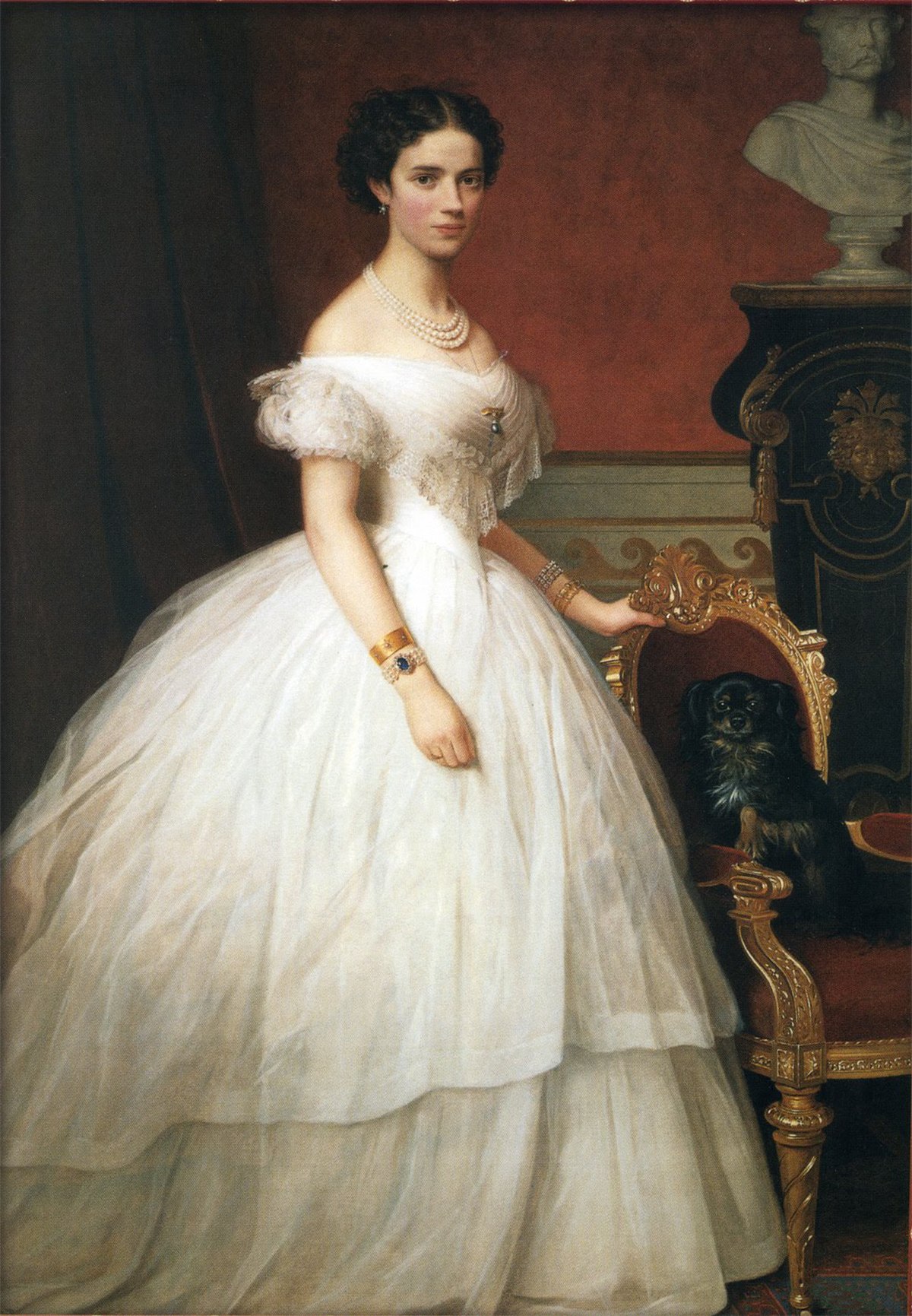
Ovaj zaokret ka istoriji ubrzao se tokom osamdesetih. Njena Mini-Crini kolekcija (1985) — minijatuizovana verzija viktorijanske krinoline, transformisana iz kaveza potčinjenosti u veselu, poskakujuću mini suknju — demonstrirala je njenu sposobnost da uzme istorijske forme i izvrne njihova značenja. Mini-krini je bio i šala o istoriji mode i ozbiljan predlog za novu siluetu, i uticao je na dizajnere od Galijana do Lakroa.
Korset kao oslobođenje
Vestvud je postajala sve opsesivnija korsetom, odevnim predmetom koji su Šanel i Poare ukinuli. Ali dok su ranije feministkinje videle korset kao oruđe potčinjenosti, Vestvud je tvrdila da je on struktura osnaživanja — da stvara držanje samopouzdanja i siluetu moći. Njeni korseti, često nošeni kao gornji odevni predmet, postali su njen zaštitni znak: čuveni pad Naomi Kembel na devetoinčnim Vestvud platformama na reviji 1993. postao je jedan od najikoničnijih modnih trenutaka.
Kolekcija Portrait i britansko nasleđe
Portrait Collection (1990) — sa tkaninama na kojima su štampane slike Bušea iz osamnaestog veka, korsetima i istorijski inspirisanim krojenjem — bila je njena najambicioznija sinteza istorijske reference i savremenog dizajna. Uspostavila je šablon za njen zreli rad: britansko nasleđe, preokrenuto.
Anglomania Collection (1993) nastavila je ovo istraživanje, dekonstruišući kodove britanskog establišment odevanja — tartan, tvid, krojena odela — i ponovo ih gradeći sa namernom asimetrijom, provokativnim krojenjem i irreverentnim humorom koji je činio da establišment odeća ponovo deluje opasno.
Aktivizam i ekološka moda
Njenu kasniju karijeru definisao je strastven ekološki aktivizam. „Kupuj manje, biraj dobro, neka potraje” bila je njena modna filozofija; odbijala je logiku brze mode sa moralnom sigurnošću nekoga ko je oduvek znao da je ono što nosite politička izjava. Koristila je svoje revije za promociju klimatskog aktivizma i zagovarala tradicionalne zanatske tehnike — tkanje Haris Tvida, krojenje sa Savile Roua — kao alternative industrijskoj masovnoj proizvodnji.
Bila je jedna od prvih velikih dizajnerki koja je insistirala na tome da održivost nije marketinška strategija već etički imperativ, tvrdeći da je prekomerena proizvodnja modne industrije ekološka katastrofa. Njene kasnije kolekcije sve više su koristile reciklirane i organske materijale.
Nasleđe
Vestvud je 2006. proglašena Damom Britanskog carstva — čast čija ironija nije promakla ženi koja je stavila zihernadle kroz sliku Kraljice. Umrla je 29. decembra 2022, u osamdeset prvoj godini, nikada ne kompromitujući, nikada ne omekšavajući i nikada ne prestajući da veruje da je moda previše važna da bi bila samo lepa.