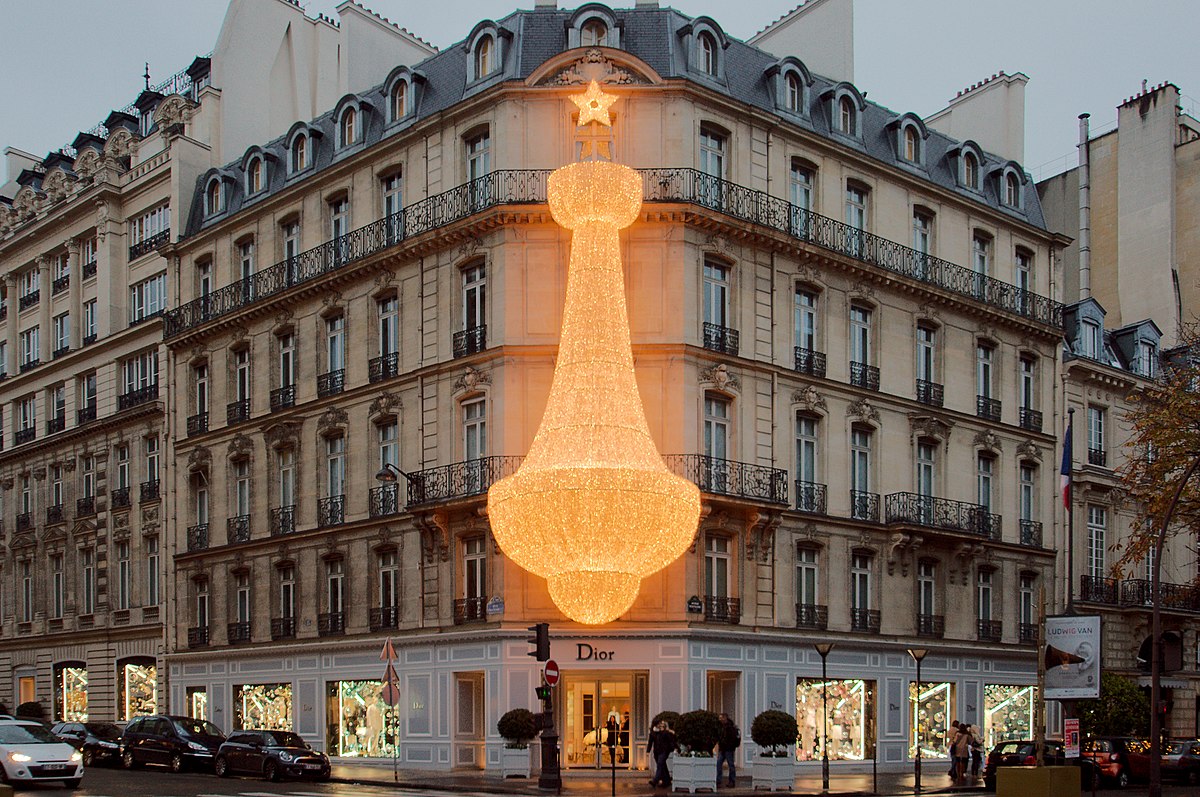
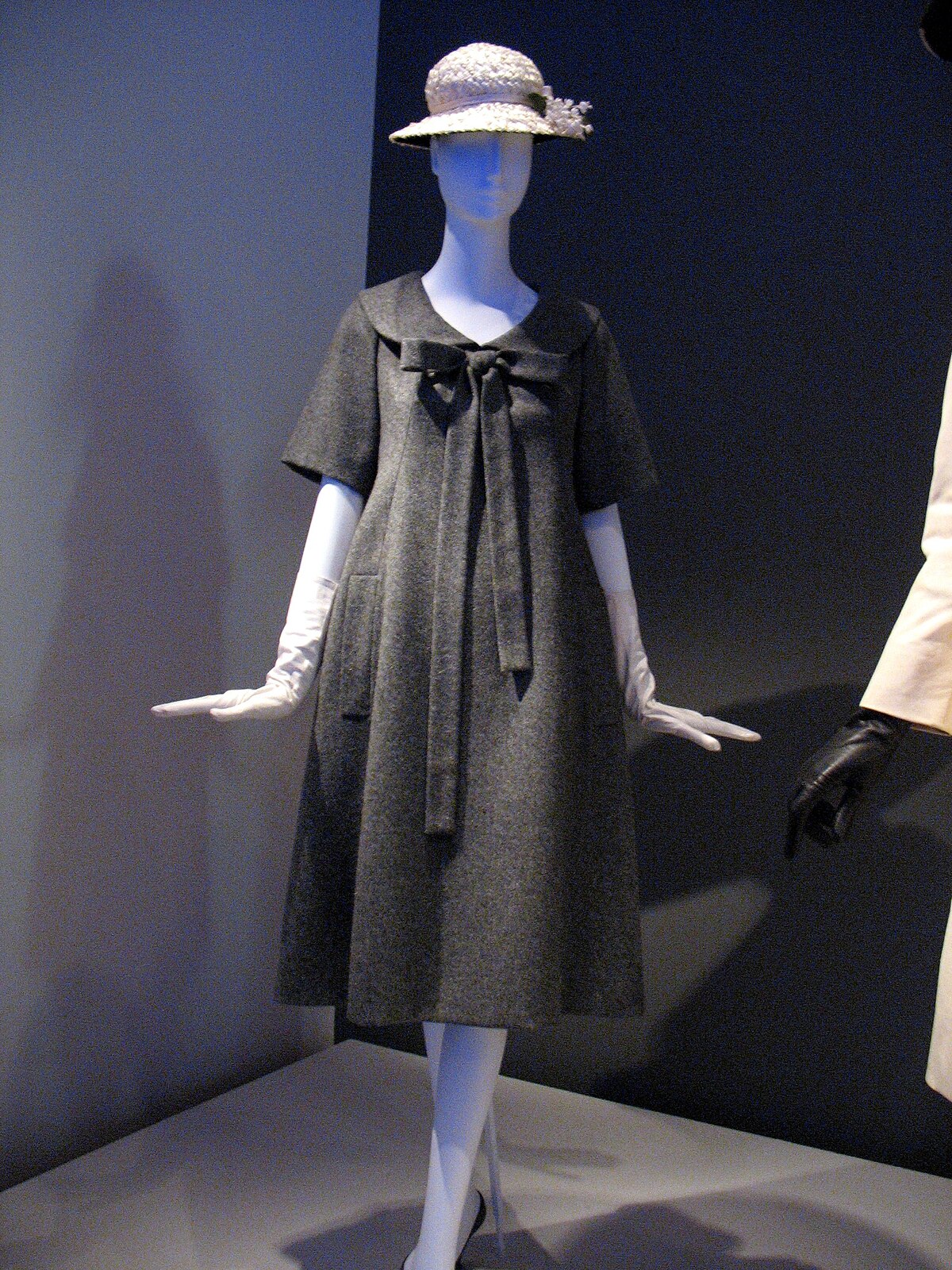
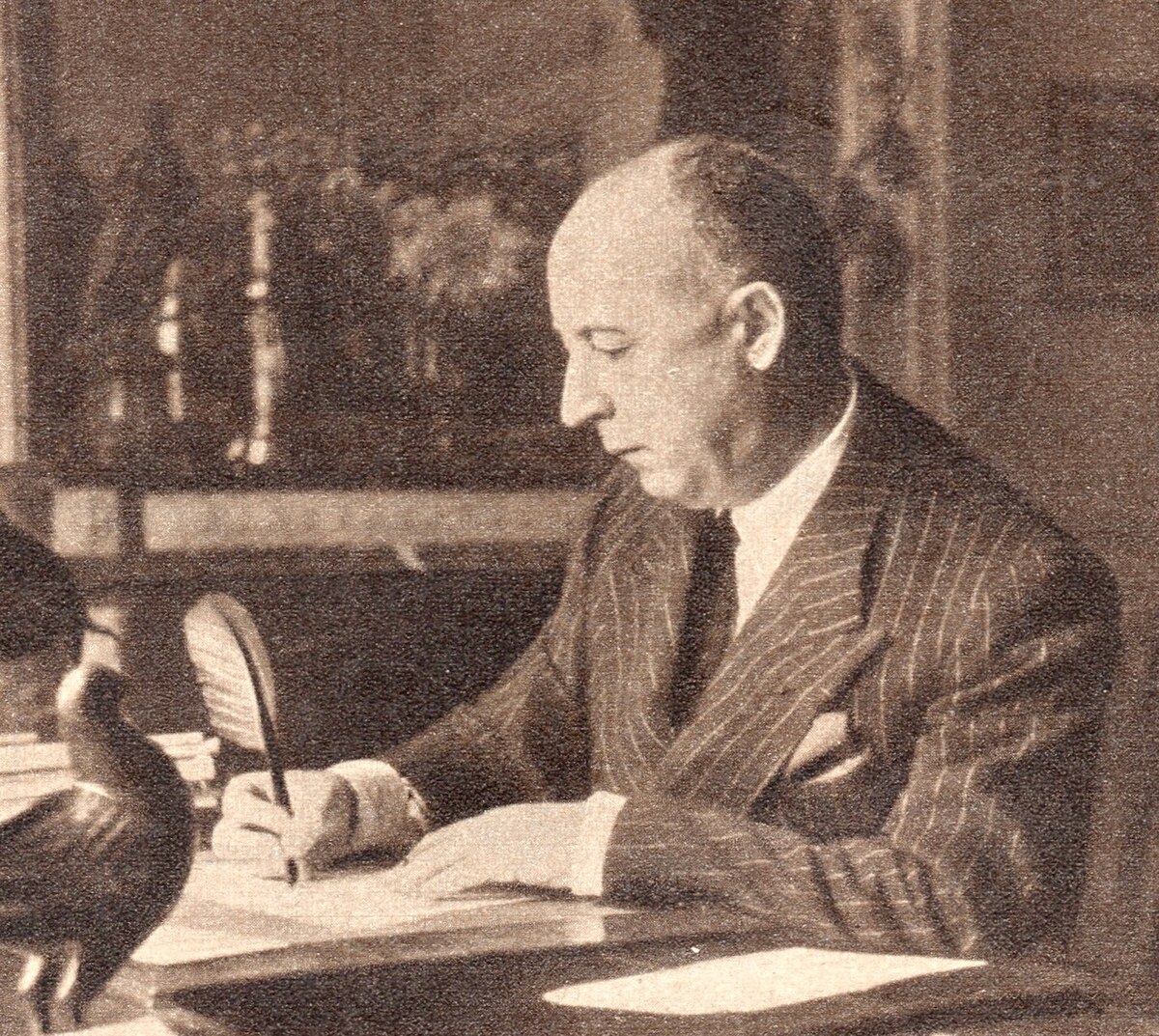
Dana 12. februara 1947, Christian Dior je predstavio svoju prvu kolekciju iz hôtel particulier na Avenue Montaigne i izazvao revoluciju u modi. Urednica Harper’s Bazaar Carmel Snow je čuveno izjavila: „To je tako novi izgled!” — i ime se zadržalo. New Look je bio više od siluete: bio je kulturna izjava o kraju ratne skromnosti i povratku ženskom luksuzu.
Rani život i formiranje
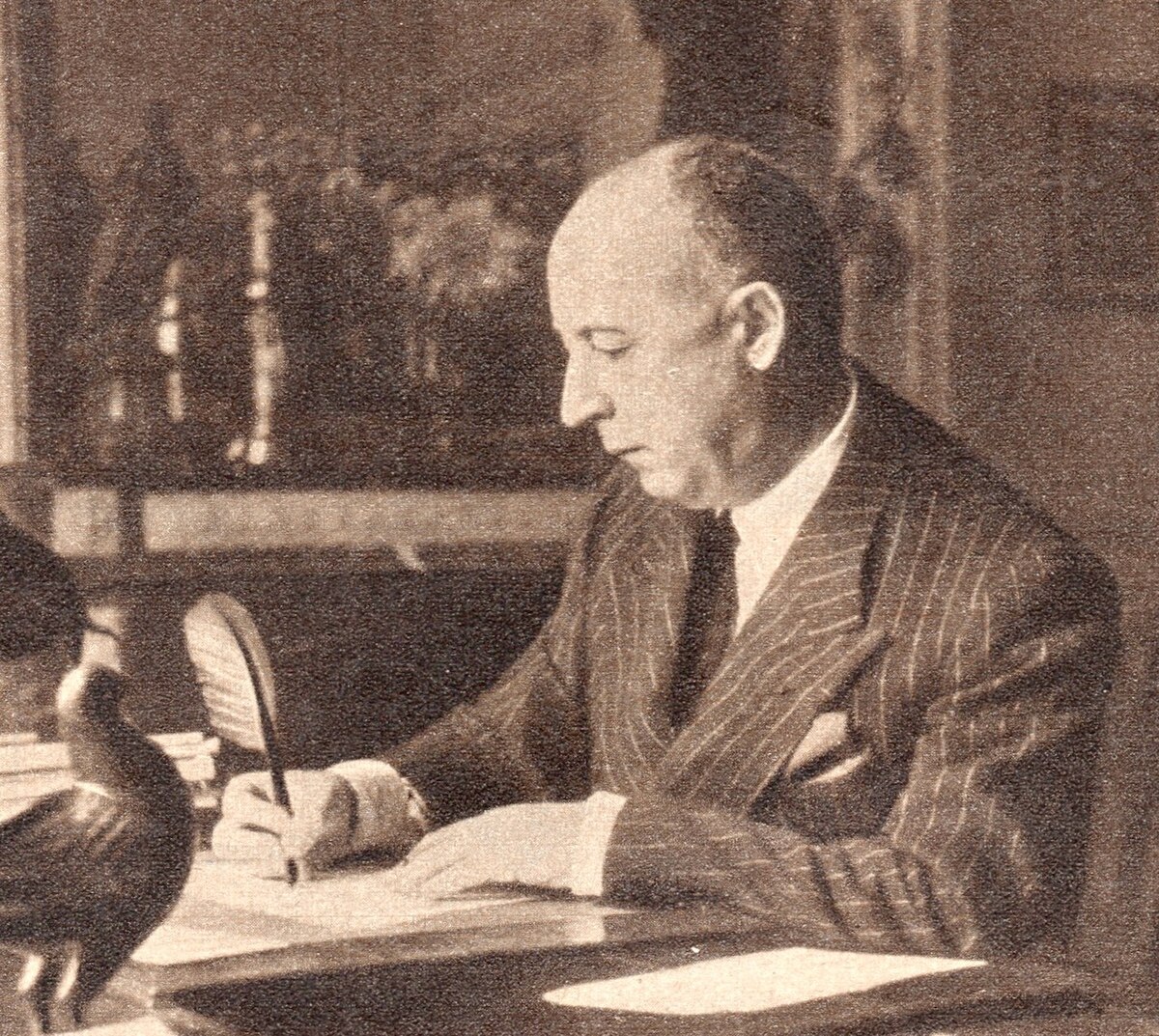
Rođen u Granvilleu, Normandija, 1905, Dior je došao do visoke mode relativno kasno. Njegova porodica je očekivala da će krenuti diplomatskim putem, ali njega je privlačila umetnost, te je vodio malu galeriju kasnih 1920-ih koja je izlagala Dalíja, Giacomettija i Caldera. Velika depresija je uništila porodično bogatstvo i zatvorila galeriju. Nakon godina siromaštva i bolesti (oboleo je od tuberkuloze), Dior je počeo da prodaje modne skice i na kraju je našao posao u kućama Roberta Pigueta i Luciena Lelonga, gde je usavršio svoje tehničke veštine tokom ratnih godina.
Revolucija New Look-a
Otvorivši sopstvenu kuću u četrdeset prvoj godini, njegov debi bio je toliko celovit, toliko siguran, toliko potpuno suprotan preovlađujućoj modi uglastih ramena i kratkih suknji, da je odmah zavladao globalnom konverzacijom. Kolekcija je zvanično nazvana „Corolle” (korola, venac latica oko cveta), a svaki komad je slavio krivine, mekoću i rasipničku upotrebu tkanine.
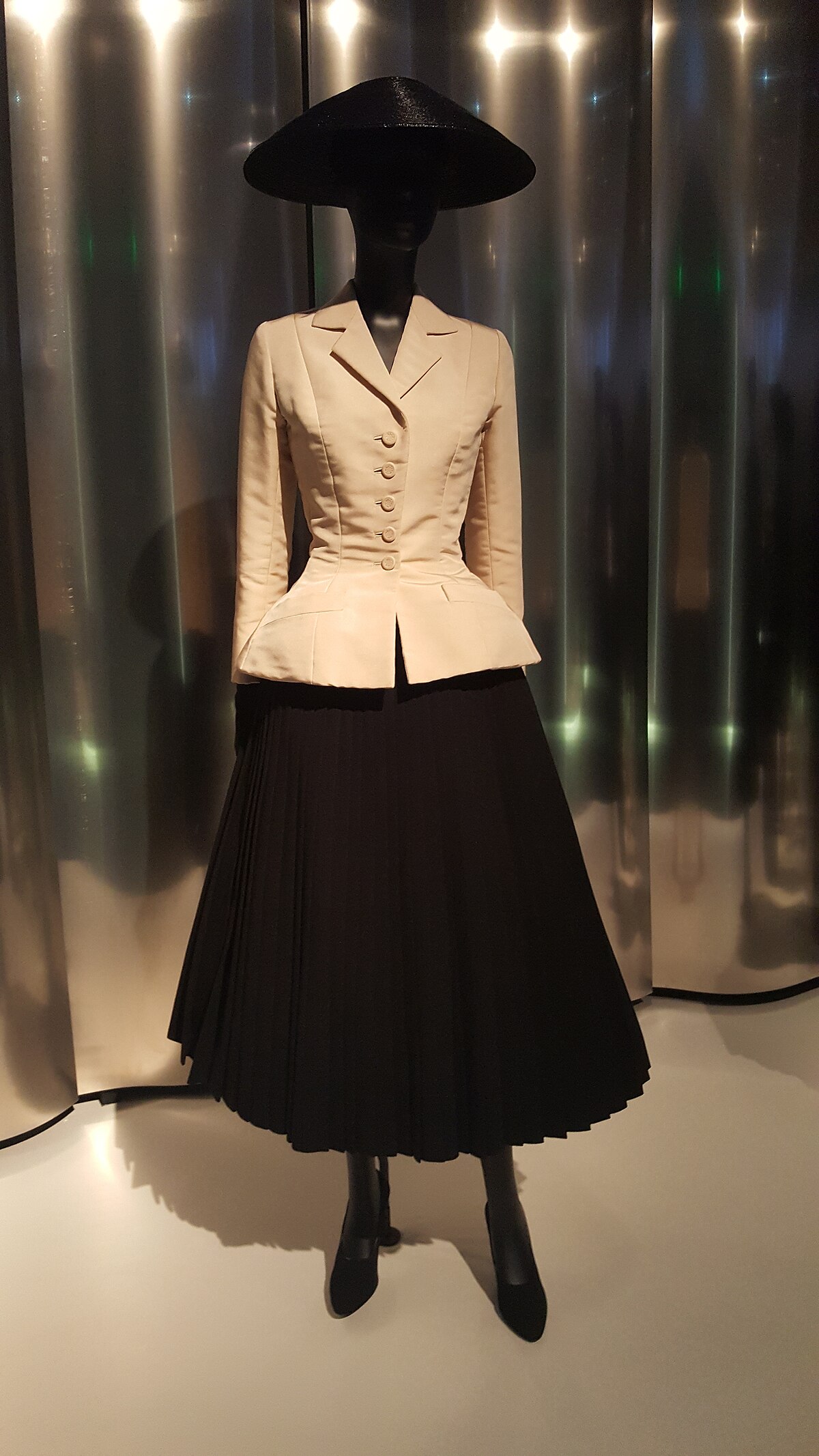
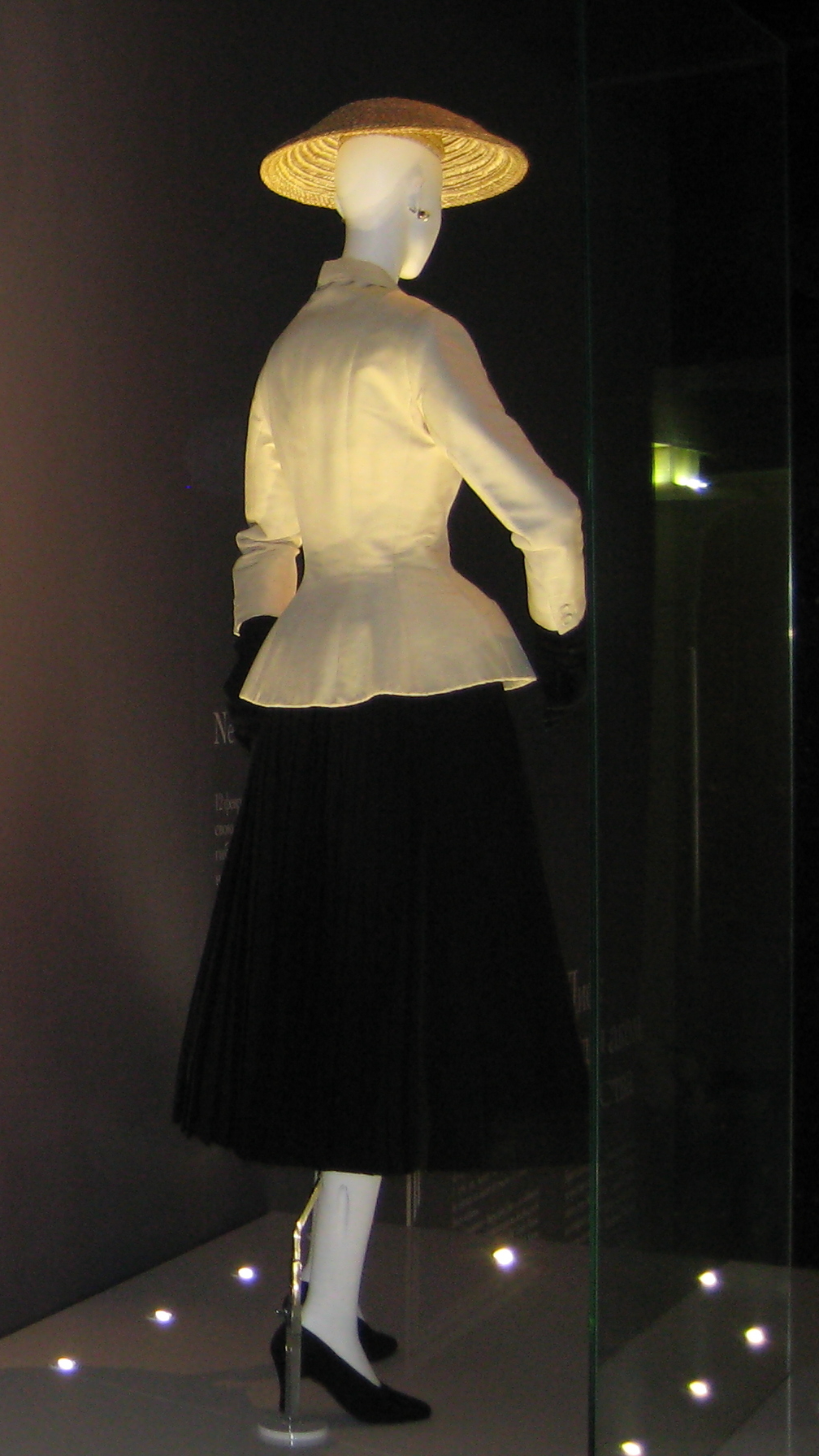
Bar Suit — centralni komad New Look-a — sadržao je bledi sako od svilenog šantung-a sa zaobljenim ramenima, suženim strukom i podstavljenim bokovima, nošen preko crne vunene suknje do pola lista ogromne punoće. Zahtevao je metre tkanine u vreme kada je racionisanje još bilo na snazi u Britaniji, izazivajući proteste političara i domaćica koje su to videle kao opsceni luksuz. Dior se nije kajao: verovao je da je lepota sama po sebi moralan čin.
Arhitektura u tkanini
Diorov genije bio je strukturalan. Školovao se kao arhitekta pre mode, i svaka kolekcija je bila izgrađena oko preciznog geometrijskog koncepta koji je reorganizovao žensku siluetu sa rigorom nacrta. A-Line (1955) — silueta koja se blago širi od pripijenog steznika poput slova A — postala je jedan od najizdržljivijih oblika u istoriji mode. H-Line (1954) je naglašavao ravan, izduženi torzo. Y-Line je igrao sa dramatičnim kragnama i uskim suknjama. Svaka sezona je predlagala novo slovo, novu geometriju, novi način razumevanja tela u prostoru.
Njegov atelje je zapošljavao stotine šnajderki, ili petites mains, čija je izvanredna zanatska veština bila neophodna za ostvarenje njegovih vizija. Jedan sako Bar Suit mogao je zahtevati desetine sati ručnog šivenja, sa unutrašnjim korsetom, podstavljenim bokovima i precizno opterećenim rubom koji je stvarao iluziju ležerne elegancije kroz nevidljiv rad.
Biznis mode
Dior je takođe bio pionir mode kao globalnog biznisa. Bio je među prvim kuturjeima koji su licencirali svoje ime međunarodno — za čarape, parfeme, aksesoar i na kraju pret-a-porter — stvarajući model prihoda koji je svaka luksuzna kuća potom usvojila. Njegov parfem Miss Dior, nazvan po sestri Catherine (heroini Pokreta otpora koja je preživela koncentracioni logor Ravensbrück), postao je bestseler koji je finansirao ekspanziju kuće.
Do 1957, kuća Dior je činila otprilike polovinu ukupnog izvoza visoke mode iz Francuske — zapanjujuća koncentracija kulturne i ekonomske moći u jednoj modnoj kući.
Smrt i nasleđe
Dior je umro od srčanog udara u Montecatini Termeu, Italija, 24. oktobra 1957, u pedeset drugoj godini. Njegova jedanaestogodišnja karijera proizvela je niz koncepata koji su kolektivno definisali posleratnu visoku modu. Njegov dvadesetjednogodišnji asistent, Yves Saint Laurent, odmah je imenovan za naslednika — tranzicija koja će se pokazati jednom od najznačajnijih u istoriji mode.
Kućom Dior je od tada upravljao niz izvanrednih dizajnera — Saint Laurent, Marc Bohan, Gianfranco Ferré, John Galliano, Raf Simons i Maria Grazia Chiuri — od kojih je svaki reinterpretirao Diorove kodove za svoju eru. Ali suštinski Diorov vokabular — suženi struk, široka suknja, slavljenje ženskih krivina kroz arhitektonsku konstrukciju — ostaje temelj na kome svi oni grade.