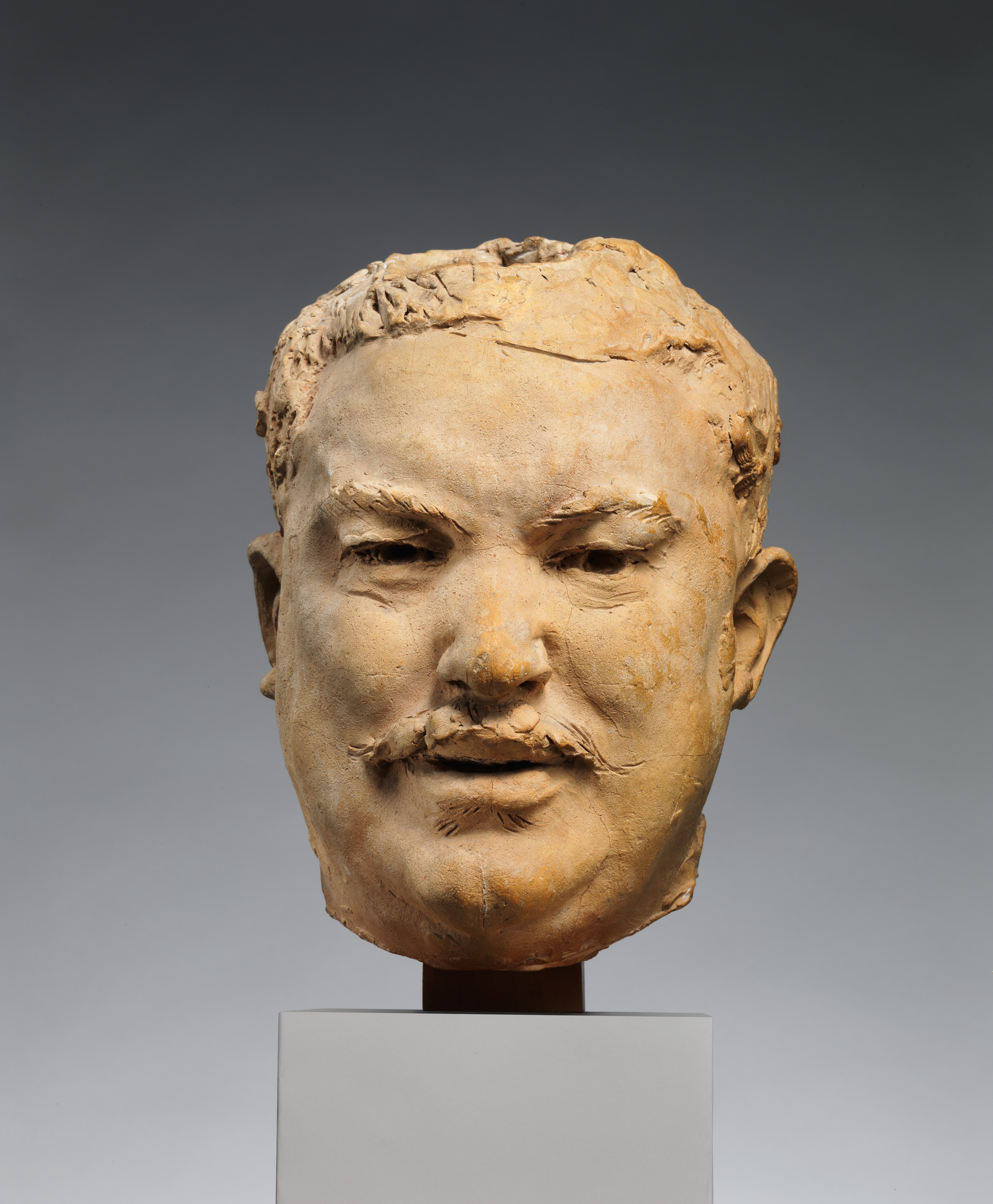

Fransoa-Ogist-Rene Roden rođen je 12. novembra 1840. u Parizu, u radničkoj porodici. Bio je osrednji đak akademski, ali je rano pokazao umetnički talenat, i nakon što je tri puta odbijen na Ekol de Bozar — neuspeh koji ga je proganjao i motivasao čitavog života — zarađivao je za život kao zanatlija i arhitektonski ornamentalist gotovo dve decenije. Opsesivno je proučavao anatomiju, radio u ateljeu skulptora životinja Antoan-Luija Barija, a 1875. otputovao u Italiju, gde ga je mišićna dinamika Mikelanđelovih nedovršenih „Robova” udarila sa snagom otkrovenja. Uticaj je bio odmah vidljiv u delu „The Age of Bronze” (1877), muškom aktu u prirodnoj veličini toliko zapanjujuće naturalističnom da su kritičari optužili Rodena da ga je direktno odlio sa živog modela — skandal koji mu je, paradoksalno, doneo javnu pažnju koju godine poštenog rada nisu.
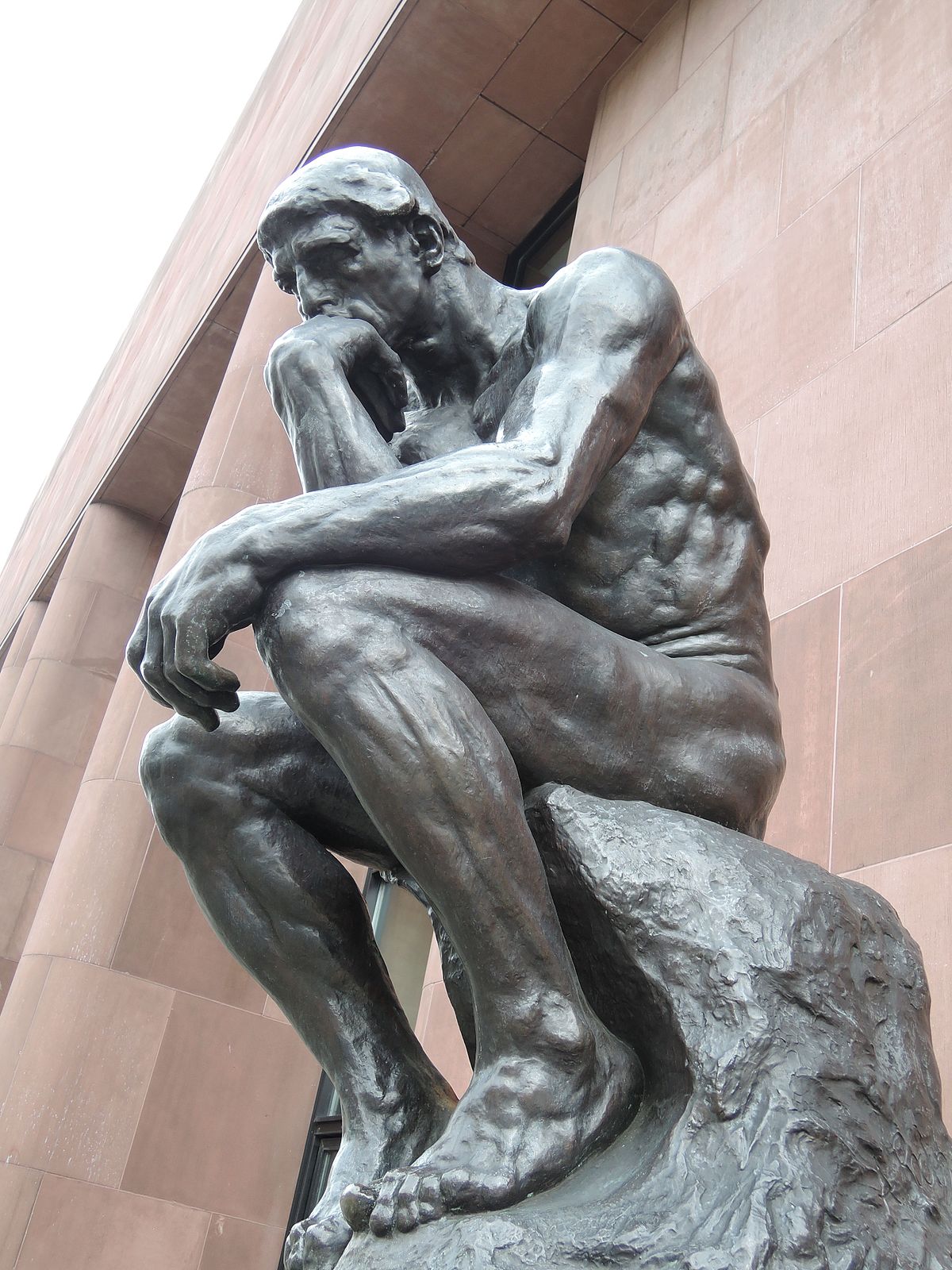
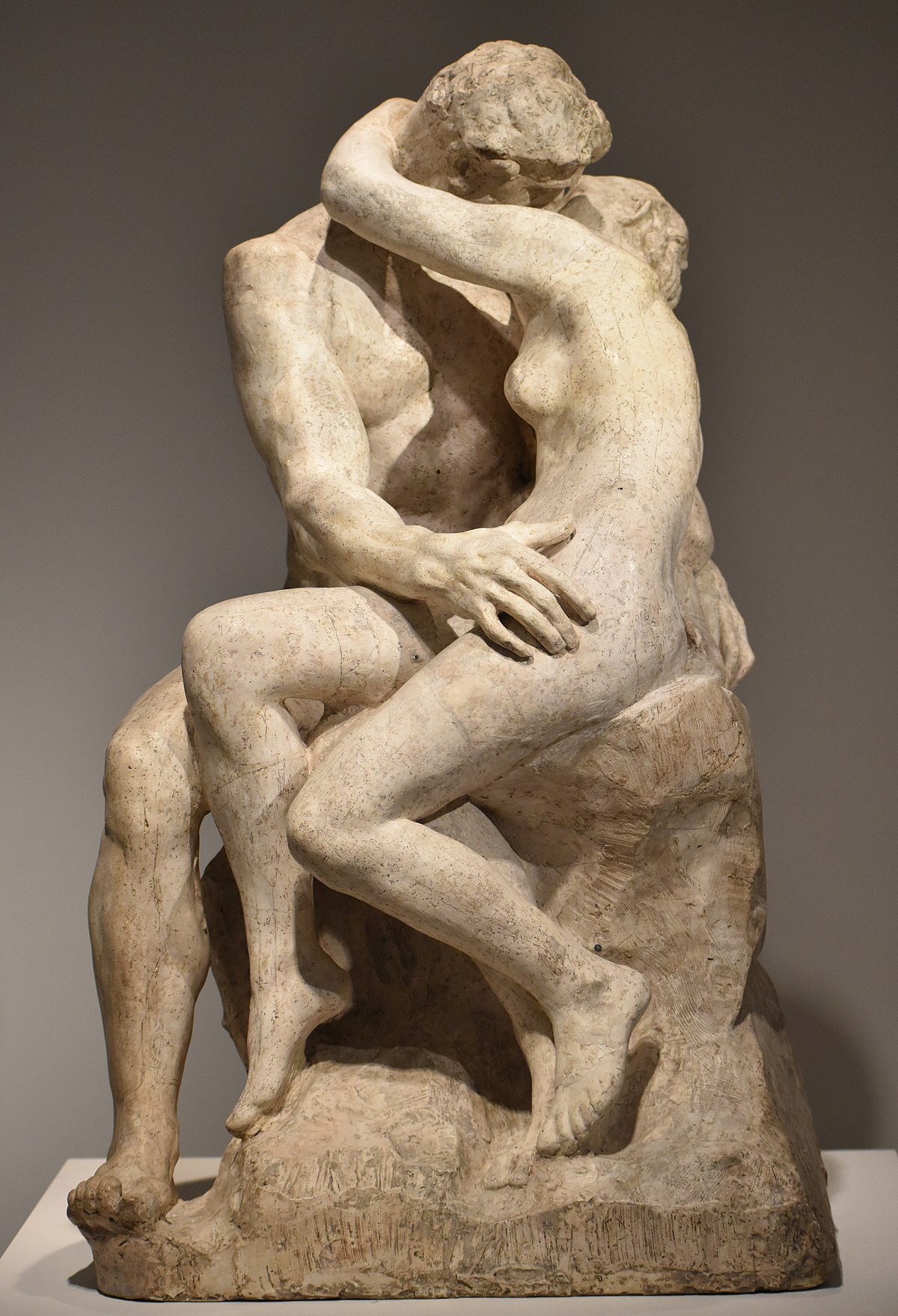
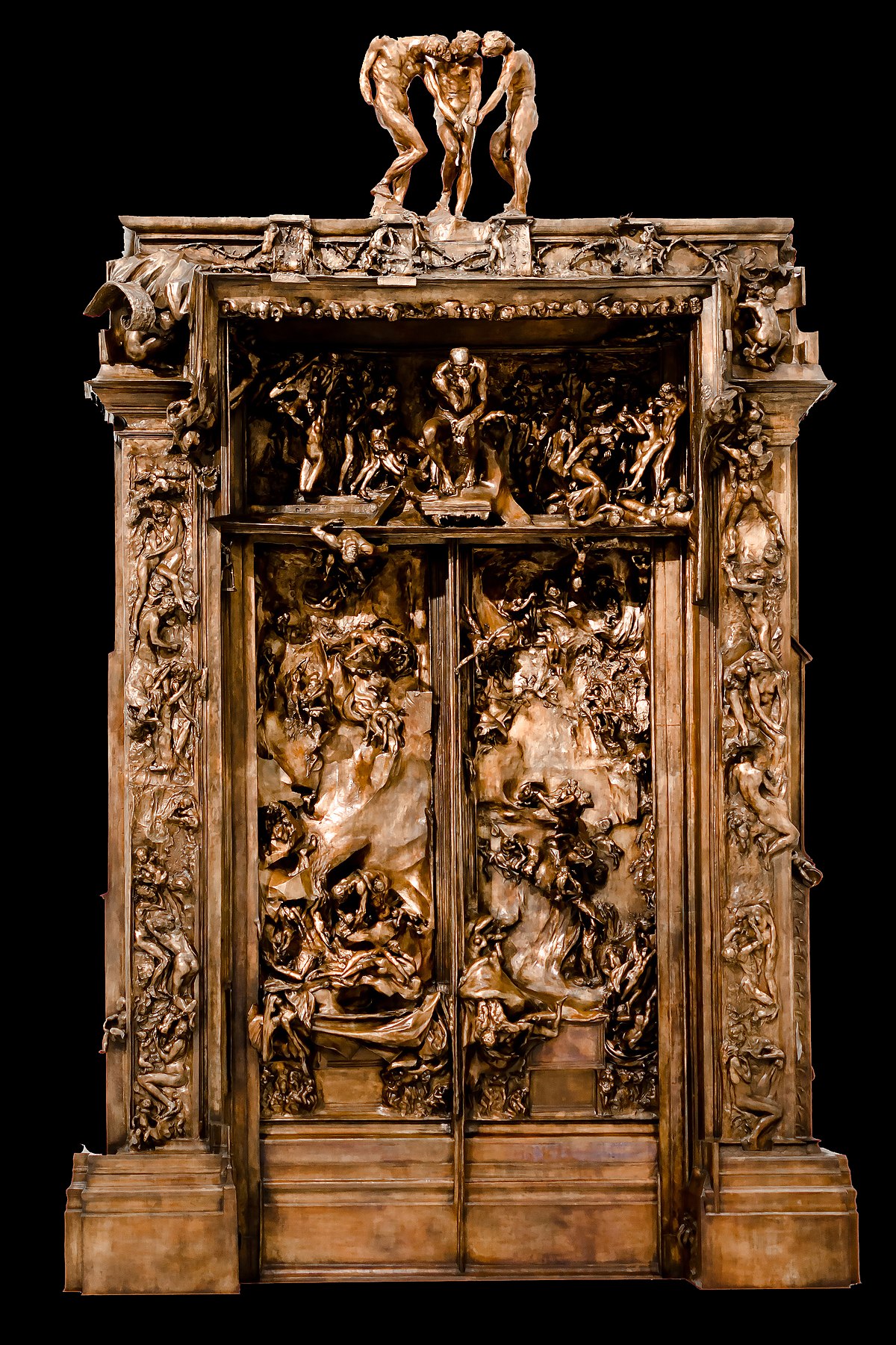
Godine 1880. francuska vlada naručila je od Rodena par bronzanih vrata za planirani Muzej dekorativnih umetnosti, projekat inspirisan Gibertijavim „Vratima raja” u Firenci. Roden je izabrao Danteov „Pakao” za temu, i „The Gates of Hell” postala je opsesivno, nikada dovršeno remek-delo koje ga je zaokupljalo preostalih trideset sedam godina života. Iz ove usijane mase od preko dve stotine uvijenih figura izronile su mnoge od njegovih najpoznatijih samostalnih skulptura: „The Thinker” (prvobitno zamišljen kao Dante koji razmišlja nad ponorom), „The Kiss”, „Ugolino” i „The Three Shades”. Rodenova radikalna inovacija ležala je u tretmanu površine: umesto da glača svoje bronze i mermere do akademskog savršenstva, ostavljao je vidljive tragove prstiju u glini, grube udare dleta u kamenu, i dopuštao fragmentima — torzu bez ruku, ruci bez tela — da stoje kao dovršena dela. Ovaj naglasak na procesu, teksturi i ekspresivnom potencijalu nedovršenog učinio ga je ključnom vezom između neoklasicističke skulpture i modernističkih eksperimenata koji su usledili.
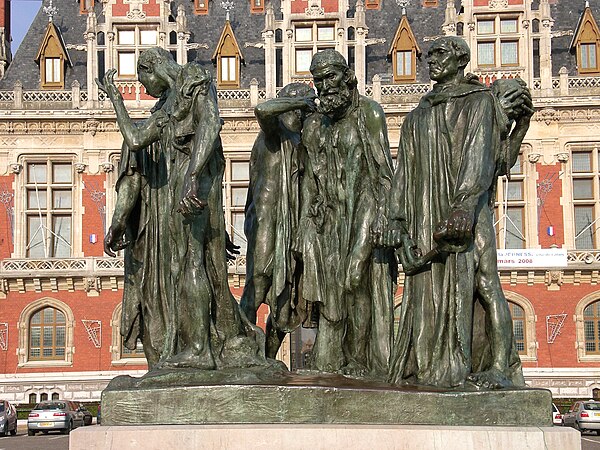
Rodenov privatni život bio je turbulentan poput njegove umetnosti. Njegov dugogodišnji odnos sa Roz Bere, koju je oženio tek nekoliko nedelja pre njene smrti 1917, koegzistirao je sa strastvenom i kreativno isprepletenom aferom sa vajarkom Kamij Klodel, koja mu je bila učenica, model i umetnička saradnica od 1883. do 1898. Klodelina sopstvena genijalnost doprinela je nekoliko Rodenovih velikih dela, mada se tačan obim njenog učešća i dalje raspravlja; njihov odnos se završio u gorčini, a Klodel je provela poslednjih trideset godina zatočena u psihijatrijskoj bolnici. Rodenove glavne javne narudžbine — „The Burghers of Calais” (1884–1895), spomenik Balzaku (1891–1898) i „The Thinker” postavljen ispred Panteona 1906. — bile su gotovo uvek kontroverzne, njihov nekonvencionalni realizam je vređao konzervativne ukuse. Pa ipak, do njegove smrti 17. novembra 1917, Roden je bio univerzalno priznat kao najveći vajar od Berninija. Zaveštao je čitavu svoju kolekciju i atelje francuskoj državi, koja je osnovala Muzej Rodena u Hotelu Biron u Parizu, gde njegova dela i dalje privlače milione posetilaca svake godine.