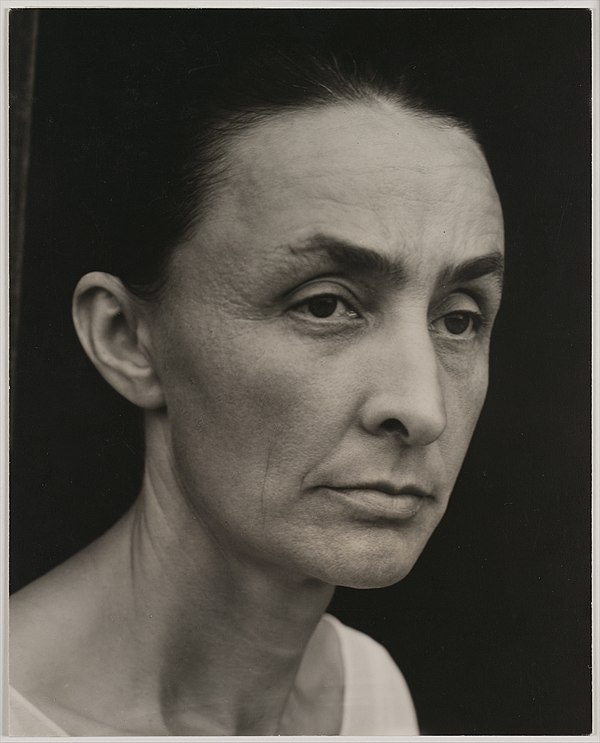
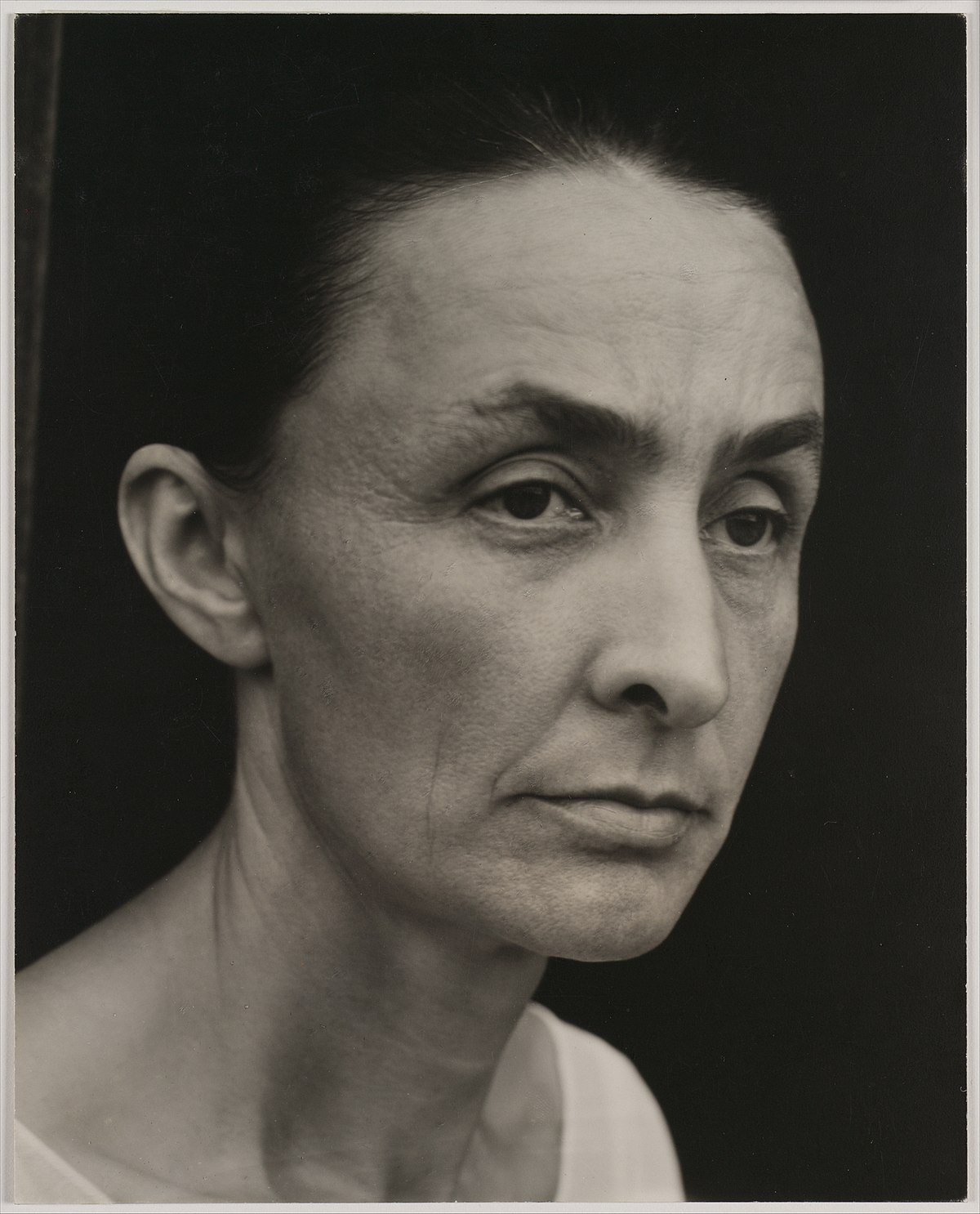
Džordžija Toto O’Kif je rođena 1887. godine na farmi u San Preriju, u Viskonsinu, i postala je najvažnija američka umetnica dvadesetog veka i jedna od centralnih figura američkog modernizma. Prvu pažnju je privukla 1916. godine kada je fotograf i galerist Alfred Stiglic izložio njene apstraktne crteže ugljenom u svojoj galeriji 291 u Njujorku, proglasivši ih najčistijim izrazom ženskog iskustva koji je ikada video. Njih dvoje su započeli lični i profesionalni partnerski odnos koji je trajao do Stigličeve smrti 1946. godine.
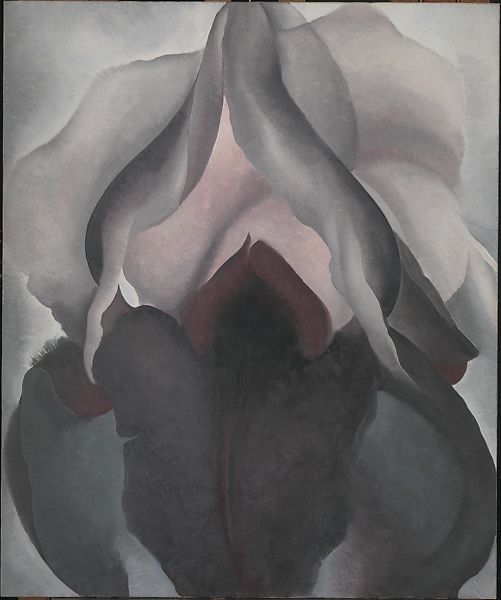
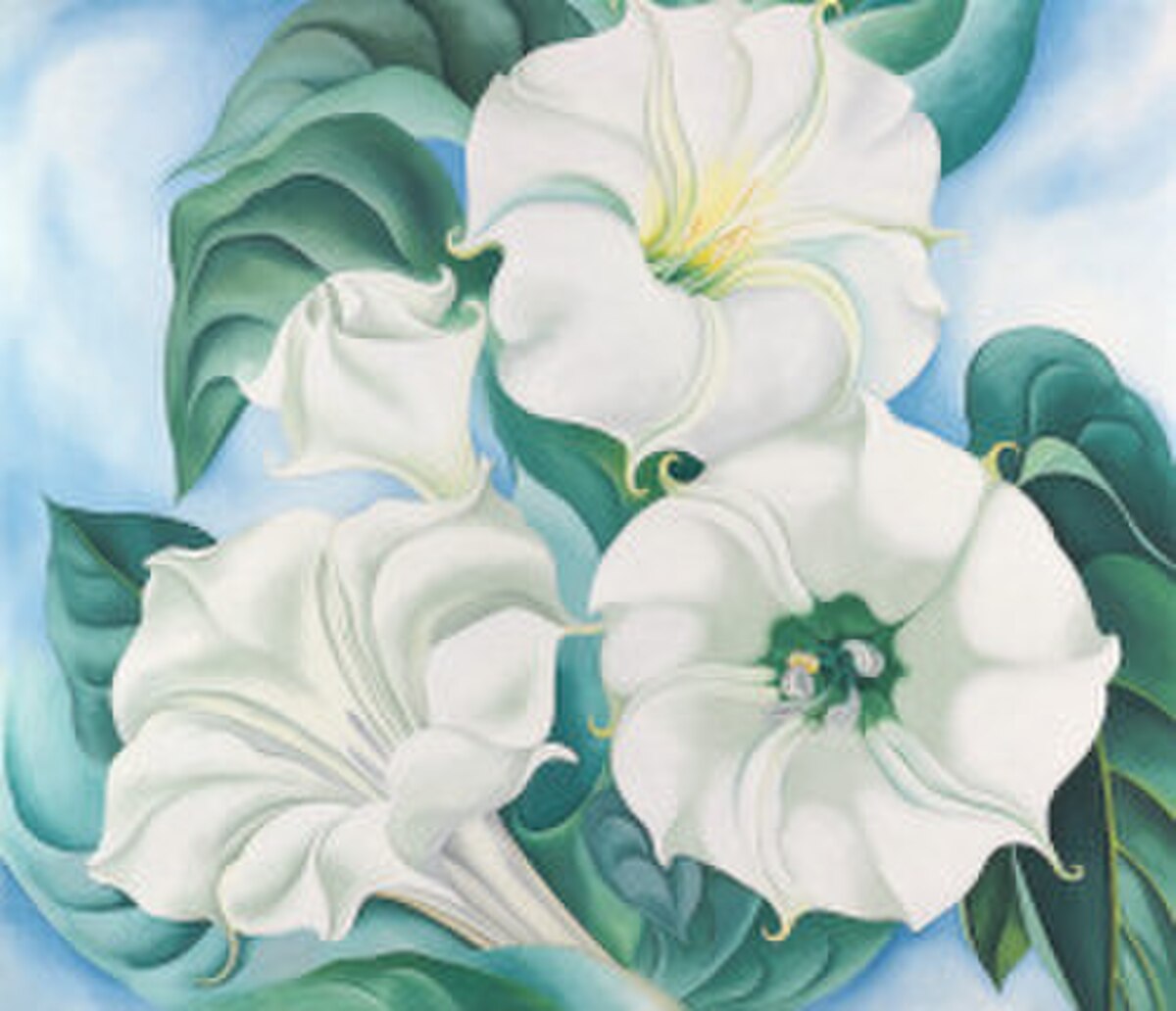
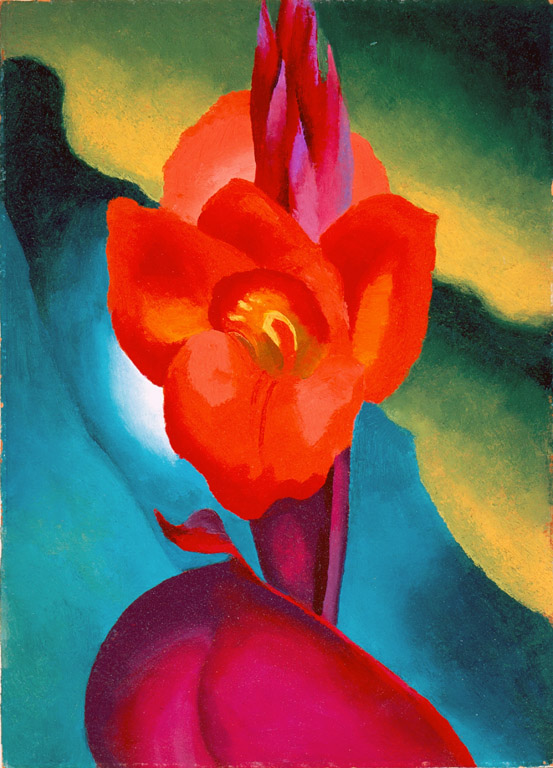
O’Kifine slike cveća iz 1920-ih — ogromni krupni planovi irisa, kala, makova i datula koji ispunjavaju celokupno platno — njena su najpoznatija dela. Viđeno u tako uvećanoj razmeri, cveće postaje apstraktni pejzaži boje i forme, čije se latice i prašnici otvaraju u misteriozne, svetleće prostore. Kritičari su insistirali da ih čitaju kao erotske metafore, tumačenje koje je O’Kif dosledno i energično odbijala: „Kada ljudi čitaju erotske simbole u mojim slikama, oni zapravo govore o sopstvenim stvarima.”
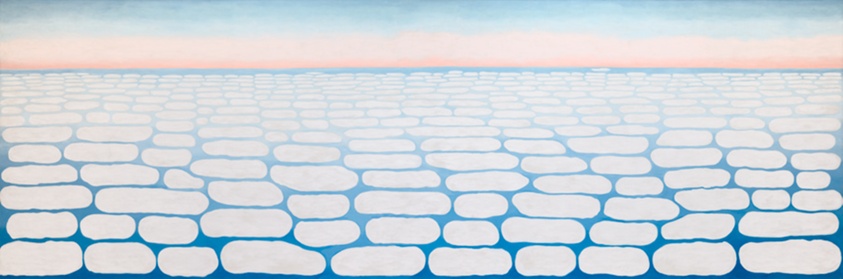
Od 1929. nadalje, O’Kif je sve više vremena provodila u Novom Meksiku, čiji je pustinjski pejzaž — izbeljene kosti, adobe crkve, crvena i ljubičasta brda, prostrana nebesa — postao njen definišući motiv. Trajno se nastanila na ranču Ghost nakon Stigličeve smrti, slikajući pejzaž oko sebe sa ogoljenom jasnoćom i monumentalnom jednostavnošću koja je anticipirala minimalizam. Nastavila je da radi sve dok je slabljenje vida nije primoralo da prestane 1970-ih, a umrla je u Santa Feu 1986. godine u devedeset osmoj godini.