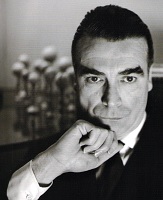
Cristóbal Balenciaga je dizajner kome se drugi dizajneri klanjaju. Rođen 1895. u Getariji, malom ribarskom selu u Baskiji u Španiji, otvorio je svoju prvu kuću u San Sebastiánu sa dvadeset dve godine. Nakon što ga je Španski građanski rat primorao da zatvori, preselio se u Pariz 1937. i otvorio kuću visoke mode koja je redefinisala mogućnosti krojenja.
Učitelj svih nas
Coco Chanel, nesklon lakoj pohvali, nazvala ga je „jedinim pravim kuturjeom”. Christian Dior ga je nazvao „učiteljem svih nas”. Ono što je Balenciagu izdvajalo nije bio samo njegov pogled, već i njegove ruke: bio je jedini veliki kuturje svog doba koji je lično mogao da kroji, šije i proba — koji je razumeo tkaninu taktilnom inteligencijom majstora zanatlije, a ne samo dizajnera koji usmerava druge. Dok su drugi dizajneri skicirali i delegirali, Balenciaga je stajao za krojačkim stolom sa makazama u ruci, izvlačeći trodimenzionalne forme iz ravne tkanine sa intuicijom koju su njegovi asistenti smatrali gotovo natprirodnom.
Španski koreni
Njegova estetika bila je ukorenjena u vizuelnoj kulturi Španije — crnine i zlata Velázqueza, skulpturalnih nabora Zurbaránovih monaha, stroge veličanstvenosti dvora Filipa II, dramatičnih krivina flamenkog kostima. Infanta Dress (1939), inspirisana Velázquezovim portretima španskih kraljevskih princeza, sadržala je steznik ekstremne jednostavnosti iznad suknje izvanrednog obima, stvarajući siluetu koja je bila istovremeno iz sedamnaestog veka i futuristička. To je bio prvi od mnogih odevnih predmeta u kojima je Balenciaga demonstrirao da istorijska referenca može biti izvor radikalne inovacije, a ne nostalgičnog pastiša.
Arhitektura tela
Njegov rad je istraživao fundamentalno pitanje: kakav je odnos između odevnog predmeta i tela koje okružuje? Bio je spreman da potpuno napusti telo. Njegova Balloon Jacket iz 1953. — jakna sa kopčanjem pozadi koja je stajala odvojeno od tela u savršenoj elipsi — oslobodila je modu od logike korseta jednako potpuno kao i Chanel, ali potpuno drugačijim sredstvima. Dok je Chanel pojednostavljivala, Balenciaga je konstruisao. Balon jakna je zahtevala izvanredan inženjering: njen oblik je održavan preciznim krojem tkanine i nevidljivom unutrašnjom strukturom, ne postavljanjem ili koščanim ukrućenjem.
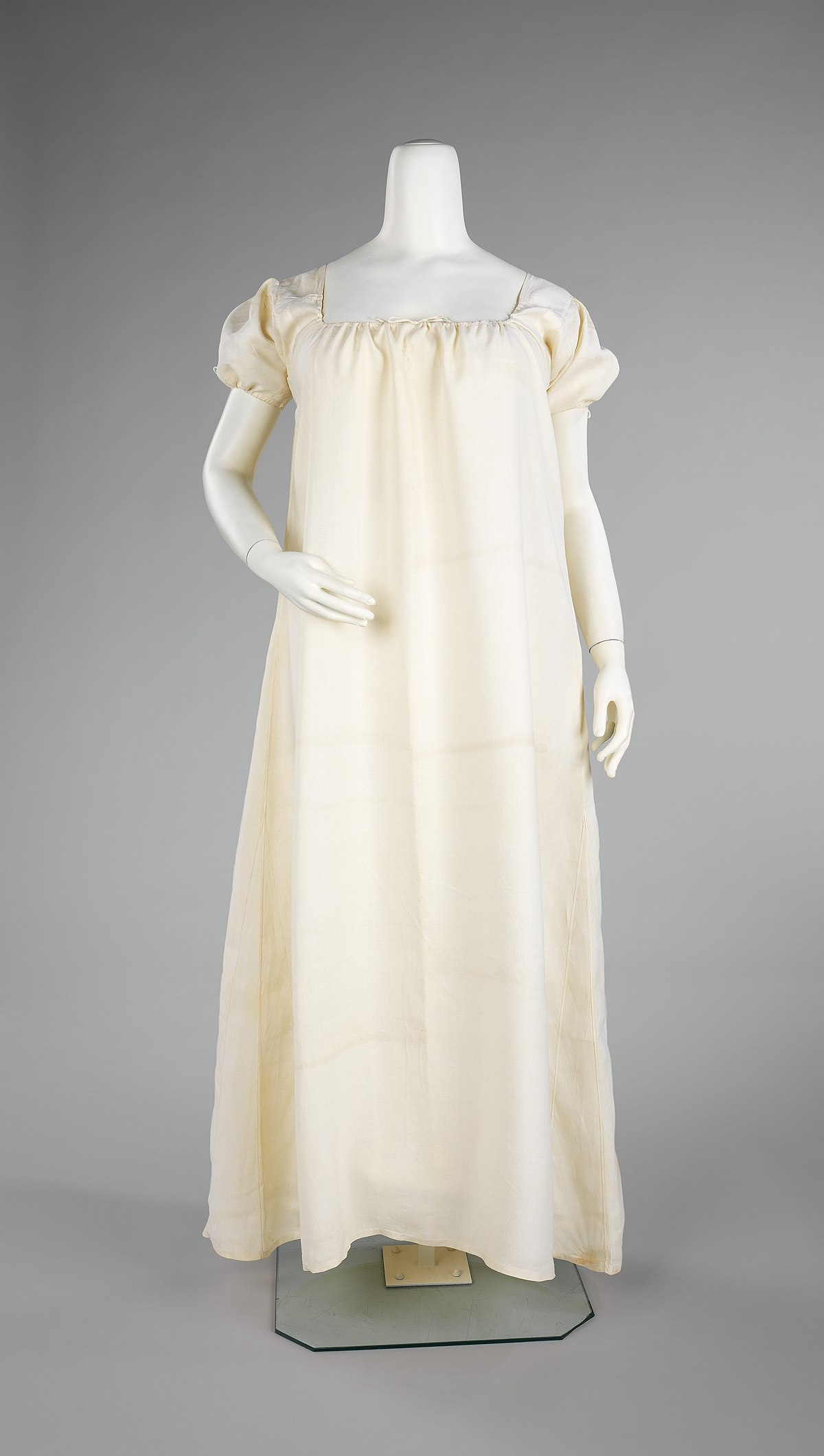
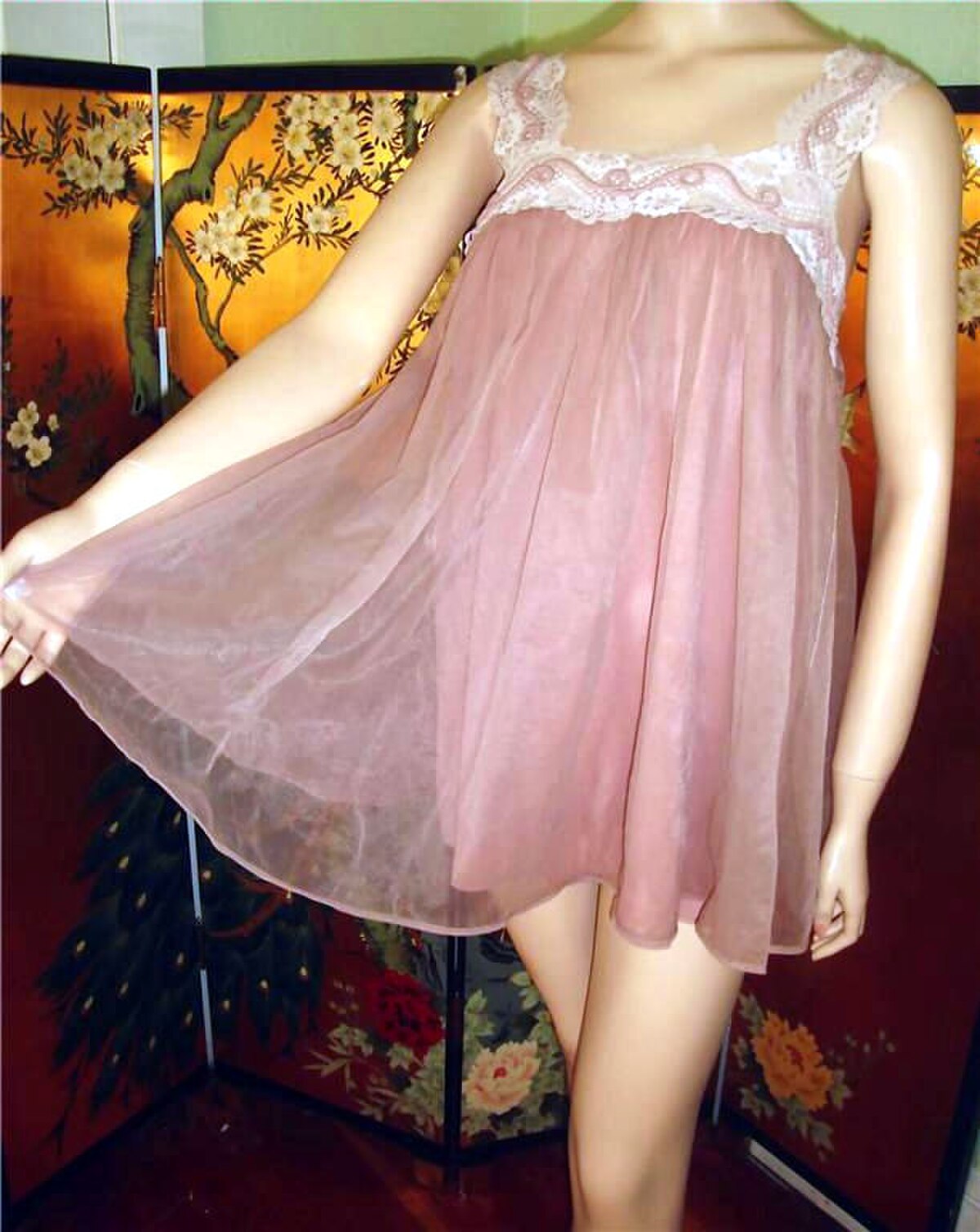
Njegova Chemise Dress iz 1957. — ravna haljina bez struka — stigla je dve godine pre čuvene Diorove „haljine-vreće” i ukazala na minimalizam koji će definisati modu 1960-ih. Njegova silueta Baby Doll stvorila je novu estetiku mladenačke lakoće potpuno suprotnu preovlađujućem idealu peščanog sata.
Šaptač tkanina
Balenciagov odnos sa tkaninom bio je legendaran. Birao je tekstil sa ozbiljnošću vajara koji bira kamen, razumejući da svaki materijal ima sopstvenu logiku, sopstvenu sklonost da se savija, draperira ili stoji. Intenzivno je sarađivao sa Abraham, švajcarskom kućom svile, razvijajući krute gazar tkanine koje su mogle da drže skulpturalne oblike bez unutrašnje strukture — tkaninu koja se ponašala gotovo poput papira, držeći oštre nabore i dramatične zapremine.
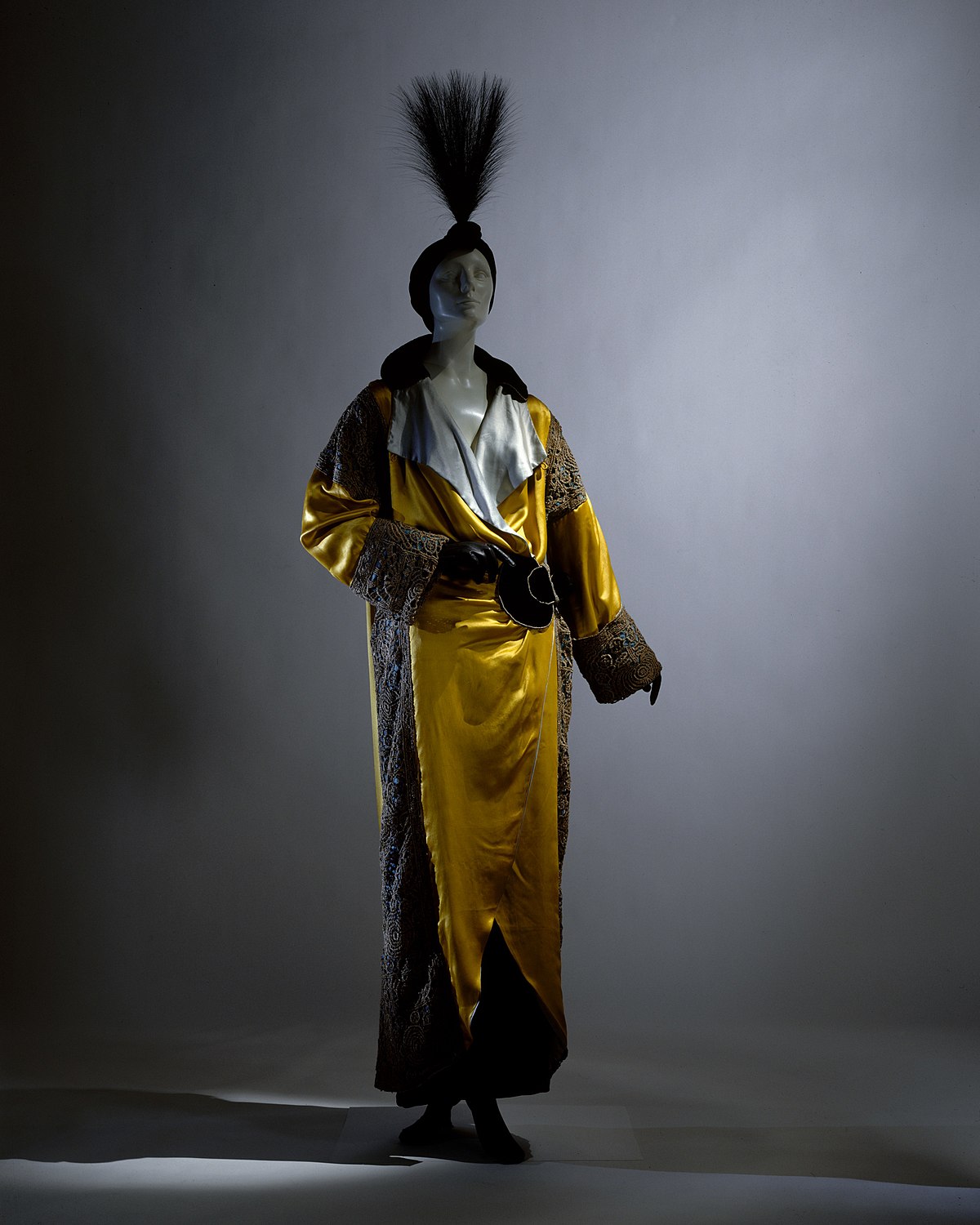
Njegov Opera Coat iz 1956. — jednostavan kokon od crnog svilenog gazara koji je obavijao telo u jednoj, neprekinutoj krivini — demonstrirao je šta se može postići kada vrhunski tehničar radi sa vrhunski inženjerovanom tkaninom. Nije sadržao ni ušitke, ni šavove osim neophodnih, ni ukras; njegova lepota bila je u potpunosti strukturalna.
Kaput s jednim šavom i kasnija inovacija
Tokom 1960-ih, dok se moda kretala ka omladinskoj kulturi i pret-a-porteu, Balenciaga je gurao dalje ka apstrakciji. Njegov kaput s jednim šavom — čitav odevni predmet iskrojen od jednog komada tkanine sa samo jednim šavom — bio je inženjerski trijumf koji se približio stanju čiste geometrije. Njegove saradnje sa šeširdžijom Hubertom de Givenchyjem (njegovim štićenikom) i njegov uticaj na Andréa Courrègesa i Emanuela Ungaroa oblikovali su narednu generaciju pariške mode.
Penzija i nasleđe
Balenciaga se naglo povukao 1968, rekavši da je svet koji je oblačio nestao. Društvena revolucija 1960-ih, uspon pret-a-portea i omladinska kultura koja nije bila zainteresovana za metikuozno zanatstvo visoke mode ubedili su ga da njegova umetnost nema budućnost. Nikada se nije vratio modi i umro je 1972. u Jávei, Španija.
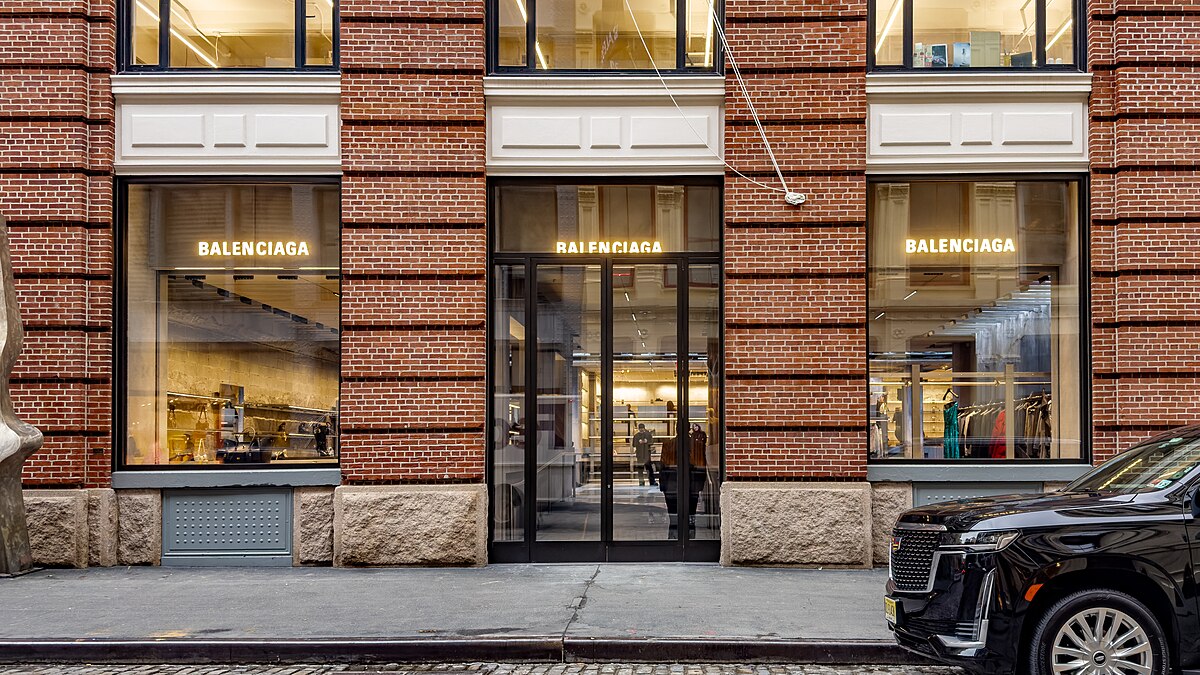
Njegovo nasleđe je, međutim, samo raslo. Kuća Balenciaga, oživljena pod Nicolasom Ghesquièreom i sada pod Demnom, nastavlja da istražuje napetost između strukture i tela, konstrukcije i dekonstrukcije, koju je njen osnivač definisao. Muzej Cristóbal Balenciaga u Getariji čuva njegove originalne kreacije — a proučavati ih znači razumeti da je moda, na svom najvišem nivou, oblik arhitekture praktikovan na ljudskom telu.