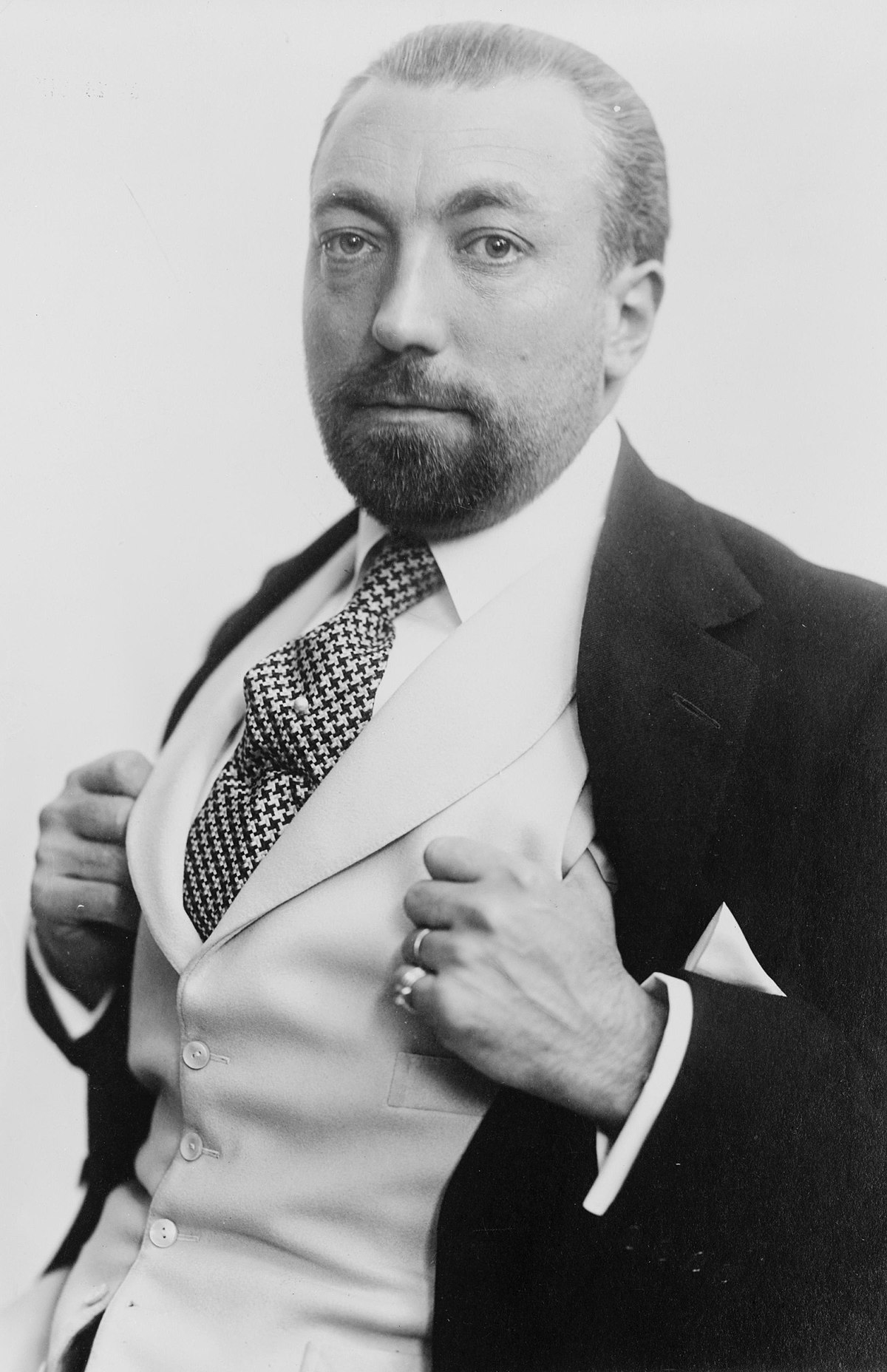
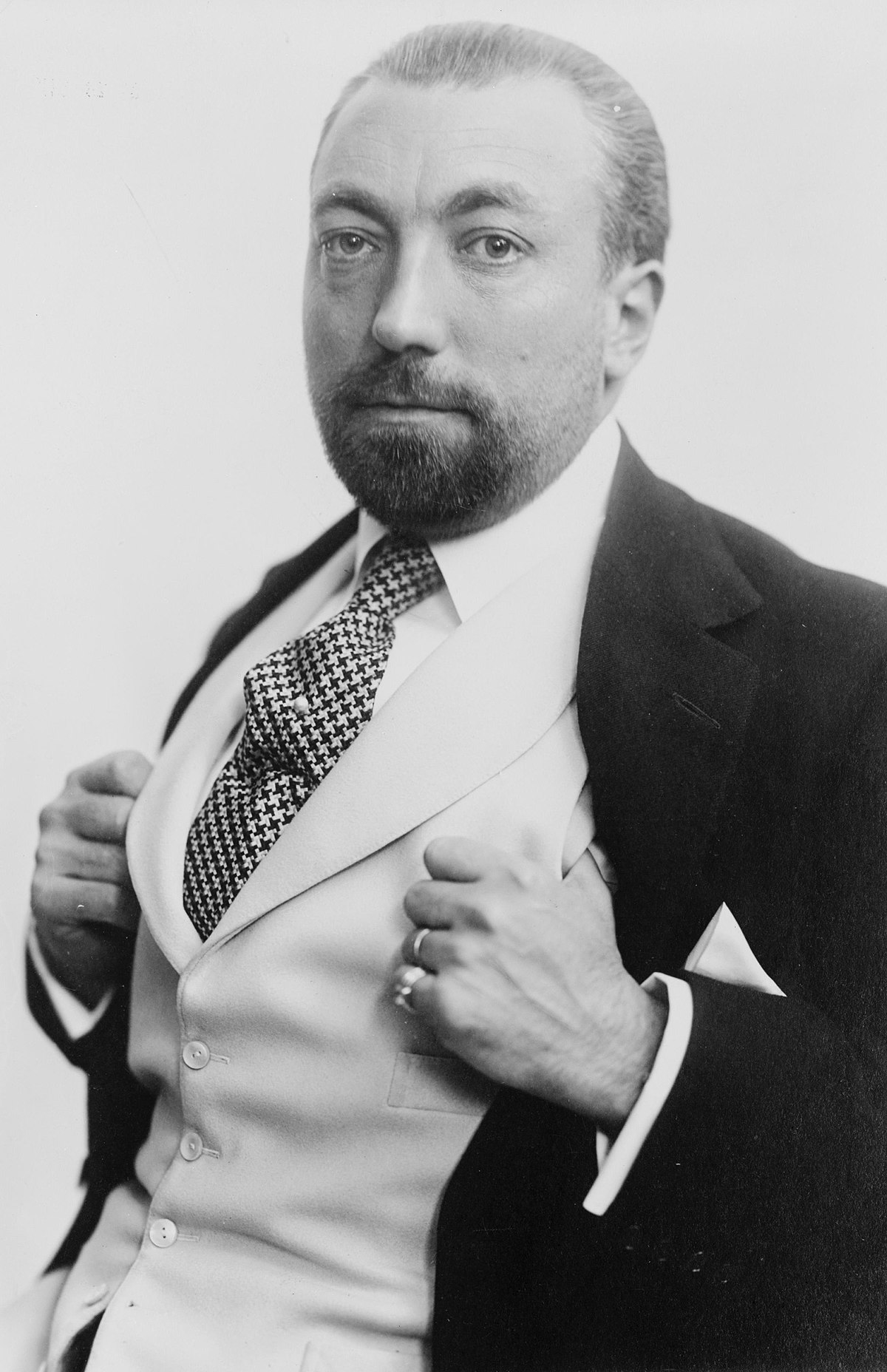
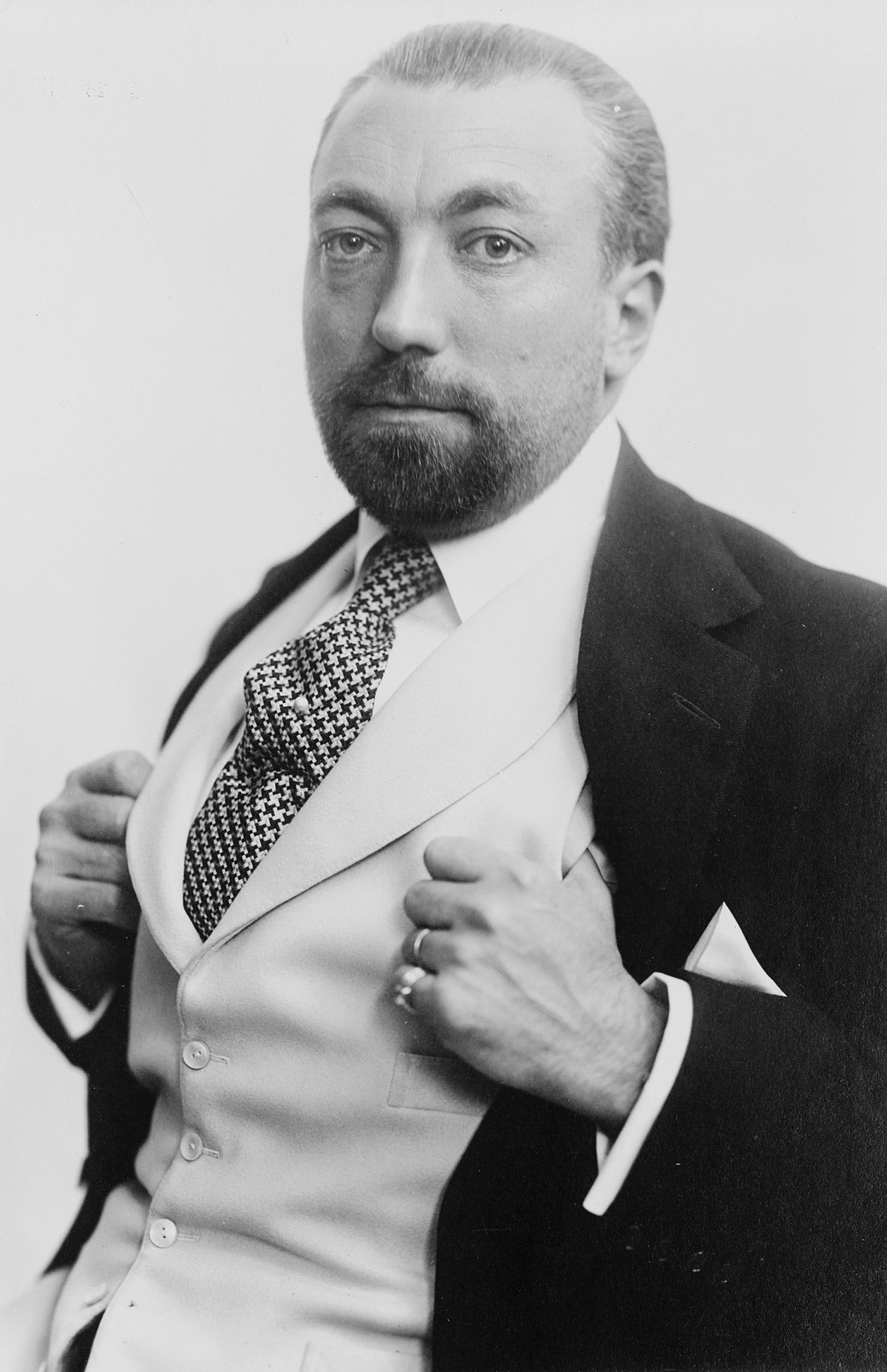
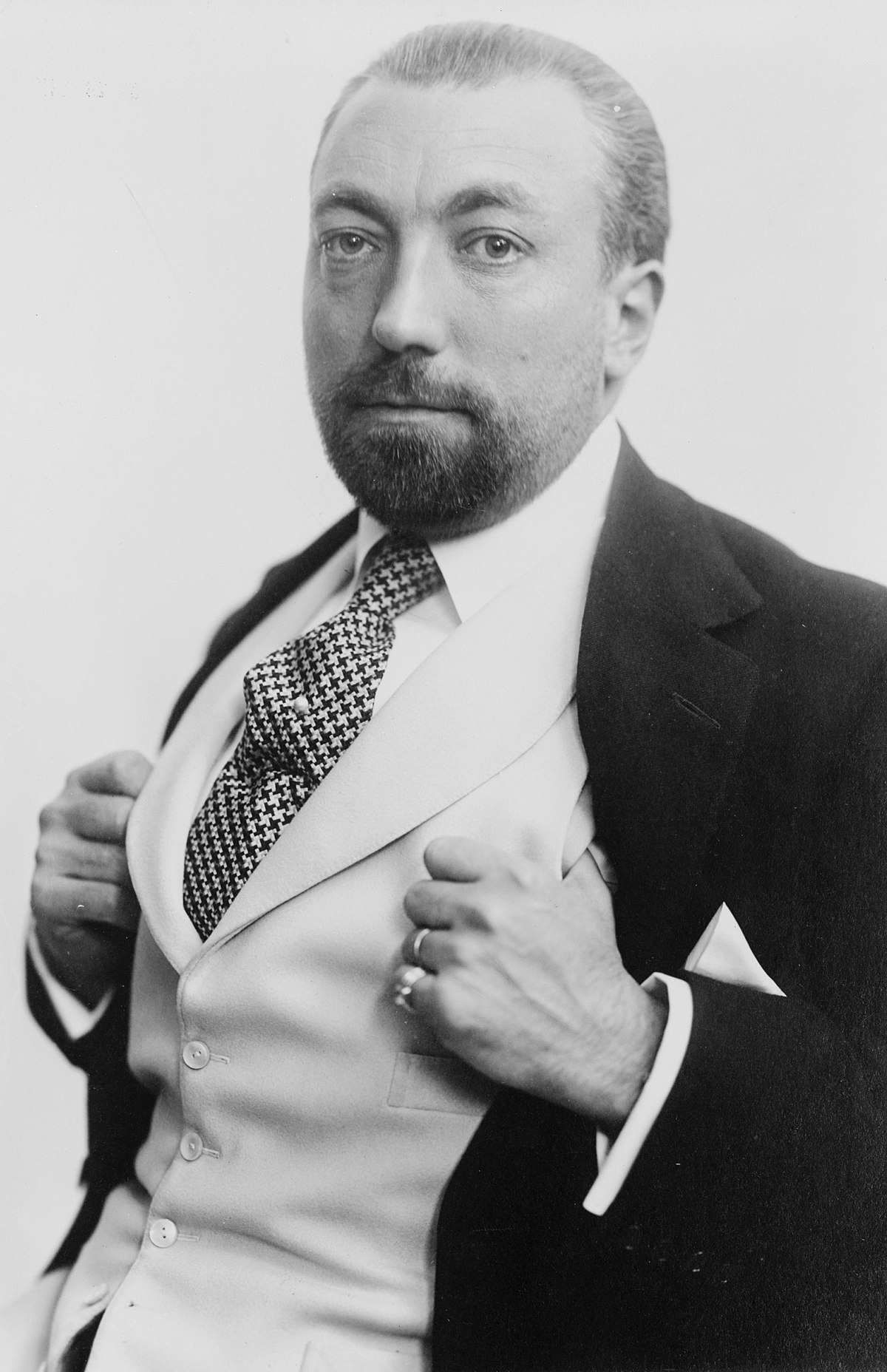
Pol Poare je jedna od velikih tragičnih figura istorije mode: čovek koji je izumeo modernog dizajnera, koji je ukinuo korset i oslobodio žensko telo — a koji je umro u bedi 1944. godine, sa periodom dominacije davno za njim, zaboravljen od gotovo svih. Zaslužuje da bude upamćen.
Uspon do prominence
Rođen u Parizu 1879. godine, sin trgovca tkaninama, Poare se uzdigao kroz kuće Vorta i Dusea pre nego što je otvorio sopstvenu kuću mode 1903. godine. Kod Vorta je naučio mehaniku luksuznog krojenja; kod Dusea je upijao umetnost drapiranja tkanine na živom telu. Ali njegova sopstvena vizija bila je daleko radikalnija od vizije bilo kog mentora. Nije bio zainteresovan za usavršavanje postojećeg vokabulara edvardijanske odeće — želeo je da ga u potpunosti zameni.
Oslobođenje tela
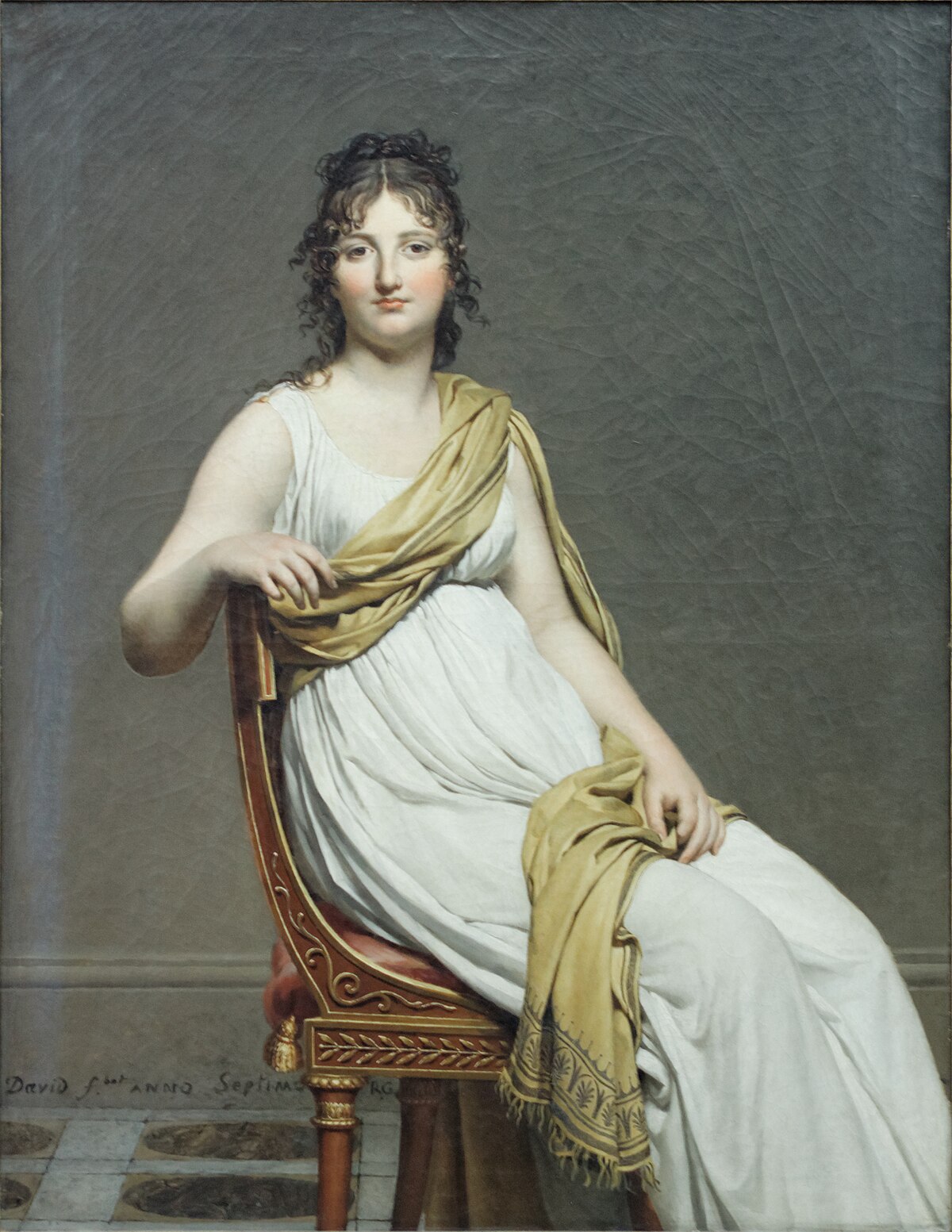
Njegova revolucija došla je 1906. godine: crpeći iz stila Direktorijuma s početka 19. veka i iz svoje strasti prema japanskoj, persijskoj i drevnoj istočnjačkoj odeći, ukinuo je S-krivinu korseta — spravicu za mučenje koja je edvardijanskim ženama davala siluetu golubjih grudi — i zamenio je visokostrikom, stubastom siluetom koja je dozvoljavala telu da se slobodno kreće. Directoire Silhouette podigao je struk tik ispod grudi i pustio da tkanina pada u pravoj, neprekinutoj liniji do poda. To je, u suštini, bio izum moderne odeće.
Kritičari su ga optuživali da je samo zamenio jedan oblik ograničenja drugim — njegova hobble suknja iz 1910. godine, koja je sužavala porub do širine gležnja, svakako je ograničavala pokret čak i dok je ukidala korset. Ali princip je bio uspostavljen: moda može osloboditi telo umesto da ga preoblikuje.
Orijentalizam i spektakl
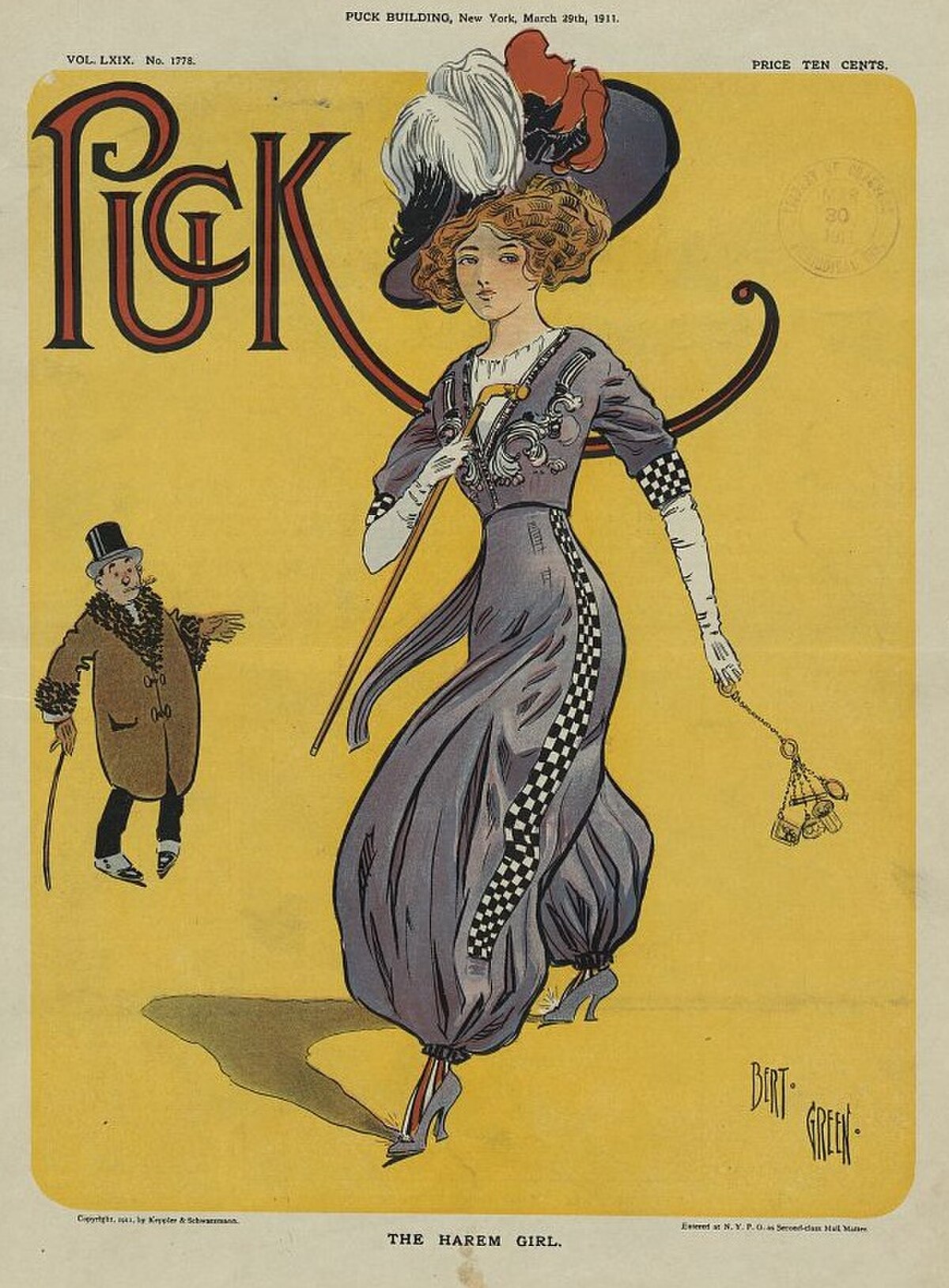
Poareova estetika bila je prožeta orijentalističkom fantazijom. Njegovi kimono kaputi, krojeni u jednom komadu bez ušitaka ili šavova, po prvi put su uneli japansku estetiku ravne, drapirane tkanine u zapadnu modu. Njegove harem pantalone (1911) — široke, nabrane pantalone inspirisane osmanskim odevanjem — skandalizovale su Pariz, ali su dokazale da žene mogu nositi razdvojene odevne predmete i ostati elegantne. Lampshade tunika, konusasta gornja haljina nošena preko uske suknje, stvorila je siluetu koja nije bila ni istočnjačka ni zapadnjačka, već nešto potpuno novo.
Bio je prvi dizajner koji je organizovao pozorišne modne prezentacije kao zabavne događaje — ne ukočena salonska prikazivanja za klijente, već imerzivne spektakle koji su nagovestili modernu modnu reviju. Njegova zabava 1002. noć 1911. godine, svečanost na persijsku temu u bašti njegovog privatnog dvorca, sa Poareom obučenim kao sultan i trista gostiju u orijentalnim kostimima, bila je prvi veliki medijski događaj u modi, o kojem su izveštavale novine širom sveta.
Totalni dizajner životnog stila
Poare je bio prvi dizajner koji je shvatio da moda može biti totalni brend životnog stila. Pokrenuo je parfemsku kuću Rozin (nazvanu po ćerki) 1911. godine, kompaniju za dizajn enterijera Martin (nazvanu po drugoj ćerki) 1912. godine, i licencirao je svoje ime za aksesoare, tkanine i kućne predmete. Sarađivao je sa fovističkim slikarom Raulom Difijem na stvaranju štampanih tkanina izvanredne živosti — geometrijski uzorci u zasićenim bojama koji su anticipirali Art Deko za čitavu deceniju.
Takođe je angažovao umetnika Žorža Lepapa da stvara modne ilustracije koje su revolucionisale žanr, zamenjujući statične, dokumentarne crteže dinamičnim, stilizovanim slikama koje su prodavale ideju odevnog predmeta umesto njegovog doslovnog izgleda.
Pad i zaboravljeno nasleđe
Prvi svetski rat i uspon Šanel — čiji je strogi modernizam bio sve ono što Poareova dekorativna fantazija nije — okončali su njegovu supremaciju. Nikada se nije komercijalno oporavio, nesposoban da se prilagodi posleratnoj potražnji za jednostavnošću i praktičnošću. Krah 1929. godine ga je finansijski dokrajčio. Poslednje godine proveo je prodajući jeftine crteže na ulici ispred samih restorana gde su obedovali njegovi nekadašnji klijenti, i umro je zaboravljen u dobrotvornoj bolnici 1944. godine, tokom nemačke okupacije Pariza.
Njegovo nasleđe, međutim, je ogromno. Bez Poarea nema Šanel (koja je preuzela njegovo oslobođenje tela dok je odbacila njegovu dekoraciju), nema Diora (koji je nasledio njegov smisao za spektakl), nema Sen Lorana (čije su orijentalističke kolekcije svesno citirale Poarea). On je izumeo šablon modernog modnog dizajnera — umetnik, impresario, brend — koji industrija i danas sledi.