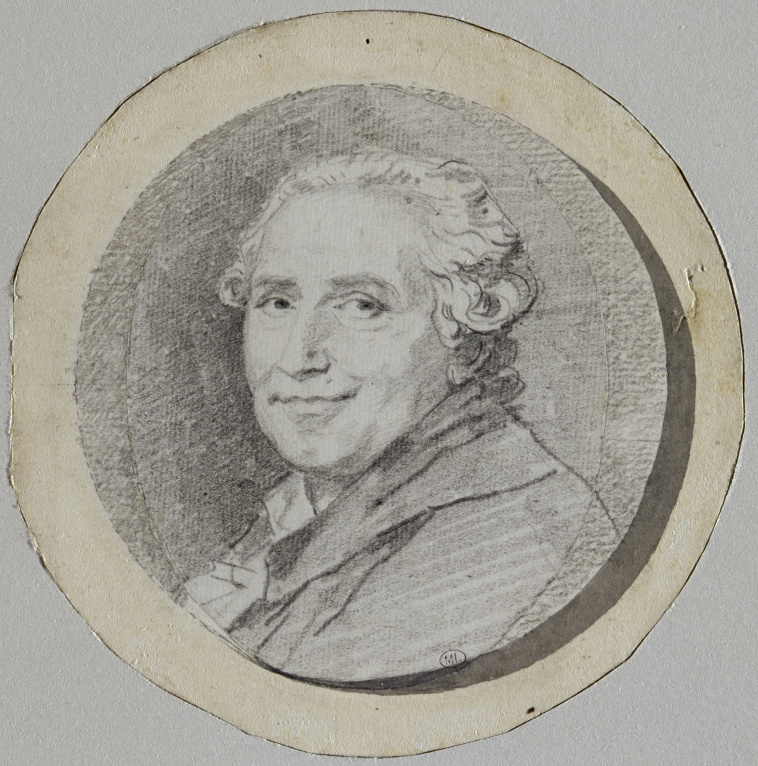

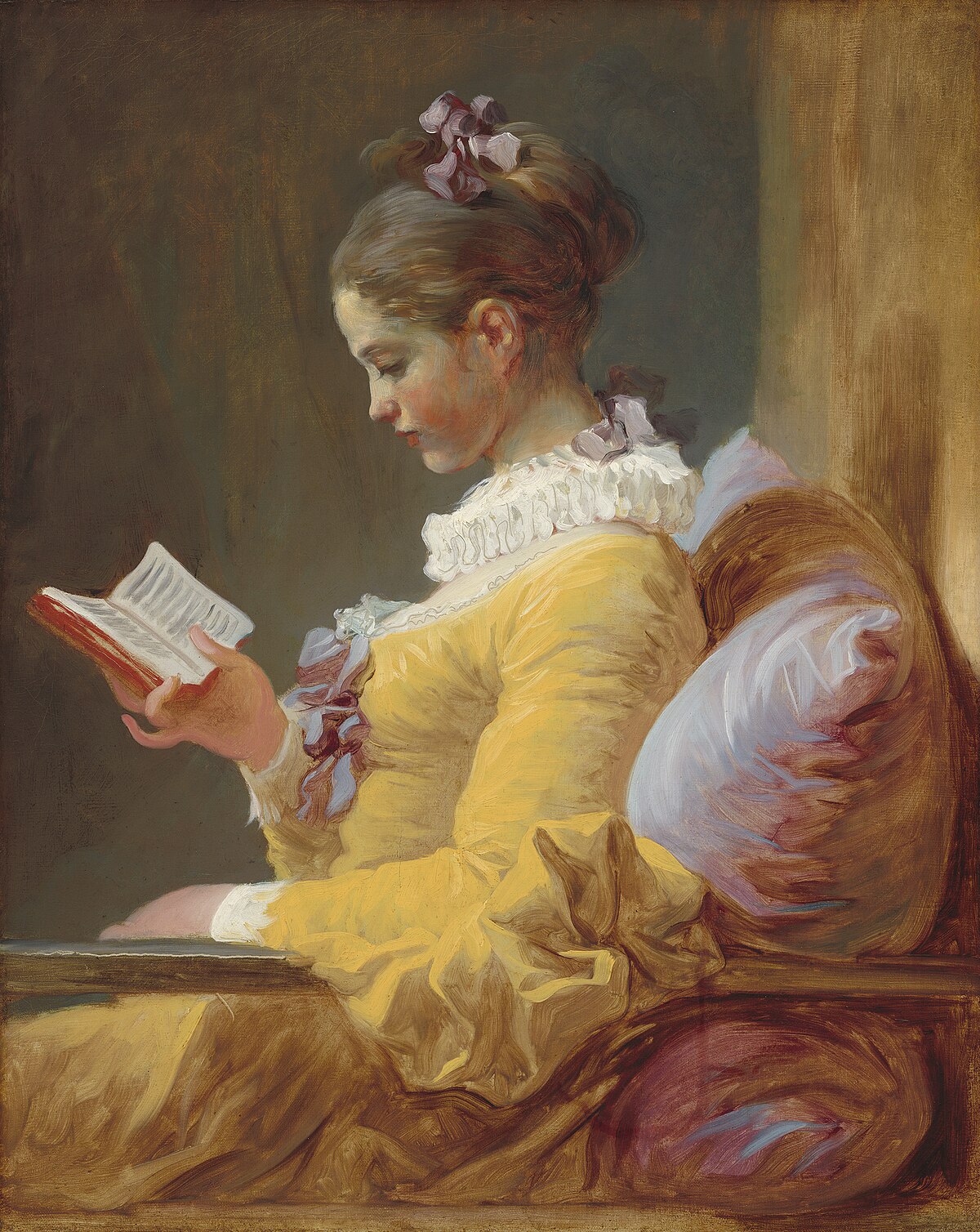
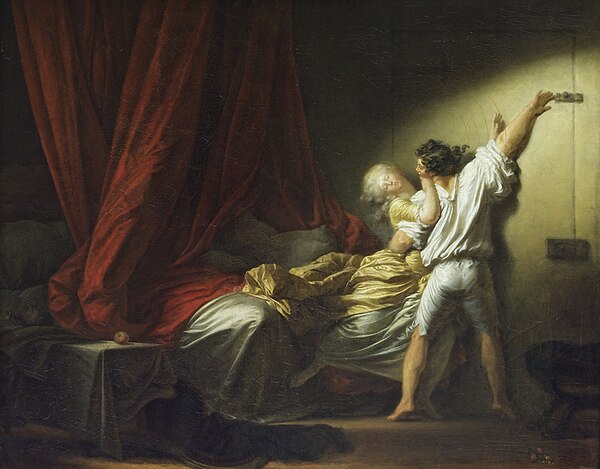
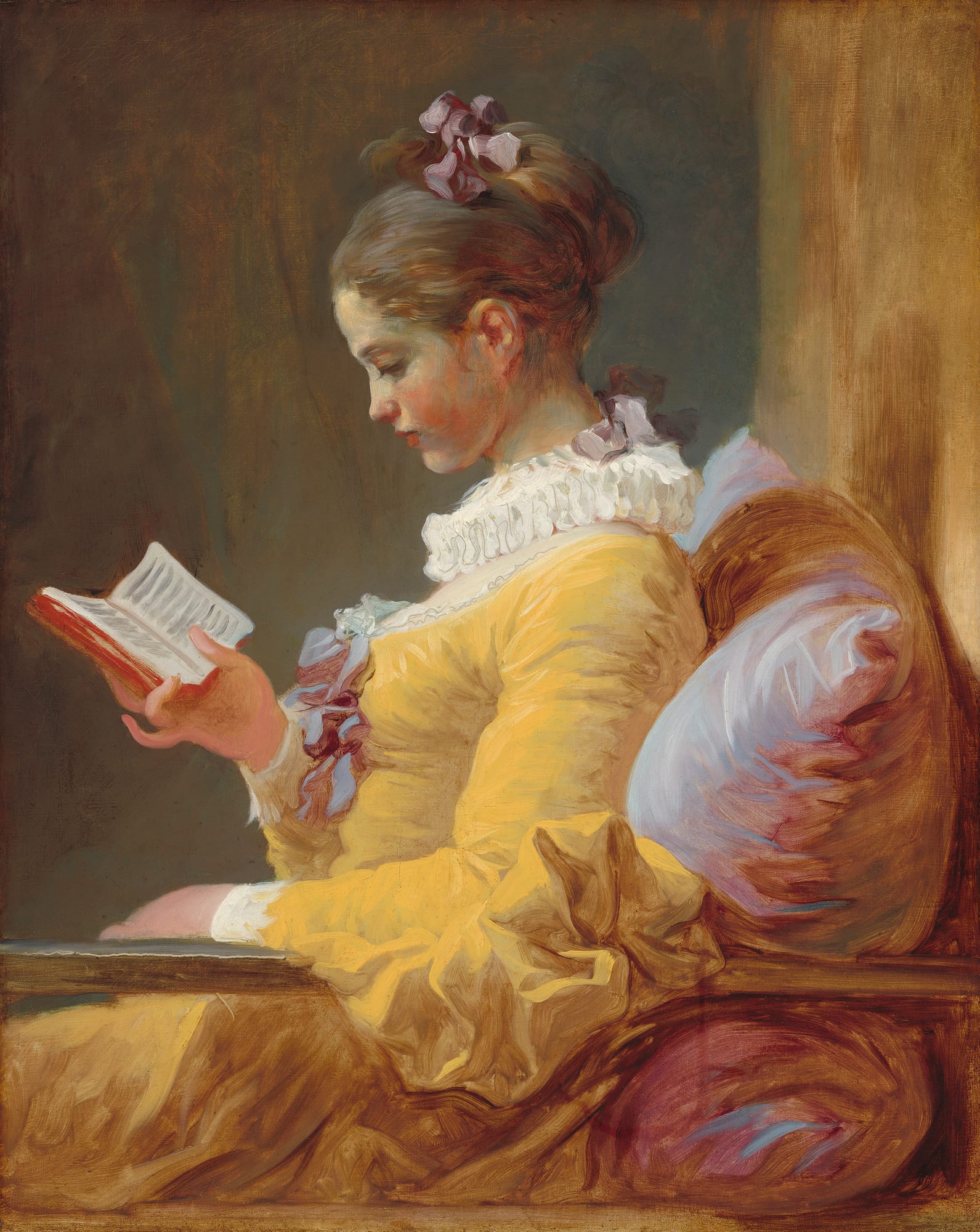
Žan-Onore Fragonar je rođen u Grasu 1732. godine i postao je kvintesencijalni slikar francuskog rokoka — umetnik blistavog tehničkog virtuoziteta čija platna hvataju duhovitost, senzualnost i duh uživanja starog režima. Školovan kod Šardena i Bušea, osvojio je Prix de Rome sa dvadeset jednom godinom i proveo pet godina u Italiji, upijajući lekcije Tjepola, Venecijanaca i holandskih majstora. Po povratku u Pariz, brzo se etablirao kao slikar erotskih, razigranih i briljantno izvedenih platana za aristokratske pokrovitelje.
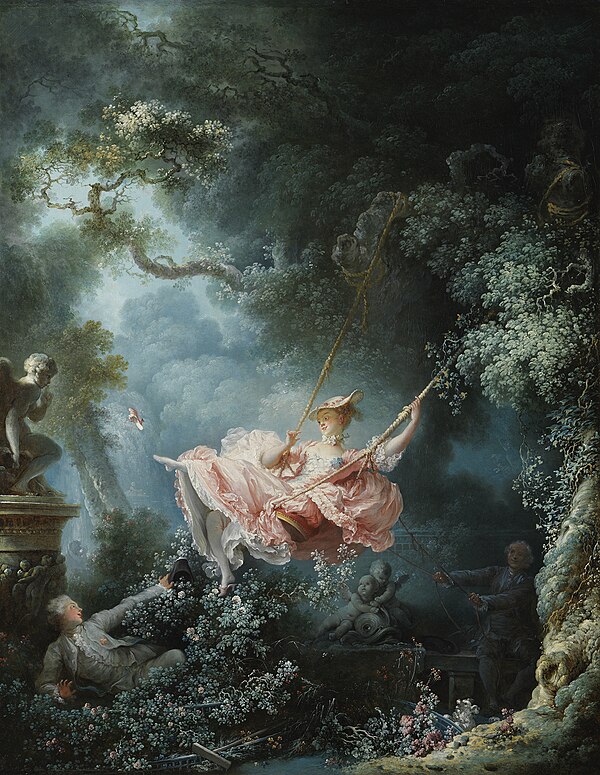
The Swing (1767) je njegova najslavnija slika: mlada žena odbacuje papuču u vazduhu dok se ljulja iznad bašte, njene suknje se nadimaju otkrivajući noge mladiću skrivenom u žbunju ispod, dok njen stariji muž — ili možda biskup — gura ljuljaščku iza nje, nesvestan svega. Slika je remek-delo zavodničkog šarma, raskošne boje i pernatog poteza četkom koji kao da rastvara forme u čistu svetlost i pokret.
Francuska revolucija uništila je svet koji je Fragonar slikao. Njegovi aristokratski pokrovitelji su pobegli ili bili giljotinirani, a njegova umetnost je izašla iz mode kada je Davidov strogi neoklasicizam preovladao. Fragonar je preživeo revoluciju zahvaljujući Davidovoj ličnoj zaštiti, ali je umro u zaboravu 1806. godine. Njegova reputacija je potpuno obnovljena tek u devetnaestom veku, kada su impresionisti prepoznali u njegovom fluidnom, svetlom potežu četkom preteču sopstvene slikarske revolucije.