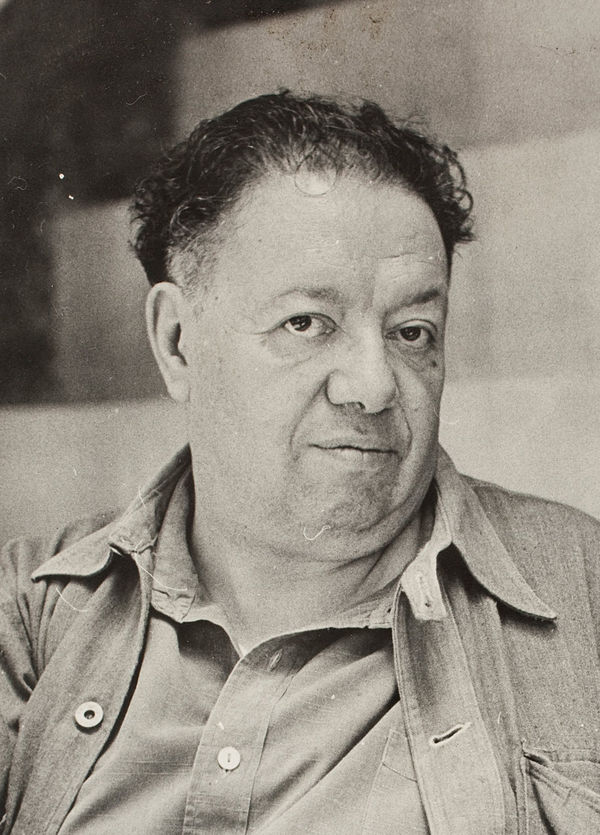
Diego María de la Concepción Juan Nepomuceno Estanislao de la Rivera y Barrientos Acosta y Rodríguez je rođen 1886. u Guanajuatu, Meksiko, i postao je najslavniji muralista dvadesetog veka — umetnik koji je verovao da slikarstvo ne pripada galerijama za bogate, već zidovima javnih zgrada, gde može da obrazuje i inspiriše narod. Nakon četrnaest godina studiranja u Evropi, upijajući kubizam, Cézannea i italijansku fresko tehniku, Rivera se vratio u Meksiko 1921. i pokrenuo monumentalan program muralnog slikarstva koji će zaokupiti ostatak njegovog života.
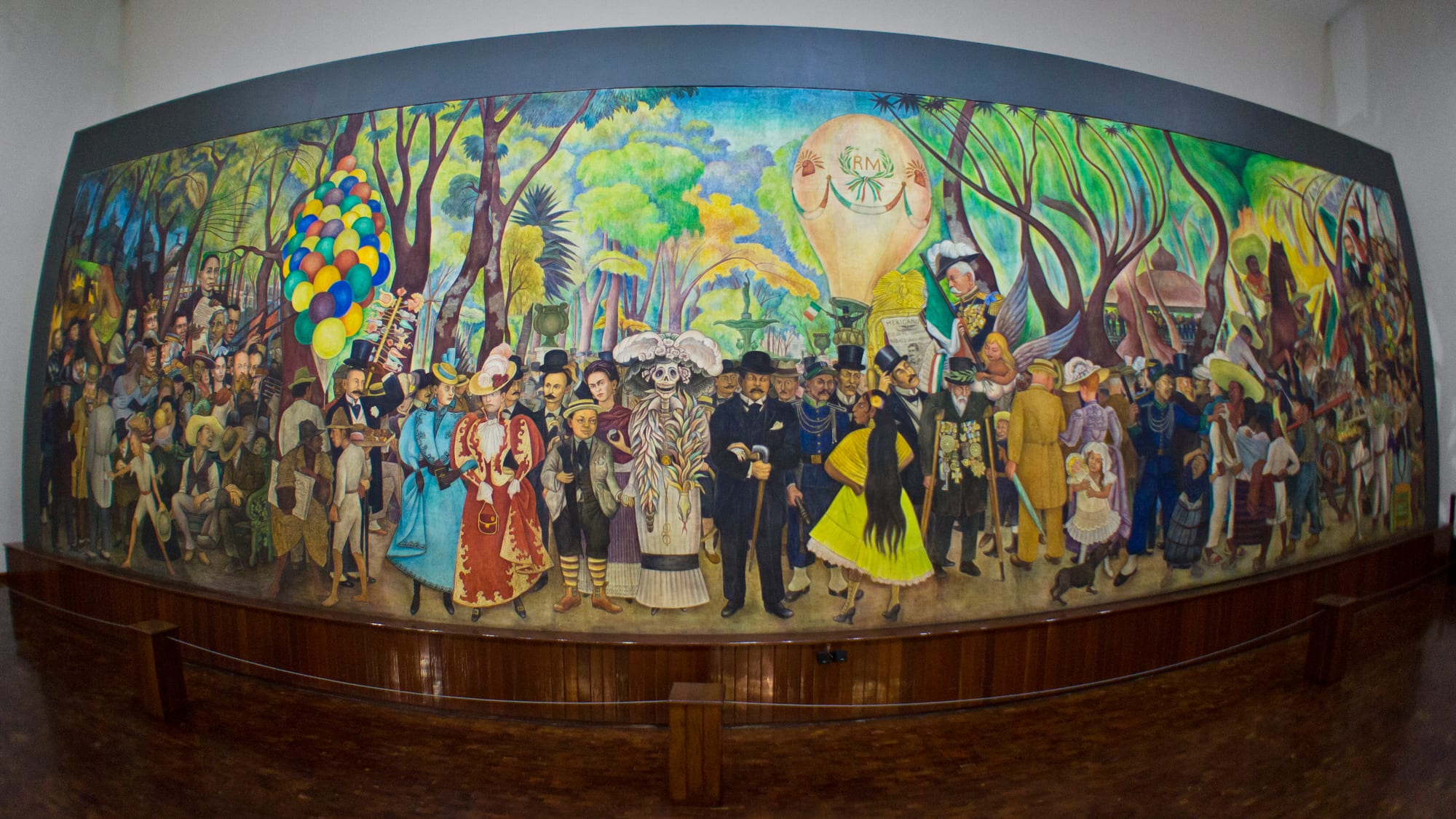
Njegovi murali u Nacionalnoj palati, Ministarstvu prosvete i Palati lepih umetnosti u Meksiko Sitiju pripovedaju istoriju Meksika od pretkolumbovske prošlosti preko španskog osvajanja do Revolucije, slaveći domorodačku kulturu, osuđujući kolonijalnu eksploataciju i zamišljajući socijalističku budućnost. Njegov stil — monumentalne figure, smele boje, spljoštena perspektiva, gusta naracija — crpeo je u jednakoj meri iz astečke skulpture, narodne grafičke tradicije i italijanske renesansne freske.
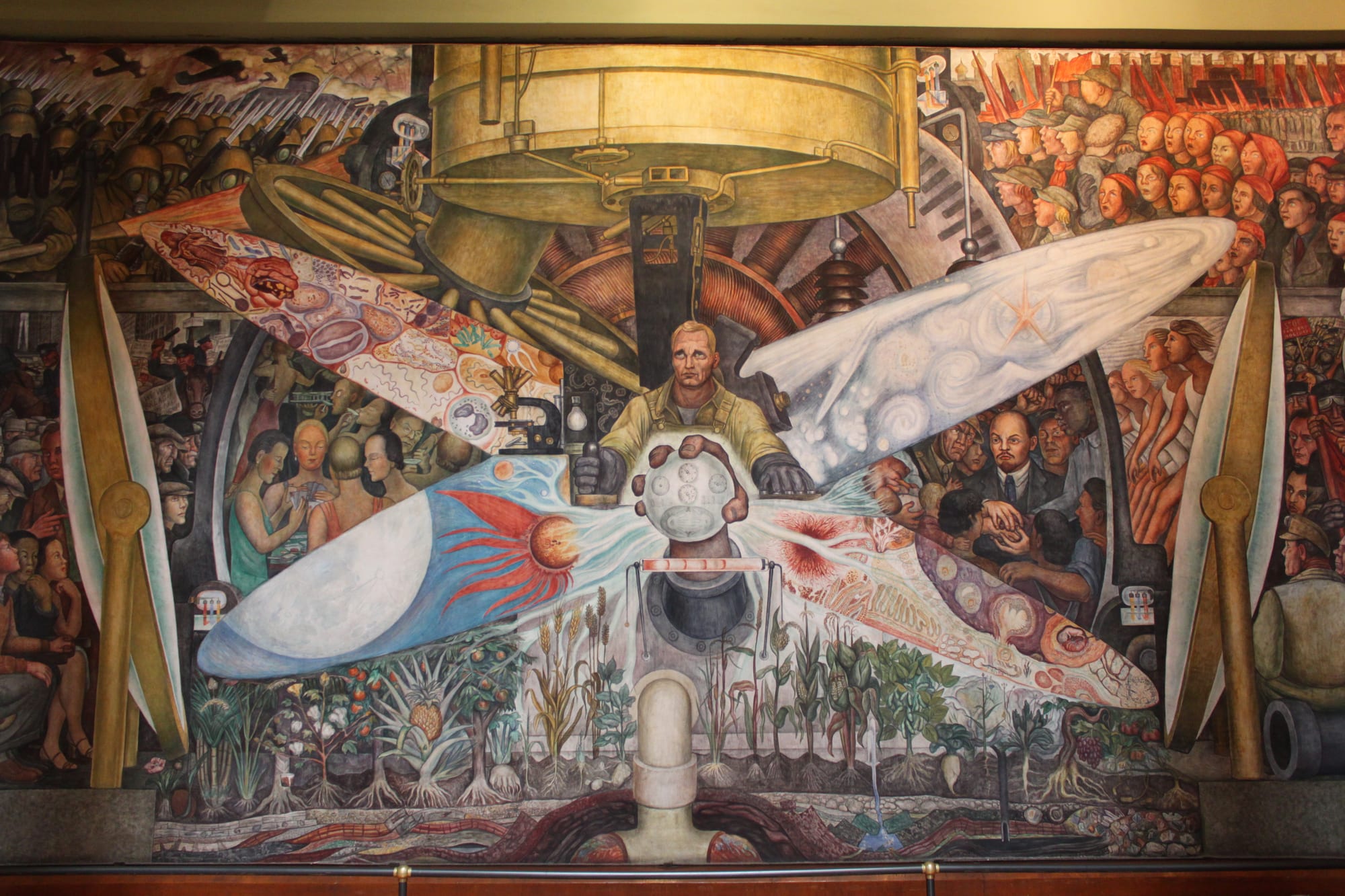
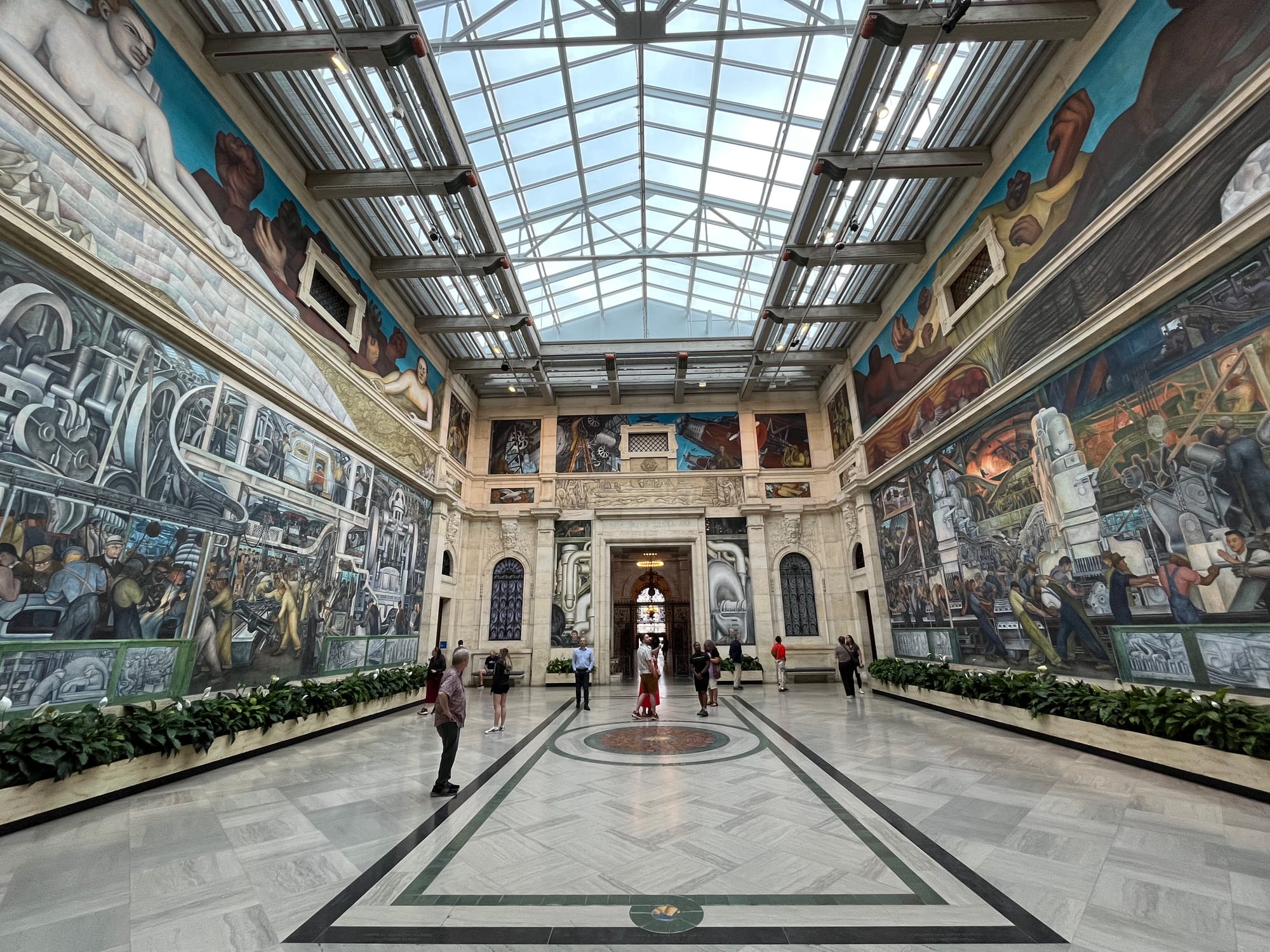
Riverina slava se proširila na Sjedinjene Države, gde je naslikao kontroverzne murale u Detroitskom institutu umetnosti i Rockefeller Centru (ovaj poslednji je uništen kada je Rivera odbio da ukloni portret Lenjina). Njegov buran brak sa Fridom Kahlo postao je legendaran. Rivera je umro 1957, ostavivši za sobom opus javne umetnosti koji je iz temelja promenio odnos između slikarstva i društva u Amerikama.