Rene Fransoa Gislen Magrit rođen je 1898. u Lesinu, Belgija, i postao najintelektualnije provokativniji od nadrealističkih slikara — umetnik čije mirne, precizno prikazane slike kriju filozofske zagonetke koje i dalje uznemiruju i oduševljavaju. Za razliku od Dalijevih razmetljivih pejzaža snova, Magritove slike prikazuju svakodnevne predmete — šešire, lule, jabuke, oblake — u nemogućim ili protivrečnim situacijama, prikazanim namerno jednostavnim, ilustrativnim stilom koji čini tu nemogućnost utoliko uznemirujućom.
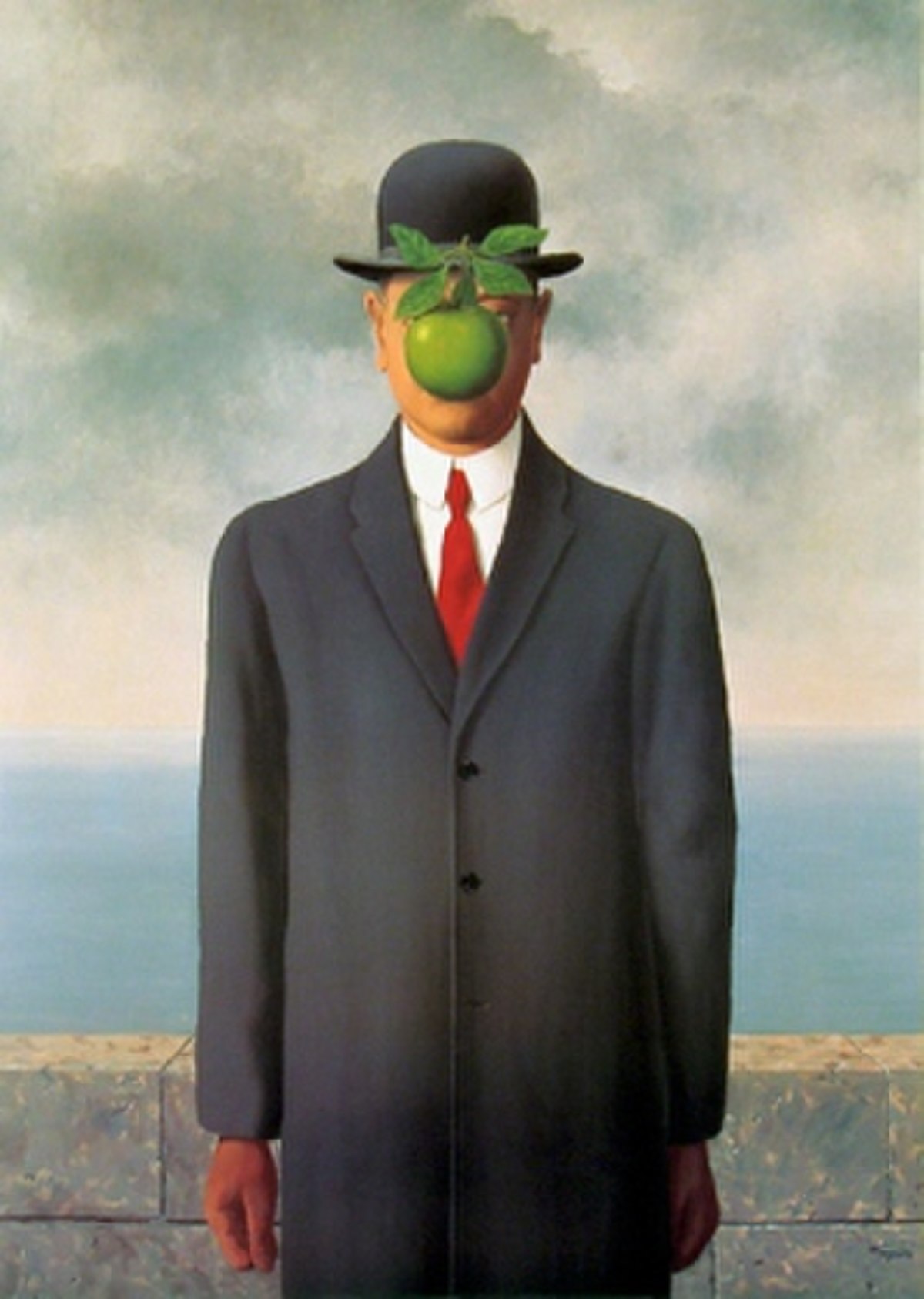
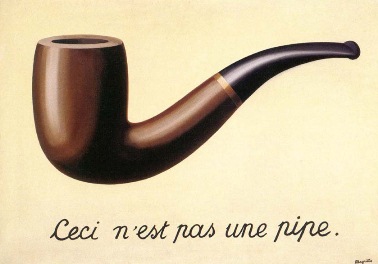
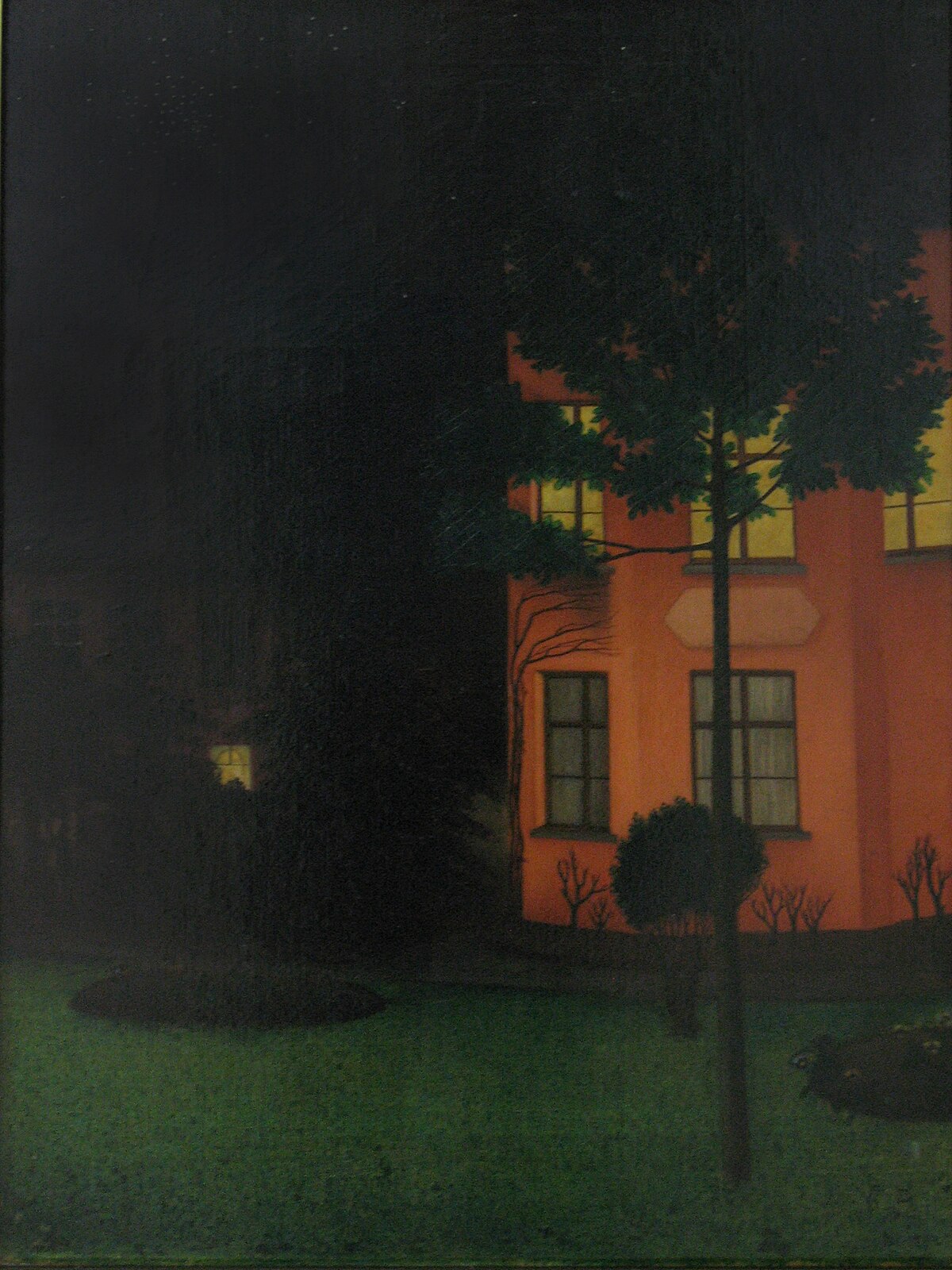
The Treachery of Images (1929) prikazuje pedantno naslikanu lulu ispod natpisa „Ceci n’est pas une pipe” („Ovo nije lula”) — jednostavno ali duboko zapažanje o razlici između predmeta i njegove reprezentacije koje anticipira brige konceptualne umetnosti i semiotike. The Son of Man (1964), autoportret sa licem zaklonjenim lebdećom zelenom jabukom, postao je jedna od najprepoznatljivijih slika u modernoj umetnosti. Serija The Empire of Light prikazuje kuće pod noćnim nebom iznad kojeg spokojno plovi dnevno nebo plave boje i belih oblaka — nemoguća jukstapozicija koja je nekako potpuno uverljiva.
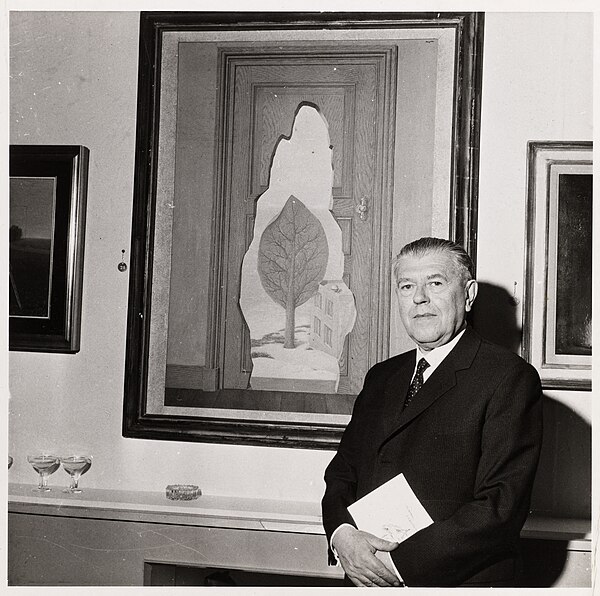
Magrit je živeo namerno buržoaskim životom u predgrađu Brisela, noseći svoj zaštitni šešir i odelo, kao da demonstrira da se čudesno krije unutar svakodnevnog. Njegov uticaj seže daleko izvan slikarstva u reklamiranje, grafički dizajn i popularnu kulturu — kad god slika igra sa jazom između privida i stvarnosti, korača Magritovim stopama.