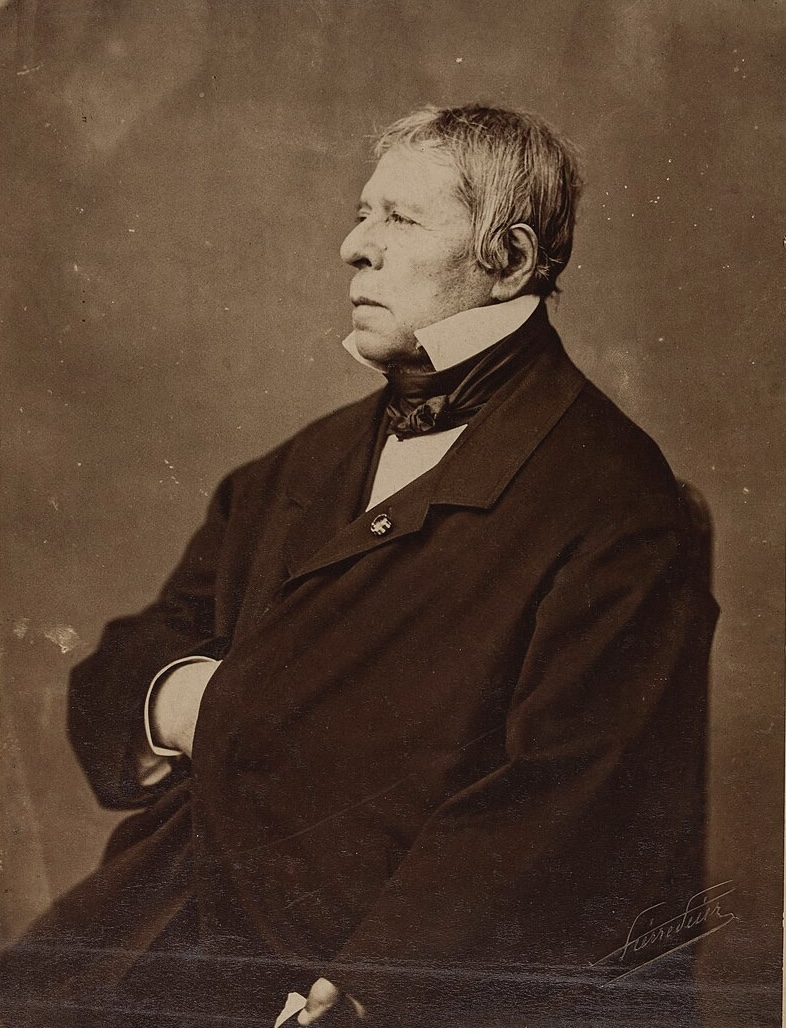
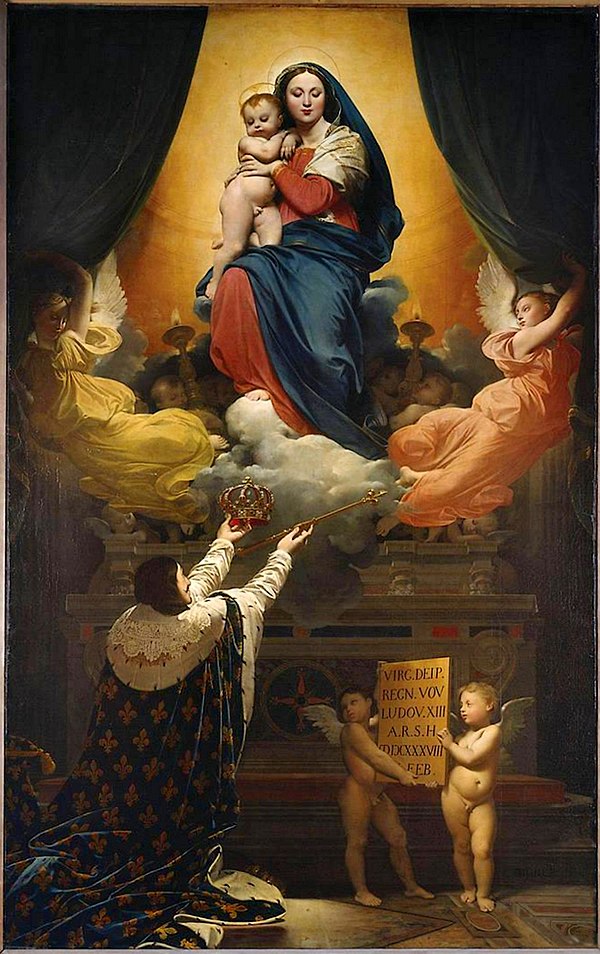
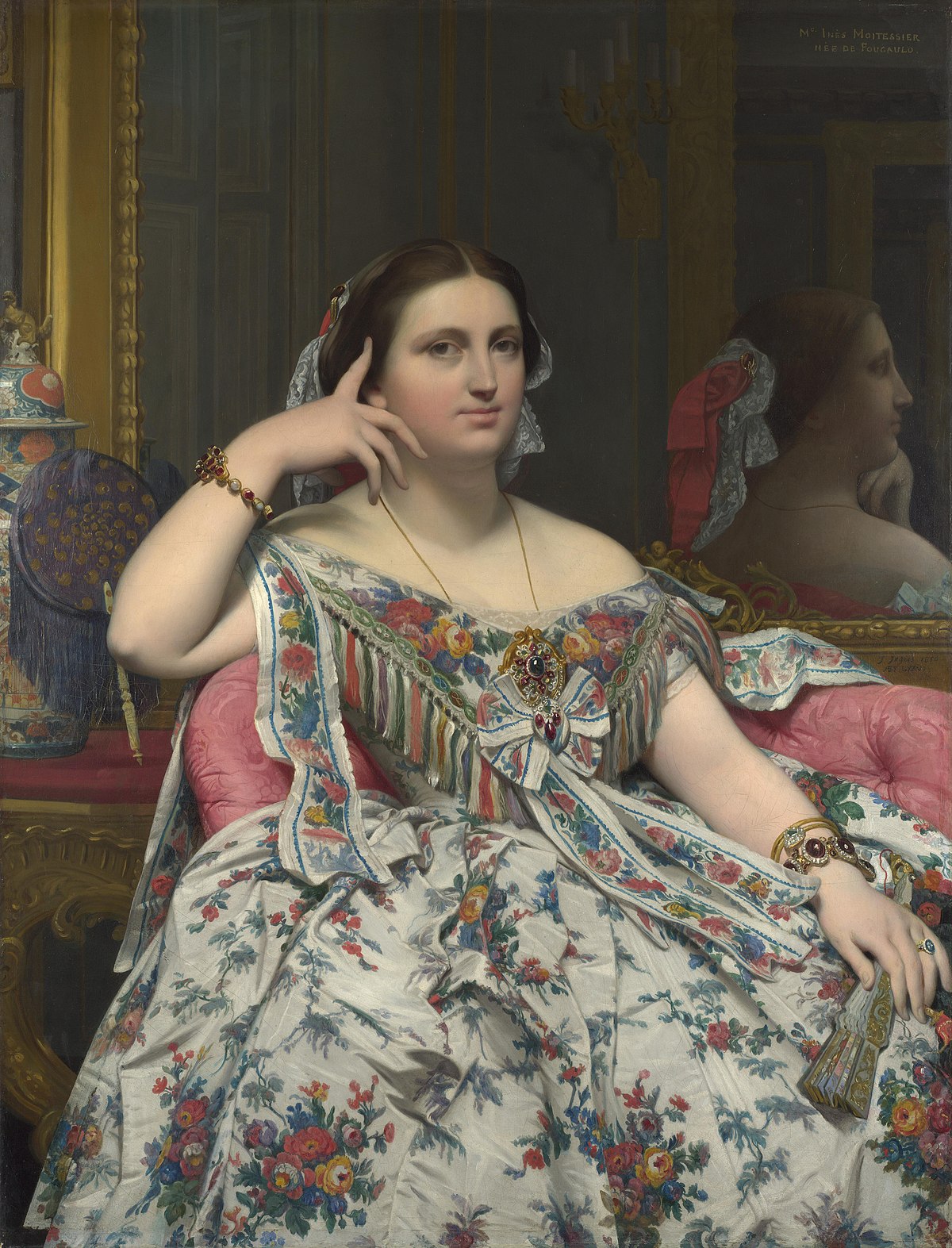
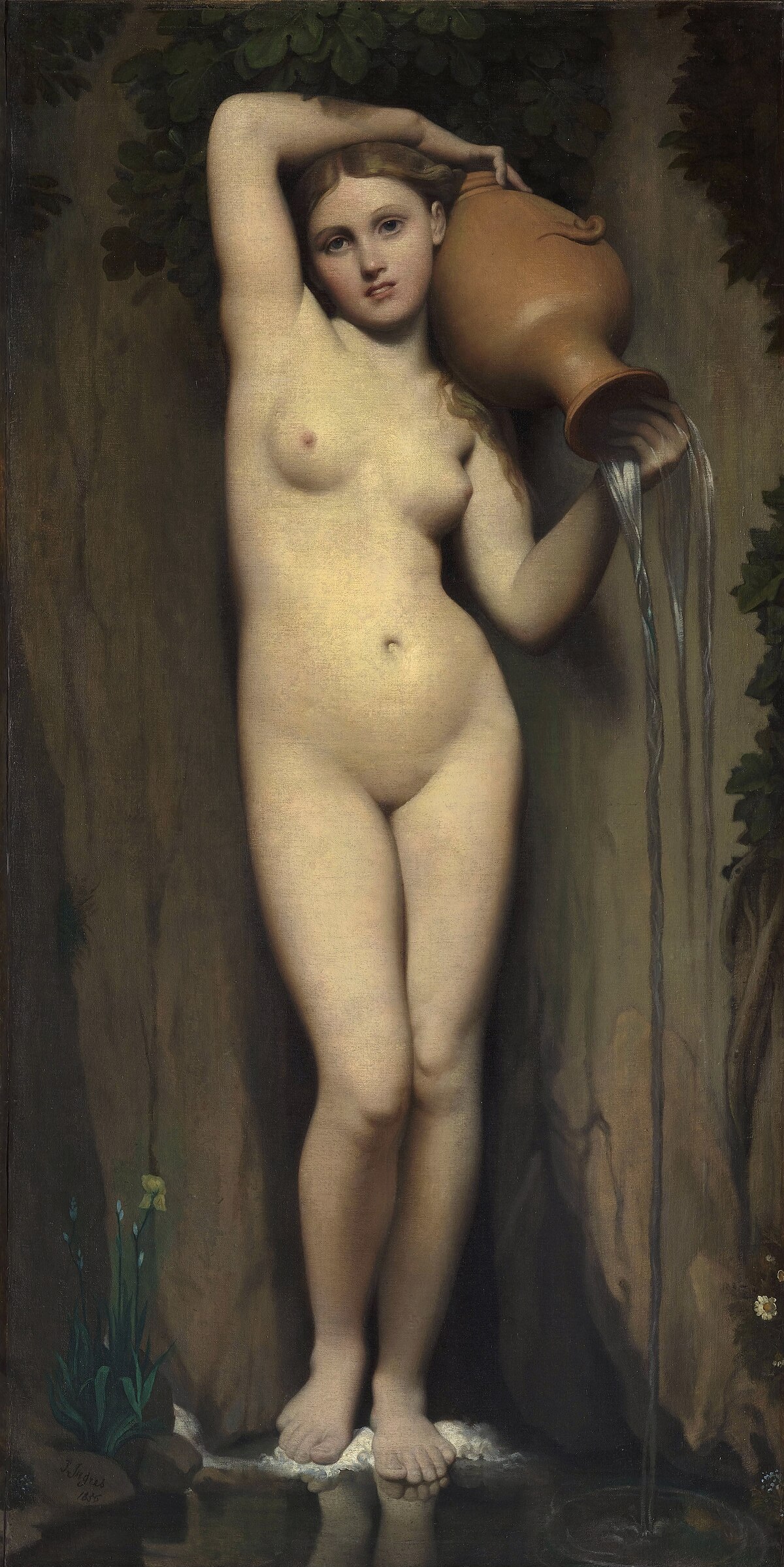
Žan-Ogist-Dominik Engr je rođen u Montobanu 1780. godine, studirao kod Davida u Parizu i postao je najformidabilniji šampion klasične tradicije u francuskom slikarstvu devetnaestog veka. Za Engra, crtež je bio „poštenje umetnosti” — sve je počinjalo i završavalo se linijom, a njegove konture poseduju čistoću i preciznost koje nikada nisu bile nadmašene. Pa ipak, unutar ovog klasičnog okvira, Engr je uvodio distorzije i senzualne slobode koje su njegovo delo činile daleko čudnijim i modernijim nego što bi njegova akademska reputacija mogla sugerisati.
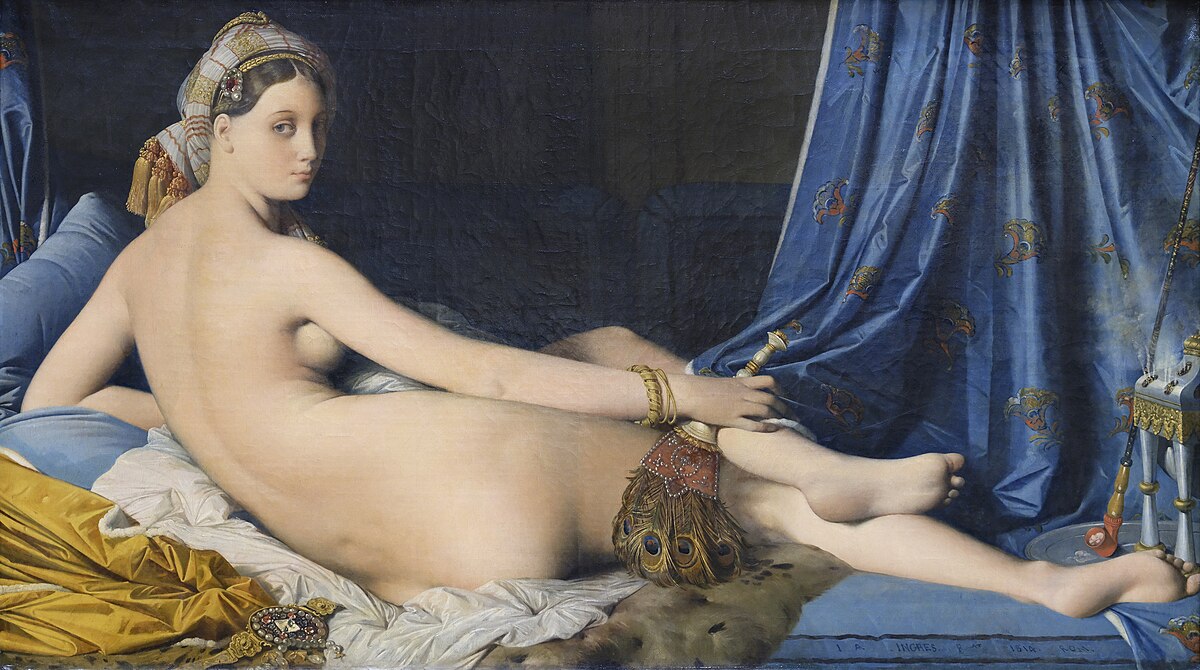
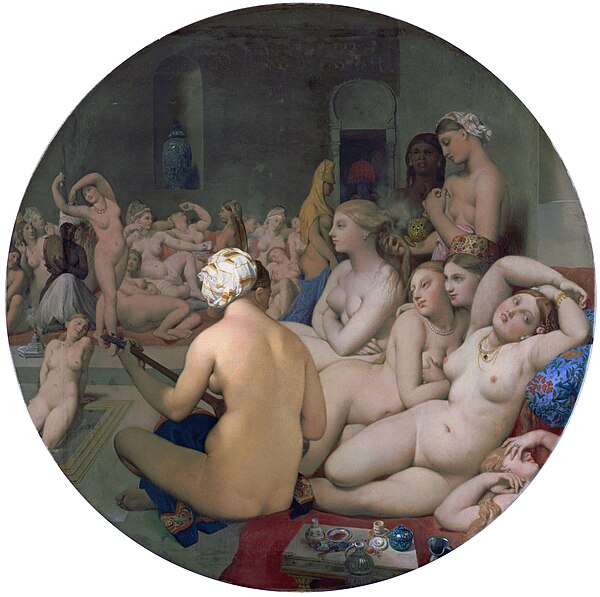
La Grande Odalisque (1814) je najpoznatiji primer: leđa ležeće akte sadrže najmanje tri dodatna pršljena, izdužujući njen torzo u vijugavu krivulju koja daje prednost vizuelnoj lepoti nad anatomskom tačnošću. Kritičari su napadali distorziju, ali Engr je razumeo ono što će Matis i Pikaso kasnije potvrditi — da vernost umetnosti pripada njenoj sopstvenoj unutrašnjoj logici, a ne udžbeniku anatomije. The Turkish Bath (1862), naslikan kada je Engr imao osamdeset dve godine, je bujica isprepletenih ženskih tela u kružnom formatu, istovremeno klasičan i voajerski.
Engr je sebe video kao Rafaelovog naslednika i branioca klasičnih ideala protiv romantičarske pobune Delakroa. Pa ipak, Dega ga je obožavao, Matis je učio od njega, a Pikaso je priznavao svoj dug. Njegovo delo pokazuje da klasicizam, daleko od toga da je krut i okrenut prošlosti, može biti sredstvo za radikalnu formalnu inovaciju.