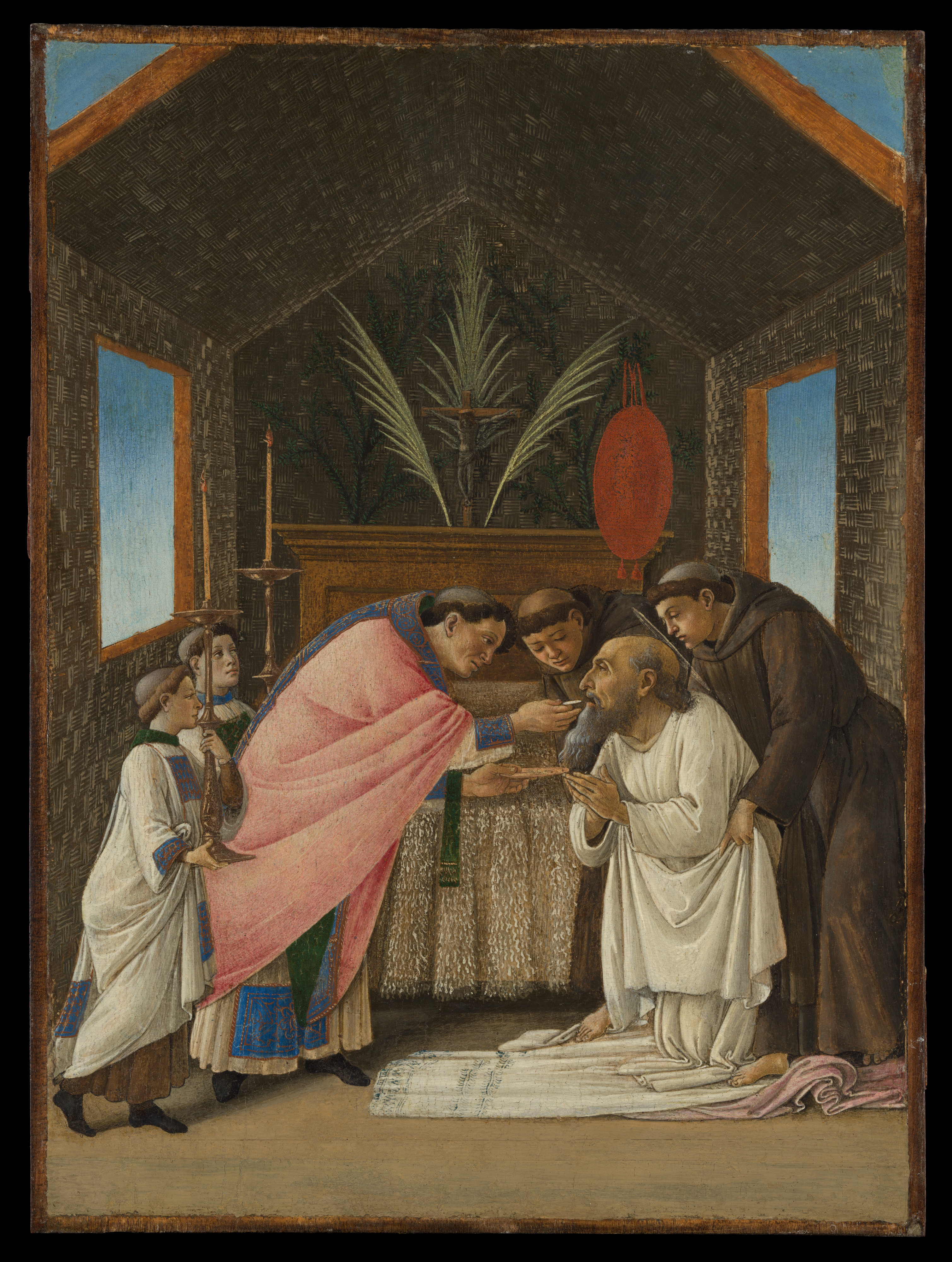
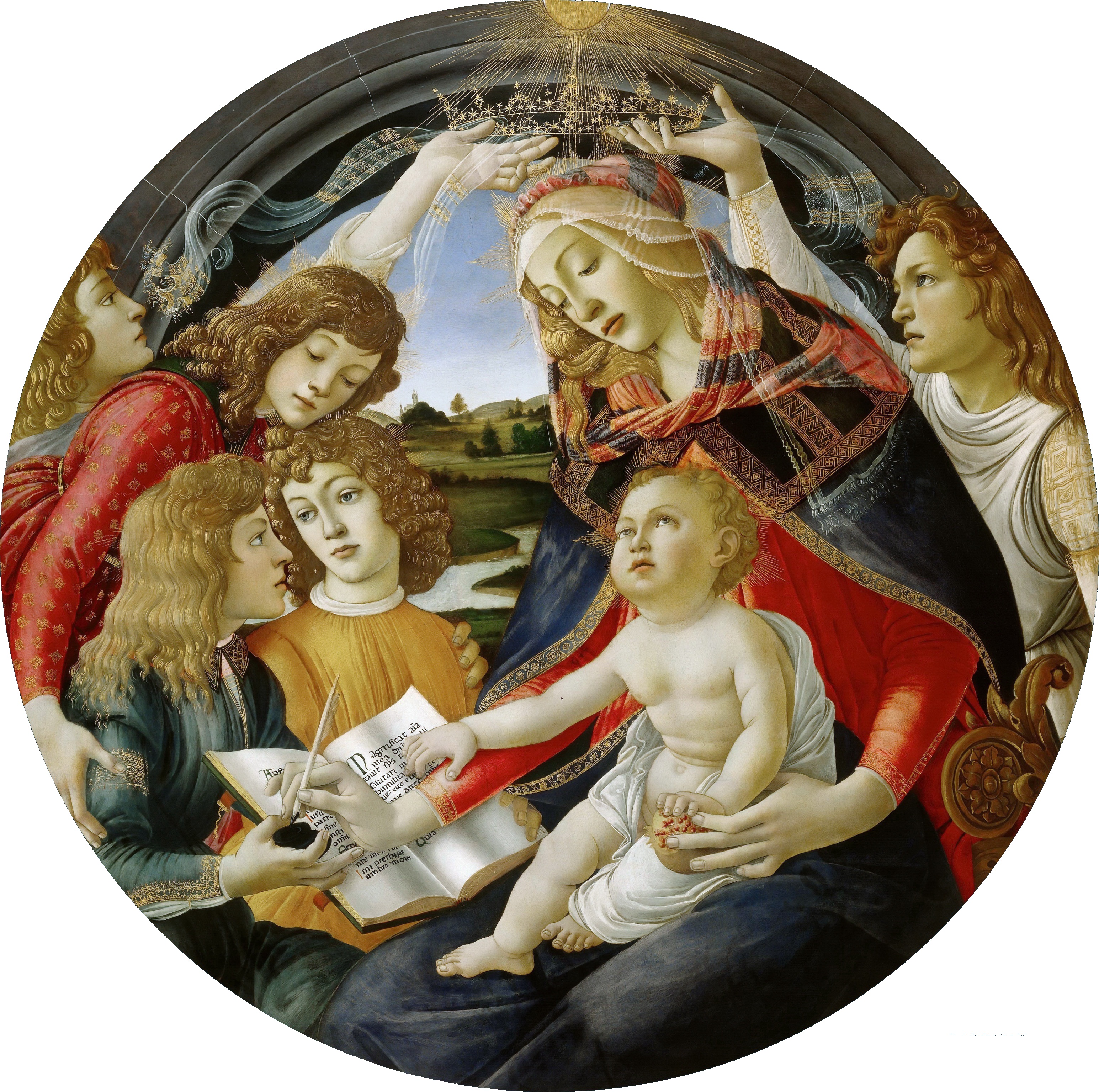
Sandro Botticelli bio je slikar Firence u njenom najsijajnijem trenutku. Rođen kao Alessandro di Mariano di Vanni Filipepi oko 1445. godine, školovao se kod Fra Filippa Lippija i uzdigao se do prominencije pod pokroviteljstvom porodice Medici, moćne bankarske dinastije koja je oblikovala kulturni i politički život grada. Upravo je krug neoplatonskih filozofa i humanističkih učenjaka Lorenza de’ Medicija inspirisao Botticellija na njegova najveća svetovna dela, slike koje su stopile klasičnu mitologiju sa tipično firentinskom elegancijom. Njegove figure su odmah prepoznatljive: izdužene, zanjihane, gotovo bestežinske, sa vijugavom zlatnom kosom i izrazima čežnjive, onostrane lepote.
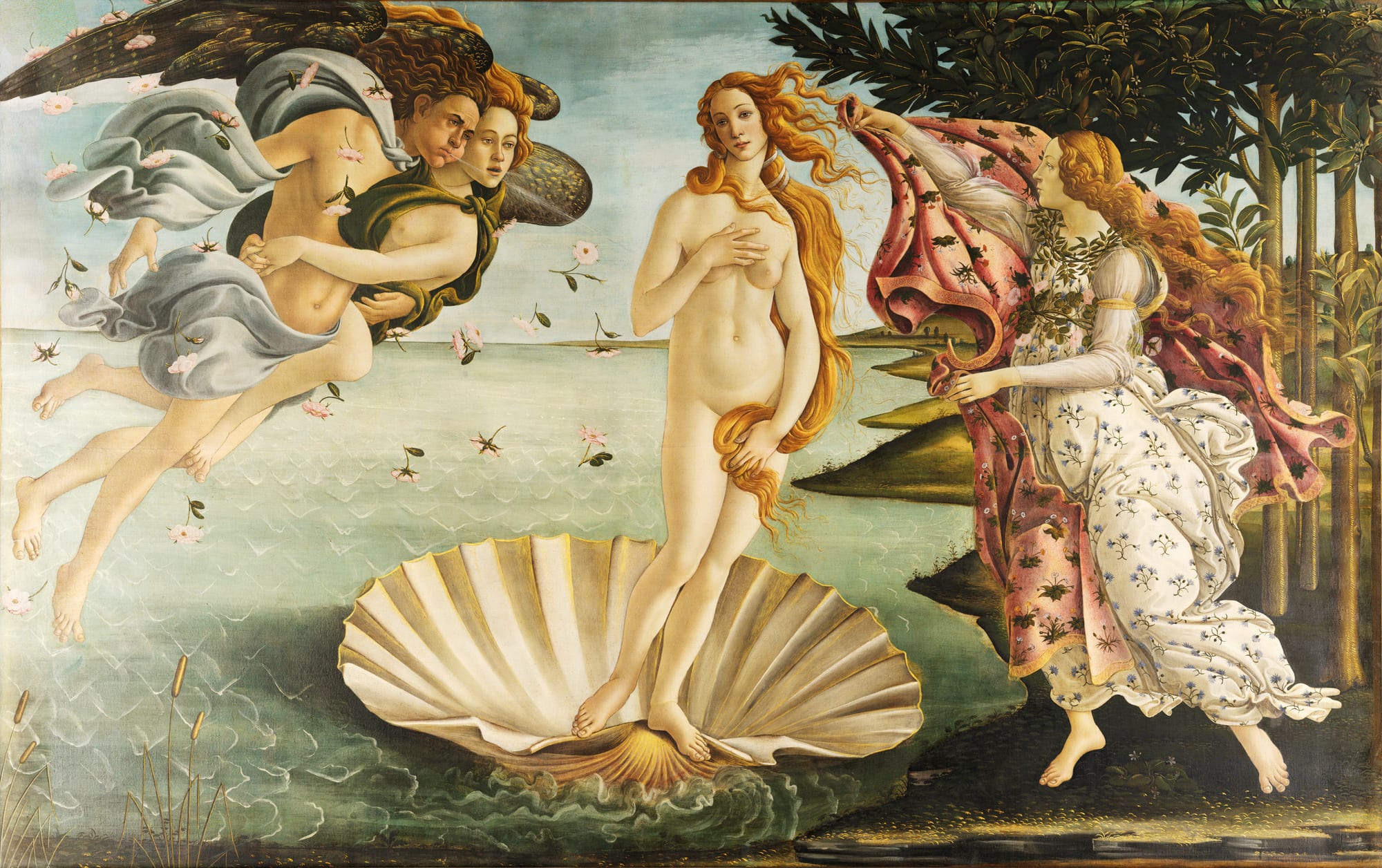
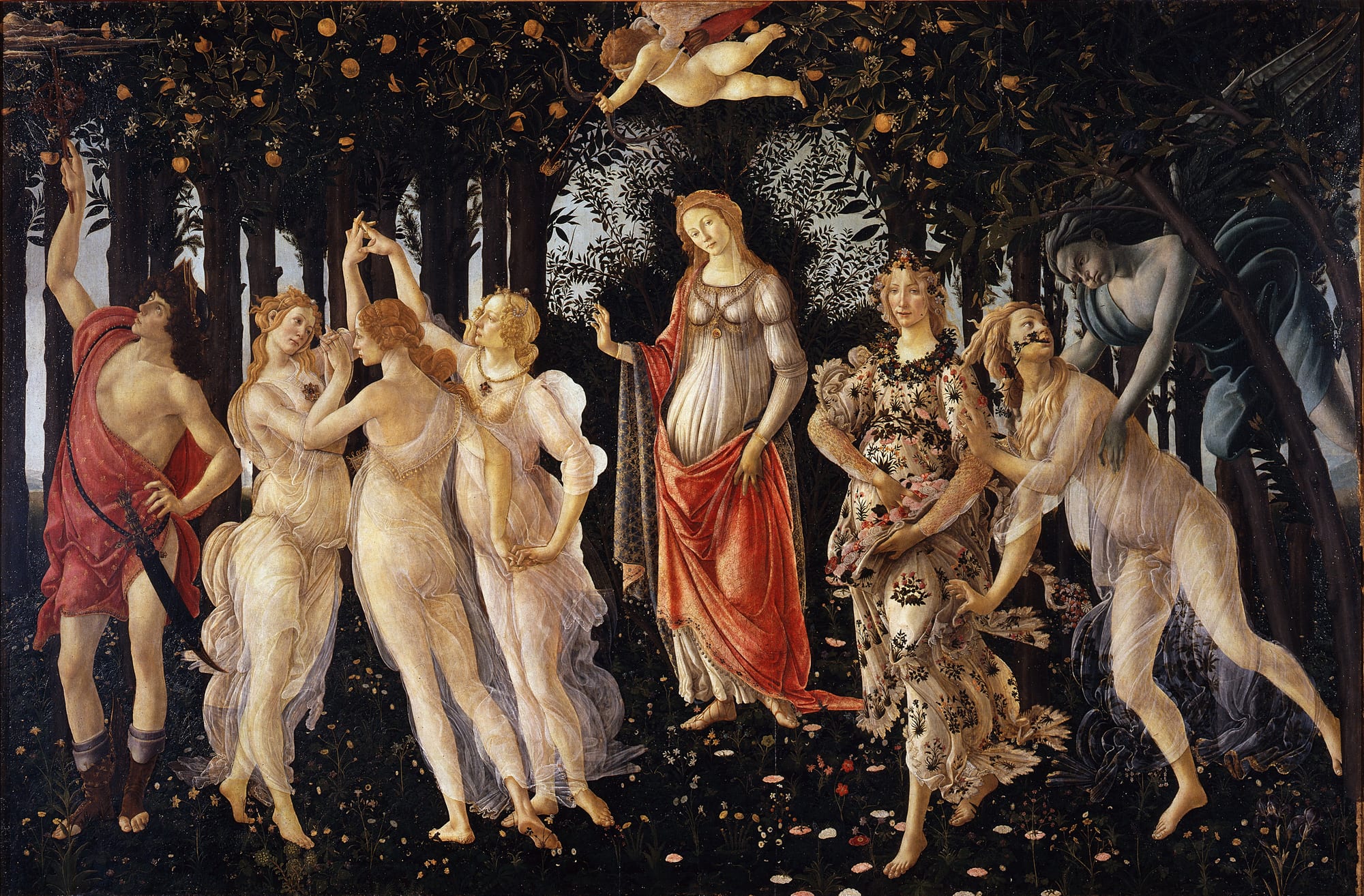
Primavera i The Birth of Venus, obe naslikane 1480-ih, spadaju među najslavnije slike renesanse. Primavera predstavlja alegorijsku baštu nastanjenu Merkurom, Tri Gracije, Florom i drugim mitološkim figurama u kompoziciji nalik tapiseriji zapanjujuće zamršenosti. The Birth of Venus prikazuje boginju kako stiže na obalu na džinovskoj školjci, nošenu vetrovima, njeno bledo telo oživljavanje klasičnog akta koji je bio uglavnom odsutan iz zapadne umetnosti hiljadu godina. Zajedno, ova dva dela predstavljaju prekretnicu — povratak paganske mitologije kao ozbiljne teme za slikarstvo velikog formata.
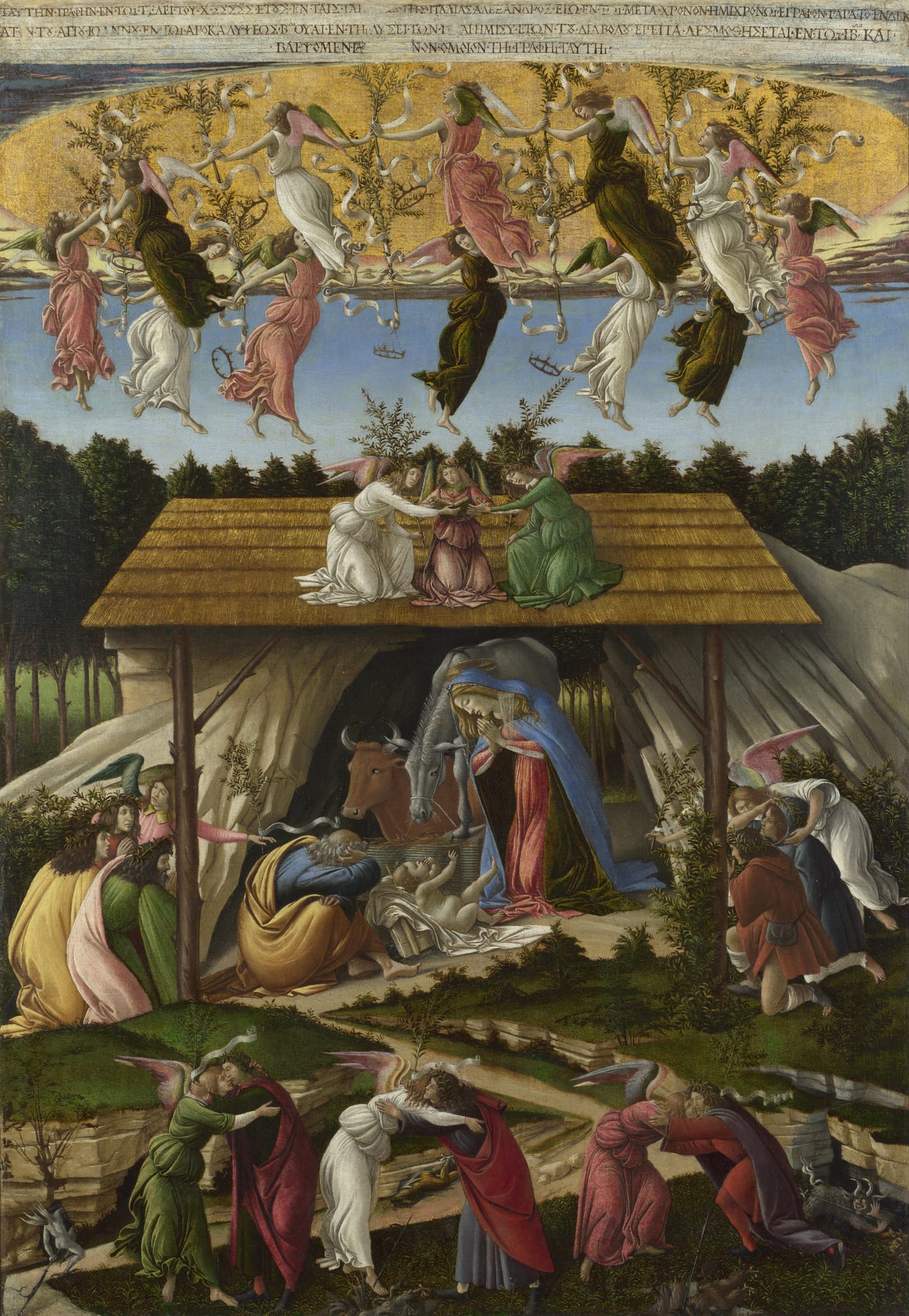
Botticellieve pozne godine doživele su dramatičan i tmuran obrt. Uspon vatrenoga dominikanskog propovjednika Girolama Savonarole 1490-ih potresao je Firencu do temelja, a Botticelli je duboko potpao pod njegov uticaj. Savonarola je grmeo protiv svetovne taštine i luksuza, a Botticelli je navodno priložio neka od svojih sopstvenih dela na zloglasnu „Lomača taštine” 1497. Njegove pozne slike postale su strožije i intenzivno religiozne, napuštajući lirsku gracioznost ranijeg stila. Umro je 1510, uglavnom zaboravljen, i tek su prerafaeliti i viktorijanski kritičari u devetnaestom veku ponovo otkrili Botticellija, koji je tako povratio svoje mesto jednog od vrhunskih pesnika četkice.