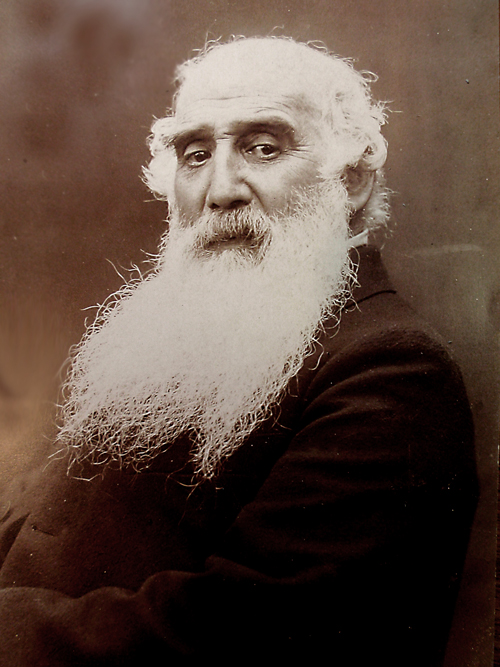
Jacob Abraham Camille Pissarro je rođen 1830. na ostrvu Sveti Toma u Danskim Zapadnim Indijama, u sefardskoj jevrejskoj porodici, i preselio se u Pariz 1855, gde je postao jedini slikar koji je izlagao na svih osam impresionističkih izložbi — čineći ga najposvećenijim i najdoslednijim članom pokreta. Stariji od većine svojih kolega, služio je kao mentor i očinska figura: Cézanne ga je nazvao „skromnim i kolosalnim”, a njegova velikodušnost duha držala je svadljivu grupu na okupu kroz godine odbijanja i siromaštva.
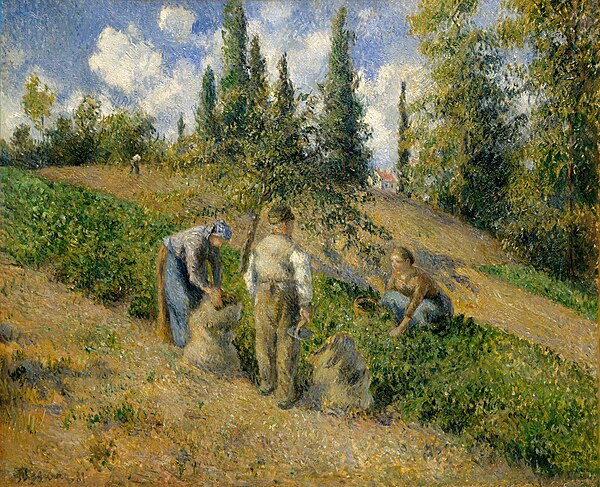
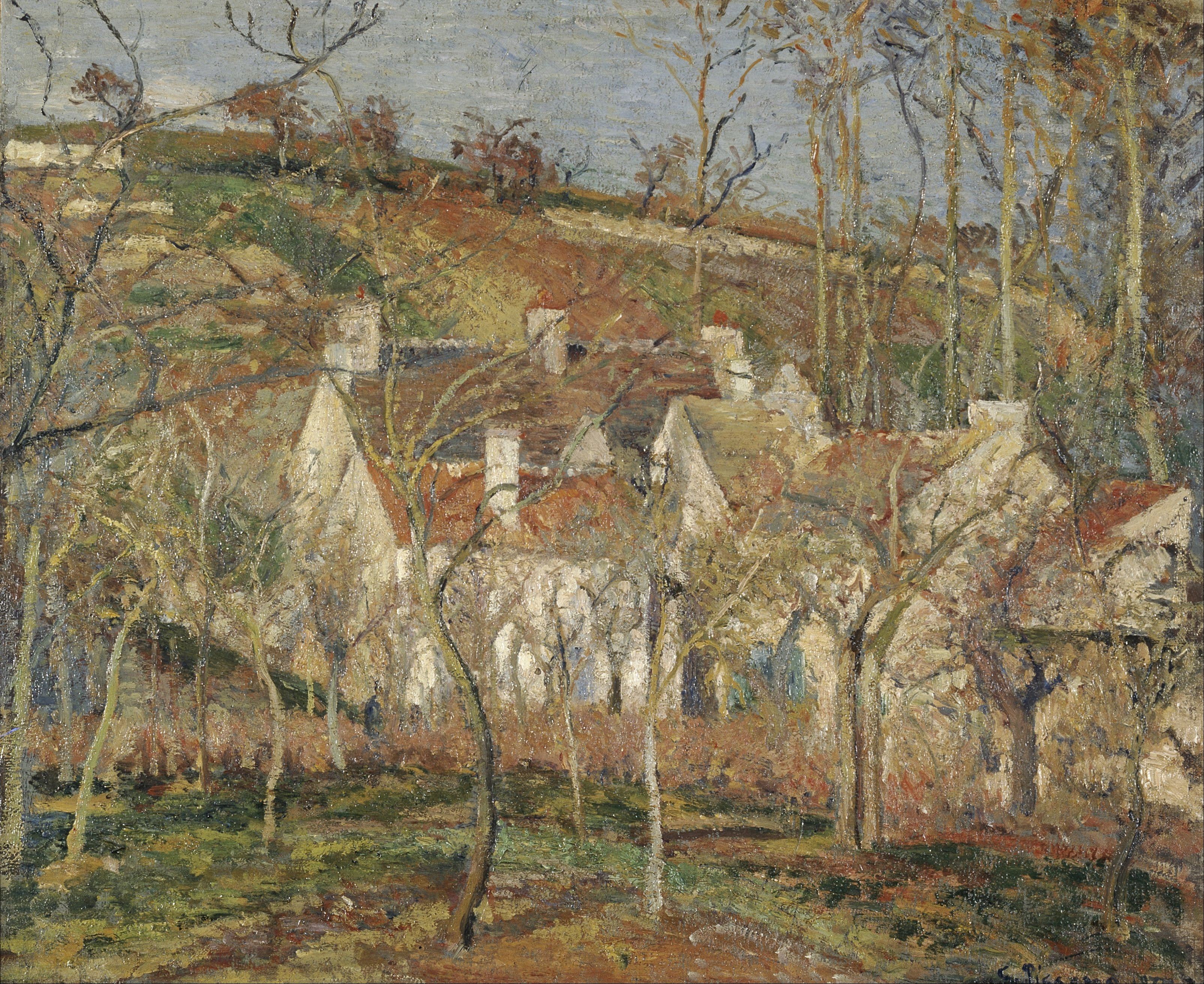
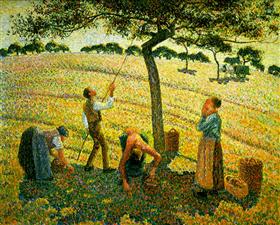
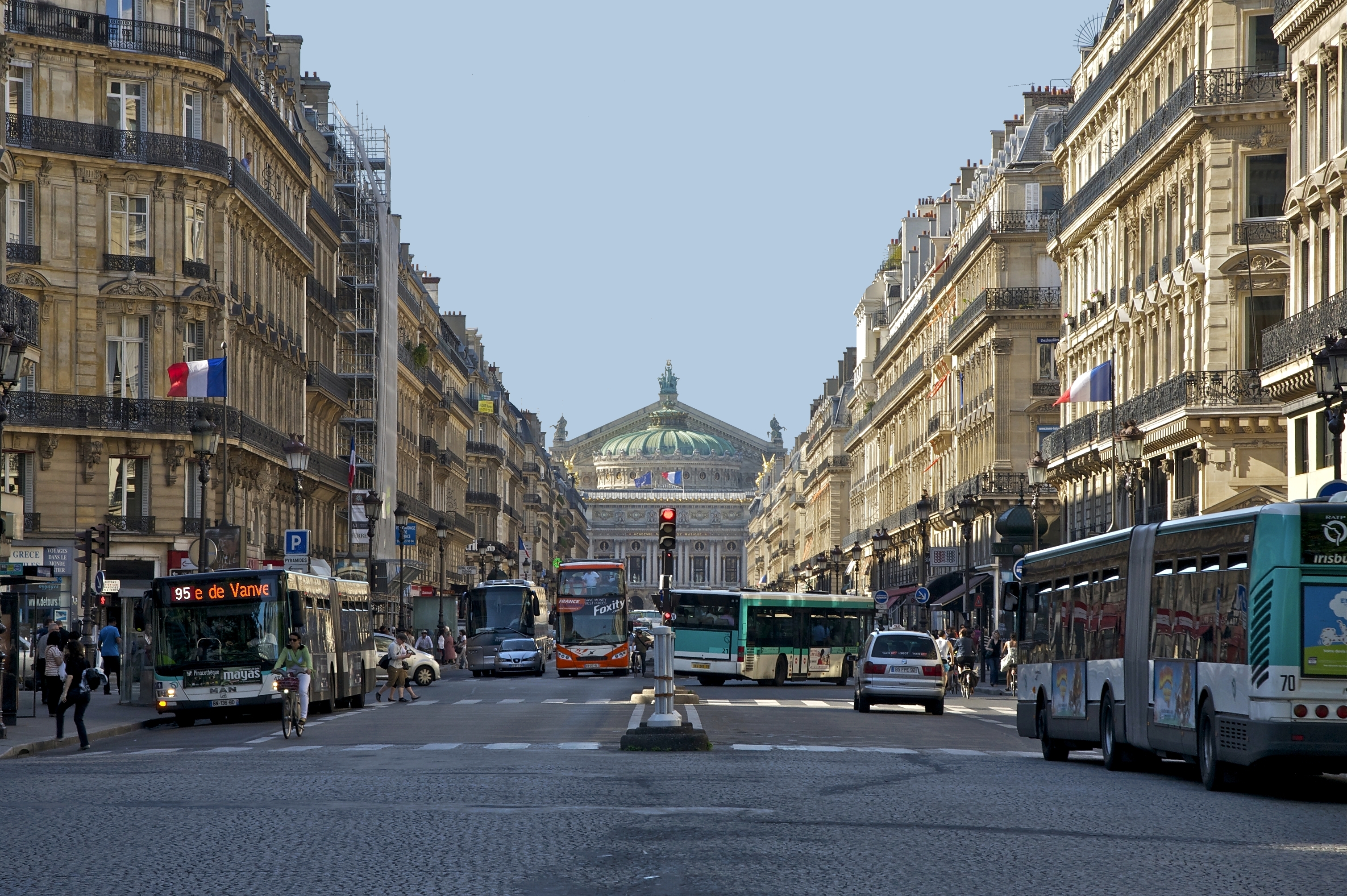
Pissarrovi pejzaži Île-de-France — voćnjaci, polja i seoske ulice oko Pontoazea i kasnije Éragnya — spadaju među najčistije izraze impresionističke vizije: preplavljeni svetlošću, pošteno posmatrani, lišeni sentimentalnosti ili dramatičnog efekta. The Red Roofs (1877) hvata geometriju seoskih kuća kroz paravan golih zimskih stabala sa kompozicionom inteligencijom kojoj se Cézanne divio i od koje je učio. Tokom 1880-ih, Pissarro je eksperimentisao sa Seratovom pointilističkom tehnikom pre nego što se vratio slobodnijem maniru u svojim veličanstvenim poznim serijama pariskih bulevara, slikanim sa prozora hotela.
Posvećeni anarhista, Pissarro je verovao da su umetnost i socijalna pravda nerazdvojive, i tokom čitavog života je doprinosio crteže anarhistički publikacijama. Njegov uticaj kao učitelja bio je nemerliv: Cézanne, Gauguin i Van Gogh su svi učili od njega, a njegova principijelna posvećenost slikanju onoga što vidi, što iskrenije moguće, ostaje uzor umetničkog integriteta.