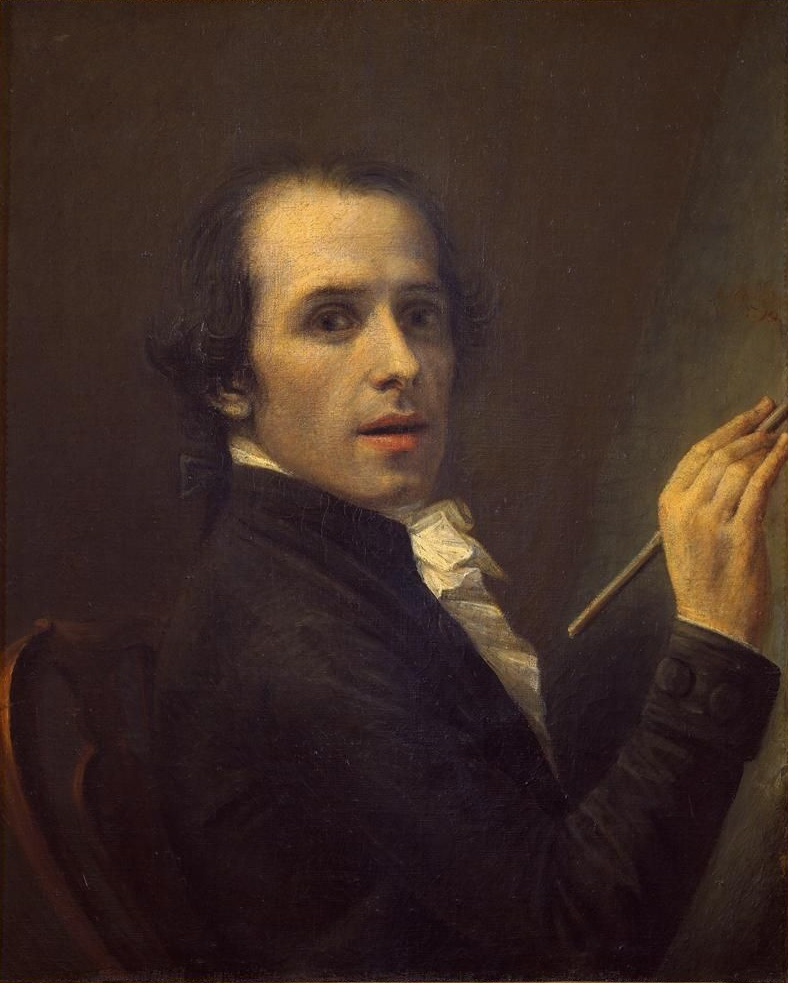
Antonio Canova je rođen 1757. u Possagnu, malom selu u Venetu, i uzdigao se do najslavnijeg vajara u Evropi — umetnika koji je oživeo klasičnu tradiciju idealne lepote i učinio da mermer deluje kao da diše. Rano je ostao siročić i odrastao ga je deda, kamenorezac, a izuzetan talenat je pokazao od detinjstva. Preselivši se u Rim 1781, posvetio se proučavanju antičke skulpture i brzo privukao međunarodno pokroviteljstvo, primajući narudžbine od papa, kraljeva, careva i aristokrata.
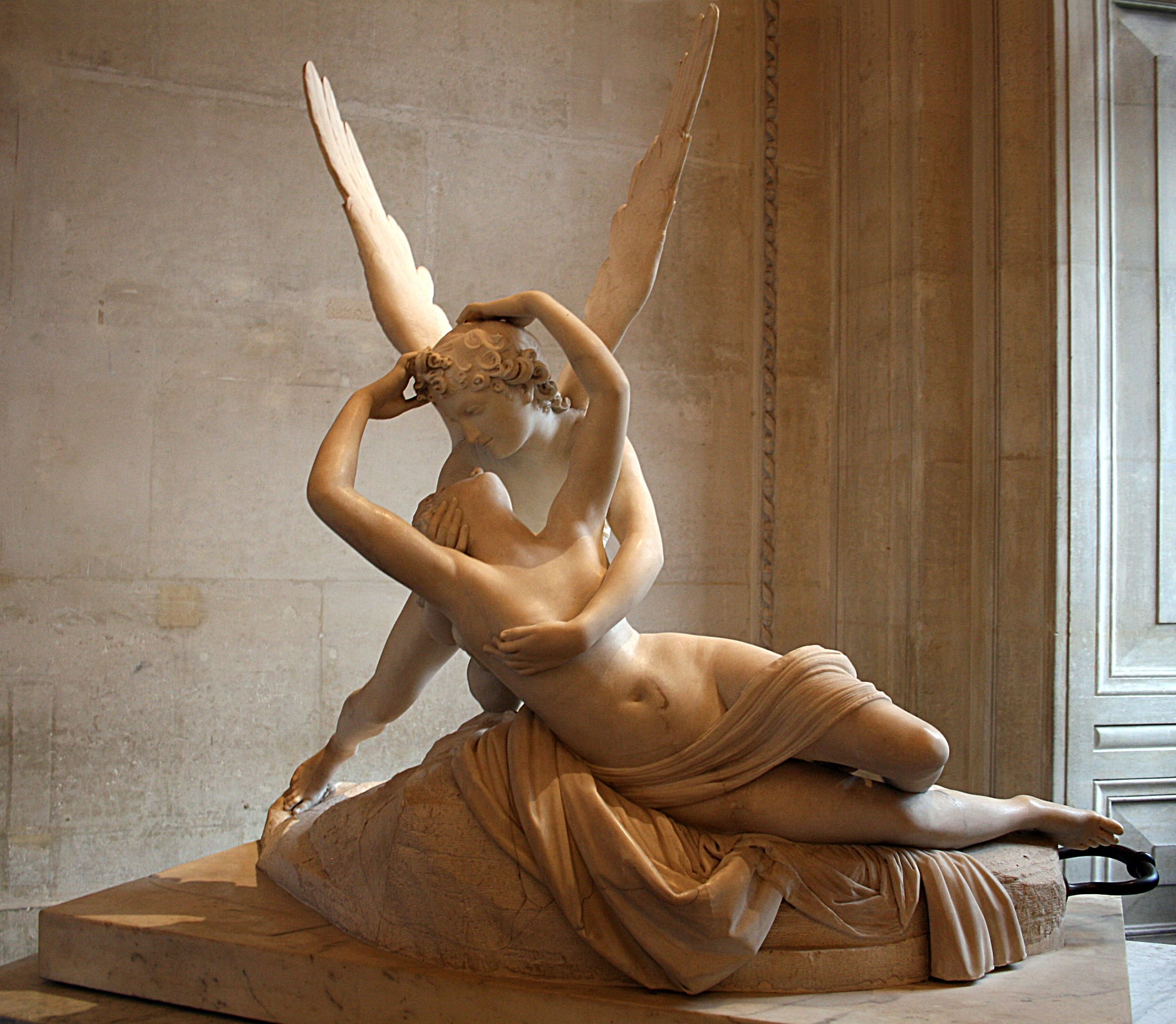
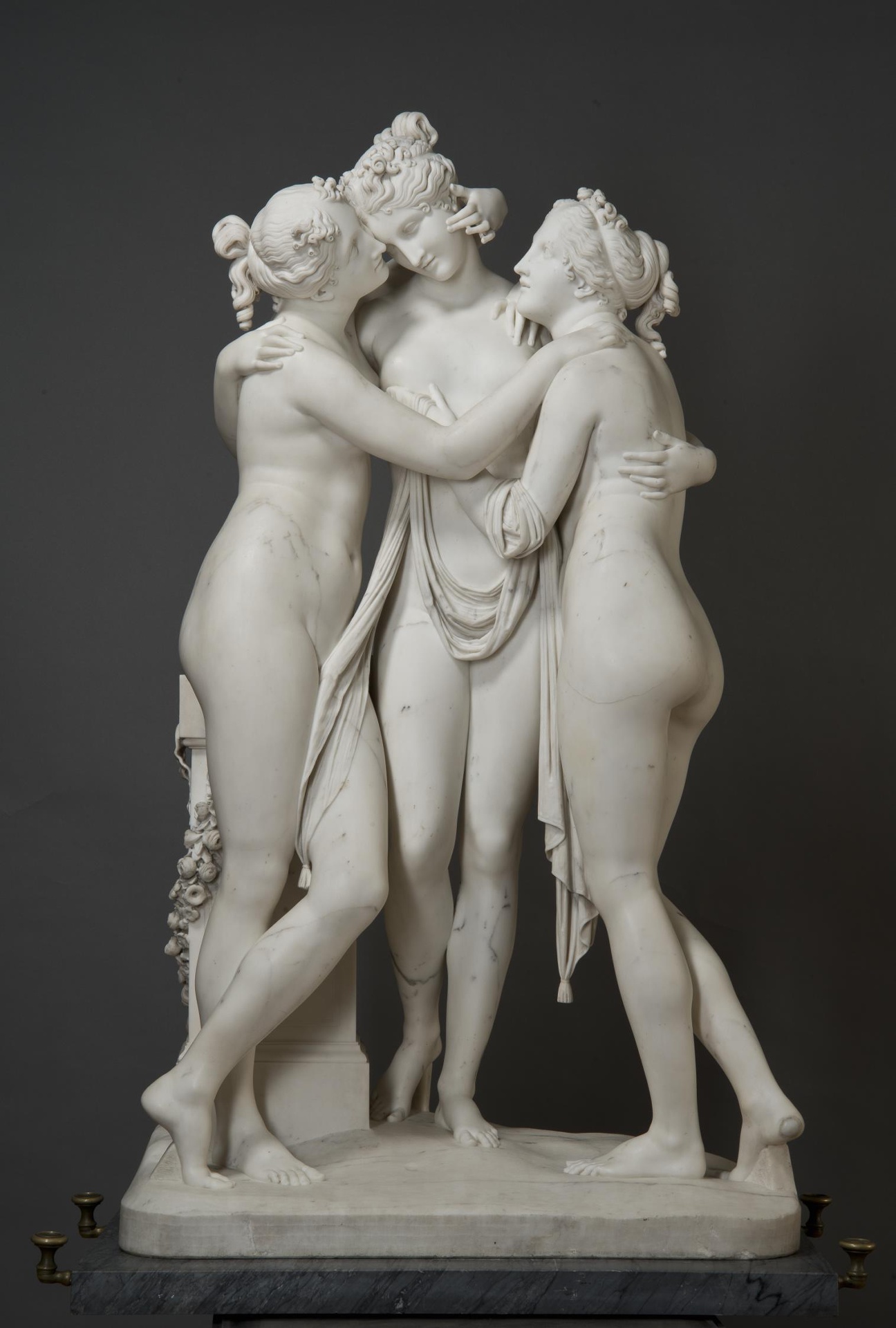
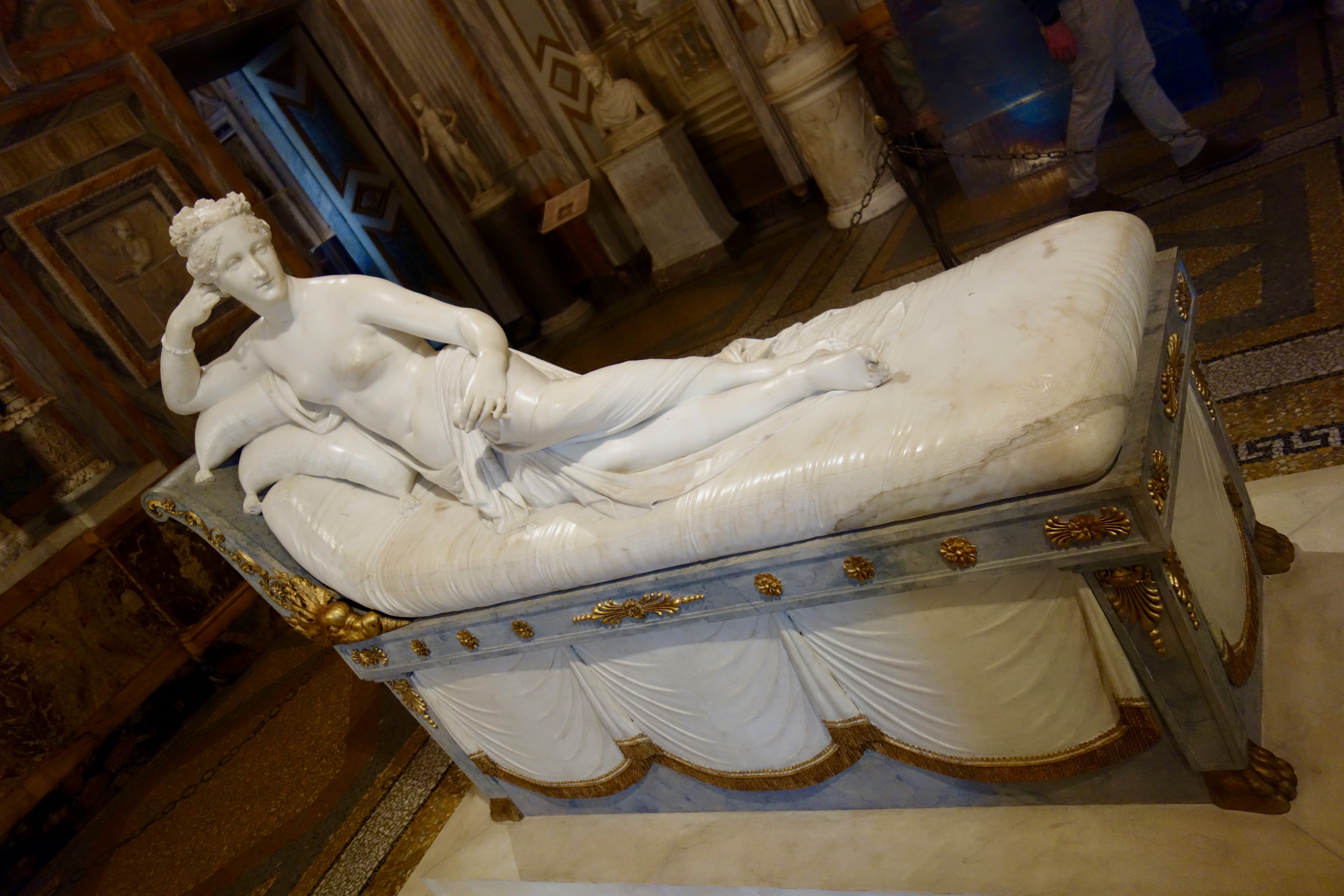
Njegova skulptura Psyche Revived by Cupid’s Kiss (1793) jedna je od najomiljenijih skulptura u Luvru: krilati bog ljubavi podiže nesvesnu Psihu u nežnom zagrljaju, a njihova tela formiraju kompoziciju u obliku slova X izvanredne gracioznosti. The Three Graces (1814–1817) predstavlja tri boginje u intimnom zagrljaju, njihova isprepletana tela isklesana sa tako finom završnom obradom da se čini da mermer sija unutrašnjom toplinom. Napoleon i njegova porodica bili su posvećeni pokrovitelji: Canova je prikazao Napoleonovu sestru Pauline kao ležernu Veneru sa toliko čulnom lepotom da je skulptura bila skrivena od javnog pogleda.
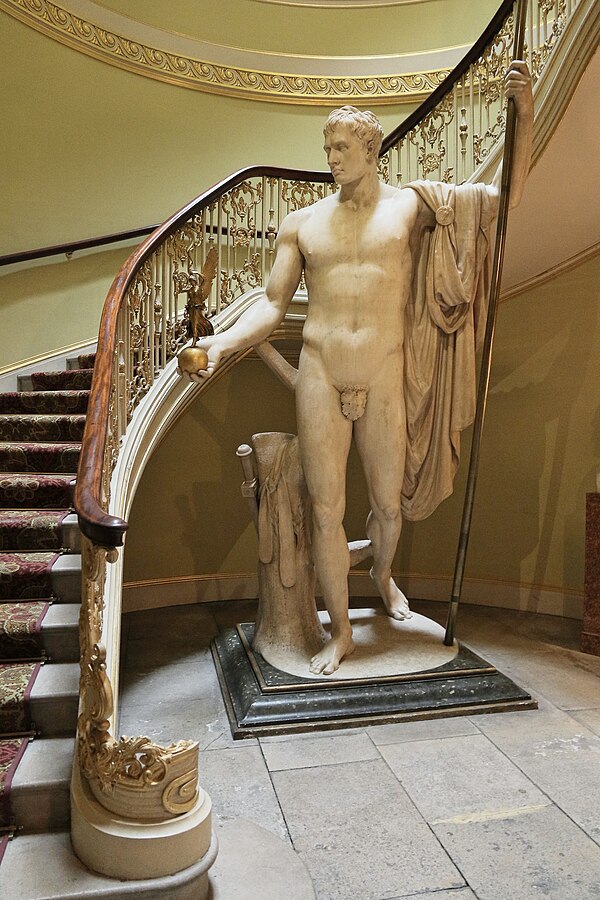
Canovin uticaj bio je ogroman. Bio je poslednji veliki vajar koji je radio u potpunosti unutar klasične tradicije, a njegova radionica je proizvela preko sto velikih dela koja su postavila standard za skulpturalnu eleganciju širom Evrope. Njegova sposobnost da kombinuje idealnu lepotu sa emocionalnom nežnošću — da hladni mermer učini toplim — ostaje jedno od vrhunskih dostignuća evropske skulpture.