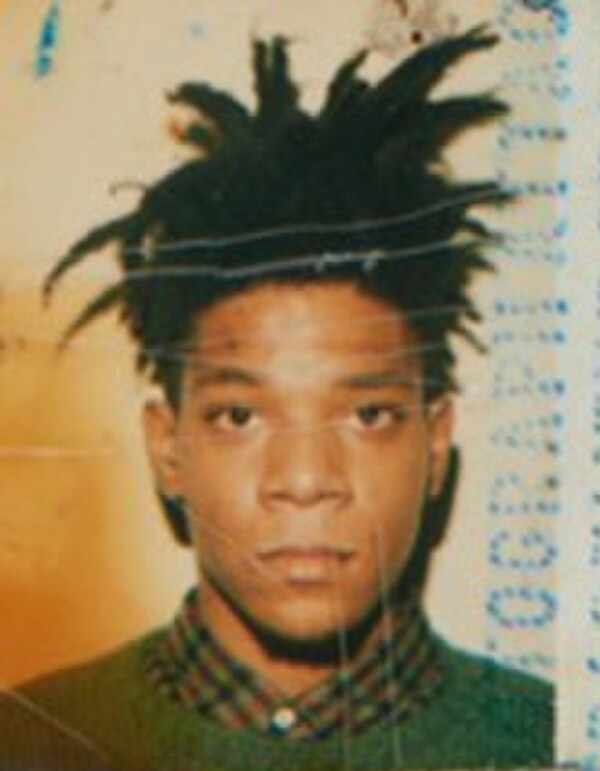
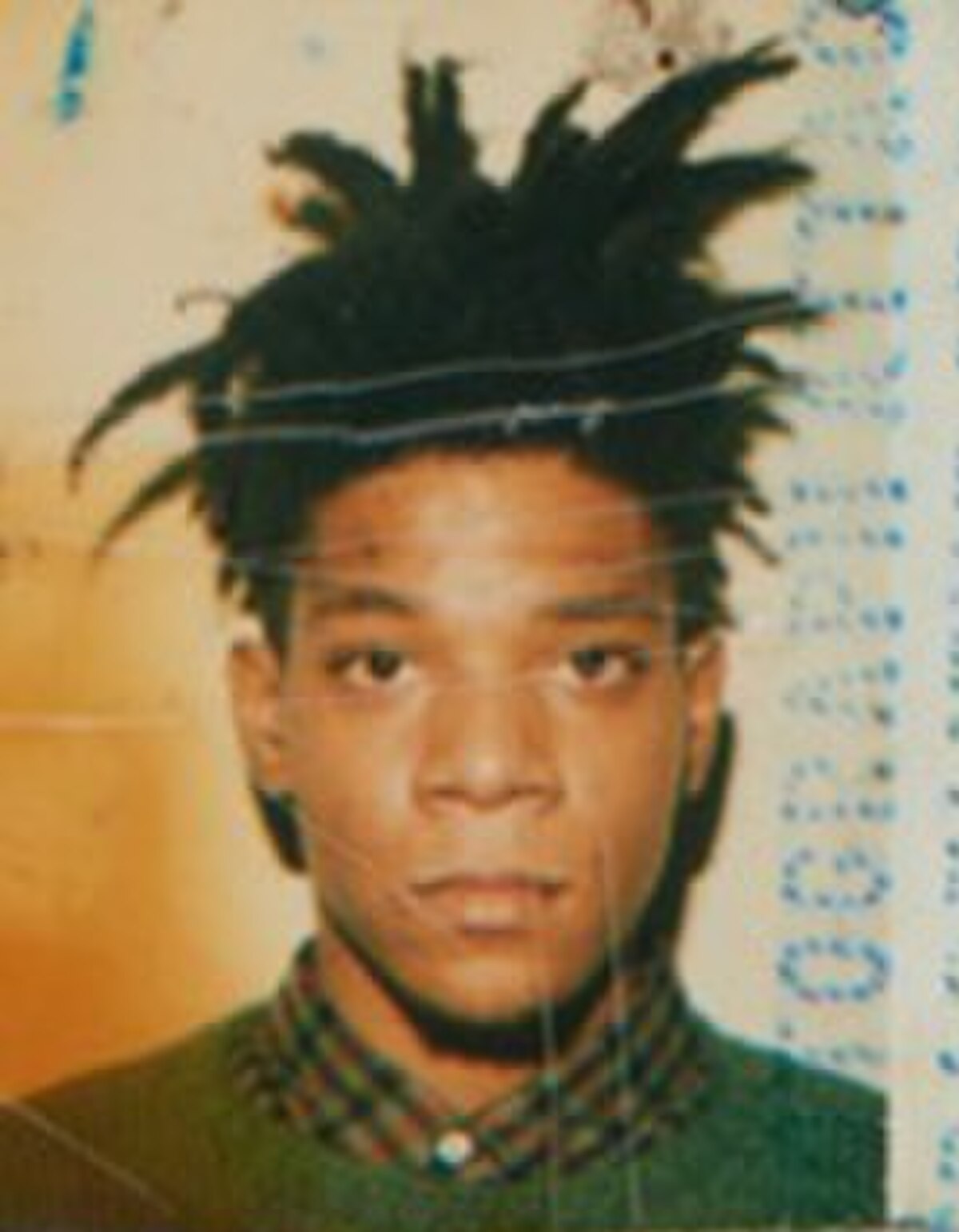
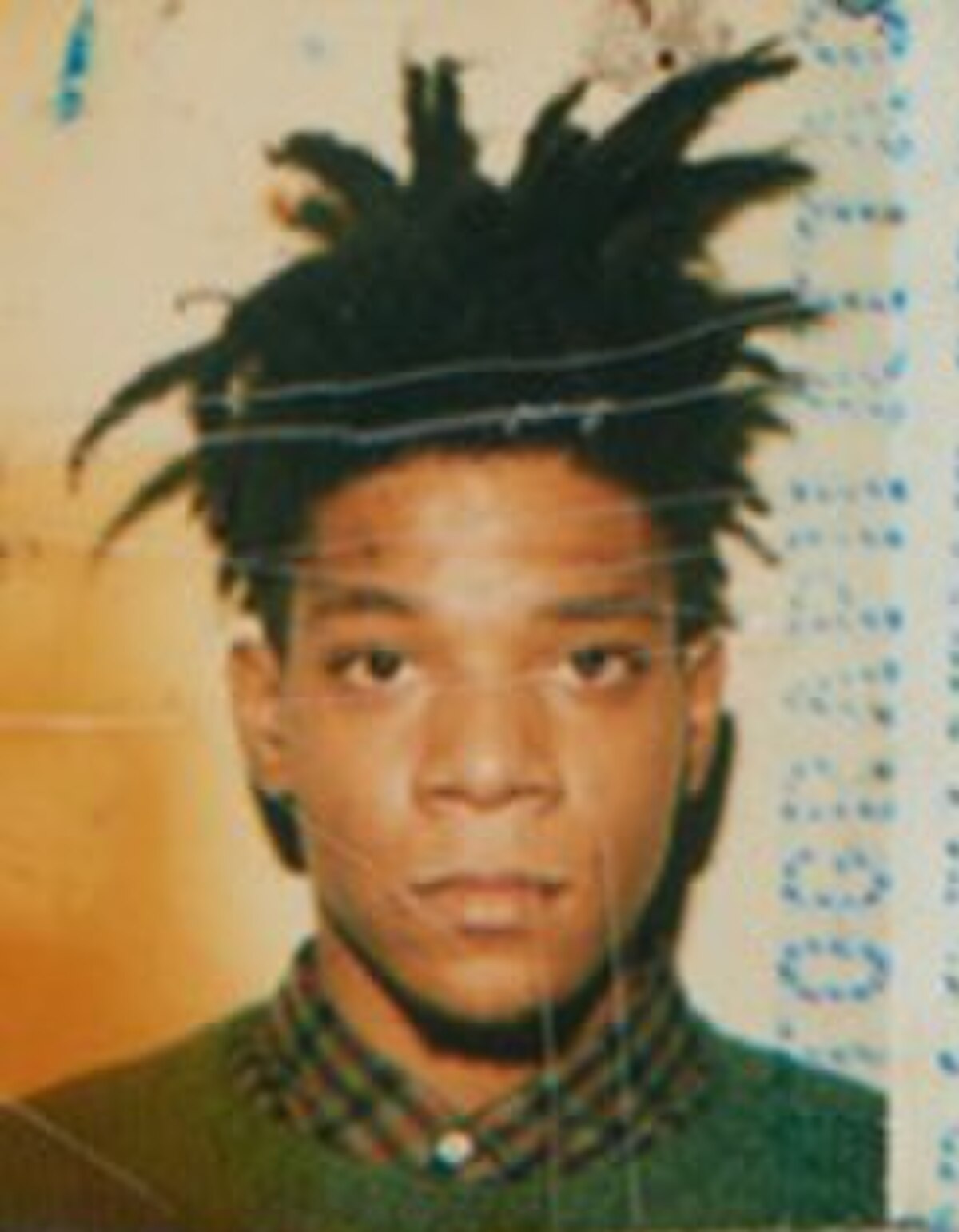
Žan-Mišel Baskija rođen je 1960. godine u Bruklinu, Njujork, od oca Haićanina i majke Portorikanke, i postao je jedan od najuticajnijih američkih umetnika kasnog dvadesetog veka. Prvo je privukao pažnju kao polovina grafiti dua SAMO©, sprejem ispisujući kriptične, poetske fraze po zgradama na Donjem Menhetnu. Do 1981. godine, sa dvadeset godina, prešao je na slikanje na platnu i izlagao zajedno sa Džulijanom Šnabelom, Dejvidom Salom i drugim zvezdama neoekspresionističkog pokreta.
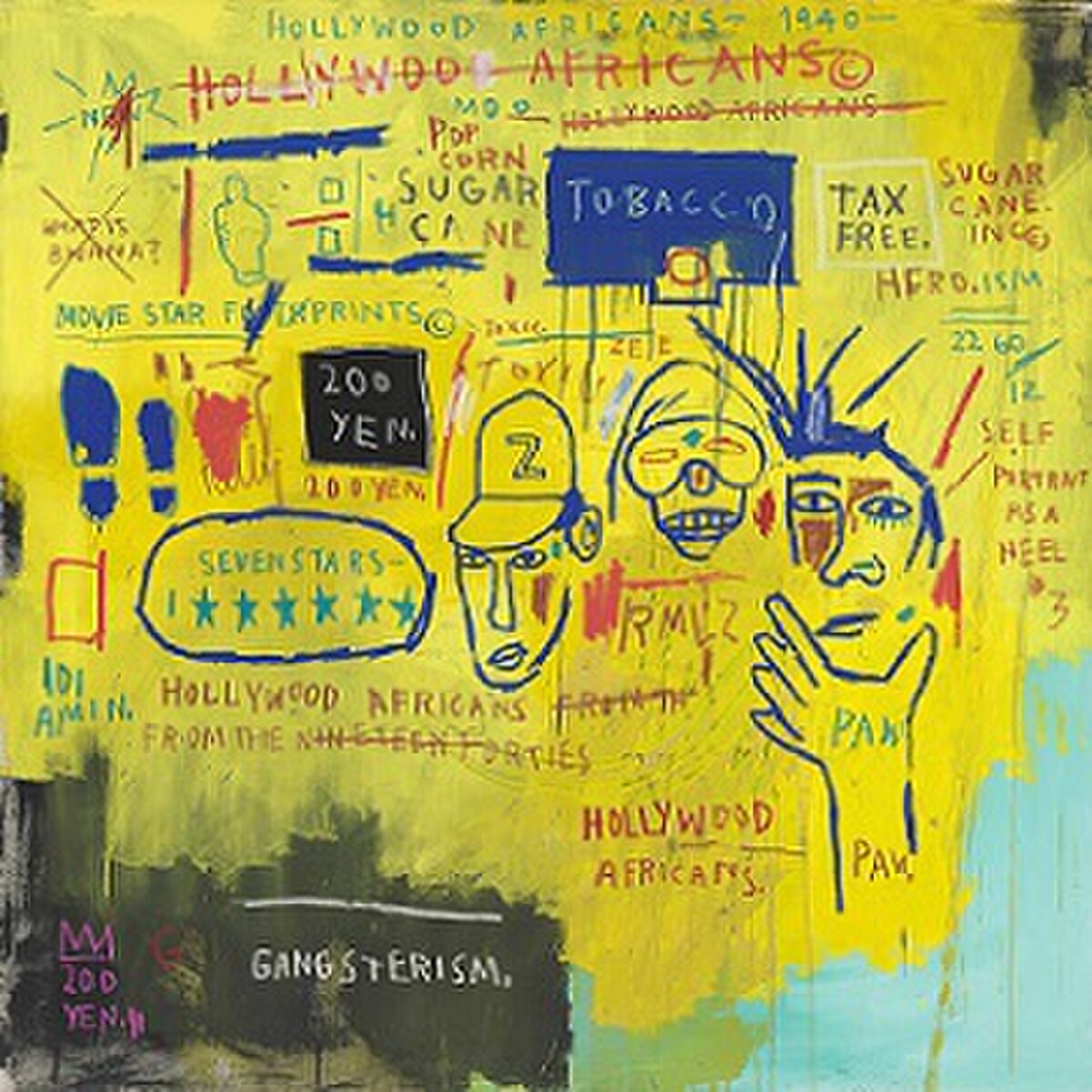
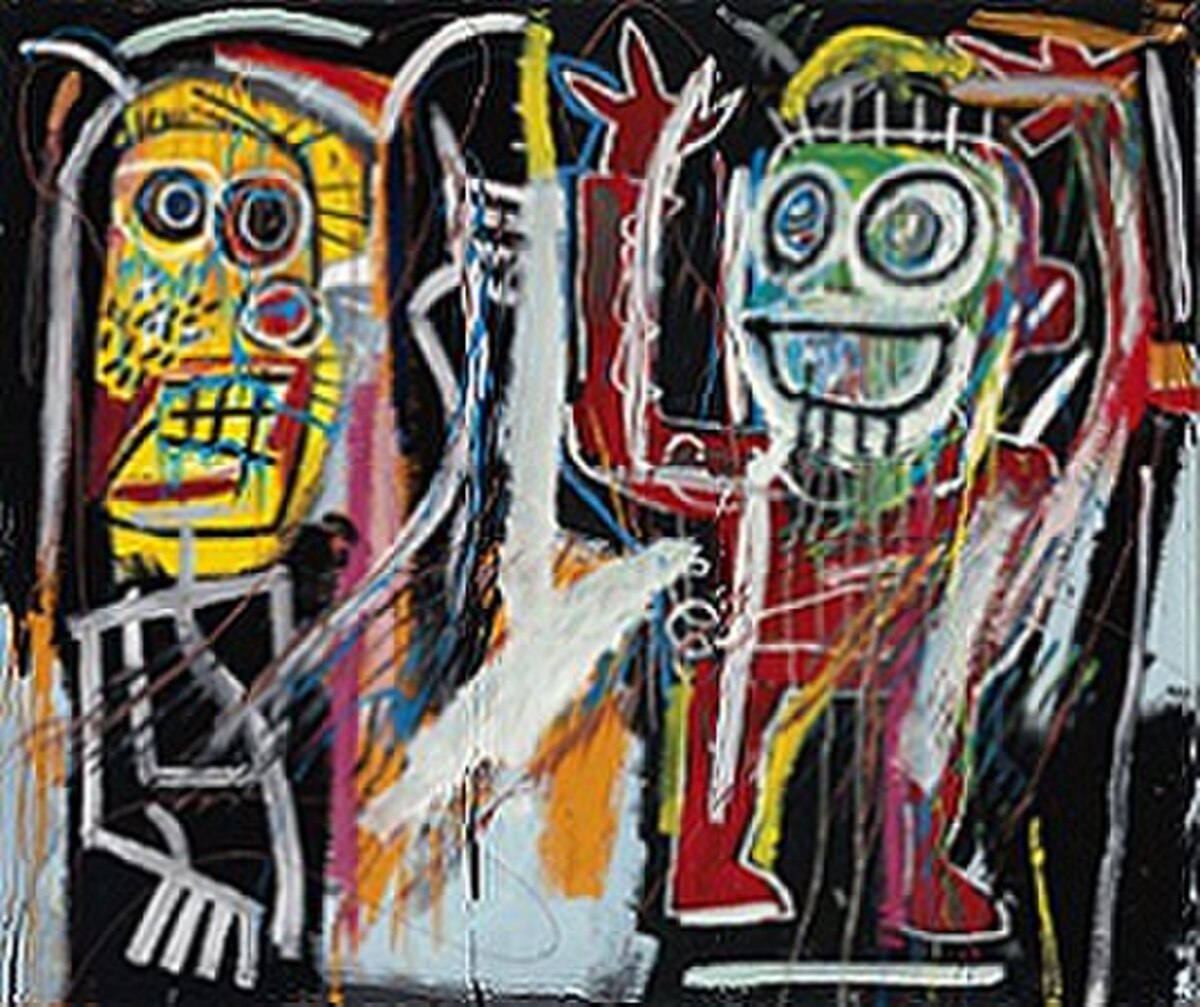
Baskijine slike su guste, haotične i električne: lobanje, krune, anatomski dijagrami, reči i simboli bore se za prostor na platnima koja vibriraju sirovom energijom. Njegove teme se kreću od crnačkih heroja i sportista do referenci na Leonardovu anatomiju, Grejovu anatomiju i afroameričku istoriju. Untitled (Skull) (1981) — masivna, sablasna glava izgrađena od grozničavih poteza boje, uljnog pastela i voštanog pastela — postala je jedna od najvrednijih slika dvadesetog veka. Njegovo prijateljstvo i saradnja sa Endijem Vorholom sredinom 1980-ih proizveli su neke od najfascinantnijih umetničkih dijaloga te decenije.
Baskija je umro od predoziranja heroinom 1988. godine u dvadeset sedmoj godini, ostavivši iza sebe opus od preko 1.500 slika i 600 crteža stvorenih za jedva osam godina. Njegov rad stalno raste u kritičkom i komercijalnom ugledu, a njegovo istraživanje rase, identiteta i moći u Americi govori sa još većom urgentnošću danas nego što je to bio slučaj tokom njegovog kratkog, blistavog života.