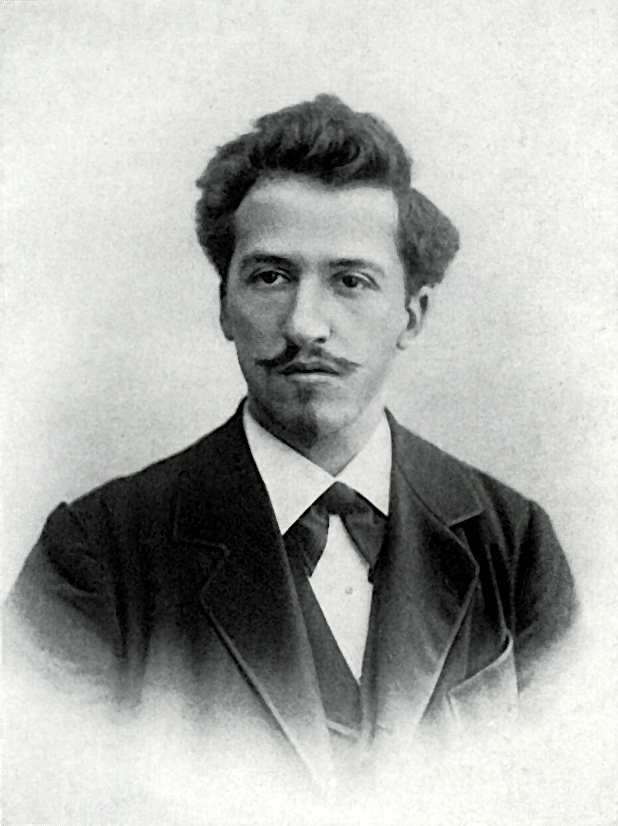
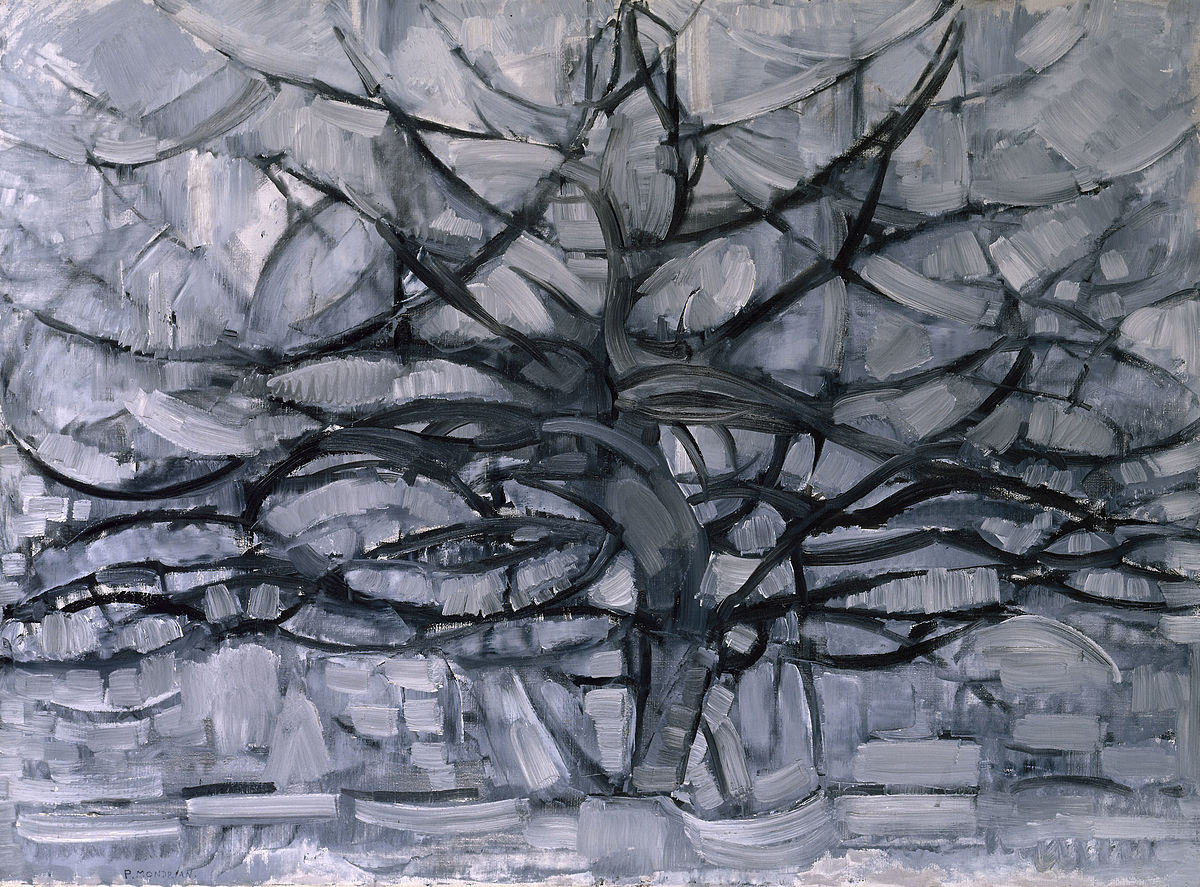
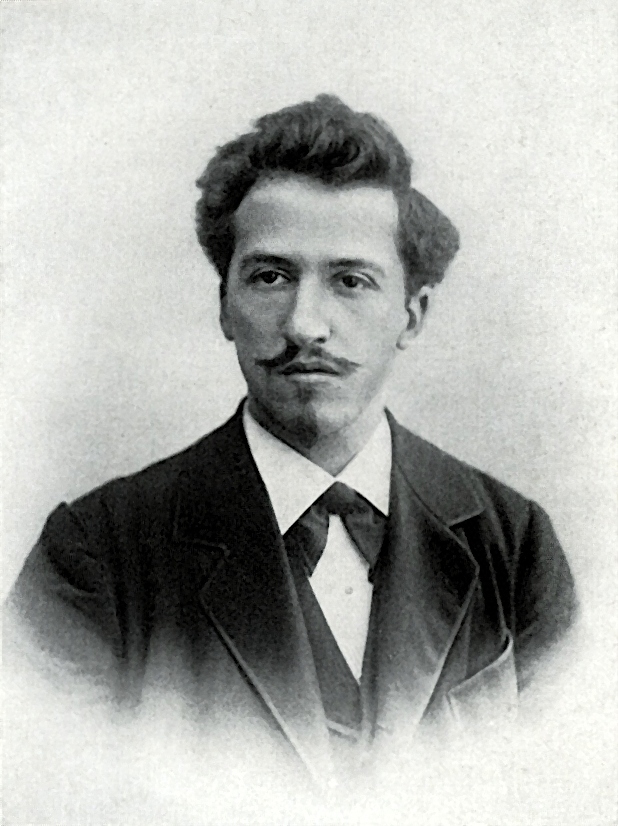
Piter Kornelis Mondrijan, koji je kasnije pojednostavio svoje ime u Pit Mondrijan, rođen je 1872. godine u Amersfurtu, u Holandiji, i postao jedan od najuticajnijih apstraktnih slikara dvadesetog veka. Njegov umetnički put — od naturalističkih holandskih pejzaža preko simbolizma, fovizma i kubizma do čiste geometrijske apstrakcije — predstavlja jednu od najizuzetnijih i najlogičnijih progresija u istoriji umetnosti, pri čemu je svaka faza nadograđivala prethodnu sa gotovo naučnom strogošću.
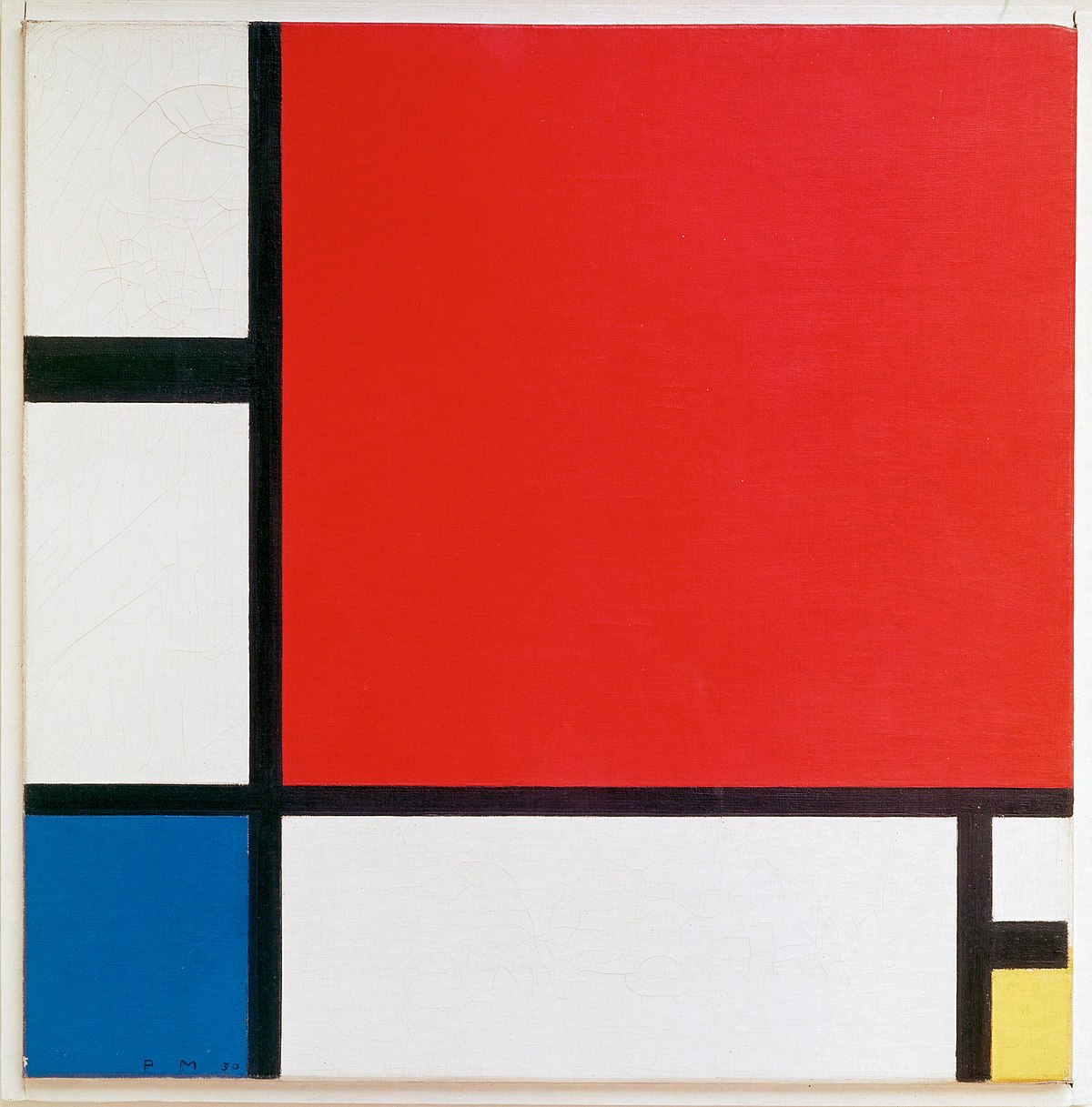
Do 1920. godine, Mondrijan je stigao do stila po kome je čuven: kompozicije crnih horizontalnih i vertikalnih linija na beloj podlozi, sa pravougaonim površinama ispunjenim trima primarnim bojama — crvenom, žutom i plavom. Ove slike, koje je nazvao „neoplasticizam”, nisu bile proizvoljni dizajni već izraz filozofskog sistema izvedenog iz teozofije: Mondrijan je verovao da se svođenjem slikarstva na njegove fundamentalne elemente — liniju, ravan i primarnu boju — može otkriti univerzalna harmonija koja leži ispod haosa vidljivog sveta.
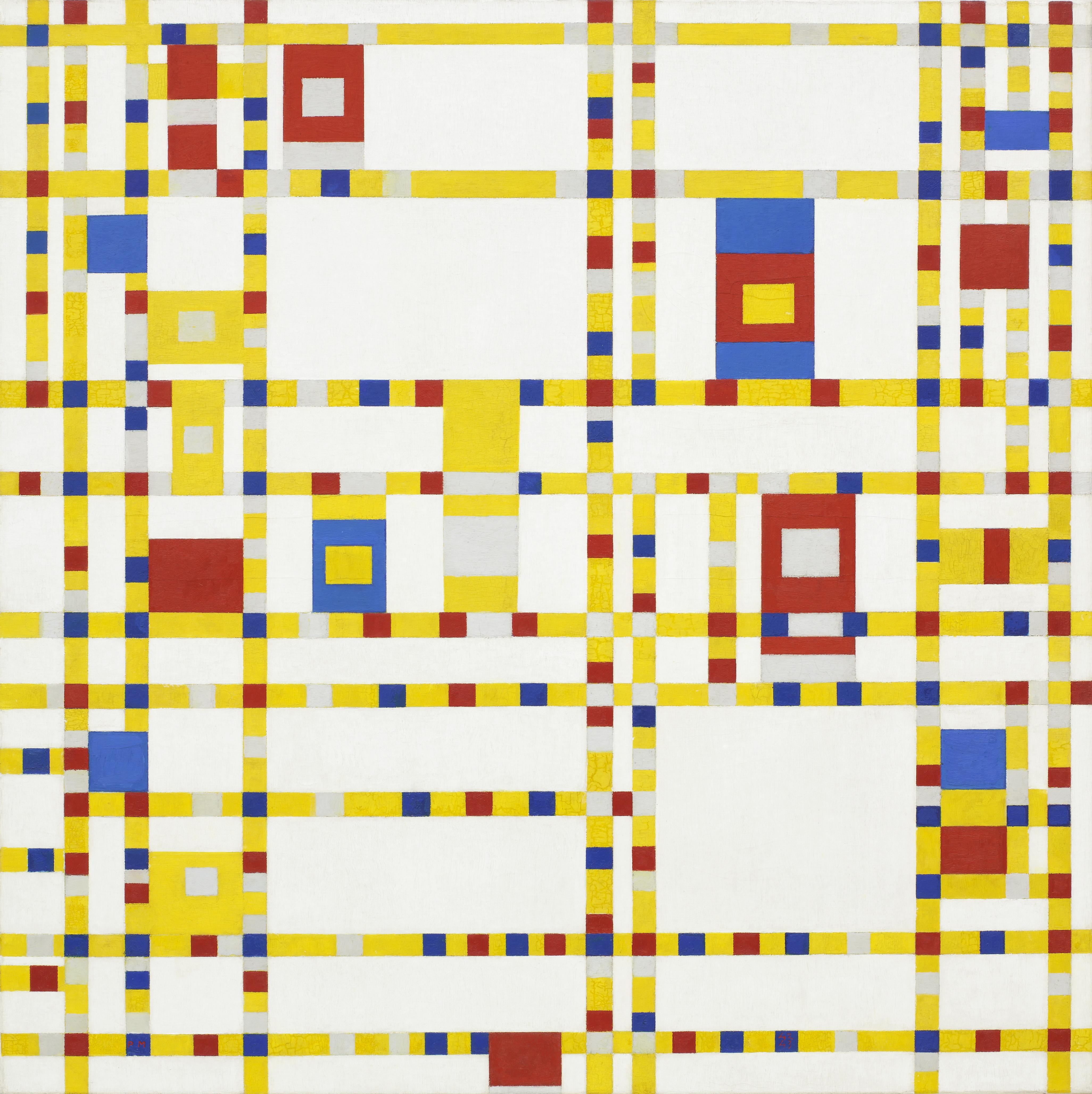
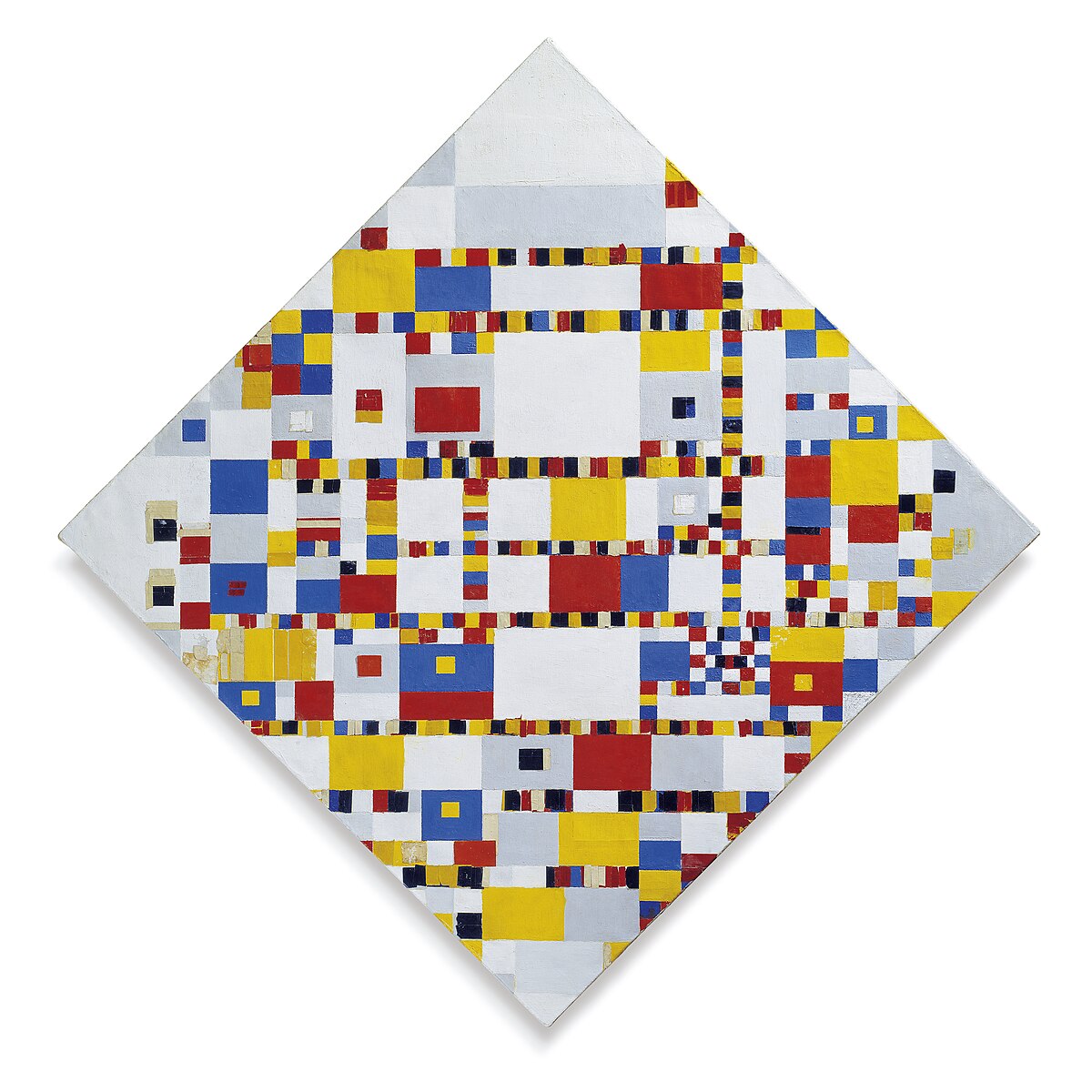
Bežeći od nemačke okupacije Holandije 1940. godine, Mondrijan se nastanio u Njujorku, gde su energija grada i ritmovi džeza poslednji put transformisali njegovu umetnost. Broadway Boogie-Woogie (1942–1943) zamenio je crne linije pulsrajućim trakama obojenih kvadrata, stvarajući sliku koja vibrira metropolitanskom energijom. Mondrijan je umro u Njujorku 1944. godine, ali njegov uticaj na arhitekturu, dizajn i modu — od De Stijla preko Bauhausa do Iv Sen Lorana — bio je nemerlljiv.