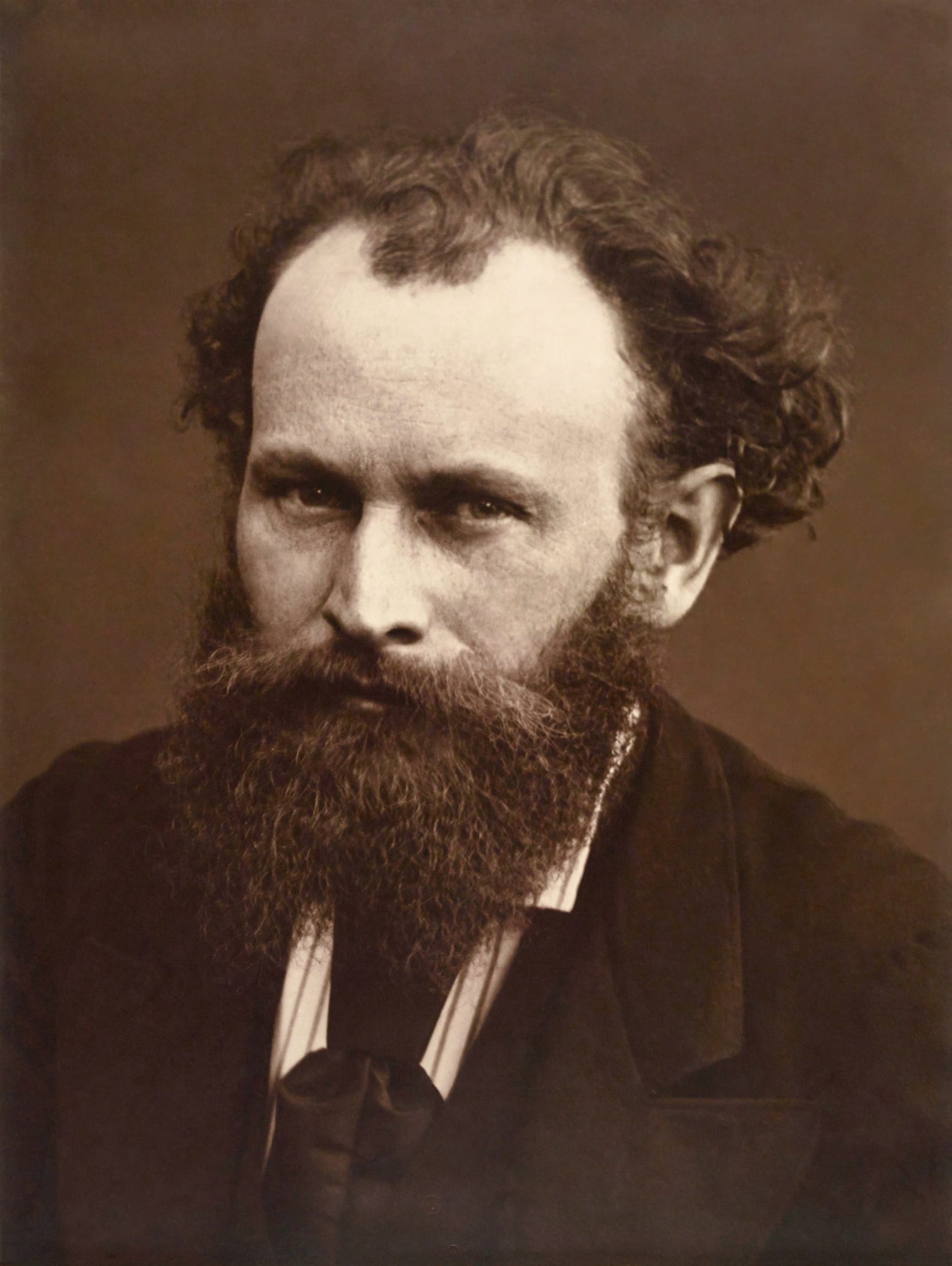
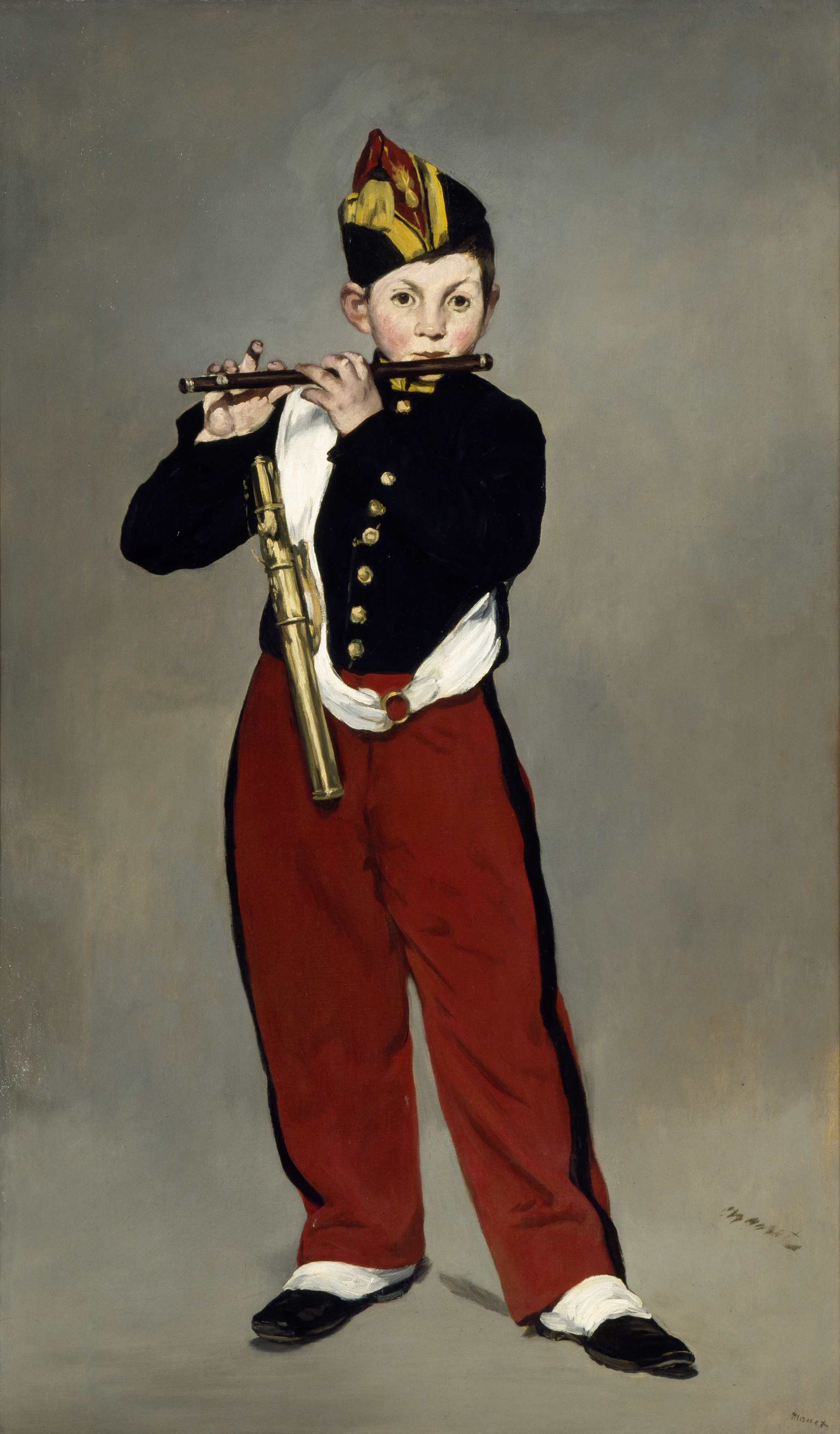
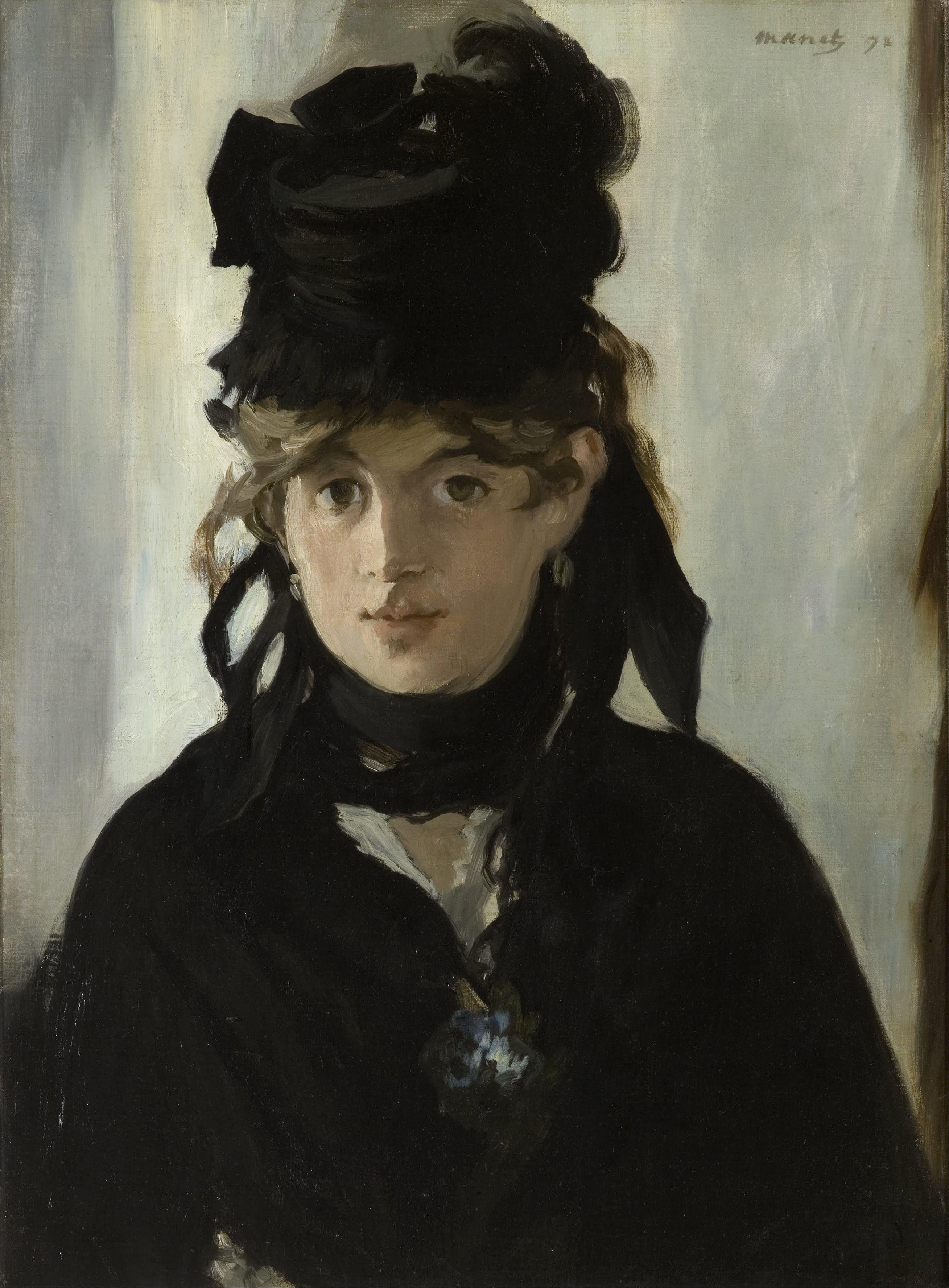
Édouard Manet je rođen u Parizu 1832. u bogatoj buržoaskoj porodici i postao je najznačajniji francuski slikar 1860-ih — umetnik koji je, više od bilo kog drugog, premostio jaz između stare tradicije i nove. Školovan kod Thomasa Couturea i duboko pod uticajem Velázqueza, Halsa i japanskih grafika, Manet je razvio stil koji se odlikovao smelim tonskim kontrastima, spljoštenim prostorom i iskrenom, neizvinjavajućom modernosti tema koja je razjarila kritičare i oduševila mlade slikare koji će postati impresionisti.
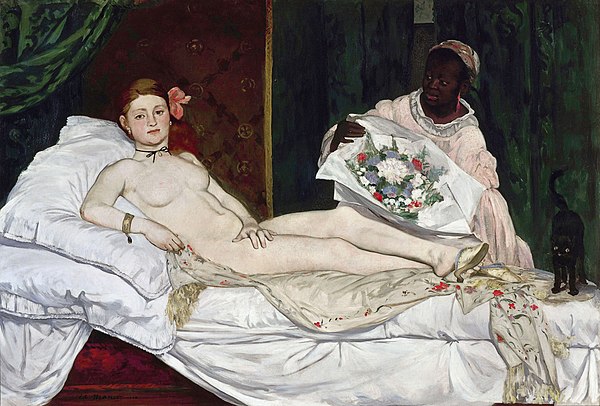
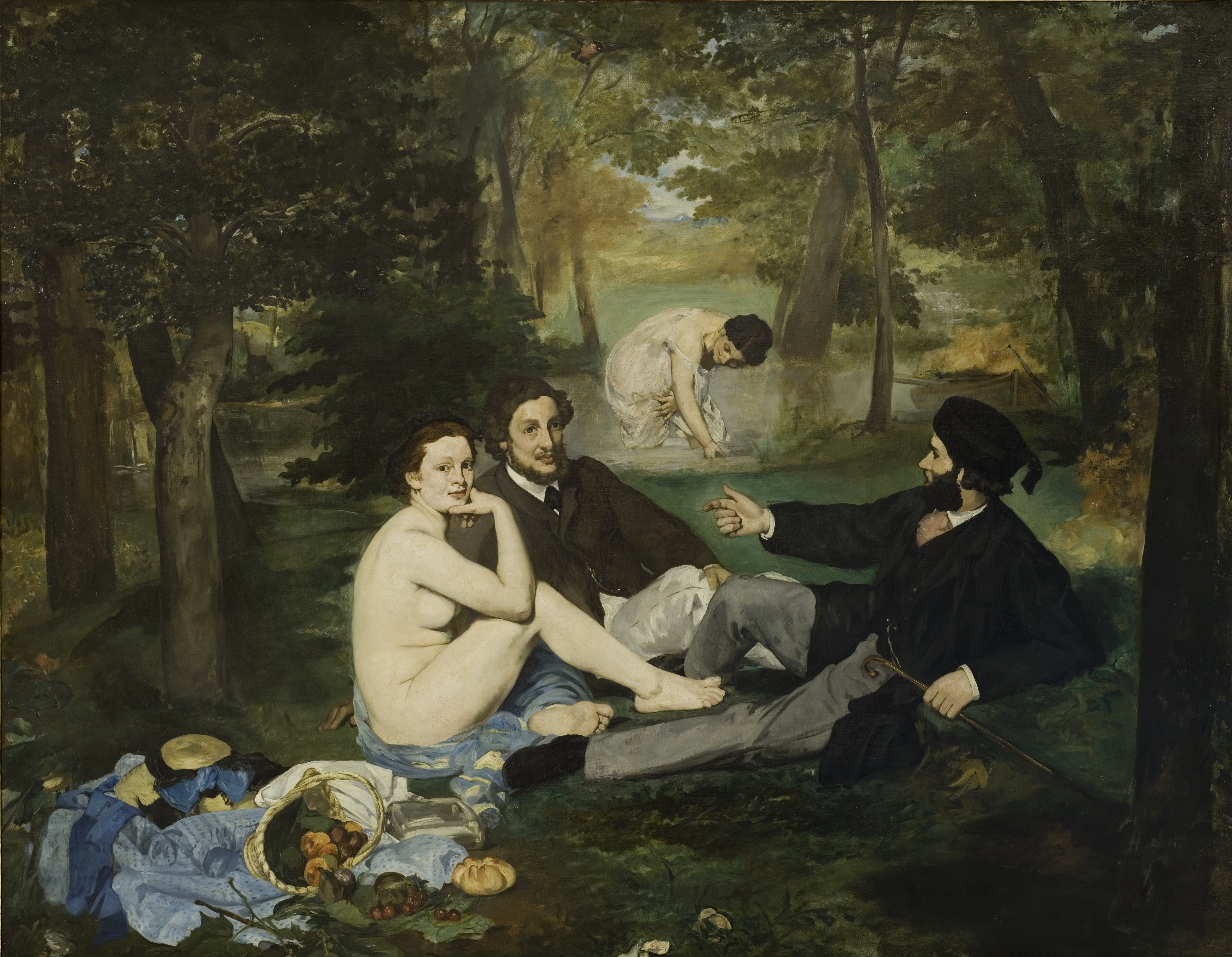
Le Déjeuner sur l’herbe (1863) je izazvao skandal na Salonu odbijenih prikazujući golu ženu koja ležerno piknikuje sa dvojicom potpuno obučenih muškaraca — ne kao klasična nimfa, već kao prepoznatljiva Parižanka koja zuri direktno u posmatrača. Olympia (1865) je otišla dalje: gola kurtizana, očigledno moderna seksualna radnica, a ne mitološka Venera, konfrontira posmatrača s izrazom hladnog samoposedovanja. Slike su napadane kao ružne i nemoralne, ali su najavile novi odnos između umetnika, subjekta i publike koji je zauvek promenio umetnost.
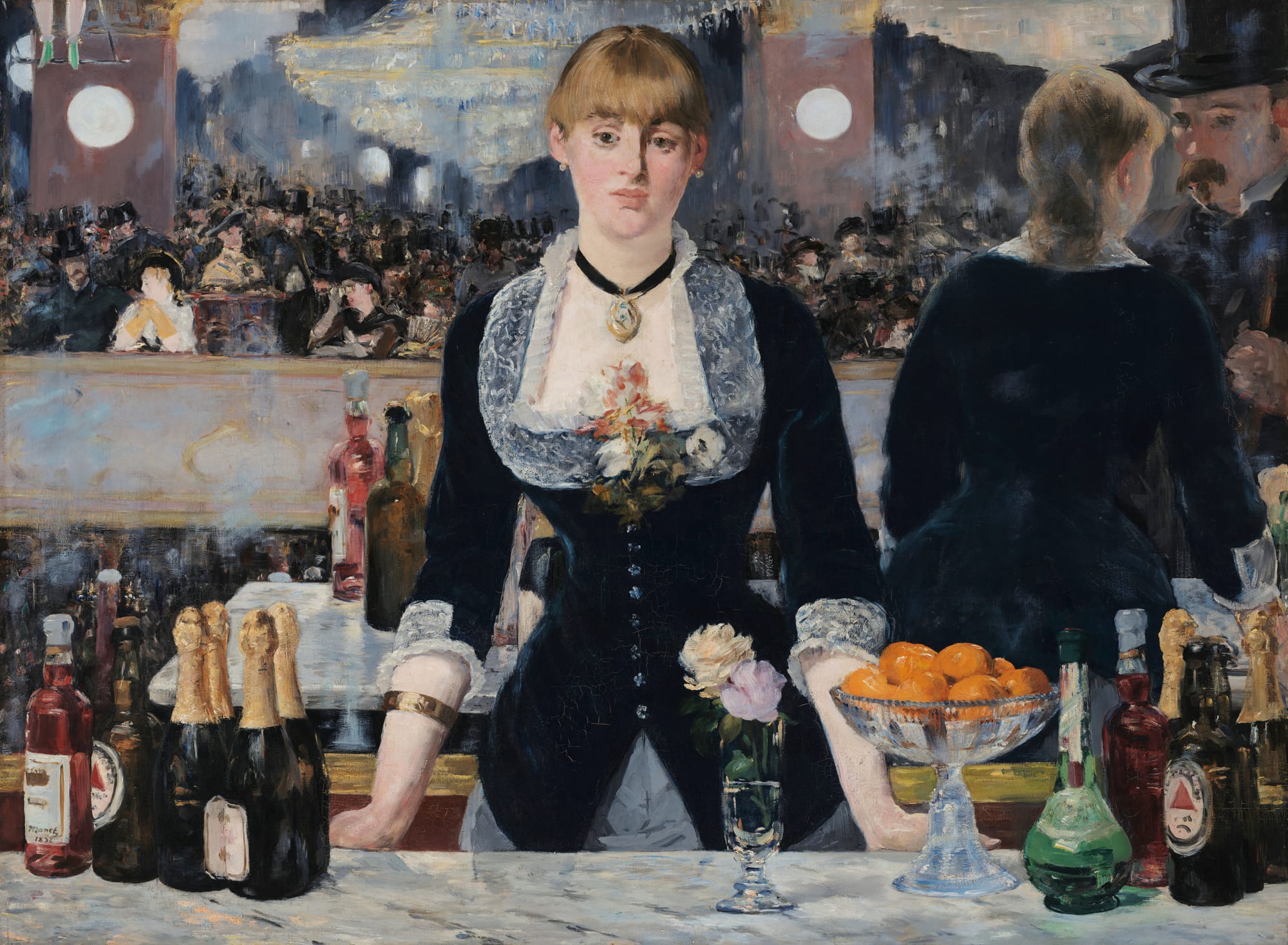
Mada Manet nikada nije izlagao sa impresionistima i uvek je tražio zvanično priznanje Salona, njegov uticaj na njih bio je presudan. Njegova pozna dela, poput A Bar at the Folies-Bergère (1882), pokazuju kako je zauzvrat upijao impresionističku svetlost i boju. Umro je od sifilisa 1883, u pedeset prvoj godini, a u roku od jedne generacije bio je priznat kao otac modernog slikarstva.