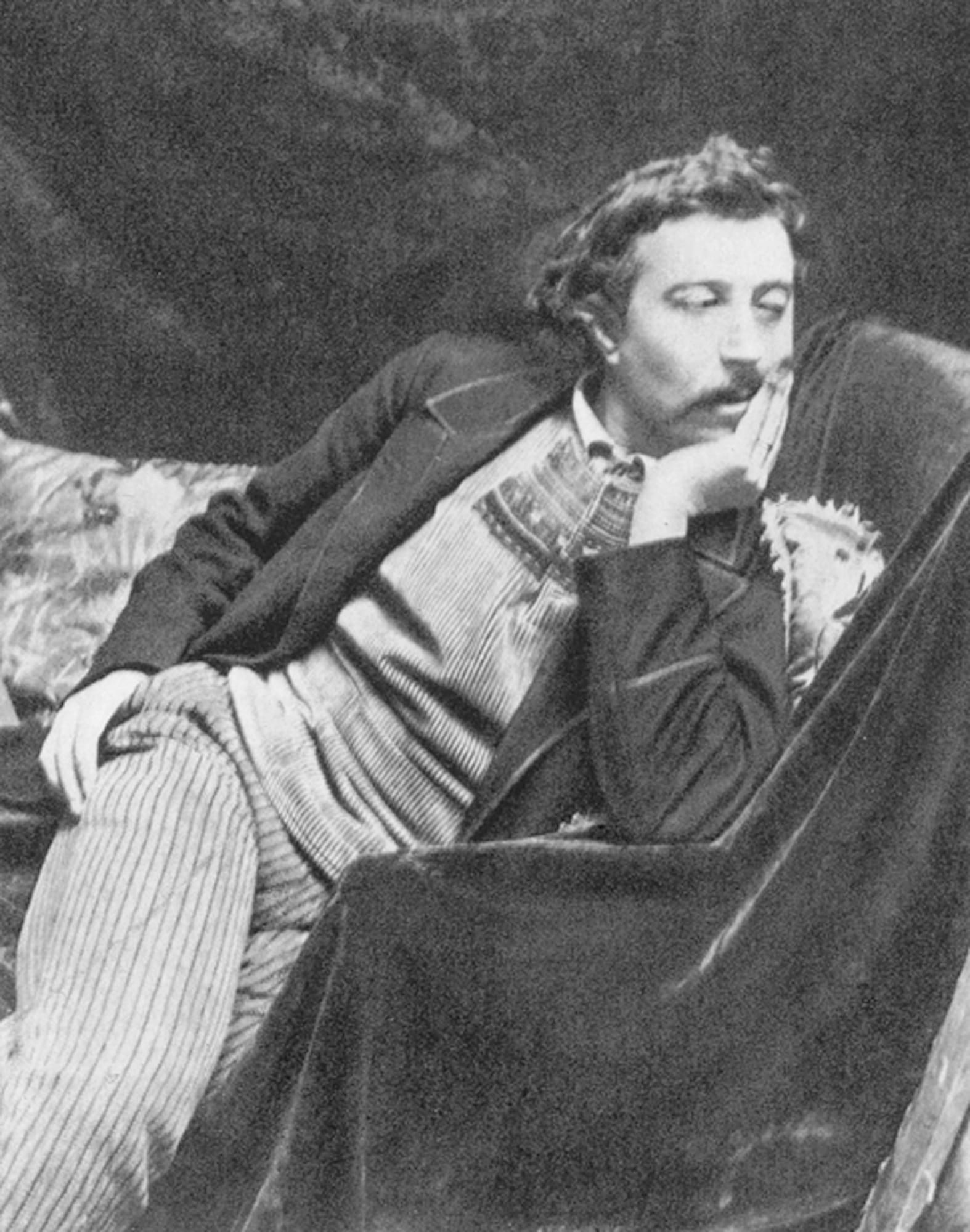
Pol Gogen rođen je u Parizu 1848. godine, deo detinjstva proveo u Peruu, radio je kao berzanski posrednik, a slikarstvu se posvetio relativno kasno — putanja jednako nekonvencionalna kao i umetnost koju će stvarati. U početku impresionistički nedeljni slikar, napustio je porodicu i karijeru sredinom 1880-ih da bi se u potpunosti posvetio umetnosti, tražeći primalniji, simbolički način izražavanja koji bi prevazišao ono što je video kao površnost impresionizma.
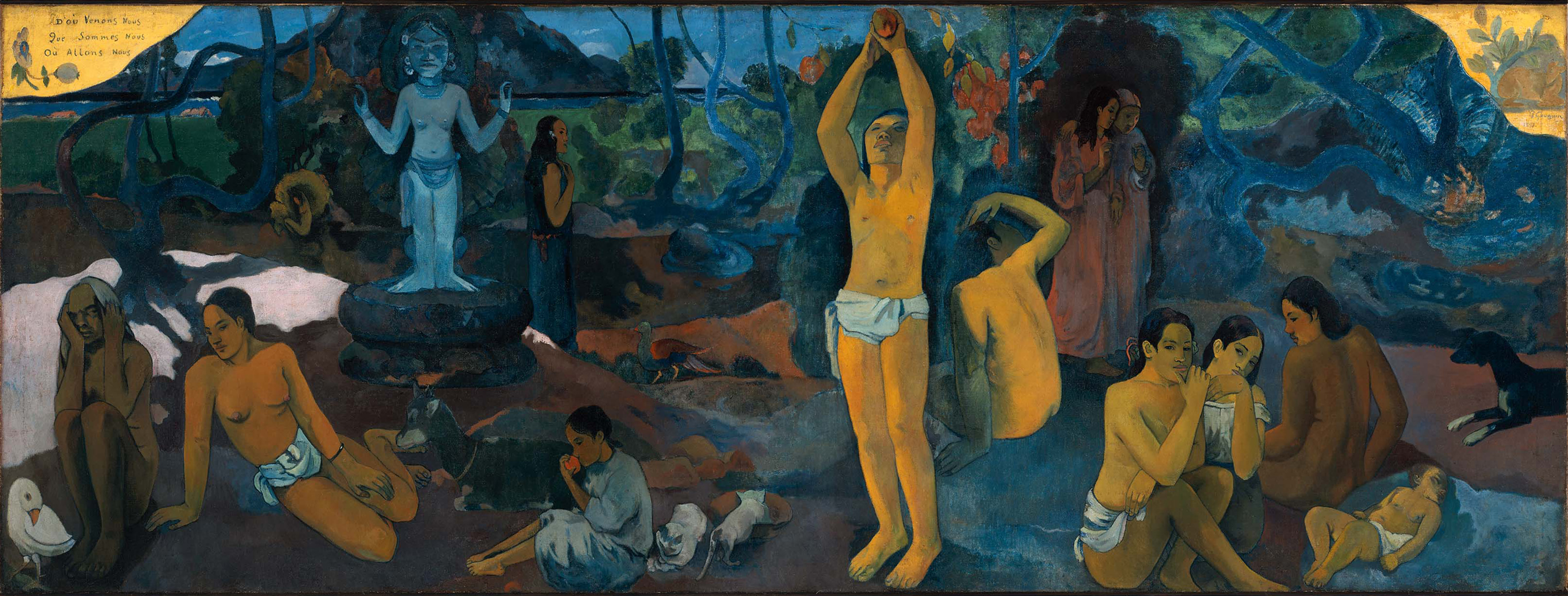
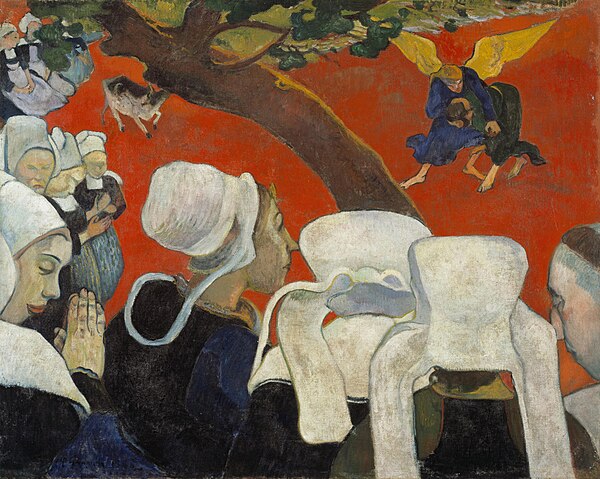
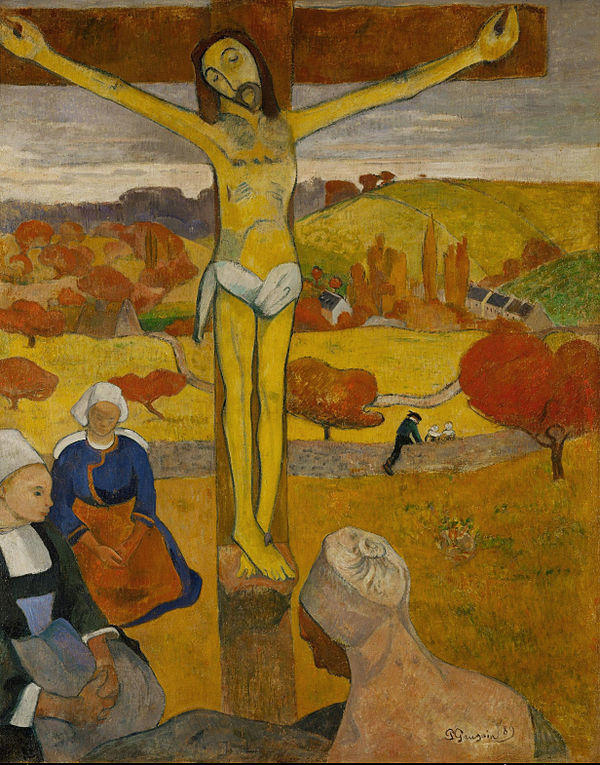
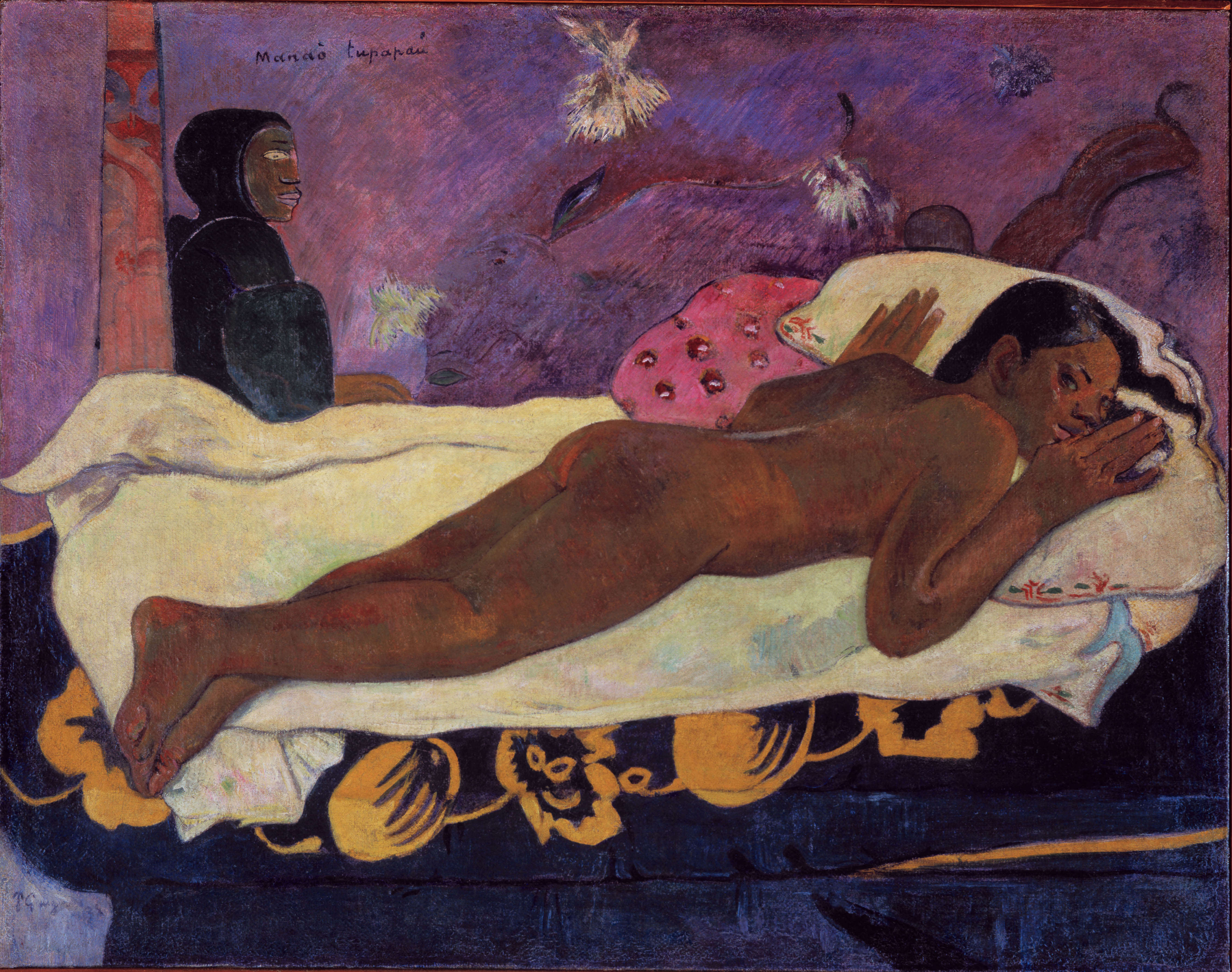
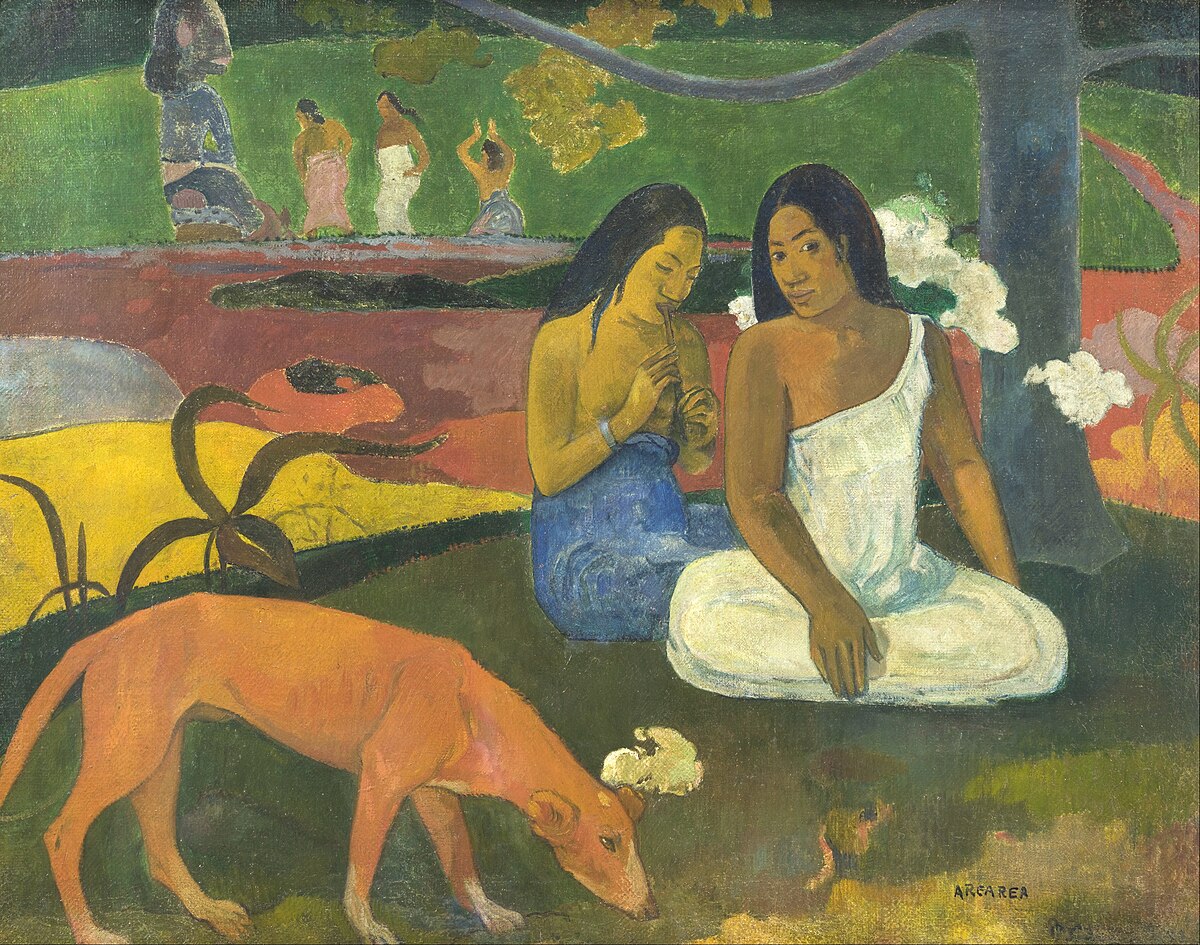
Nakon perioda u Bretanji — gde je razvio sintetizam, stil smelih kontura, ravnih polja boje i nenaturalističke koloristike inspirisan srednjovekovnim vitražima, japanskim grafikama i narodnom umetnošću — Gogen je 1891. godine otplovio na Tahiti, tražeći ono što je nazvao „divljim” i „primitivnim.” Njegove polinezijske slike — Spirit of the Dead Watching, Arearea, Where Do We Come From? — prikazuju tahićanski život u paleti zasićenih, antinaturalističkih boja, mešajući posmatranu stvarnost sa mitološkom i duhovnom invencijom.
Where Do We Come From? What Are We? Where Are We Going? (1897-1898), njegovo najveće i najambicioznije platno, filozofska je alegorija koja se proteže na preko tri i po metra, čita se zdesna nalevo kao meditacija o ciklusu ljudskog života. Gogen je umro na Markižanskim ostrvima 1903. godine, siromašan i narušenog zdravlja. Njegov uticaj na Nabide, foviste i nemačke ekspresioniste bio je dubok, a njegovo insistiranje da umetnost treba da izrazi nevidljivo umesto da samo prikaže vidljivo otvorilo je vrata kroz koja će dvadeseti vek jurnuti.