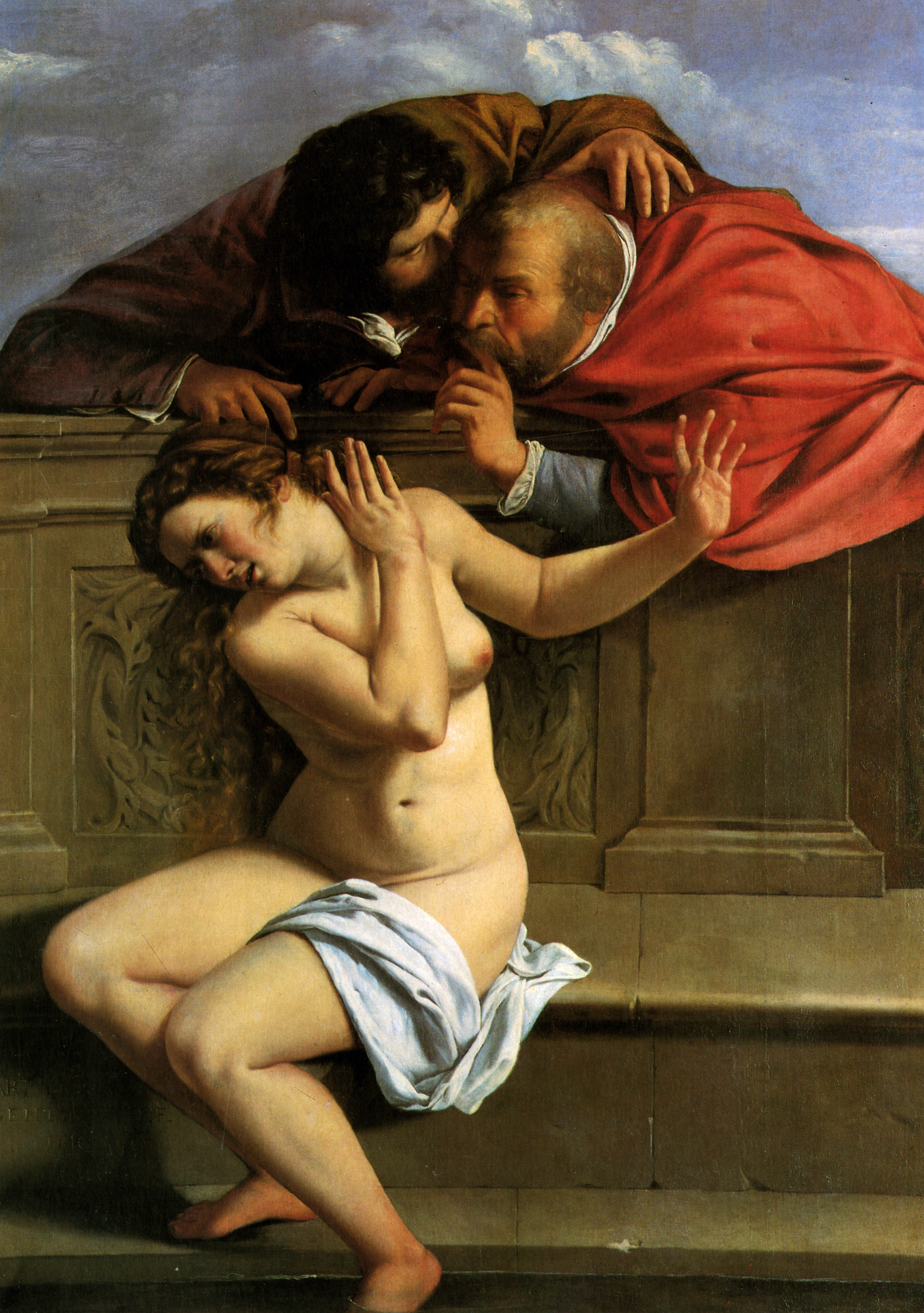
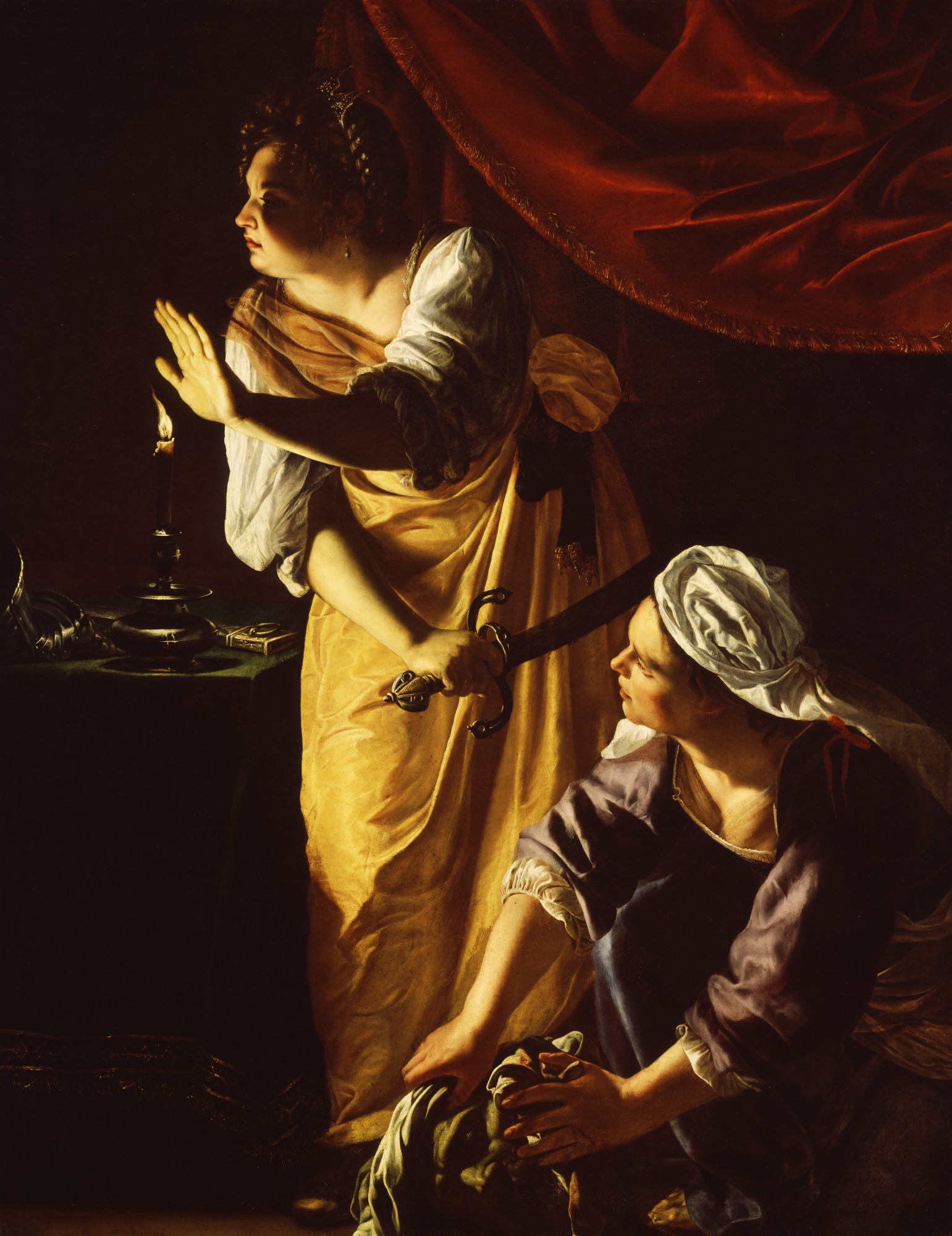
Artemisia Gentileschi je rođena u Rimu 1593. godine, kao ćerka slikara Orazia Gentileschija, i postala je najistaknutija žena umetnica sedamnaestog veka — i, bez obzira na pol, jedna od najfinijih slikarki italijanskog baroka. Upila je dramatični kjaroskuro Caravaggia kroz očev krug i razvila ga u stil izuzetne snage i emocionalne direktnosti.
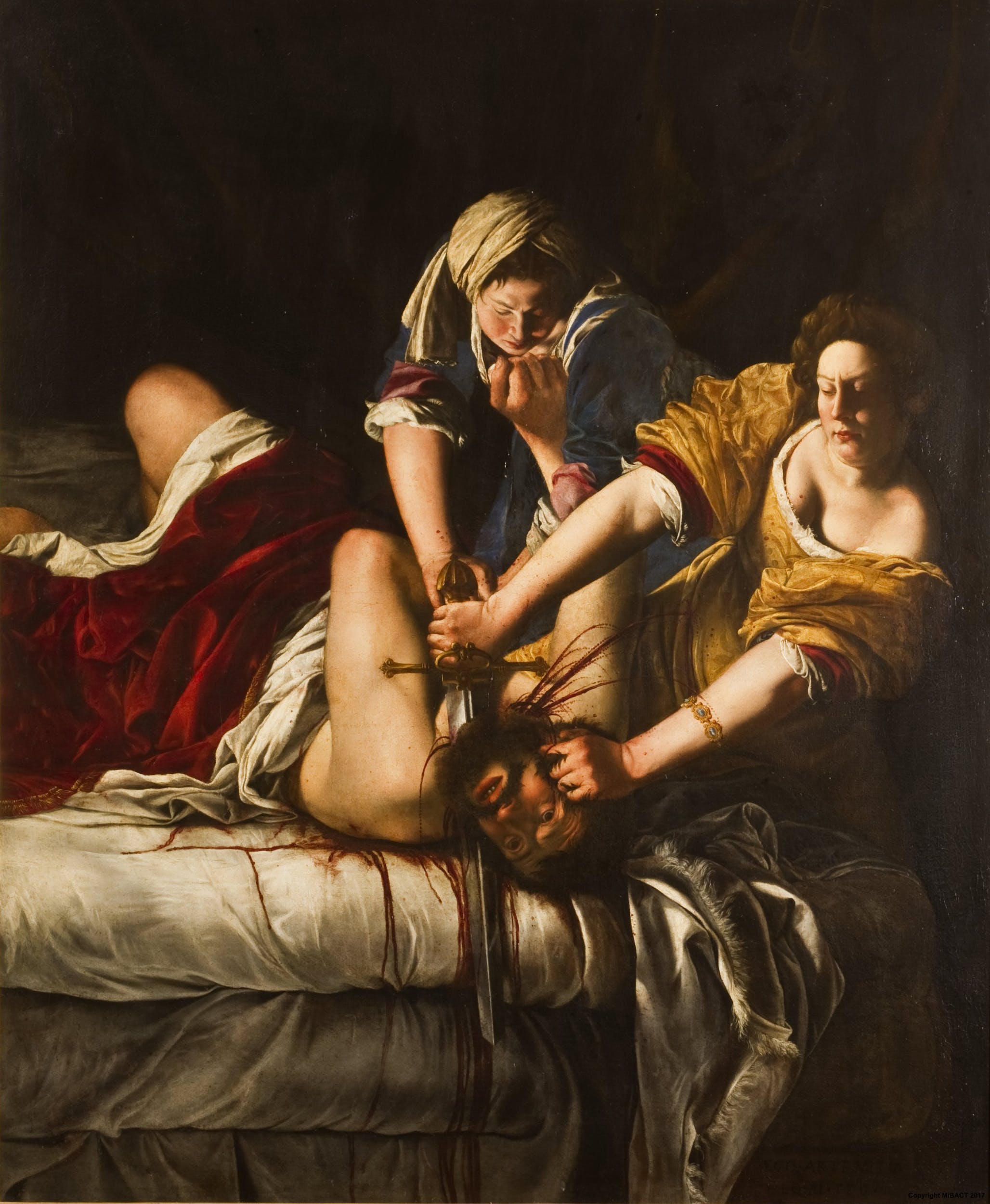
Njena lična istorija — silovana je sa sedamnaest godina od strane slikara Agostina Tassija i pretrpela ponižavajuće javno suđenje — neizbežno je obojila tumačenja njenih najpoznatijih dela, mada njena umetnost prevazilazi biografiju. Njena slika Judith Slaying Holofernes (oko 1620), koja prikazuje izraelsku heroinu kako s mračnom odlučnošću testeriše vrat asirskog generala, jedna je od najfizički intenzivnijih i psihološki najubedljivijih slika u celokupnom baroknom slikarstvu. Za razliku od verzija muških slikara, gde Judita često deluje krhko i neodlučno, Gentileschijeva heroina je snažna, fokusirana i potpuno posvećena krvavom činu.
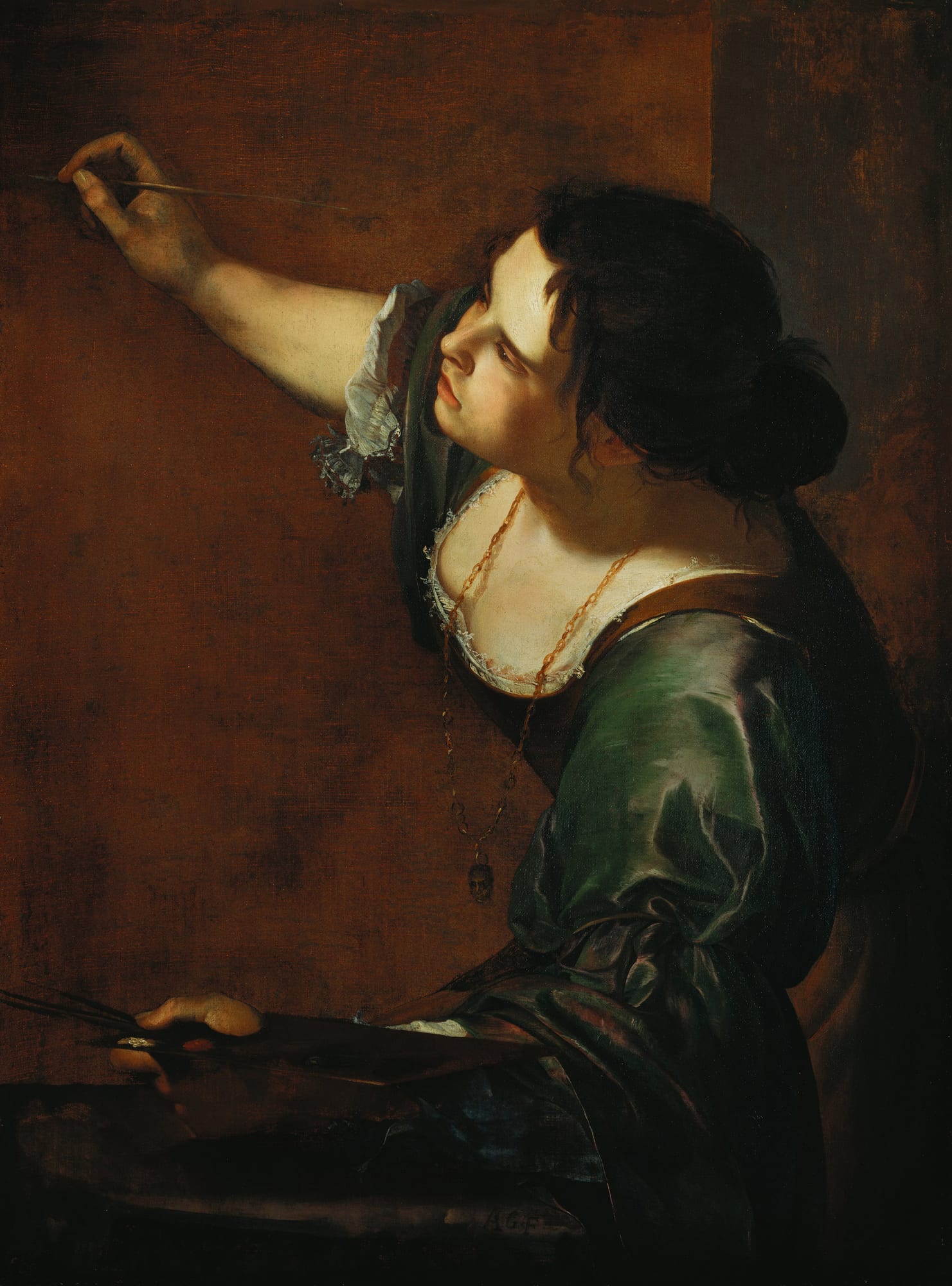
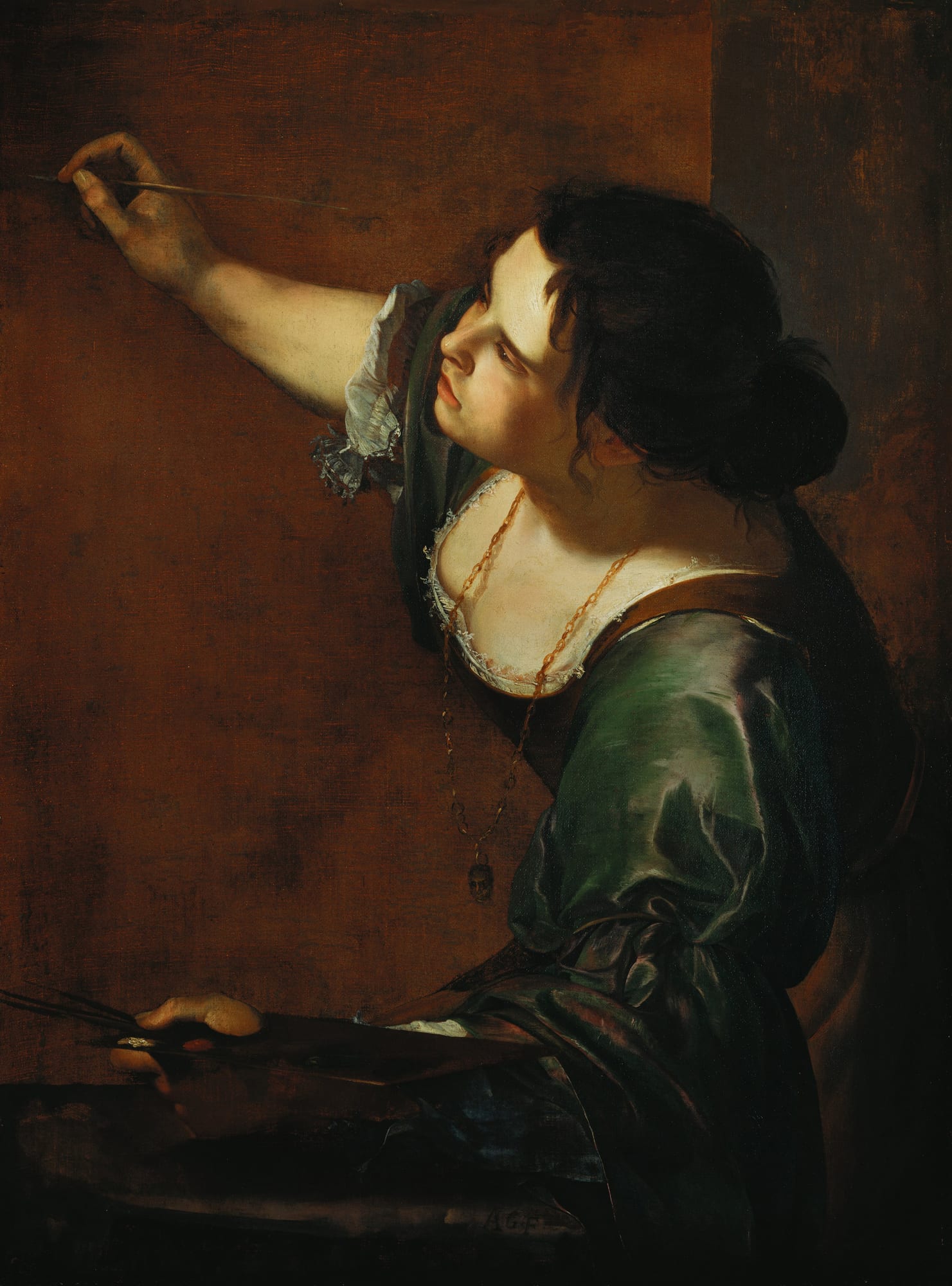
Artemisia je izgradila uspešnu međunarodnu karijeru, radeći u Firenci, Rimu, Veneciji i Napulju, i primala je narudžbine od Čarlsa I Engleskog. Njen Self-Portrait as the Allegory of Painting — u kojem se smelo prikazala kao otelotvorenje same umetnosti — predstavlja prekretnicu u istoriji ženskog umetničkog samopretstavljanja. Ponovo otkrivena od strane feminističkih istoričarki umetnosti 1970-ih, danas je priznata kao jedna od velikih slikarki svog doba.