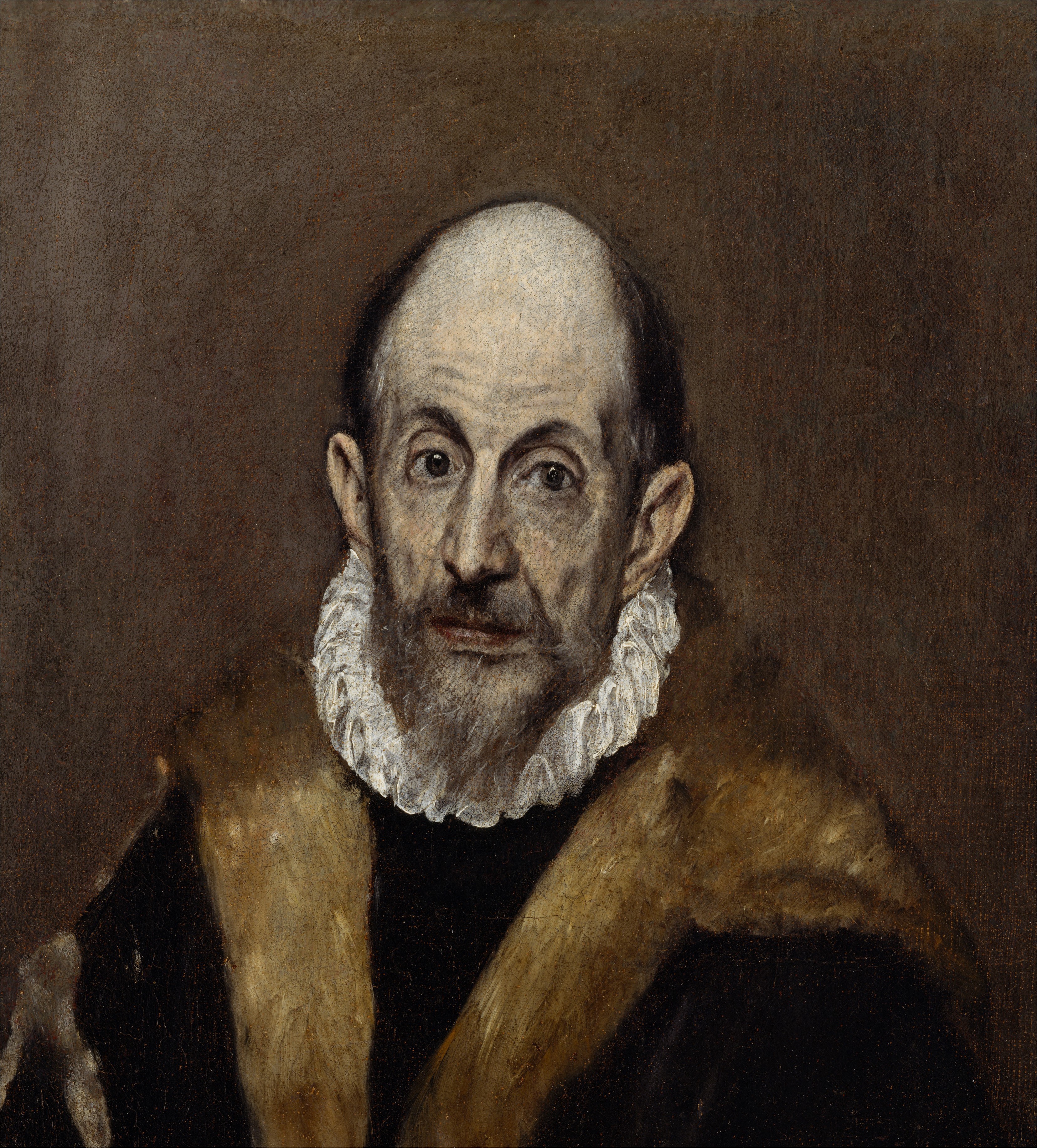
Doménikos Theotokópoulos, poznat kao El Greko („Grk”), rođen je u Kandiji (danas Iraklion) na ostrvu Krit 1541. godine i školovao se kao slikar ikona u vizantijskoj tradiciji pre nego što se preselio u Veneciju oko 1567. godine, gde je usvojio lekcije Ticijana, Tintoreta i Basana. Kasniji boravak u Rimu izložio ga je Mikelanđelovom figuralnom veličanstvu. Godine 1577. trajno se nastanio u Toledu, u Španiji, gde je proveo preostalih trideset sedam godina svog života stvarajući neke od najprepoznatljivijih i najdublje duhovnih slika u zapadnoj umetnosti.
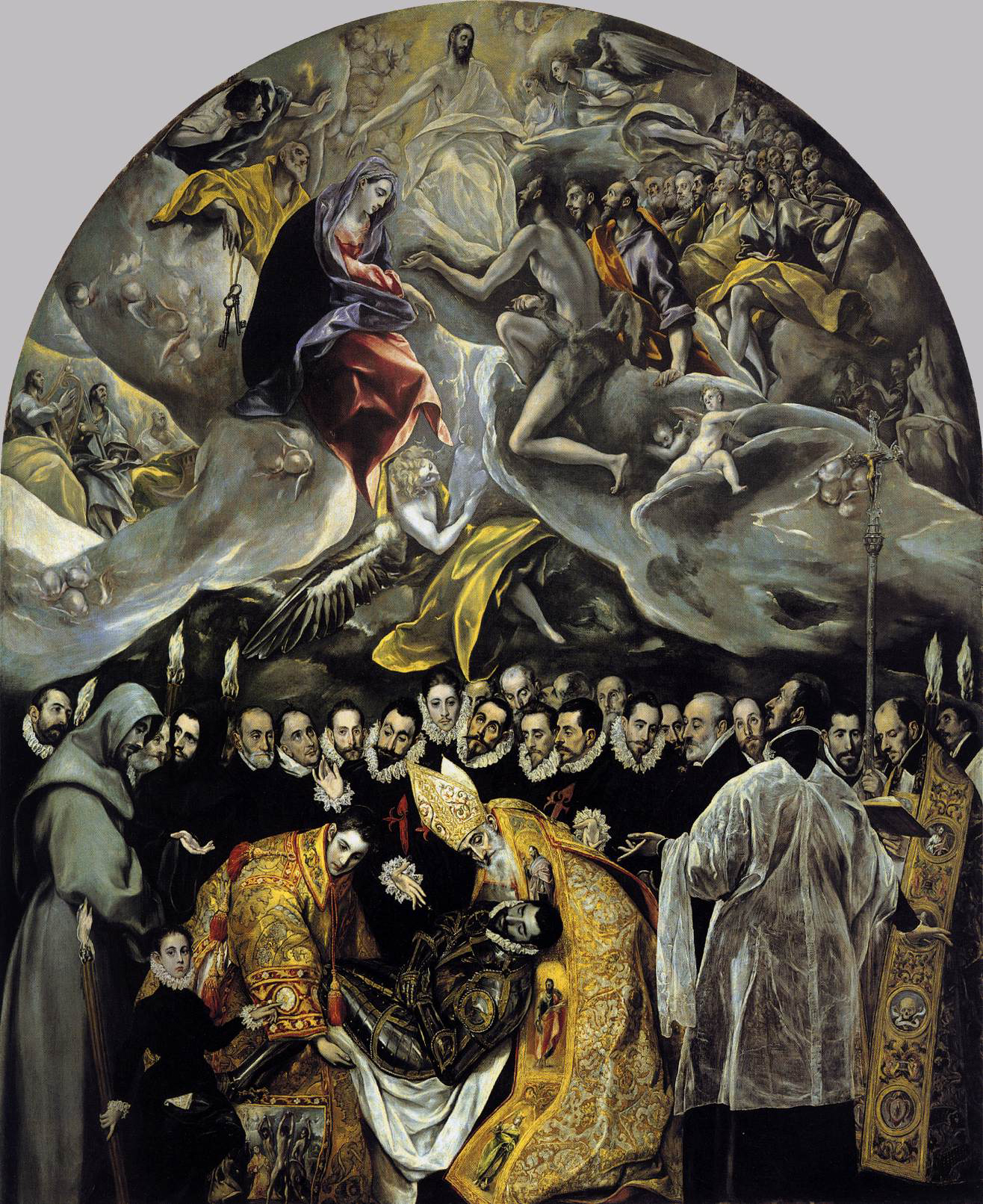
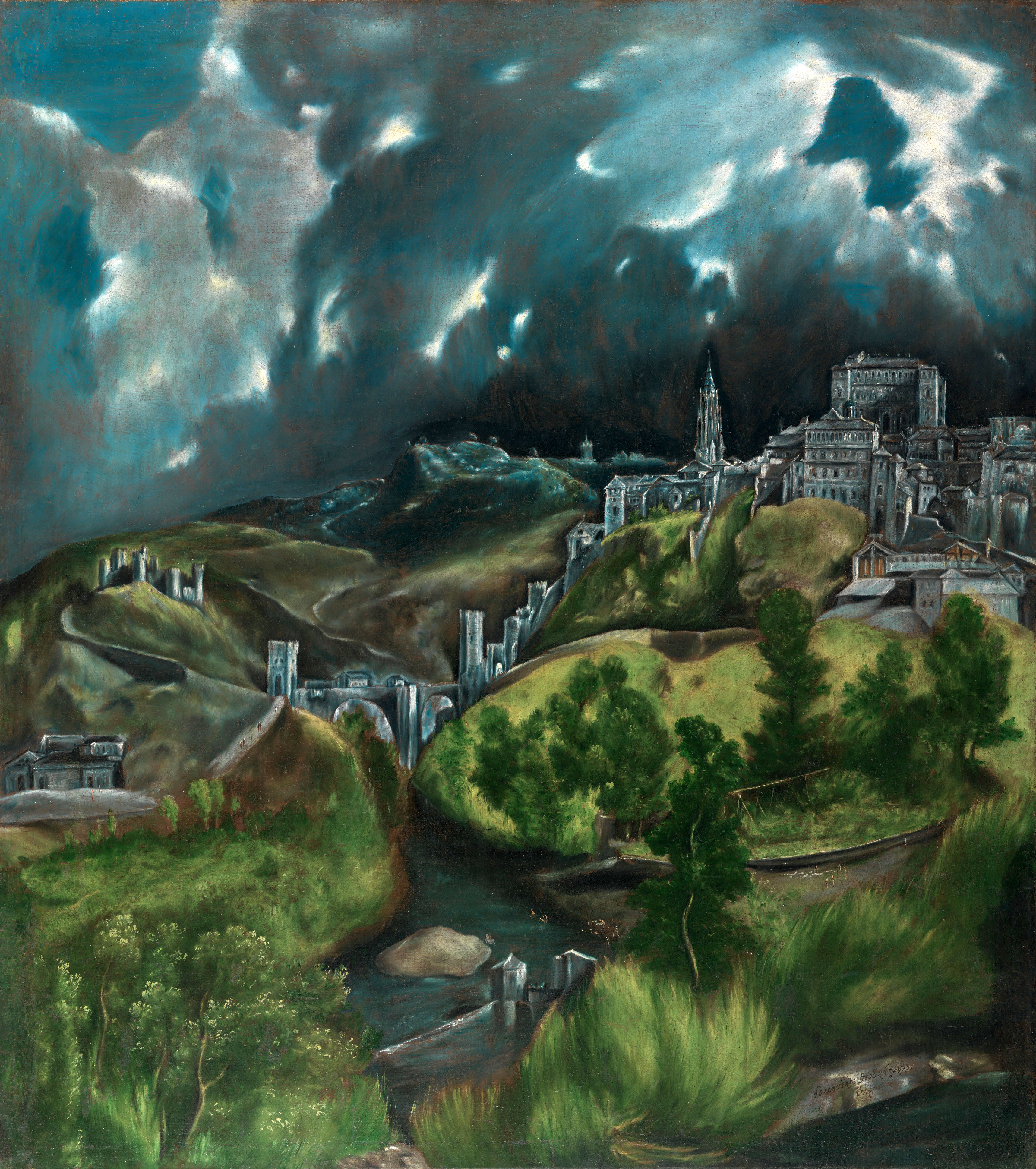
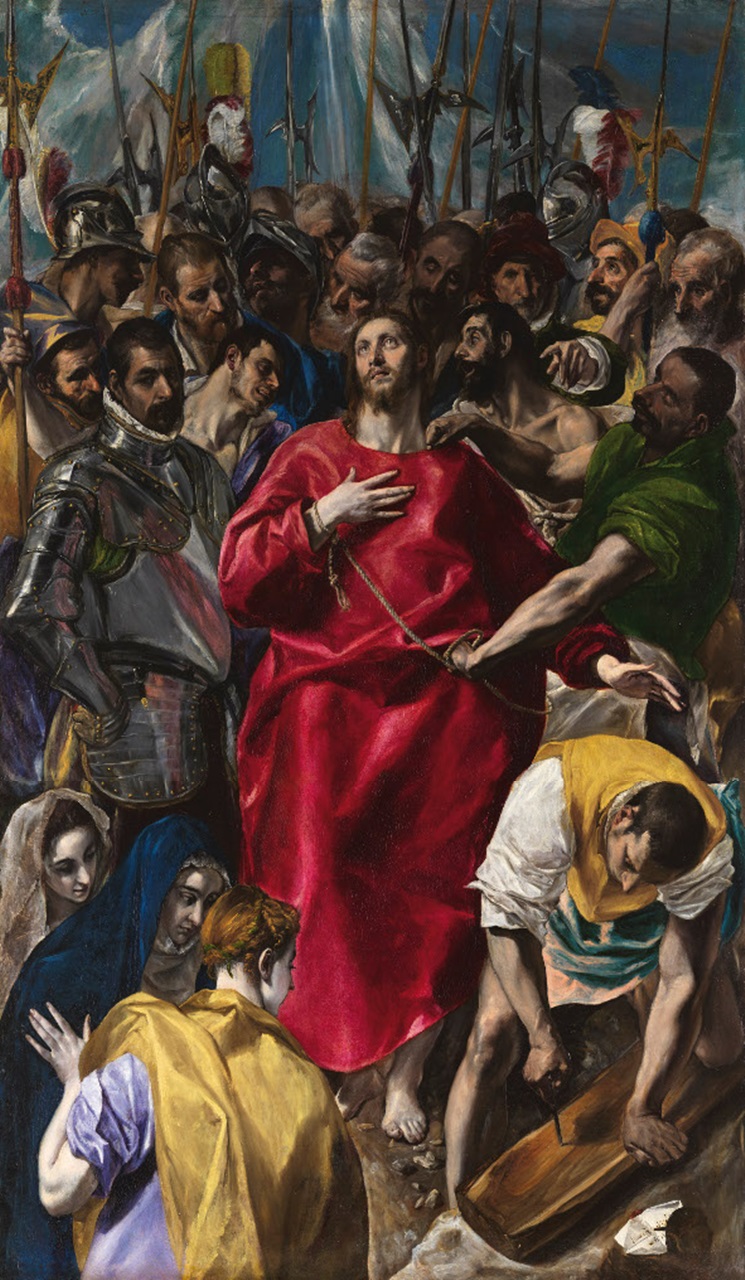
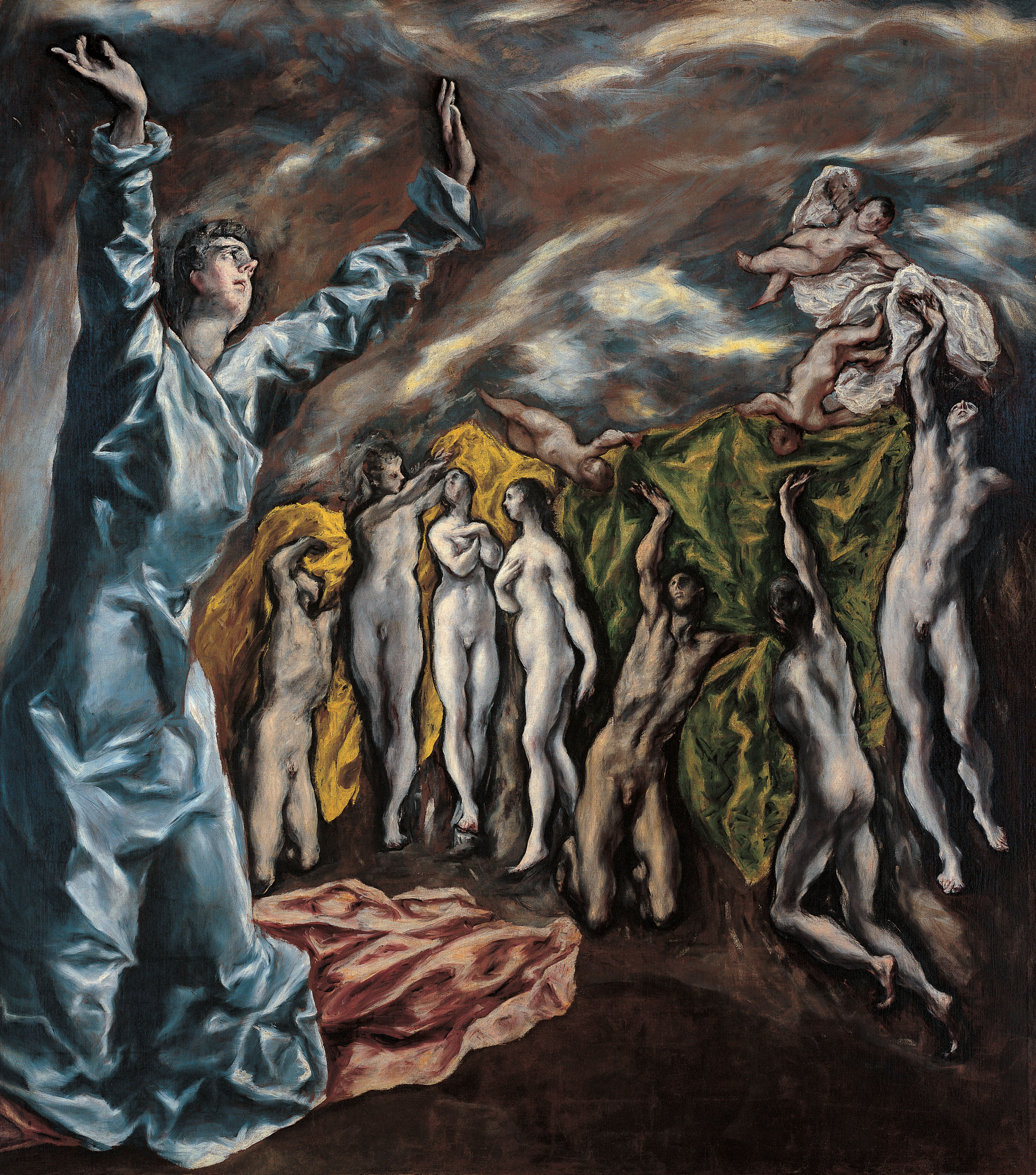
El Grekov zreli stil je nepogrešiv: izdužene figure nalik plamenu uvijaju se i uzdižu u plitkim, komprimovanim prostorima osvetljenim hladnom, fosforrescentnom svetlošću. Njegove boje — kiselo zelena, električno plava, pepeljasto siva — nemaju pandana u renesansnom slikarstvu. The Burial of the Count of Orgaz (1586), njegovo remek-delo, deli kompoziciju na zemaljsku zonu plemića u crnom i nebesku zonu kovitlajućih svetaca i anđela, ujedinjenih uzlazećom dušom mrtvog grofa. View of Toledo (oko 1600) jedan je od prvih čistih pejzaža u španskoj umetnosti, čije olujno nebo i živo zelena brda zrače apokaliptičnom energijom.
Uglavnom zaboravljen nakon smrti, El Greko je ponovo otkriven u devetnaestom veku od strane romantičara i prihvaćen od strane ekspresionista i kubista ranog dvadesetog veka, koji su u njegovim distorzijama prepoznali srodnu dušu. Danas je priznat kao jedan od najoriginalnijih i najmoćnijih slikara celokupne zapadne tradicije.