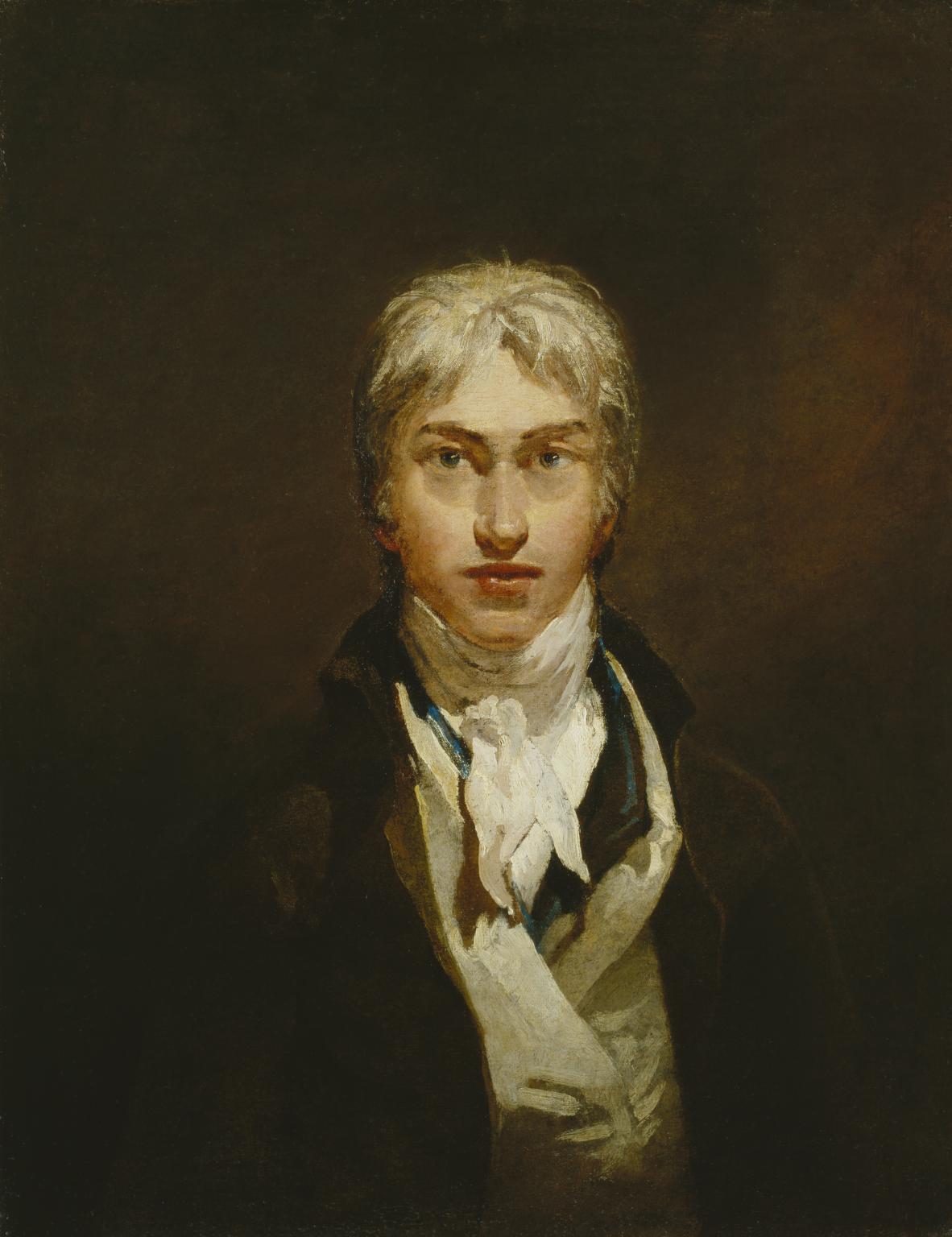
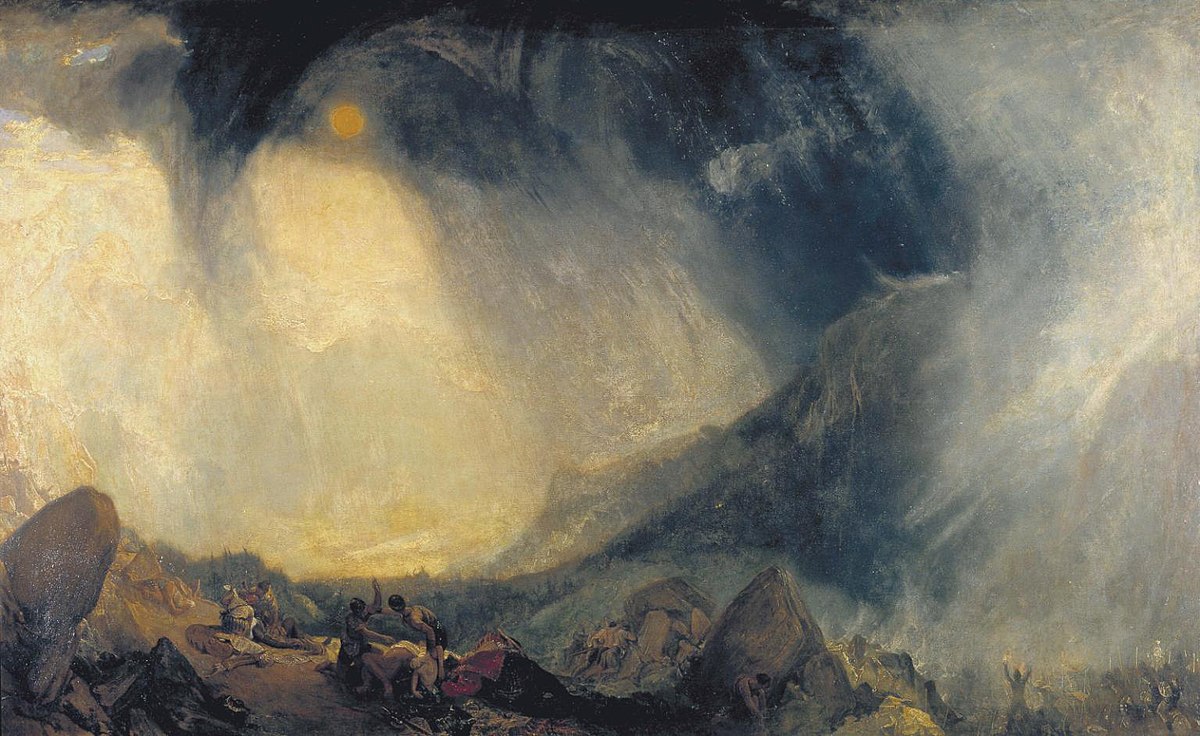
Džozef Malord Vilijam Tarner rođen je u Londonu 1775. godine, kao sin berbera, i postao je najveći pejzažista kojeg je Britanija ikada dala — i verovatno najradikalniji slikar u Evropi pre impresionista. Kao čudo od deteta koje je ušlo u škole Kraljevske akademije sa četrnaest godina, počeo je kao topografski akvarelista, ali se brzo razvio u slikara izvanredne ambicije, transformišući pejzaž iz sporednog žanra u sredstvo za najdublje meditacije o prirodi, vremenu i ljudskom postojanju.
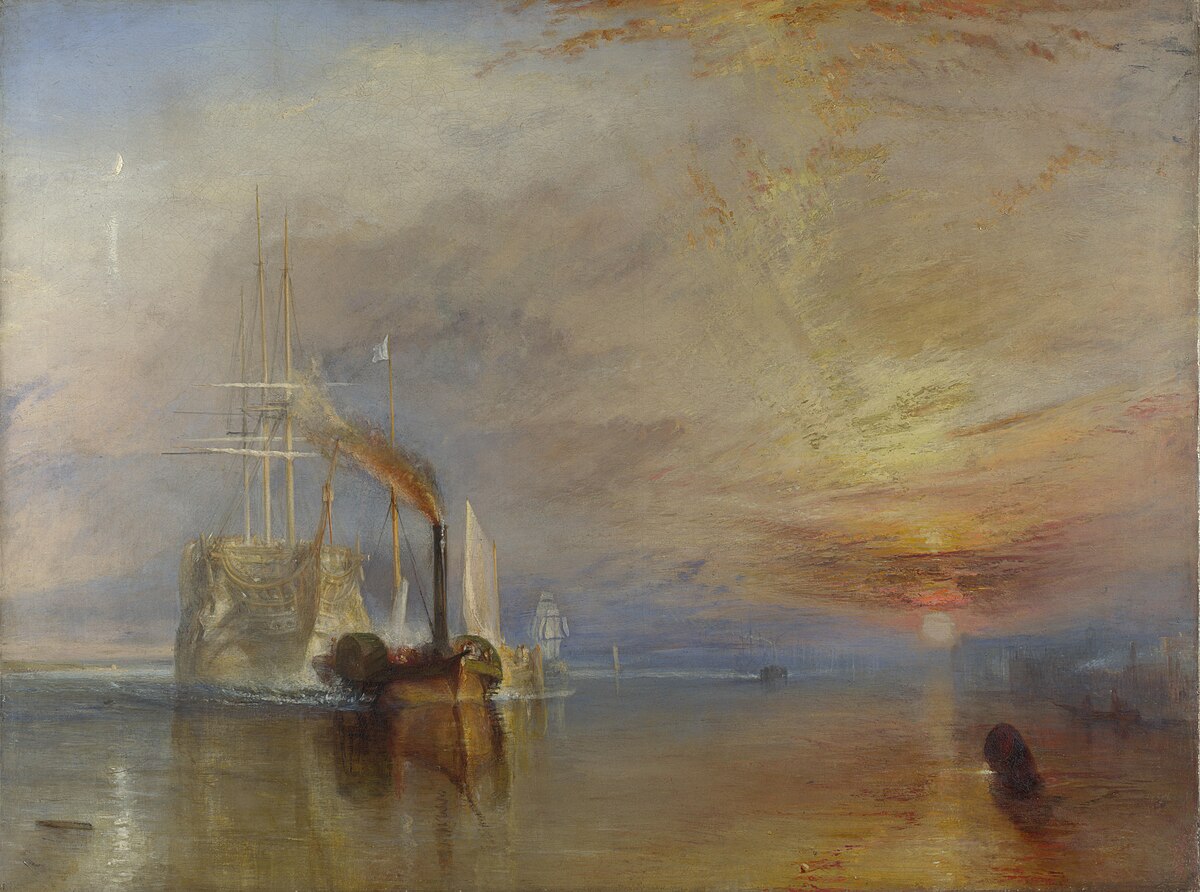
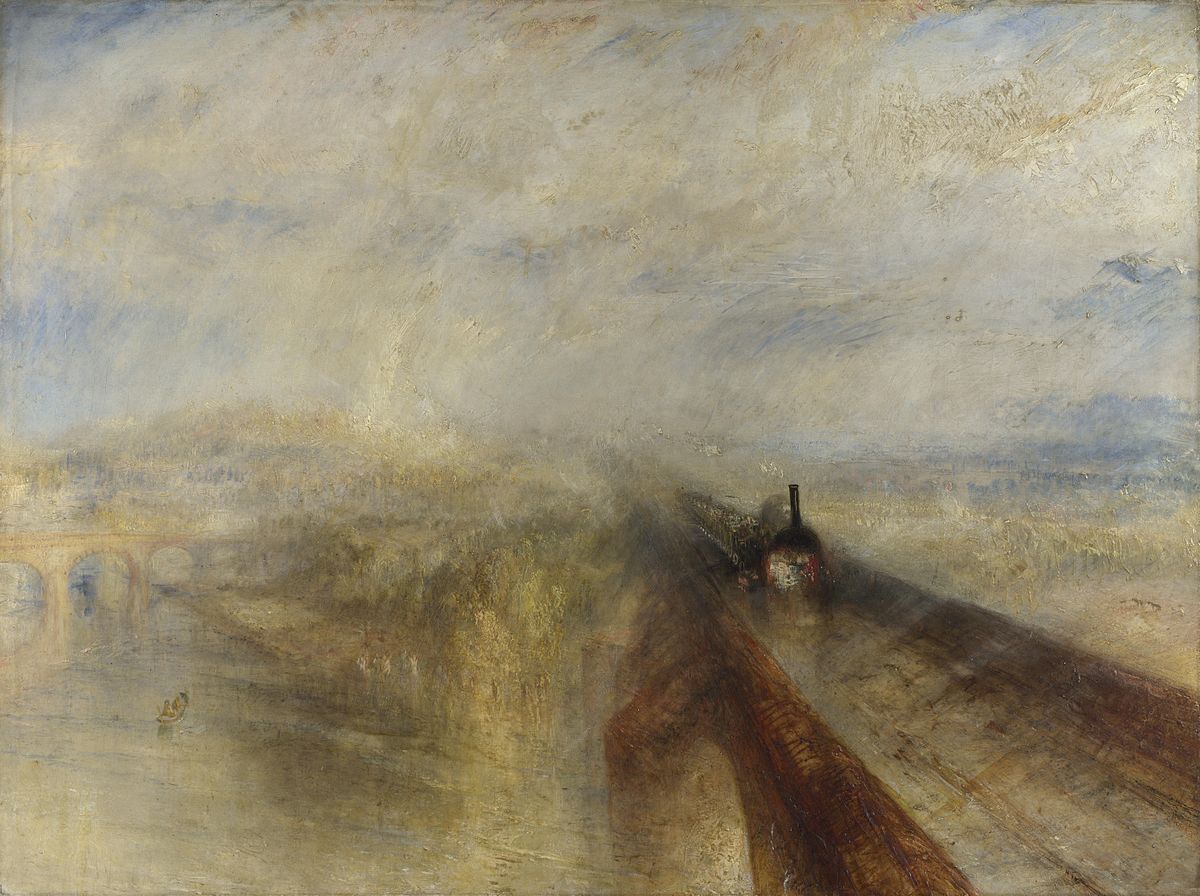
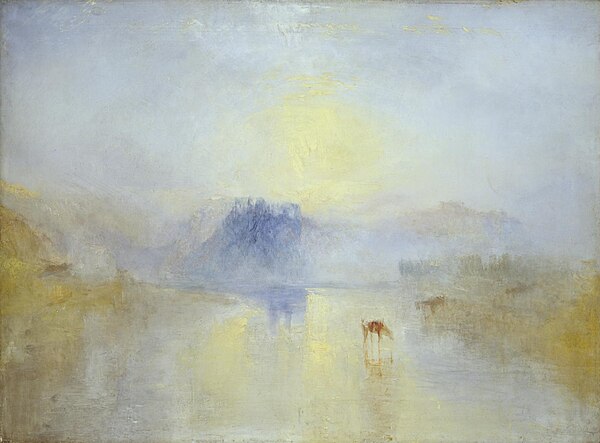
Tarnerove rane slike — dramatični morski pejzaži, alpske oluje, klasične lučke scene — već su pokazivale njegovu opsednutost atmosferskim efektima, ali od 1830-ih nadalje njegova umetnost je doživela revoluciju. Forme su se rastapale u velove boje i svetlosti; horizont je nestajao; platno je postajalo polje luminoznog pigmenta u kojem su se vatra, voda i vazduh nerazlučivo stapali. Rain, Steam, and Speed (1844) svodi železnički voz koji prelazi most na zamućenje zlatne svetlosti i tamne sile, dok je Norham Castle, Sunrise (oko 1845) praktično apstraktna slika, sa zamkom jedva naznačenim u pranjima plave i zlatne boje.
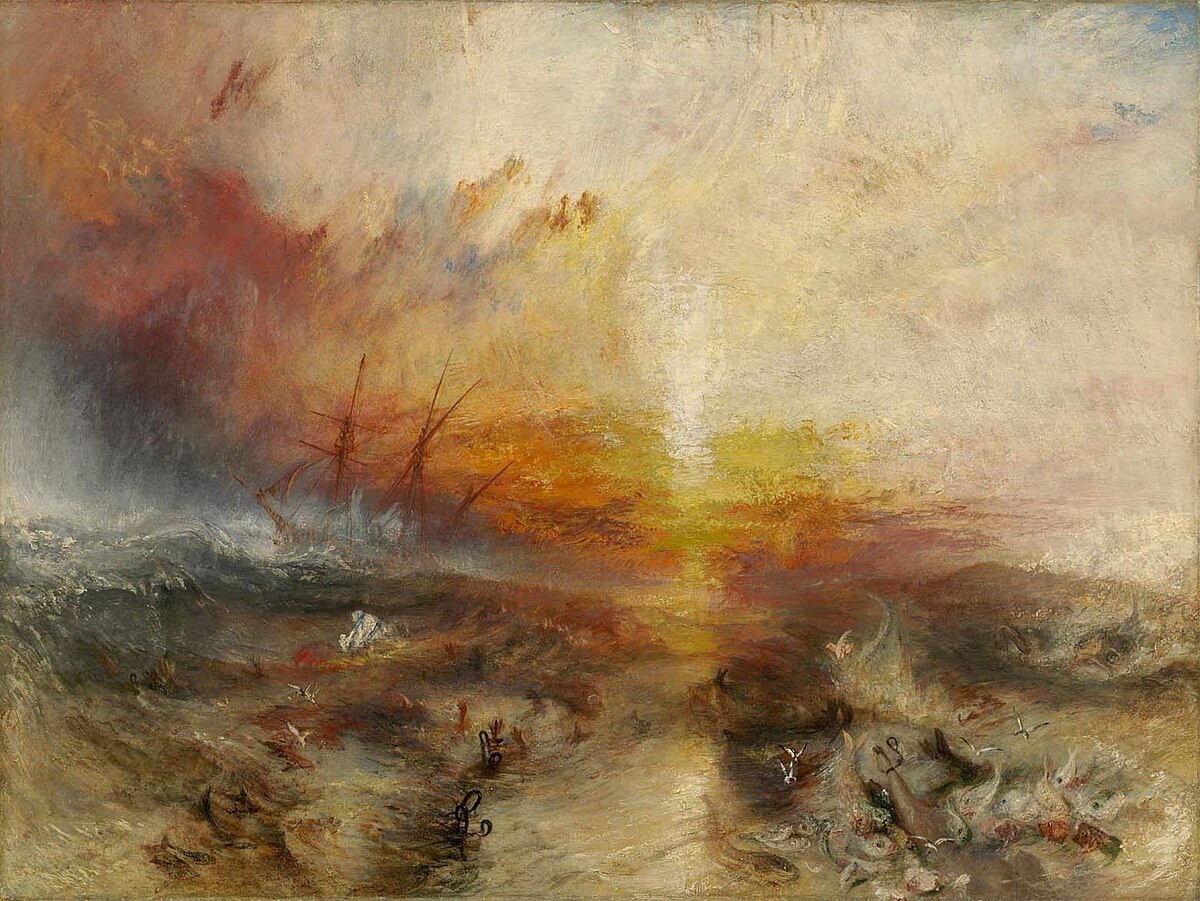
The Slave Ship (1840), sa svojim utapajućim figurama i apokaliptičnim zalaskom sunca, Raskin je nazvao „najplemenitijim morem koje je ikada naslikano.” Tarner je britanskoj naciji zaveštao blizu 300 uljanih slika i 30.000 akvarela i crteža, opus koji i dalje zadivljuje svojim rasponom, ambicijom i čistom vizuelnom smelošću. I Mone i Pisaro su priznavali svoj dug prema njemu, a Tarnerova nagrada, najprestižnija britanska nagrada za savremenu umetnost, nosi njegovo ime.