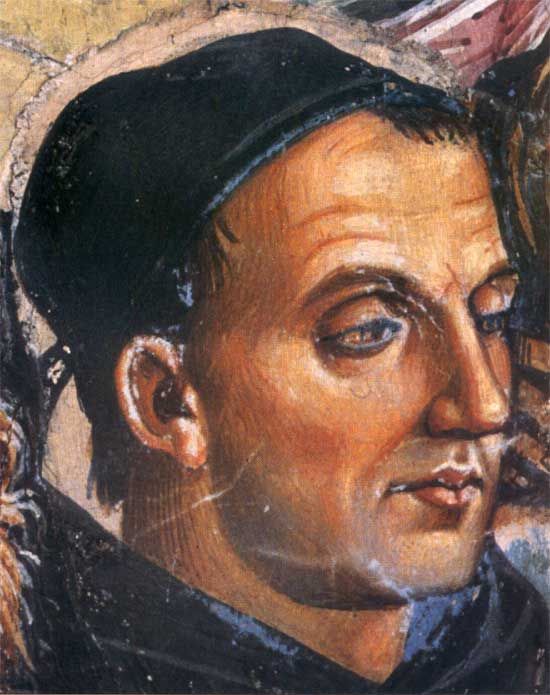
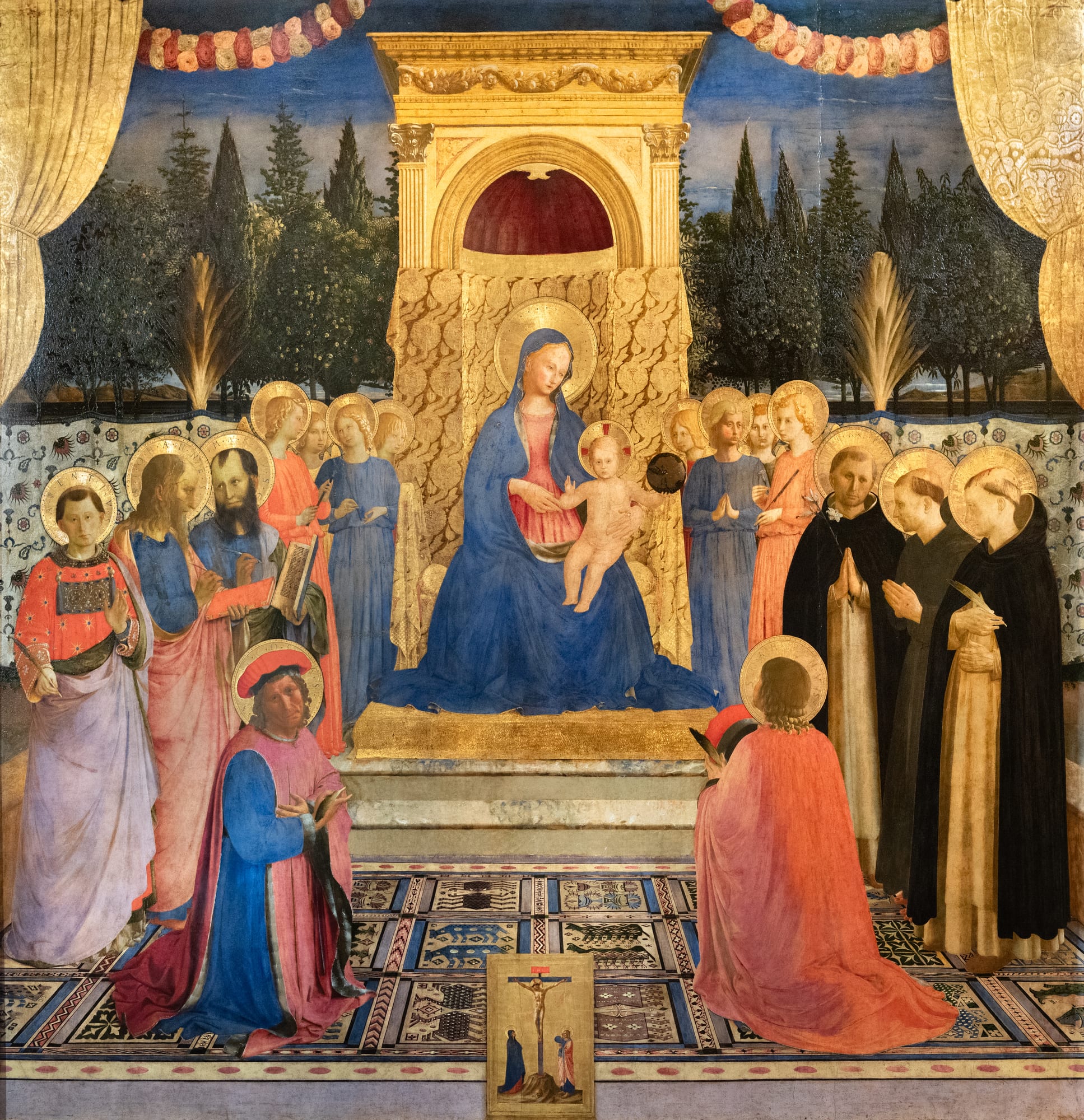
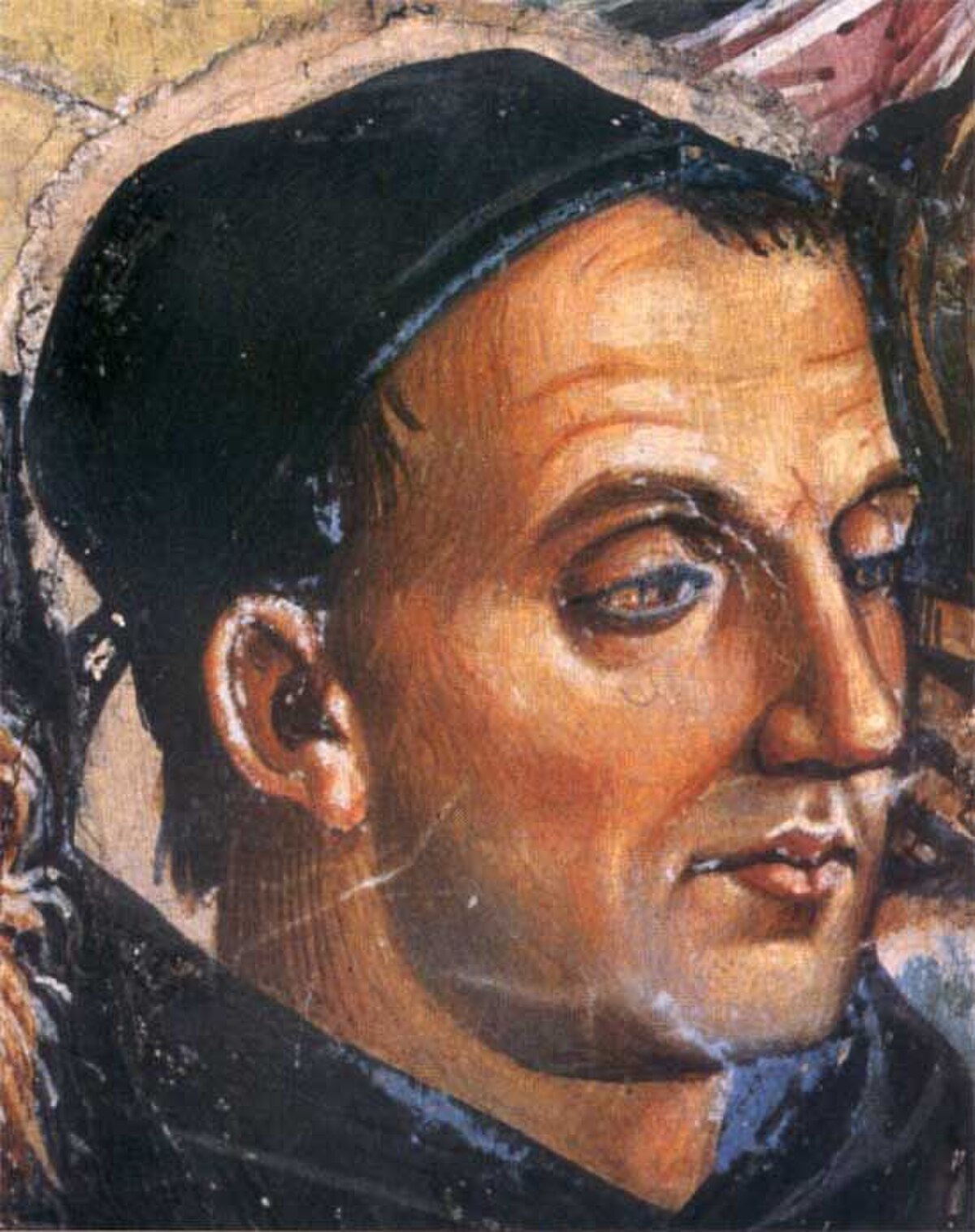
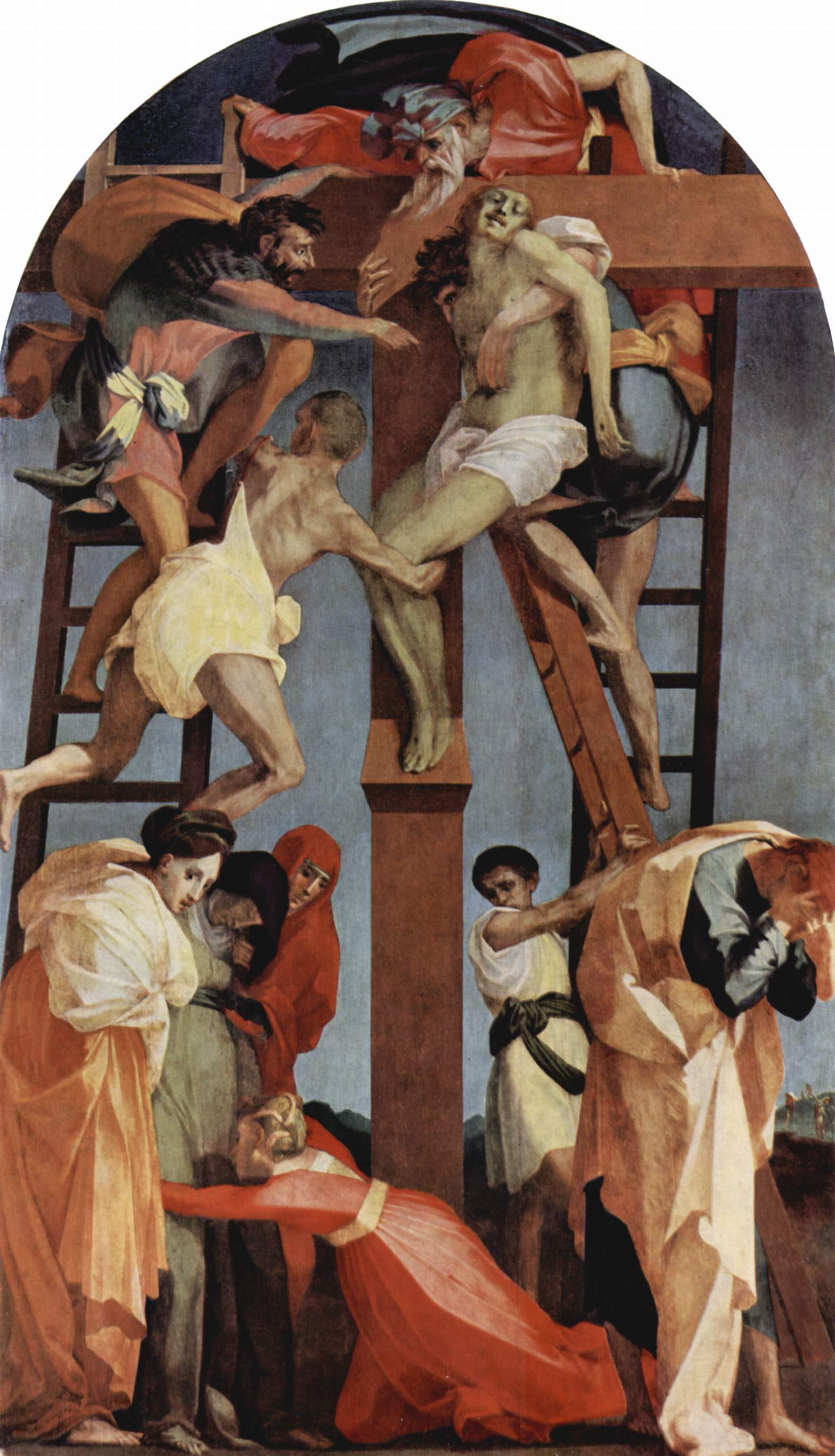
Fra Anđeliko, rođen kao Gvido di Pjetro oko 1395. godine u dolini Muđelo blizu Firence, bio je dominikanski fratar i slikar čija je umetnost jedinstveno spojila srednjovekovni pobožni intenzitet sa renesansnom prostornom i kolorističkom inovacijom. Ušavši u dominikanski red kao mladić, proveo je veći deo karijere slikajući za manastire i crkve, pristupajući svakoj porudžbini kao činu molitve. Vazari je pisao da nikada nije uzeo četkicu bez prethodne molitve i nikada nije slikao raspeće bez suza.
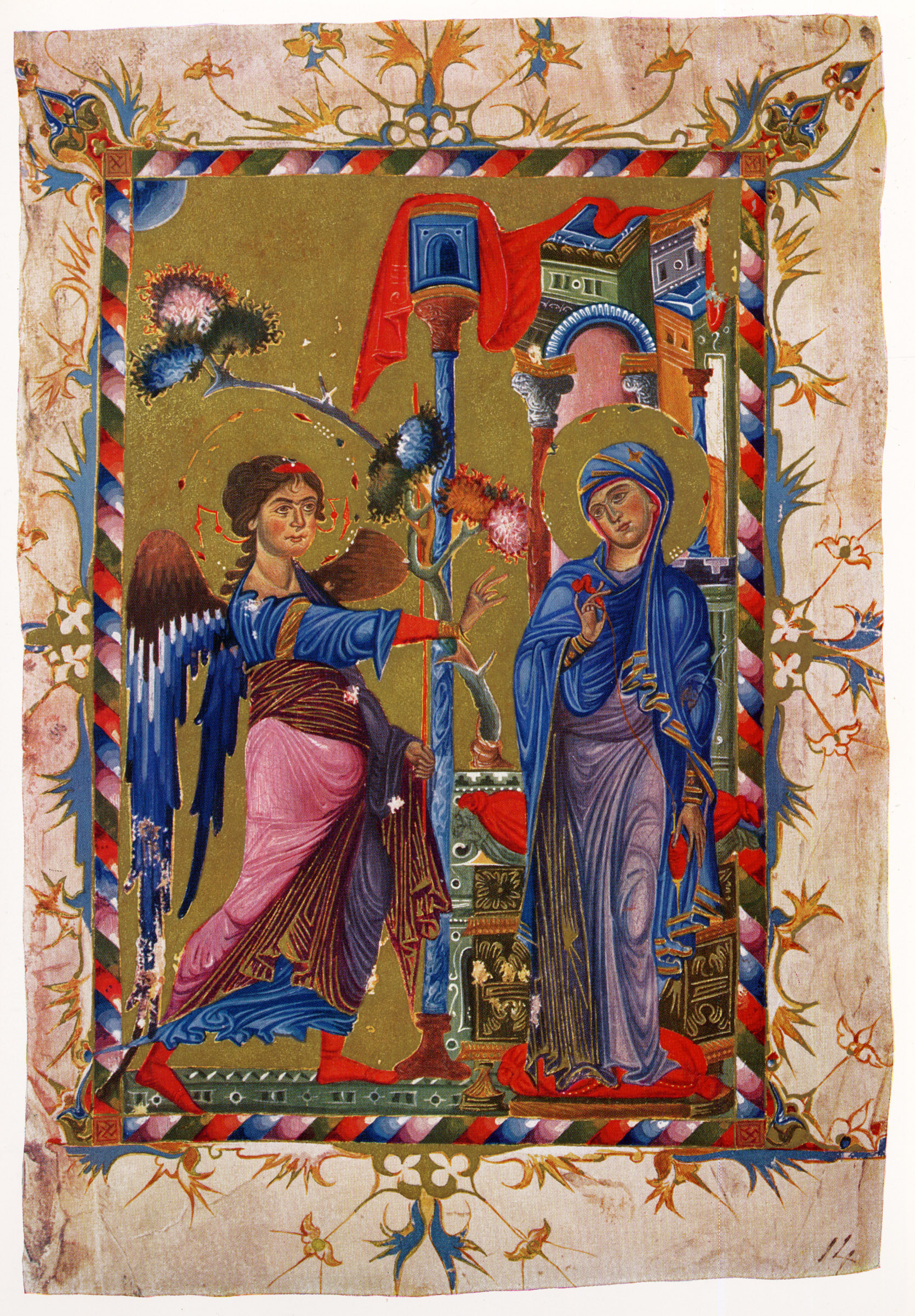
Njegovo najveće dostignuće je ciklus fresaka koje je naslikao između 1438. i 1445. za manastir San Marko u Firenci, po narudžbini Kozima de Medičija. Svaka monašska ćelija dobila je jednu meditativnu sliku — Blagovesti, Raspeće, Preobraženje — naslikanu sa izvanrednom ekonomijom sredstava i paletom bledo svetlećih boja koje kao da sjaje sa golih malterskih zidova. Čuveno The Annunciation na vrhu stepeništa, sa gracioznom arkadom i nežnim anđelom, među najsmirenijim je i najsavršenije komponovanim slikama u zapadnoj umetnosti.
Fra Anđeliko je beatifikovan od strane pape Jovana Pavla II 1982. godine i proglašen zaštitnikom umetnika. Njegovo delo pokazuje da renesansna revolucija u perspektivi, anatomiji i svetlosti nije bila nespojiva sa dubokom duhovnom posvećenošću — naprotiv, u njegovim rukama novi naturalizam je postao moćnije sredstvo pobožnosti nego što su stare vizantijske formule ikada bile.