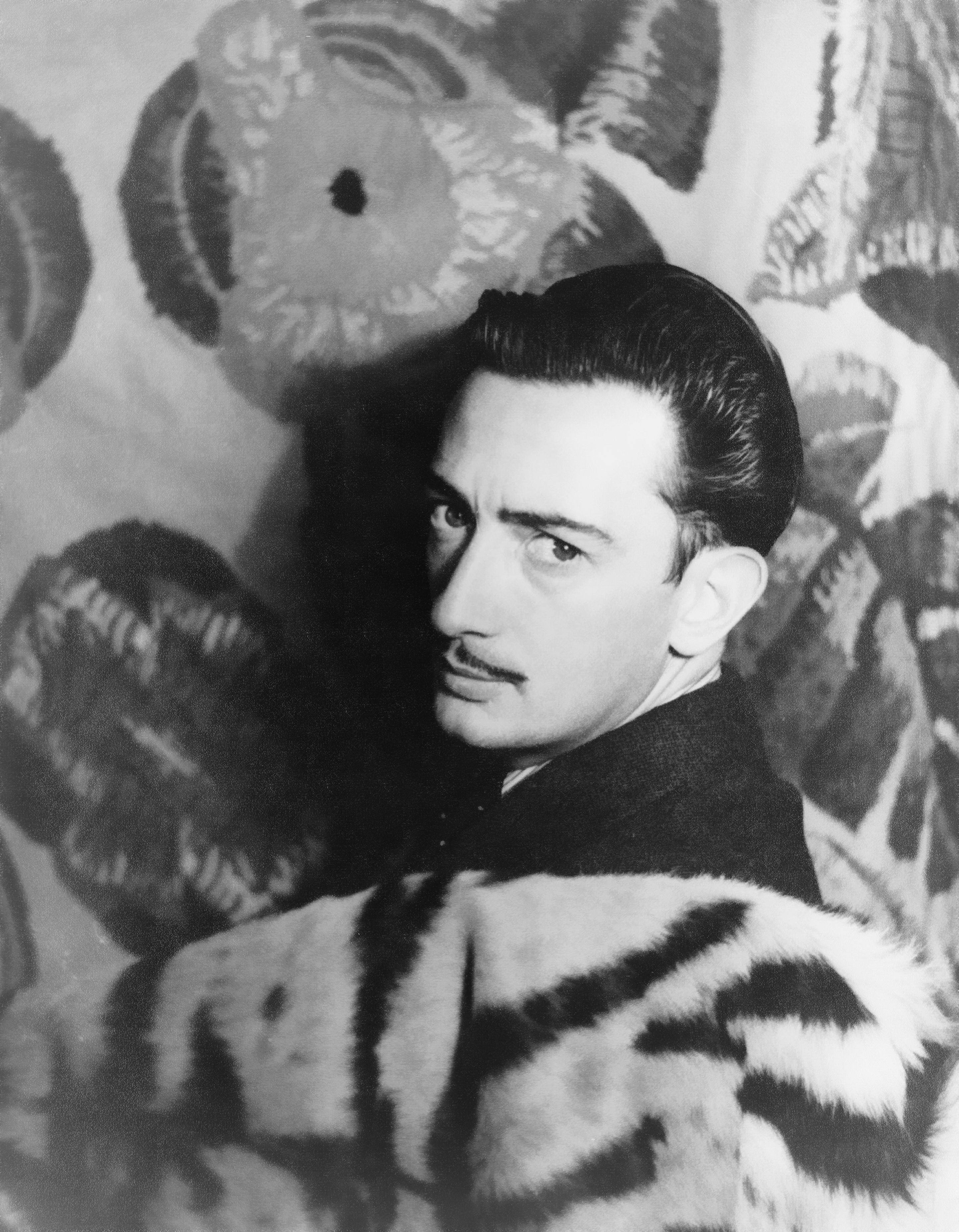
Salvador Felipe Jacinto Dalí i Domènech je rođen 11. maja 1904. u Figeresu, Katalonija, gradu u senci Pirineja koji će ostati njegov duhovni dom čitavog života. Od detinjstva je ispoljavao i izuzetan umetnički talenat i nezasit apetit za pažnjom — kombinaciju koju je njegov popustljivi otac, uspešan notar, u početku podsticao. Dalí je studirao na Kraljevskoj akademiji lepih umetnosti San Fernando u Madridu, gde se sprijateljio sa pesnikom Federicom Garcíom Lorcom i filmskim režiserom Luisom Buñuelom, ali je izbačen 1926. jer je izjavio da nijedan profesor nije dovoljno kompetentan da ga ispituje. Njegov rani rad je nemirno kružio kroz impresionizam, pointilizam, kubizam i metafizičko slikarstvo, pre nego što se susreo sa spisima Sigmunda Frojda i nadrealističkim pokretom u Parizu. Godine 1929. sarađivao je sa Buñuelom na kratkom filmu „Un Chien Andalou”, čije su šokantne slike — uključujući zloglasno sečenje oka — najavile Dalíjev dolazak kao najprovokatvnijeg novog glasa nadrealizma.
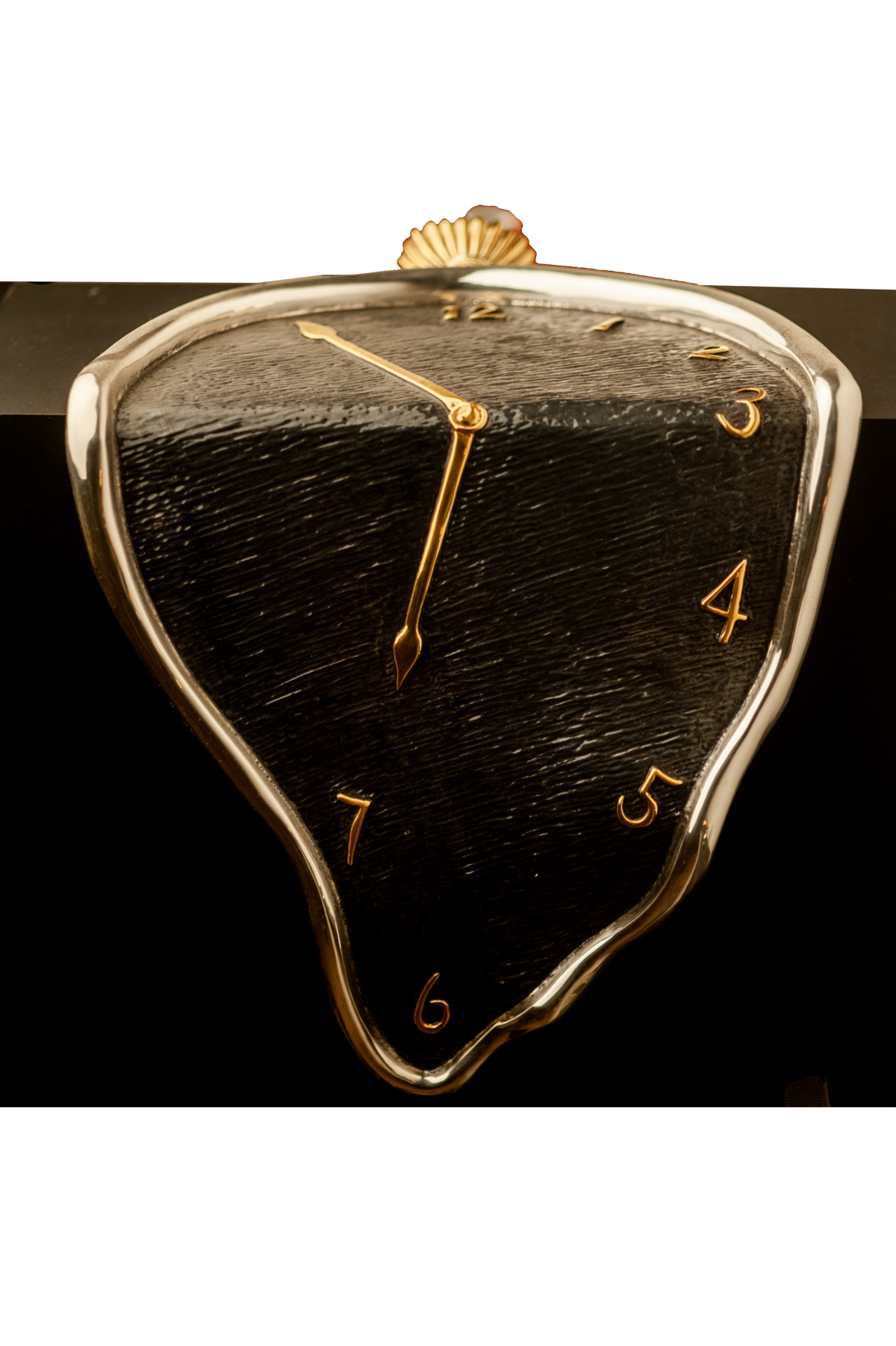
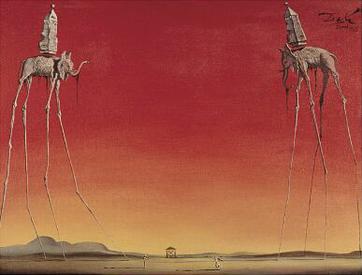
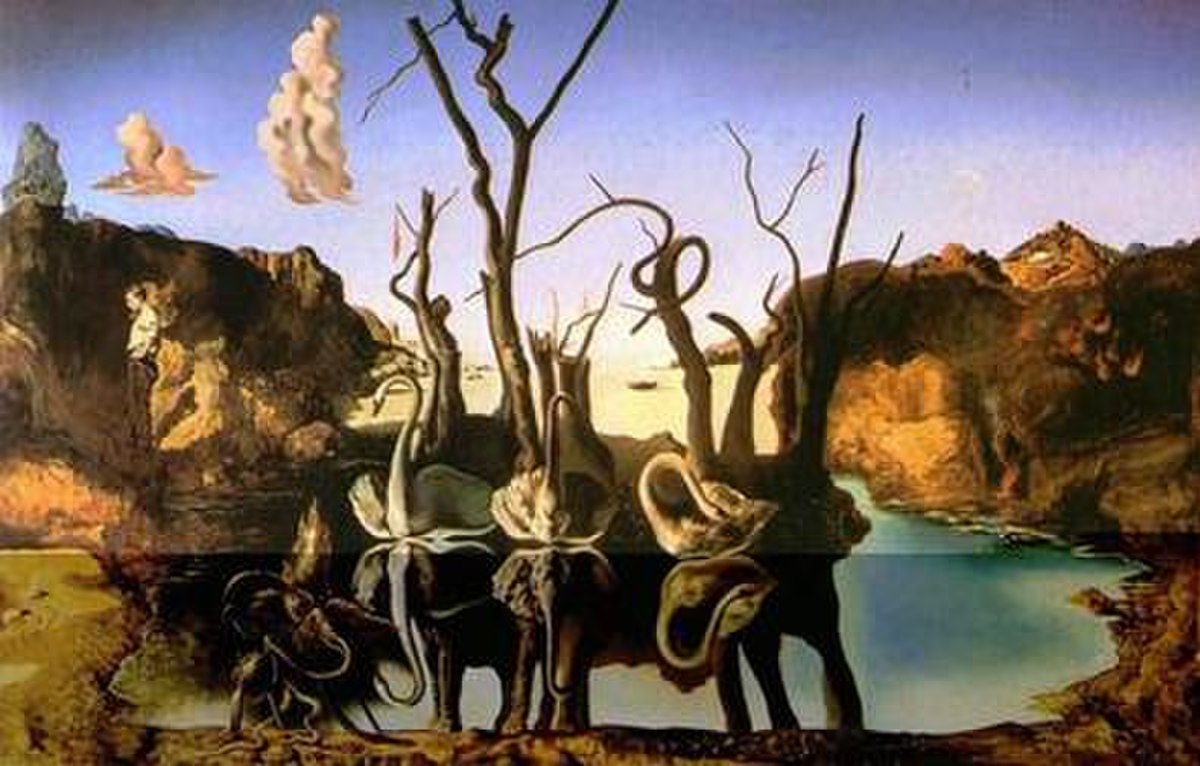
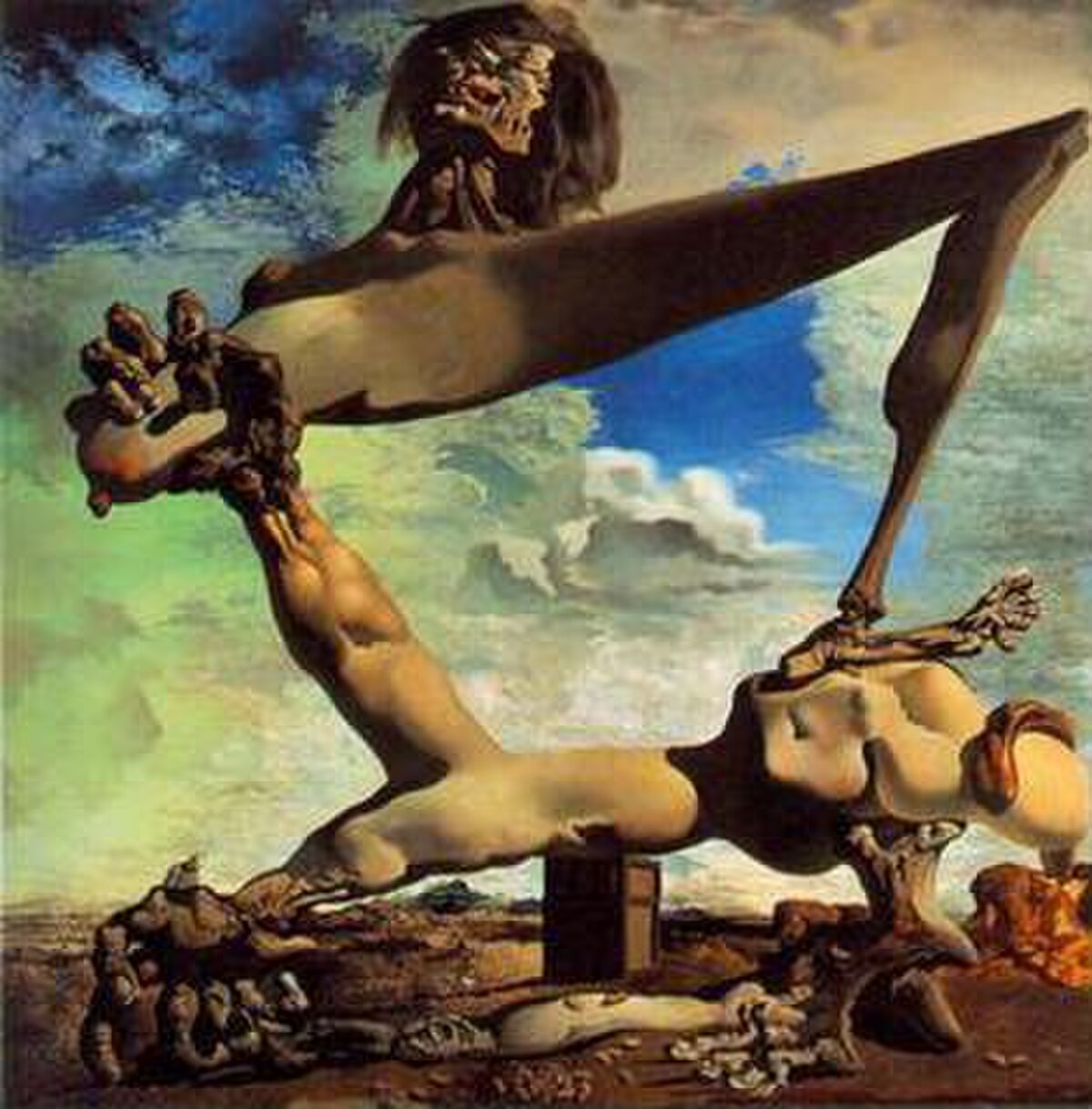
Dalíjeva centralna umetnička inovacija bio je ono što je nazvao „paranoično-kritički metod”, samoizazvano stanje iracionalnih asocijacija kroz koje je tvrdio da pristupa slikama nesvesnog uma bez predavanja svesne kontrole. Ova tehnika je proizvodila slike halucinatorne preciznosti: „The Persistence of Memory” (1931), sa topećim satovima prebačenim preko pustog katalonskog pejzaža, postala je definišuća ikona nadrealizma i ostaje jedna od najprepoznatljivijih slika dvadesetog veka. Tokom 1930-ih proizveo je bujicu remek-dela — „Soft Construction with Boiled Beans (Premonition of Civil War)” (1936), „Swans Reflecting Elephants” (1937), „The Elephants” (1948) — naslikanih pedantnom, gotovo fotografskom tehnikom koja je nemoguće činila uznemiravajuće stvarnim. Ipak, njegov odnos sa André Bretonom i nadrealističkom grupom postajao je sve napetiji zbog Dalíjeve političke ambivalentnosti (odbijao je da osudi Franka), fascinacije Hitlerovim likom i neskrivenog komercijalizma. Do 1939. Breton ga je formalno isključio iz grupe, skovavši podrugljiv anagram „Avida Dollars”.
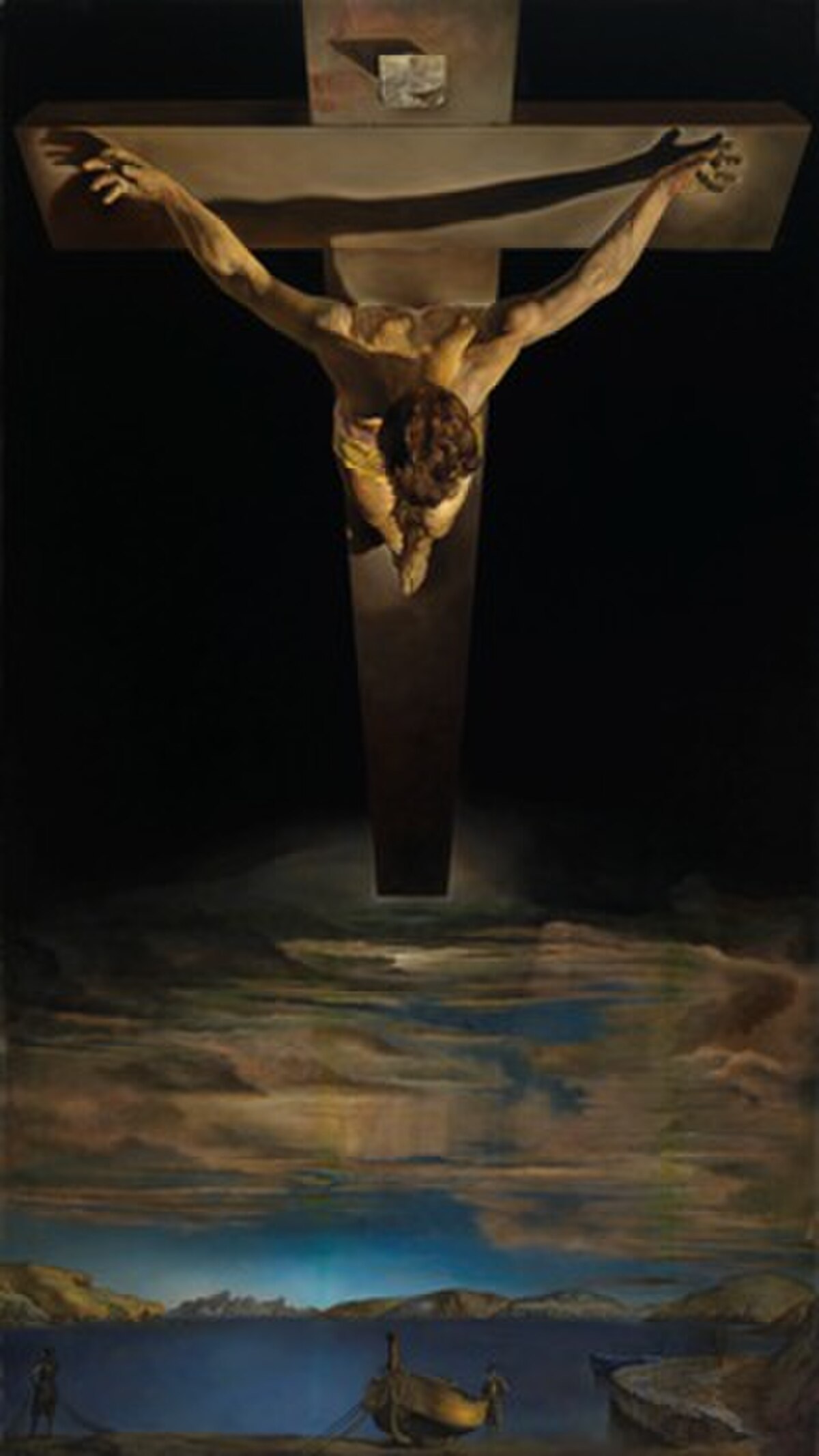
Dalí je ratne godine proveo u Sjedinjenim Državama, gde je sa entuzijazmom prihvatio komercijalnu kulturu — dizajnirajući reklame, naslovnice časopisa, nakit, pa čak i sekvencu sna za Hitchcockov „Spellbound” (1945). Vrativši se u Španiju 1948, ušao je u ono što je nazvao periodom „nuklearnog misticizma”, spajajući katoličke slike sa naukom atomskog doba u monumentalnim delima poput „Christ of Saint John of the Cross” (1951) i „Corpus Hypercubus” (1954). Njegov privatni život bio je neodvojiv od umetnosti: supruga Gala, rođena Elena Ivanovna Diakonova, služila je kao njegova muza, poslovni menadžer i psihološko uporište više od pedeset godina. Dalíjeva ekstravagatna javna persona — navošteni brkovi, ljubimac ocelot, skandalozne konferencije za štampu — učinili su ga možda prvim umetnikom koji je postao globalni brend slavnih ličnosti, strategija koja je oduševljavala publiku ali navela mnoge kritičare da odbace njegov kasniji rad kao autoparodiju. Godine 1974. otvorio je Dalí Teatar-Muzej u Figeresu, razigranu arhitektonsku fantaziju izgrađenu u ruševinama starog gradskog pozorišta, koji je dizajnirao kao totalno nadrealno okruženje i gde će na kraju biti sahranjen. Nakon Galine smrti 1982, Dalíjevo zdravlje i raspoloženje naglo su se pogoršali; umro je 23. januara 1989, ostavivši za sobom katalog od preko 1.500 slika i neizbrisiv trag na vizuelnoj mašti modernog sveta.