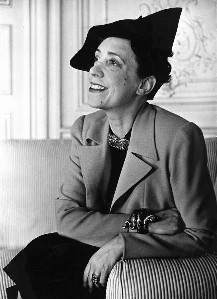
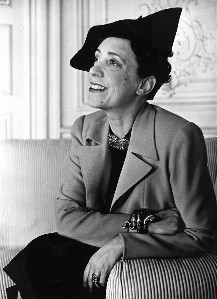
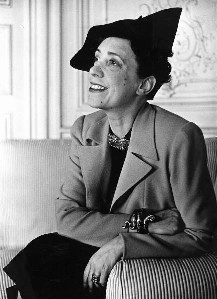
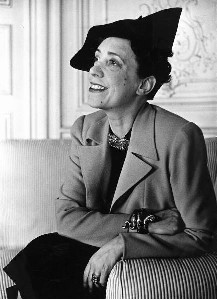
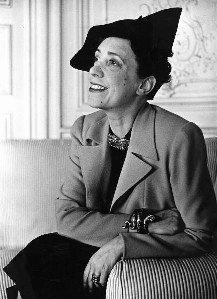
Elsa Skjapareli je bila nadrealista mode — dizajnerka koja je najdublje razumela da odevni predmet može istovremeno biti upotrebljiv objekat i delo konceptualne umetnosti. Rođena u rimskoj aristokratskoj porodici 1890. godine, stigla je u Pariz početkom 1920-ih nakon kratkog, nesrećnog braka i brzo se etablirala kao intelektualno najsmelija praktičarka mode.
Trompe-l’oeil džemper
Njen proboj došao je 1927. godine sa crnim pletenim džemperom koji je na dekolteu imao trompe-l’oeil belu mašnu — ravnu, ispletenu iluziju trodimenzionalnog objekta. Bio je to nadrealistički gest pre nego što se formalno povezala sa nadrealističkim pokretom: odevni predmet je varao oko, pretvarajući telo nositeljke u platno za vizuelne trikove. Američki kupci su naručili hiljade kopija i Skjaparelina karijera je lansirana.
Nadrealističke saradnje
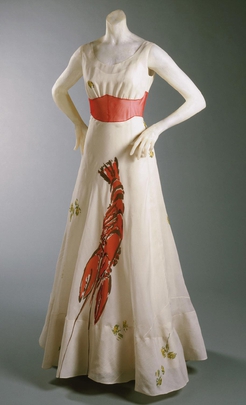
Njeno prijateljstvo sa nadrealističkim umetnicima — Salvadorom Dalijem, Žanom Koktoom, Marselom Dišanom, Man Rejem, Albertom Đakometijem — nije bilo dekorativno već istinski saradničko. Kada su Dali i Skjapareli zajedno dizajnirali Lobster haljinu 1937. godine — jednostavnu belu večernju haljinu od svilene organze sa velikom naslikanom jastogom na suknji — to nije bila šala već meditacija o želji, erotskom i jezivom. Jastog je za Dalija bio nabijen seksualnom simbolikom; za Skjapareli, bio je vežba u moći premeštanja. Volis Simpson, vojvotkinja od Vindzora, nosila ju je za portret za Vogue od Sesila Bitona, objavljujući svetu da je nadrealizam sada u modi.
Shoe šešir — u obliku izvrnute cipele sa visokom potpeticom, postavljen pod uglom na glavu — igrao se sa nadrealističkim premeštanjem objekata iz njihovih očekivanih konteksta, direktni potomak Dišanovih redimejdova. Kokto je dizajnirao vez za njene jakne koji je pretvarao torzo nositeljke u lice, sa kragnom kao linijom kose i dugmadima kao očima. Ovo nisu bili hiroviti dodaci modi; bili su to istinski umetničko-modni saradnički projekti koji nikada nisu bili nadmašeni u svojoj intelektualnoj ozbiljnosti.
Skeleton i Tears
Skeleton haljina iz 1938. — crna krepska večernja haljina sa prošivenim, trapunto-reljefnim kostima na spoljašnjosti — pretvorila je nositeljku u memento mori. Prošivanje je pratilo rebra, kičmu i karlicu u reljefnom obliku, stvarajući odevni predmet koji je istovremeno slavio i anatomizovao žensko telo. Bila je to najeksplicitnija konfrontacija mode sa smrtnošću sve do Makvinovog rada šezdeset godina kasnije.
Tears haljina iz iste godine — svetloplava krepska večernja haljina sa štampanim trompe-l’oeil uzorkom pocepane i iskidane tkanine, sa stvarnim rupama na površini podstavljenim magenta svilom — bavila se rastućom tminom predratne Evrope. Moda kao predosećaj: haljina se pojavila manje od godinu dana pre izbijanja Drugog svetskog rata.
Shocking Pink
Njena zaštitna boja, Shocking Pink (1936) — halucinatorna, električna magenta koju je nazvala po svom parfemu — bila je koliko konceptualna izjava toliko i nijansa: izjava mode da ružičasta ne mora biti slatka. Bočica parfema, koju je dizajnirala Leonor Fini u obliku torza Mej Vest na krojačkoj lutki, bila je sama po sebi nadrealistički objekat. Boja je postala Skjaparelin identitet brenda decenijama pre nego što je koncept boje brenda uopšte postojao.
Inovacije izvan nadrealizma
Pored umetničkih saradnji, Skjapareli je bila istinski tehnički inovator. Bila je prva dizajnerka koja je koristila rajsfešluse kao vidljive dekorativne elemente (umesto da ih krije), prva koja je kreirala haljine na preklop, i rana usvojiteljica sintetičkih tkanina uključujući rajon i celofan. Njene tematske kolekcije — Cirkus kolekcija, Paganska kolekcija, Astrološka kolekcija — izmislile su koncept tematske modne revije koja danas dominira industrijom.
Pad i uskrsnuće
Skjapareli je zatvorila svoju kuću 1954. godine, nesposobna da se prilagodi posleratnom svetu koji je pripadao Dioru. Poslednje godine provela je pišući memoare, Shocking Life, i gledajući sa strane dok je moda postajala sve komercijalnija i sve manje konceptualna.
Ali njeno delo je anticipiralo svaki kasniji momenat modnog konceptualizma — od Vestvudovih pank provokacija preko Makvinove teatralne tame do Marželinog dekonstruktivizma do trenutne kuće Schiaparelli pod Danijelom Rozberijem, koja je vratila njen nadrealistički rečnik na pistu sa zlatnim anatomskim korsetima i trompe-l’oeil nakitom. Ona ostaje dokaz da je moda, u svom najambicioznijem obliku, grana vizuelnih umetnosti.